Kona Village, A Rosewood Resort


.png?width=120&quality=80)





3 Michelin Keys · La Liste Top Hotels · Conde Nast Gold List
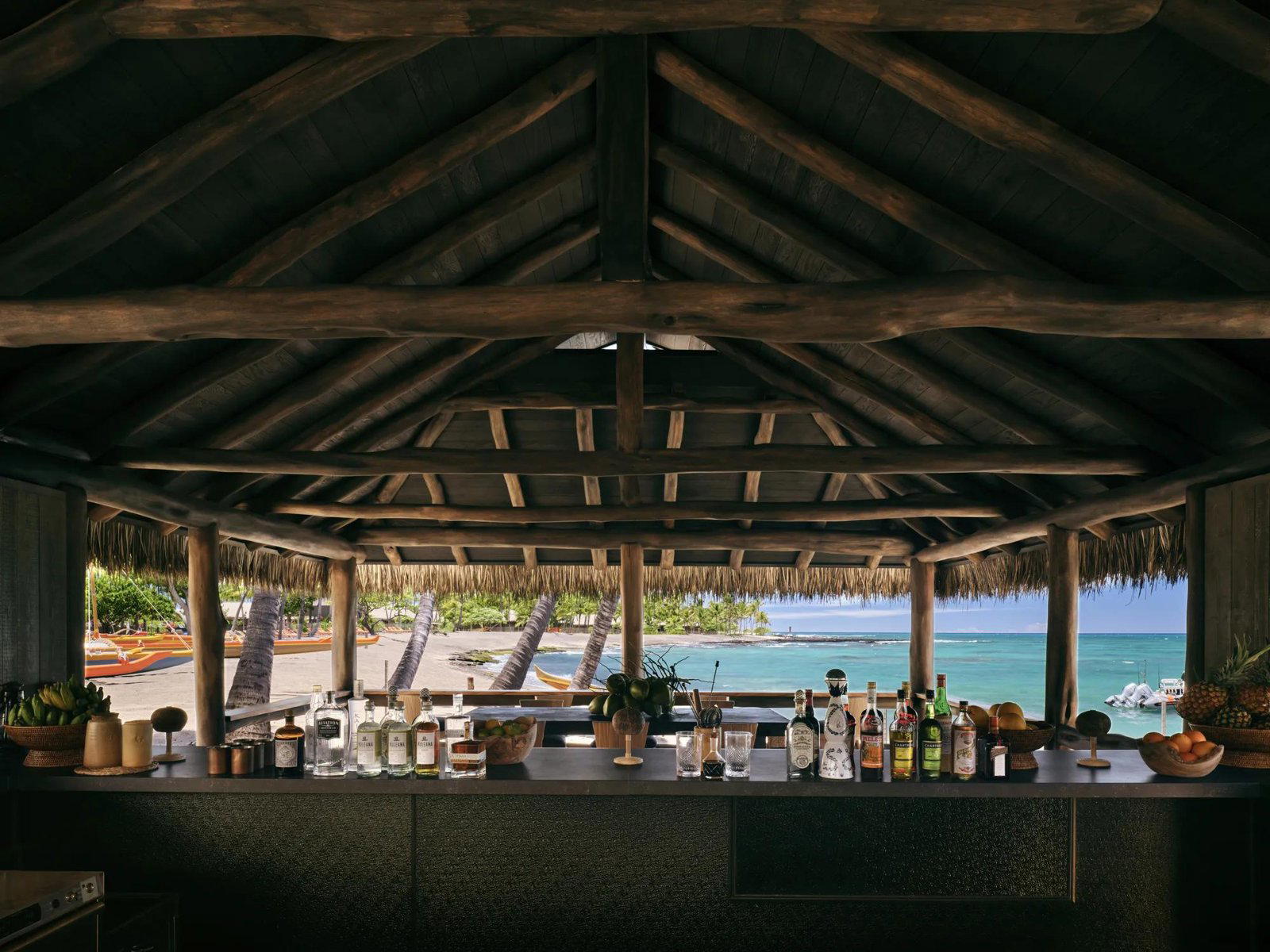
Kona Village, A Rosewood Resort brings the Big Island resort idea back to its elemental parts: free-standing hale, black-lava ground, Kahuwai Bay, and design that treats open air as architecture rather than decoration. The revived 1965 property now reads as a high-design Hawaiian resort with serious cultural programming, solar-powered infrastructure, and a scale large enough for families without losing its sense of place.

Pearl is the En Primeur Club membership app, where members save venues, book tables and use the concierge.
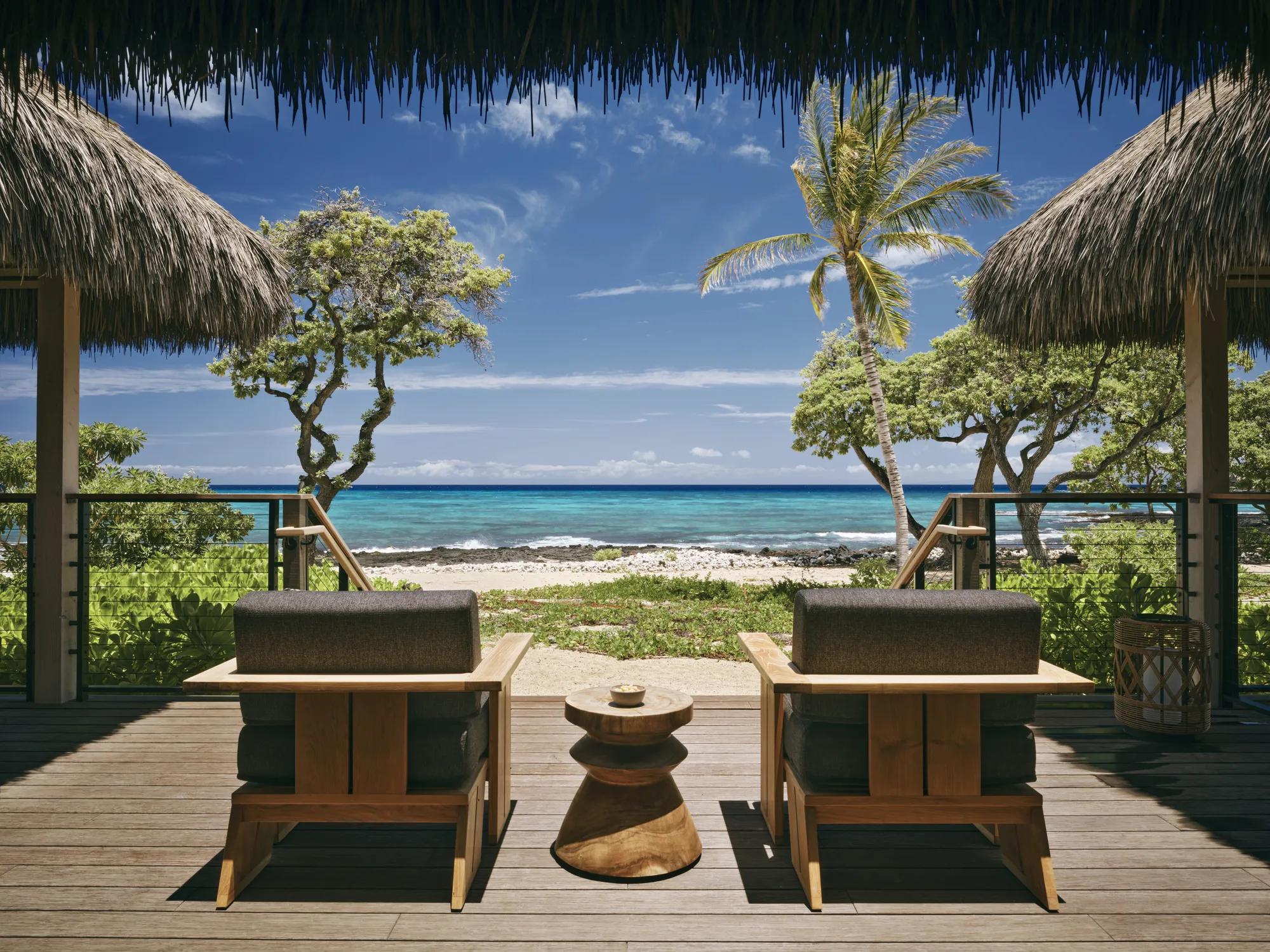
Kona Village, A Rosewood Resort is a resort in Kailua Kona. Verified public-facing detail is limited, so this profile focuses on what can be stated confidently: the property is tied to a Hawaiian setting whose history is described as spanning from Polynesian settlers to Captain Cook, with sacrosanct land and petroglyphs noted in recognition language for the resort.
A Kailua Kona resort rooted in place
Kona Village, A Rosewood Resort is best understood as a Kailua Kona resort where the setting is central to the experience. Rather than leaning on unverified claims about room counts, design authorship, service formats, or amenities, the grounded story is the relationship between the resort and the land around it.
For travelers comparing stays, Four Seasons Resort Hualalai is another nearby option to consider alongside Kona Village, A Rosewood Resort. For broader planning context: Our full Kailua Kona hotels guide, restaurants guide, bars guide, wineries guide, and Our full Kailua Kona experiences guide.
A resort shaped by land and history
The verified recognition language available for Kona Village, A Rosewood Resort emphasizes deep roots in place: the resort is described in relation to sacrosanct land, petroglyphs, and a history reaching from Polynesian settlers to Captain Cook.
Within Kailua Kona, Kona Village, A Rosewood Resort can be considered by travelers looking for a stay where the surrounding land and cultural history are part of the appeal. Other dining, hotel, and experience options in Kailua Kona can be considered separately depending on the trip’s needs.
At-a-Glance Comparison
Comparable venues by cuisine and price in the same metro.
| Venue | Cuisine | Price | Awards |
|---|---|---|---|
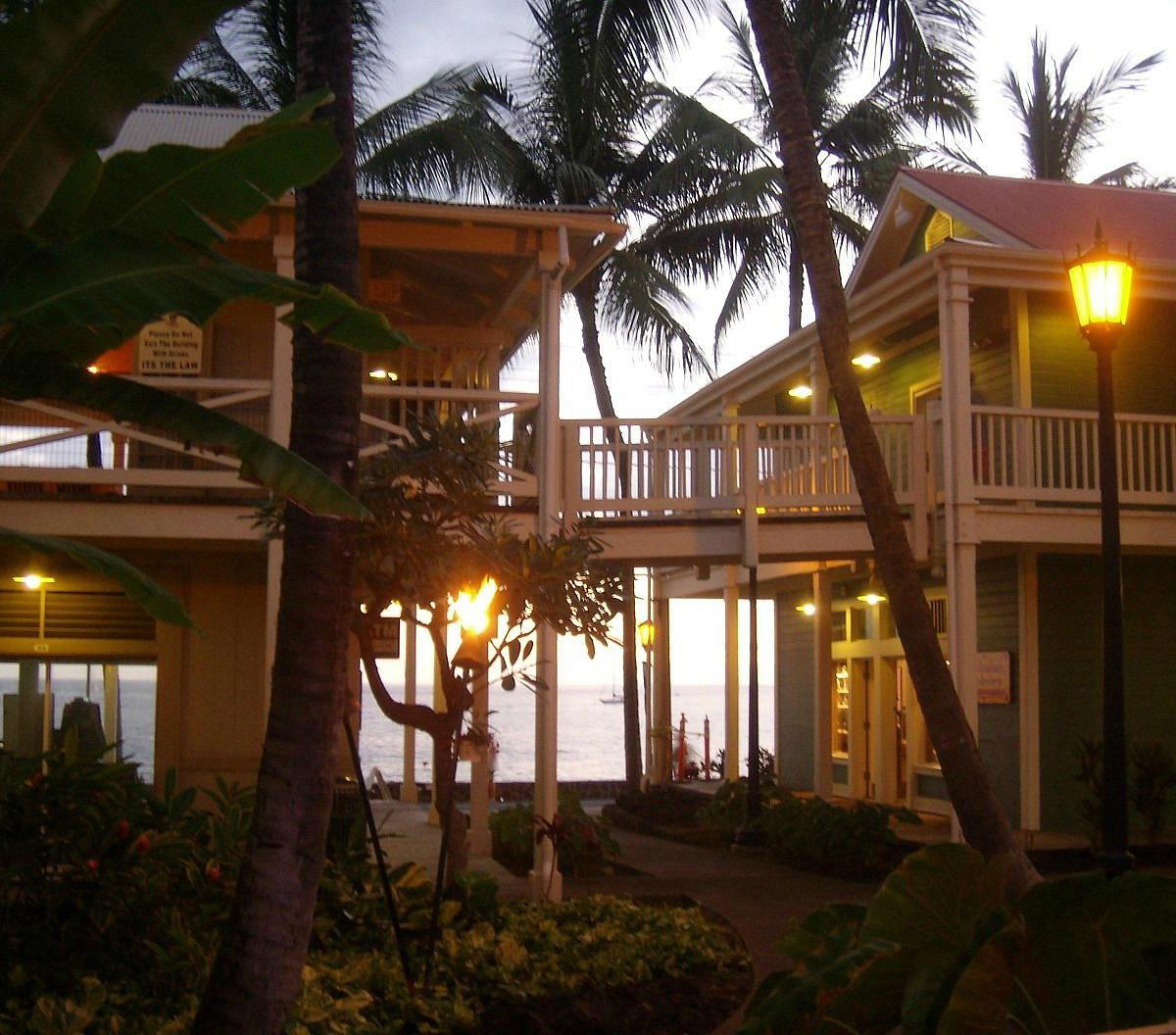
| Kona Village, A Rosewood ResortThis venue (the venue you are viewing) | Roots run deep at Hawaiian hideaway Kona Village, a Rosewood Resort. Not only does it co-exist with sacrosanct land, scattered with petroglyphs, and whose history spans from Polynesian settlers to Captain Cook, but it’s also the second coming of a beloved resort built in the 1960s, which original staff and guests still speak of with much warmth and reverence. The nostalgia’s been nudged gently into the present, with respectful, refined design in the thatch-roofed hales, a spa cut into lava rock and culture-rich activities. And when considering your own return, the drama-laden landscape, genuine staff and polished ambience will plant a seed, for sure…; Set amidst 81 acres along the shores of Kahuwai Bay, pristinely preserved and sustainably renewed, classic, thatched-roof hale live lightly on the sacred land, where hardened lava has graciously parted for lively flora and native, bountiful greenery. Emerging from a decade of stillness, this long-awaited new chapter weaves a cultivated mix of formative experiences, signaling a revitalizing new era with the same steady pulse.; Kona Village opened with thatched-roof bungalows set on a field of black lava next to the crescent-shaped Kahuwai Bay in 1965. After years of neglect, a destructive tsunami and a decade-long closure, it underwent an extensive rebuilding and renovation, reopening under the Rosewood banner in 2023.; A revived icon on the Big Island's Kahuwai Bay. This sustainable resort honors Hawaiian culture with thatched-roof hale accommodations and a deep connection to the land and sea.; La Liste Top Hotels (2026): 94pts; World Travel Awards is proud to announce the 2025 winner for Hawaii's Leading Luxury Resort as Kona Village, A Rosewood Resort; Property highlights: The 150 free-standing hale and kauhale are scattered through the property, ranging in size from one to four bedrooms. Some are right on the beach, and most have spacious lanai (balconies) well-suited for sipping your morning coffee or lounging under the stars. The location is ideal, right on the pristine shores of Kahuwai Bay. The resort is about eight miles north of the Ellison Onizuka Kona International Airport and a short drive to the bustling town of Kailua-Kona and its slew of restaurants, shops and activities. You can also head farther north to Waimea, where its inviting rolling hills and vast ranchlands are a stark contrast to the barren lava landscape. Despite its posh reputation, Kona Village is actually great for families. The Rosewood Explorers Keiki Club offers fun activities for kids, designed to foster cultural appreciation and social responsibility. There’s an outdoor games area with cornhole, ping pong tables, foosball and bocce. And Kahuwai Bay is protected and safe for ocean exploring. Asaya spa is dramatic, with open-air treatment rooms and views of Hualālai in the distance. Even the pedicure nook is gorgeous. While the offerings are impressive, you’ll find everything from traditional lomi lomi massages to services using warmed lava stones, the recovery area is the spa’s shining star, with hot and cold pools, a sauna, steam room and a sitting area that you won’t want to leave. There’s many things to do at this resort, from paddling in an outrigger canoe at sunrise in the bay to learning how to strum the ukulele at the Kaʻuluola Cultural Center. Cinema Under the Stars is a distinctive experience at Kona Village, where you can watch a family-friendly film on an oceanfront lawn under the stars. Fireside treats included. What to know: You can borrow a bike or request a ride on a golf cart to get you around the property. The resort has pools for everyone: an infinity-edged one for adults (with a bar, of course) and another for the entire family that includes a sand-bottom keiki pool. Saturdays at 1 p.m. at Kona Village is Coconut O’Clock, when fresh coconuts are cracked open and served to guests. For adults, or harried parents with kids, you can add a shot of local rum to your glass. Kona Village is one of the largest privately owned microgrids in the state, and the resort is solely reliant on solar power with a zero-waste commitment. Rooms: Of the 150 bungalows, 37 are suites with outdoor rainlike showers and luxuriously large lanai, and range in size from a 1,000-square-foot one-bedroom kauhale to a sprawling 2,420-square-foot two-bedroom unit on the beach that has two full bathrooms (and a half-bath for good measure) and an open-air living room that accommodates up to six guests comfortably. The interiors of both hale and kauhale were done by noted designer Nicole Hollis, and the look, obviously inspired by the resort’s volcanic surroundings, blurs the line between indoors and out with dark tile and stone and warm woods throughout. The presidential-style suite is a far-reaching 6,500 square feet of comprehensive comfort and privacy. This four-bedroom family kauhale has a full-size kitchen, private pool, hot tub, outdoor fire pit, washer and dryer in the unit and butler service. It comes with three meals per day per person, too. The bathrooms in the kauhale units are huge, with deep soaking tubs and outdoor showers. Amenities: 72-300 Maheawalu Drive, Kailua-Kona, HI 96740; First awarded: 2023; Michelin 3 Keys (2024) | Not listed | 3 Michelin Keys · La Liste Top Hotels |
| Four Seasons Resort Hualalai | Not listed | $1,000–1,500 | 2 Michelin Keys · La Liste Top Hotels |
| Mauna Lani, Auberge Resorts Collection | Not listed | Not listed | 1 Michelin Key · Star Wine List |
Recognition history
Dated appearances from independent guides and award organizations, with the underlying list record or original source where available.
Michelin 3 Keys
Michelin
La Liste Top Hotels
La Liste
Conde Nast Gold List
Conde Nast
Mr & Mrs Smith Seal of Approval
Mr & Mrs Smith
Virtuoso Luxury Hotel Partner
Virtuoso
Full recognition history (8 entries)
AAA 5 Diamond
AAA
Forbes 4-Star
Forbes
World Travel Awards
World Travel Awards
Continue exploring
More in Kailua Kona
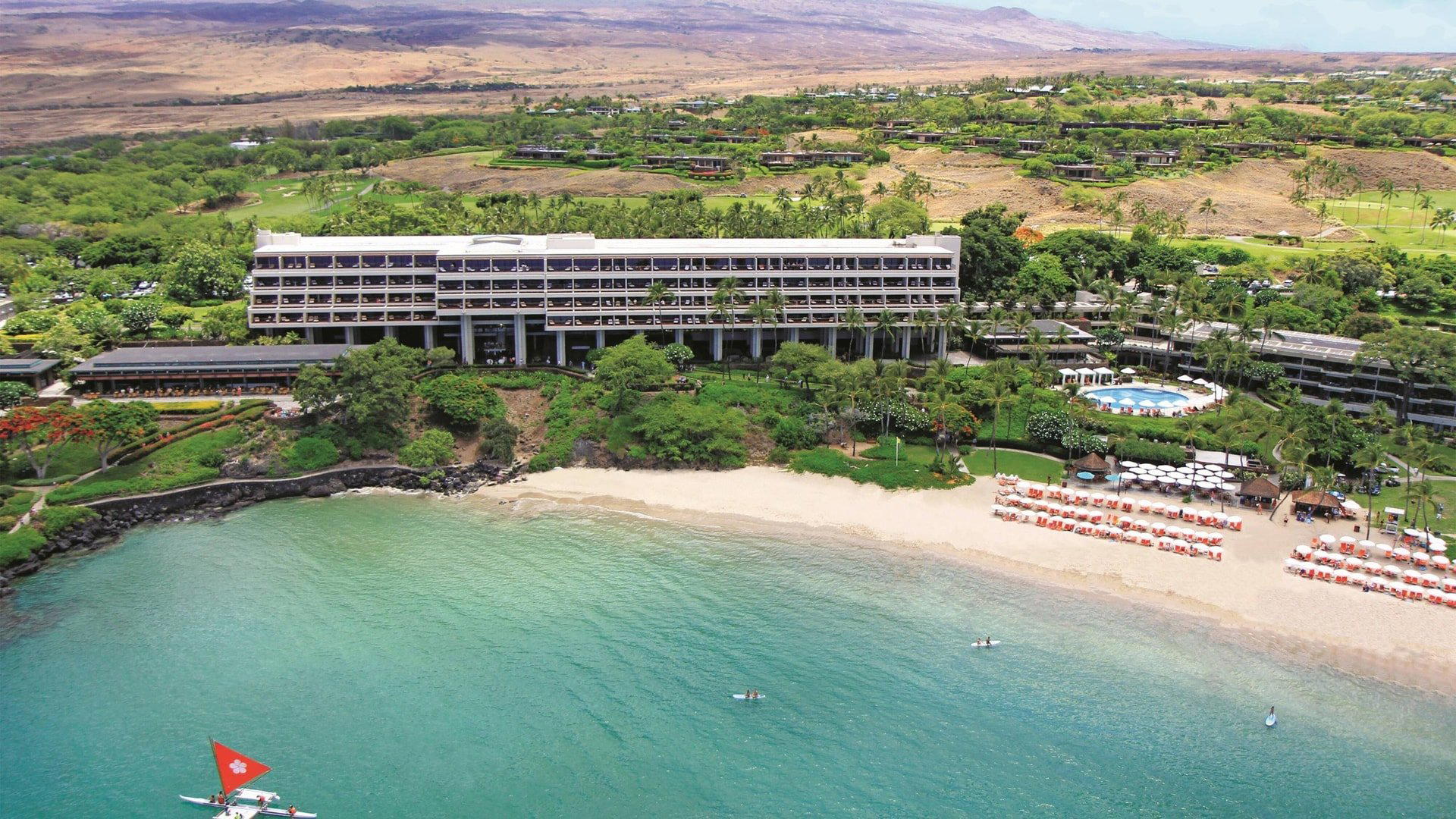
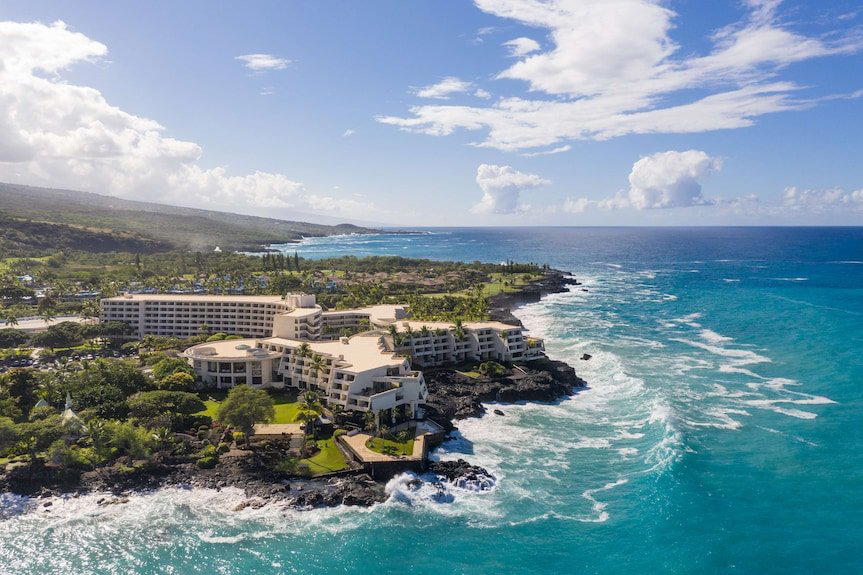
Hotels in Kailua Kona
All hotels in Kailua Kona →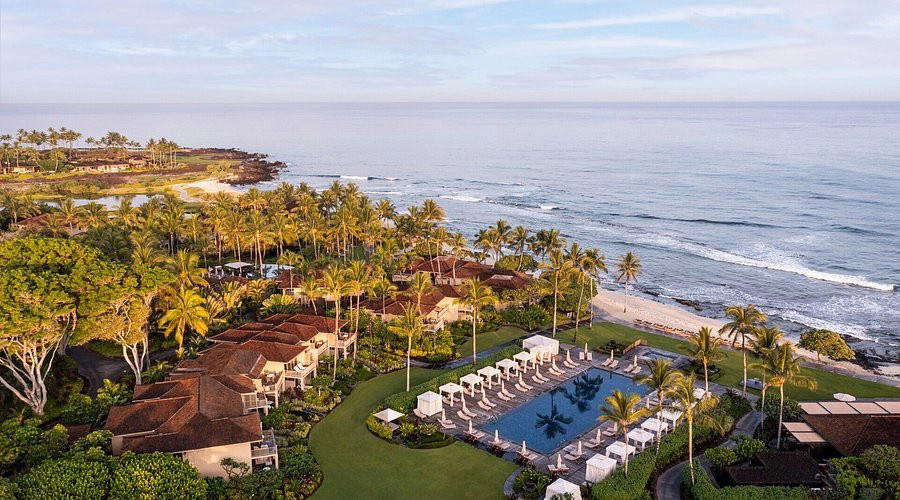
Bars in Kailua Kona
All bars in Kailua Kona →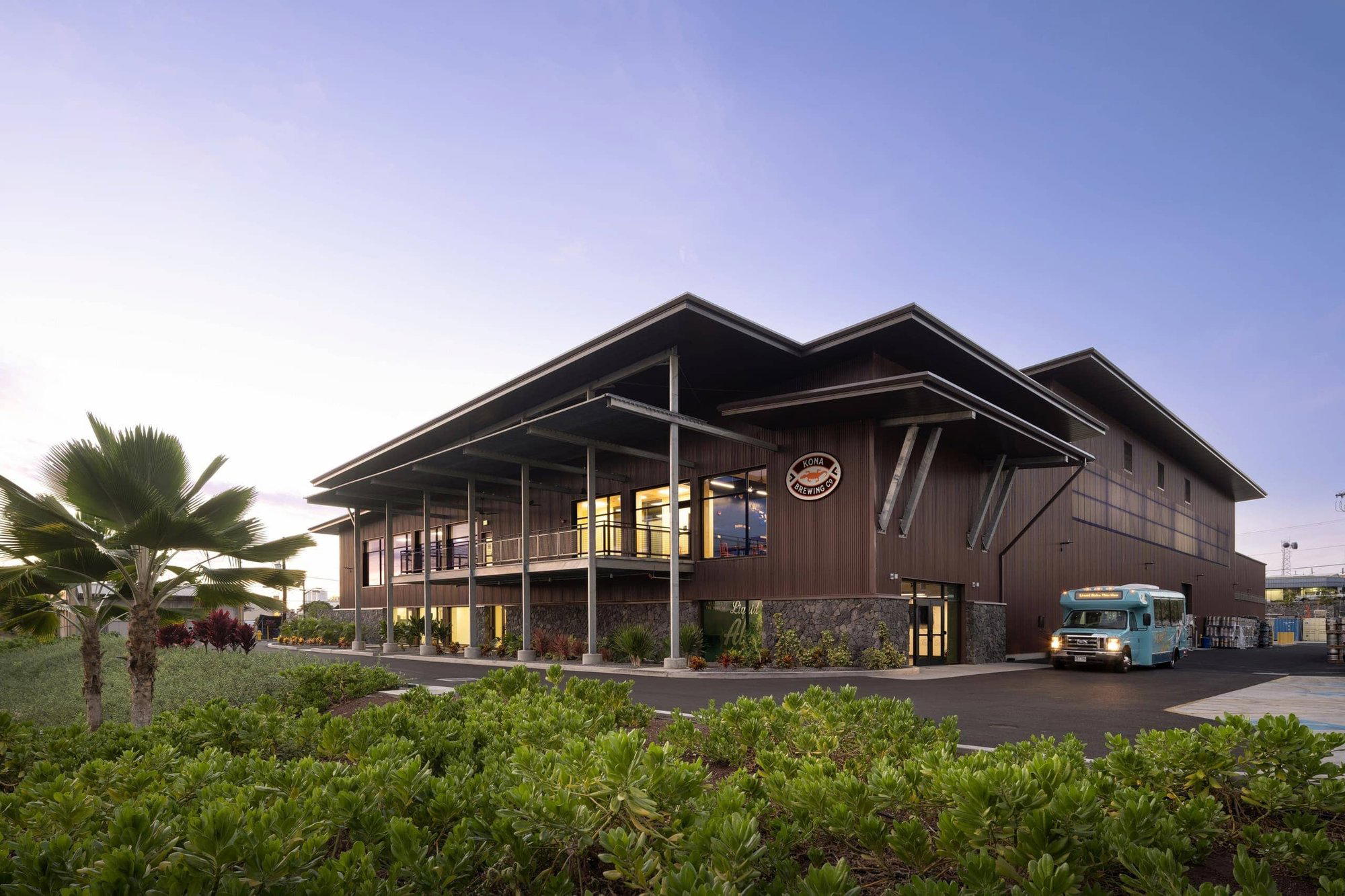
Details
- Scenic
- Elegant
- Sophisticated
- Ornate
- Honeymoon
- Romantic Getaway
- Family Vacation
- Wellness Retreat
- Beachfront
- Infinity Pool
- Private Villa
- Destination Spa
- Panoramic View
- Pool
- Spa
- Fitness Center
- Room Service
- Concierge
- Valet Parking
- Kids Club
- Beach Access
- Waterfront
- Garden
- Mountain
- Wheelchair Accessible
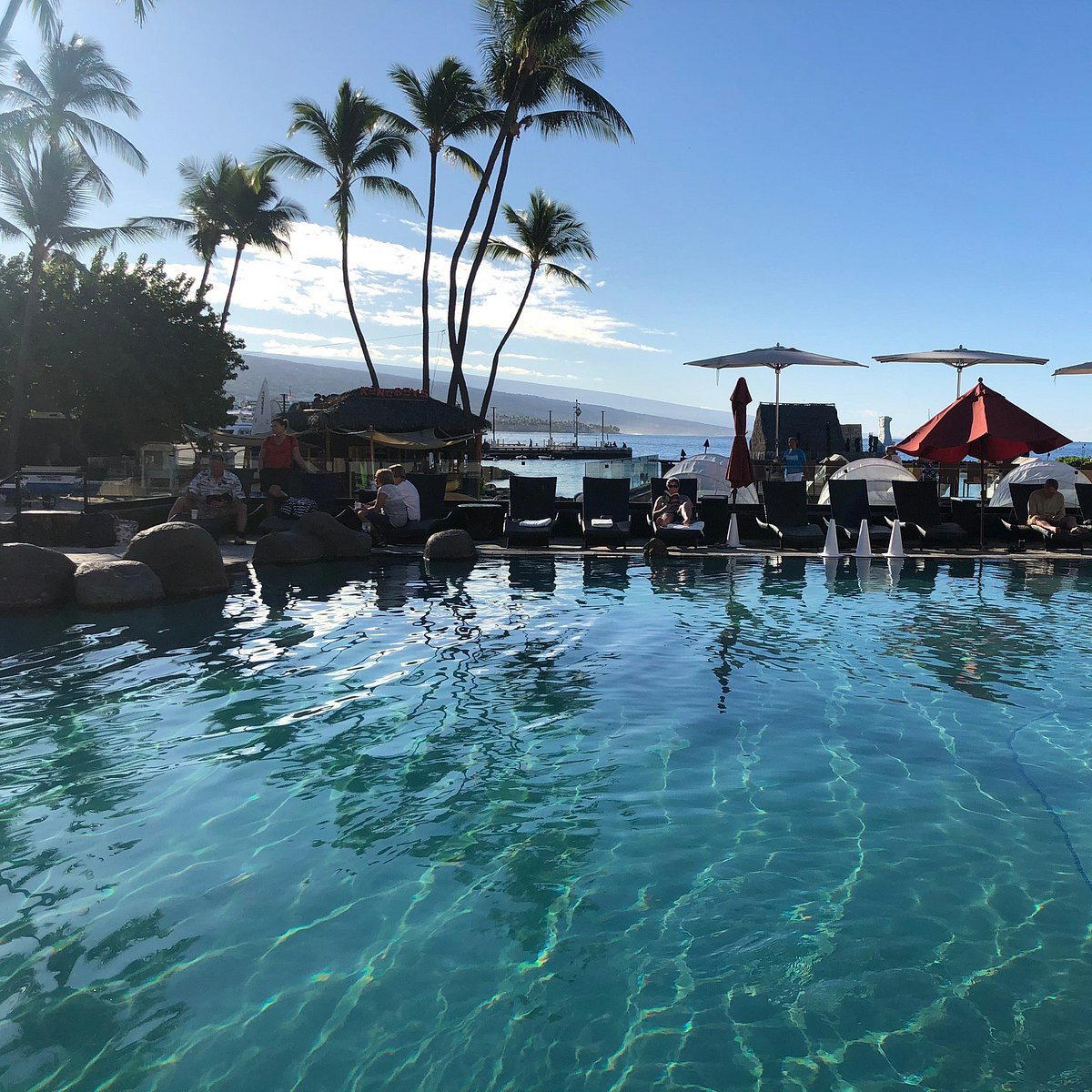
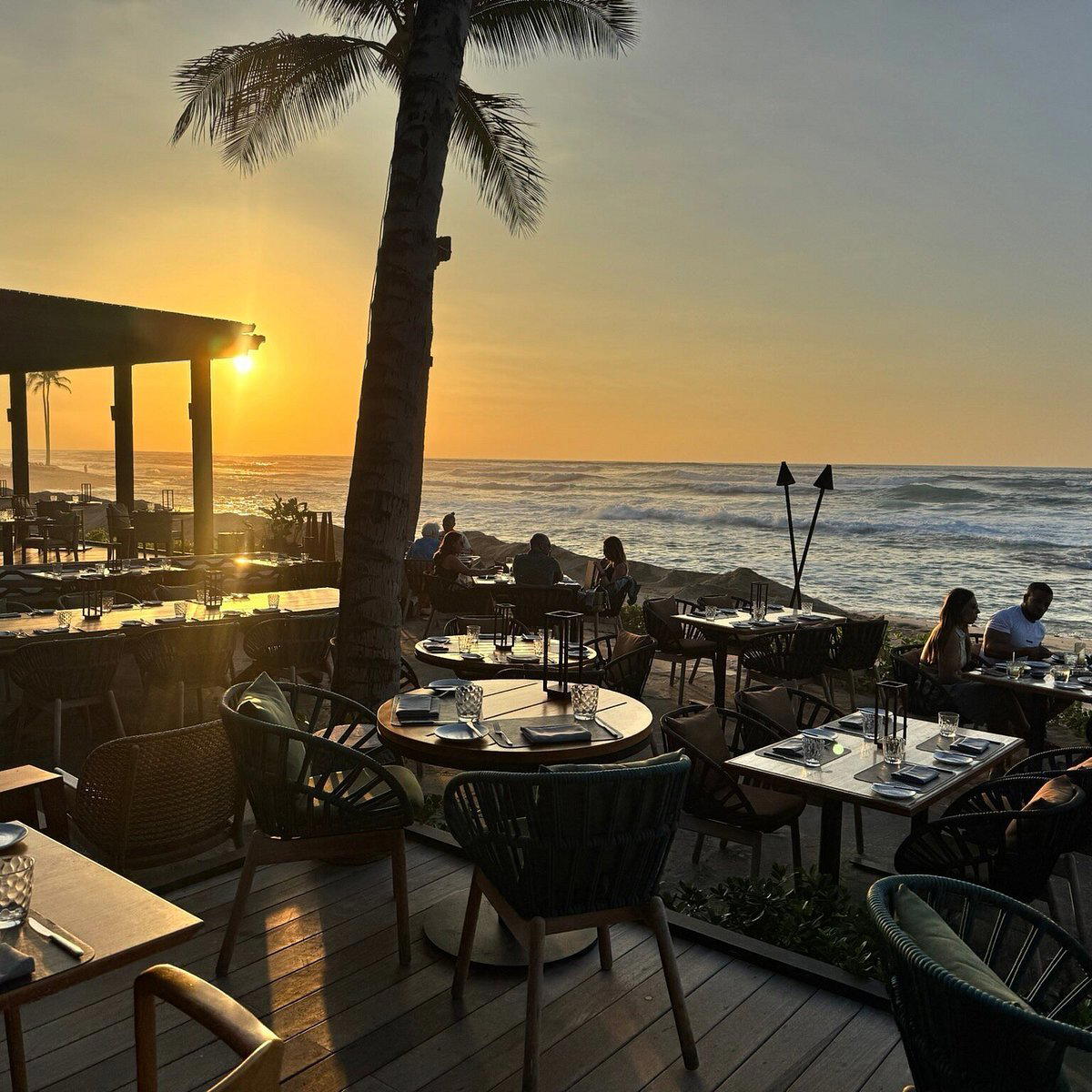
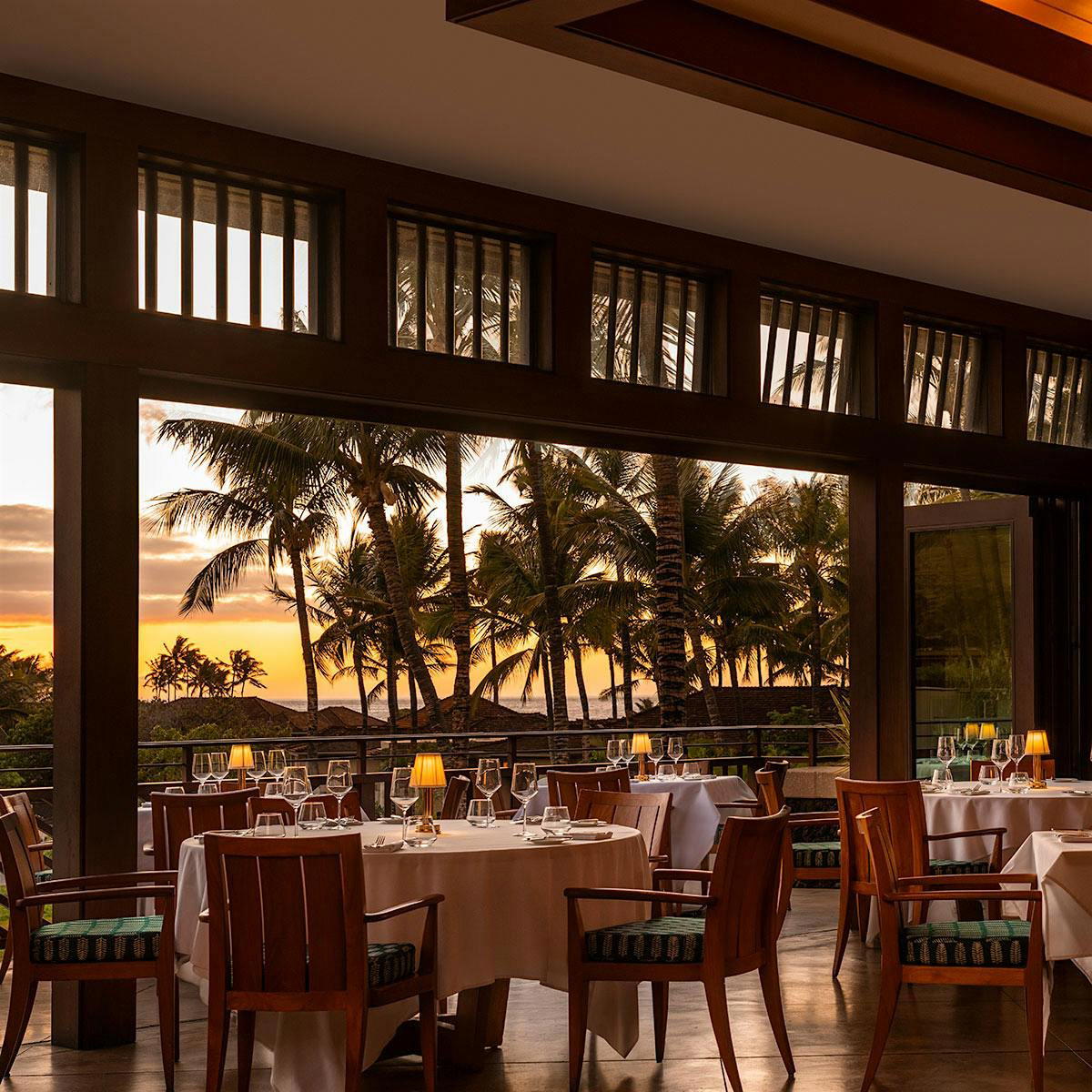
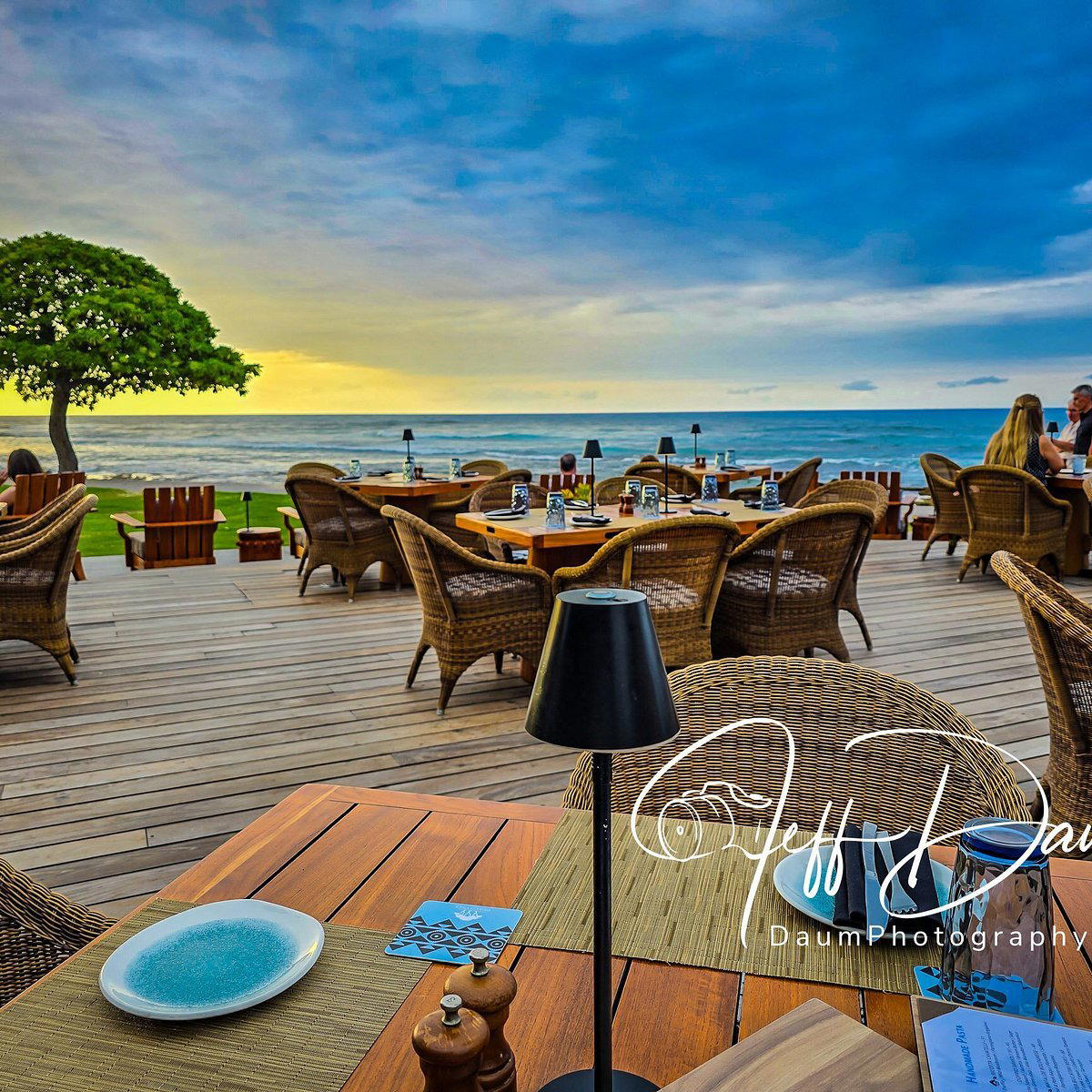
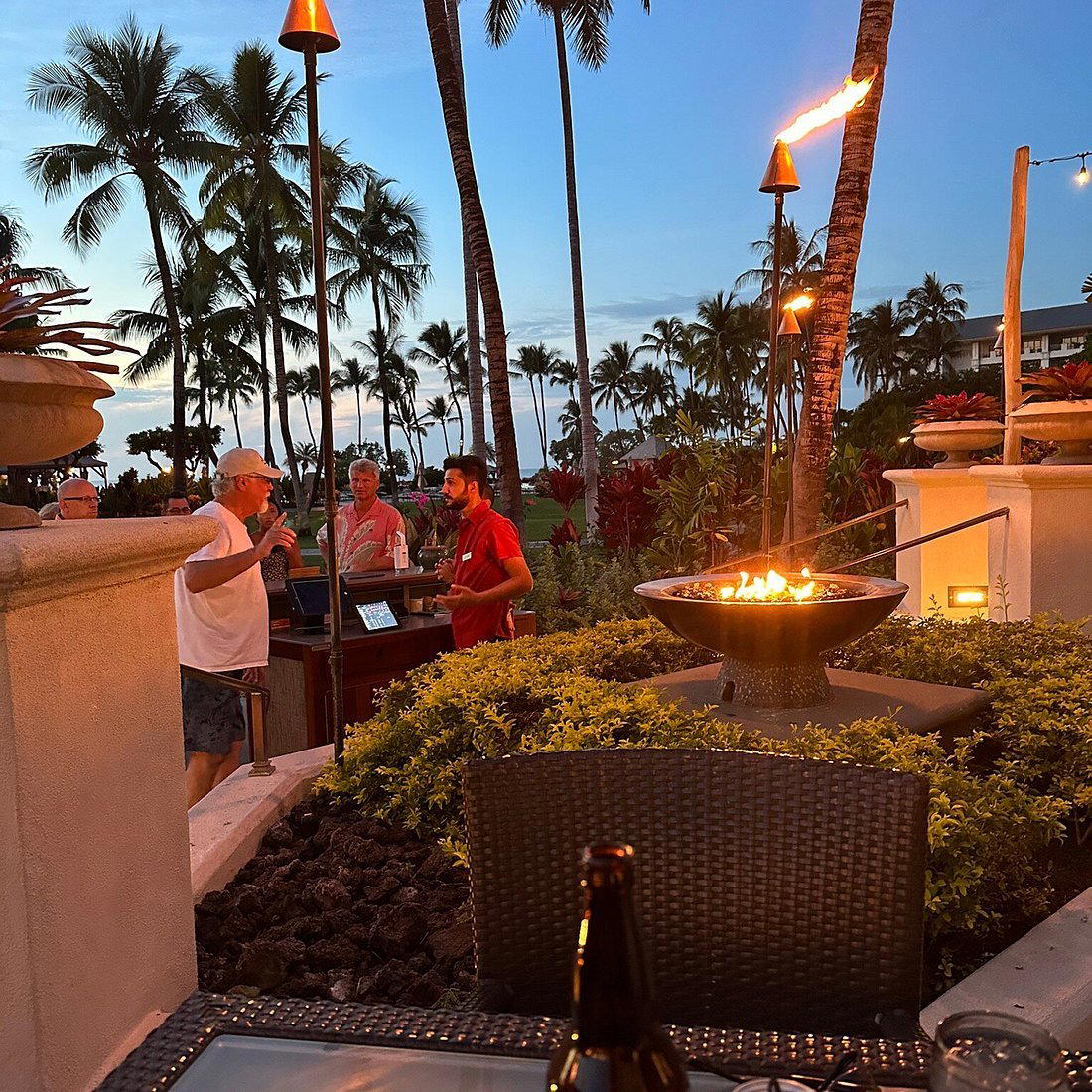
Relaxed tropical atmosphere with open-air dining, poolside serenity, and peaceful evenings enhanced by natural beauty and gracious service.