The Lodge at Mudbrick
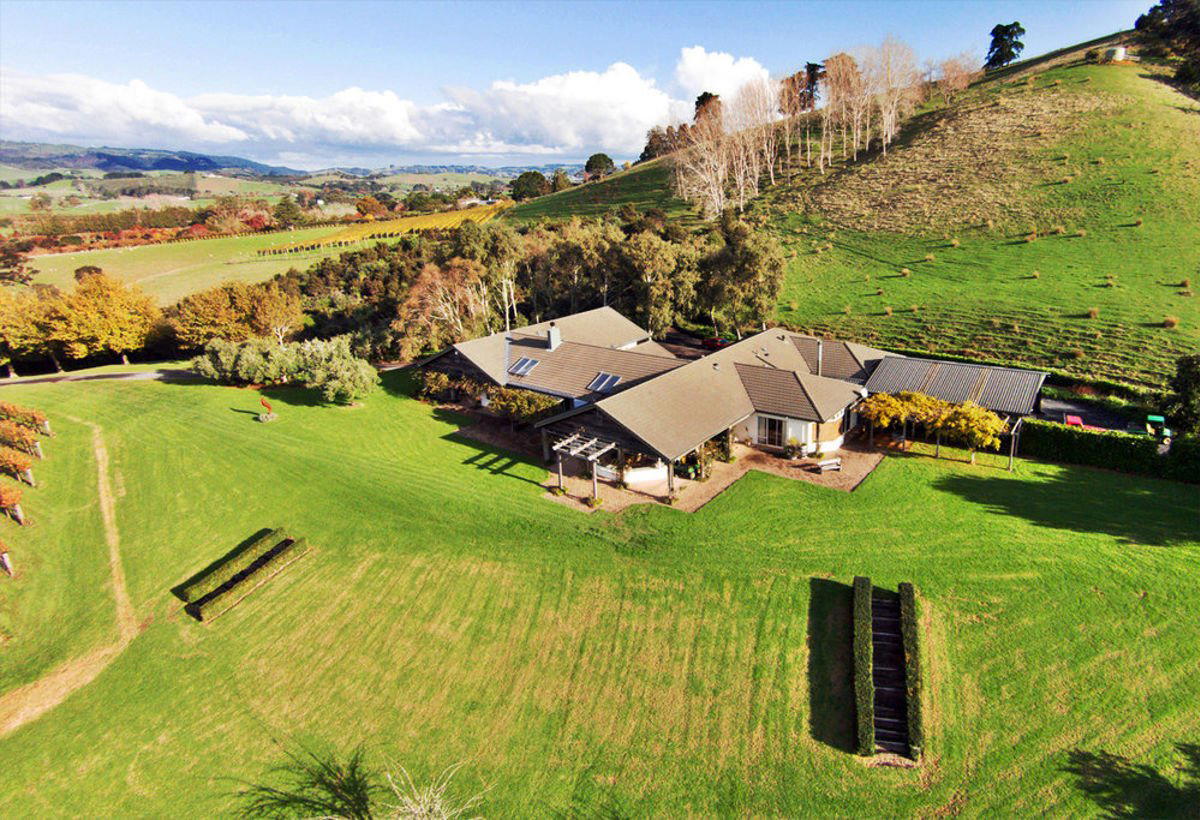
The Lodge at Mudbrick sits on Waiheke Island's Church Bay Road, positioned within the Mudbrick estate that has defined the island's wine-country hospitality for decades. The property places guests inside one of New Zealand's most recognisable vineyard settings, with Hauraki Gulf views and a dining programme built around estate-grown produce and local wine. Booking ahead is advisable, particularly across the summer season from December through February.

Pearl is the En Primeur Club membership app — saves, bookings, and concierge access live there. Same editors, same standards.
- Address
- 126 Church Bay Road, Oneroa, Waiheke Island 1971, New Zealand
- Phone
- +64 9 372 9050
- Website
- mudbrick.co.nz
- Directions
- Get directions
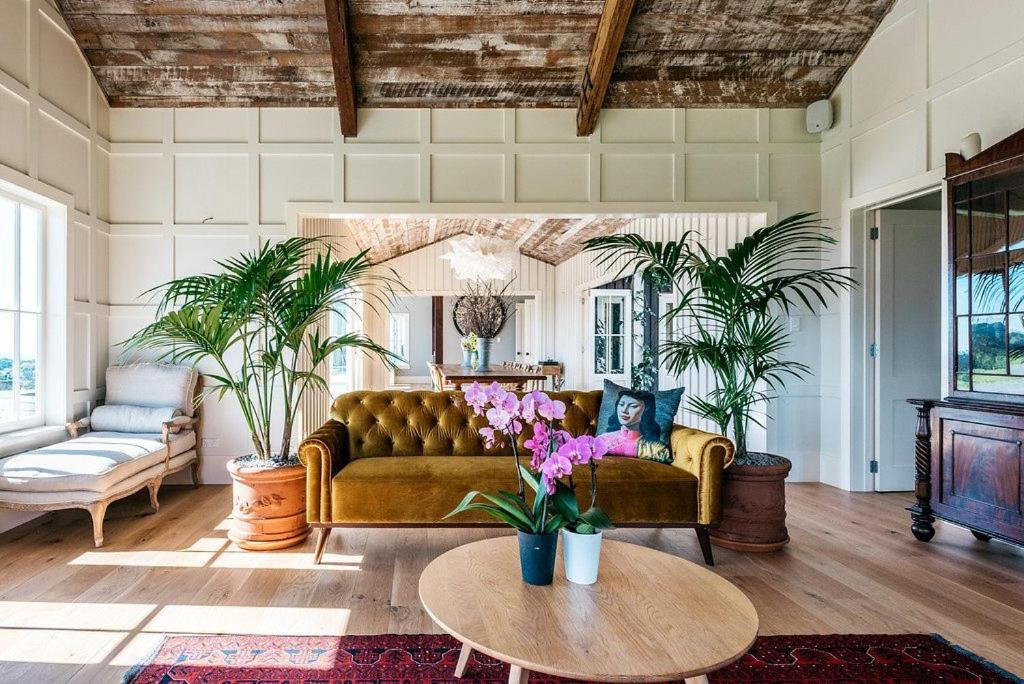
Waiheke's Wine Country, on the Ground
Waiheke Island occupies a particular position in New Zealand's hospitality imagination: close enough to Auckland to reach by a 35-minute ferry crossing, yet distinct enough in character to function as a destination in its own right. The island's wine production, concentrated on clay-heavy soils suited to Bordeaux varieties, has anchored a tier of lodge and restaurant experiences that trade on vineyard setting as much as the wine itself. The Lodge at Mudbrick, at 126 Church Bay Road in Oneroa, sits at the heart of that tradition. The Mudbrick estate is one of the properties most associated with shaping what Waiheke wine-country accommodation looks like, and the lodge component reflects that positioning: it places guests inside the vineyard rather than adjacent to it. For the broader context of dining, drinking, and staying on the island, our full Waiheke Island restaurants guide covers the competitive set in detail.
The Setting Before the Plate
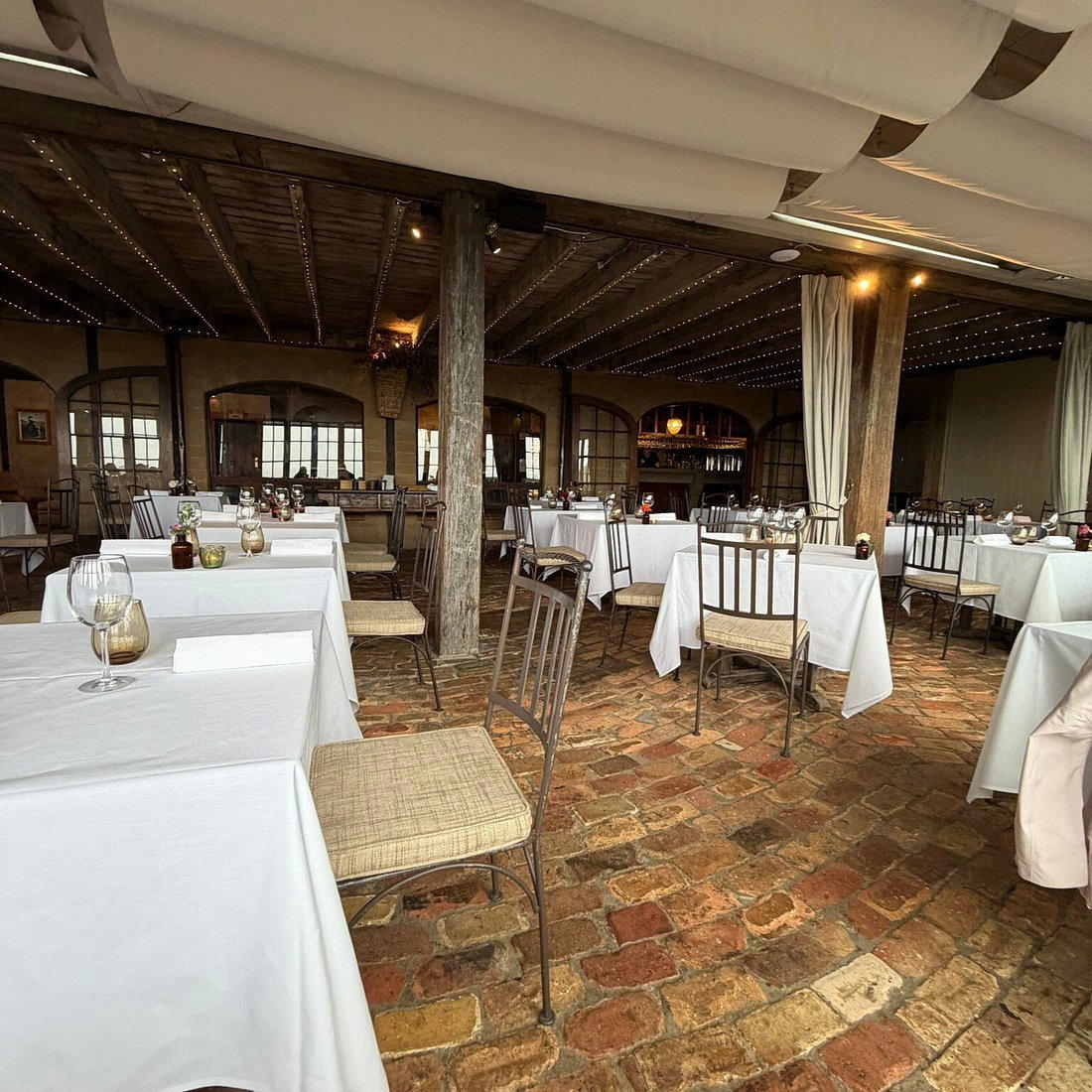
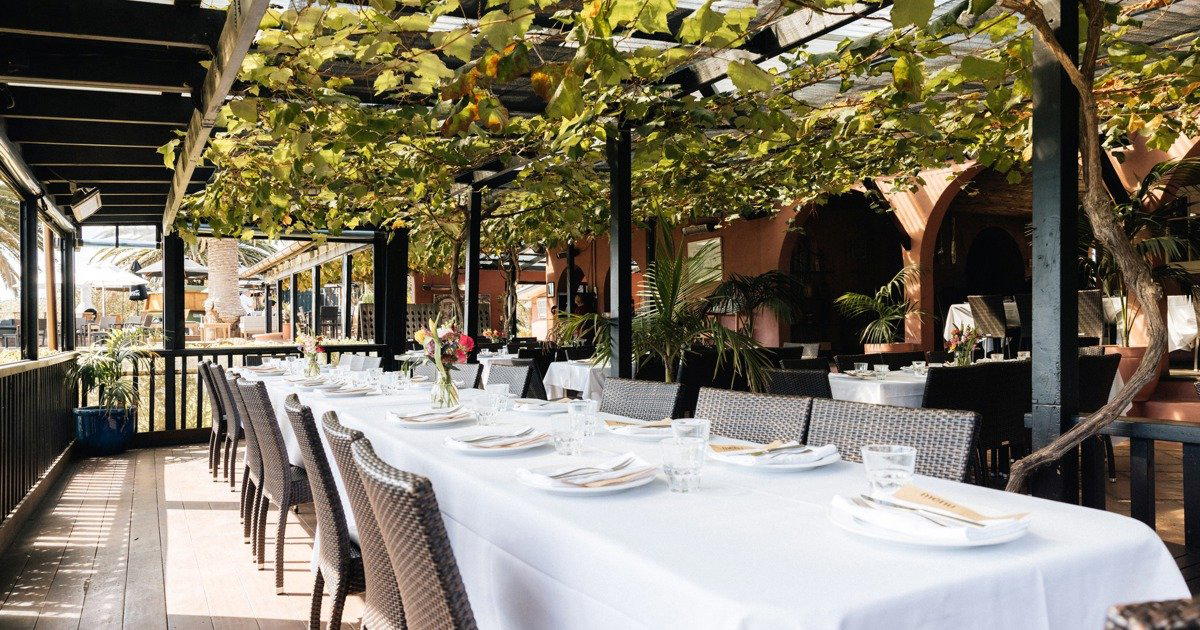
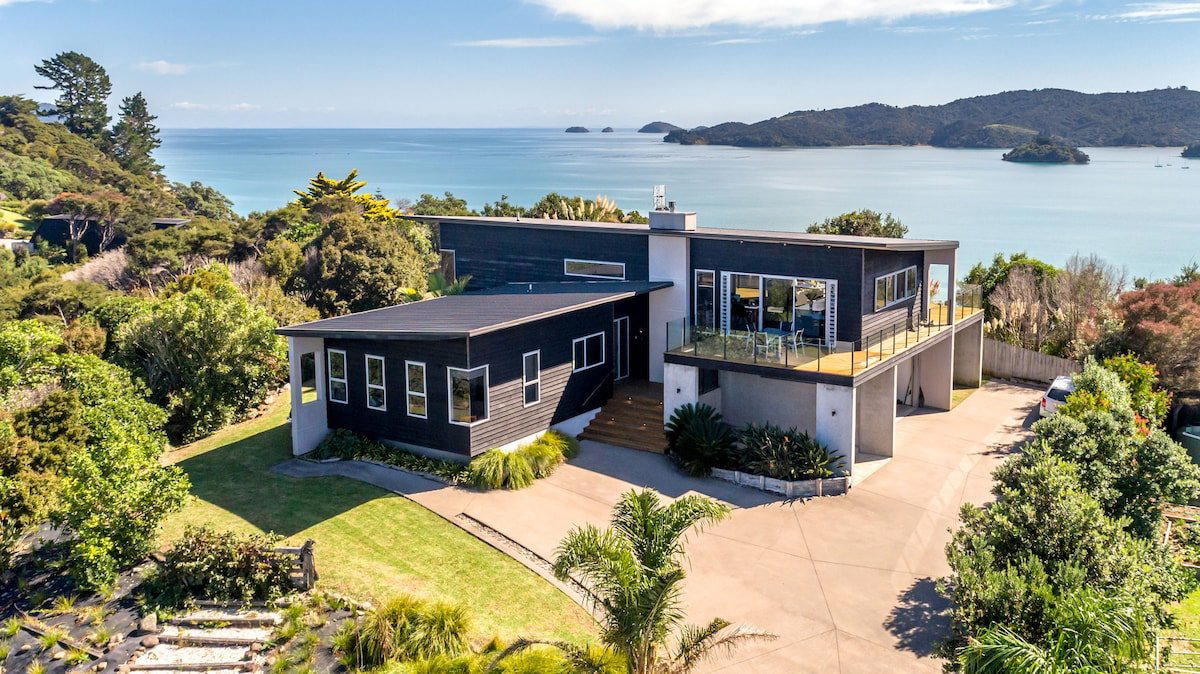
Arriving at Church Bay Road, the approach signals what kind of property this is. Waiheke's wine estates tend to occupy refined positions across the island's ridgeline, and the Mudbrick site uses that topography to frame Hauraki Gulf views that shift in quality depending on season and time of day. The physical fabric of the property, as the name suggests, leans into the island's artisanal building tradition: mudbrick construction gives the estate a textural warmth that distinguishes it from the glass-and-steel aesthetic that has become common in New Zealand luxury lodges elsewhere. Properties like Blanket Bay in Glenorchy and Minaret Station Alpine Lodge in Wānaka use alpine drama as their primary environmental argument; Mudbrick's version is Mediterranean in register, vine rows and terracotta-inflected materials under Southern Hemisphere light.
The Dining Programme and Its Place in the Estate
The Mudbrick estate operates a restaurant that has long functioned as a draw independent of the lodge accommodation, which places it in a specific category within New Zealand hospitality. Rather than a hotel dining room that primarily serves guests, the restaurant attracts a day-visit trade from Auckland alongside in-house guests, which means the kitchen operates under a broader public scrutiny than a closed-door lodge format would require. This dual-audience model is common among New Zealand's wine-estate properties and tends to produce menus that anchor to the estate's own production while reaching wide enough to hold a mixed clientele.
On Waiheke, the dining conversation at this tier runs between a handful of estate restaurants and a growing number of standalone destination spots. The Mudbrick restaurant sits within the estate-led cohort, where the wine list is built around the property's own production and the food programme is expected to complement rather than compete with it. New Zealand's wine-estate dining tradition has historically been lighter in format than comparable French or Californian equivalents, favouring produce-led simplicity over highly constructed tasting-menu frameworks. Estate restaurants on Waiheke have broadly followed that pattern, and the Mudbrick dining room operates within it. Comparable New Zealand lodge properties with a similar food-and-wine integration include Otahuna Lodge in Tai Tapu and Rosewood Cape Kidnappers in Te Awanga, both of which position their dining programmes as central rather than supplementary to the overall stay.
Waiheke in the New Zealand Lodge Hierarchy
New Zealand's premium lodge market has become more articulated over the past decade, with clearer distinctions emerging between wilderness-isolation properties, coastal estates, and vineyard retreats. The Lodge at Mudbrick sits in the vineyard-retreat tier, which trades on accessibility and wine-country character rather than remoteness. Properties in the isolation category, such as Poronui Lodge in Taharua or Fiordland Lodge Te Anau, require significantly more travel time and offer a different proposition. The Mudbrick lodge's proximity to Auckland, via the Waiheke ferry from the CBD, makes it function partly as a weekend extension of the city and partly as a standalone destination for international visitors already based in Auckland.
Within Waiheke itself, the competitive set is tighter. Omana represents the island's organic-estate approach with a different land character, and several smaller boutique properties have established themselves across the island's various bays. The Mudbrick estate's advantage is its established identity: the restaurant has operated long enough to have accumulated a settled reputation, and the lodge accommodation draws guests who already know the estate from previous day visits or dining experiences.
For those building a broader New Zealand lodge itinerary, Huka Lodge in Auckland, Eagles Nest in Russell, Hapuku Lodge + Tree Houses in Kaikoura, and Wharekauhau Country Estate in Featherston represent the range of environments and formats available across the country. Solitaire Lodge in Rotorua, Helena Bay Lodge in Helena Bay, and Lakestone Lodge in Twizel each occupy distinct regional positions. Annandale Villas in Pigeon Bay and Rosewood Kauri Cliffs in Matauri Bay add further coastal formats to a market that has grown considerably in depth over the past several years.
Planning a Stay
Waiheke's summer season, running from December through February, brings the highest demand across the island's accommodation and restaurant bookings. Ferries from Auckland's downtown terminal run frequently during peak periods, but the 35-minute crossing means the island's rhythm is still tied to the ferry schedule in ways that fully remote lodges are not. Booking accommodation at the lodge well ahead of the summer period is advisable; the restaurant draws both in-house and day-trip guests, which means dining reservations during weekends and public holidays require similar forward planning. Shoulder seasons, particularly March through April during the post-harvest period, offer a different Waiheke: quieter, with the vineyards in autumn colour and a more local crowd at the restaurants. For travellers whose New Zealand itinerary includes wine-country stops elsewhere, Carnmore Chateau Marlborough in Blenheim represents the Marlborough complement to Waiheke's Bordeaux-variety focus. International visitors pairing New Zealand with other destinations might also consider the broader EP Club property set, including Aman New York, The Fifth Avenue Hotel in New York City, and Aman Venice for reference points in the international lodge and hotel tier.
Budget Reality Check
| Venue | Price | Awards |
|---|---|---|
| The Lodge at MudbrickThis venue — the venue you are viewing | $300–500 | Not listed |
| Huka Lodge | $2,500+ | 2 Michelin Keys · World's 50 Best #82 |
| Blanket Bay | $500–750 | 2 Michelin Keys · La Liste Top Hotels |
| Cordis, Auckland | $200–300 | Michelin Guide New Hotels New Hotel · Michelin Selected |
| Delamore Lodge | Not listed | 2 Michelin Keys · La Liste Top Hotels |
| Otahuna Lodge | $750–1,000 | 2 Michelin Keys · Relais Chateaux Award |
Continue exploring
More in Waiheke Island
Hotels in Waiheke Island
Browse all →
Bars in Waiheke Island
Browse all →
Restaurants in Waiheke Island
Browse all →
Details
- Romantic
- Elegant
- Scenic
- Rustic
- Sophisticated
- Honeymoon
- Romantic Getaway
- Anniversary
- Destination Wedding
- Weekend Escape
- Panoramic View
- Terrace
- Private Villa
- Wi Fi
- Air Conditioning
- Hot Tub
- Massage
- Laundry Service
- Parking
- Waterfront
- Vineyard
- Wheelchair Accessible
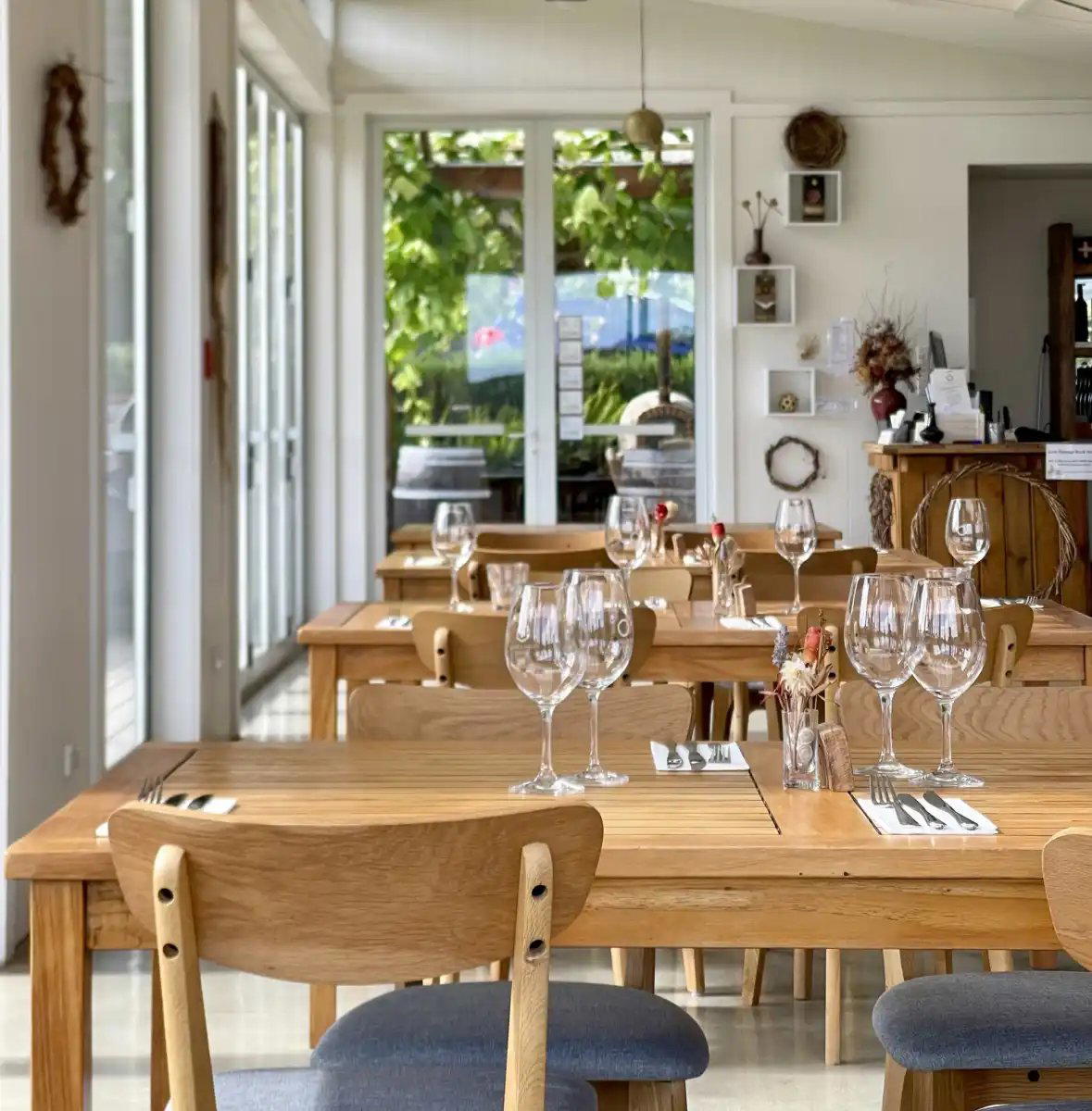
Rustic elegance with timber interiors, fireplaces, and romantic lighting enhanced by sweeping vineyard and ocean views.