Hotel DeBrett
Hotel DeBrett occupies a heritage building at 2 High Street in Auckland Central, positioning it among the city's design-led independent properties rather than the international chain tier. The bar programme sits at the centre of the guest experience, drawing both hotel guests and the wider Auckland drinking public. For travellers who treat where they drink as seriously as where they sleep, DeBrett earns consideration.
 Discover on Pearl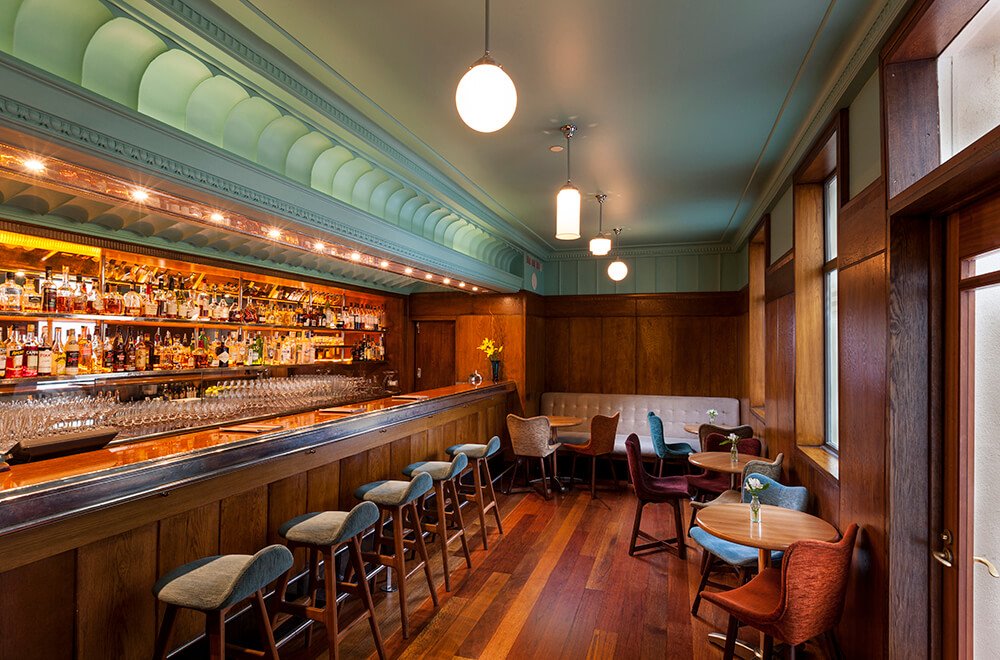
A Heritage Address in the Middle of Auckland's Drinking Scene
High Street sits in the older commercial grain of Auckland Central, a block that runs between the waterfront ambition of Britomart and the looser, more local character of K' Road. Buildings here carry real age by New Zealand standards, and Hotel DeBrett is housed in one of them: a nineteenth-century structure that has cycled through uses before landing at its current function as a boutique hotel with a bar programme that local drinkers treat as a destination in its own right. The approach from street level gives you the facade first, the kind of architectural detail that most of Auckland's newer hospitality stock cannot replicate. Inside, the tonal shift from street noise to interior calm is immediate.
Auckland's independent hotel tier has developed in a particular direction over the past decade. Rather than competing on room count or conference facilities, properties like DeBrett have leaned into design specificity, neighbourhood identity, and food-and-beverage programmes that justify a visit from non-guests. This positions them against a peer set that includes other character-building conversions rather than airport-adjacent business hotels. The bar, in this model, is not an amenity appended to the rooms business; it functions as the public face of the property.
The shortlist, unlocked.
Hard-to-book tables, cellar releases, and concierge-planned trips.
Get Exclusive Access →The Cocktail Programme as the Property's Clearest Argument
New Zealand's cocktail culture has matured considerably from the sugar-forward era that defined much of the country's bar scene in the early 2000s. Auckland specifically has pushed toward more technically grounded programmes, with a growing cohort of bartenders who have trained internationally or worked through New Zealand's own developing competition circuit. Hotel DeBrett's bar sits within this shift: the programme prioritises craft over volume, and the room's relatively intimate scale means the bartender-to-guest ratio stays high enough for proper conversation about what's on the list.
The physical setup reinforces this. Counter seating at a bar of this type is not incidental; it's the format that allows a technically driven cocktail programme to communicate its reasoning to the person ordering. The difference between a well-made clarified citrus drink explained at the point of service and the same drink delivered silently to a table is considerable. DeBrett's bar format leans toward the former, which aligns it more closely with Auckland's specialist drinking venues than with hotel bars that default to a truncated spirits list and bottled beer.
For context on how Auckland's drinking scene spreads across the central city and inner suburbs, Perch Britomart and The Shakespeare Hotel represent two different points on the spectrum: the former with a rooftop format and harbour views, the latter with a pub-and-brewery model that predates the craft wave. DeBrett occupies a distinct position between these poles, with a bar atmosphere that reads more like an upscale independent than either a destination view venue or a heritage pub.
Across New Zealand's main centres, the comparison points are instructive. Chameleon Restaurant in Wellington Central demonstrates how hotel-adjacent dining and drinking programmes can carry serious local credibility. Azabu Ponsonby in Grey Lynn shows how a technically precise bar programme can define a property's identity across a whole neighbourhood. In Dunedin, Emerson's Brewery illustrates a completely different model: production-led hospitality where the product drives the room. DeBrett's approach sits closer to the Azabu model: the cocktail list is the primary editorial statement.
Where DeBrett Sits in Auckland's Broader Hospitality Map
The central city's hospitality geography has shifted since the post-earthquake reconfiguration of the mid-2010s and the subsequent Britomart development push. High Street itself has held a slightly different character: less polished than the Britomart precinct, more embedded in the actual city fabric. This works in DeBrett's favour for travellers who find the over-designed precinct hotel less interesting than a property with genuine address character.
Auckland's inner suburbs carry strong drinking venues that draw hotel guests out of their properties entirely. Lime Bar in Ponsonby is a reliable point of comparison for the inner-suburb cocktail format, while Azabu Ponsonby again represents the higher-end end of that strip. For guests staying at DeBrett, the question is whether the in-house bar programme is good enough to keep them on site for an evening or two, rather than making the fifteen-minute walk to Ponsonby Road. The answer depends on the current form of the programme, but the bar's physical design and central address make a reasonable case for staying put at least one night.
Beyond Auckland, travellers building a New Zealand itinerary will find useful comparison points in Atlas Beer Cafe in Queenstown, Good George Dining Hall in Frankton, and Gothenburg Restaurant in Hamilton Central. Internationally, Bar Leather Apron in Honolulu represents a useful stylistic reference for the hotel-bar-as-serious-cocktail-destination format, and Bubba's Bar in Christchurch shows how a different South Island city handles the independent bar format. Our full Auckland Central restaurants and bars guide covers the wider scene in detail.
Planning a Visit
Hotel DeBrett is located at 2 High Street, Auckland Central, a short walk from both Britomart transport hub and the main Queen Street corridor, which means arrival by public transit from the airport or inner suburbs is direct. The address works for both the business traveller who wants a central base with character and the leisure traveller who wants walkable access to Auckland's dining and drinking core. The bar is accessible to non-hotel guests, which matters for travellers staying elsewhere who want to use DeBrett as an evening reference point rather than a home base. Given the property's positioning in Auckland's independent hotel tier, it is worth confirming current room availability and rates directly, as boutique properties at this scale tend to book out during major events and summer weekends from November through February.
Frequently Asked Questions
- What's the signature drink at Hotel DeBrett?
- Specific current cocktail names and recipes are not confirmed in available data, so we won't invent them. What is consistent with DeBrett's bar positioning is a programme that sits in Auckland's craft-cocktail tier rather than a standard hotel spirits list. For verified current menu details, the bar itself is the right source.
- What's the standout thing about Hotel DeBrett?
- The combination of a heritage High Street address and a bar programme taken seriously enough to attract non-hotel guests is what separates DeBrett from Auckland Central's larger chain properties. In a city where the independent hotel tier is still relatively thin, a property with genuine architectural character and a credible drinking offer covers both the accommodation and evening-out brief without requiring guests to leave the building.
- How hard is it to get in to Hotel DeBrett?
- As a bar open to non-guests, DeBrett does not operate a ticketed or reservation-only format in the way that Auckland's smaller omakase or exclusive-event venues do. Rooms at boutique properties of this scale do sell out, particularly during Auckland's summer season and around major events at Spark Arena or the waterfront precinct. Checking availability early is direct practical advice for any Auckland visit in December through February.
- Who is Hotel DeBrett leading for?
- Travellers who want a central Auckland address with design character and a bar worth using on its own terms, rather than a loyalty-points chain stay. It suits both business travellers who prefer independent properties and leisure visitors who want walkable access to the central city without trading the evening drink for a taxi ride to Ponsonby.
- Is Hotel DeBrett actually as good as people say?
- DeBrett's reputation rests on two things that are verifiable without a visit: the building itself, which carries genuine heritage weight in Auckland Central, and the bar's local standing as a non-hotel destination. Whether the current programme matches that reputation is a function of the team in place at any given time, which is the honest answer for any independently operated bar at this scale.
- Does Hotel DeBrett's bar make sense as a standalone evening destination, even for guests not staying at the property?
- Yes, and this is one of the cleaner ways to assess a hotel bar programme: if locals treat it as a destination rather than a fallback, the programme is carrying its own weight. DeBrett's High Street address, within a few minutes' walk of Britomart and the central city grid, makes it accessible enough for an early-evening drink before dinner elsewhere in the neighbourhood. Auckland's bar scene rewards this kind of venue-hopping across the central city and inner suburbs.
Peer Set Snapshot
A fast peer set for context, pulled from similar venues in our database.
| Venue | Cuisine | Price | Awards | Notes |
|---|---|---|---|---|
| Hotel DeBrett | This venue | |||
| Bubba's Bar | World's 50 Best | |||
| Bert's Bar | World's 50 Best | |||
| Double Happy | World's 50 Best | |||
| Apero Wine Bar | ||||
| Bon Pinard |
Need a Table?
Our members enjoy priority alerts and concierge-led booking support for the world's most difficult bars and lounges.
Get Exclusive AccessThe shortlist, unlocked.
Hard-to-book tables, cellar releases, and concierge-planned trips.
Get Exclusive Access →