Otahuna Lodge



Otahuna Lodge is a turreted Queen Anne homestead built in 1895, set among heritage gardens twenty-five minutes from Christchurch. Seven suites retain original Victorian architectural detail, carved kauri, stained glass, ornate fireplaces, while the daily-changing four-course degustation draws from estate-grown produce. Rates start from USD 1,503 per night, positioning it among New Zealand's most architecturally serious private lodges.
Pearl is the En Primeur Club membership app — saves, bookings, and concierge access live there. Same editors, same standards.
- Address
- 224 Rhodes Road Tai Tapu, Christchurch 7672
- Phone
- +64 3 329 6333
- Website
- otahuna.co.nz
- Directions
- Get directions
 Saves & bookings on Pearl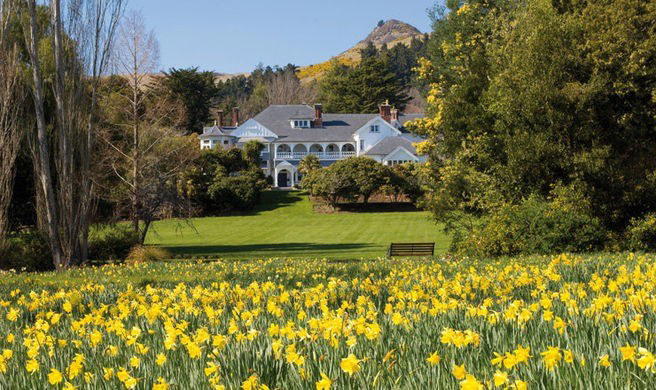
A Victorian Estate in the Canterbury Plains
The approach to Otahuna Lodge sets expectations clearly. A long drive through the flat Canterbury countryside gives way to daffodil-bordered gardens, and then the turreted roofline of a Queen Anne homestead appears, its silhouette unchanged since 1895. This is not a property that has been reimagined or updated into something contemporary. The architecture is the point. Built for a prominent Canterbury statesman and now operating as a seven-suite private lodge, Otahuna sits in a distinct tier of New Zealand accommodation, properties where the physical fabric of the building carries as much weight as the hospitality program inside it.
New Zealand's lodge market has bifurcated over the past decade. On one side: purpose-built wilderness retreats with panoramic glass walls and brand-new interiors engineered for drama, like Blanket Bay in Glenorchy or Minaret Station Alpine Lodge in Wānaka. On the other: a much smaller cohort of historic homesteads where the building's age is a genuine asset, not a design conceit. Otahuna belongs firmly to the second group. Its Victorian bones, ornate original wallpaper, carved kauri joinery, inglenooks, stained glass windows, are structural facts, not decorative choices, and that distinction matters when you're deciding where to stay.
The Architecture and Its Interior Logic
Queen Anne architecture, fashionable in Britain and its colonies during the final decades of the nineteenth century, favoured asymmetry, decorative excess, and the layering of materials. Otahuna expresses all of that. The turreted exterior gives way to interiors organized around fireplaces and alcoves rather than open-plan flow. Carved kauri, a native New Zealand timber that became a prestige material in colonial construction, runs through the house's joinery. Stained glass filters light into corridors and landings. The formal dining room is anchored by ornate original wallpaper and candlelight rather than ambient track lighting. These are not restored approximations; they are the original features, maintained.
The seven suites, five standard and two master, follow the same logic. No two are identical, because the rooms were never designed to be. Each occupies a different corner of the original house, which means each has a distinct relationship to the building's architectural detail: a particular inglenook here, a wide veranda there, a specific quality of afternoon light. The practical specification across all rooms is consistent, super-king beds, custom-made linens, artisanal toiletries, deep bathtubs, and separate rain showers, but the spatial character varies considerably, which rewards the guests who research their preferred room type in advance. For most travellers comparing Otahuna to peer properties like Wharekauhau Country Estate in Featherston or Annandale Villas in Pigeon Bay, the architectural specificity of Otahuna is what separates it from the field.
The Gardens as a Second Architectural Layer
The 110-year-old gardens at Otahuna were laid out under the direction of A. E. Lowe, who trained at Kew Gardens in London. That credential matters not as a curiosity but as evidence of intent: these are gardens designed with a formal horticultural logic, and they read that way. Wide lawns and a lake create open prospect views, while wooded walks compress the scale into something intimate. The contrast between those two registers, breadth and enclosure, is a deliberate feature of nineteenth-century landscape design, and Otahuna's grounds execute it faithfully. The estate also produces ingredients for the kitchen, which connects the working landscape directly to the table.
Activities available within the grounds include swimming, tennis, croquet, and petanque. Off-property, the lodge can arrange private garden tours, horse riding, golf, heliskiing, fishing, and hunting excursions. The scenic French settlement of Akaroa, with its marine wildlife and harbour, lies within day-trip range, as does the Waipara wine region and the recreational terrain of the Southern Alps. Christchurch, the South Island's primary gateway city, is twenty-five minutes by road, making Otahuna a practical base for broader Canterbury exploration without the sense of being on the urban fringe.
Dining: Estate Produce, Daily-Changing Menu
The dining format at Otahuna is a four-course chef's degustation that changes daily, built around seasonal estate-grown produce and adjusted for guests' dietary requirements. The kitchen's stated approach, honest, uncluttered flavours, local ingredients, restrained presentation, places it within a New Zealand culinary tradition that values provenance and legibility over technical pyrotechnics. This is not the kind of tasting menu built around theatrical plating or extended petit fours sequences; it is closer to the country-house cooking tradition where the quality of the ingredient carries the dish.
Guests dine communally in the formal dining room, where the original wallpaper, an open fire, and candlelight set a register that feels closer to a private dinner party than a restaurant service. For those who prefer privacy, alternative dining locations include a sunken wine cellar, the library, the drawing room turret, or elsewhere in the house by arrangement. The choice of setting is itself an architectural decision, each space has a different spatial character, and the cellar in particular offers an intimacy that the formal dining room does not. Among New Zealand's lodge dining programs, the daily-changing menu format and the variety of dining environments distinguishes Otahuna's table from more standardized offerings at larger properties.
Positioning and comparable set
Rates from USD 1,503 per night place Otahuna at the upper end of New Zealand's private lodge market, in direct comparison with properties like Huka Lodge, Fiordland Lodge in Te Anau, and Hapuku Lodge in Kaikoura. What separates Otahuna within that tier is architectural heritage. Most properties at this price point are relatively new builds designed to maximize views. Otahuna is 130 years old and designed around a building that predates tourism as an industry. That inversion, staying in a house rather than a lodge conceived as a lodge, is a meaningful distinction for the traveller who finds historical fabric more compelling than engineered scenery.
The property holds Relais and Chateaux membership, which signals a peer group spanning traditional European country houses and South American estancias as much as it does Pacific lodge accommodation. That positioning reflects the property's cultural logic: Otahuna aligns more naturally with Aman Venice or The Fifth Avenue Hotel in its commitment to architectural patrimony than it does with a purpose-built wilderness retreat. Guests travelling New Zealand's South Island who want to bracket a heritage lodge alongside landscape-first properties should consider Otahuna alongside Lakestone Lodge in Twizel, Mt Cook Lakeside Retreat at Lake Pukaki, or Rosewood Cape Kidnappers for contrast.
Planning Your Stay
With only seven rooms, availability moves quickly during Canterbury's peak summer season from December to February, and again during school holiday periods when South Island itineraries compress. Those travelling for heliskiing or alpine activities should target July through September, when the Southern Alps are in condition. Massage treatments are available on-site through visiting therapists, covering a range of styles and pressures, a practical amenity worth arranging in advance for longer stays. Eagles Nest in Russell, Helena Bay Lodge, and Omana on Waiheke Island offer comparable intimacy at the upper end of the market.
Comparison Snapshot
Comparable venues nearby, for context on price, style, and recognition.
| Venue | Cuisine | Price | Awards | Notes |
|---|---|---|---|---|
| Otahuna LodgeThis venue — the venue you are viewing | Historic Queen Anne mansion on a country estate | $$$$ | Michelin 2 Key | Not listed |
| Rosewood Cape Kidnappers | Contemporary luxury lodge on a working farm | $$$$ | Michelin 2 Key | Te Awanga |
| Blanket Bay | Grand alpine lodge blending colonial New Zealand architecture with modern luxury; native timber and stone construction with contemporary comforts. | $$$$ | Michelin 2 Key | Glenorchy |
| Wharekauhau Country Estate | Edwardian country mansion with freestanding cottages | $$$$ | Michelin 2 Key | Palliser Bay |
| The Lindis | Contemporary luxury lodge inspired by the natural valley contours | $$$$ | Michelin 2 Key | Ahuriri Valley |
| Stoneridge Estate | Contemporary luxury lodge with heritage elements, built around a 150-year-old stone homestead and constructed from local schist rock and recycled materials. | $$$$ | Michelin 1 Key | Lake Hayes |
Recognition history
Dated appearances from independent guides and award organizations, with the underlying list record or original source where available.
Relais Chateaux Award
Relais Chateaux
Virtuoso Luxury Hotel Partner
Virtuoso
Michelin 2 Keys
Michelin
Relais Chateaux Award
Relais Chateaux
Continue exploring
More in Tai Tapu
Bars in Tai Tapu
Browse all →


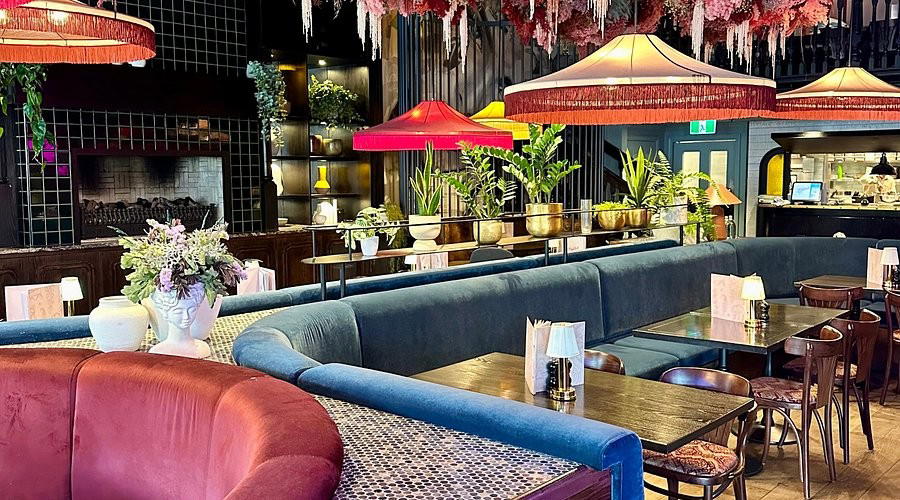
Restaurants in Tai Tapu
Browse all →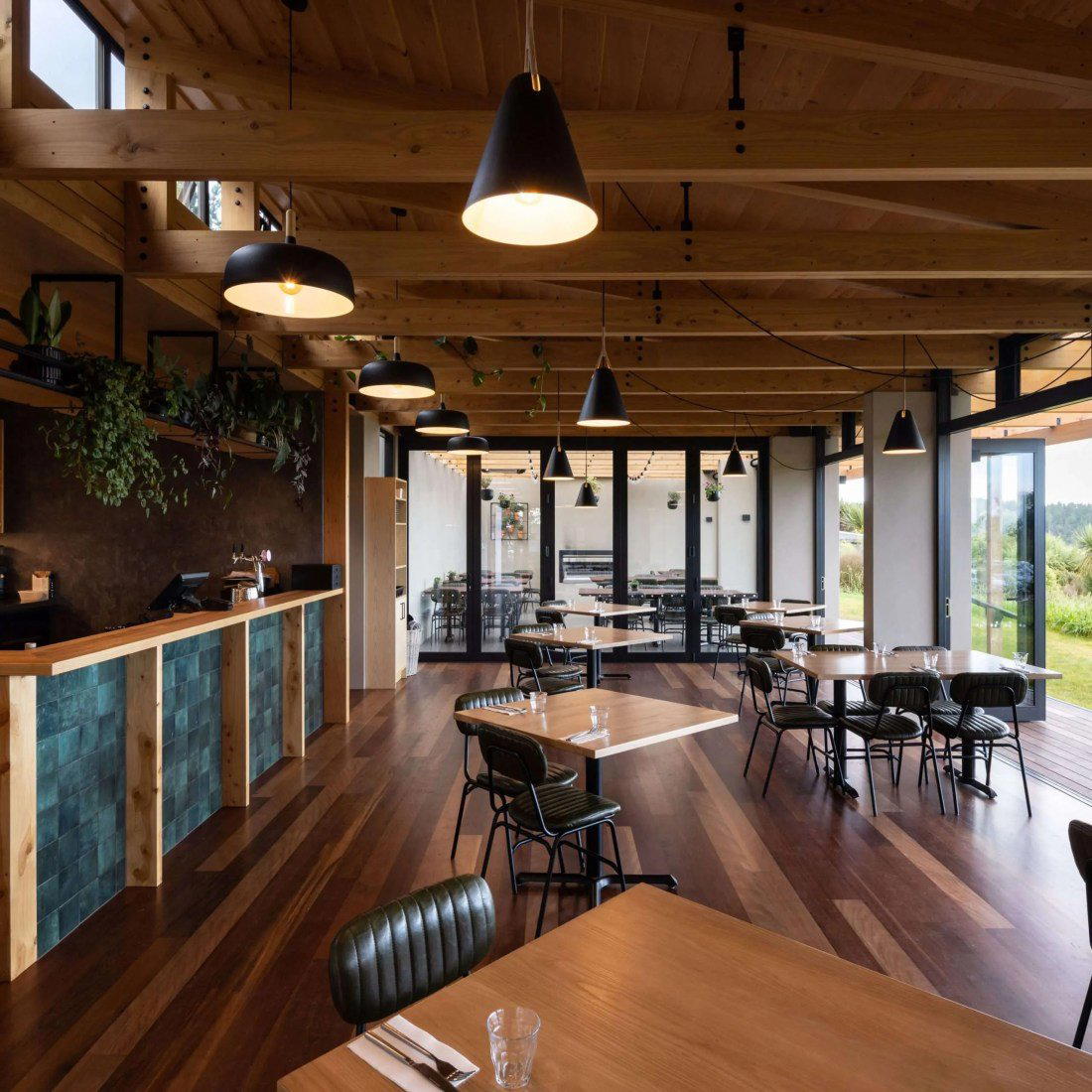
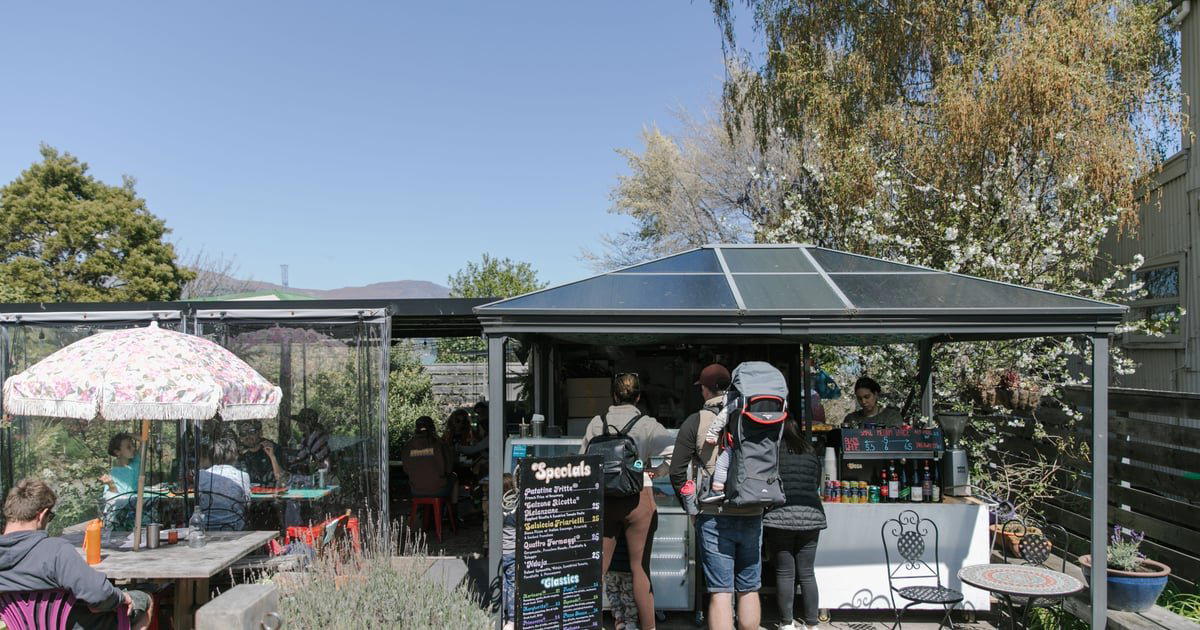
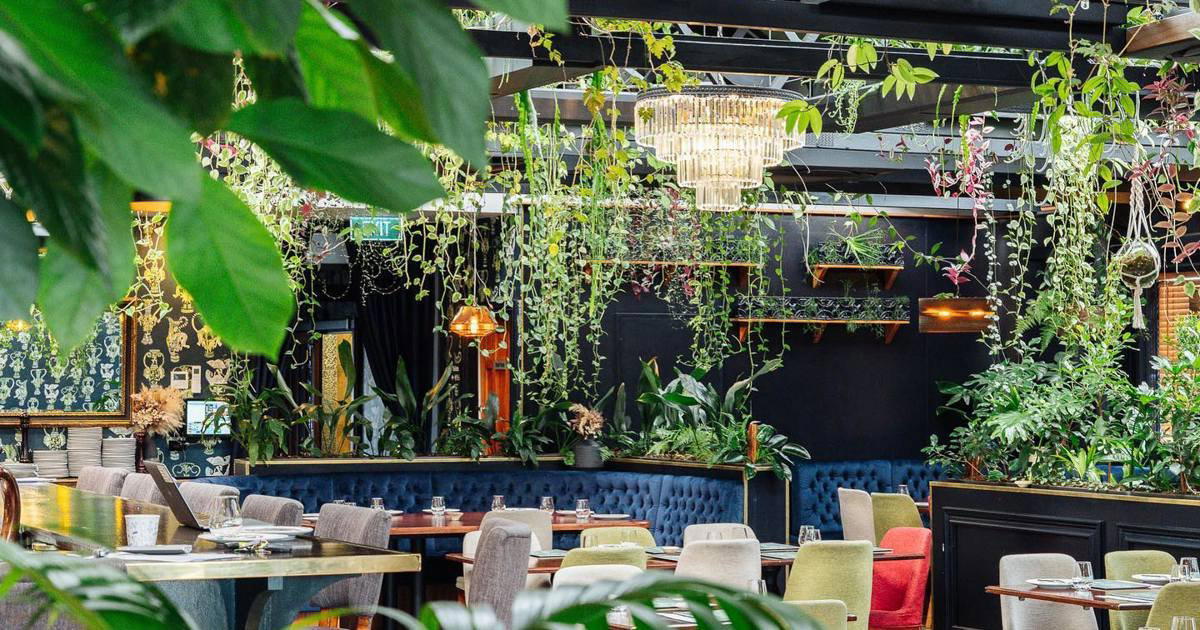
Wineries in Tai Tapu
Browse all →
At a Glance
- Romantic
- Elegant
- Intimate
- Sophisticated
- Ornate
- Scenic
- Honeymoon
- Romantic Getaway
- Anniversary
- Weekend Escape
- Historic Building
- Garden
- Panoramic View
- Private Dining
- Pool
- Spa
- Wi Fi
- Room Service
- Concierge
- Breakfast Included
- Laundry Service
- Garden
- Mountain
- Pool
- Spa
- Wi Fi
- Room Service
- Concierge
- Breakfast Included
- Laundry Service
Warm, sophisticated atmosphere with historic charm, open fireplaces, stained glass windows, and serene garden views, blending 19th-century grandeur with modern luxury.