Minaret Station Alpine Lodge


La Liste Top Hotels · Virtuoso Luxury Hotel Partner
Reached only by helicopter, Minaret Station sits at the head of a glacial valley deep in New Zealand's Southern Alps, operating from a 50,000-acre high country farm that has been in the Wallis family since the early 1960s. The lodge scored 94.5 points in the 2026 La Liste Top Hotels ranking. Access, activities, and much of the food supply, lamb and venison raised on the property, are inseparable from the surrounding wilderness.

Pearl is the En Primeur Club membership app, where members save venues, book tables and use the concierge.
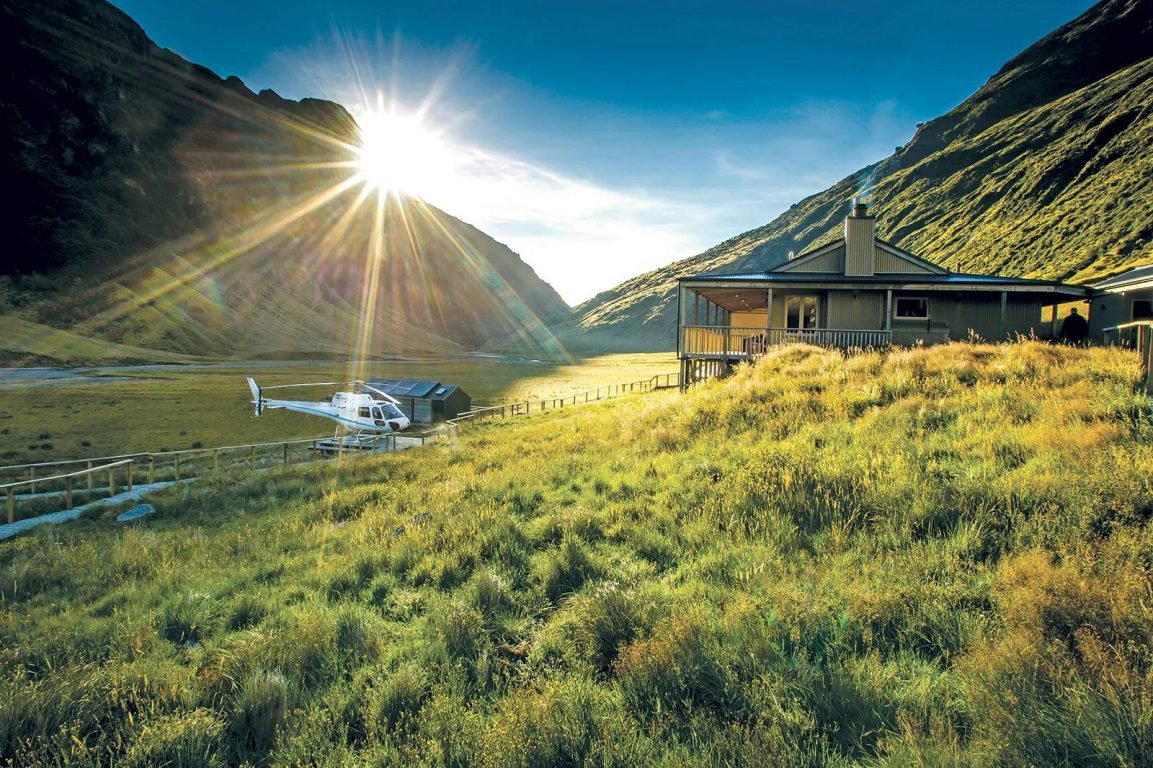
A Lodge That the Landscape Built
New Zealand's premium lodge sector has sorted itself into two broad categories: properties that reference the wilderness from a comfortable remove, and those where the landscape is structurally embedded in the experience. Minaret Station belongs unambiguously to the second group. The lodge sits at the head of a glacial valley in the Southern Alps, above Wānaka, accessible by no road and reachable only by helicopter. The physical remoteness is not an amenity layered on top of the operation, it is the operation's founding condition, and every design and logistical decision flows from it.
That condition has shaped the architecture in ways that matter. Generating electricity from a hydro power scheme fed by a large waterfall behind the lodge is not a sustainability gesture added after the fact; it is a direct response to the absence of grid infrastructure at this altitude. The building is not performing wilderness living, it is subject to its real constraints, which is a different thing entirely, and one that separates Minaret Station from high-country lodges that are merely scenic. For further context on how New Zealand's lodge tier divides between urban-adjacent and genuinely remote properties, our full Wānaka restaurants guide maps the broader accommodation picture around the region.
The Physical Setting and What It Demands
The Southern Alps above Lake Wānaka present a particular kind of verticality, glacial valleys, ridgelines above the treeline, terrain that can shift between seasons in ways that close roads and ground vehicles. Building a lodge inside this environment, rather than adjacent to it, requires a supply and access model built around rotary aircraft. Minaret Station's sister company, Alpine Helicopters, operates a fleet of aircraft with pilots trained specifically for high-country backcountry flying, a logistical infrastructure that took decades to develop and that shapes the guest experience at every point of contact, from arrival to the activities program.
The 50,000-acre farm surrounding the lodge carries approximately 10,000 deer, 1,000 sheep, and 1,000 cattle. This is a working high country station, not a pastoral backdrop. The farm supplies lamb and venison directly to the lodge kitchen, while chefs source other fresh ingredients from local growers. That supply chain is short by design: the distance between the animal and the plate is measurable in metres of altitude and minutes of helicopter flight, not supply chain logistics. Properties operating at this level of farm-to-kitchen integration are rare in New Zealand's lodge sector, and it places Minaret Station in a specific peer group that includes Blanket Bay in Glenorchy and Hapuku Lodge + Tree Houses in Kaikoura, both of which operate with a similarly close relationship between the land and the table.
Sixty Years of Rotary Access
New Zealand's helicopter tourism sector traces a significant portion of its early development to the Wallis family. Sir Tim Wallis began introducing international guests to South Island backcountry in the early 1960s, a period when helicopter use for remote access was genuinely experimental, and the Southern Alps were largely unreachable for tourism at any scale. That early history gives Minaret Station a lineage that most comparable lodges cannot claim: it was not built to serve an existing luxury market but helped create the infrastructure and precedent for backcountry lodge access in New Zealand.
The La Liste Leading Hotels ranking placed Minaret Station at 94.5 points for 2026, a score that positions it among New Zealand's small group of internationally recognised lodge properties. Comparable properties in this tier include Huka Lodge, Otahuna Lodge in Tai Tapu, and Fiordland Lodge Te Anau, all of which operate with a similar emphasis on landscape-first design and high-touch service relative to their room count. That the score reflects sustained guest return rates (the lodge records a consistent pattern of repeat visitors each season) suggests the ranking reflects operational performance rather than novelty.
Conservation as Infrastructure
At high-country stations across the South Island, conservation and farming coexist with varying degrees of intentionality. At Minaret Station, the approach involves annual investment in an expanding trap network across the property, targeting rodents to protect native bird populations, flora, and fauna. The lodge holds active working relationships with the New Zealand Department of Conservation and the National Parks and Conservation Foundation, relationships that involve both fundraising and awareness programmes, not simply compliance with environmental standards.
Participation in the Virtuoso Sustainability Summit signals engagement with the international luxury travel sector's evolving position on environmental accountability. Among New Zealand properties, Rosewood Kauri Cliffs in Matauri Bay and Eagles Nest in Russell operate in a comparable register of private land conservation, though the specifics of each programme differ by ecosystem and property scale. For a 50,000-acre station in an alpine environment, the trap network represents a scale of intervention that goes beyond what smaller coastal properties require or can sustain.
The Activities Program and Its Logic
Helicopter access to the lodge is also the mechanism for the activities program. Hiking, fishing, and skiing are offered at locations that are not accessible by other means, a model that differs meaningfully from lodges where activities are adjacent to the property rather than dependent on its air infrastructure. The practical effect is that the activity radius extends across a geography that most visitors to the South Island will never reach, even those staying at lodges elsewhere in the Queenstown-Wānaka corridor. Properties like Hotel St Moritz Queenstown offer access to the same broad region but within a road-accessible frame.
The seasonal structure of the program is shaped by the alpine calendar. Heli-skiing operates in the Southern Hemisphere winter, while summer brings extended hiking and fishing access to high-altitude lakes and river systems that see negligible foot traffic. The Wallis family's history in heli-skiing, the company pioneered commercial heli-ski operations in New Zealand in the 1960s, means the winter program in particular draws on operational knowledge accumulated over more than half a century.
Planning a Stay
Access to Minaret Station originates from Wānaka, with guests transferring by helicopter operated by Alpine Helicopters. Given helicopter-dependent logistics, arrival schedules are subject to weather conditions, and guests should plan itineraries with flexibility on either side of the stay. The property's address lists 10 Lloyd Dunn Avenue, Wānaka, this is the administrative and ground-operations point, not the lodge itself. Booking enquiries for the lodge should be directed through the property's official channels; detailed availability and seasonal pricing are confirmed at the time of reservation. Guests arriving via New Zealand's main international gateways at Auckland or Queenstown should factor in the Wānaka transfer leg when planning connections.
For travellers building a South Island itinerary around lodge properties, nearby reference points in the same quality tier include Lakestone Lodge in Twizel, Annandale Villas in Pigeon Bay, and Mt Cook Lakeside Retreat at Lake Pukaki. For North Island comparisons at a similar level of seclusion and farm-estate integration, Poronui Lodge in Taharua and Wharekauhau Country Estate in Featherston operate on comparable private land footprints with a similarly contained guest count. Internationally, the helicopter-access, backcountry-farm model is rare enough that direct parallels are limited; among Aman properties, Aman Venice and Aman New York represent the brand's urban register, while Minaret Station occupies the opposite end of the accessibility spectrum.
At-a-Glance Comparison
Comparable venues nearby, for context on price, style, and recognition.
| Venue | Cuisine | Price | Awards | Notes |
|---|---|---|---|---|
| Minaret Station Alpine LodgeThis venue (the venue you are viewing) | Luxury alpine lodge combining rustic mountain charm with contemporary comfort; designed as a private retreat emphasizing exclusivity and natural beauty. | $2,500+ | La Liste Top Hotels · Virtuoso Luxury Hotel Partner | Not listed |
| The Central Hotel Queenstown, A Naumi Chapter | Contemporary luxury boutique with artistic flair and design-led positioning targeting sophisticated adult travelers. | $500–750 | Michelin Selected | Central Queenstown |
| QT Queenstown | Lush lakeside resort with luxury accommodation and signature QT quirk. | $100–200 | Michelin Selected · Mr & Mrs Smith Seal of Approval | City Center |
| Lakestone Lodge | Eco-conscious boutique lodge | Not listed | La Liste Top Hotels | Twizel |
| Eichardt's Private Hotel | Historic boutique hotel with Victorian Free Style architecture renovated for modern luxury. | Not listed | 1 Michelin Key · Virtuoso Luxury Hotel Partner | Queenstown City Centre |
| Mt Cook Lakeside Retreat, High Country Estate | Luxury Villas | Weddings | Restaurant | Luxury high-country estate with private villas | Not listed | La Liste Top Hotels | Lake Pukaki |
Recognition history
Dated appearances from independent guides and award organizations, with the underlying list record or original source where available.
La Liste Top Hotels
La Liste
Virtuoso Luxury Hotel Partner
Virtuoso
Continue exploring
More in Wānaka
Hotels in Wānaka
All hotels in Wānaka →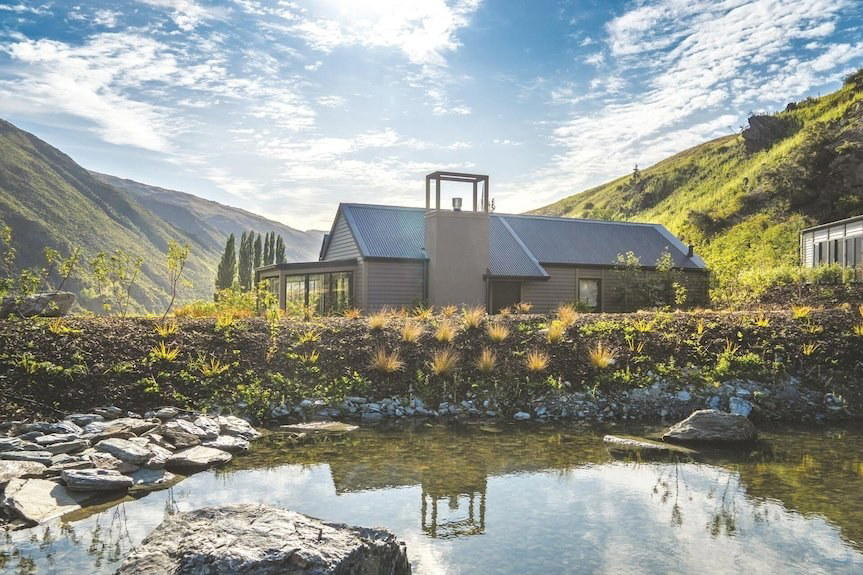

Details
- Romantic
- Scenic
- Intimate
- Elegant
- Honeymoon
- Romantic Getaway
- Anniversary
- Celebration
- Group Retreat
- Private Villa
- Panoramic View
- Private Dining
- Destination Spa
- Waterfront
- Wi Fi
- Hot Tub
- Concierge
- Room Service
- Bar
- Mountain
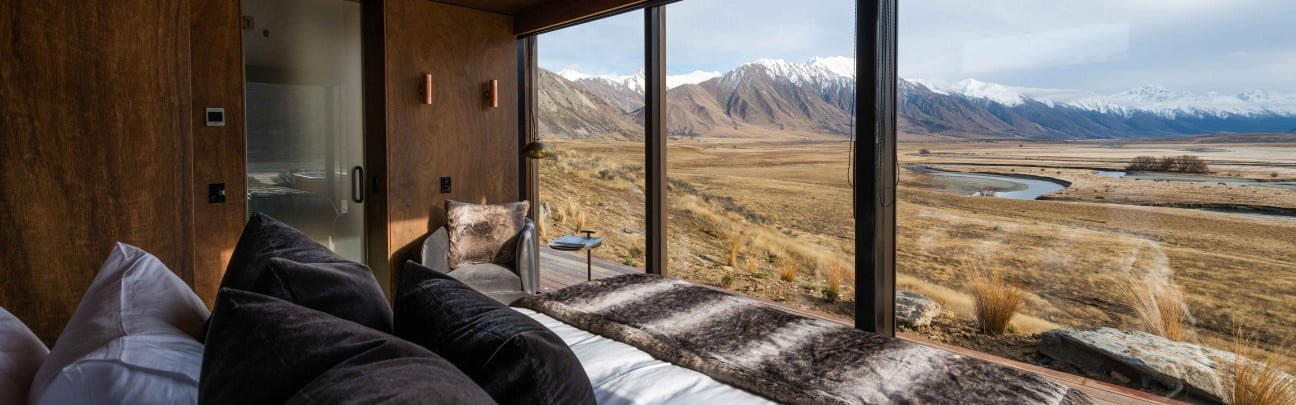
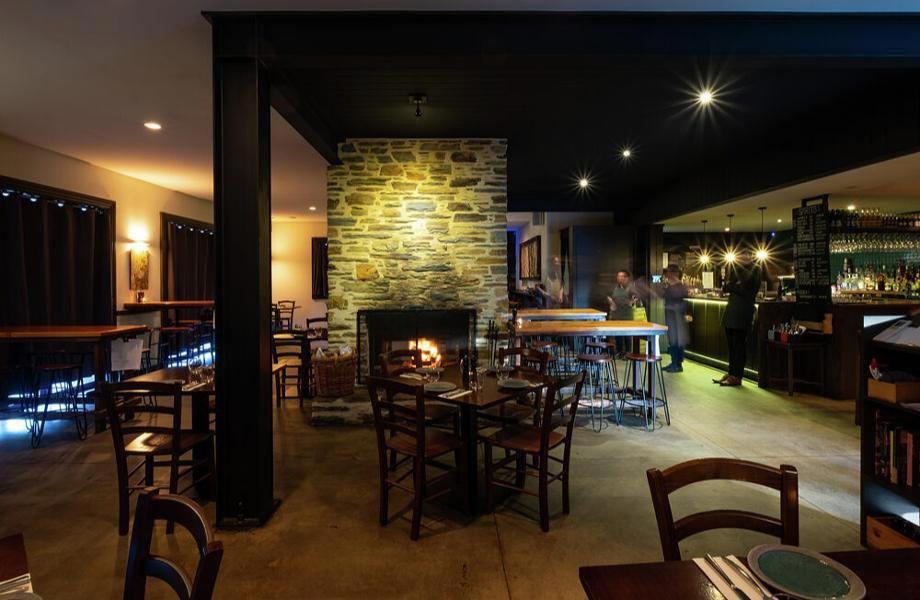
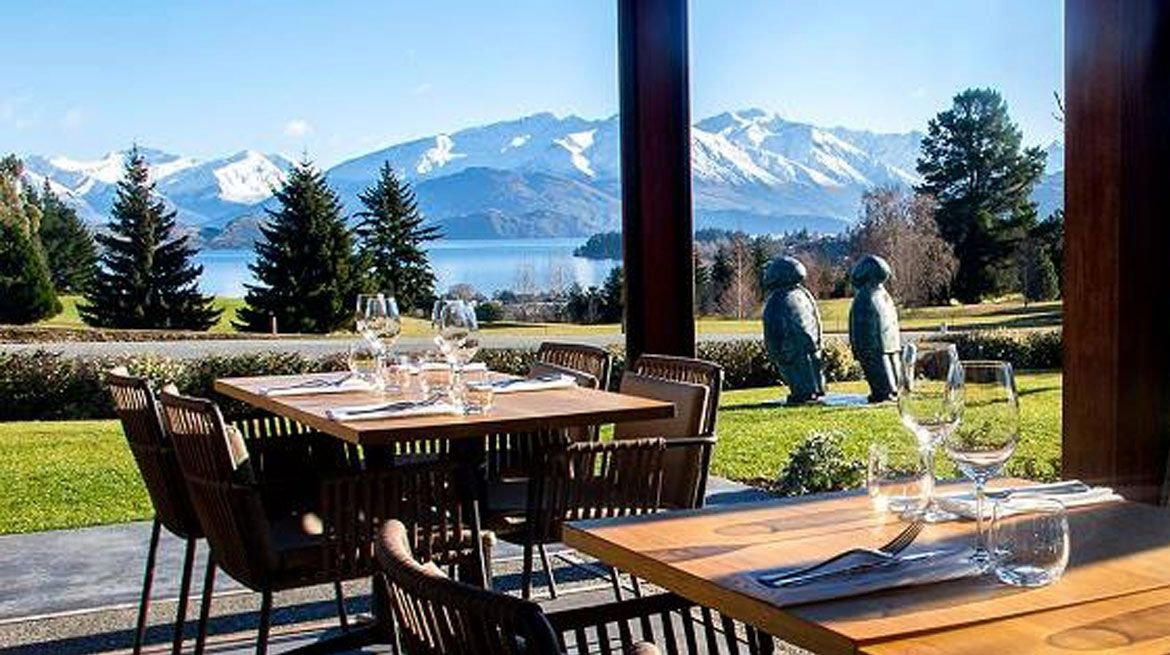
Warm, intimate, and luxurious with a relaxed mountain lodge atmosphere; guests gather around communal fireplaces and dining tables, with soft lighting from wood-burning stoves and candlelit dinners overlooking snow-capped peaks.