Tantalus Estate

Cuisine Good Food Guide Selection
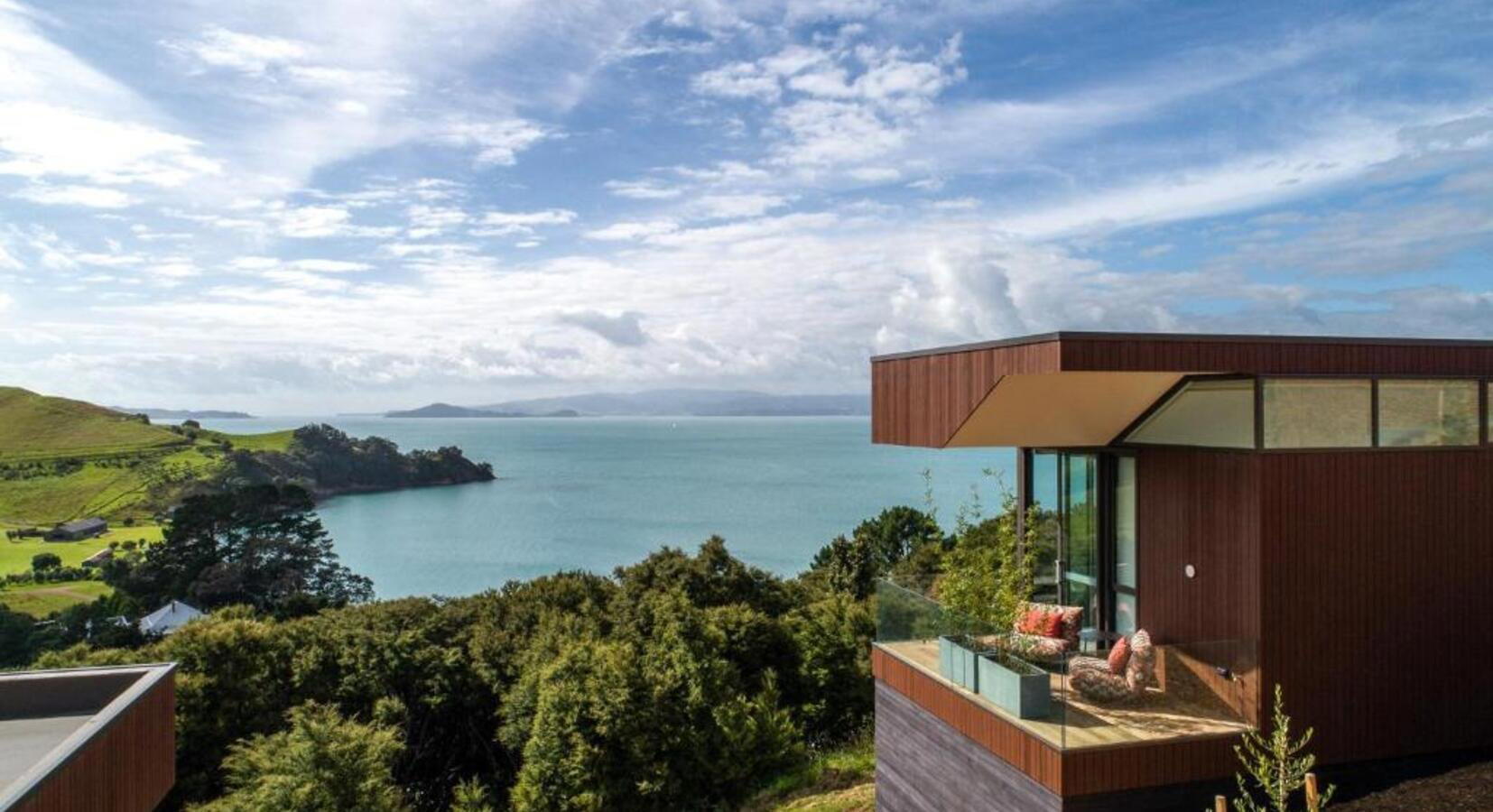
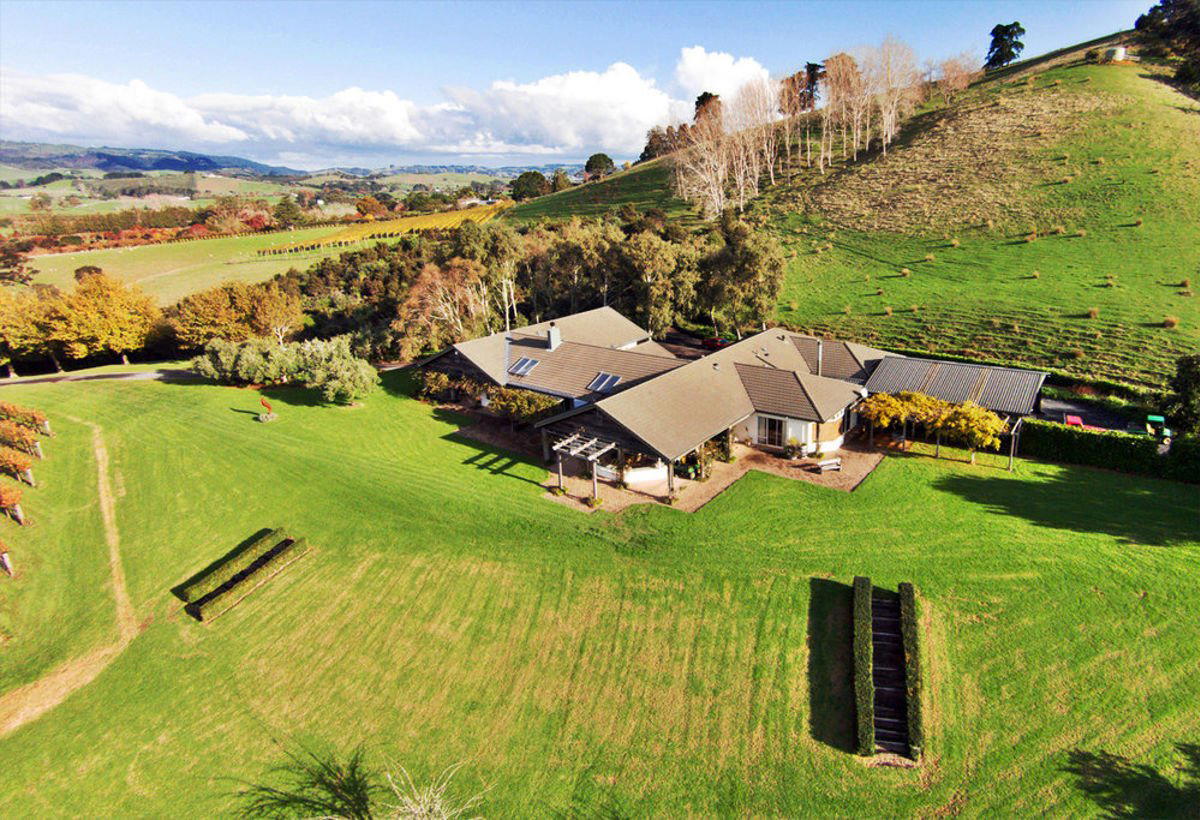
Tantalus Estate sits on Onetangi Road in the heart of Waiheke Island's wine country, combining estate-grown viticulture with a drinks programme that takes the island's produce seriously. The setting, rolling vines, open-air architecture, and harbour-adjacent light, places it firmly in the premium tier of Waiheke's dining and drinking scene, where the glass in your hand is expected to reflect the land beneath your feet.

Pearl is the En Primeur Club membership app, where members save venues, book tables and use the concierge.
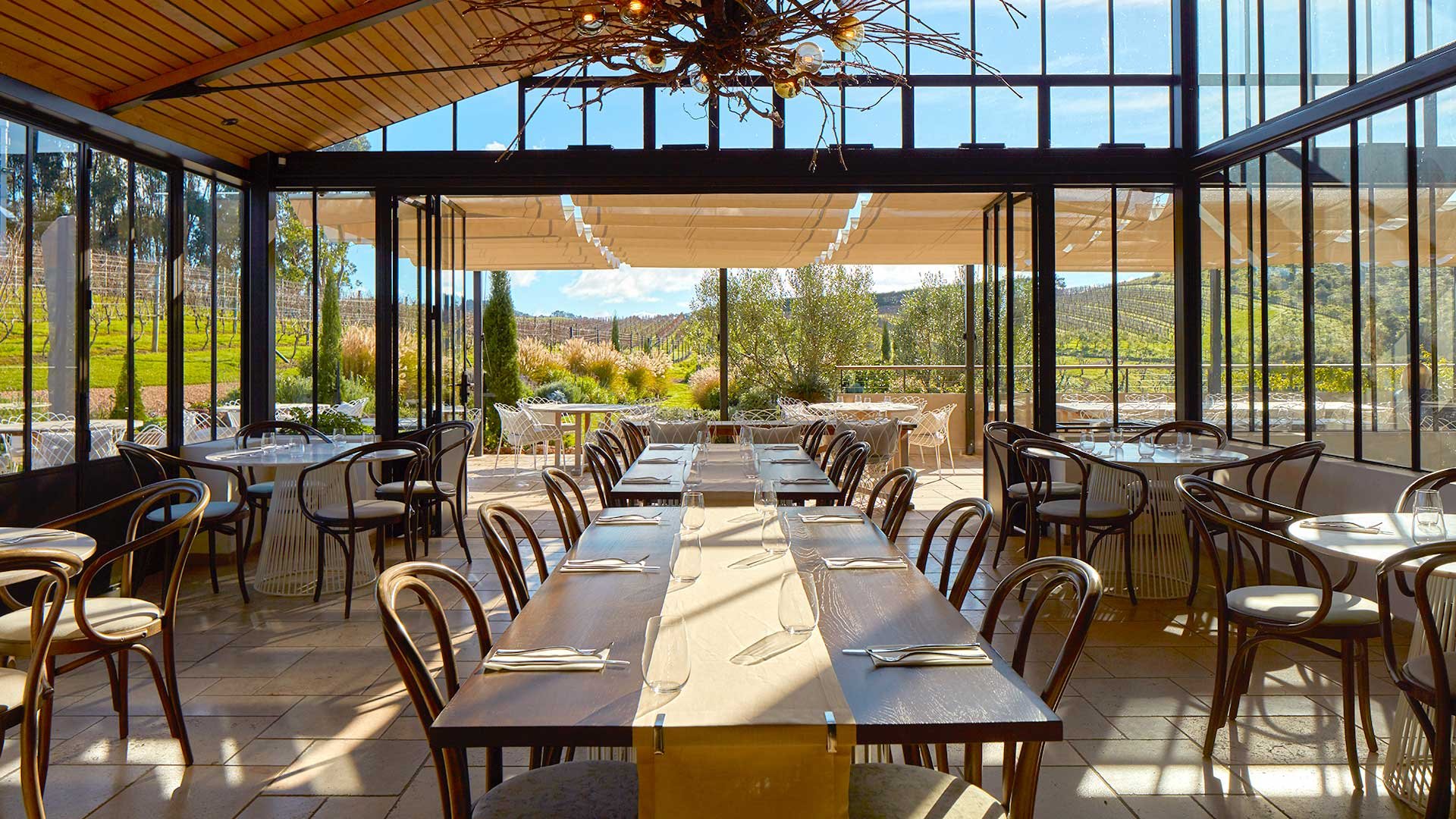
Waiheke Island and the Case for Drinking Where Things Grow
Waiheke Island occupies a specific position in New Zealand's wine consciousness: close enough to Auckland (a 35-minute ferry from the downtown terminal) to attract serious food and drink money, but far enough removed to sustain a culture where the estate experience still means something. Unlike the Marlborough or Hawke's Bay wine corridors, where cellar doors can feel like retail operations with a view, Waiheke's better properties have maintained the link between production and hospitality. You eat and drink on the land that made what's in your glass. That proximity matters, and it shapes how the better venues on the island approach their drinks programmes.
Tantalus Estate, at 70-72 Onetangi Road in Onetangi, sits within that tradition. The Onetangi address puts it on the island's central ridge, where the elevation and aspect typical of Waiheke's premium growing sites shape both what can be grown and how it tastes. This is Bordeaux-variety terrain: the island's warm, dry summers and free-draining soils have long favoured Merlot and Cabernet blends over the cool-climate Pinot that dominates the South Island conversation. Arriving along Onetangi Road, the scale of the property registers before you reach the entrance, the kind of land holding that signals a full estate operation rather than a boutique label buying fruit from elsewhere.
The Drinks Programme in Context
Waiheke's wine scene has matured considerably since its early reputation as a Sunday-afternoon destination for Aucklanders. A small number of estates have pushed the island into a more serious conversation about premium New Zealand wine, and the leading cellar-door programmes now carry drinks offerings that go well beyond a standard tasting flight. The shift mirrors what has happened in comparable island wine regions internationally: as property values and hospitality investment increase, the drinks programme becomes a statement of intent, not just a revenue line.
At estates operating at this tier on Waiheke, the bar programme typically builds outward from the estate's own production. That means the cocktail list, where one exists, will often draw on the winery's own fortified wines, late harvests, or spirit collaborations rather than defaulting to imported base spirits. It's a format that rewards venues with genuine production depth, and it's a useful marker for separating properties with a real drinks identity from those simply serving wine with a view. For visitors with a specific interest in how a cocktail programme can be anchored to a single estate's output, Waiheke's better properties represent one of the more coherent expressions of that approach available in the Southern Hemisphere.
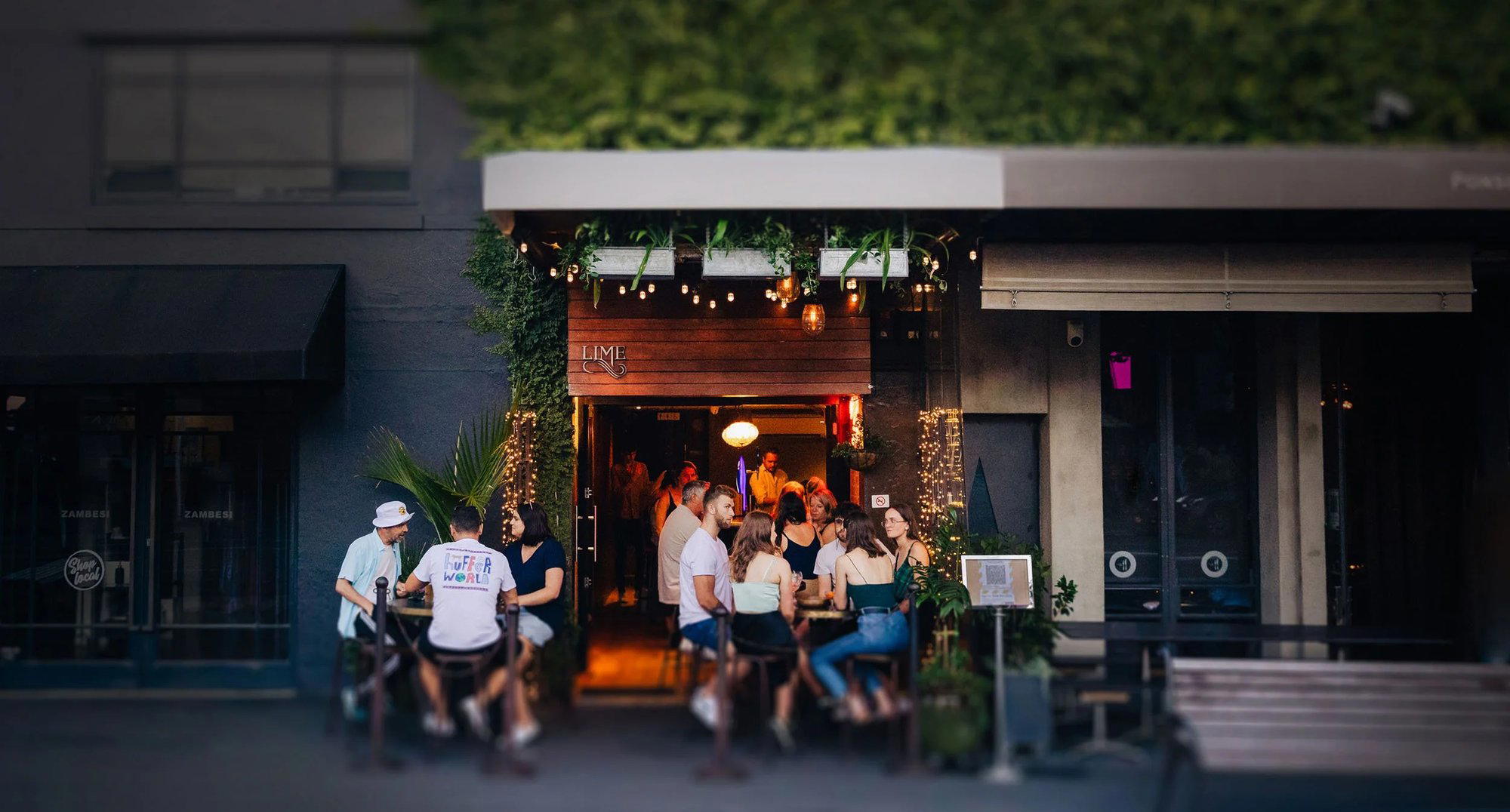
For comparison across New Zealand's bar and drinks scene, the contrast in approach is instructive: urban programmes like Apero Wine Bar in Auckland or the technically focused Hotel DeBrett bar in Auckland Central operate from a position of curation, sourcing widely to build a list. Estate programmes like those found on Waiheke operate from a position of provenance, working with a narrower palette but with a depth of connection to specific parcels and vintages that urban bars cannot replicate. Neither approach is superior; they answer different questions. Azabu Ponsonby in Grey Lynn and Lime Bar in Ponsonby both demonstrate how a strong urban identity can anchor a drinks programme without the estate context. On Waiheke, the estate itself does that work.
What Onetangi Offers That Other Parts of the Island Don't
The island's hospitality is not evenly distributed. Oneroa, at the western end, handles the bulk of the tourist traffic and concentrates most of the island's retail and casual dining. Onetangi, further east, operates at a slower register. The beach at Onetangi is the island's longest, and the surrounding area retains a quieter character that makes the wine estates in this part of the island feel genuinely removed from the Auckland day-trip circuit. That physical separation has a practical implication: visitors who make it to the Onetangi end of the island tend to be self-selecting, oriented more toward the wine and food offering than toward a quick afternoon out. The audience, in other words, is already calibrated for a more considered experience.
That dynamic shapes how an estate in this location can pitch its hospitality. The competitive pressure is different from what you'd face in Oneroa. You're not competing with three other venues visible from the same corner. You're competing with the quality of the afternoon itself, and that raises the stakes on every element of the visit.
Planning a Visit: Getting There and What to Expect
The standard approach from Auckland is the Fullers ferry from the downtown terminal to Matiatia Wharf, with the crossing taking around 35 minutes. From Matiatia, Onetangi Road is a 10-15 minute drive east across the island's central spine. The road itself is part of the experience: the island's topography becomes apparent as you move away from the wharf, with vineyards visible on the hillsides well before you reach the major estates. Several taxi and shuttle operators work the island, which is the practical choice for anyone planning to drink seriously rather than taste cautiously.
Waiheke's wine country operates with a strong seasonal pull. Summer visits (December through February) see the island at its most active, with ferry services running at higher frequency and estate hospitality fully operational. Autumn is worth considering for the wine-focused visitor: harvest typically runs from late February into April depending on the vintage, and the estate atmosphere in that period carries a working intensity absent in peak summer. For the rest of New Zealand's drinks scene context, our full Waiheke Island restaurants guide maps the broader dining and drinking options across the island.
Those travelling from other parts of New Zealand with a serious interest in regional drinks culture will find useful comparison points in venues like Emerson's Brewery in Dunedin Central, Atlas Beer Cafe in Queenstown, Chameleon Restaurant in Wellington Central, Good George Dining Hall in Frankton, and Gothenburg Restaurant in Hamilton Central. Each represents a different regional expression of New Zealand's evolving hospitality identity. For those arriving from further afield, Bar Leather Apron in Honolulu and Bubba's Bar in Christchurch offer a useful frame for understanding how Pacific Rim drinks culture now operates across a genuinely wide geographic arc.
Comparison Snapshot
| Venue | Price | Awards |
|---|---|---|
| Tantalus EstateThis venue (the venue you are viewing) | $50–100 | Cuisine Good Food Guide Selection |
| Bubba's Bar | Not listed | World's 50 Best #23 |
| Bert's Bar | Not listed | World's 50 Best |
| Double Happy | Not listed | World's 50 Best #48 |
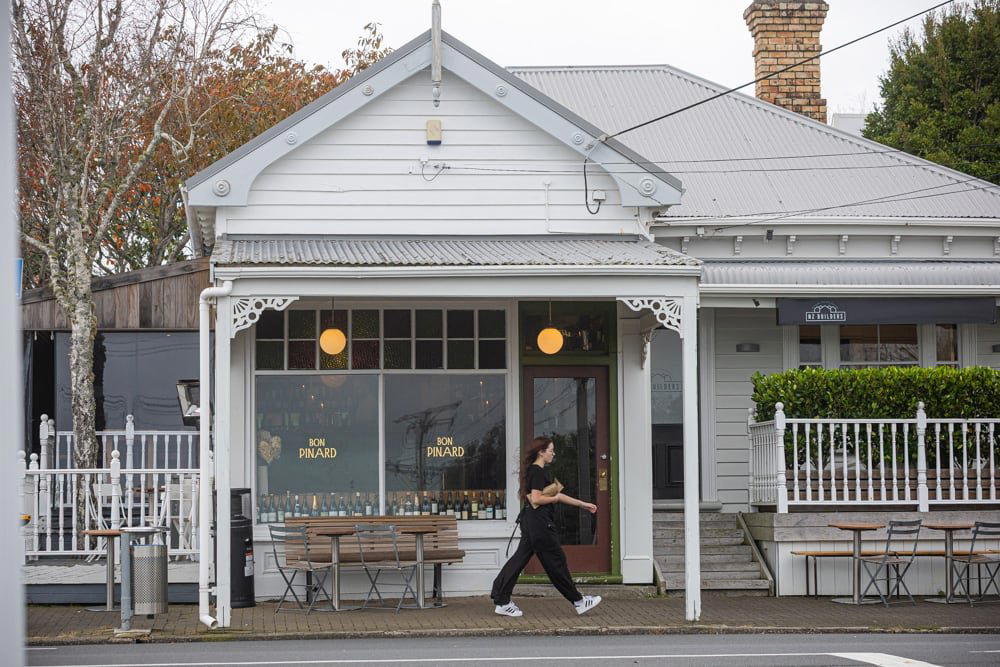
| Bon Pinard | $30–50 | Star Wine List |
Recognition history
Dated appearances from independent guides and award organizations, with the underlying list record or original source where available.
Cuisine Good Food Guide Selection
Cuisine Good Food Guide
Full recognition history (2 entries)
Cuisine Good Food Guide 1 Hat
Cuisine Good Food Guide
Continue exploring
More in Waiheke Island
Bars in Waiheke Island
All bars in Waiheke Island →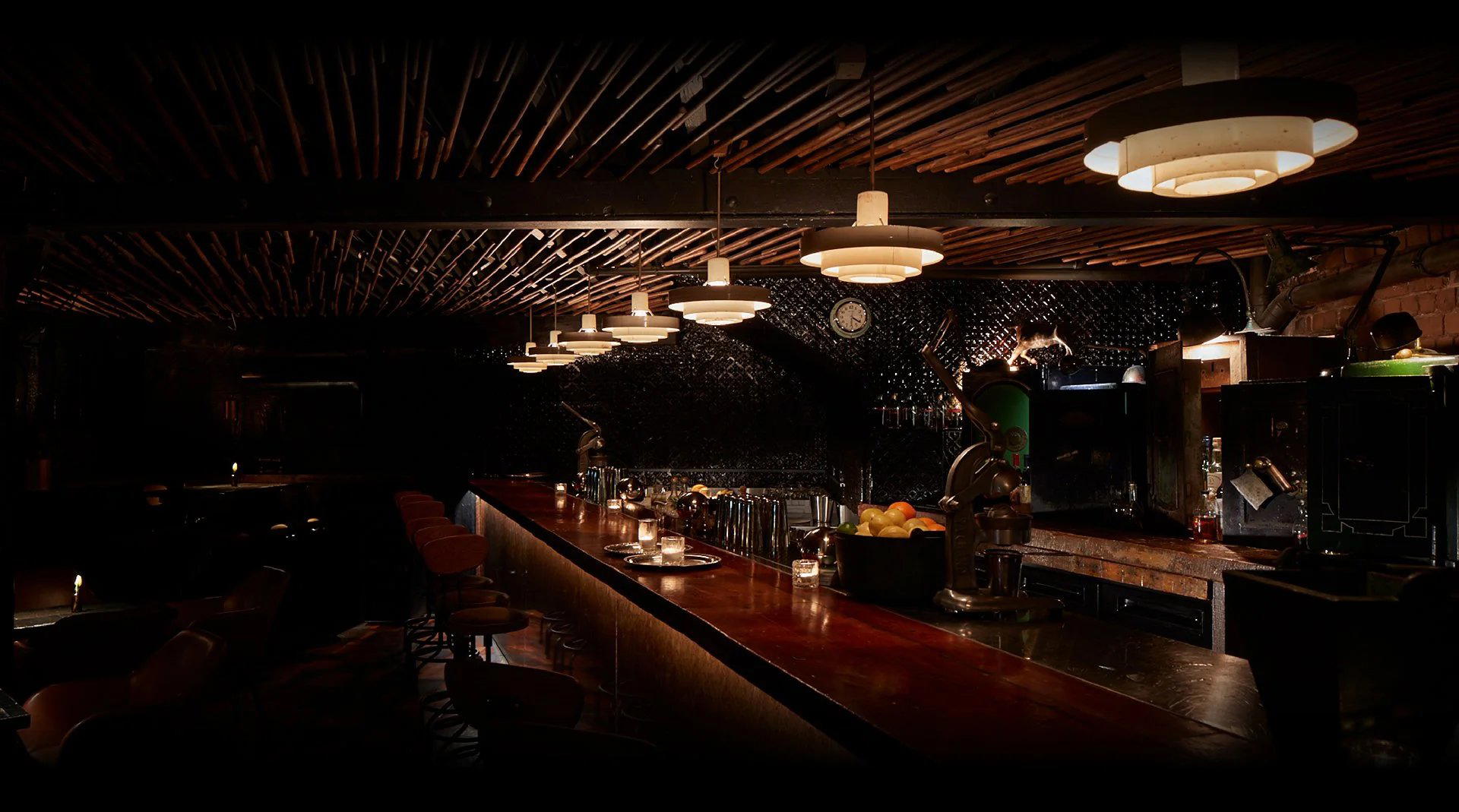
Restaurants in Waiheke Island
All restaurants in Waiheke Island →
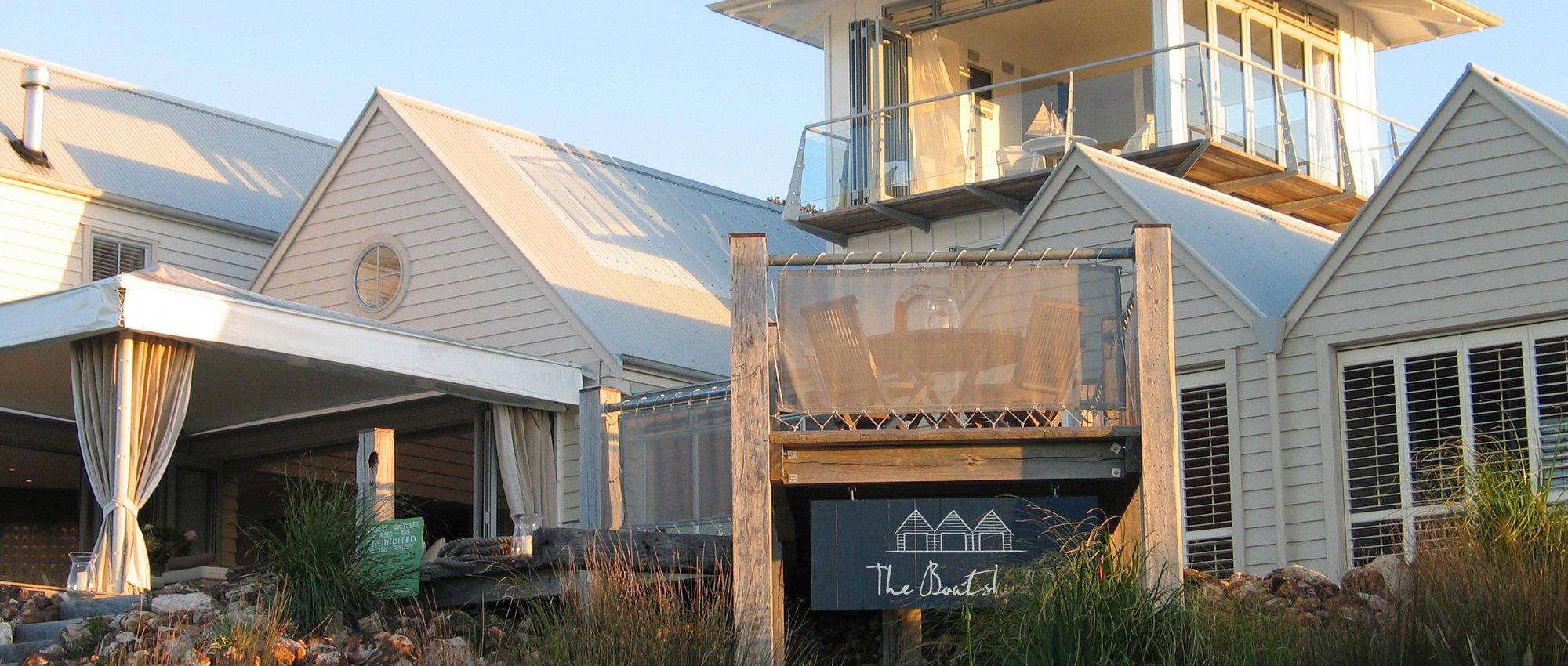
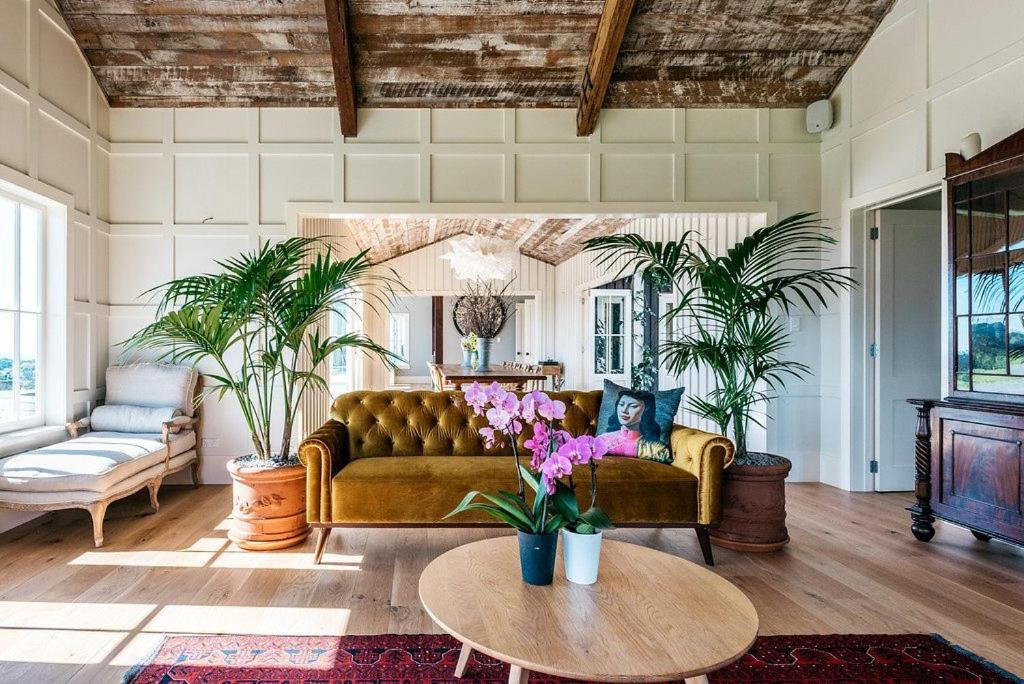
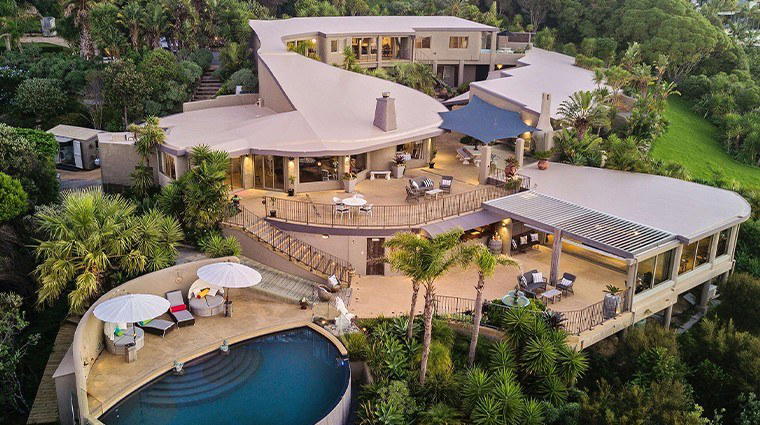
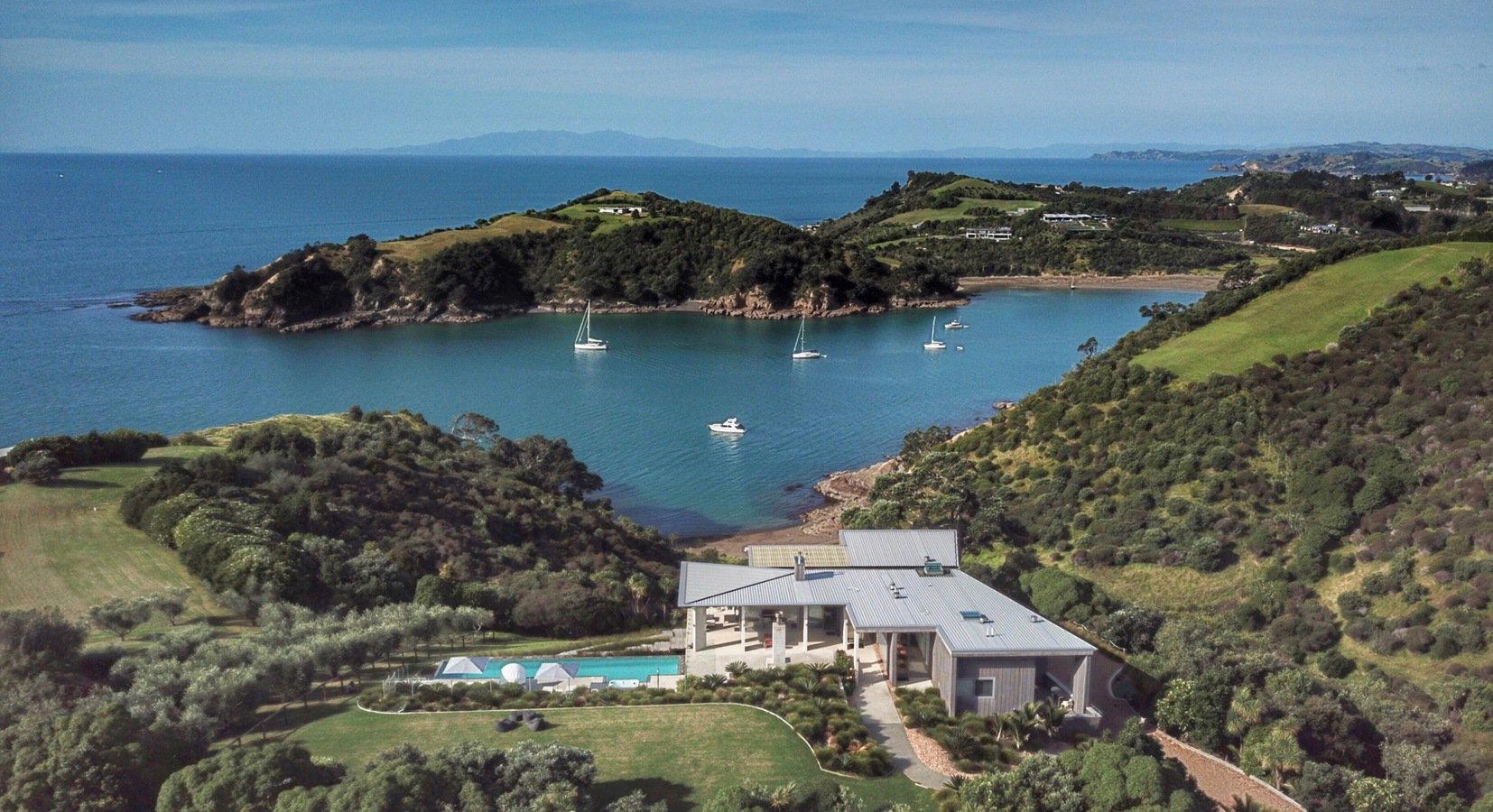
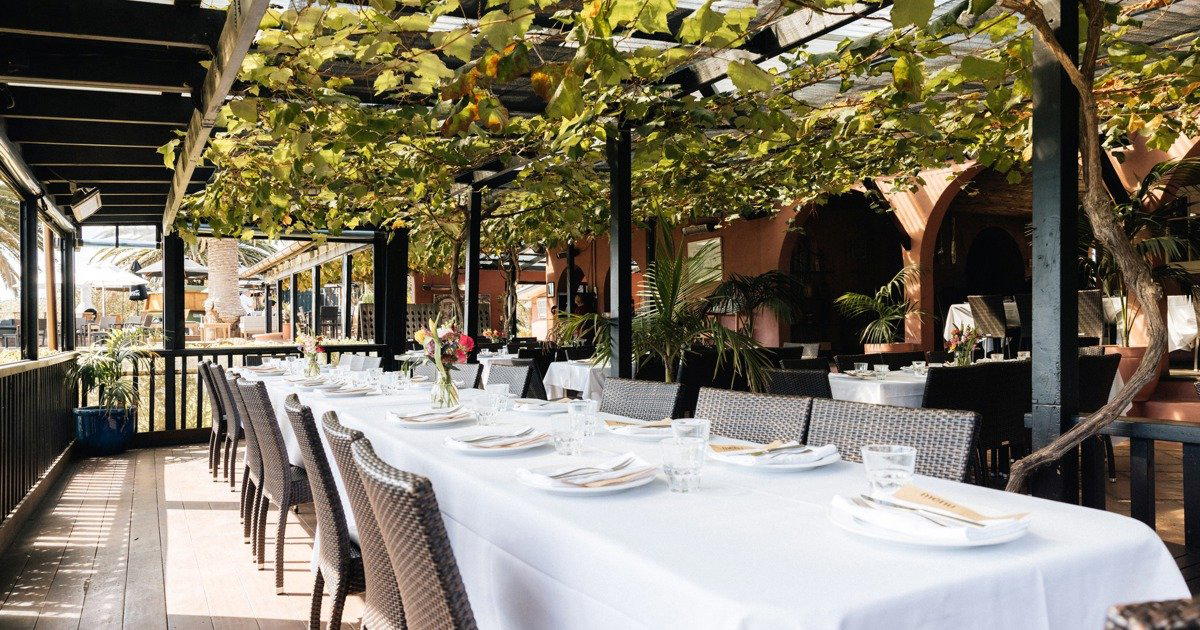
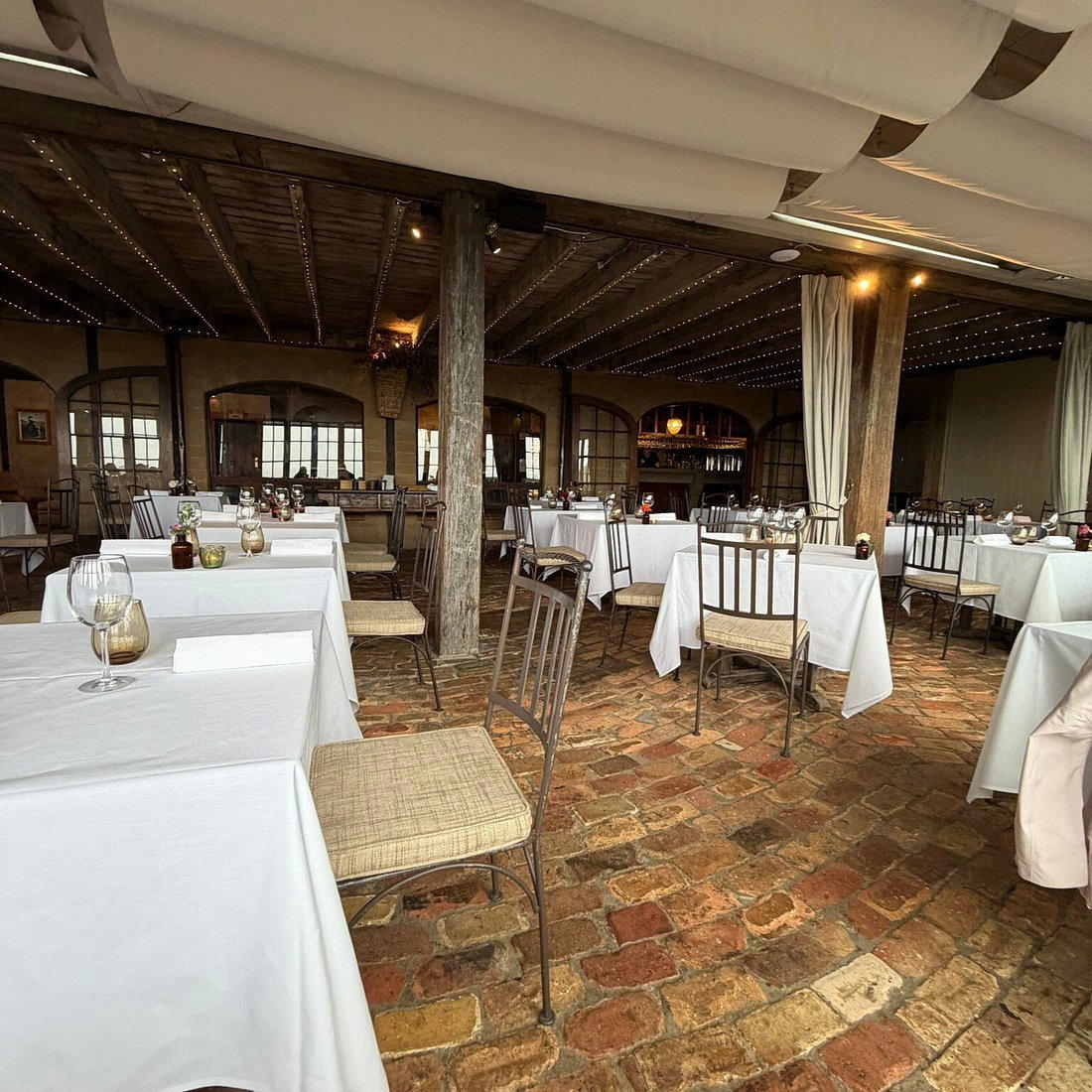
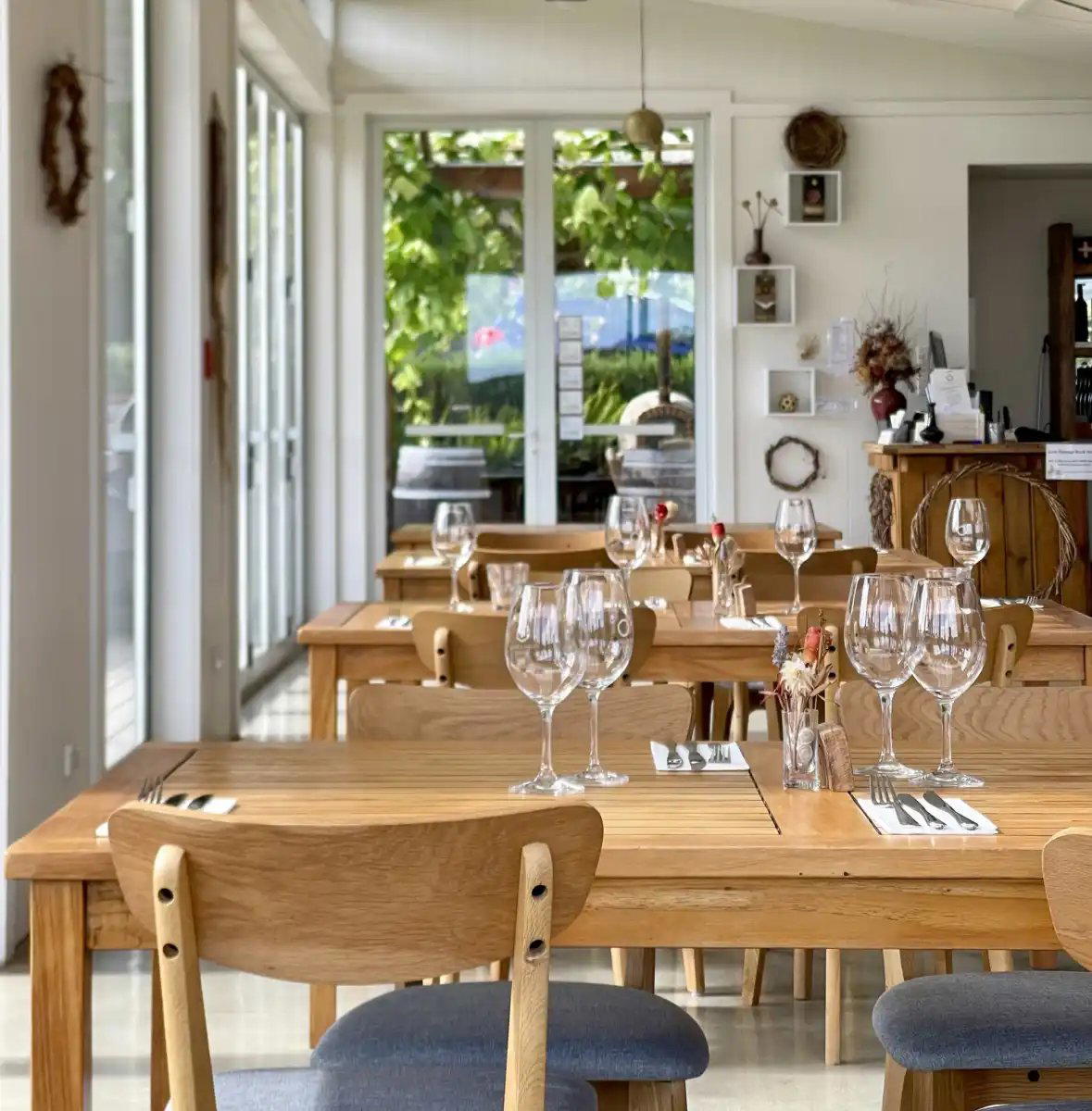
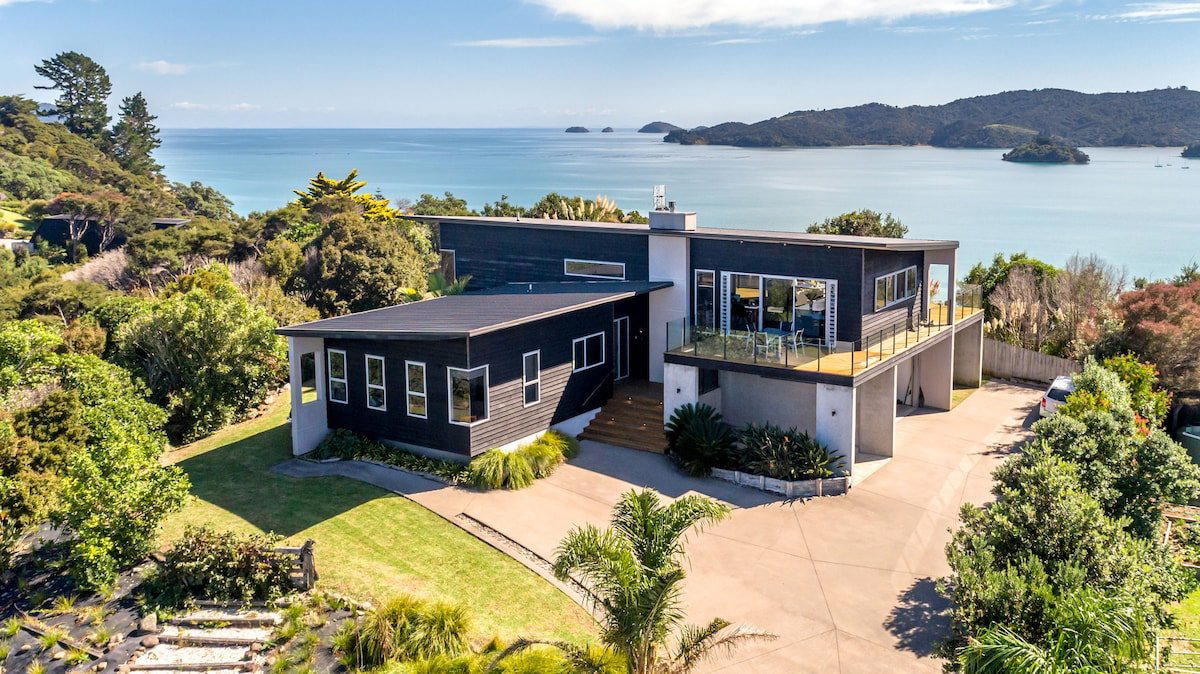
Tantalus Estate
The wine
- Wine program
- Deep wine list
- Craft cocktails
- Classic cocktails
- Craft beer
Signature drinks: Estate Espresso Martini, Keen-Kina, Dick Bradsell's 1983 drink.
Details
- Elegant
- Sophisticated
- Scenic
- Romantic
- Date Night
- Special Occasion
- Celebration
- Group Outing
- Speakeasy
- Garden
- Panoramic View
- Design Destination
- Terrace
- Seated Bar
- Outdoor Terrace
- Lounge Seating
- Craft Cocktails
- Craft Beer
- Conventional Wine
- Classic Cocktails
- Vineyard
- Garden
- Mountain
Current opening hours
- Monday
- Closed
- Tuesday
- Closed
- Wednesday
- 12–5 PM
- Thursday
- 12–5 PM
- Friday
- 12–5 PM
- Saturday
- 12–5 PM, 6:30–8 PM
- Sunday
- 12–5 PM
Hours can change for holidays and private events. Hours as of .
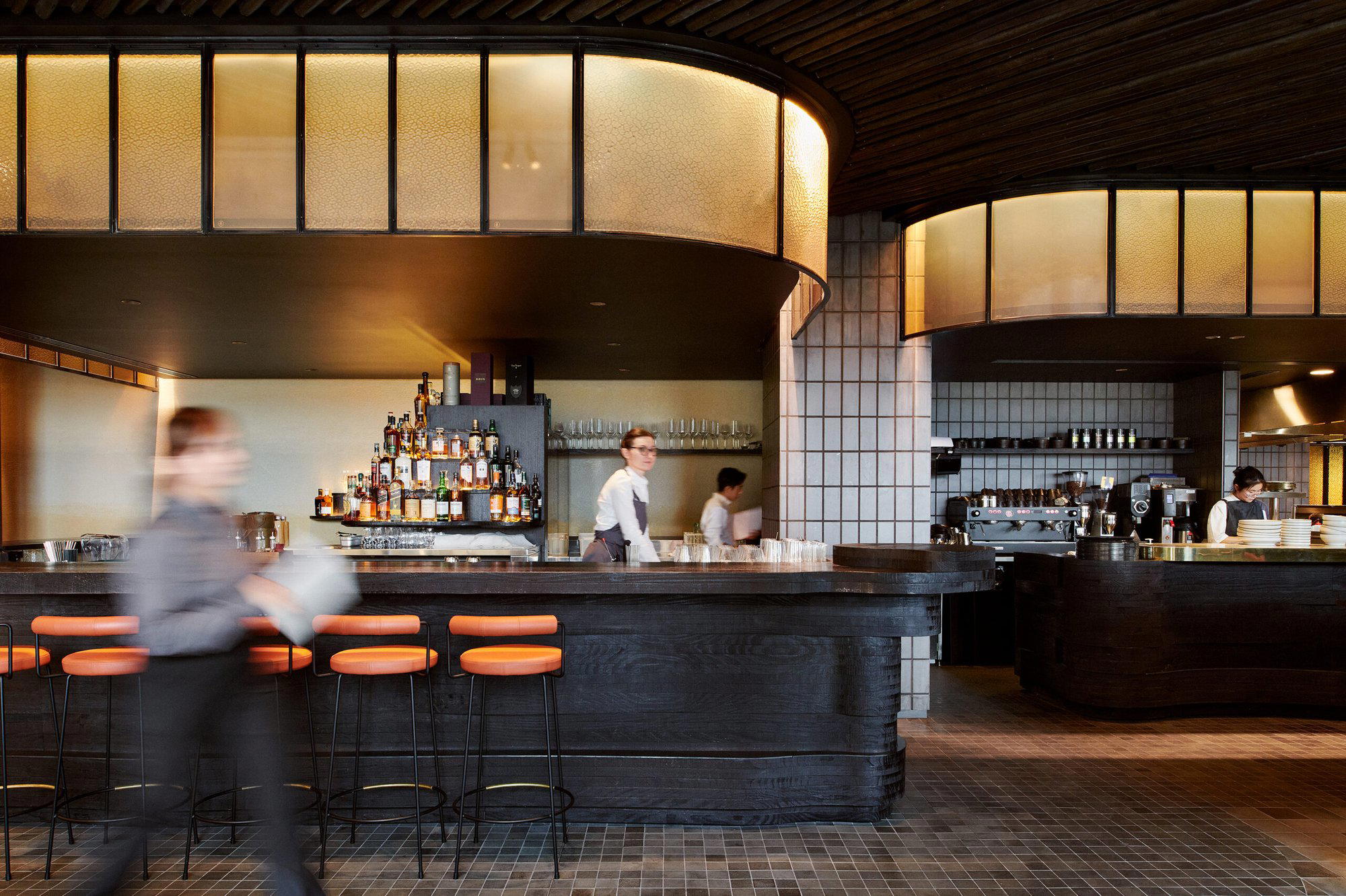
Moody, dimly-lit post-prohibition speakeasy with brick-lined walls and half-light ambiance reminiscent of a bygone European era, evoking old-school charm and secretive sophistication.