The Hotel Britomart



1 Michelin Key · La Liste Top Hotels · Mr & Mrs Smith Seal of Approval
Among Auckland's CBD hotels, The Hotel Britomart occupies a different register from the city's international chains. Rated 94 points by La Liste's Top Hotels 2026 and priced from around $251 per night, this 104-room waterfront property makes its case through handmade bricks, salvaged timber, and a seafood-focused all-day restaurant rather than through scale or spectacle.

Pearl is the En Primeur Club membership app, where members save venues, book tables and use the concierge.
A Waterfront Argument for Materially Honest Design
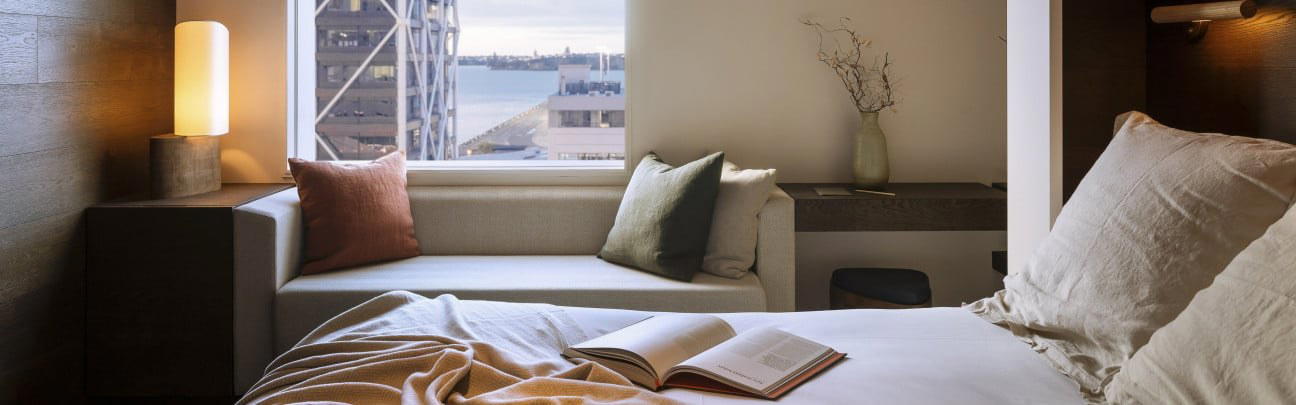
The Britomart precinct sits at the eastern edge of Auckland's CBD, where the city's commercial grid dissolves into the working waterfront at Galway Street. For most of the twentieth century this was a port-adjacent neighbourhood of warehouses and service buildings, unremarkable to visitors and barely registered by residents beyond the ferry terminals. Its reinvention into one of Auckland's most coherent inner-city neighbourhoods has taken two decades of incremental development, and The Hotel Britomart, at number 29 Galway Street, arrived as part of that longer arc rather than ahead of it. The result is a hotel whose physical character reads as a direct response to where it stands: handmade bricks and salvaged timber that carry the neighbourhood's industrial memory forward rather than erasing it.
That material approach places it inside a broader shift in urban hospitality. Across the premium hotel tier, the division between large-footprint international brands and smaller design-led independents has widened considerably. Properties like Cordis, Auckland and InterContinental Auckland anchor the international-chain end of the spectrum, offering considerable scale, extensive amenity sets, and the loyalty infrastructure that business travellers price accordingly. The Hotel Britomart, at 104 rooms, sits in a different register entirely, competing more directly with design-conscious independents such as Hotel Fitzroy by Luminous, Fable Auckland, MGallery, and Hotel DeBrett. The La Liste Leading Hotels rating of 94 points for 2026 confirms it is running in that upper-independent bracket, not merely aspiring to it.
What the Interior Actually Communicates
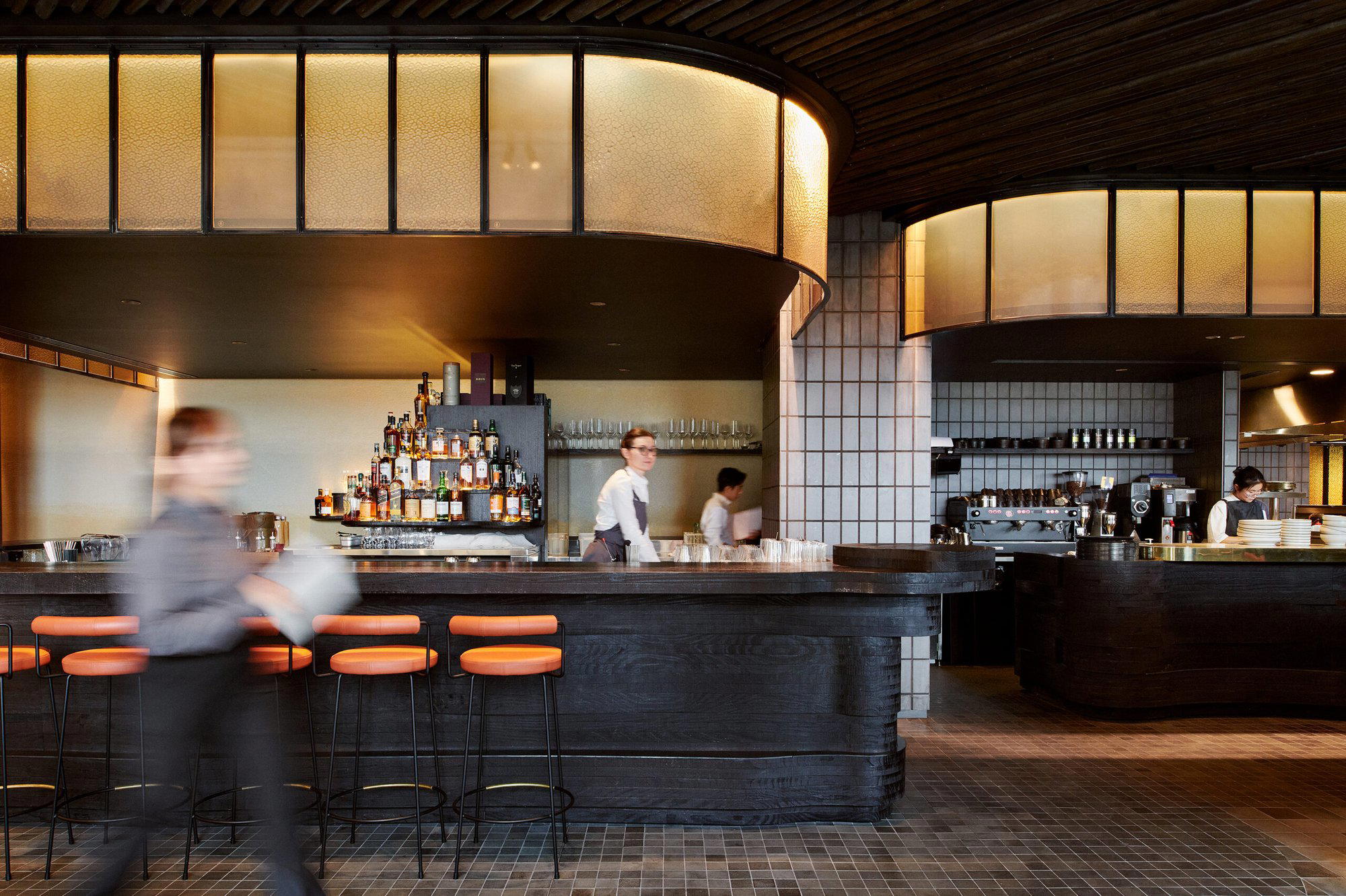
The sustainability credentials here are real rather than decorative. Urban eco-hotels too often treat green design as a marketing layer applied over conventional construction, producing spaces that feel clinical or self-congratulatory. The Hotel Britomart uses handmade bricks and salvaged materials as primary structural and aesthetic choices, which shifts the feel from performative to genuinely worn-in. The interior style the property has cultivated is understated without being austere, a distinction that matters in a city where mid-century minimalism occasionally tips into sterility.
The public spaces operate across several registers. The Libraries, available for lounging or private dining, function as the kind of softly defined common areas that independent hotels do better than large chains precisely because the scale allows for specificity rather than generic function. These are rooms that reward a slow afternoon rather than demanding purposeful use.
Kingi and Auckland's Seafood Identity
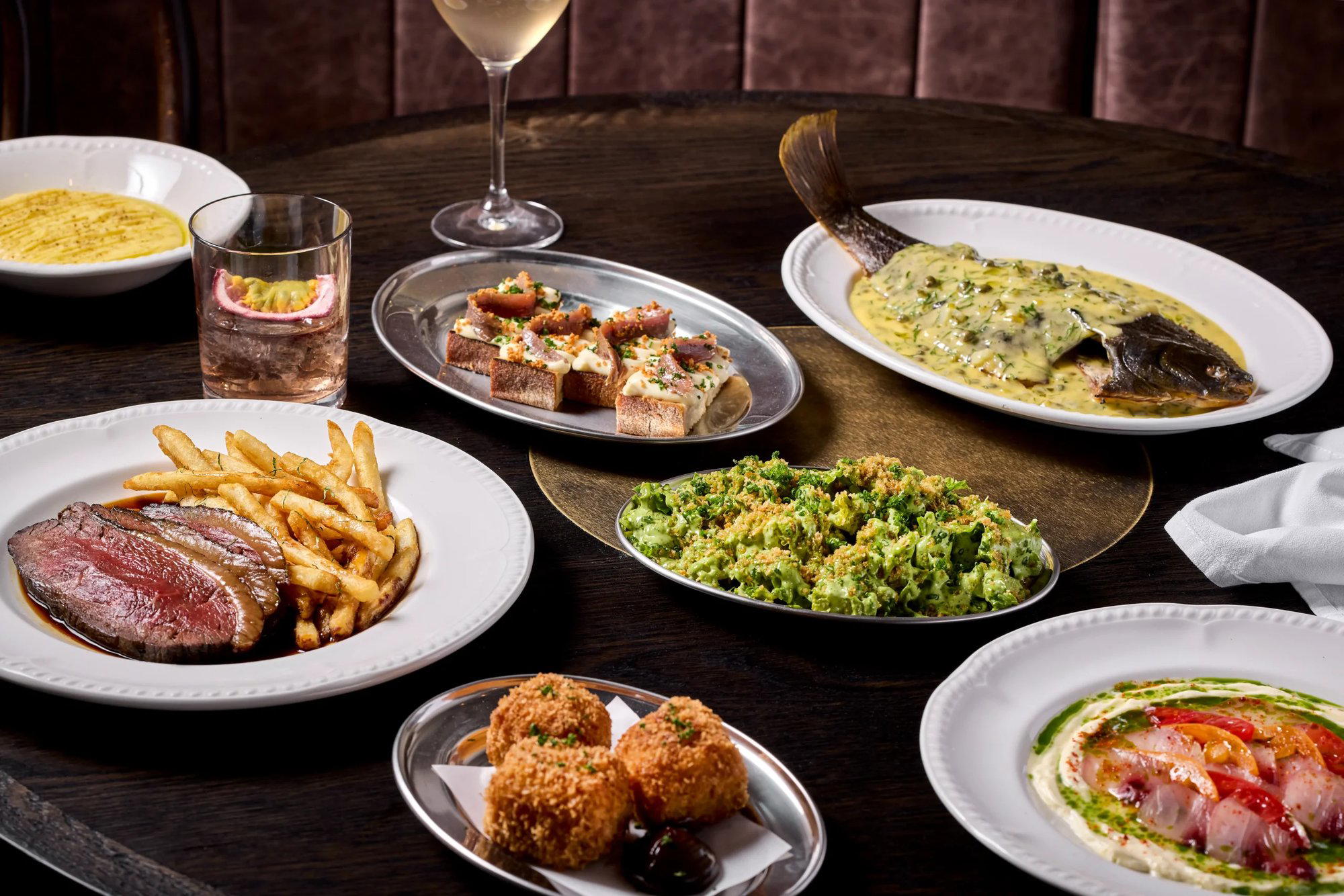
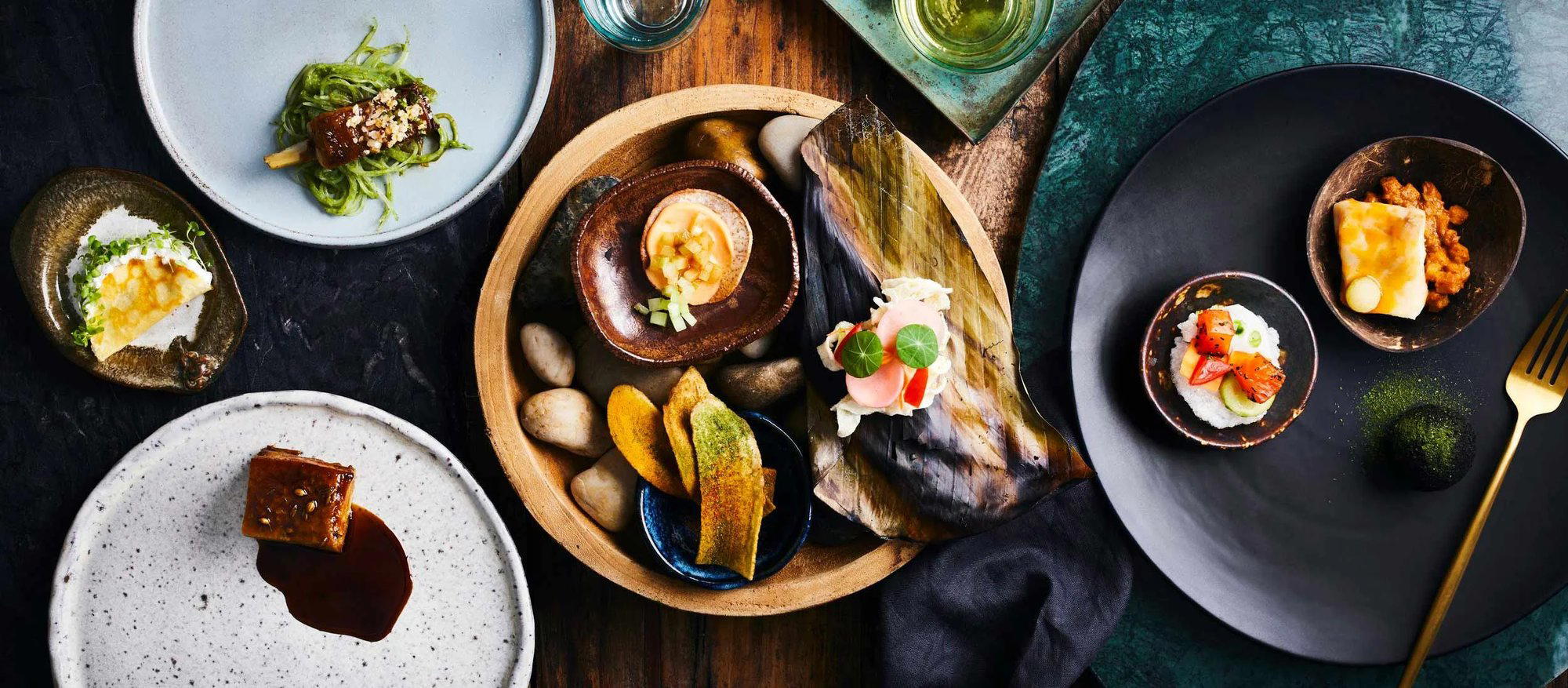
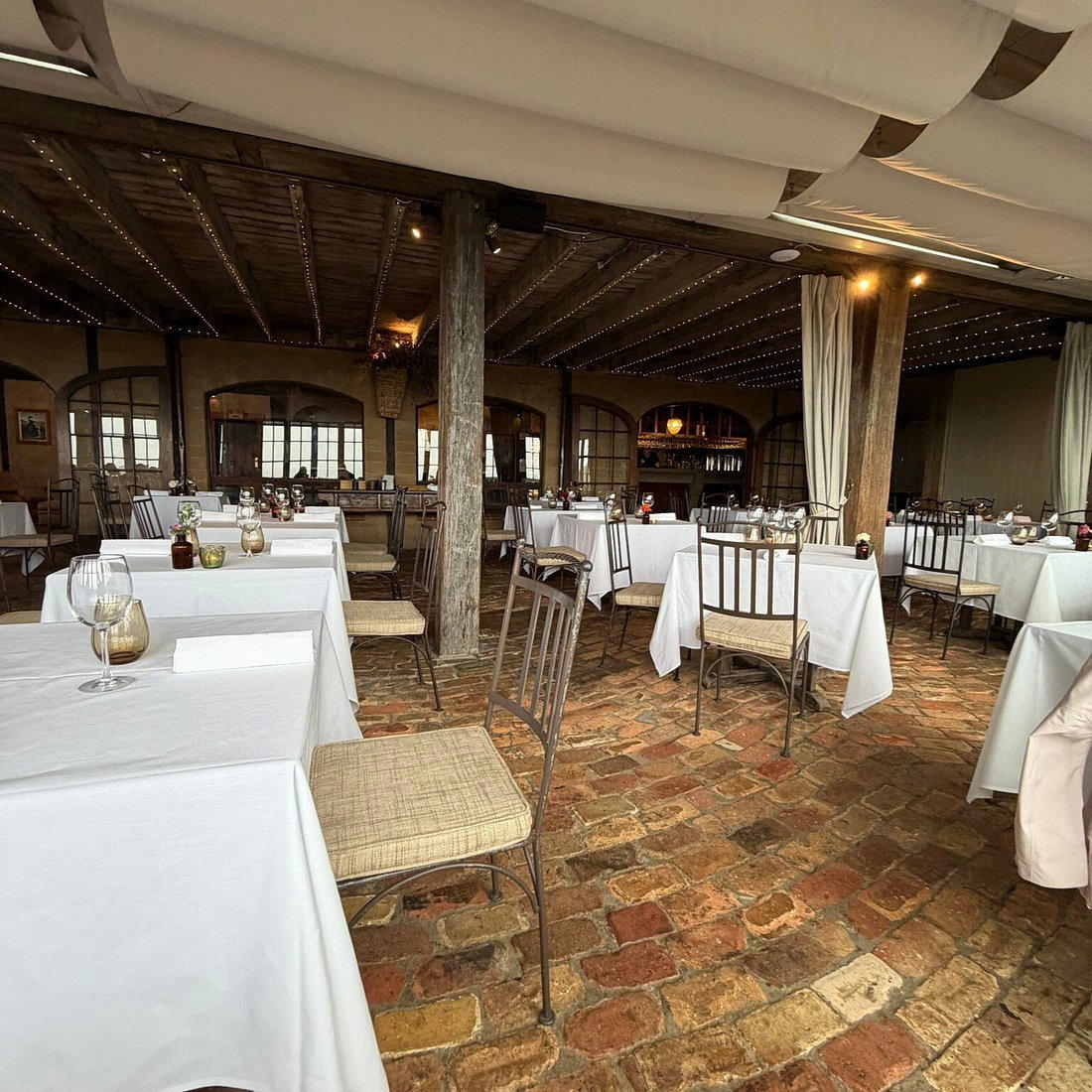
New Zealand's relationship with seafood is both geographic and cultural. The country's coastline delivers a range of species, preparation traditions, and indigenous ingredients that have no real equivalent elsewhere, and Auckland, as the country's largest city and its most internationalist food environment, is where those traditions meet contemporary technique most directly. Kingi, the hotel's all-day restaurant, operates in a beautifully crumbling industrial-style space and positions itself squarely within that seafood-focused tradition.
The all-day format is worth noting because it reflects how the Britomart precinct actually operates. This is not a hotel dining room that functions primarily as a breakfast service with an underused dinner menu. The neighbourhood draws a mix of office workers, waterfront visitors, and hotel guests across all parts of the day, and an all-day seafood restaurant with a considered identity has a plausible audience at each of them. For comparison, the dining at Park Hyatt Auckland, also on the waterfront, takes a different approach, positioned more formally against the marina. Kingi reads as the more embedded neighbourhood choice.
For guests arriving from further afield in New Zealand, this kind of urban seafood focus provides a useful contrast to the lodge-and-wilderness dining experiences available at properties like Huka Lodge, Blanket Bay in Glenorchy, or Eagles Nest in Russell. The Hotel Britomart offers specifically urban seafood: produce-driven and place-conscious, but set against an industrial interior and a city soundtrack rather than a lake view.
Rooms, Suites, and the Logic of Scale
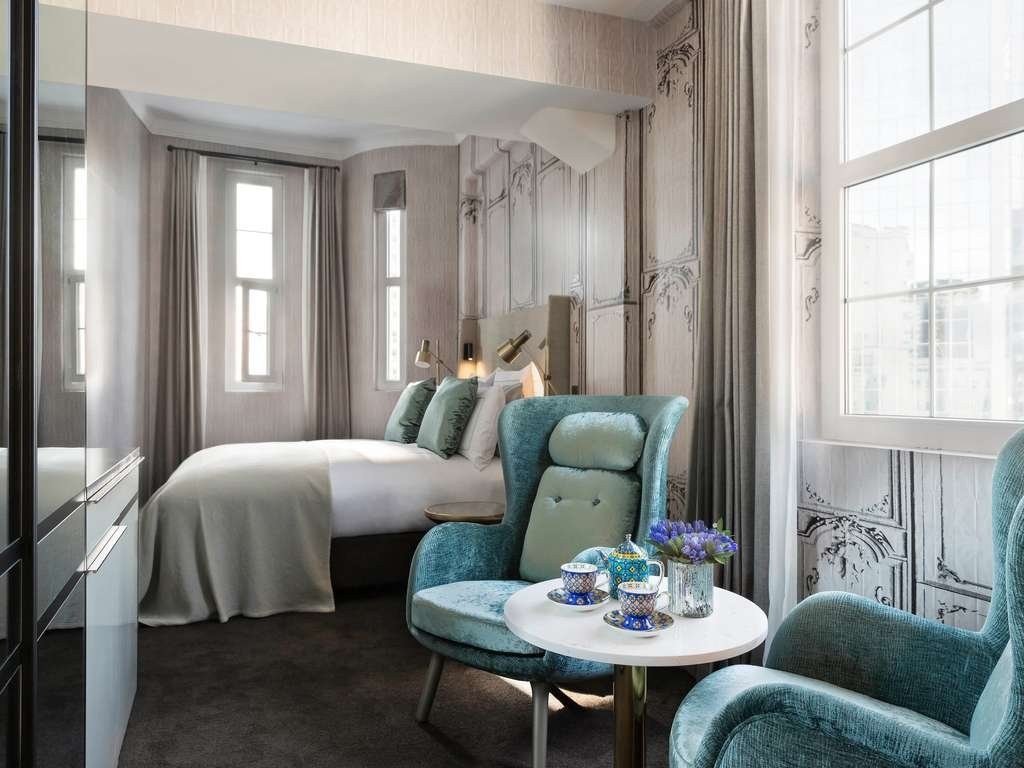
At 104 rooms, The Hotel Britomart is a mid-scale independent by international standards, smaller than chain properties of comparable price but large enough to support the public-space programming that makes a hotel a neighbourhood destination rather than just a place to sleep. The room tier delivers comfort at a level commensurate with the La Liste rating and the entry price point of around $251 per night. The suites, described as lavish, occupy a higher bracket that places them in conversation with some of Auckland's more expensive standalone properties, including Delamore Lodge on Waiheke Island. The difference is context: Delamore offers isolation and vineyard surroundings; the Britomart suites deliver waterfront urban access.
Guests choosing between property types at this tier are often making a decision about what kind of Auckland they want to experience. The hotel sits within easy reach of the ferry terminals for Waiheke Island and the Hauraki Gulf, which means it also functions as a practical base for day trips to island properties without requiring full lodging commitments. For a broader survey of where the Britomart sits within New Zealand's premium hotel range, properties such as Minaret Station Alpine Lodge in Wānaka, Hapuku Lodge in Kaikoura, and Fiordland Lodge in Te Anau all occupy a more remote, experience-wilderness position. The Britomart's proposition is the opposite: density, access, and urban texture.
Planning a Stay
The hotel is located at 29 Galway Street in the Britomart precinct, Auckland CBD. Rates begin at approximately $251 per night, with the full range scaling upward through room categories to the suite tier. The 104-room property means availability at peak periods requires advance planning, particularly over the Auckland summer and the New Zealand school holiday windows in January and July. For travellers arriving through Auckland Airport, the Britomart precinct is accessible by both rail and road transfer, with the City Rail Link placing the neighbourhood within reasonable transit distance. Those combining an Auckland stay with wider New Zealand itineraries that include Carnmore Chateau Marlborough in Blenheim, Hotel St Moritz in Queenstown, or the lodges of the South Island should treat the Britomart as a strong opening or closing base for an itinerary that moves between urban sophistication and landscape-driven accommodation. See our full Auckland hotels and restaurants guide for the broader city picture.
The Minimal Set
Comparable venues nearby, for context on price, style, and recognition.
| Venue | Cuisine | Price | Awards | Notes |
|---|---|---|---|---|
| The Hotel BritomartThis venue (the venue you are viewing) | Not listed | Not listed | 1 Michelin Key · La Liste Top Hotels | Not listed |
| Delamore Lodge | Oneroa, Secluded clifftop luxury lodge | Not listed | 2 Michelin Keys · La Liste Top Hotels | Not listed |
| Hotel Fitzroy by Luminous | Not listed | Not listed | Not listed | Grey Lynn, Restored historic villa with modern annex |
| Park Hyatt Auckland | Not listed | $300–500 | 1 Michelin Key · Virtuoso Luxury Hotel Partner | Auckland Central, Contemporary luxury waterfront residence with Māori-inspired design accents and sophisticated modern furnishings. |
| InterContinental Auckland | Not listed | Not listed | Michelin Selected · Virtuoso Luxury Hotel Partner | Auckland Central, Contemporary luxury hotel in well-known waterfront building |
| Fable Auckland, MGallery | Not listed | $300–500 | Michelin Guide New Hotels New Hotel · Michelin Selected | Auckland Central, Historic Art Deco boutique hotel with contemporary luxury interiors, positioned as a chic urban retreat in Auckland's lively CBD. |
Recognition history
Dated appearances from independent guides and award organizations, with the underlying list record or original source where available.
Michelin 1 Key
Michelin
La Liste Top Hotels
La Liste
Mr & Mrs Smith Seal of Approval
Mr & Mrs Smith
Tablet Hotels Best New Hotel Designs (Mexico & More)
Tablet Hotels · Tablet Hotels Design Awards 2026: Best New Hotel Designs (Mexico & More)
Full recognition history (5 entries)
Michelin 1 Key
Michelin
Continue exploring
More in Auckland
Hotels in Auckland
All hotels in Auckland →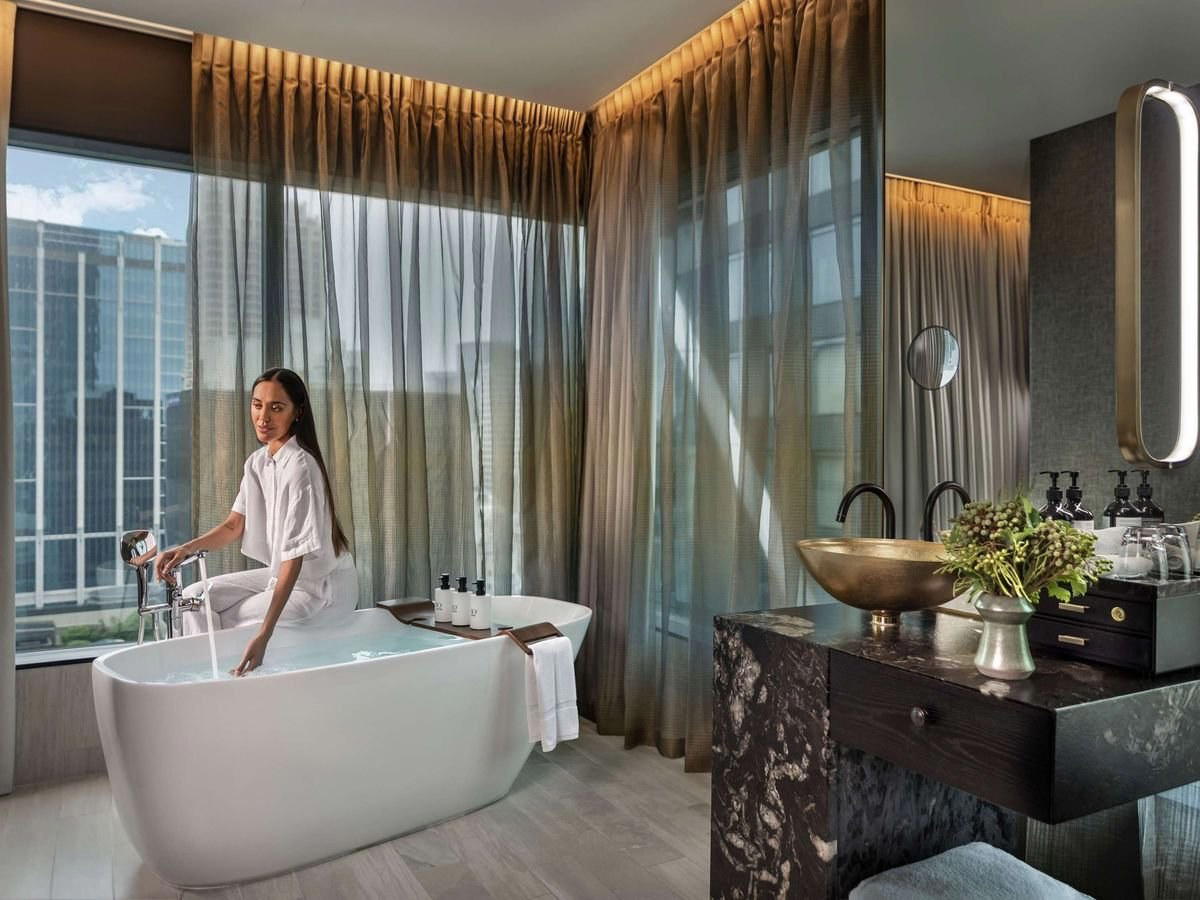
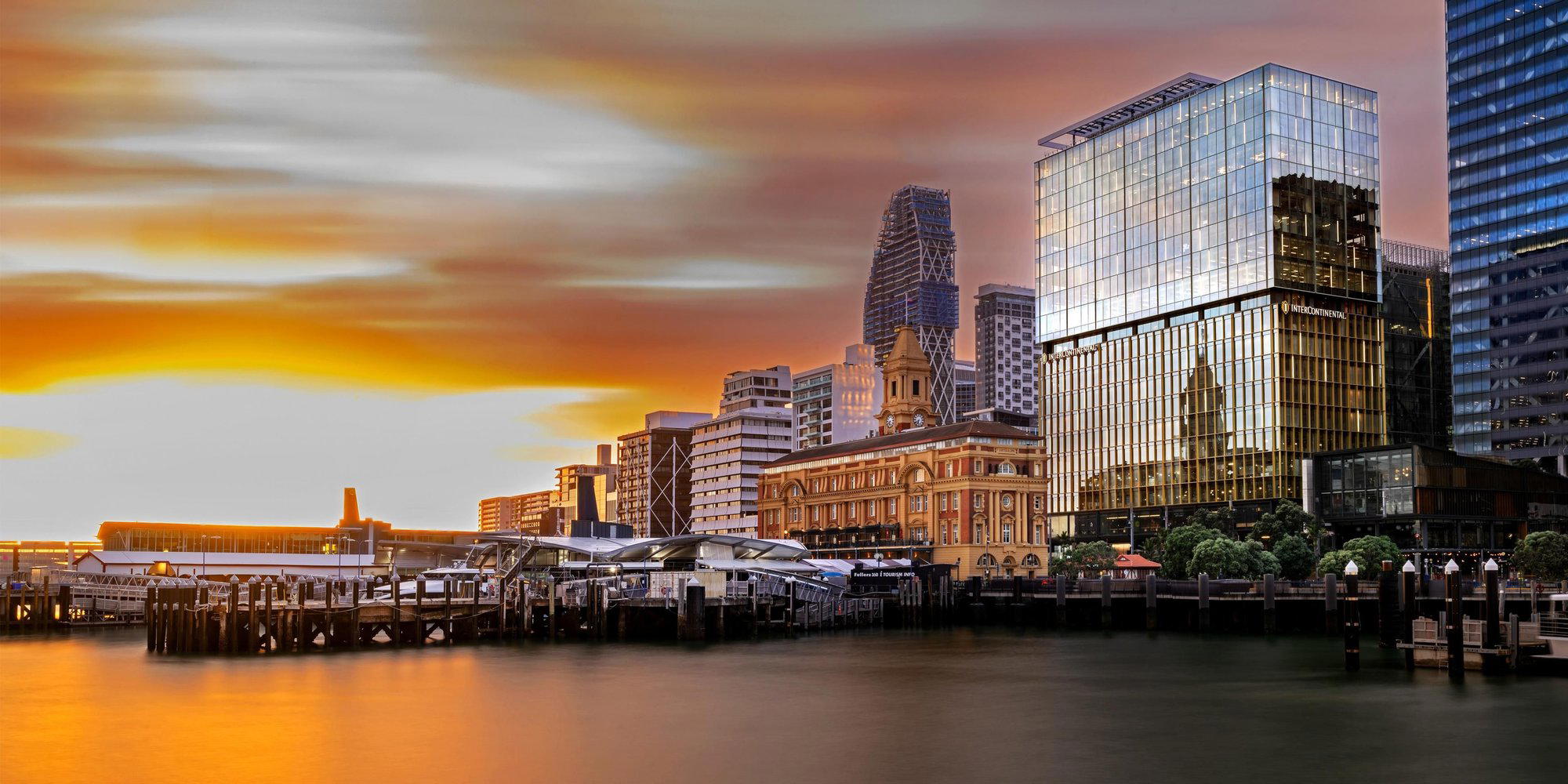
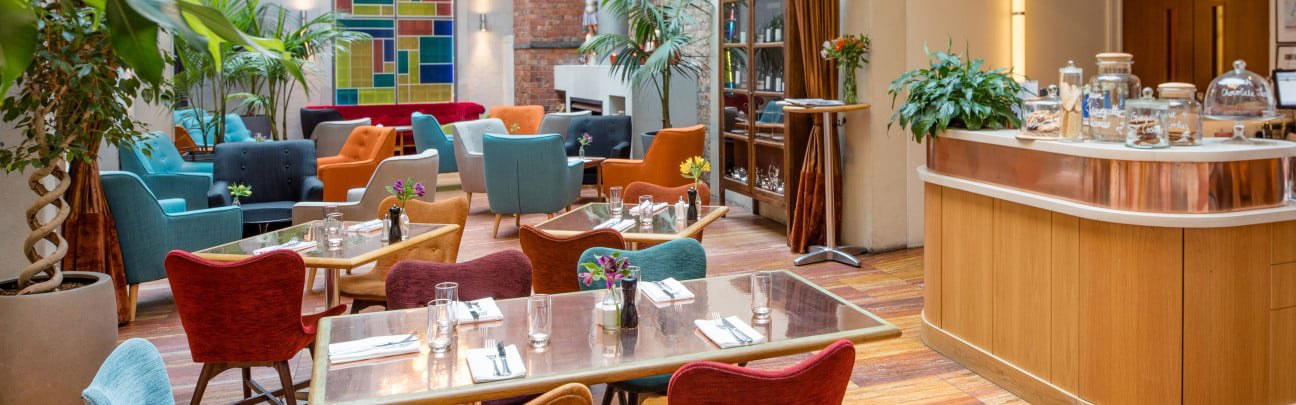
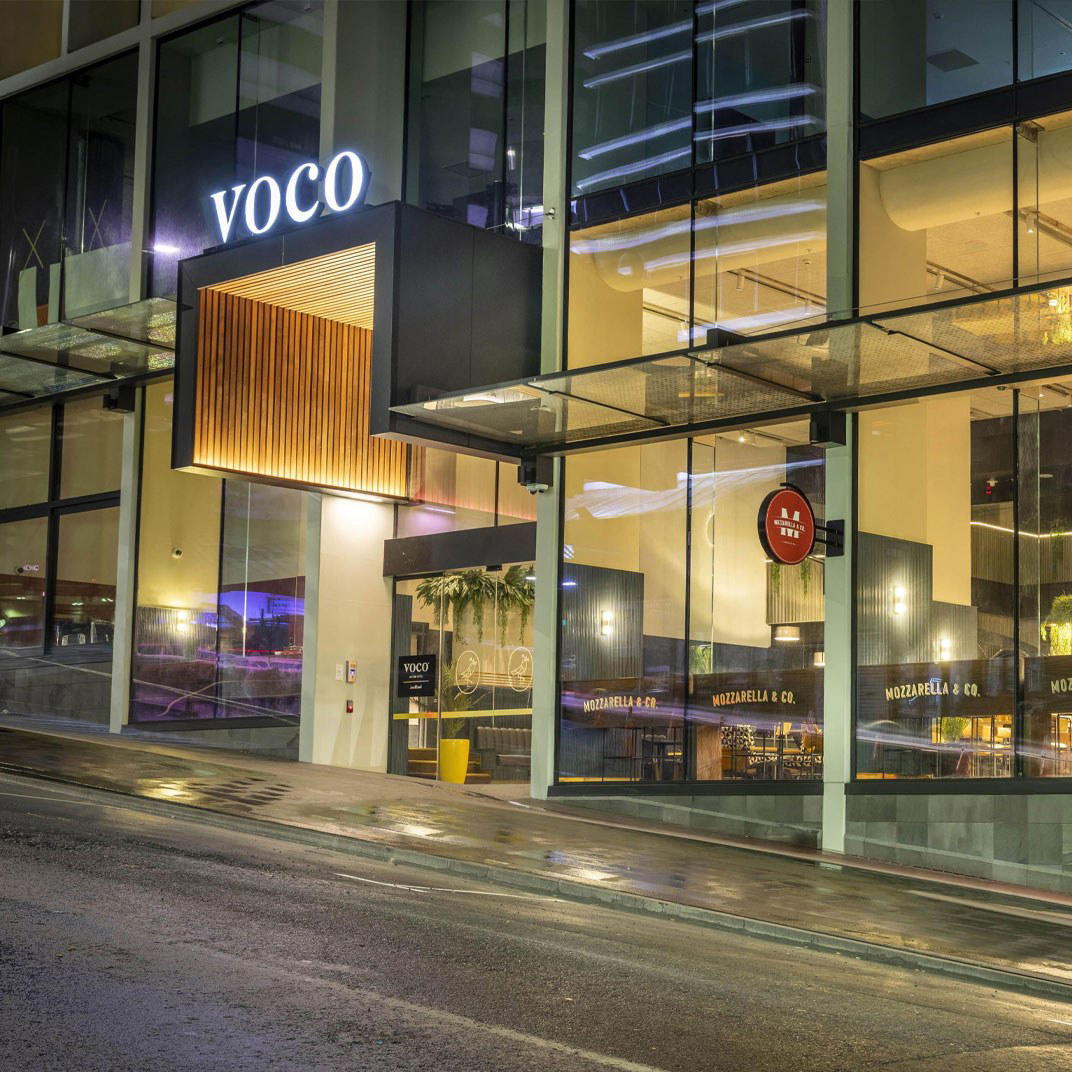
Bars in Auckland
All bars in Auckland →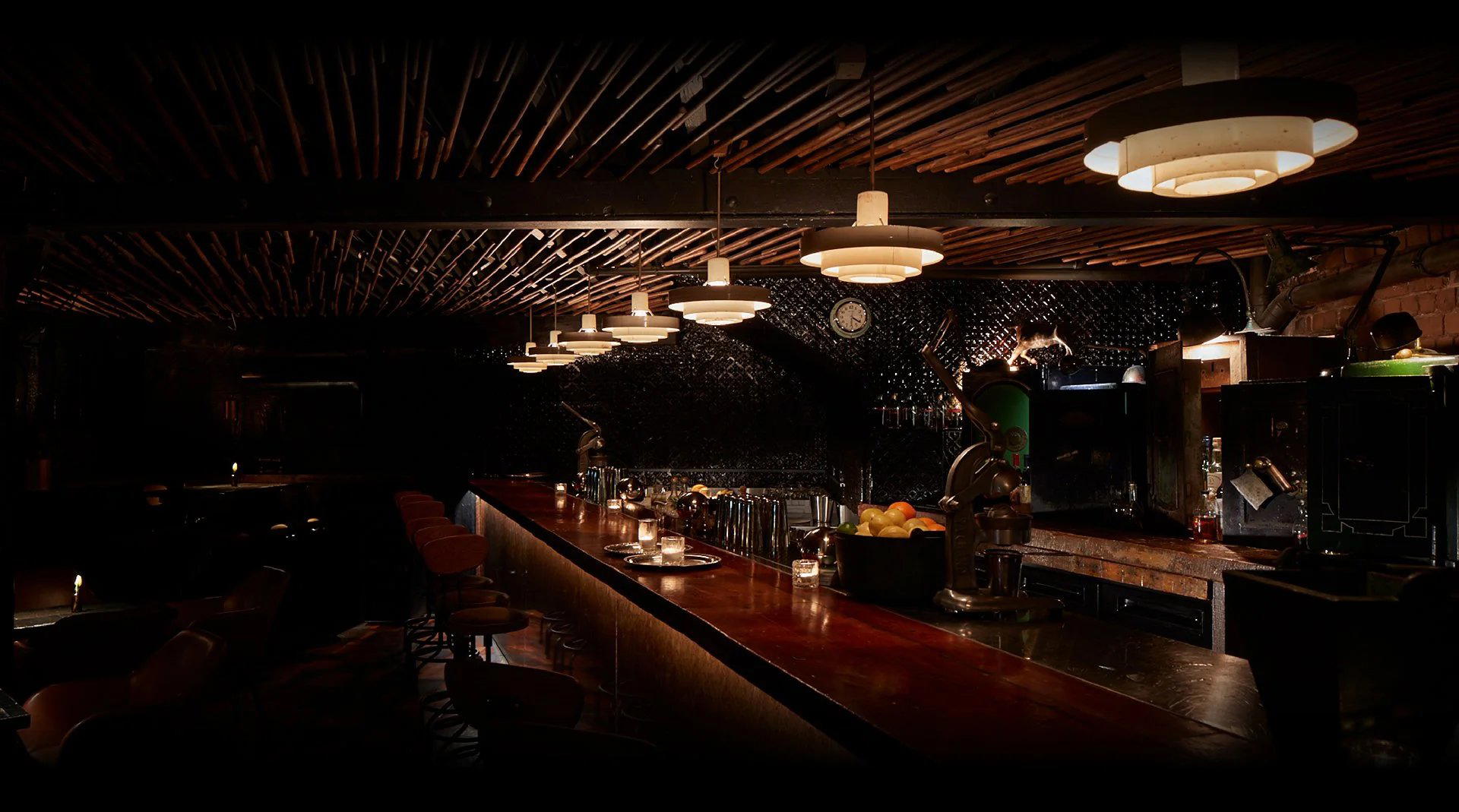
Restaurants in Auckland
All restaurants in Auckland →

Details
- Modern
- Sophisticated
- Elegant
- Minimalist
- Romantic Getaway
- Business Trip
- Weekend Escape
- Waterfront
- Historic Building
- Design Destination
- Wi Fi
- Fitness Center
- Room Service
- Concierge
- Restaurant
- Waterfront
- Skyline
- Street Scene
- Wheelchair Accessible
- Elevator
- Step Free Entrance
Sophisticated and peaceful urban retreat with warm organic materials, soft lighting from timber-lined cocoon-like rooms, and a stylish lobby resembling a concept store amid lively surroundings.