
Sitting above Lovina on Bali's quieter north coast, The Damai holds Michelin Selected status for 2025, a recognition that places it in a small peer group of design-led retreats operating well outside the island's southern resort corridor. The property trades volume for elevation, both literal and experiential, with villa-style accommodation set against volcanic ridge terrain.
Pearl is the En Primeur Club membership app — saves, bookings, and concierge access live there. Same editors, same standards.
- Address
- Jl. Damai, Kayu Putih, Kayu Putih, Lovina, Kabupaten Buleleng, Bali 00362, Indonesia
- Phone
- +62 877-8884-1008
- Website
- thedamai.com
- Directions
- Get directions
 Saves & bookings on Pearl
North Bali's Quieter Register
Most of Bali's premium accommodation concentrates along a narrow southern arc: Seminyak, Nusa Dua, Canggu, Ubud. The north coast, anchored by the fishing town of Lovina, operates at a different tempo entirely. There is no club-beach strip, no procession of spa hotels stacked along a single coastal road. What exists instead is a largely unhurried range of black-sand shore, dolphin-watching boats, and hill properties that trade spectacle for seclusion. The Damai sits in this second category, positioned above the Lovina corridor on a volcanic ridge.
That Michelin Selected recognition matters for a specific reason. For a small, independent property in north Bali, inclusion in the 2025 list signals that The Damai competes on quality terms with a comparable set that includes much larger operations in more trafficked parts of the island.
Design Above the Treeline
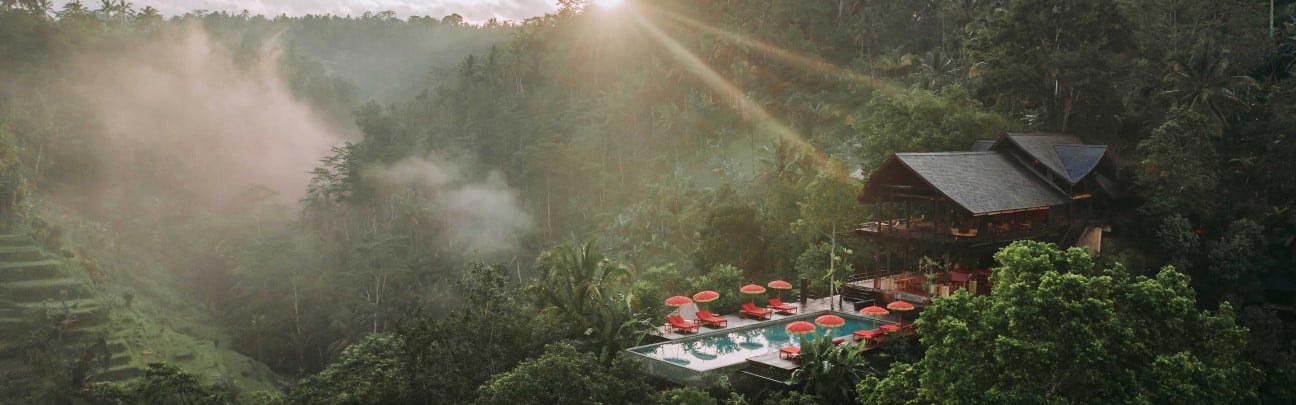
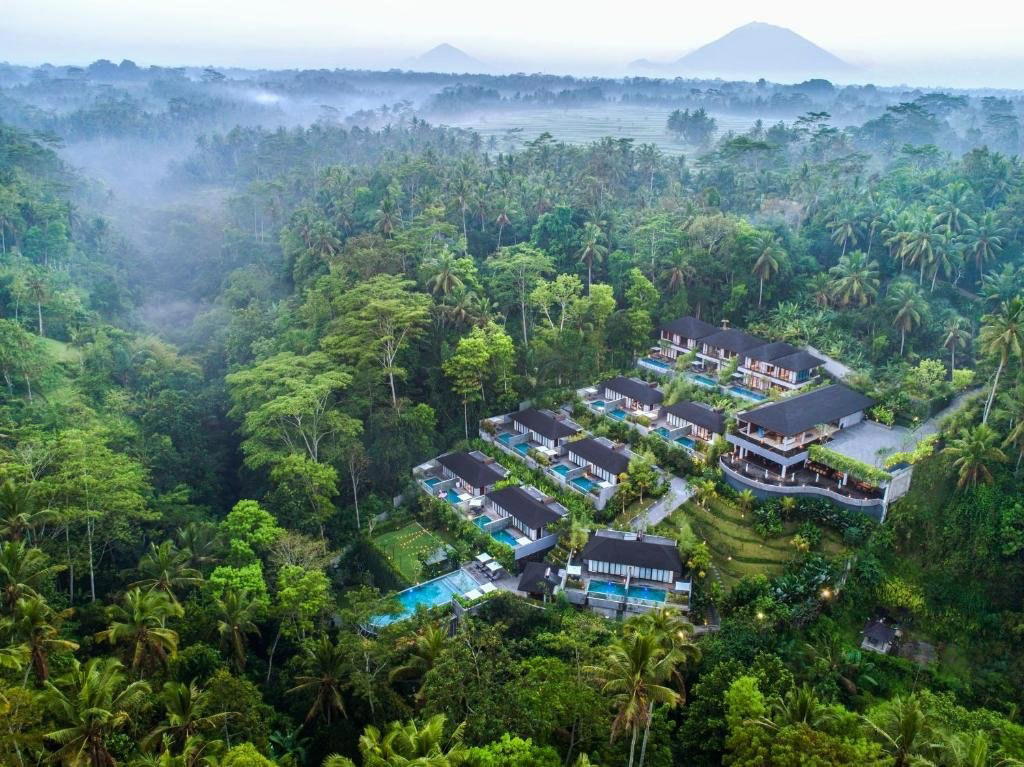
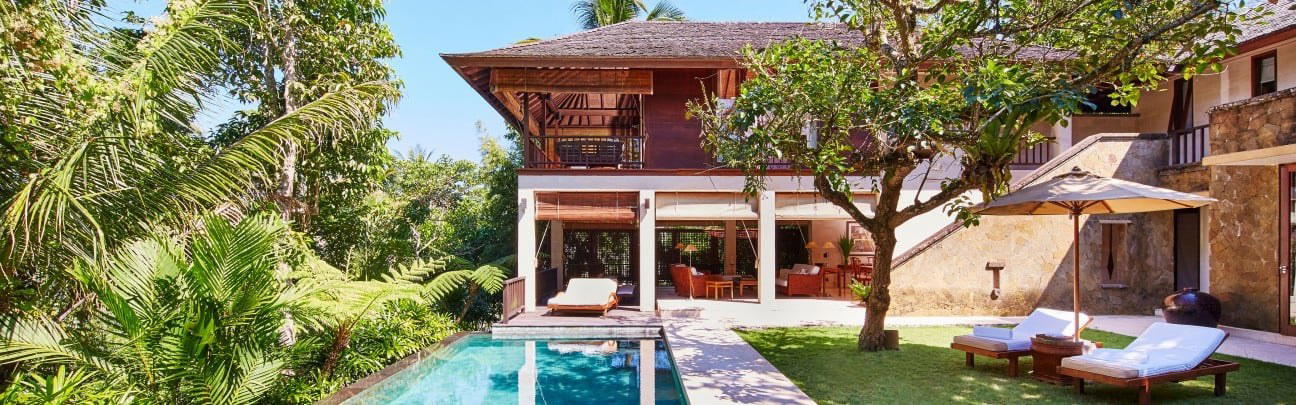
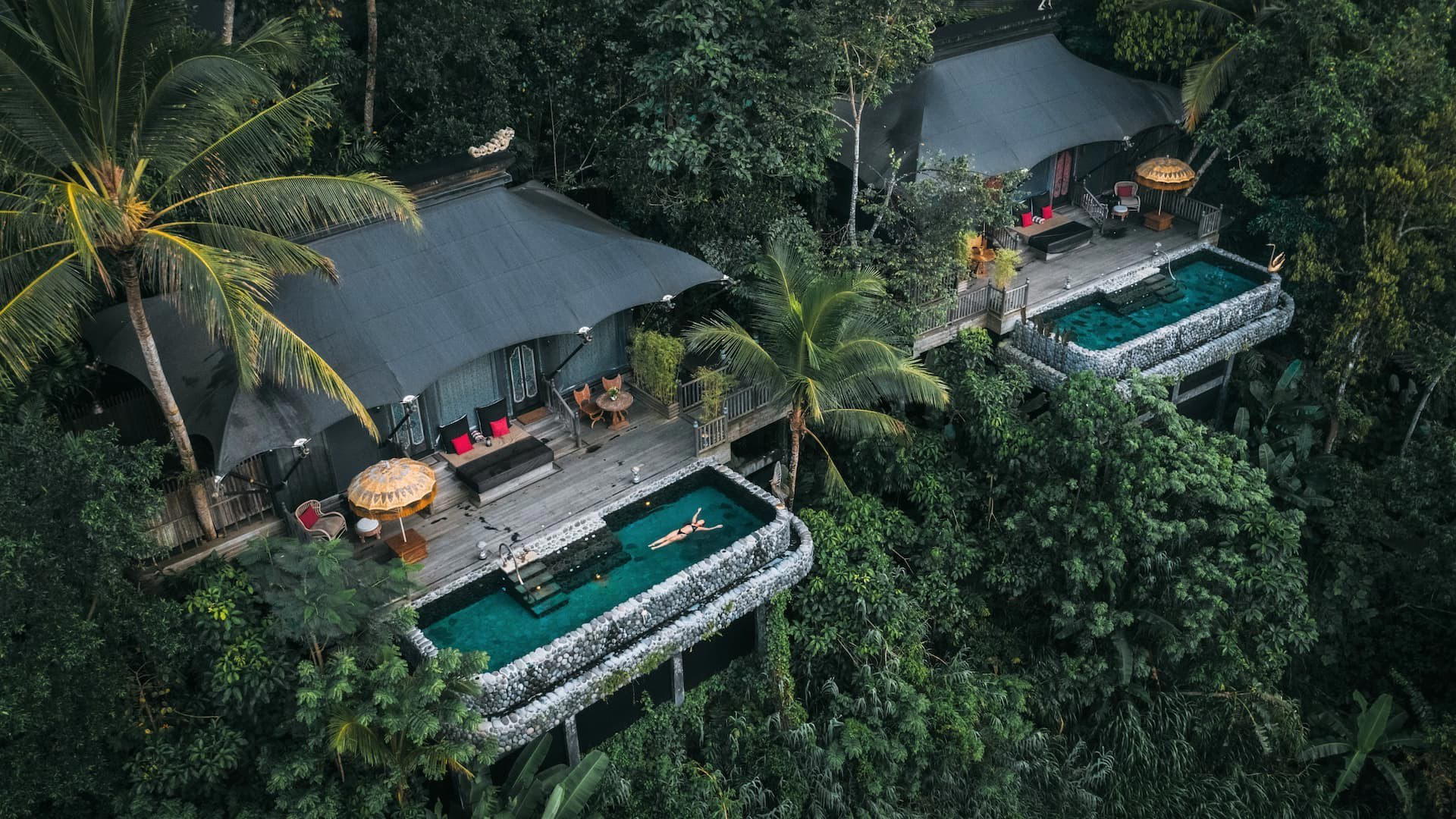
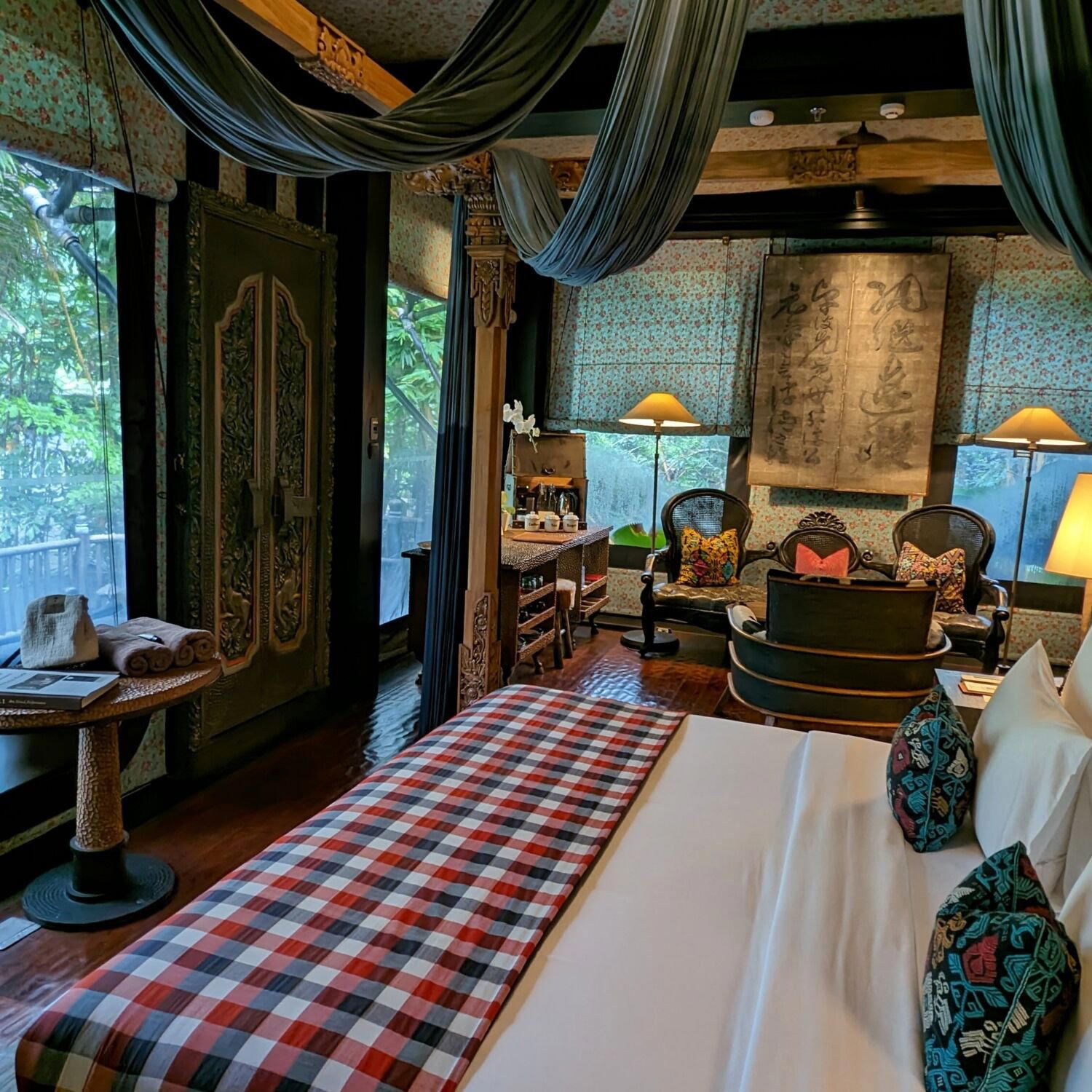
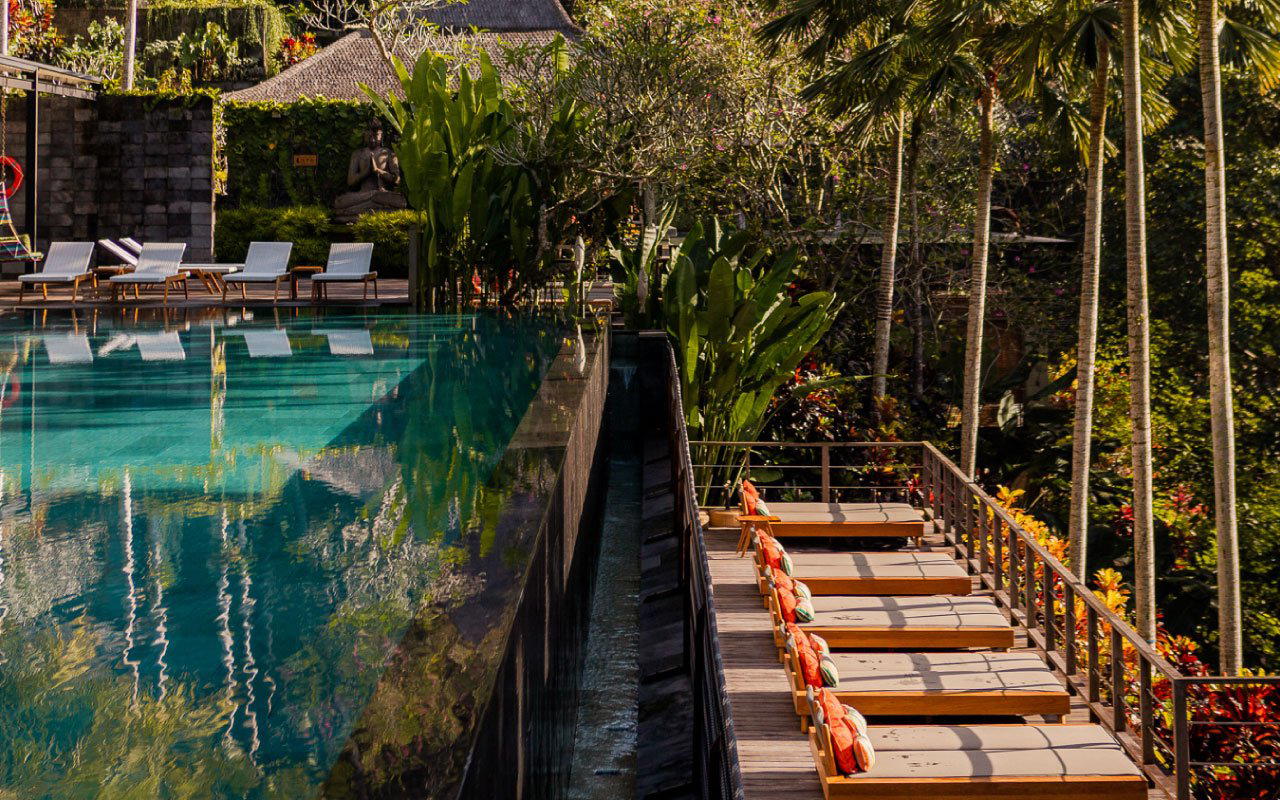
The architecture at The Damai follows a logic shaped by its site rather than imposed upon it. Ridge properties in Bali have long worked within a design tradition that responds to slope and vegetation, using open pavilion structures, tiered terracing, and local materials to integrate built form into hillside terrain. The hotel draws on this tradition, positioning its accommodation across ground that frames views toward the Bali Sea and the volcanic interior. At this altitude above Lovina, the light and temperature differ meaningfully from the coastal floor: cooler mornings, more defined cloud movement, the kind of physical remove that changes how a property feels to inhabit.
The design approach places the hotel in a cohort of Bali properties that favour spatial restraint. Where larger southern resorts add amenity layers, multiple pool formats, retail, event lawns, ridge properties tend to work with fewer, more considered elements. The physical environment does enough. This is an architectural argument as much as a hospitality one: the building's primary job is to frame the view and mediate the climate, not to compete with them. The hotel's north-coast position gives it a distinct version of this relationship, with sea views rather than river gorge or rice terrace framing the guest experience.
Across Bali's broader accommodation map, design-led independent properties occupy a specific market position between the international chain flagships and the villa-rental market. Asvara Villa and Goddess Retreats occupy similar independent territory in other parts of the island. What separates properties at this level is not amenity count but spatial coherence: the degree to which the built environment, the materials, and the siting feel like a single considered decision rather than accumulated additions.
The North Coast as Context
Understanding the hotel requires understanding Lovina's position in the Bali travel hierarchy. The north coast receives a fraction of the visitor volume that moves through Seminyak or Ubud. That lower density is the product of geography and accessibility: the drive from Ngurah Rai International Airport takes roughly two and a half to three hours, crossing the central mountains. For travellers prepared to absorb that transit, the north offers a version of Bali that the south cannot replicate: quieter roads, a local fishing economy that still operates visibly, and the Lovina dolphin-watching tradition that draws early-morning boats out into calm black water at dawn.
For comparison, the southern cluster of properties, from Andaz Bali in Sanur to COMO Uma Canggu in Canggu, benefits from immediate access to the airport and the island's concentrated dining and nightlife infrastructure. The trade-off for north-coast guests is a different kind of access: to quieter water, less development pressure, and a physical landscape that reads as less managed. The hotel sits inside that trade-off deliberately.
Travellers considering the north coast alongside other Indonesian alternatives worth noting include Nihi Sumba on Sumba and Innit Lombok in Ekas, both of which similarly require extended transfer times in exchange for significantly reduced tourist density and more direct engagement with local natural environments.
Planning a Stay
The address, Jl. Damai, Kayu Putih, Lovina, places the property in the Kayu Putih area above the Lovina strip, accessible by road from Singaraja, north Bali's main city. Singaraja connects to the island's road network and is reachable from the south via the mountain pass route through Bedugul. Given the transfer distance from Ngurah Rai, most guests at properties in this area build at least three nights into a stay; anything shorter loses ground to the journey itself. The hotel's Michelin Selected status for 2025 suggests early planning is warranted, particularly for high-season travel between July and August and over the Christmas and New Year period, when north-coast availability at quality-tier properties contracts sharply.
For those building a wider Bali itinerary, the island's hotel geography rewards a split approach: combining a north-coast stay at the hotel with a southern base at a property like Grand Seminyak or Further Hotel covers meaningfully different versions of the island within a single trip. Alternatively, pairing it with the Ubud interior via Ayodya Resort Bali or the design-forward Desa Potato Head in Denpasar creates a north-south arc that captures the island's geographic and tonal range.
For a wider Indonesia comparison: the Plataran Borobudur Resort and Spa in Magelang and the Plataran Komodo Resort and Spa in Labuan Bajo both occupy a similar design-led, site-responsive tier across the archipelago, confirming that hotel's approach reflects a broader regional hospitality sensibility rather than a Bali-specific anomaly.
Comparable Spots, Quickly
Comparable venues nearby, for context on price, style, and recognition.
| Venue | Cuisine | Price | Awards | Notes |
|---|---|---|---|---|
| The DamaiThis venue — the venue you are viewing | Secluded luxury boutique resort | $$$$ | 5-Star | Not listed |
| Kanvaz Resort Seminyak | Upscale boutique resort with lagoon pools and wellness facilities | $$$$ | 4-Star | Seminyak |
| Sini Vie Resort | Contemporary luxury boutique resort with modern tropical architecture and Balinese design elements, positioned as an intimate escape for couples. | $$$$ | 5-Star | Seminyak |
| Grand Seminyak – Lifestyle Boutique Bali Resort | Art Deco luxury boutique resort with contemporary tropical design and beachfront positioning in Bali's most lively beach district. | $$$$ | 5-Star | Seminyak |
| The Menjangan by LifestyleRetreats | Nature-inspired luxury retreat | $$$$ | 4-Star | West Bali National Park |
| K Club Ubud | Luxury villa resort blending modern comforts with Balinese nature | $$$$ | 5-Star | Tegallalang |
Recognition history
Dated appearances from independent guides and award organizations, with the underlying list record or original source where available.
Michelin Selected
Michelin

At a Glance
- Romantic
- Quiet
- Scenic
- Intimate
- Honeymoon
- Romantic Getaway
- Wellness Retreat
- Weekend Escape
- Private Villa
- Panoramic View
- Infinity Pool
- Butler Service
- Pool
- Spa
- Wi Fi
- Restaurant
- Concierge
- Garden
- Garden
- Mountain
- Pool
- Spa
- Wi Fi
- Restaurant
- Concierge
- Garden
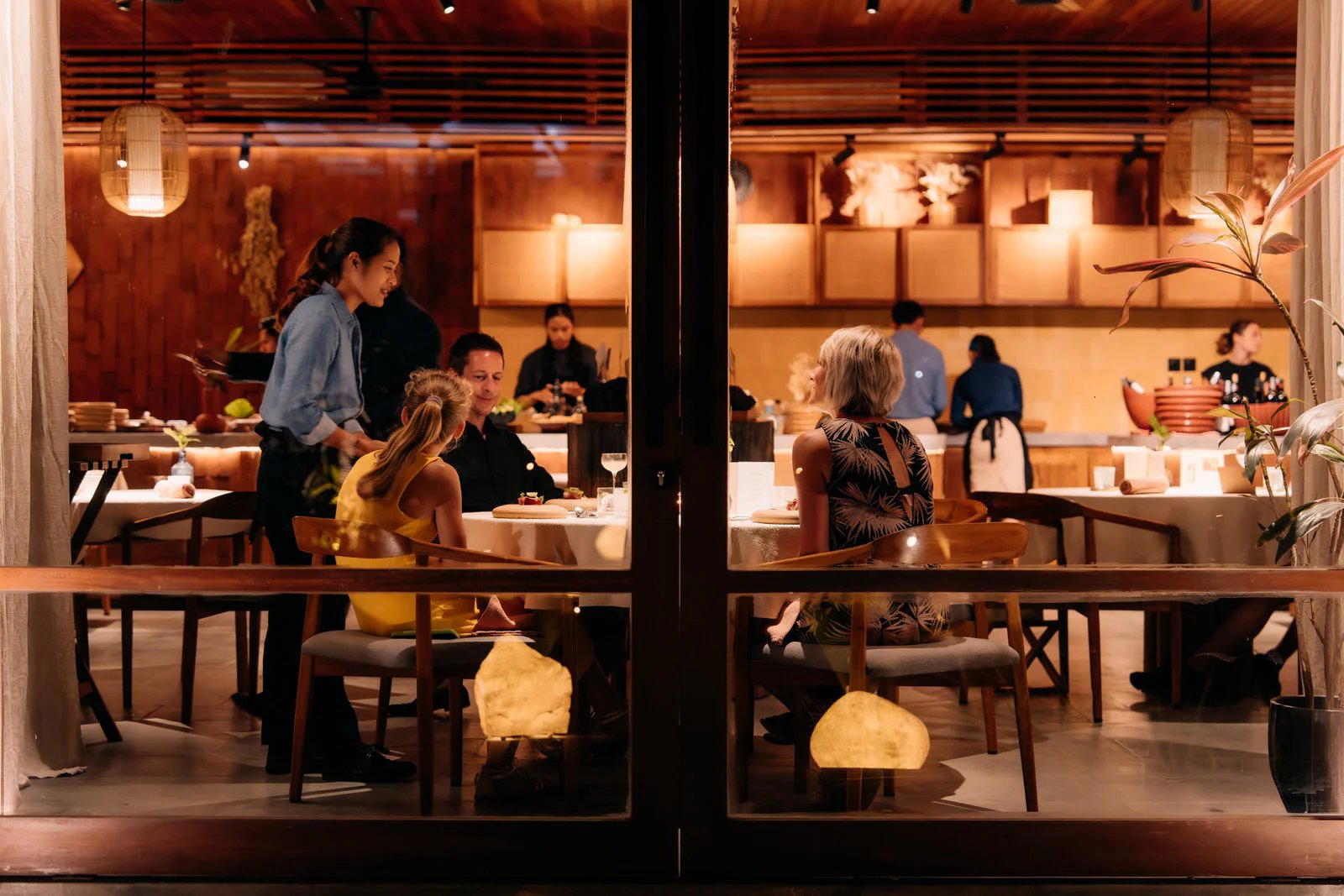
Peaceful and serene with gentle ocean breezes, crimson bougainvillea, and hypnotic views creating a calm tropical retreat.