
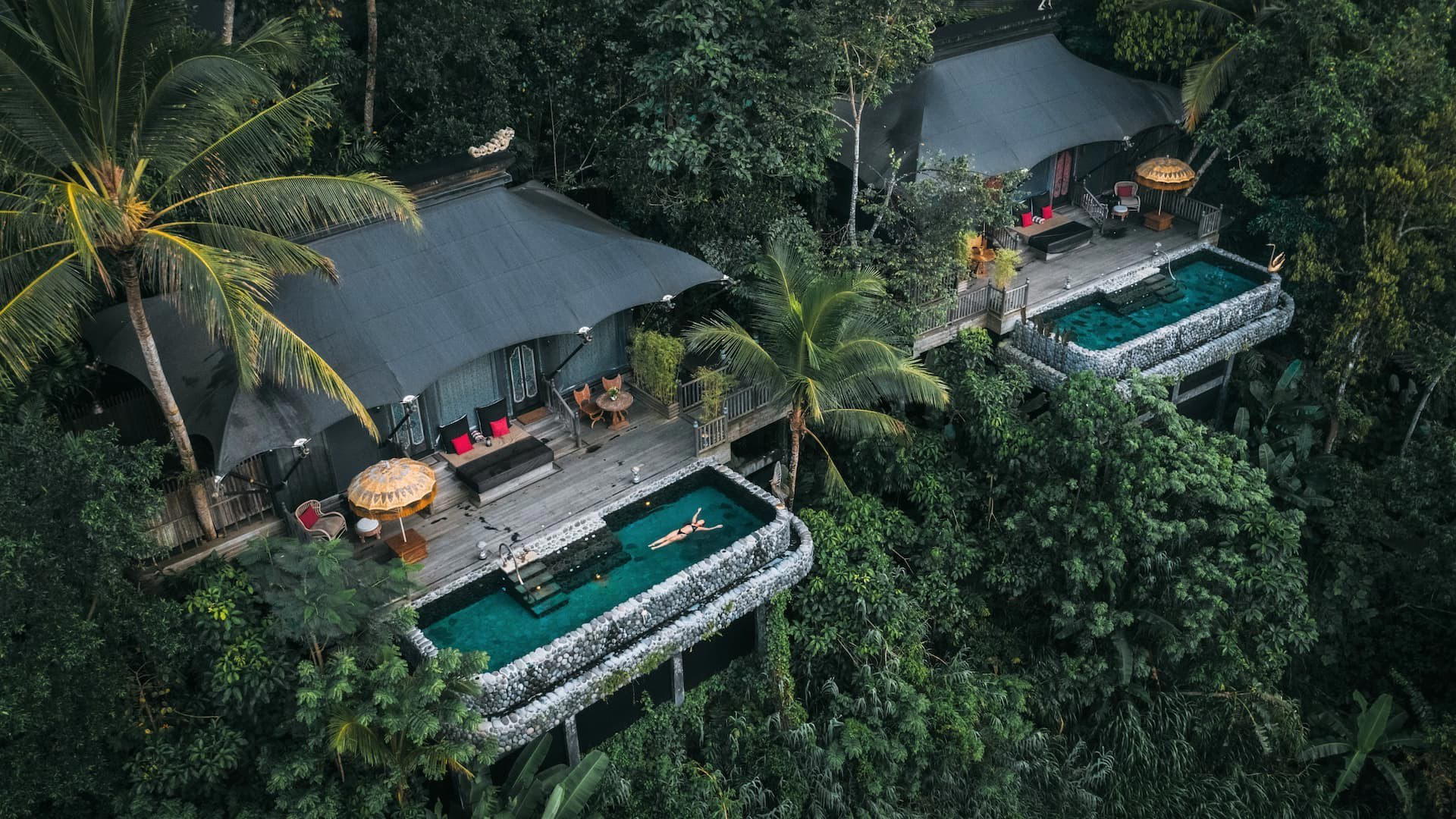
K Club Ubud sits in the rice terrace corridor north of central Ubud, operating as a tented camp that has earned Global Winner recognition for Luxury Tented Camp and a Continent Winner title for Luxury Eco Resort. The property occupies the design-led, low-footprint end of Bali's premium accommodation spectrum, where tented structures and ecological positioning matter as much as thread counts and butler ratios.
Pearl is the En Primeur Club membership app — saves, bookings, and concierge access live there. Same editors, same standards.
- Address
- Jalan Raya Cebok, Kedisan Tegallalang, Kedisan, Kecamatan Ubud, Kabupaten Gianyar, Bali 80561, Indonesia
- Phone
- +62 877-0003-3888
- Website
- kclububud.com
- Directions
- Get directions
 Saves & bookings on Pearl
Kedisan, Tegallalang, and the Geography of Balinese Seclusion
The road north from Ubud's gallery-lined centre passes through a compressed sequence of rice terraces, craft villages, and roadside temples before the density thins and the landscape opens into the refined corridor around Kedisan and Tegallalang. This is not the Bali of Seminyak beach clubs or Nusa Dua resort strips. It is agricultural, vertical, and oriented around the subak irrigation system that UNESCO recognised in 2012 as a cultural range of global significance. Properties that position themselves in this zone are making a deliberate argument: that terrain, elevation, and ecological context carry more weight than proximity to nightlife or shopping.
K Club Ubud sits at this northern edge, addressed to Jalan Raya Cebok in Kedisan, Tegallalang, a location that places it inside the Gianyar regency rather than Ubud's administrative centre. The practical implication is distance from Ubud's core restaurants and galleries, which for most guests is the point. The trade-off between access and immersion is the central decision any traveller faces in this corridor, and K Club Ubud lands firmly on the immersion side.
The Tented Camp Format in the Context of Bali's Eco-Premium Tier
Bali's premium accommodation market has fractured into recognisable tiers over the past decade. At one end sit the large-footprint international brands, many of them in Nusa Dua and along the southern coast, offering predictable service standards and resort-scale amenity pools. Amarterra Villas Resort Bali Nusa Dua, Autograph Collection and Andaz Bali operate in that southern, beach-adjacent bracket. At the other end, a smaller cohort of properties has built its identity around ecological restraint, local materials, and a deliberate reduction in built footprint. Bambu Indah in Banjar Badung and Desa Seni Baturiti in Tabanan represent the design-led, philosophy-driven end of that second cohort.
K Club Ubud's award record places it squarely in the eco-premium tier. The property holds a Global Winner title for Luxury Tented Camp and a Continent Winner designation for Luxury Eco Resort, a combination that positions it against the small international field of properties where the tent or pavilion format is treated as a design and environmental choice rather than a budget compromise. K Club Ubud is a five-star hotel with 30 rooms. The tented camp category at this award level typically rewards properties that maintain luxury service standards inside a deliberately low-impact structure: canvas and timber over concrete, terrace views over enclosed corridors, ambient sound over air conditioning as the primary sensory register.
Within Bali specifically, the tented luxury format occupies a niche that is distinct from both the villa-rental market (which dominates in Seminyak and Canggu) and the heritage-hotel format that properties like Mandapa, a Ritz-Carlton Reserve in Ubud have built around the Ayung River gorge. A globally recognised tented camp in the Tegallalang corridor represents a specific answer to a specific question: what does premium accommodation look like when the building itself is meant to sit lightly on the land?
Place as Programme: What the Tegallalang Location Delivers
The Tegallalang rice terraces are among the more visited landscapes in central Bali, which creates a paradox for any property in the zone. The scenery draws people in; the crowds that arrive to photograph it by mid-morning push certain guests away. Properties that have found the right positioning solve this by offering the view from within rather than from a public terrace below. At elevation, with accommodation oriented toward the terrace steps rather than the road, the experience shifts from tourist attraction to private outlook.
The broader Kedisan area also sits within reasonable reach of the active volcanic geology of the Kintamani plateau. Batur Natural Hot Spring in Kintamani is one accessible expression of that geology for guests based in this corridor. The combination of rice terrace immersion at the property level and volcanic landscape access within a short drive gives Kedisan-based properties a geographic range that purely urban Ubud hotels cannot match.
For travellers comparing Ubud-area options, Anantara Ubud Bali Resort offers a more conventional resort format with Ubud town proximity, while Goddess Retreats and Further Hotel address the retreat-and-wellness end of the same geographic zone. The hotel's award credentials in the tented camp category give it a distinct identity within this comparable set rather than competing directly on amenity lists.
Wider Indonesia and Regional Context
The eco-premium category in Indonesia extends well beyond Bali. Nihi Sumba in Sumba has defined what internationally recognised eco-luxury looks like at island scale. Closer to Bali, Hotel Komune and Beach Club Bali in Gianyar occupies the same Gianyar regency with a surf-and-wellness positioning that draws a different traveller profile. Across the archipelago, properties in Java's highlands, such as Kampung Sampireun Resort and Spa in Garut, have applied similar logic: traditional vernacular structures, water and agricultural settings, and an argument that the natural context is the primary amenity.
The hotel's Global Winner status in the tented camp category aligns it with this broader regional movement while keeping the argument specific to Bali's rice terrace geography. Internationally, properties like Aman Venice demonstrate that the Aman model of context-first luxury travel has global reach, but in Bali's Ubud corridor, the tented and eco-resort format represents a distinct local answer to the same underlying demand: accommodation where the setting is not a backdrop but the substance of the stay.
Planning Your Stay
The hotel's address in Kedisan, Tegallalang places it roughly 45 minutes to an hour from Ngurah Rai International Airport in normal traffic, with the caveat that Bali's road conditions vary considerably by time of day and season. The dry season, running broadly from April through October, is the period when the rice terraces are at their most photogenic and the Kintamani drives most reliable. Visiting during the wet season, November through March, brings lower tourist volume and a different quality of light across the terraces, though access roads in hilly areas can become unpredictable. Given the property's award profile and the relatively limited inventory of genuinely recognised tented camp properties in Bali, advance planning is advisable regardless of season.
Peers Worth Knowing
Comparable venues nearby, for context on price, style, and recognition.
| Venue | Cuisine | Price | Notes |
|---|---|---|---|
| K Club UbudThis venue — the venue you are viewing | Luxury villa resort blending modern comforts with Balinese nature | $$$$ | Not listed |
| Jannata Resort & Spa | Contemporary Balinese luxury resort | $$$$ | Ubud |
| Jumeirah Bali | Luxury villa-only beach resort inspired by Javanese-Hindu water palace architecture amid tropical gardens. | $$$$ | Uluwatu |
| Kaamala Resort | Modern luxury resort blending seclusion with central Ubud access | $$$$ | Ubud |
| Grand Seminyak – Lifestyle Boutique Bali Resort | Art Deco luxury boutique resort with contemporary tropical design and beachfront positioning in Bali's most lively beach district. | $$$$ | Seminyak |
| Asvara Villa | Contemporary Balinese luxury boutique villa resort blending modern comfort with traditional tropical aesthetics. | $$$$ | Sambahan |
Recognition history
Dated appearances from independent guides and award organizations, with the underlying list record or original source where available.
World Luxury Hotel Awards WLHA Continent Winner
World Luxury Hotel Awards
World Luxury Hotel Awards WLHA Global Winner
World Luxury Hotel Awards
At a Glance
- Romantic
- Elegant
- Scenic
- Sophisticated
- Ornate
- Honeymoon
- Romantic Getaway
- Wellness Retreat
- Family Vacation
- Infinity Pool
- Private Villa
- Destination Spa
- Garden
- Wi Fi
- Pool
- Spa
- Fitness Center
- Room Service
- Concierge
- Valet Parking
- Garden
- Mountain
- Wi Fi
- Pool
- Spa
- Fitness Center
- Room Service
- Concierge
- Valet Parking
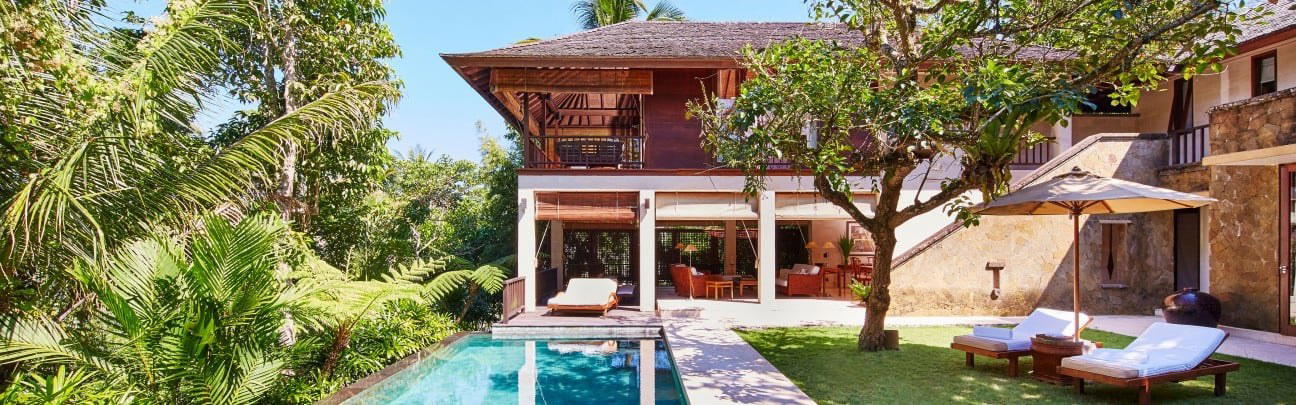
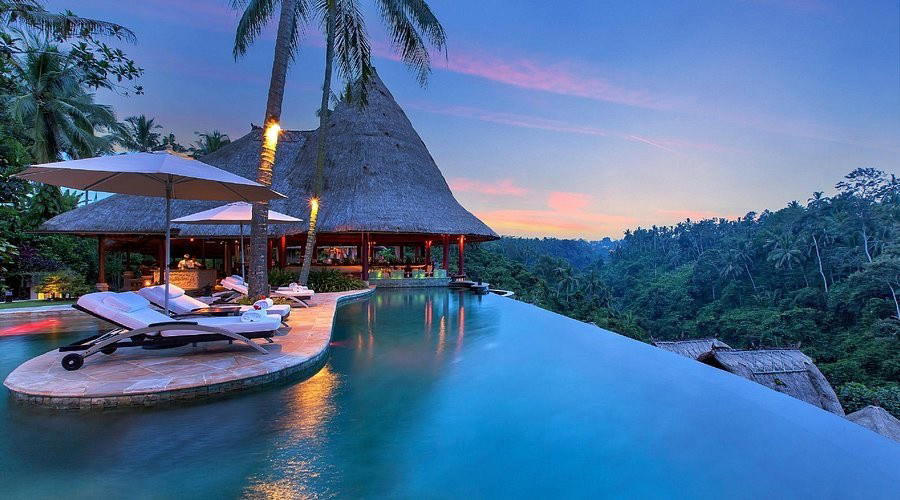
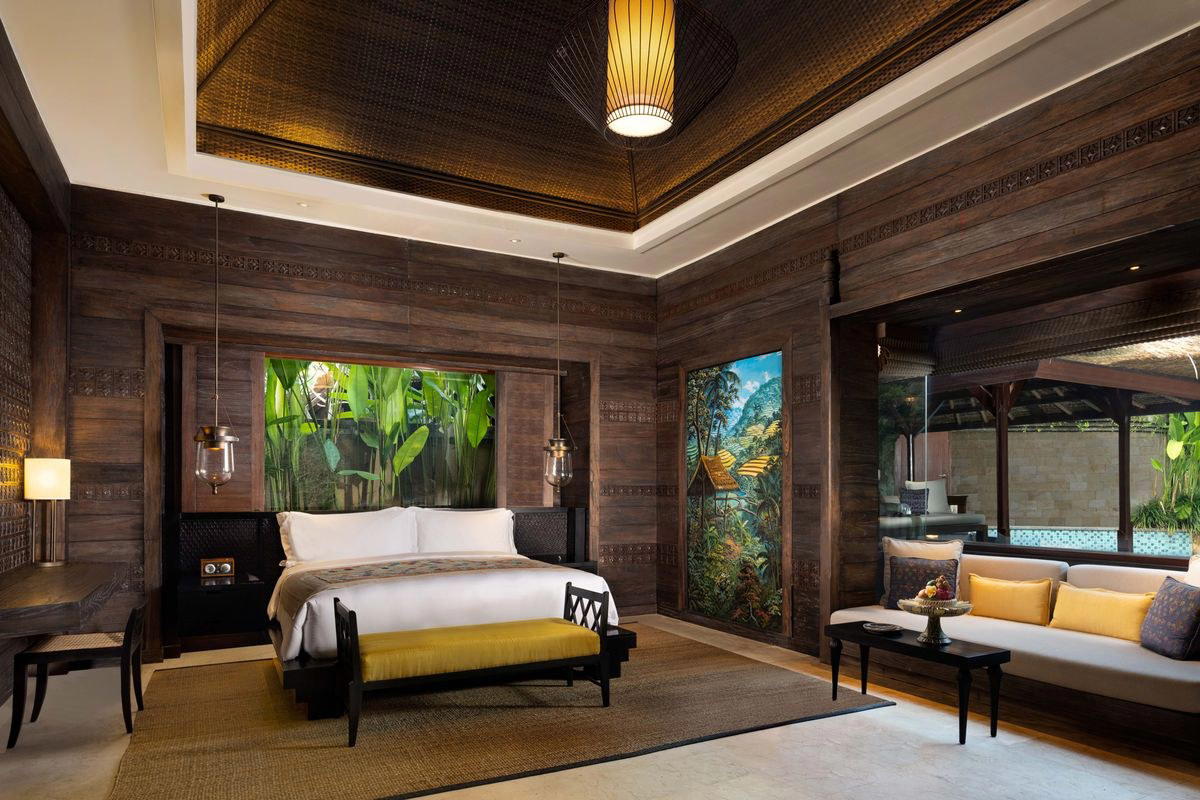
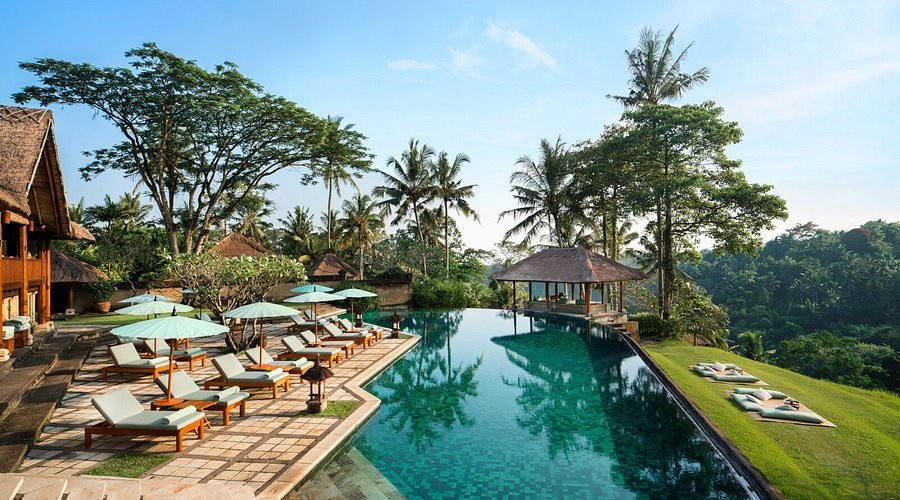
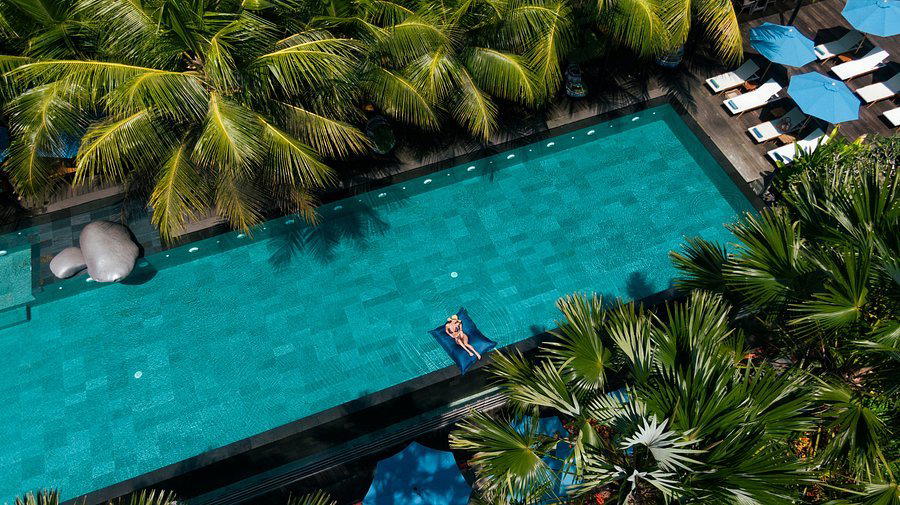
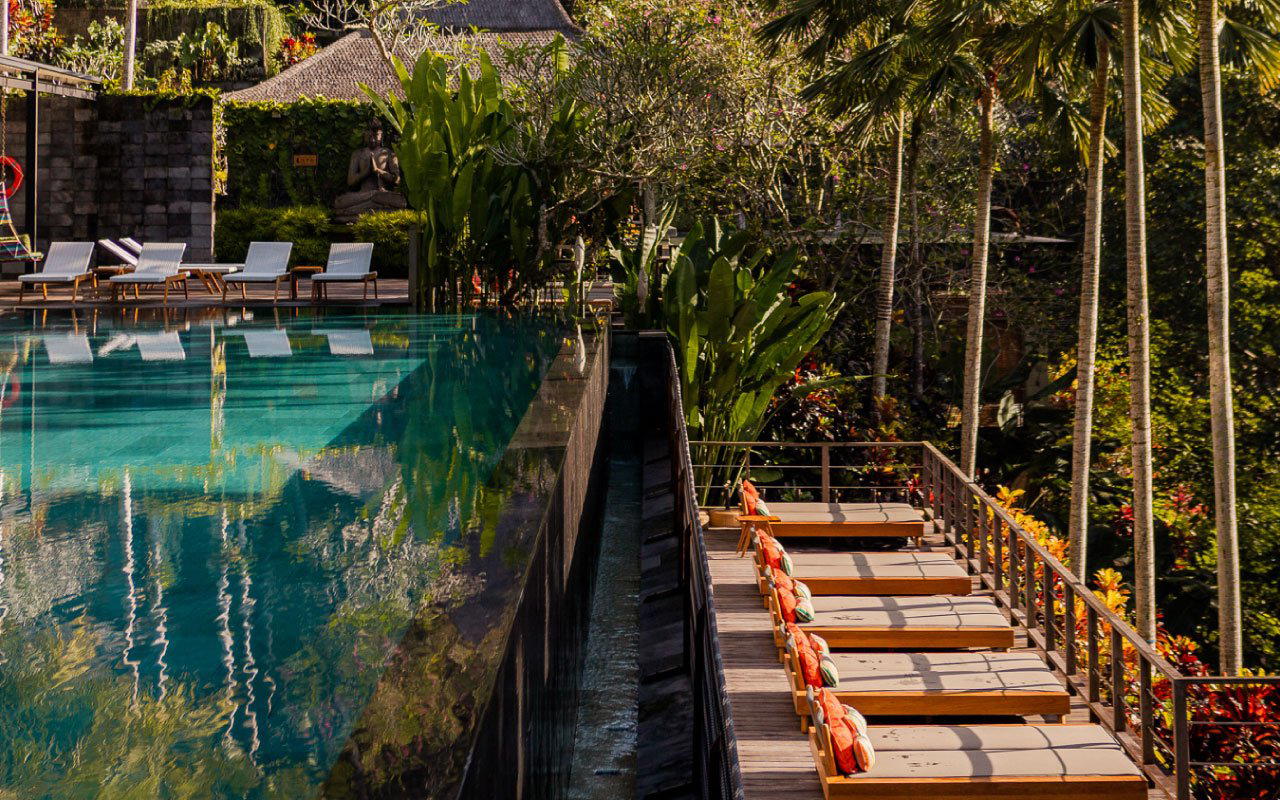
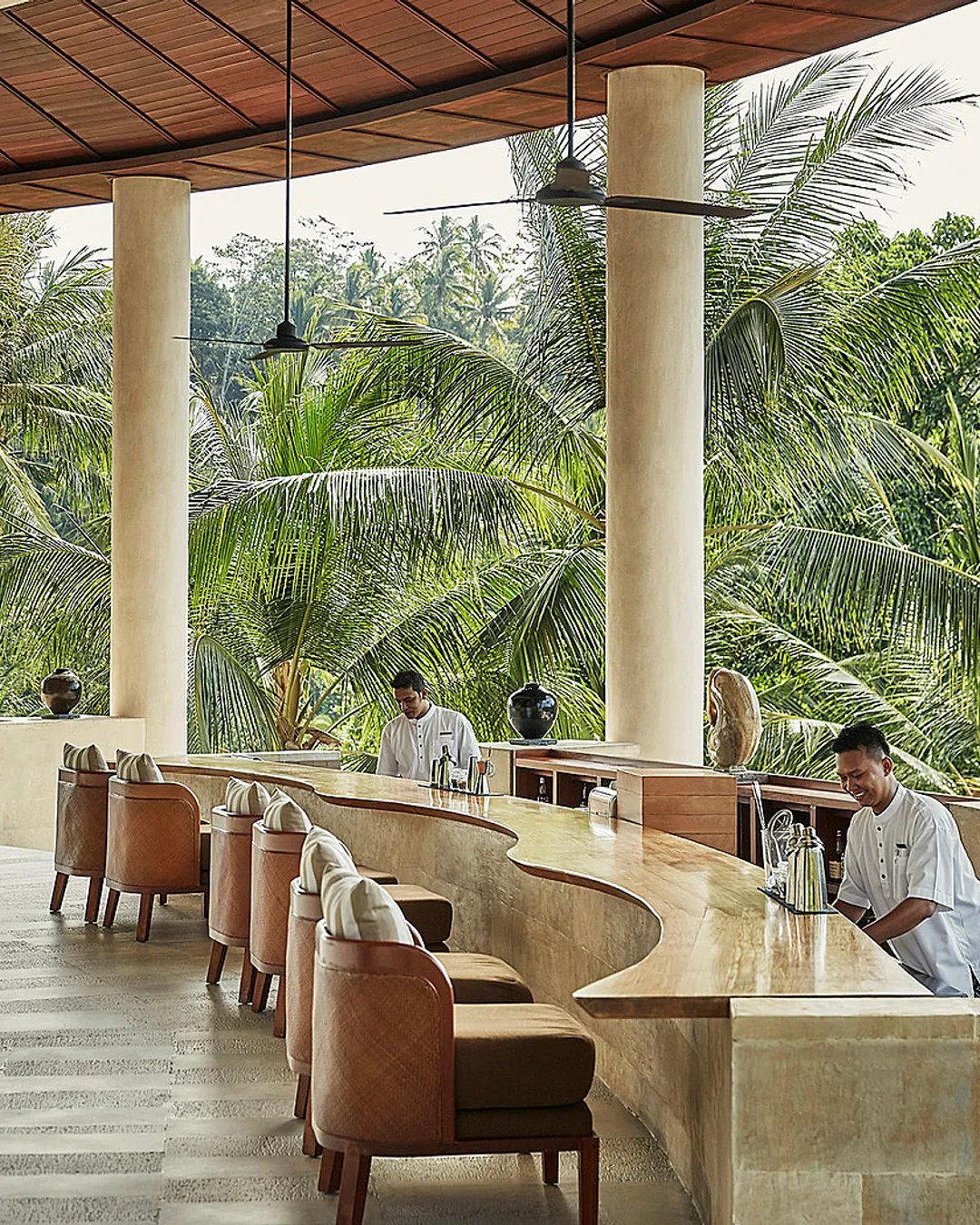
Serene and sophisticated with lush gardens, infinity pools overlooking nature, and tranquil spa lighting.