The Chatwal - The Unbound Collection by Hyatt


Star Wine List · Virtuoso Luxury Hotel Partner
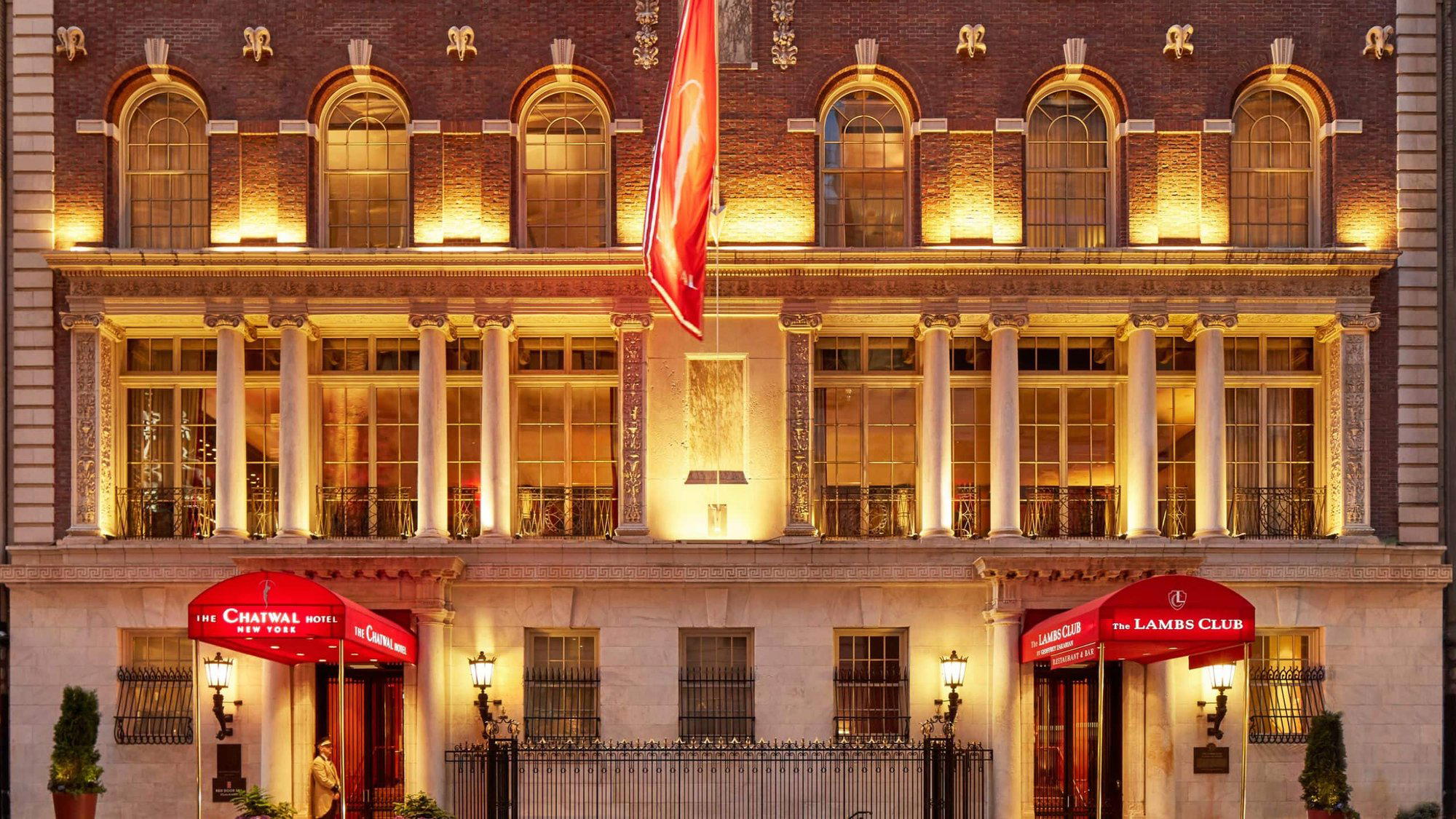
The Chatwal occupies a landmarked 1905 Stanford White building on West 44th Street in Midtown Manhattan, placing guests within walking distance of Bryant Park, Times Square, and the Theatre District. Part of Hyatt's Unbound Collection, the property sits in a mid-tier luxury bracket that trades scale for historic character and a central location few comparable hotels can match.

Pearl is the En Primeur Club membership app — saves, bookings, and concierge access live there. Same editors, same standards.
- Address
- 130 W 44th St, New York, NY 10036
- Phone
- (212) 764-6200
- Website
- hyatt.com
- Directions
- Get directions
Midtown's Theatre District and the Hotel That Reads the Room
West 44th Street has always attracted a certain kind of New York institution: the Players Club, the Harvard Club, and the Algonquin Hotel have all kept addresses on or near this block for over a century. The Chatwal, housed in a 1905 Stanford White-designed building that originally served as the Lambs Club, the country's oldest theatrical club, fits that lineage more naturally than most hotels claim to fit their surroundings. The architecture is landmarked, the address is deliberate, and the building's ornate Beaux-Arts bones inform the interior in ways that newer construction in the neighbourhood cannot replicate. For travellers whose itineraries centre on Broadway, Bryant Park, or Midtown's denser cultural programming, proximity here is structural rather than incidental.
The broader category the Chatwal occupies — historically significant Midtown hotels operating under major soft-brand collections — sits between the large convention-oriented flagships and the independently owned boutique tier. Hyatt's Unbound Collection positions member properties as distinct enough from the parent brand's standardised formats to attract design-conscious travellers, while retaining the loyalty infrastructure that independent properties cannot offer. The Chatwal's inclusion signals that the property meets a baseline of architectural and experiential differentiation. Comparable soft-brand logic applies at properties like The Fifth Avenue Hotel, which operates under a similar premise of character over uniformity.
The Architecture as Editorial Statement
In New York's premium hotel market, the building often makes the argument before the room does. This contrasts sharply with hotels where design is a contemporary overlay on a generic frame. At the Chatwal, the decorative vocabulary of the early twentieth century is the design, not a nostalgic reference to it.
That distinction matters in 2024's competitive New York market. Properties like Aman New York and The Carlyle, A Rosewood Hotel on the Upper East Side compete partly on the strength of their physical envelopes, Aman through its Crown Building pedigree, The Carlyle through seven decades of accumulated institutional presence. The Chatwal's Theatre District positioning targets a different traveller: one whose New York is Midtown-anchored, whose evenings involve curtain times, and whose preferred aesthetic leans toward restored historical weight rather than contemporary minimalism. The Mark and Casa Cipriani New York serve overlapping demographics but from entirely different neighbourhood bases.
Sustainability in a Landmarked Building: Constraints and Signals
The sustainability conversation in historic urban hotels is rarely direct. Landmarked buildings impose material constraints, facades cannot be altered, original structural elements must be preserved, that complicate the installation of renewable infrastructure that newer properties incorporate by design. Properties operating inside protected shells, as the Chatwal does, tend to pursue sustainability through operational rather than architectural routes: sourcing decisions, waste reduction protocols, and energy management systems that work within fixed physical parameters.
This is worth contextualising against peers that have made environmental commitments their primary editorial identity. 1 Hotel San Francisco and Post Ranch Inn in Big Sur represent the sustainability-first end of the American luxury hotel spectrum, where environmental design is baked into the building concept rather than retrofitted. At the other end sit heritage properties where stewardship of the physical asset, maintaining and restoring irreplaceable architecture rather than demolishing and rebuilding to current green standards, constitutes its own argument for preservation. Adaptive reuse of a century-old structure, as the Chatwal represents, avoids the embodied carbon cost of new construction entirely, a calculation that sustainability-oriented travellers are increasingly making when comparing hotel options.
Properties anchored in ecological settings, like Sage Lodge in Pray, Troutbeck in Amenia, or SingleThread Farm Inn in Healdsburg, make sustainability visible through landscape and sourcing in ways an urban Midtown hotel cannot. For urban properties, the calculation shifts toward what the building's continued existence prevents: the resource cost of demolition, new material extraction, and construction. The Chatwal's landmarked status makes that case implicitly, even where explicit environmental programming is not foregrounded in the property's public communications.
Location Intelligence: What West 44th Street Offers
Bryant Park sits within a few minutes' walk to the east, providing one of Midtown's few genuinely usable open spaces across seasons. The park's programming calendar runs from summer film screenings through the winter market to the ice rink, giving the surrounding hotel ecosystem more reason to hold a central Midtown address year-round rather than seasonally. The Theatre District's concentration of Broadway houses means that guests staying at the Chatwal can reach most major venues on foot, eliminating the post-curtain transportation friction that affects hotels further uptown or downtown.
For travellers whose New York itinerary extends beyond Midtown, the hotel's proximity to Grand Central Terminal, itself a few blocks east, provides direct rail access to JFK and the Metro-North network. For contrast, properties like Crosby Street Hotel, The Whitby Hotel, and The Greenwich Hotel serve a SoHo and TriBeCa-anchored traveller whose New York is entirely different in character. Neither positioning is superior; they serve distinct itinerary types.
Travellers considering the Chatwal against a broader luxury hotel shortlist that includes destination resorts should note the trade-offs clearly. Amangiri in Canyon Point, Little Palm Island Resort & Spa in Little Torch Key, and Canyon Ranch Tucson offer physical isolation and ecological immersion that a Midtown Manhattan address structurally cannot. The Chatwal's argument is urban density and cultural access, not landscape. For international comparisons, the same logic that distinguishes urban heritage hotels from resort properties applies when looking at Aman Venice, Badrutt's Palace Hotel in St. Moritz, or Bvlgari Hotel Tokyo: the building's context shapes the entire proposition.
Planning Your Stay
The Chatwal is located at 130 West 44th Street, between Sixth and Seventh Avenues in Midtown Manhattan. Booking is available through the World of Hyatt platform, which gives Hyatt loyalty members points accumulation and potential upgrade access, a meaningful consideration for frequent Hyatt guests weighing the Unbound Collection against the brand's standard properties. The Theatre District location makes the hotel particularly well-suited for stays timed around Broadway schedules; midweek bookings in shoulder seasons typically offer better rate availability than peak weekend and holiday periods. For a broader survey of where the Chatwal sits within New York's full hotel and dining ecosystem, see our full New York City restaurants guide. Travellers comparing against other Unbound Collection-adjacent options in the Northeast might also consider Raffles Boston, which occupies a comparable historic-building-within-soft-brand position in a different market, or Four Seasons at The Surf Club in Surfside and Hotel Bel-Air in Los Angeles for coastal alternatives at a similar tier. For Hawaiian options at a comparable luxury register, Kona Village, A Rosewood Resort in Kailua Kona represents the Pacific counterpoint to everything the Chatwal's urban proposition offers.
Price and Recognition
| Venue | Price | Awards |
|---|---|---|
| The Chatwal - The Unbound Collection by HyattThis venue — the venue you are viewing | $500–750 | Star Wine List · Virtuoso Luxury Hotel Partner |
| Aman New York | Not listed | 3 Michelin Keys · World's 50 Best #87 |
| The Carlyle, A Rosewood Hotel | $1,500–2,500 | 2 Michelin Keys · World's 50 Best #64 |
| Pendry Manhattan West | Not listed | 2 Michelin Keys · La Liste Top Hotels |
| Ace Hotel Brooklyn | $100–200 | 1 Michelin Key · Mr & Mrs Smith Seal of Approval |
| The Ludlow Hotel | $300–500 | 1 Michelin Key · Design Hotels Member |
Recognition history
Dated appearances from independent guides and award organizations, with the underlying list record or original source where available.
Star Wine List
Star Wine List
Virtuoso Luxury Hotel Partner
Virtuoso
Continue exploring
More in New York City
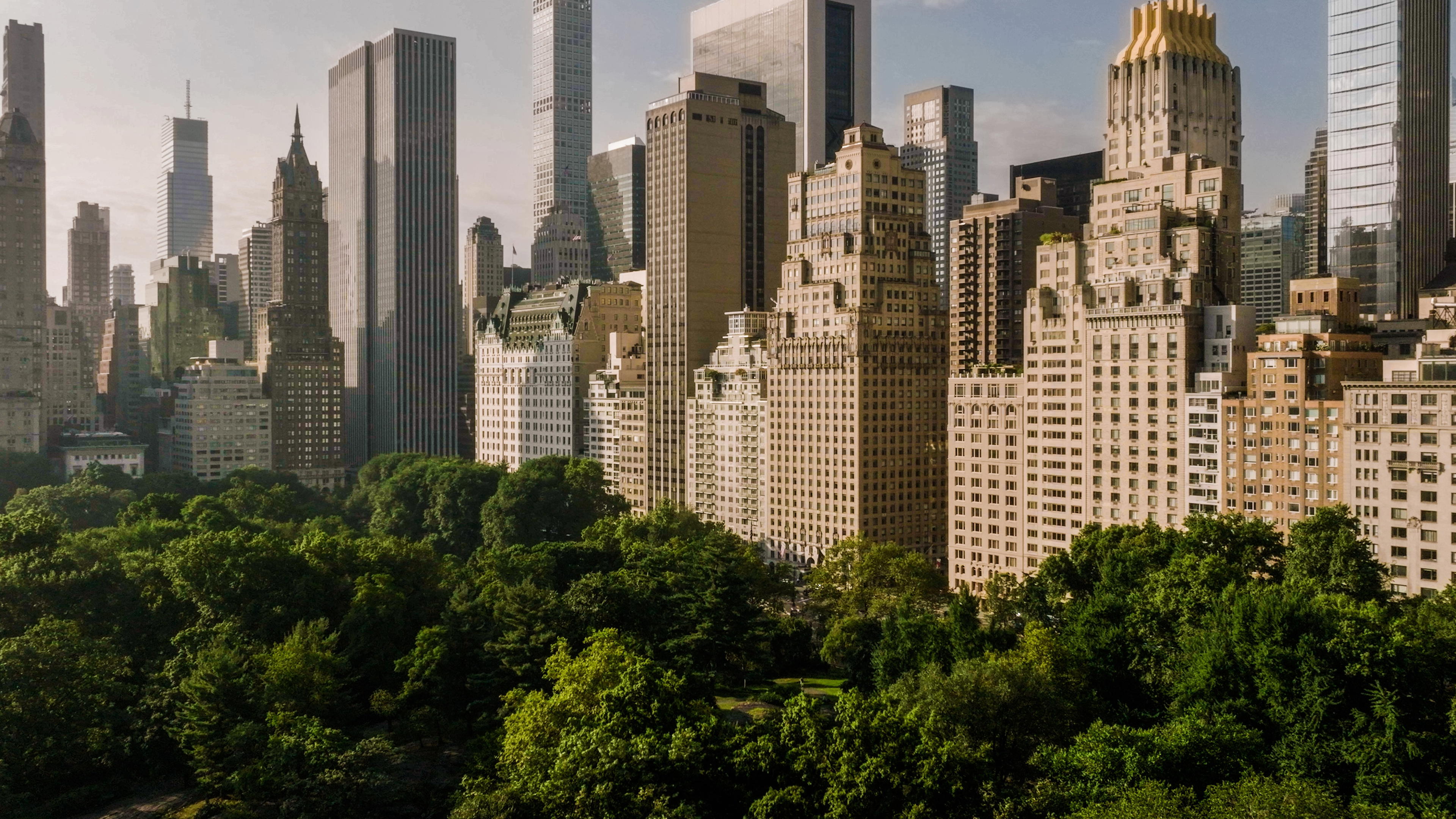
Hotels in New York City
Browse all →
Bars in New York City
Browse all →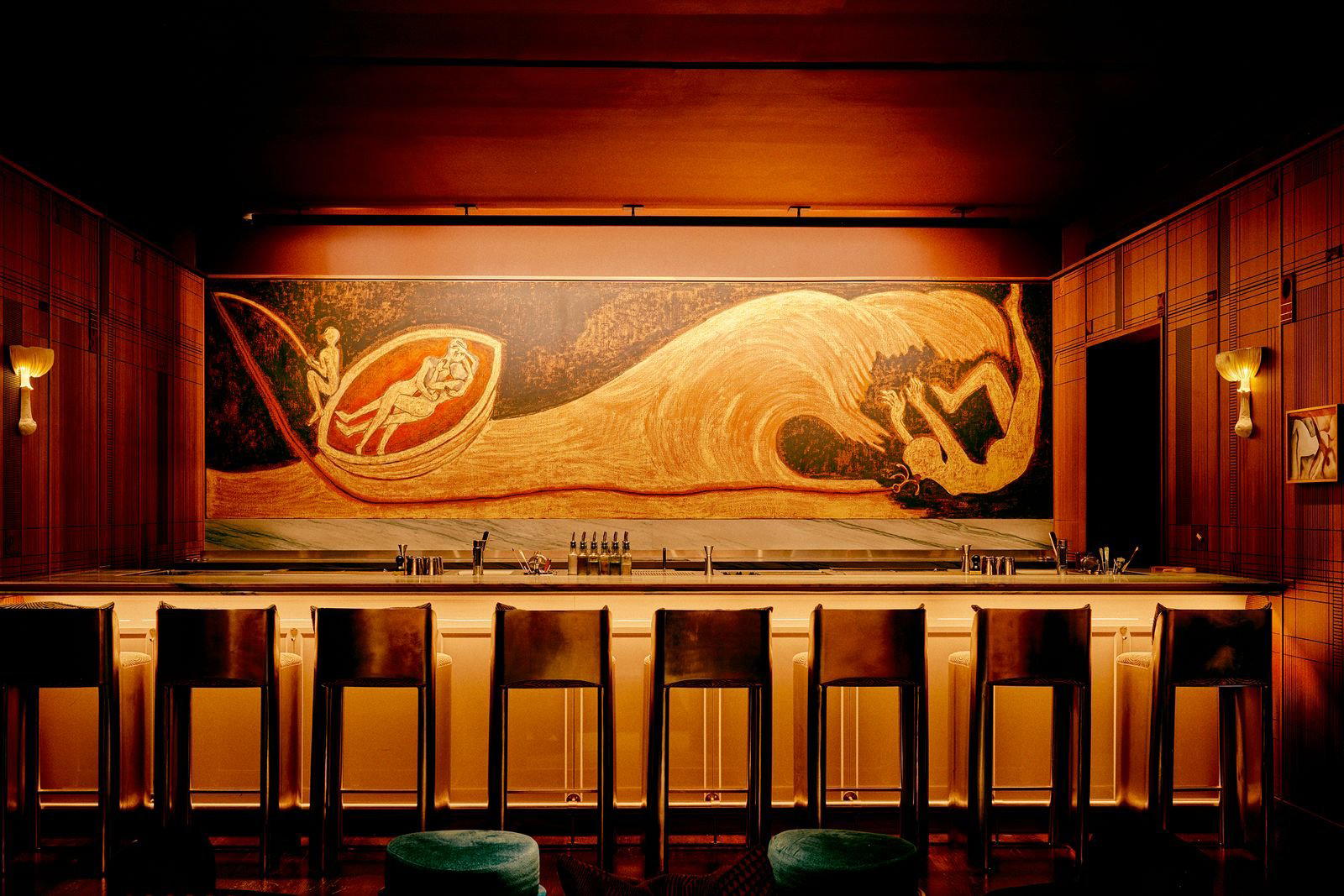
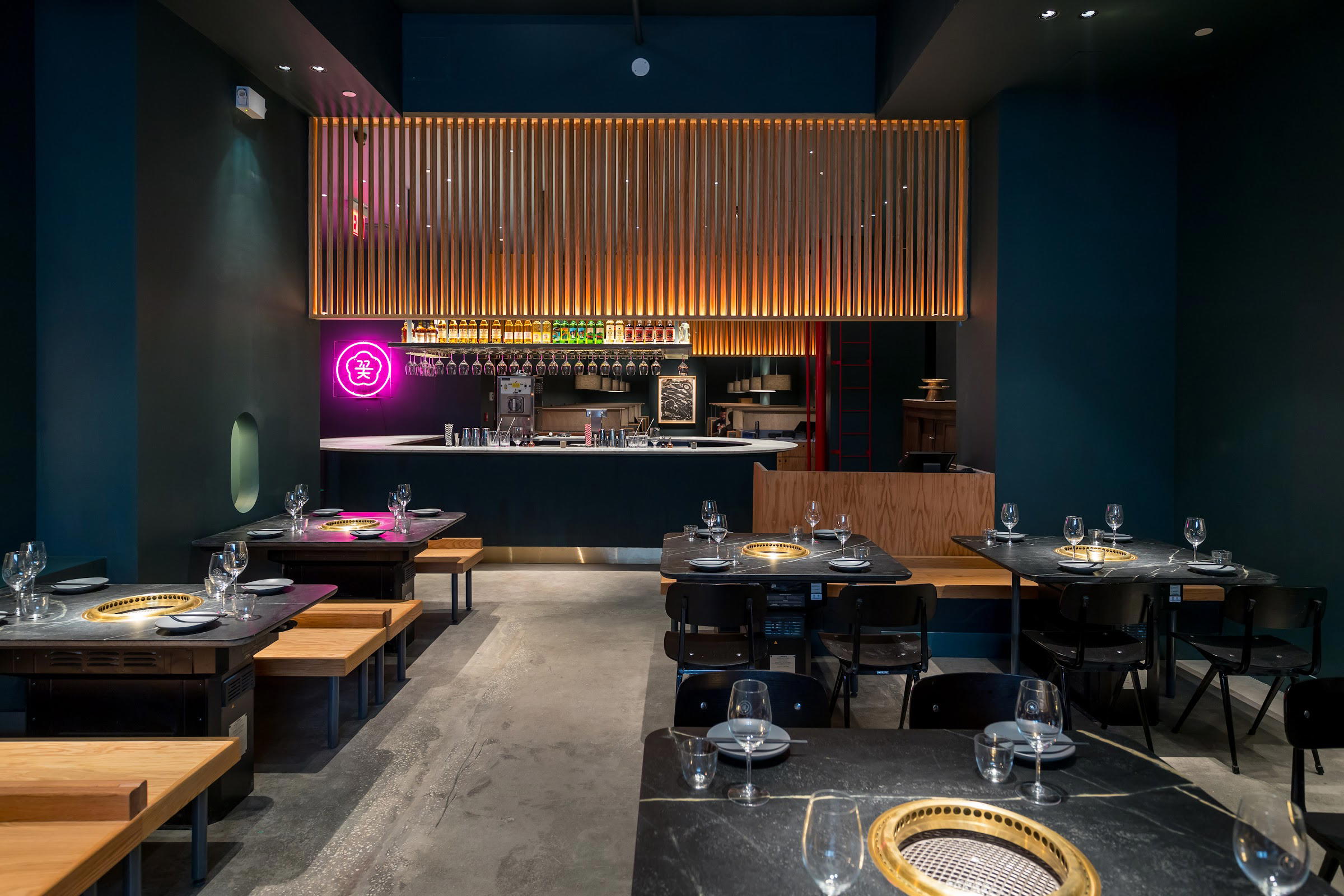
Restaurants in New York City
Browse all →




Details
- Elegant
- Sophisticated
- Classic
- Ornate
- Romantic Getaway
- Business Trip
- Family Vacation
- Anniversary
- Historic Building
- Terrace
- Butler Service
- Pool
- Spa
- Fitness Center
- Room Service
- Concierge
- Valet Parking
- Street Scene
- Wheelchair Accessible
- Elevator
Intimate and luxurious with Art Deco-inspired interiors featuring suede walls, leather-wrapped furniture, and a quiet boutique atmosphere.