The Moore

Design Hotels Member
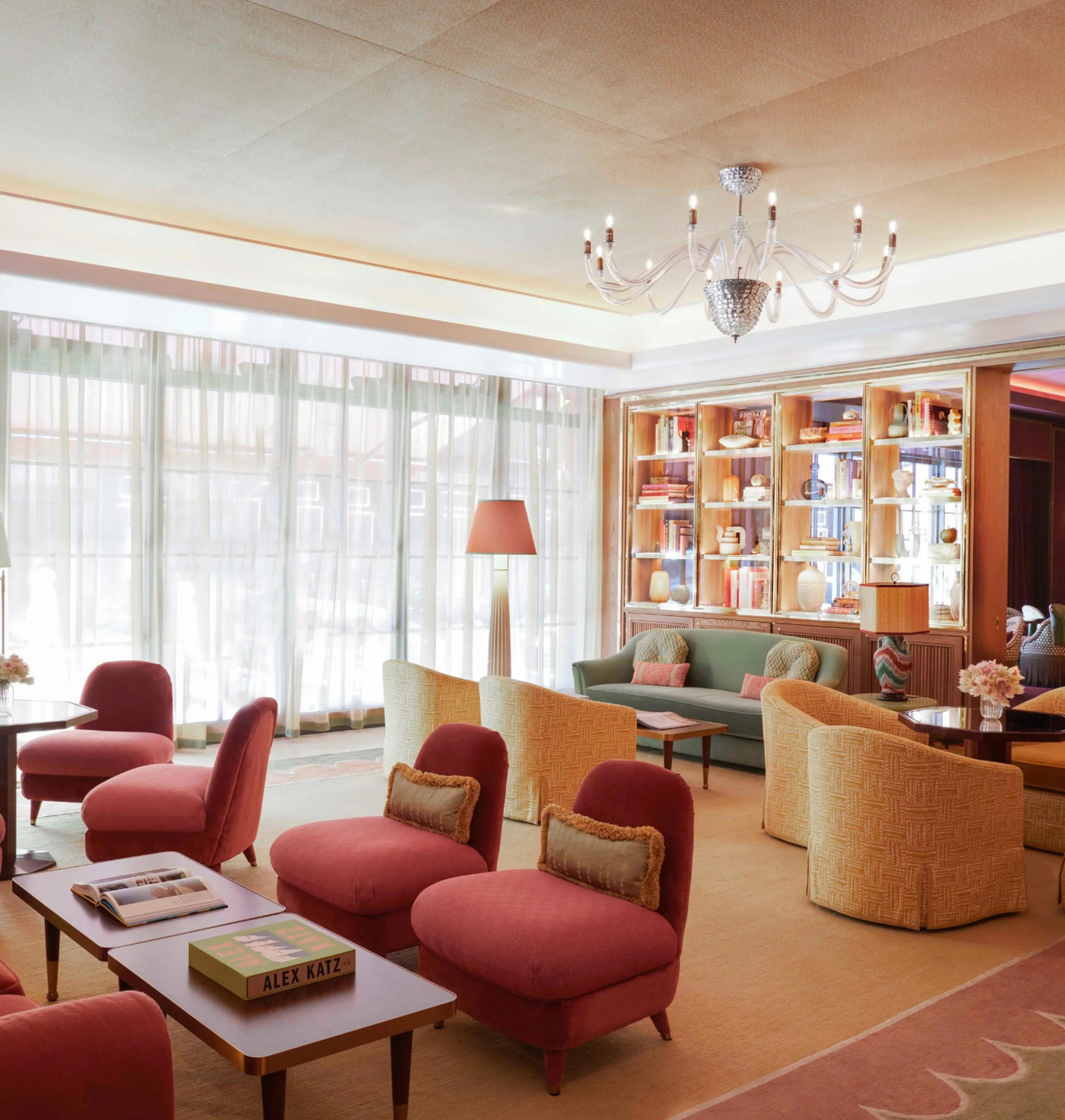
On West 22nd Street in Chelsea, The Moore occupies a position that few Manhattan properties manage: residential in character, deliberate in pace, and grounded in a neighbourhood that now defines the city's art and architecture conversation. It reads less like a hotel and more like a well-appointed address you happen to be staying at temporarily.

Pearl is the En Primeur Club membership app — saves, bookings, and concierge access live there. Same editors, same standards.
- Address
- 300 West 22 Street, New York City 10011, USA
- Website
- marriott.com
- Directions
- Get directions
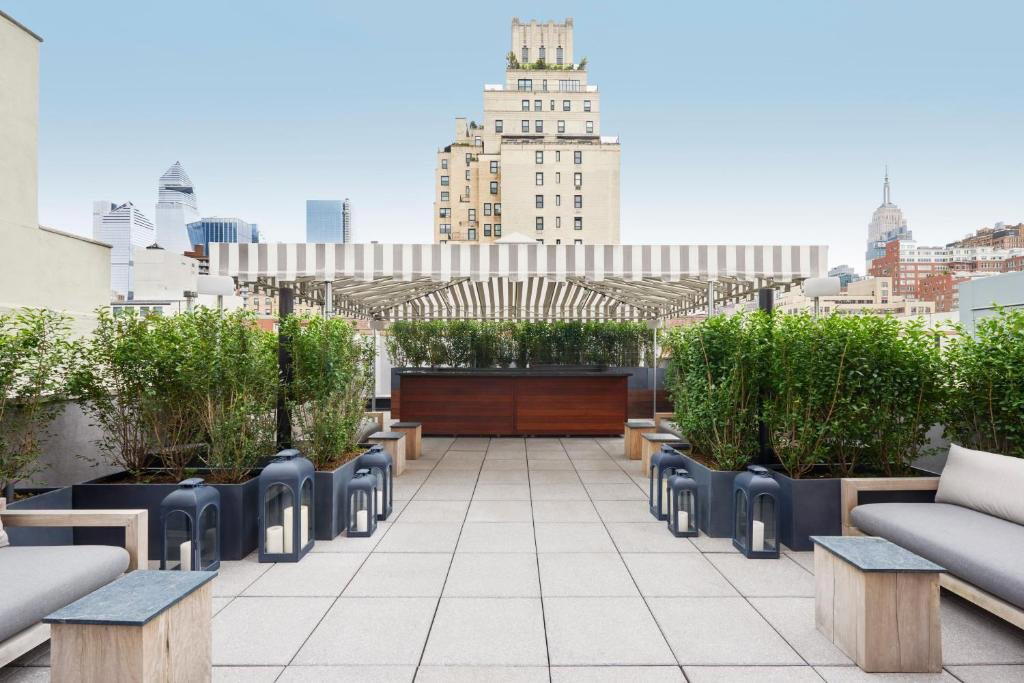
Chelsea's Residential Grain
Manhattan's hotel market has long sorted itself into two broad tendencies: the grand-gesture property that announces itself from the lobby chandelier outward, and the address that absorbs quietly into its block. West Chelsea, with its cast-iron warehouses, gallery rows, and surviving brownstone terraces, has historically tilted toward the latter sensibility. The Moore, at 300 West 22nd Street, occupies a position consistent with that neighbourhood character: a property framed around residential atmosphere rather than spectacle, set within walking distance of the High Line corridor and the concentration of contemporary galleries that have defined Chelsea's cultural identity for the past two decades.
That positioning matters because it changes what a guest is buying. Properties like Aman New York or The Carlyle, A Rosewood Hotel sell grandeur and institutional weight. The Fifth Avenue Hotel trades on Flatiron address and design-forward programming. The Moore's proposition is quieter: a place that feels like a known address in a neighbourhood you'd choose to live in, where the surrounding brownstones and the pace of West 22nd Street do as much to define the experience as anything inside the building.
The Chelsea Context
Chelsea has undergone several identities in living memory, from meatpacking district adjacency to gallery corridor to High Line-anchored tourism draw. What it retained through each shift is a certain horizontal scale, low enough that the sky remains present, and a mix of residential and commercial uses that most Manhattan blocks have long since abandoned. That texture, the brownstones alongside converted industrial buildings, the neighbourhood restaurants alongside gallery-adjacent wine bars, gives the area a friction that more polished Manhattan districts lack.
For a traveller whose itinerary centres on contemporary art, the neighbourhood position of The Moore is directly useful. The High Line is accessible on foot. The gallery density along West 21st through 26th Streets is the highest in the city and arguably among the highest in North America. The Chelsea Market food hall on Ninth Avenue is within reach for morning provisions. These are logistical facts that translate into actual daily patterns for a guest, rather than abstract neighbourhood credentials.
For a wider view of how New York's hospitality tier is structured across neighbourhoods, see our full New York City restaurants guide, which maps the city's dining and hotel character district by district. For properties whose identity is built around a different kind of urban immersion, The Greenwich Hotel in Tribeca and Crosby Street Hotel in SoHo each operate on a similar residential logic in their respective neighbourhoods.
What the Residential Framing Implies
Hotels that describe themselves as residential retreats are making a claim about pace and proportion. The language used to describe The Moore — a residential air buoyed by enhanced hospitality — signals a specific kind of guest experience: one that prioritises calm and private rhythm over programmed activity. In a city that sells stimulation at every price point, that restraint is a deliberate editorial choice, not an absence of ambition.
The relevant peer comparison is not the flagship luxury tower but the design-led boutique with controlled key counts. The Whitby Hotel on West 56th and Casa Cipriani New York at the Battery Maritime Building both occupy similar territory: hotels where the experience is defined by proportion and curation rather than scale. The Moore's Chelsea address puts it in a different cultural orbit from those Midtown and Lower Manhattan properties, but the underlying logic of the guest relationship is comparable.
For travellers who calibrate their hotel choices by neighbourhood fit rather than brand affiliation, the residential framing at The Moore offers a useful signal: this is a property designed to recede into its block, to feel like the right address rather than the loudest one.
Drinking Well in Chelsea's Orbit
The editorial angle that rewards attention at any Chelsea-anchored property is the wine and drinks culture of the surrounding neighbourhood. West Chelsea and the adjacent Flatiron corridor support a density of wine-focused bars and cellar-led restaurants that few comparable stretches of Manhattan can match. The neighbourhood's gallery-driven clientele has historically been a sophisticated drinking audience, comfortable with natural wine lists, single-vineyard pours, and longer conversations about what's in the glass.
A property with a genuinely curated wine program in this neighbourhood operates with the advantage of a literate local audience and a visiting cohort already primed for that kind of conversation. Guests who prioritise cellar depth and curation in their hotel dining would do well to confirm the current program directly before arrival.
For reference points in cellar-led hotel dining elsewhere in the country, Auberge du Soleil in Napa and SingleThread Farm Inn in Healdsburg both represent what a seriously considered wine program looks like when built around strong regional sourcing. Troutbeck in Amenia, closer to the city, shows how a smaller property can anchor a drinks program in local and regional identity rather than imported prestige.
Placing The Moore in a Wider Travel Pattern
Guests who choose Chelsea-anchored properties in New York often pair them with escapes that share a certain anti-spectacle instinct. Properties like Post Ranch Inn in Big Sur, Sage Lodge in Pray, and Amangiri in Canyon Point attract a similar traveller: one who reads a quiet address as a positive signal rather than a gap in the offering. On the other end of the spectrum, for those whose New York trip connects to further international travel, Aman Venice, Badrutt's Palace Hotel in St. Moritz, and Bvlgari Hotel Tokyo each represent a different register of the same premium tier, useful calibration points for understanding where The Moore sits in the broader hospitality conversation.
Other domestic options worth knowing: Four Seasons at The Surf Club in Surfside, Hotel Bel-Air in Los Angeles, Little Palm Island Resort in Little Torch Key, Raffles Boston, Kona Village in Kailua Kona, Canyon Ranch Tucson, 1 Hotel San Francisco, and The Mark on the Upper East Side each offer distinct points of comparison for travellers building a considered trip across the country.
Does The Moore suit travellers primarily interested in the Chelsea gallery circuit?
Chelsea's gallery concentration, running roughly from West 18th to West 27th Street between Tenth and Eleventh Avenues, is the densest in Manhattan, and The Moore's West 22nd Street address places it inside that corridor. For a guest whose itinerary is anchored around contemporary art, the proximity removes the logistical friction of commuting from Midtown or downtown, and the residential character of the property fits naturally with the kind of unhurried, return-visit pattern that serious gallery-going tends to require.
Compact Comparison
Comparable venues nearby, for context on price, style, and recognition.
| Venue | Price | Awards | Notes |
|---|---|---|---|
| The MooreThis venue — the venue you are viewing | Not listed | Design Hotels Member | Not listed |
| The Standard, East Village | $300–500 | Michelin Selected | East Village, Boutique hotel blending tenement charm with modern high-rise tower. |
| W New York - Times Square | $300–500 | Michelin Selected | Midtown-Times Square, Luxury lifestyle hotel with bold modern design and cultural positioning; recently renovated to emphasize contemporary art and see-and-be-seen social spaces. |
| Soho Grand Hotel | Not listed | Michelin Selected · Mr & Mrs Smith Seal of Approval | SoHo-Little Italy-Hudson Square, Luxury boutique lifestyle hotel |
| Inn At Irving Place | $300–500 | Not listed | Gramercy, Victorian townhouse blending historic architecture with modern comforts |
| HGU New York | $100–200 | Small Luxury Hotels of the World Member | Midtown South-Flatiron-Union Square, Historic Beaux Arts boutique with contemporary art and sustainable design. |
Recognition history
Dated appearances from independent guides and award organizations, with the underlying list record or original source where available.
Design Hotels Member
Design Hotels
Continue exploring
More in New York City
Hotels in New York City
Browse all →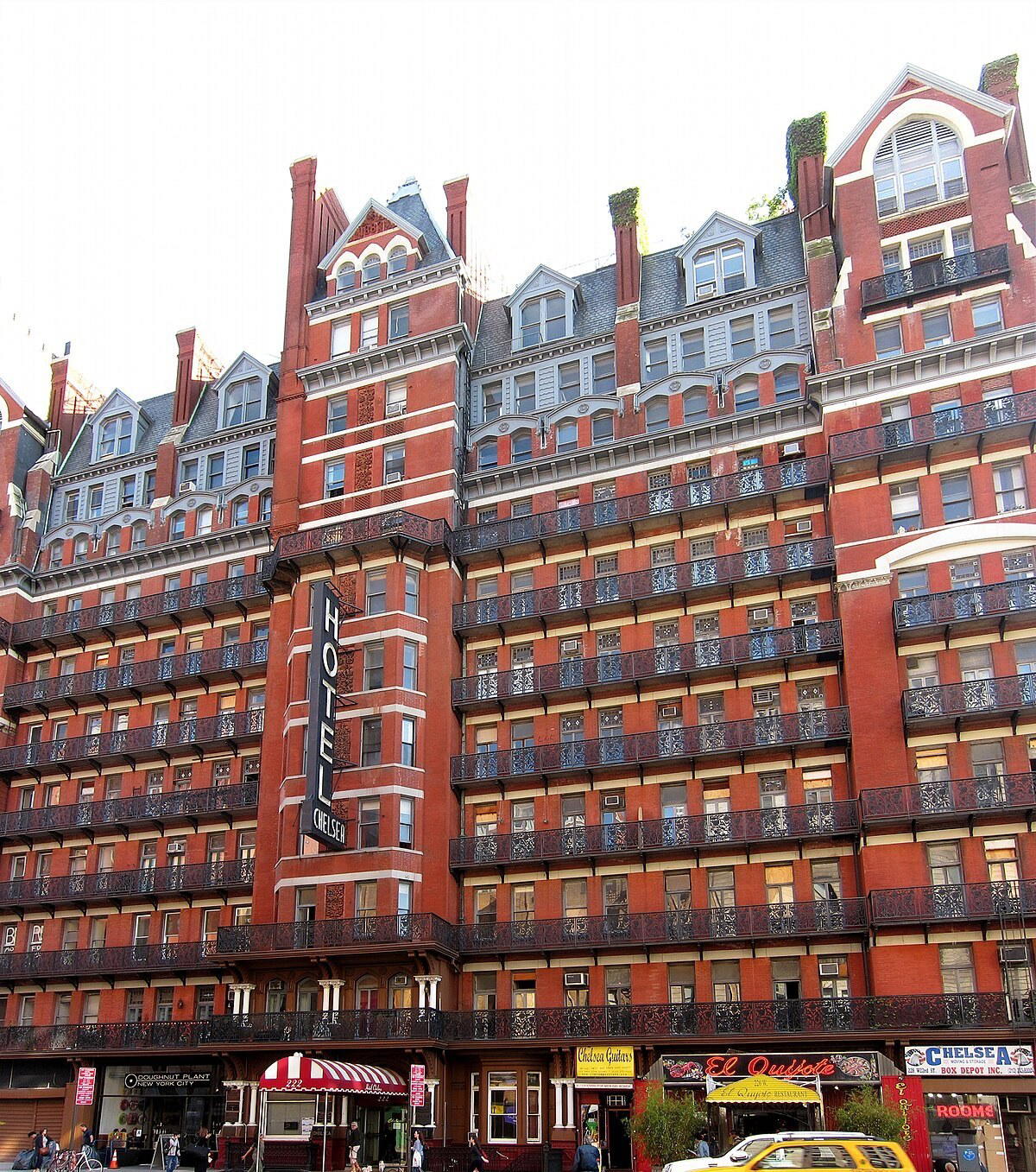

Bars in New York City
Browse all →

Restaurants in New York City
Browse all →





Details
- Modern
- Elegant
- Intimate
- Trendy
- Sophisticated
- Minimalist
- Romantic Getaway
- Business Trip
- Weekend Escape
- Rooftop Pool
- Historic Building
- Design Destination
- Panoramic View
- Wi Fi
- Fitness Center
- Room Service
- Concierge
- Skyline
- Wheelchair Accessible
- Elevator
- Step Free Entrance
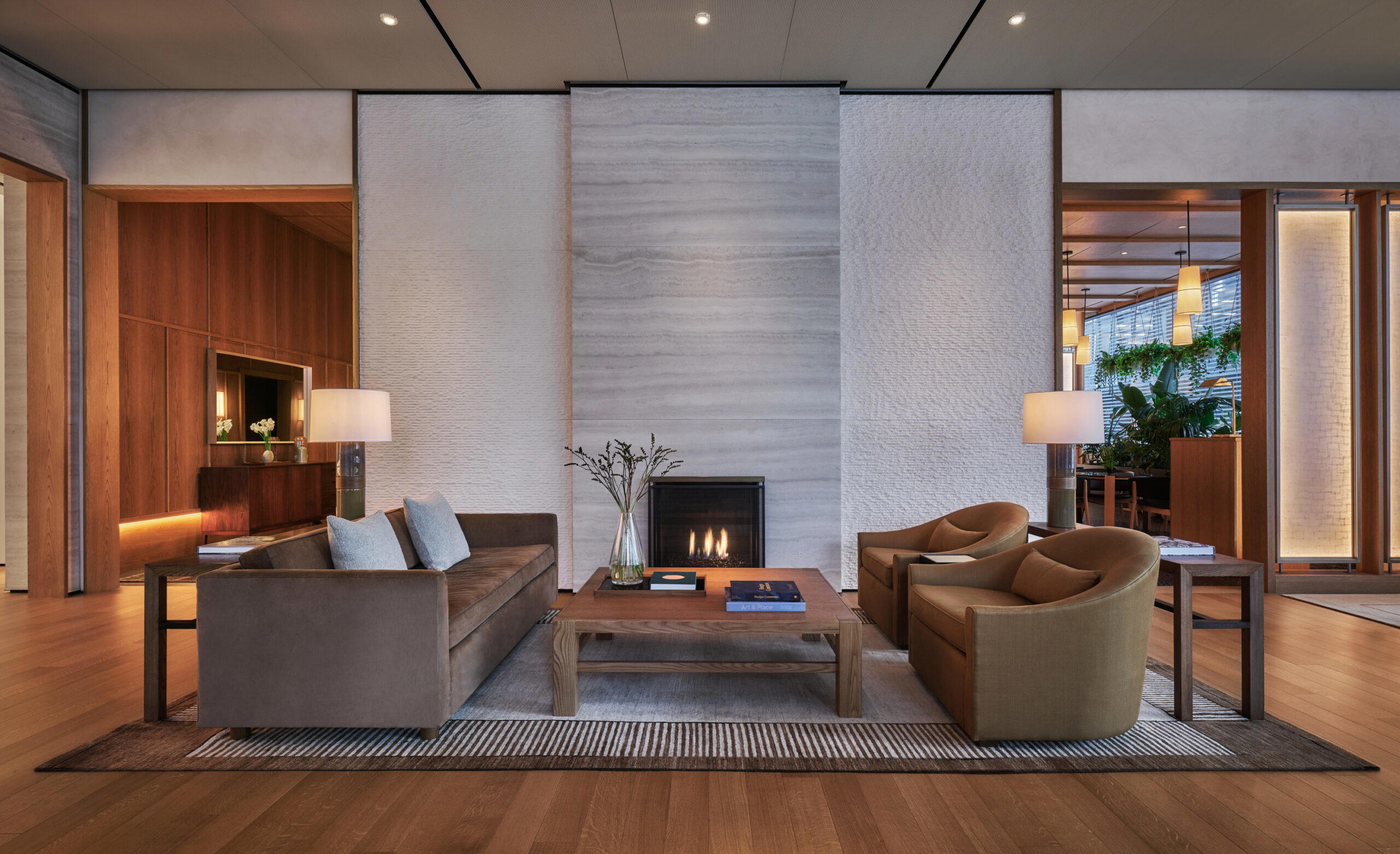
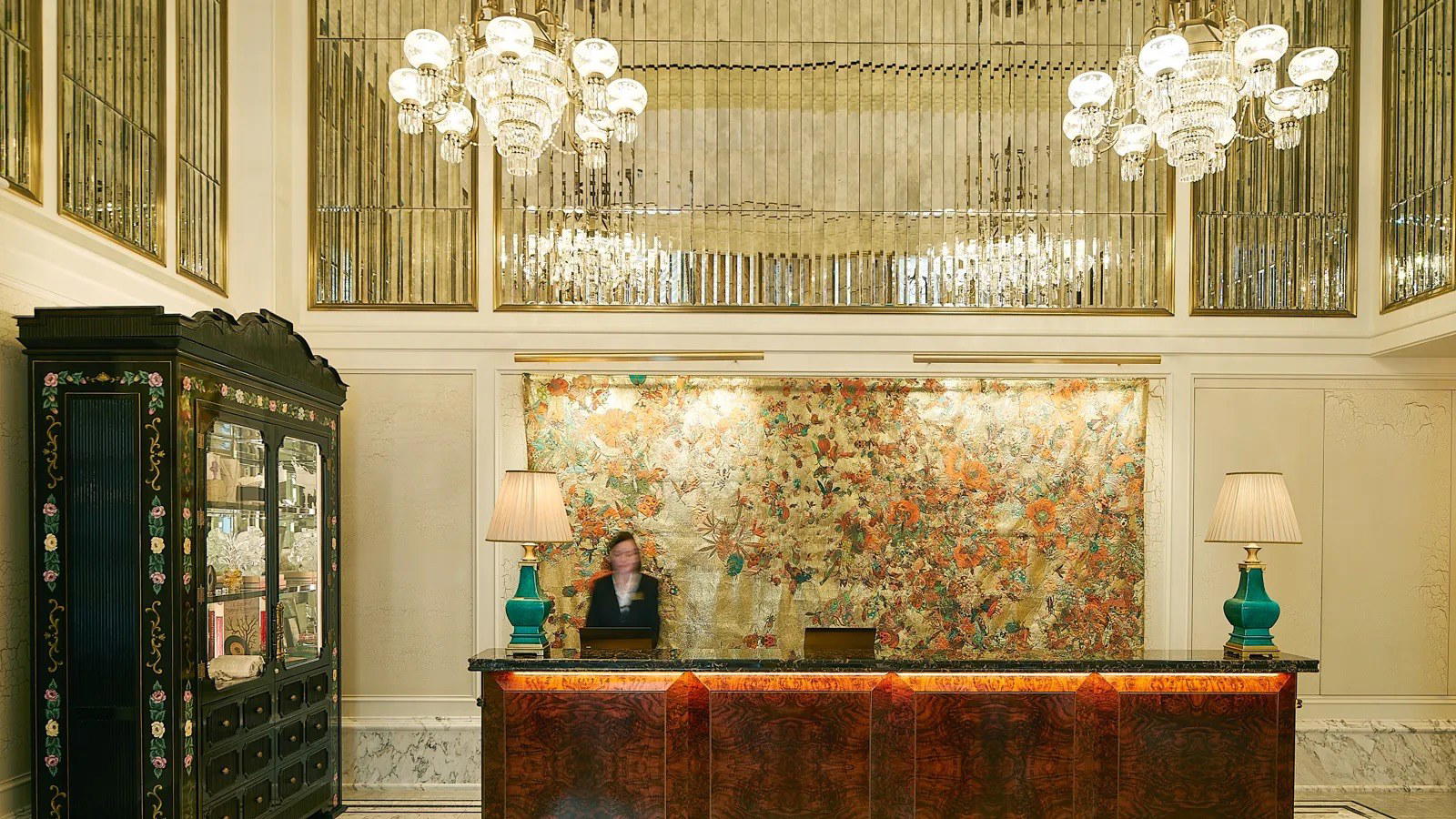
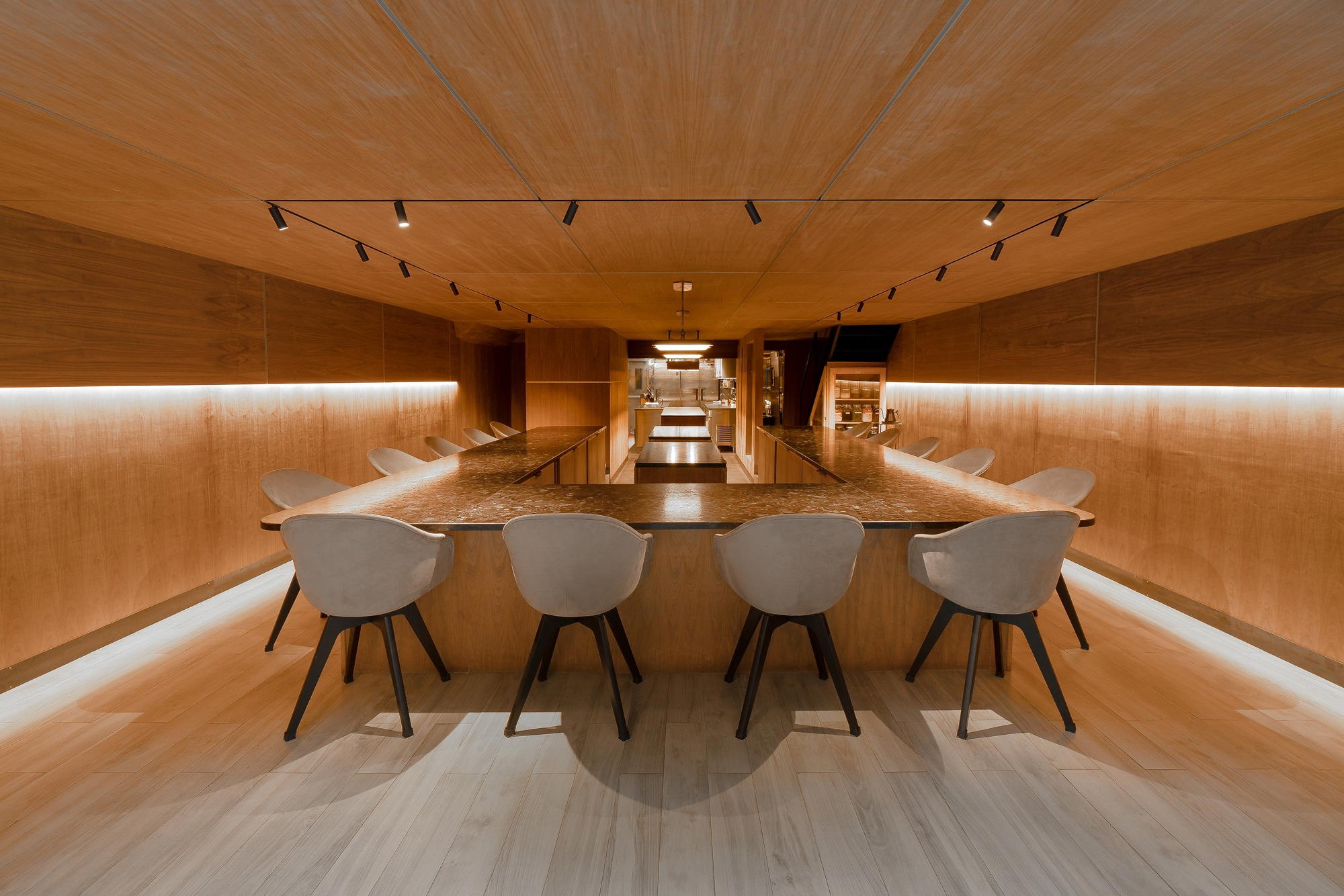
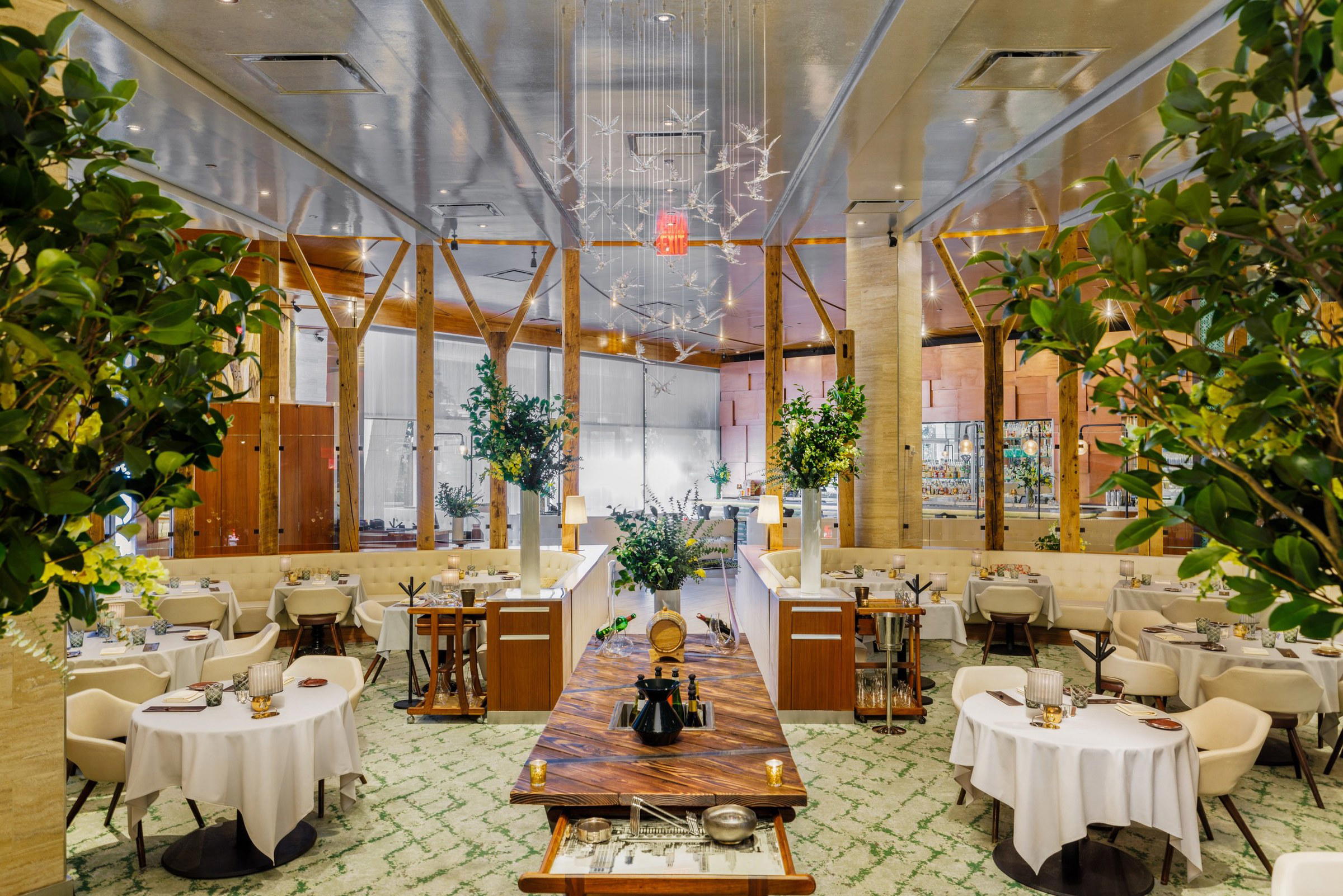
Chic and serene with warm wood tones, rich colors, soft architectural lighting, and a cozy residential lobby atmosphere.