Gramercy Park Hotel
At the corner of Lexington Avenue and Gramercy Park, this hotel occupies one of Manhattan's most architecturally storied addresses. The property sits adjacent to New York's only private park, placing guests inside a neighbourhood defined by brownstone quietude rather than midtown density. For travelers calibrating between atmosphere and position, the location alone shifts the calculus.
- Address
- 2 Lexington Ave, New York, NY 10010
- Website
- gramercyparkhotelnyc.com
- Directions
- Get directions
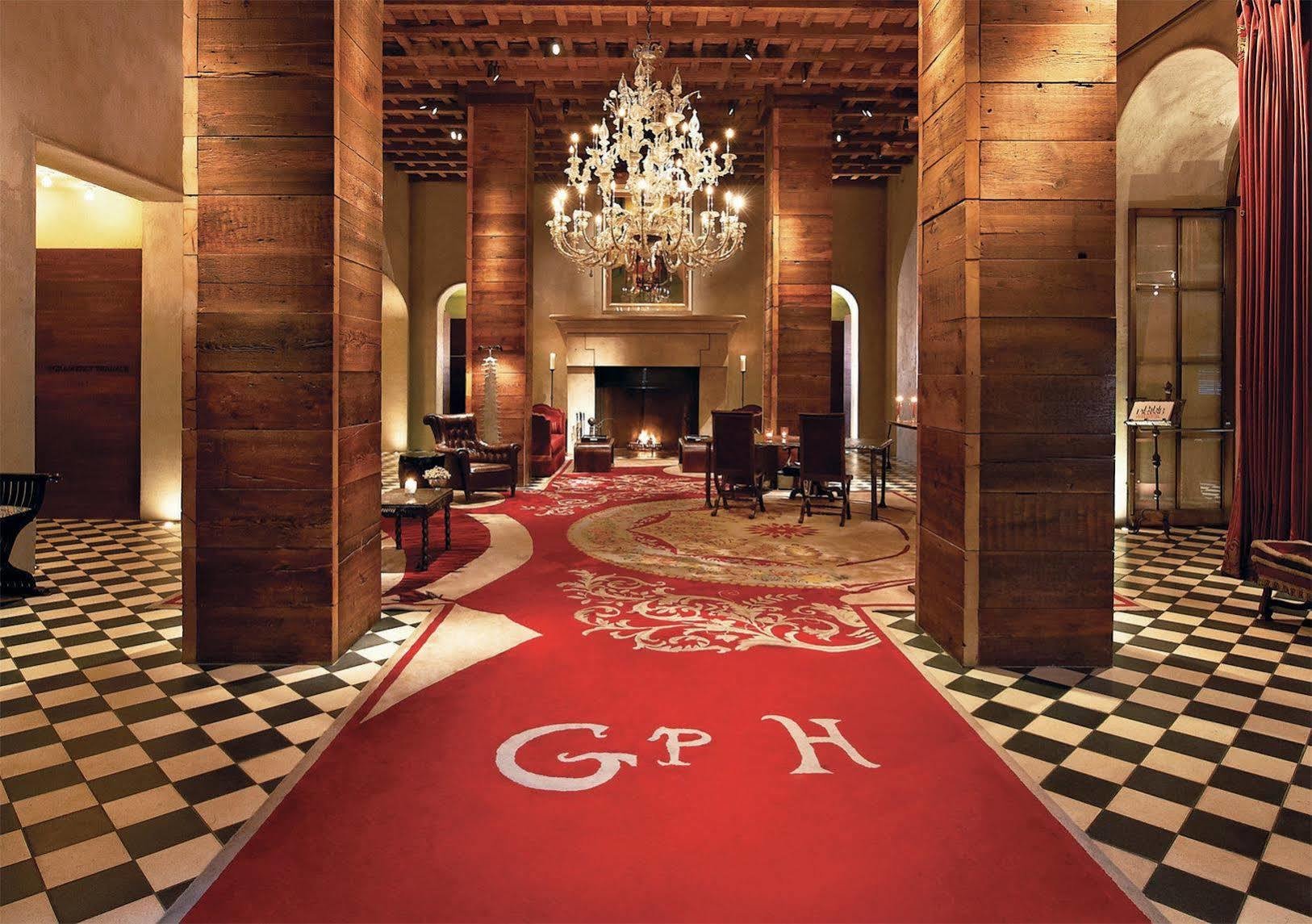
Gramercy, Grounded: What the Address Still Means
There is a particular quality to arriving at 2 Lexington Avenue that most Manhattan hotels cannot manufacture: the sense that the city has been holding this corner in reserve. The Gramercy Park Hotel sits at the northern edge of one of New York's few private parks, a gated green square that has defined the social character of this neighborhood since the 1840s. The park itself remains inaccessible to the general public, open only to residents of the surrounding buildings and, historically, to guests of the hotel. That adjacency is not incidental to the experience — it is the experience. In a city where every block competes for attention through volume and spectacle, Gramercy operates through restraint and residential gravity.
The neighborhood places the hotel in a particular tier of Manhattan geography. Gramercy sits south of Midtown's corporate density and north of Lower Manhattan's converted-loft energy, in a zone that has resisted the aggressive redevelopment that transformed Chelsea and the Flatiron District over the past two decades. The streets around the park retain a scale — four- and five-story townhouses, iron railings, mature trees, that makes the hotel feel less like a destination imposed on a neighborhood and more like a property that belongs to one. For travelers seeking hotels that read as part of the city's fabric rather than apart from it, that distinction carries weight. Comparisons to properties like The Greenwich Hotel in Tribeca or Crosby Street Hotel in SoHo are fair: all three anchor themselves to specific neighborhood identities rather than floating free of any particular place.
Where the Hotel Sits in New York's Broader Accommodation Picture
New York's premium hotel market has stratified sharply over the past decade. At one end sit the globally branded ultra-luxury addresses, properties like Aman New York in the Crown Building or The Carlyle, A Rosewood Hotel on the Upper East Side, which compete on room count, F&B programming, and institutional prestige. At the other end sit the independently minded design hotels, smaller in key count and more specific in identity. The Gramercy Park Hotel has historically occupied an interesting middle position: a property with enough history and scale to carry institutional weight, but with an address and character that resist categorization alongside the Midtown tower hotels. Visitors who find the scale of properties like The Fifth Avenue Hotel or Casa Cipriani New York more suited to their travel style often find Gramercy's residential neighborhood logic appealing for similar reasons.
The hotel's history extends back to 1925, which places it in a cohort of New York properties that predate the postwar hospitality industry entirely. That longevity matters not as a marketing point but as a structural one: buildings of that era were designed with lobby proportions, ceiling heights, and facade materials that later generations of hotel construction rarely replicated. The physical bones of the property carry a century of Manhattan social history, from the literary and artistic figures associated with the neighborhood in the early twentieth century through to later decades when the hotel became a reference point for a certain kind of bohemian New York credibility.
The Park Access Question
The private park at the hotel's doorstep remains the most specific and frequently cited feature of the address. Gramercy Park is one of only two private parks in Manhattan, and the key, historically provided to hotel guests, represents a form of access that money alone cannot replicate at other addresses. The park's seasonal character shifts meaningfully: spring and early autumn offer the most visually compelling conditions, when the plantings are at their most generous and the light through the iron fence creates a quality of filtered afternoon sun that is specific to this block. Summer brings more foot traffic and a slightly more social atmosphere around the park perimeter, while winter strips the scene back to iron, stone, and bare branches, a version of the address that rewards guests who find the sparse geometry of a New York winter more interesting than the crowded warmth of its peak months.
For travelers planning around specific experiences, the park access question is worth investigating directly with the hotel at time of booking, as the terms and logistics of key provision can vary. The broader point stands regardless: no other hotel in Manhattan offers proximity to a comparable private green space with this kind of historical depth. Properties in comparable Manhattan neighborhoods, from The Whitby Hotel in Midtown to The Mark on the Upper East Side, offer strong neighborhood credentials of their own, but neither offers this specific form of access.
Getting Here and Planning Around It
The hotel's address on Lexington Avenue at 21st Street sits at the southern tip of the Gramercy neighborhood, within direct reach of multiple subway lines. The 6 train stops at 23rd Street, two blocks north, placing the hotel within a ten-minute ride of Grand Central Terminal and direct connection to the Upper East Side. The N, R, and W trains run along Broadway to the west, with the Union Square hub at 14th Street serving as the primary transit interchange for trips to Brooklyn, downtown, or the West Village. That positioning makes Gramercy genuinely central without being embedded in the noise density of Midtown, a practical advantage for guests who want to move freely across the city without beginning each day in a tunnel of yellow cabs and construction scaffolding.
For dining within the immediate neighborhood, the blocks around Gramercy Park have long supported a quieter, more residential restaurant culture than the trendier corridors to the south and west. The area rewards the kind of walking exploration that is harder to sustain in more saturated neighborhoods. Visitors interested in a broader picture of where Manhattan dining and hospitality currently sits should consult our full New York City restaurants guide for coverage across neighborhoods and price points.
For travelers calibrating the Gramercy Park Hotel against other American properties with strong sense-of-place credentials, the comparisons worth making include: Troutbeck in Amenia for Hudson Valley historical depth, Post Ranch Inn in Big Sur for landscape-specific design logic, and SingleThread Farm Inn in Healdsburg for the category of small-footprint properties whose address is integral to what they are. Further afield, Amangiri in Canyon Point, Auberge du Soleil in Napa, Hotel Bel-Air in Los Angeles, and Four Seasons at The Surf Club in Surfside offer relevant peer comparisons for travelers who move between American cities and want to benchmark the Gramercy address against properties in other markets. Internationally, Aman Venice, Badrutt's Palace Hotel in St. Moritz, and Bvlgari Hotel Tokyo each represent the same category logic, addresses where location specificity is inseparable from the value proposition. Other useful reference points include Raffles Boston, Canyon Ranch Tucson, Little Palm Island Resort & Spa in Little Torch Key, Sage Lodge in Pray, Kona Village, A Rosewood Resort in Kailua Kona, and 1 Hotel San Francisco.
Peers Worth Knowing
A quick peer check to anchor this venue’s price and recognition.
| Venue | Price | Awards |
|---|---|---|
| Gramercy Park HotelThis venue — the venue you are viewing | Not listed | Not listed |
| Aman New York | Not listed | 3 Michelin Keys · World's 50 Best #87 |
| The Carlyle, A Rosewood Hotel | $1,500–2,500 | 2 Michelin Keys · World's 50 Best #64 |
| Pendry Manhattan West | Not listed | 2 Michelin Keys · La Liste Top Hotels |
| Ace Hotel Brooklyn | $100–200 | 1 Michelin Key · Mr & Mrs Smith Seal of Approval |
| The Ludlow Hotel | $300–500 | 1 Michelin Key · Design Hotels Member |
Continue exploring
More in New York City
Hotels in New York City
Browse all →

Bars in New York City
Browse all →

Restaurants in New York City
Browse all →




Details
- Bohemian
- Ornate
- Elegant
- Sophisticated
- Romantic Getaway
- Anniversary
- Historic Building
- Garden
- Design Destination
- Fitness Center
- Sauna
- Concierge
- Room Service
- Garden
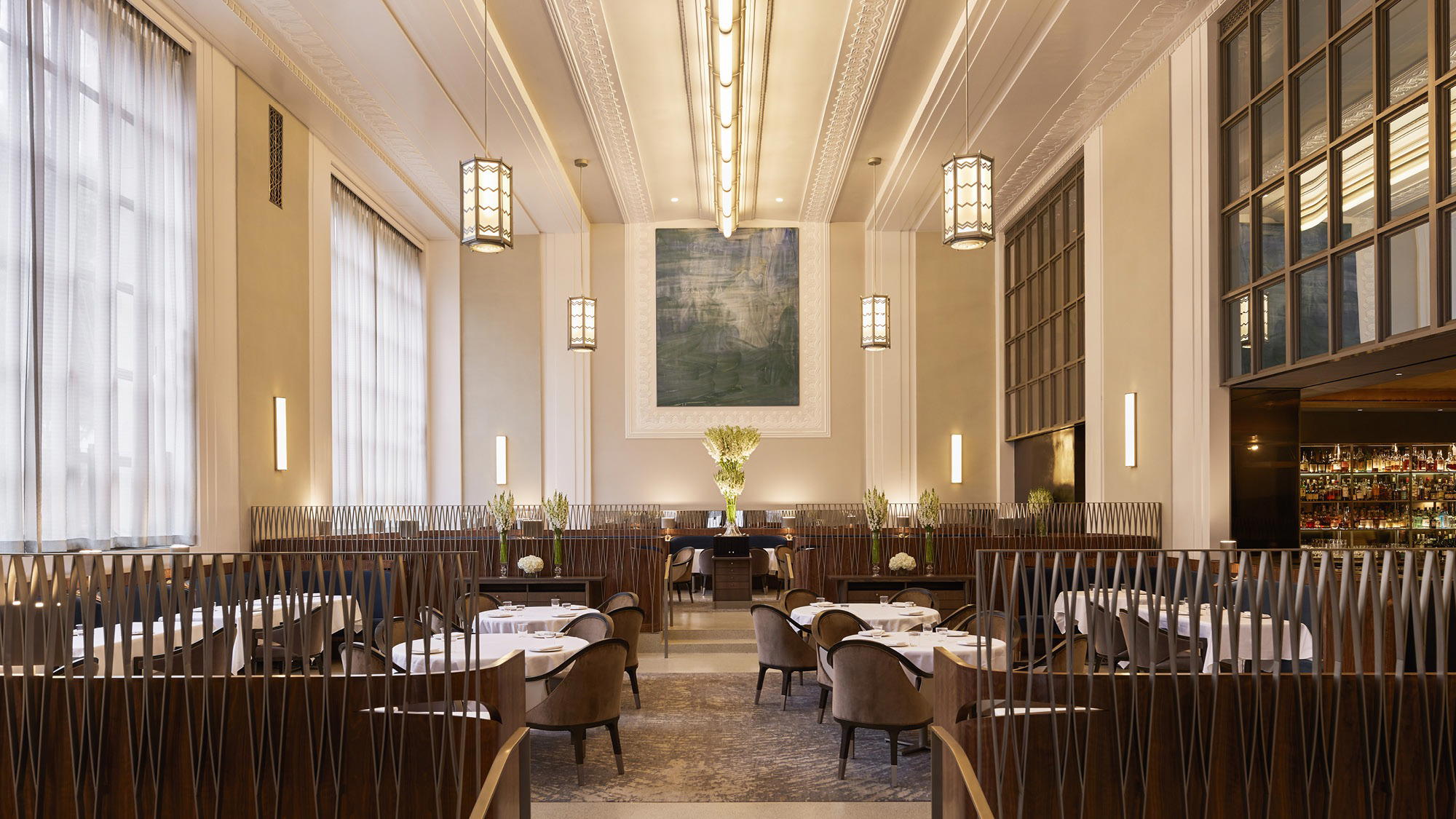
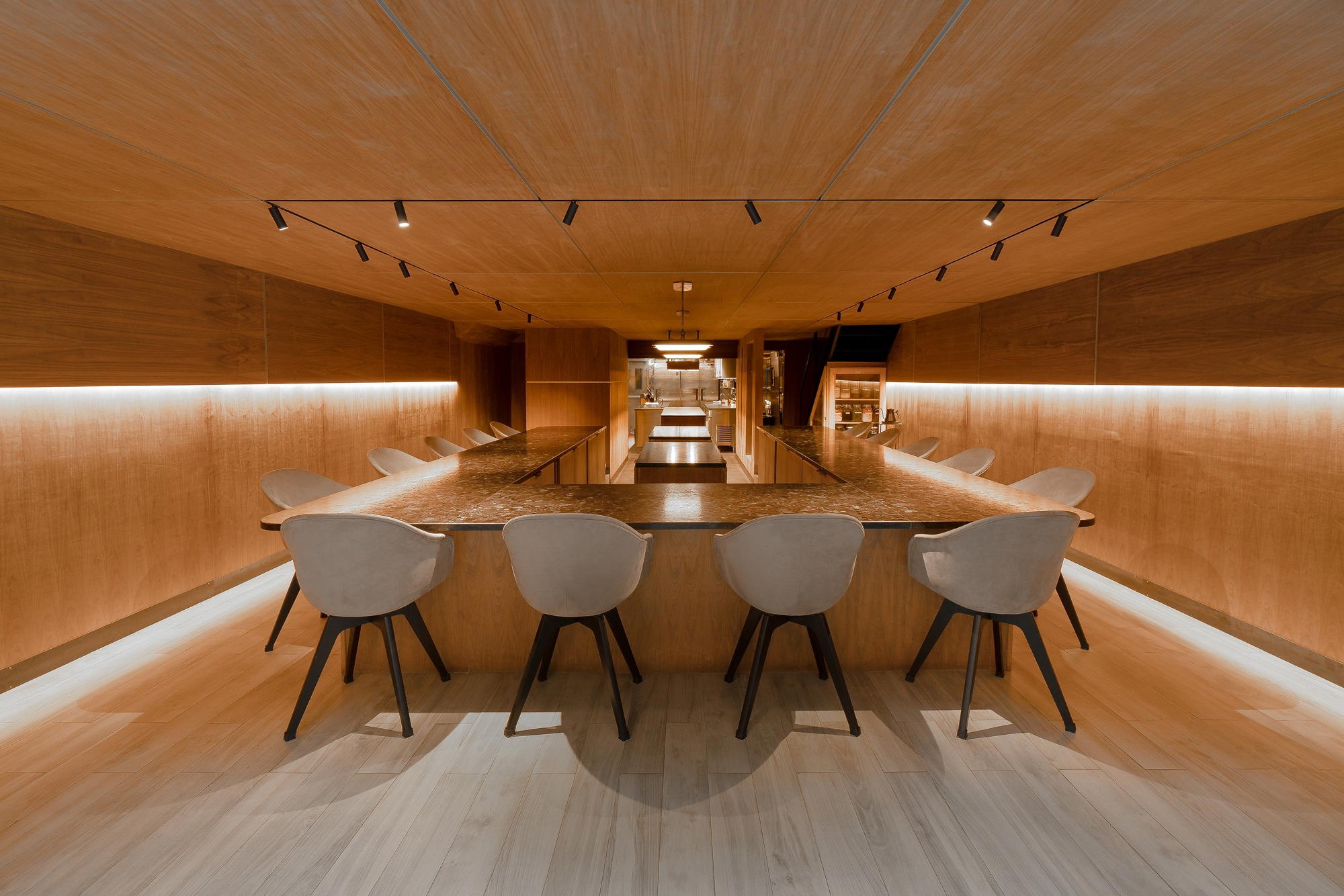
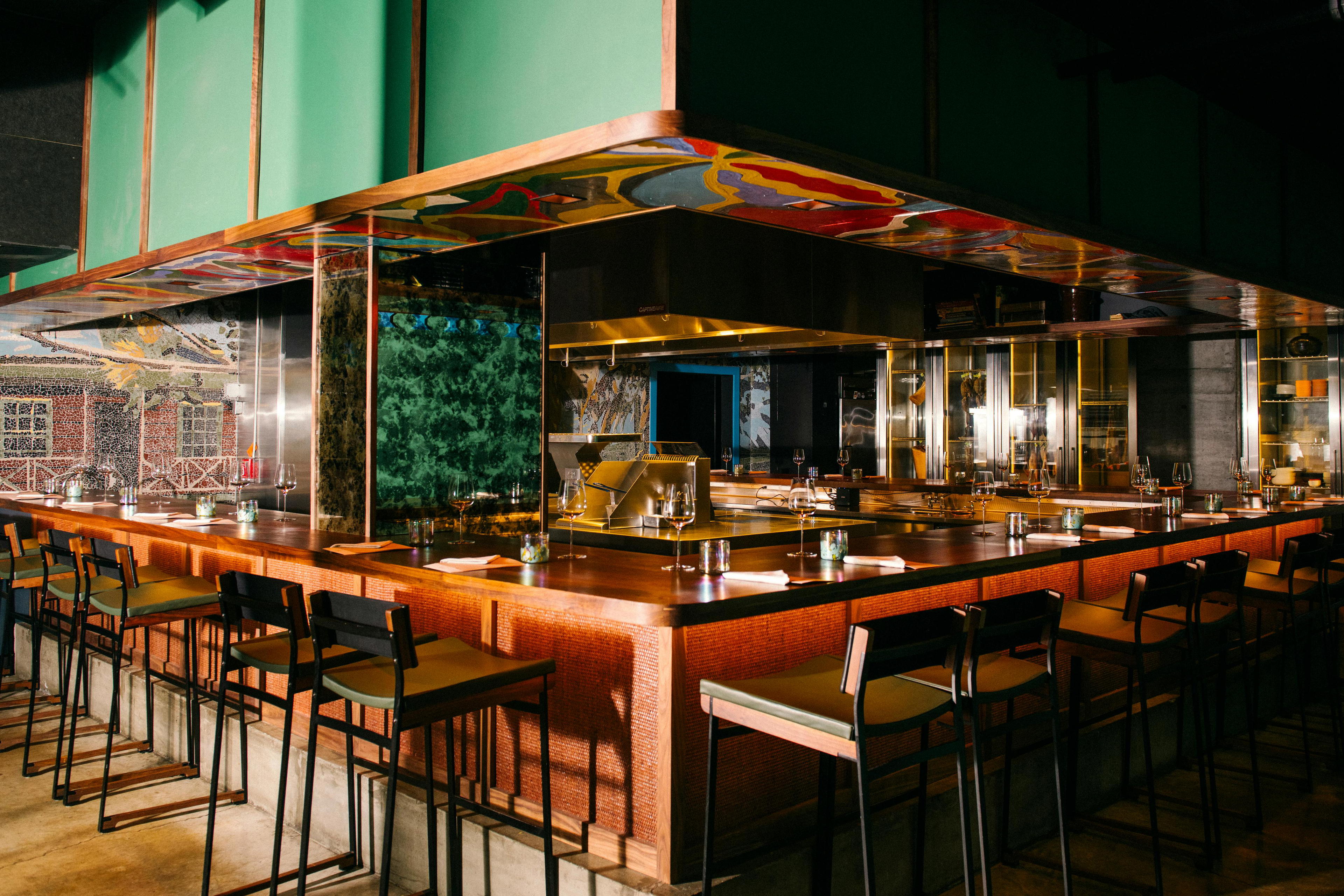
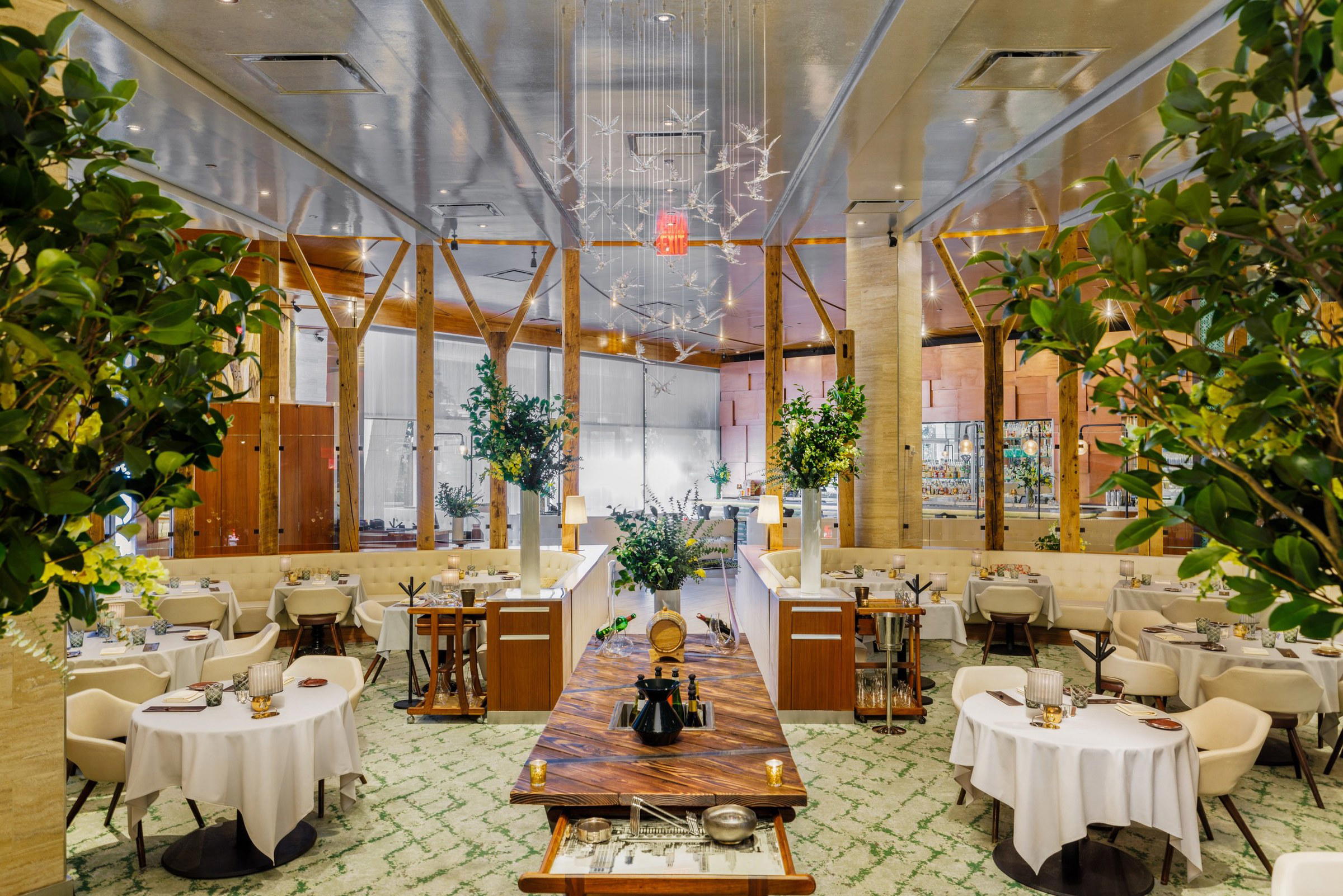
Dark luxury with deep reds, greens, velvet blues, ornate furnishings, and bold artwork creating a bohemian ornate atmosphere.