Refinery Hotel New York

A 1912 Garment District landmark on West 38th Street, Refinery Hotel occupies one of Midtown Manhattan's most architecturally distinctive buildings, sitting at the intersection of fashion heritage and contemporary hotel culture. The property operates its own prohibition-era drinking program and a self-contained food and drink world that fits the creative energy of its neighbourhood.
Pearl is the En Primeur Club membership app — saves, bookings, and concierge access live there. Same editors, same standards.
- Address
- 63 W 38th St, New York, NY 10018
- Phone
- +1 646-664-0310
- Website
- refineryhotelnewyork.com
- Directions
- Get directions
 Saves & bookings on Pearl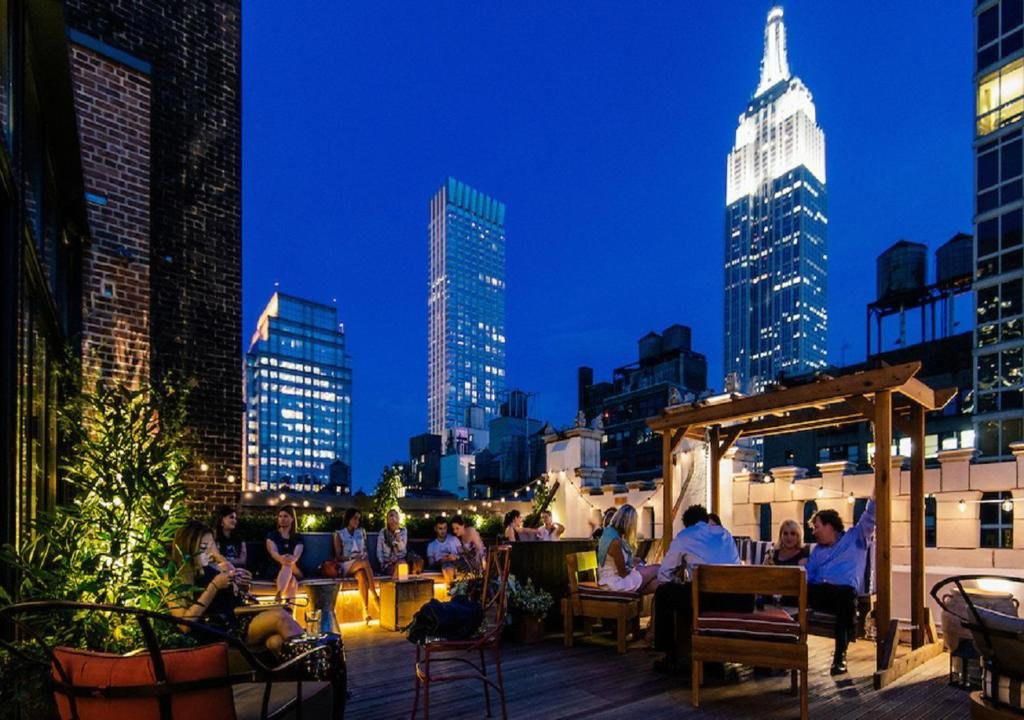
A Building That Earns Its Address
The blocks running west from Fifth Avenue toward the Hudson in the upper Thirties have been defined for over a century by fabric, pattern, and craft. This is the Garment District, and the 12-storey building at 63 West 38th Street, completed in 1912, has absorbed that industrial creative energy into its bones. Refinery Hotel New York occupies a structure that predates most of Midtown's glass-and-steel profile by decades, and that age differential matters when you are reading a city that builds fast and forgets faster. The building's exterior retains the proportioned masonry of early twentieth-century commercial Manhattan, a period when height was still a structural achievement rather than a given. The hotel has 197 rooms and a 4-star rating, which places it firmly in Midtown's upper upscale tier. Hotels that work within that inherited architecture often have more to say about a neighbourhood than properties built from scratch to serve it.
In a market where Midtown accommodation tends to split between the anonymous corporate block and the aggressively themed boutique, a well-preserved 1912 frame gives Refinery a reference point that neither category can easily replicate. Comparable properties in terms of architectural pedigree include The Fifth Avenue Hotel and Casa Cipriani New York, both of which derive significant character from their built environments. What distinguishes Refinery is its specific Garment District address, which positions it inside a neighbourhood identity that is distinct from the finance-adjacent energy of those properties.
The Prohibition Frame and What It Means Here
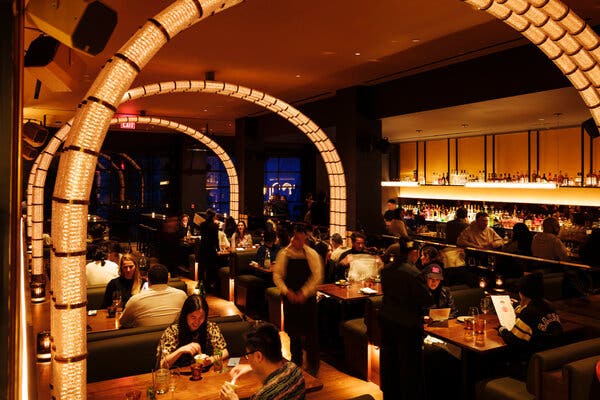
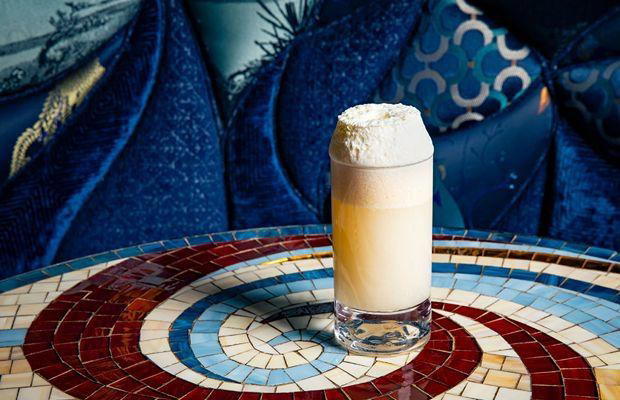
Hotels that invoke Prohibition-era aesthetics are common enough in American cities to have become a genre. The more considered versions use the reference not as costume but as structural logic: low light, particular glassware, drink formats that reward patience rather than speed. Refinery's in-house drinking program operates in that tradition, drawing on the visual and conceptual vocabulary of pre-war American bar culture. The Garment District's own history runs parallel to that era, its peak manufacturing decades coinciding with the years when speakeasy culture shaped New York's social geography. That alignment between building, neighbourhood, and bar concept is not incidental, it is what separates a coherent hotel from a collection of amenities.
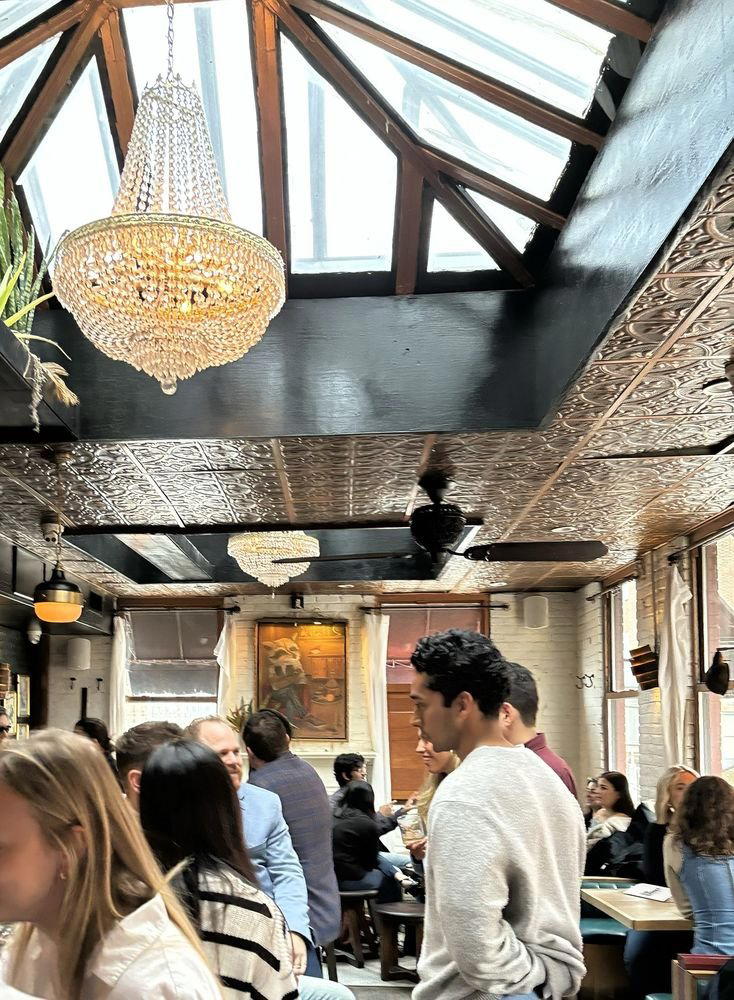
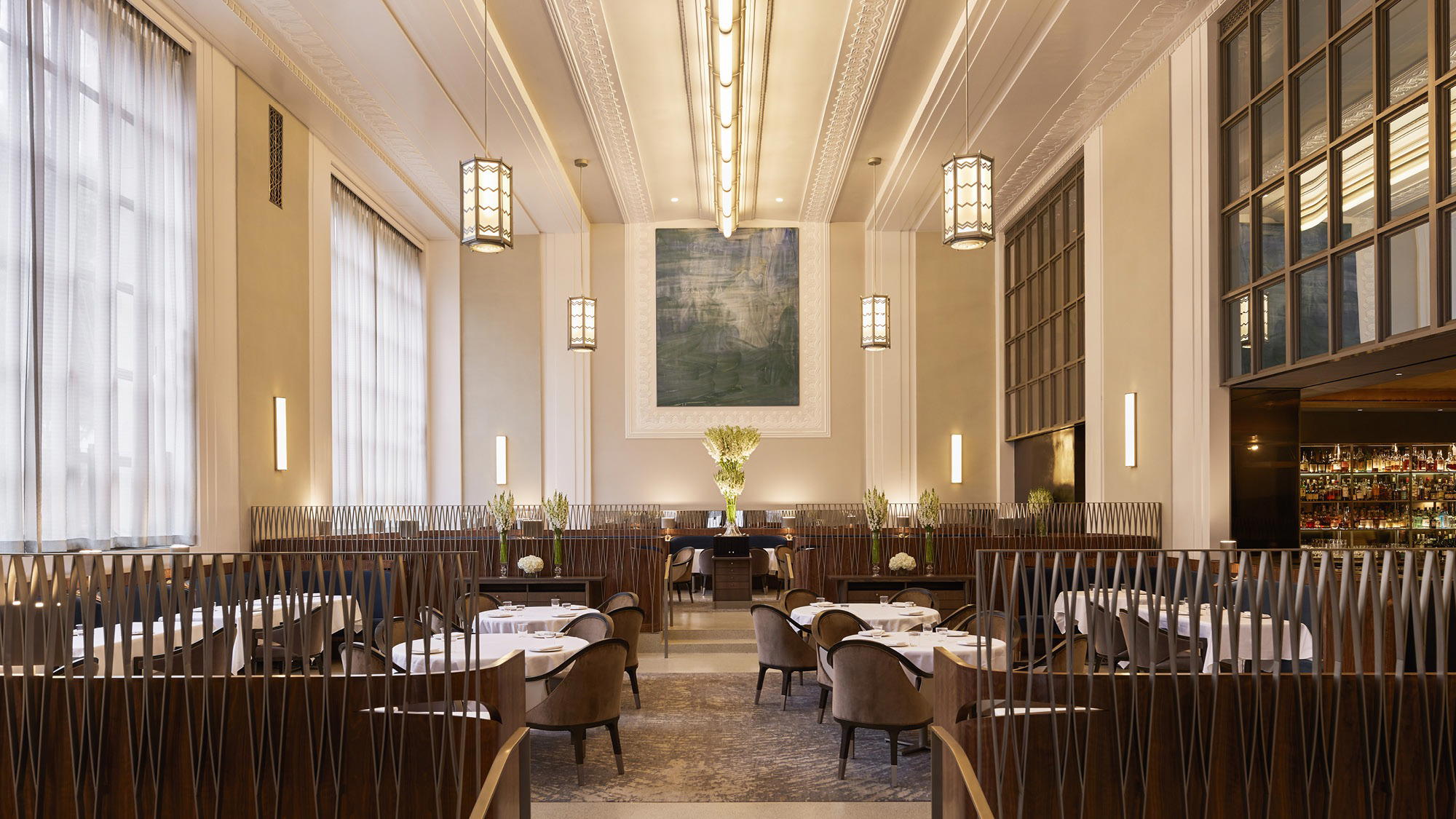
The result is what the property itself describes as a gastronomic micro world: a self-contained food and drink ecosystem within the building rather than a hotel that happens to have a restaurant attached. This is a meaningful structural distinction. In a city where hotel dining has spent the better part of two decades trying to establish credibility with non-staying guests, a property that commits fully to an internal hospitality identity tends to develop a more consistent atmosphere. It also changes the social dynamic of the lobby and bar spaces, which feel less like throughways and more like destinations.
Garment District as Context
The Garment District's identity has shifted considerably since its manufacturing peak, but the creative association endures. Showrooms, design studios, and fashion industry offices remain concentrated in the avenues and cross-streets immediately surrounding West 38th. That proximity shapes the profile of guests and the tenor of conversations in the hotel's public spaces in ways that a Times Square address, two blocks north, would not. Midtown hotel positioning is often more granular than it appears on a map: a difference of three or four blocks can separate a tourist-saturated corridor from a working neighbourhood with its own rhythms.
For travellers whose New York stays are organised around the Upper East Side's museum and gallery circuit, The Carlyle, A Rosewood Hotel and The Mark represent the natural base. For those focused on Tribeca, the West Village, or SoHo, The Greenwich Hotel, Crosby Street Hotel, and The Whitby Hotel sit closer to those itineraries. Refinery's proposition is specifically Midtown-anchored: Bryant Park is within easy walking distance, the main Fifth Avenue retail stretch is accessible on foot, and the major rail connections at Penn Station and Grand Central both fall within a manageable radius. For guests whose New York schedule is dense and cross-borough, the central Midtown position carries practical weight that more atmospherically distinct neighbourhoods cannot always offer.
Design as Inherited Identity
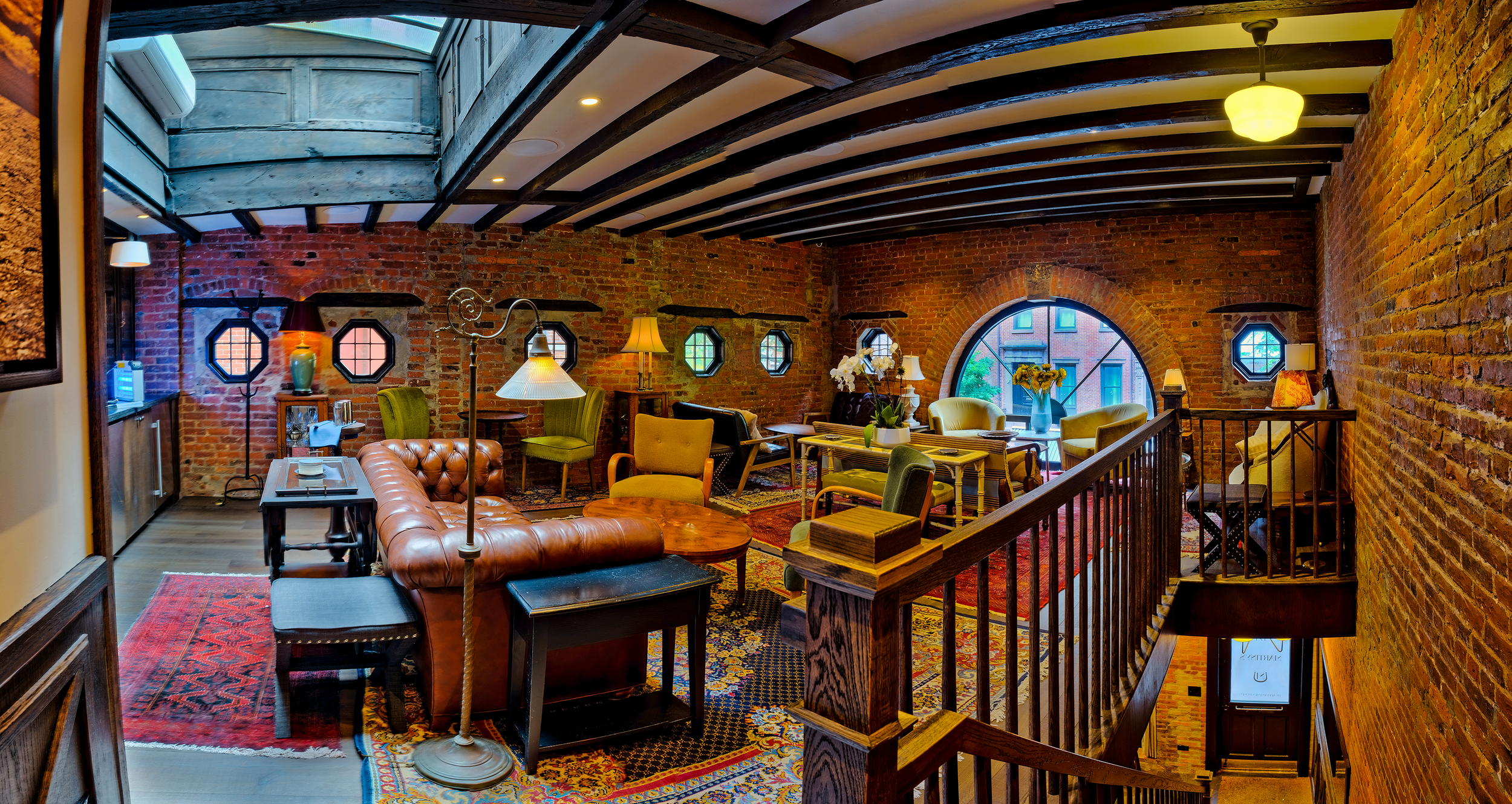
Early twentieth-century commercial buildings in Manhattan were designed to project permanence and purpose. The 1912 construction date places Refinery's building in a cohort that includes some of the city's most legible architectural statements, structures built when the Garment District was consolidating its industrial identity and Midtown's skyline was still forming. Hotels that occupy buildings of this vintage face a consistent editorial question: how much of the original character to preserve, and how much to override in the name of contemporary comfort standards. The properties that tend to hold their identity most clearly are those that treat the architecture as the primary design argument rather than a backdrop for interior decoration.
That approach is more common in properties with a deliberately limited footprint, where every design decision is more visible. At 12 storeys, Refinery sits between the genuinely boutique and the full-scale hotel, a scale that allows for atmosphere without the logistical anonymity that comes with larger room counts. For reference points in the broader American hotel market, properties like Troutbeck in Amenia and SingleThread Farm Inn in Healdsburg demonstrate how inherited architecture can function as the primary credential for a hotel's identity, even when the surrounding programming is contemporary. Refinery operates the same logic in an urban register.
Placing Refinery in the Broader New York Market
New York's hotel market has stratified sharply over the past decade. At the ultra-luxury end, properties like Aman New York set a price ceiling that corresponds to private-club-level privacy and amenity depth. Below that tier sits a wide band of design-conscious independents and soft-branded properties competing on neighbourhood positioning and programmatic coherence. Refinery operates in that middle tier, where the differentiating variables are architectural character, food and drink execution, and the specificity of the neighbourhood story. On each of those axes, the West 38th Street building has a defensible position.
For those whose travel extends to other American cities, the same architectural-character-driven approach to hotel selection applies at Raffles Boston in Boston, Hotel Bel-Air in Los Angeles, and 1 Hotel San Francisco in San Francisco. For resort and nature-led alternatives elsewhere in the United States, Amangiri in Canyon Point, Post Ranch Inn in Big Sur, and Sage Lodge in Pray each represent strong options in their respective categories. Internationally, Aman Venice in Venice, Badrutt's Palace Hotel in St. Moritz, and Bvlgari Hotel Tokyo in Tokyo share the same logic of architecture-as-credential.
Planning Your Stay
Refinery Hotel sits at 63 West 38th Street, placing it within walking distance of Bryant Park, the main Fifth Avenue corridor, and the Bryant Park subway station serving the B, D, F, and M lines. Penn Station and Grand Central Terminal are both reachable in under 15 minutes on foot, which makes the address practical for guests arriving by Amtrak or commuter rail. The hotel's internal bar and dining programme means that guests who prefer to anchor their evenings in-house rather than compete for reservations elsewhere in Midtown have a coherent option on site.
Recognition Snapshot
Comparable venues nearby, for context on price, style, and recognition.
| Venue | Cuisine | Price | Awards | Notes |
|---|---|---|---|---|
| Refinery Hotel New YorkThis venue — the venue you are viewing | Industrial chic boutique hotel in a historic hat factory building | $$$$ | 4-Star | Not listed |
| The Towers at Lotte New York Palace | Ultra-luxurious all-suite tower with five-star personalized service | $$$$ | 4-Star | Midtown-Times Square |
| The Prince Kitano New York | Boutique hotel blending modern tranquility with traditional Japanese service | $$$$ | 4-Star | Midtown-Times Square |
| Smyth Tribeca | Mid-century modern Manhattan loft aesthetic with residential feel, eclectic Tribeca-inspired design showcasing timeless sophistication and artistic character. | $$$$ | 4-Star | Tribeca-Civic Center |
| ModernHaus SoHo | Contemporary urban residential luxury | $$$$ | 4-Star | SoHo-Little Italy-Hudson Square |
| The Standard, East Village | Boutique hotel blending tenement charm with modern high-rise tower. | $$$$ | 4-Star | East Village |
Recognition history
Dated appearances from independent guides and award organizations, with the underlying list record or original source where available.
Michelin Selected
Michelin
Small Luxury Hotels of the World Member
Small Luxury Hotels of the World
Continue exploring
More in New York City
Hotels in New York City
Browse all →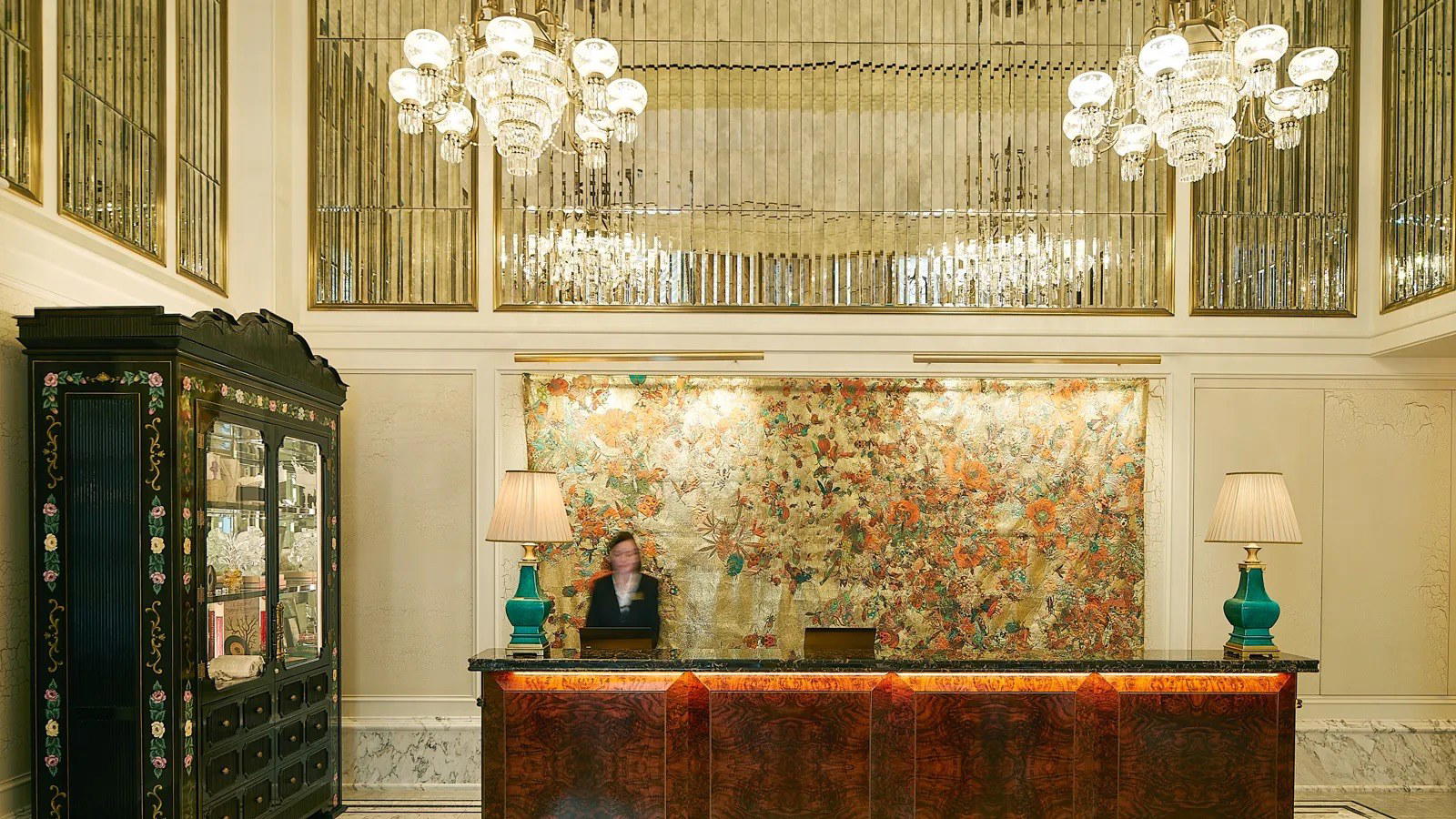
Bars in New York City
Browse all →
Restaurants in New York City
Browse all →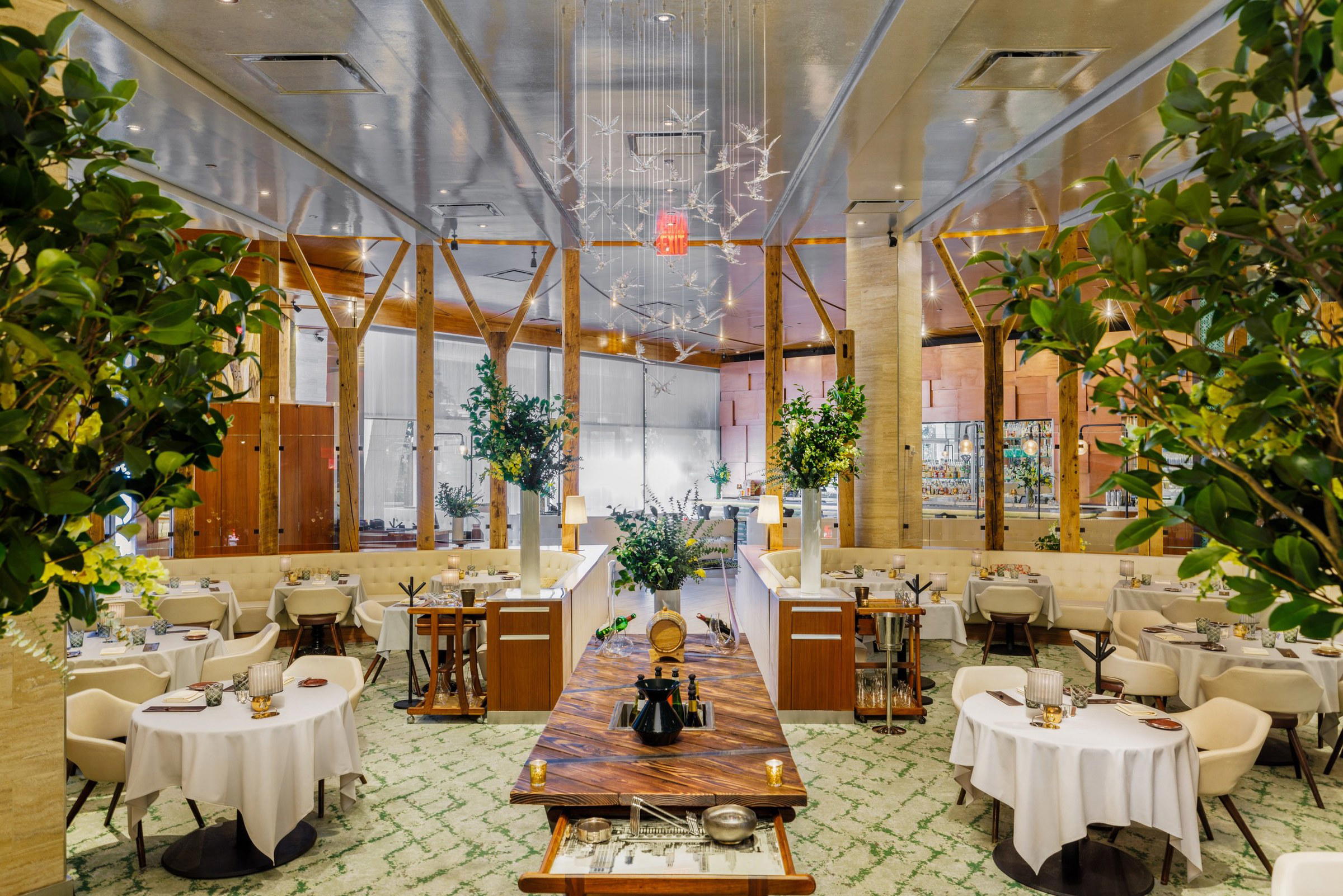
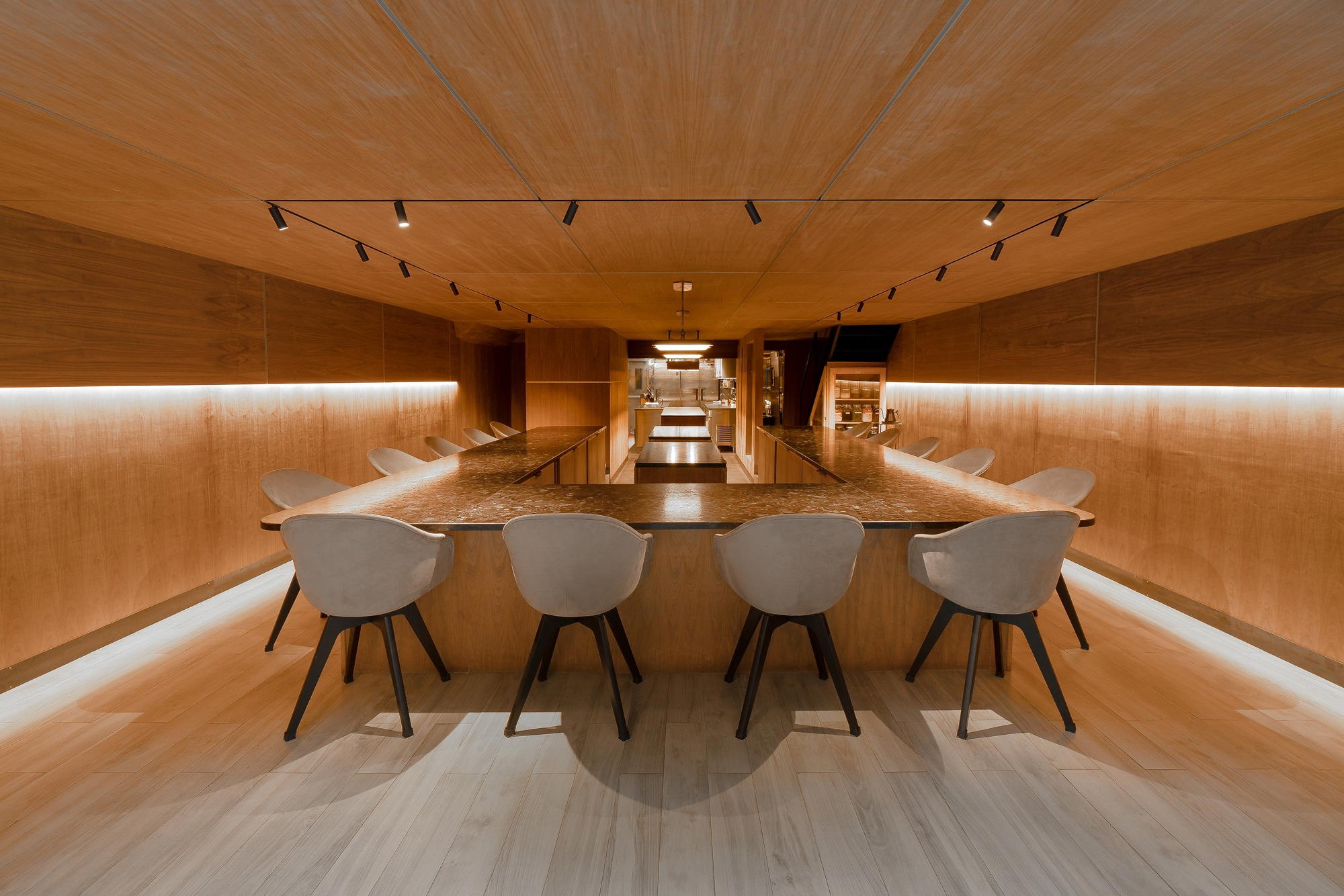
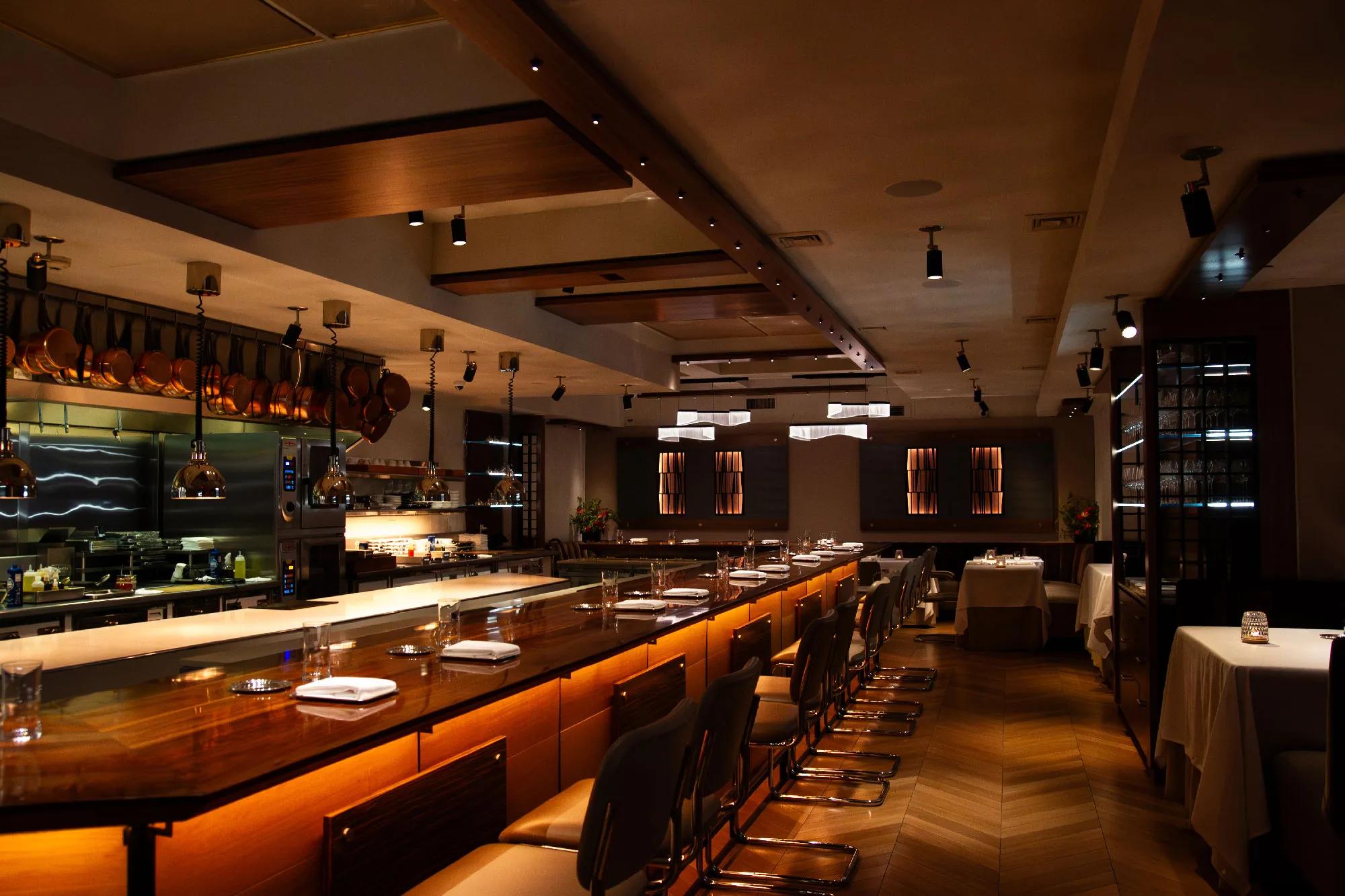
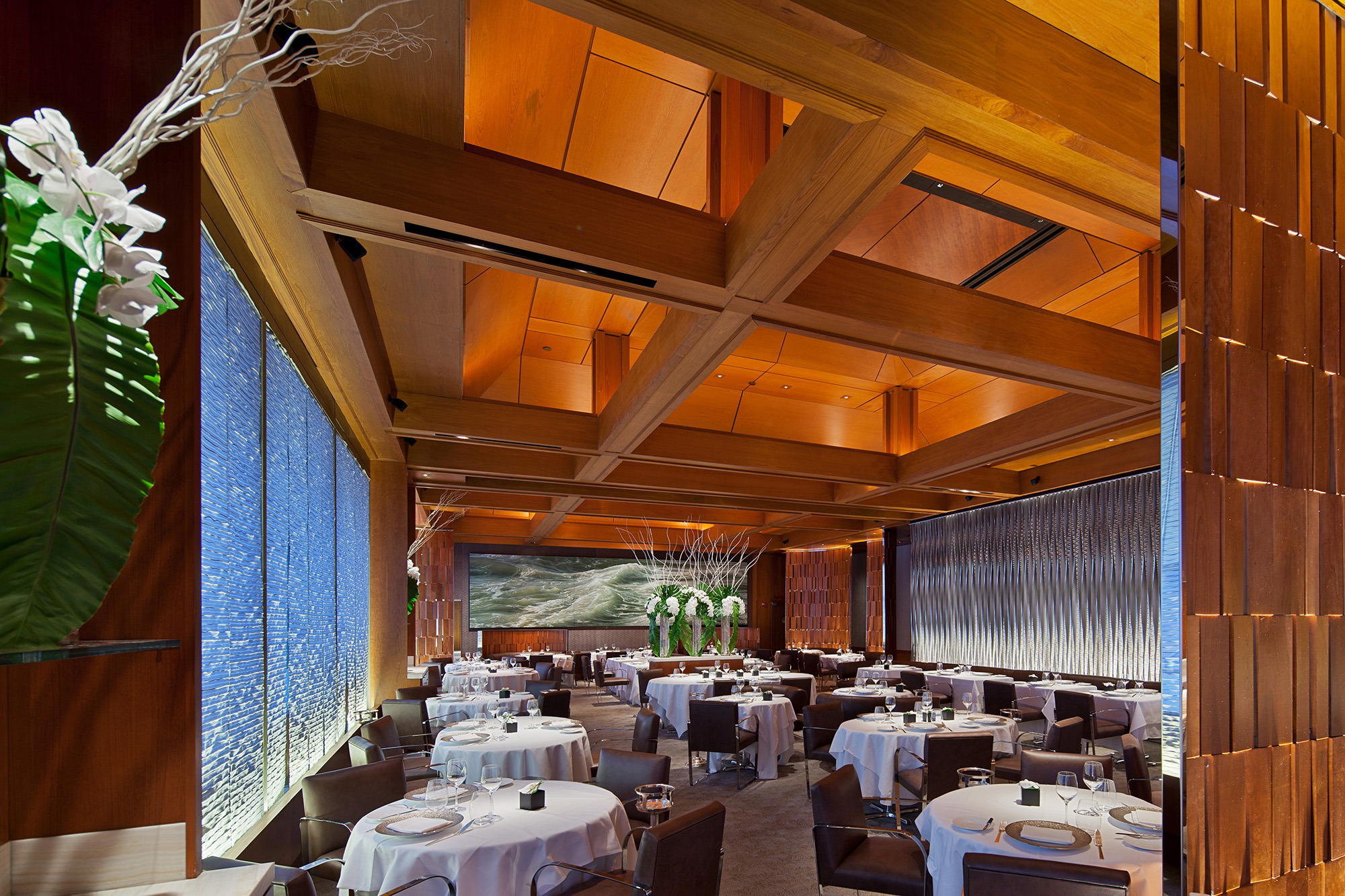
Wineries in New York City
Browse all →


At a Glance
- Modern
- Elegant
- Sophisticated
- Industrial
- Trendy
- Business Trip
- Weekend Escape
- Rooftop Pool
- Historic Building
- Panoramic View
- Wi Fi
- Fitness Center
- Room Service
- Concierge
- Restaurant
- Skyline
- Wi Fi
- Fitness Center
- Room Service
- Concierge
- Restaurant
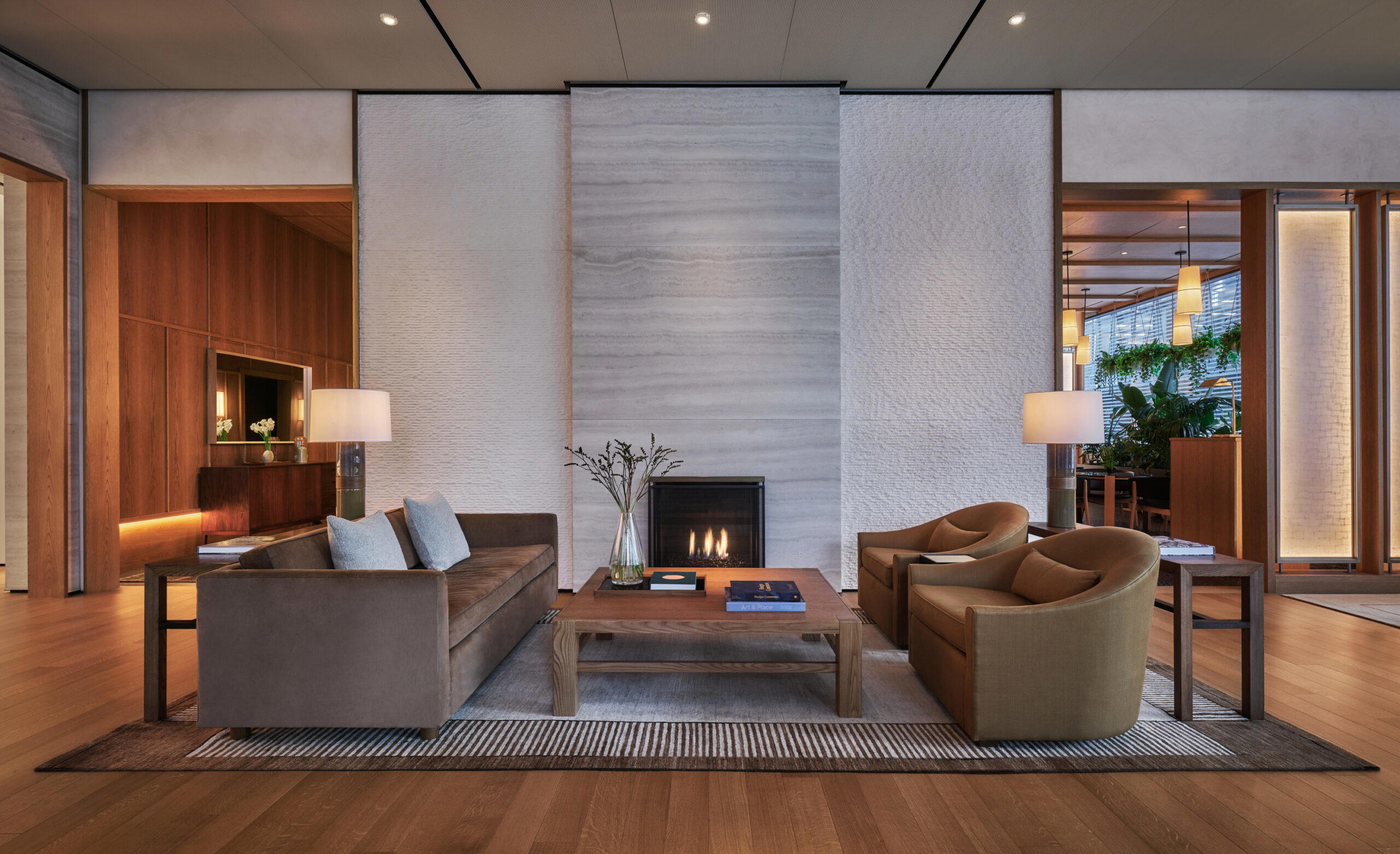
Inviting atmosphere with chic decor, warm lighting in public spaces, spacious soundproofed rooms featuring high ceilings and modern comforts.