The Beekman, A Thompson Hotel



A Victorian-era landmark at 5 Beekman Street in Lower Manhattan, The Beekman houses Tom Colicchio's Temple Court, Daniel Boulud's Le Gratin, and the cellar-level cocktail lounge Laissez Faire. The building's nine-story atrium and original cast-iron architecture set it apart from the Financial District's newer hotel stock, and its Star Wine List recognition (2026) signals a beverage program with genuine editorial credibility.
 Discover on Pearl
Pearl is the En Primeur Club membership app — saves, bookings, and concierge access live there. Same editors, same standards.
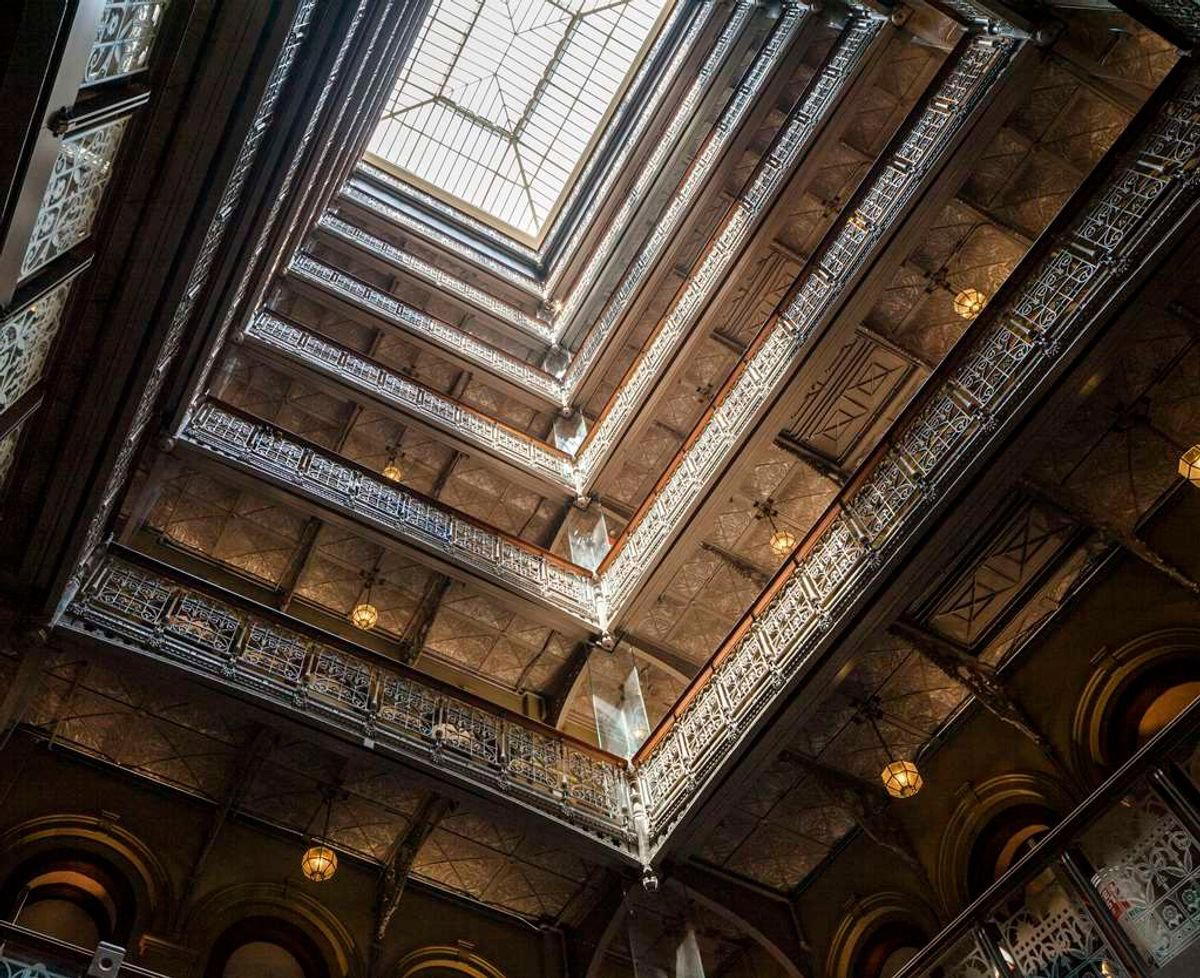
A Victorian Atrium in the Financial District
Lower Manhattan's hotel options have, for most of the past two decades, divided cleanly between glass-tower business properties and a thin tier of historic conversions. The Beekman, at 5 Beekman Street, belongs to the second category and occupies its upper end. The building dates to the Victorian era, and its nine-story skylit atrium, clad in original cast-iron detailing, is the kind of architectural feature that no amount of contemporary renovation budget can replicate from scratch. Walking into the atrium is a lesson in what New York looked like before steel-frame construction became the default; the proportions are generous without being cavernous, the metalwork reads as ornament rather than structure, and the light from the glass ceiling shifts through the afternoon in ways that a sealed tower lobby simply cannot.
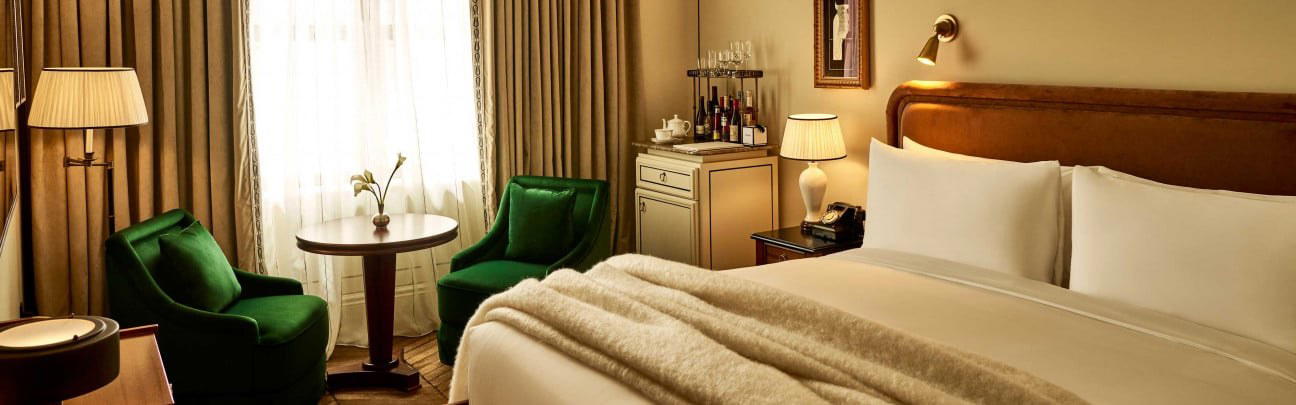
That physical container shapes the experience in every direction. Martin Brudnizki's interior design approach, which has become a reference point in international hotel hospitality circles for its facility with layering historical registers, threads contemporary upholstery and lighting through the original bones without flattening either. The guest rooms carry the same logic, with ceiling heights that recall the building's original office-building ambition rather than the compressed floor plates of most modern hotel construction. For travelers who treat architecture as a component of the stay rather than a backdrop to it, this is a meaningful distinction.
Three Distinct Food and Drink Formats Under One Roof
In New York's current hotel dining landscape, a property anchoring two separate chef relationships alongside a dedicated cocktail program is a meaningful signal. The Beekman does exactly that, with Tom Colicchio and Daniel Boulud both operating outlets within the building, alongside the cellar-level lounge Laissez Faire.
Colicchio's Temple Court and its adjacent Bar Room draw their conceptual frame from Lower Manhattan's culinary and cultural history, which is denser than most visitors realize. The neighborhood around Beekman Street has been a commercial center since the eighteenth century, and the menus at Temple Court are meant to reflect a version of New York's table that predates the borough's more recent dining cycles. That framing places Colicchio's work here in a different register from his other New York projects: it is less about a chef's personal vocabulary and more about a neighborhood's accumulated identity.
Daniel Boulud's Le Gratin operates as a bouchon Lyonnais, which is a specific and demanding format to attempt in New York. Lyon's bouchon tradition is built around a defined repertoire of dishes, a specific conviviality, and an explicit rejection of the kind of refinement that Boulud's flagship Daniel represents. Executing a convincing bouchon in a Financial District hotel requires a different discipline than running a grand French dining room. The menu rotates monthly iconic dishes intended for sharing, and sourcing draws on local purveyors, which is a structural decision that keeps the format from becoming a static museum piece.
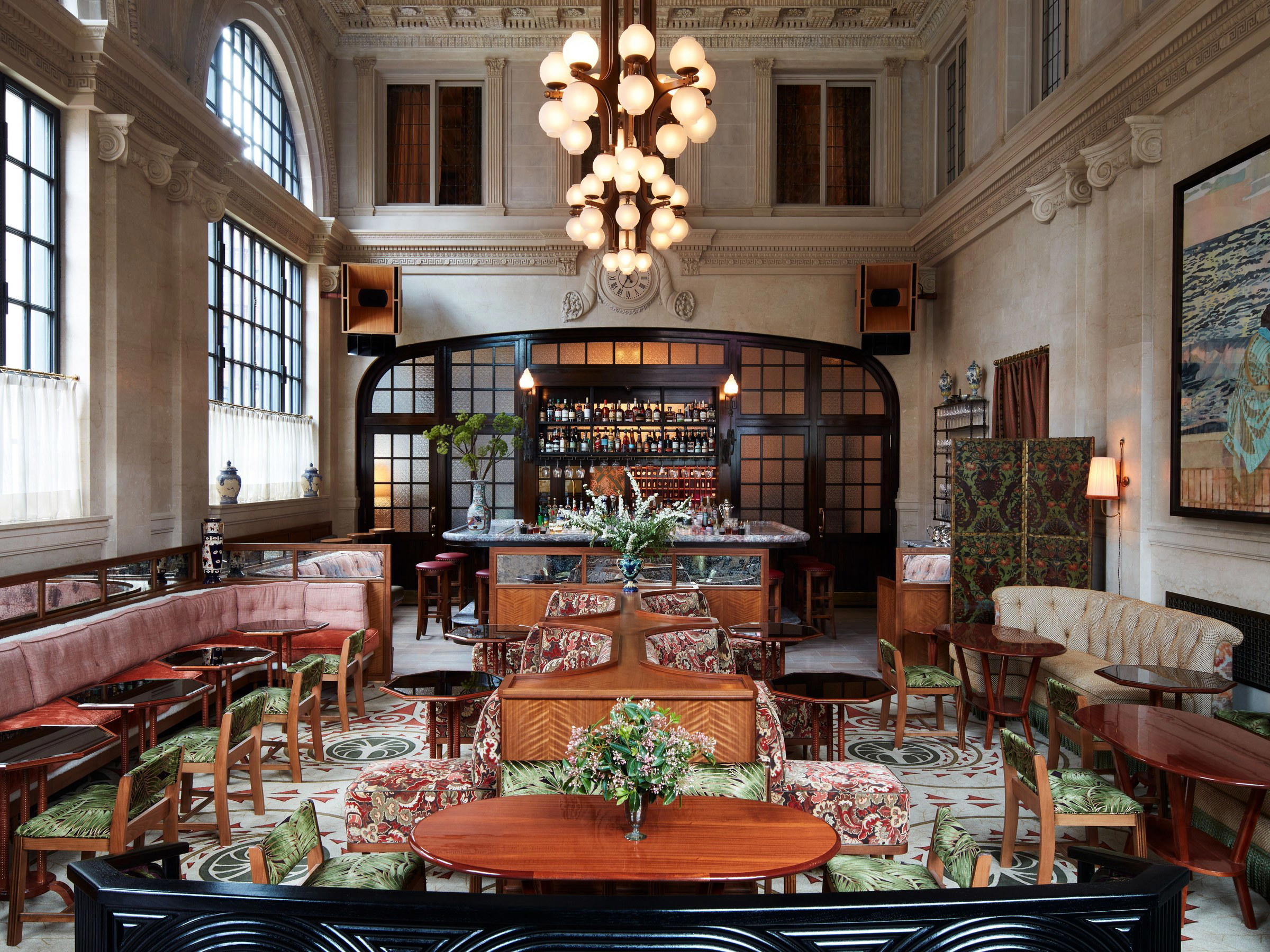
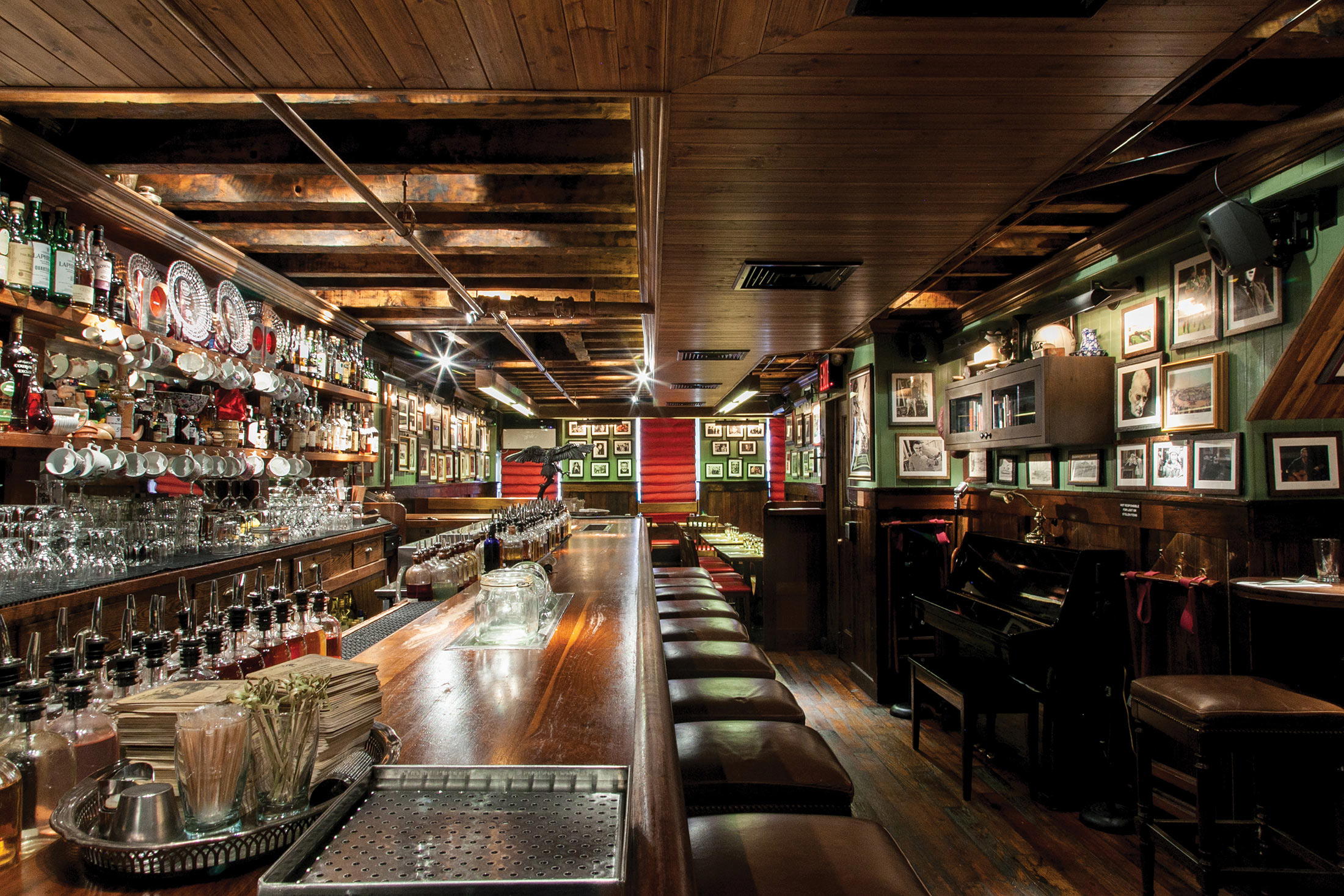
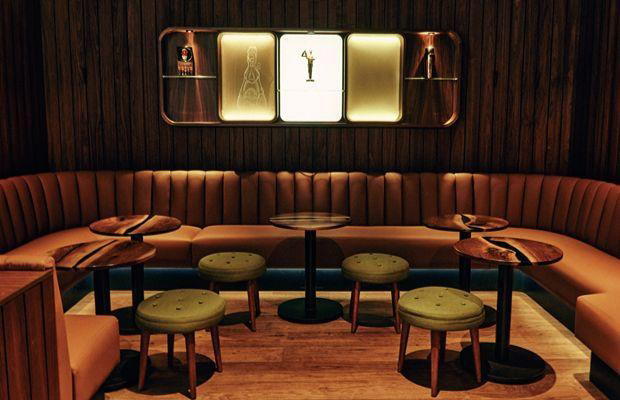
Laissez Faire, the cocktail lounge on the cellar level, positions itself around a beverage program designed by Alex Smith with culinary contributions from Colicchio. The lounge's stated frame is “The Future of Old New York,” which is a coherent brief for a property of this age and address. The Beekman's Star Wine List recognition in 2026 confirms that the beverage program across the property has reached a level of editorial credibility that distinguishes it from hotel bars operating primarily as convenience amenities. For context, Star Wine List evaluates programs across depth of list, service, and pricing transparency, so the recognition speaks to the wine offer's structural quality rather than simply its expense.
Location and What It Implies
The Financial District's relationship with evening hospitality has shifted considerably over the past decade. The area around Fulton Street, the Seaport District, and Pier 17 has developed a dinner and late-night economy that did not exist in the same form when most of Lower Manhattan's hotels were built. The Beekman sits at the center of that zone, with the Brooklyn Bridge, One World Trade, and Brookfield Place all within walking distance. For travelers whose itineraries include the Seaport or the waterfront, the address eliminates transit friction in a way that a Midtown hotel cannot.
The building's own history adds another layer. The site hosted New York City's debut performance of Shakespeare's Hamlet and later served as Clinton Hall, where writers including Edgar Allan Poe worked. These are not marketing footnotes; they locate the building within a specific stratum of New York intellectual and cultural life that predates the city's current identity by more than a century. That depth of context is increasingly rare in a borough where development pressure regularly erases rather than restores.
How It Sits in the New York Hotel Field
Among historic-conversion properties in New York, The Beekman competes with a small peer set. The Greenwich Hotel in TriBeCa and Crosby Street Hotel in SoHo each occupy nearby neighborhoods with their own design-led approaches, but neither carries the atrium scale or the Victorian cast-iron structure that defines The Beekman's physical identity. Further uptown, The Mark, The Carlyle, A Rosewood Hotel, and Aman New York occupy Upper East Side and Midtown positions that serve a different geography and guest profile. The Fifth Avenue Hotel, Casa Cipriani New York, and The Whitby Hotel each have distinct positions in the city's premium accommodation field. For a broader view of where The Beekman sits within New York's dining and hospitality scene, our full New York City guide maps the current field in detail.
For travelers comparing across regions, the logic of a restored historic building anchoring a multi-outlet food and drink program appears at properties like Raffles Boston, Troutbeck in Amenia, and SingleThread Farm Inn in Healdsburg, each in a different market but pursuing a related premise: that a building with genuine historical specificity can do work that new construction cannot. Properties prioritizing landscape settings over urban architecture, such as Amangiri in Canyon Point, Post Ranch Inn in Big Sur, or Sage Lodge in Pray, are operating from an entirely different premise and serve a different traveler decision. Others within the Thompson and larger portfolio, or in comparable coastal resort settings, such as Four Seasons at The Surf Club in Surfside, Little Palm Island Resort & Spa in Little Torch Key, or Kona Village, A Rosewood Resort in Kailua Kona, occupy resort categories with no meaningful overlap. International reference points that share the “historic building, considered interior program” premise include Aman Venice, Badrutt’s Palace Hotel in St. Moritz, and Bvlgari Hotel Tokyo, each working within a different national context but sharing the logic of architecture as the primary differentiator. Wellness-led properties like Canyon Ranch Tucson or design-led California properties like Hotel Bel-Air in Los Angeles and 1 Hotel San Francisco are drawing from different guest priorities entirely, though the Auberge portfolio, represented by Auberge du Soleil in Napa, shares the commitment to food program quality as a defining property credential.
Planning a Stay
The Beekman is located at 5 Beekman Street in the Financial District, within walking distance of the Brooklyn Bridge, Fulton Street transit hub, and the Seaport District. Guests planning to eat at Le Gratin or Temple Court should treat those as separate reservations requiring advance planning, particularly for weekend evenings, when the Financial District's hospitality traffic has grown substantially. The Star Wine List recognition makes the wine program worth consulting before arrival rather than deciding at the table. The property's address places it closer to Lower Manhattan's cultural landmarks than to Midtown, which is an asset for some itineraries and a friction point for others depending on where the rest of a trip is concentrated.
Awards and Standing
A small peer set for context; details vary by what’s recorded in our database.
| Venue | Awards | Cuisine | Notes |
|---|---|---|---|
| The Beekman, A Thompson Hotel | This venue | ||
| Aman New York | Michelin 3 Key | ||
| The Carlyle, A Rosewood Hotel | Michelin 2 Key | ||
| Pendry Manhattan West | Michelin 2 Key | ||
| Ace Hotel Brooklyn | Michelin 1 Key | ||
| The Ludlow Hotel | Michelin 1 Key |
Continue exploring
More in New York City
Hotels in New York City
Browse all →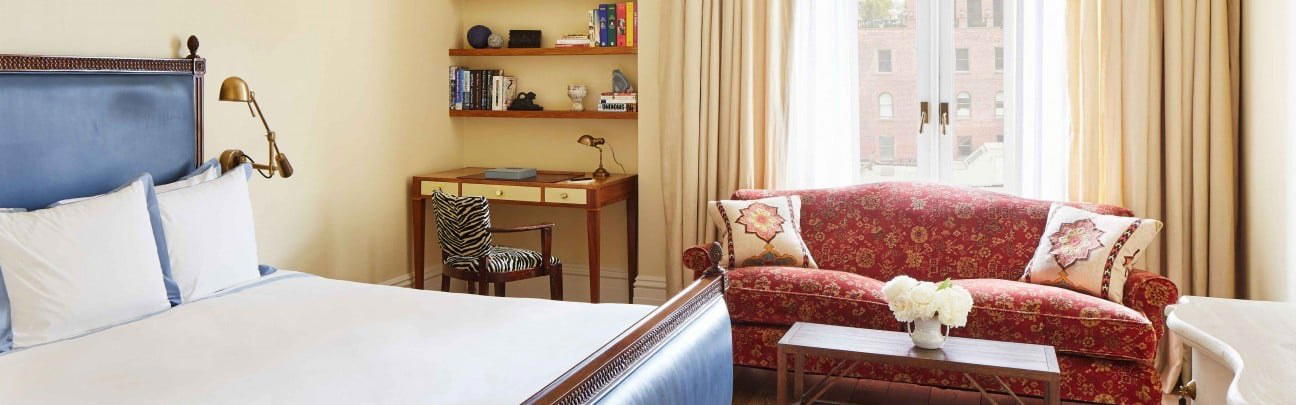

Bars in New York City
Browse all →

Restaurants in New York City
Browse all →


At a Glance
- Elegant
- Sophisticated
- Classic
- Opulent
- Iconic
- Romantic Getaway
- Business Trip
- Anniversary
- Celebration
- Historic Building
- Rooftop
- Terrace
- Panoramic View
- Wifi
- Fitness Center
- Room Service
- Concierge
- Valet Parking
- Skyline
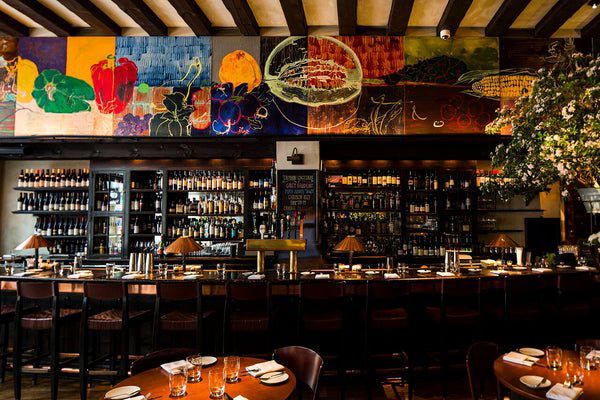
Elegant vintage atmosphere with stained-glass lighting, high ceilings, earth tones, aged oak floors, and inviting plush furnishings.