St. Pancras Renaissance London Hotel


Michelin Selected · Forbes 4-Star
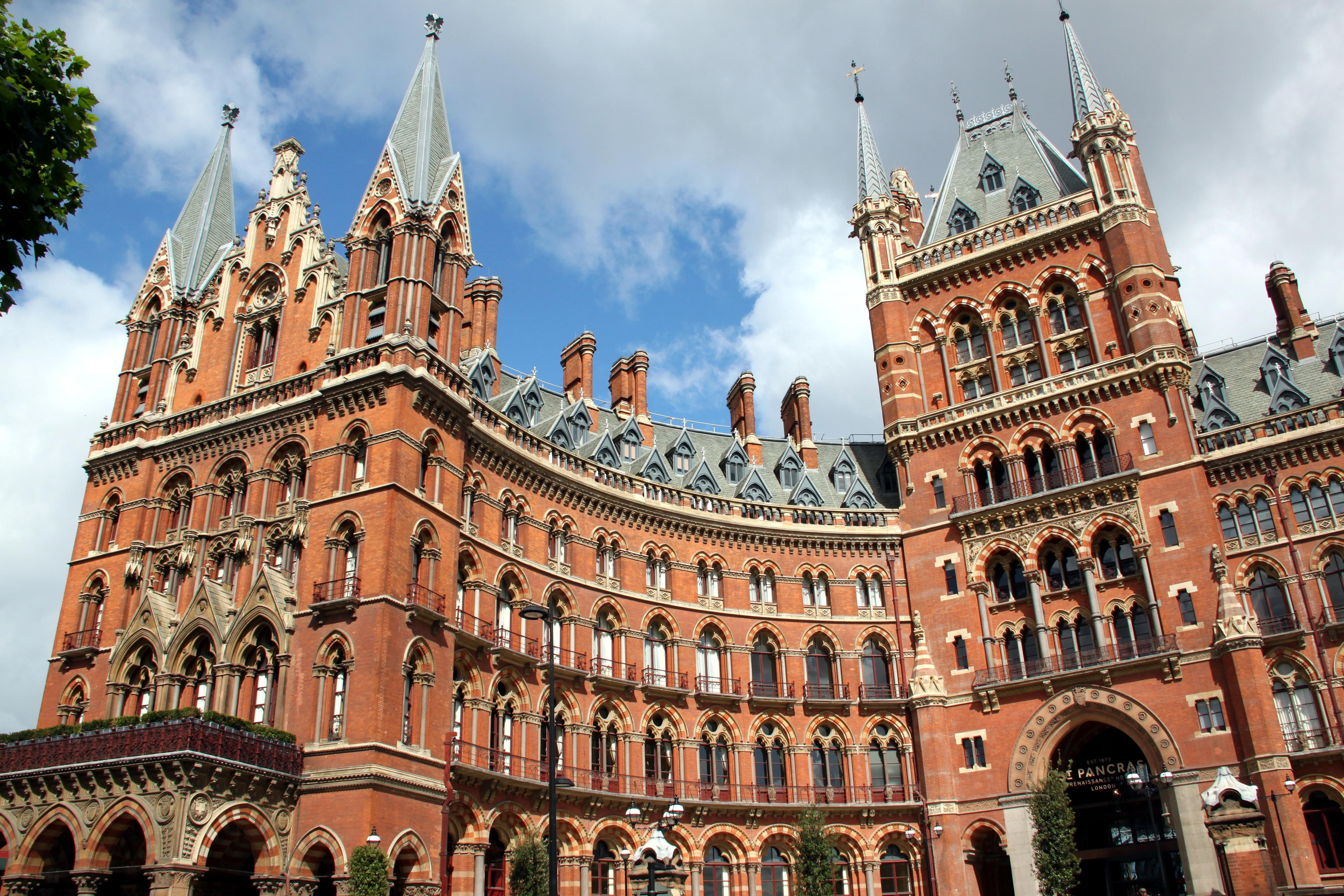
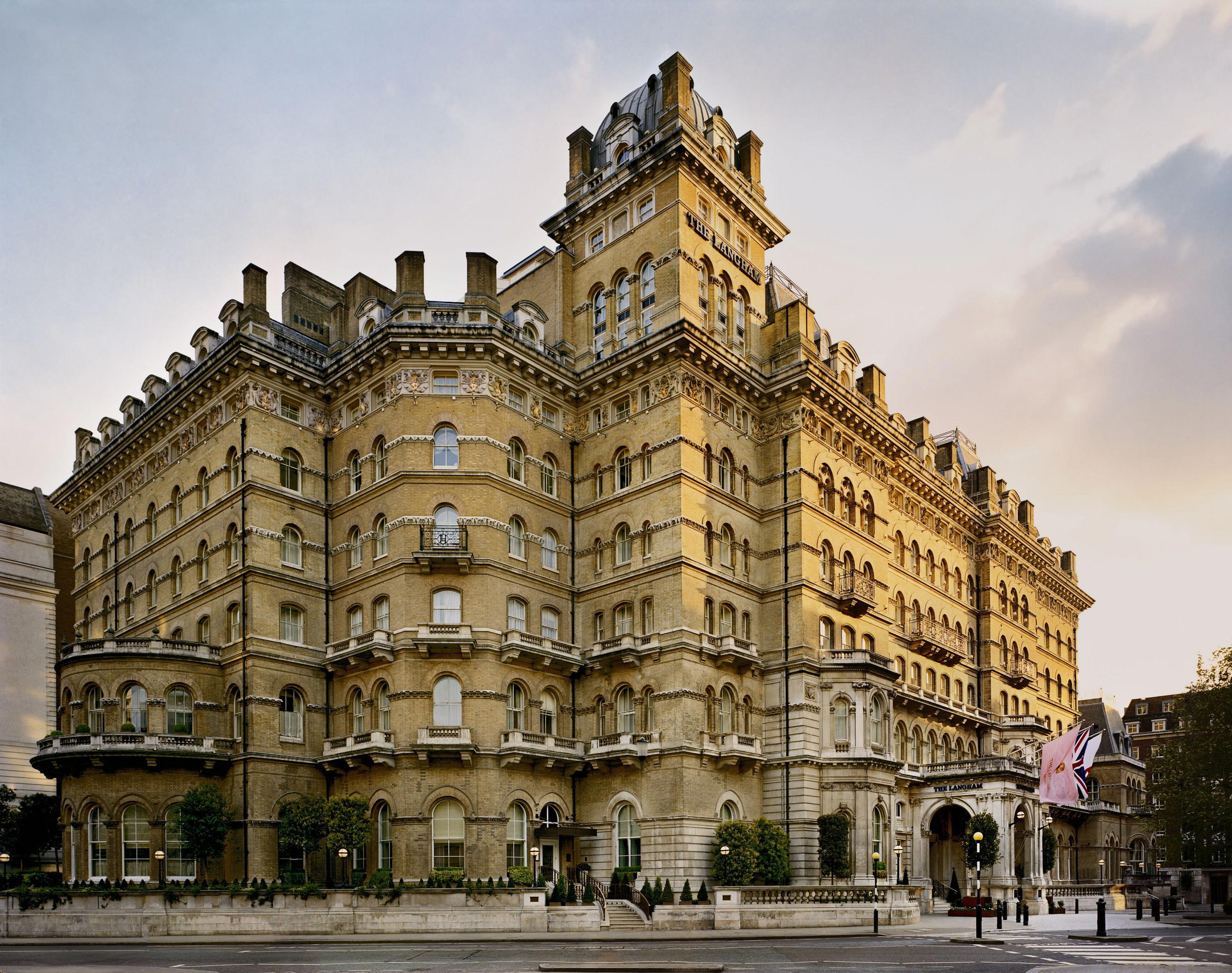
Few hotels in London carry the architectural weight of St. Pancras Renaissance, where Gilbert Scott's Victorian Gothic exterior gives way to 18-foot-ceilinged Chambers rooms, a grand stone staircase that doubles as a film set, and a location physically connected to the Eurostar terminal. This is a hotel built around a specific, historically grounded sense of place, the golden age of rail travel, and it delivers that experience with considerable craft.

Pearl is the En Primeur Club membership app, where members save venues, book tables and use the concierge.
Where Victorian Engineering Meets the Modern Hotel Stay
There is a particular category of heritage hotel that goes beyond preserved architecture into something closer to curated time travel. London has several contenders in this bracket Claridge's for its Art Deco grandeur, The Savoy for its Thames-facing Edwardian formality, but St. Pancras Renaissance occupies a category of its own. The building is not simply old; it is one of George Gilbert Scott's most ambitious commissions, a high-Victorian Gothic statement that was designed to signal the ambition of the Midland Railway and ended up becoming one of London's most recognisable skylines. Staying here is less about choosing a hotel and more about choosing a specific relationship with the city's architectural memory.
The Midland Grand Hotel, as it was originally known, opened in 1873 and operated as a hotel until 1935, after which it fell into decades of institutional use and gradual decay. Its 2011 reopening as the St. Pancras Renaissance marked one of the more significant adaptive-reuse projects in British hospitality, and the restored sections, known as the Chambers, retain the proportions and detailing that Scott intended. The newer Barlow House addition handles the demand for contemporary amenity without disturbing the integrity of the original building. That division between old and new is not a compromise; it is the defining architectural logic of the property.
The Architecture as Itinerary
What makes the Chambers rooms genuinely different from most heritage hotel accommodations is scale. Eighteen-foot ceilings are not a decorative claim; they reshape how a room feels, particularly when paired with the enormous sash windows that frame views directly onto St. Pancras Station. Some suites incorporate working fireplaces and stand-alone porcelain bathtubs, details that in most hotels read as theatrical additions but here are simply what the building already contained. The Grand Staircase Suite and the Royal Suite push further, offering multi-bedroom configurations or bi-level layouts built around the property's own internal staircases.
The grand stone staircase at the hotel's centre is the most-photographed element of the building, and with reason. Gilbert Scott designed it as a processional space, and its proportions communicate exactly that, this is architecture that assumes you will slow down and look. It functions regularly as a set for magazine shoots and commercial photography, which tells you something about how it reads on camera, but the experience of descending it as a guest is its own argument for booking the Chambers over the Barlow House.
The Barlow House rooms offer a more expected contemporary hotel experience. The ceilings are standard, the views limited, and the design registers as competent modern hospitality rather than anything site-specific. For guests whose primary interest is proximity to the Eurostar terminal, and that is a legitimate and practical consideration, the Barlow House delivers comfort without the premium cost of the Chambers. But it would be difficult to argue that it constitutes the same experience.
The Train Connection Is Not Incidental
Hotel is physically attached to St. Pancras International station, which makes it the closest possible base for Eurostar departures. That logistical fact carries real weight: for early morning trains to Paris, Brussels, or Amsterdam, the walk from room to platform is a matter of minutes rather than a cross-city transfer. Staff uniforms reference railway conductor aesthetics deliberately, and the former booking office of the station has been converted into a bar, a detail that rewards guests who pay attention to how the building's history has been folded into its current function. The hotel offers guided tours of the property, conducted by guides who carry detailed knowledge of the building's history and its more obscure architectural stories. This is the kind of access that architecture enthusiasts and history-focused travellers will find genuinely worthwhile rather than perfunctory.
Concierge team carries a specific reputation for train-related expertise, which makes sense given the location. For guests assembling multi-leg European itineraries from this starting point, that specialist knowledge is more directly useful than the generic city-orientation service most luxury hotels offer.
Wellness in a Victorian Shell
Spa occupies six treatment rooms and includes a Moroccan pool, a design choice that creates a deliberately atmospheric contrast with the Gothic building around it. The juxtaposition is more considered than it might initially appear: both the Victorian Gothic aesthetic and the Moroccan decorative tradition share a commitment to ornamental density and craftsmanship. Prepare-to-travel or recover-from-travel framing makes the spa particularly functional for guests in transit, and the Eurostar connection means a meaningful proportion of the hotel's guests are precisely that.
Where St. Pancras Renaissance Sits in London's Heritage Hotel Tier
London's heritage luxury hotel market is broad and internally differentiated. Raffles London at The OWO and NoMad London represent the adaptive-reuse cohort working with significant listed buildings, while The Connaught and Claridge's occupy the traditional Mayfair institutional tier. St. Pancras Renaissance operates in a different borough and with a different character: its identity is specifically railway-adjacent, which gives it a more particular kind of historical authority and a more defined guest profile. It is not competing with The Emory or 1 Hotel Mayfair for the design-forward contemporary guest; it is making a different argument, one rooted in Victorian craftsmanship and transport history.
For guests building broader UK itineraries, the hotel's King's Cross location is a functional advantage beyond the Eurostar. Direct trains to Edinburgh, Manchester, and Leeds depart from adjacent King's Cross and St. Pancras stations, placing properties like Gleneagles in Auchterarder, King Street Townhouse Hotel in Manchester, and Hope Street Hotel in Liverpool within direct rail reach. Similarly, for guests arriving from the continent before dispersing to properties like Estelle Manor in North Leigh, Lime Wood in Lyndhurst, or The Newt in Somerset in Castle Cary, a first night at St. Pancras Renaissance functions as a natural gateway. The hotel works well when it is understood as part of a journey rather than a destination in isolation, which is, fittingly, exactly what its original architects intended.
International travellers connecting onward to properties in Scotland, including Glasgow Grosvenor Hotel in Glasgow, Burts Hotel in Melrose, or more remote options like Langass Lodge in Na H-Eileanan An Iar and Dun Aluinn in Aberfeldy, will find this a logical staging point. The same logic applies for guests returning to London from European city stays at, say, Aman Venice before a transatlantic onward leg via Aman New York or The Fifth Avenue Hotel in New York City. See our full London hotels and restaurants guide for broader context on where St. Pancras Renaissance fits across the city's accommodation tiers.
Know Before You Go
- Address: Euston Road, London NW1 2AR
- Location: Physically connected to St. Pancras International (Eurostar) and adjacent to King's Cross station
- Room Types: Chambers (original Victorian building, 18-foot ceilings, heritage features) and Barlow House (contemporary addition, standard modern specification)
- Spa: Six treatment rooms; Moroccan pool access included
- Tours: Guided hotel history tours available; recommended for architecture and history-focused guests
- Booking: Contact the hotel directly or via the Marriott Bonvoy platform; the hotel is part of the Marriott Autograph Collection
- Leading For: Eurostar travellers, UK rail itinerary staging, architecture enthusiasts, guests seeking a historically specific London experience
- Comparable Properties: Raffles London at The OWO, NoMad London for heritage adaptive-reuse peers; 11 Cadogan Gardens and Muir, A Luxury Collection Hotel, Halifax for guests interested in the wider Marriott luxury portfolio across the UK
Side-by-Side Snapshot
Comparable venues nearby, for context on price, style, and recognition.
| Venue | Cuisine | Price | Awards | Notes |
|---|---|---|---|---|
| St. Pancras Renaissance London HotelThis venue (the venue you are viewing) | Victorian heritage luxury hotel blending 1873 railway station architecture with contemporary five-star amenities and design. | $300–500 | Michelin Selected · Forbes 4-Star | Not listed |
| St Martins Lane Hotel | Urban resort with Philippe Starck's irreverent design updated by Tim Andreas. | Not listed | Michelin Selected | Covent Garden |
| Corinthia Hotel London | Grand Victorian heritage building blending historic grandeur with modern luxury renovations. | $500–750 | 2 Michelin Keys | Whitehall |
| Conrad London St. James | Contemporary luxury within a historic 19th-century heritage building, blending midcentury-inspired design with modern amenities in a Westminster location. | $300–500 | Star Wine List · Forbes Recommended | Westminster |
| London Hilton on Park Lane | Classic luxury hotel built in 1963, positioned as a prestigious Mayfair landmark with contemporary amenities and refined service standards. | $300–500 | Star Wine List | Mayfair |
| Virgin Hotels London Shoreditch | Trendy boutique hotel with playful Virgin charm in lively Shoreditch. | Not listed | Michelin Selected · Esquire Best New Hotels | Shoreditch |
Recognition history
Dated appearances from independent guides and award organizations, with the underlying list record or original source where available.
Michelin Selected
Michelin
Forbes 4-Star
Forbes
Continue exploring
More in London
Hotels in London
All hotels in London →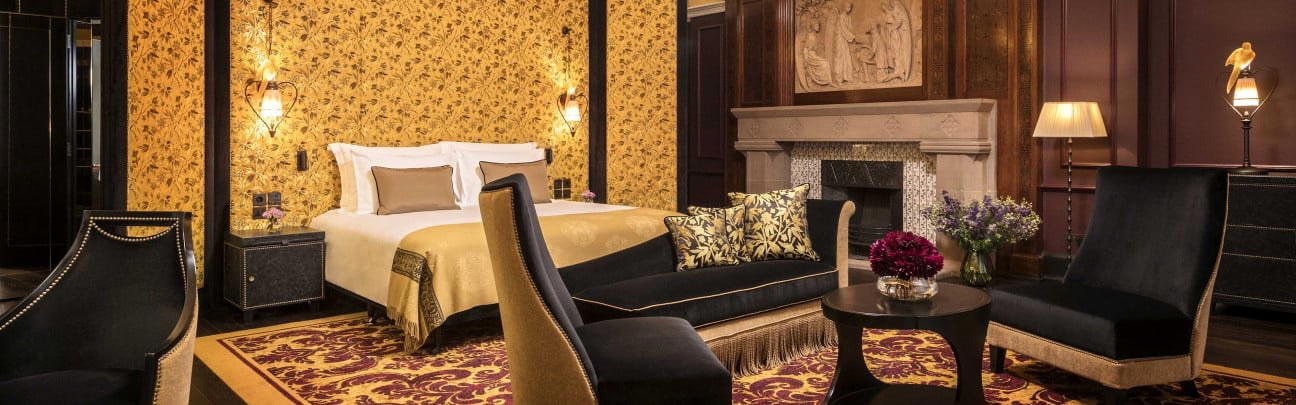
Bars in London
All bars in London →
Restaurants in London
All restaurants in London →



Details
- Elegant
- Well Known
- Sophisticated
- Classic
- Romantic Getaway
- Business Trip
- Anniversary
- Celebration
- Historic Building
- Rooftop Pool
- Destination Spa
- Terrace
- Panoramic View
- Wi Fi
- Indoor Pool
- Spa
- Fitness Center
- Room Service
- Concierge
- Valet Parking
- Restaurant
- Bar
- Sauna
- Pool
- Street Scene
- Wheelchair Accessible
- Elevator
- Accessible Restroom
- Step Free Entrance
- Accessible Parking
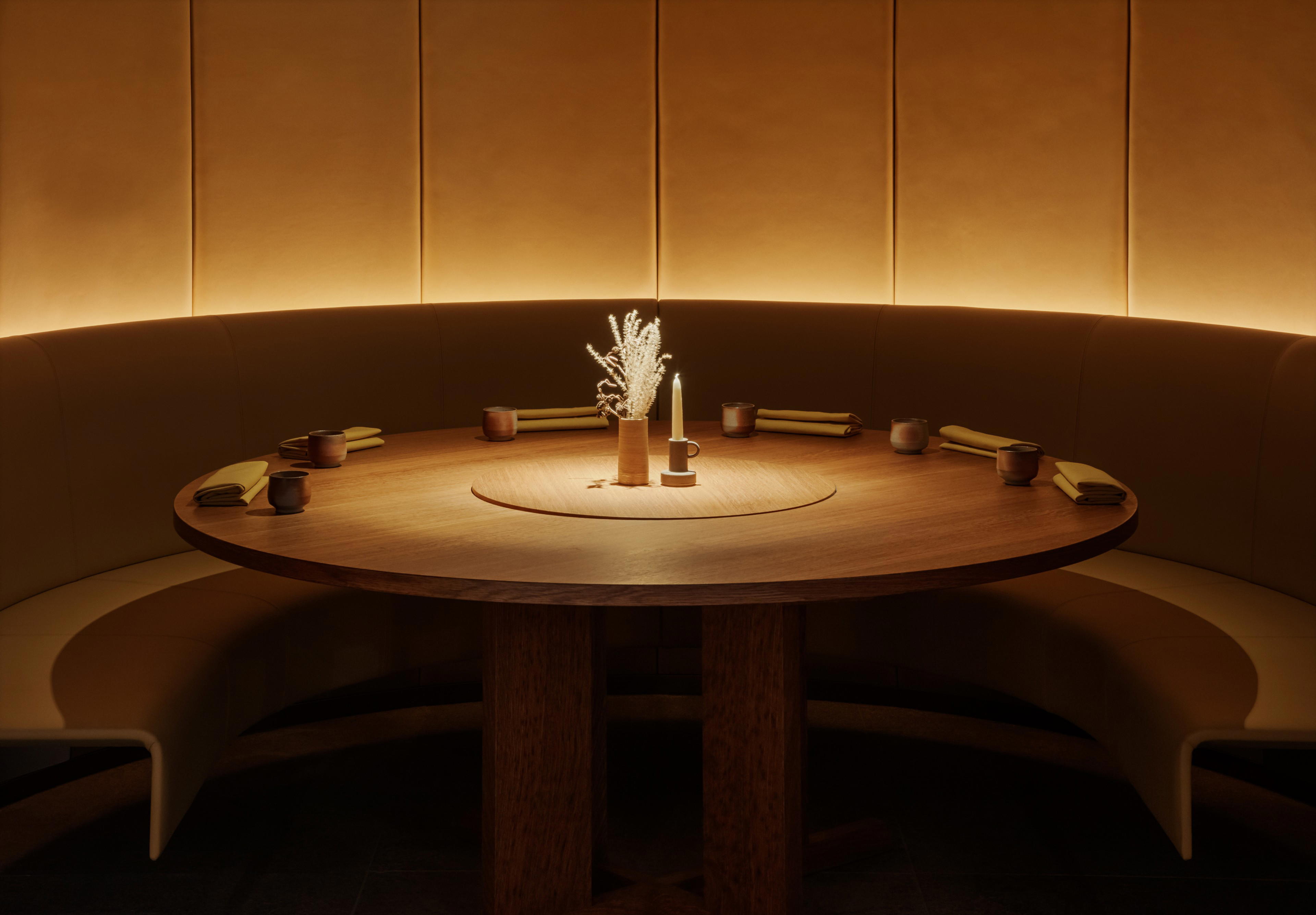
Historic grandeur with exposed brickwork and steel girders in the lobby, marble-tiled bathrooms, and Victorian-inspired design throughout; the Chambers Club exudes tranquility and exclusivity with elegant physical surroundings.