Smyth Tribeca


Preferred Hotels Member · Forbes Recommended
Smyth Tribeca occupies a 14-story boutique property on West Broadway in one of downtown Manhattan's most architecturally coherent neighborhoods. The 100-room hotel pairs Carrara marble bathrooms and wood-paneled common areas with penthouse terraces overlooking Tribeca and SoHo. A no-tipping lobby bar and complimentary car service within a 10-block radius set it apart from larger downtown competitors.

Pearl is the En Primeur Club membership app, where members save venues, book tables and use the concierge.
Where Lower Manhattan's Boutique Hotel Scene Has Landed
Downtown Manhattan's hotel market has bifurcated sharply over the past decade. On one side sit the large-format properties anchored to Midtown economics: high room counts, brand loyalty programs, conference infrastructure. On the other, a smaller cohort of independently minded boutique hotels has taken root in Tribeca and SoHo, where the architecture is cast-iron and the clientele arrives with different expectations. Smyth Tribeca, at 85 West Broadway, belongs to that second group. With 100 rooms across 14 floors and a design language that draws from archival New York photography rather than generic luxury codes, it sits closer in spirit to properties like Crosby Street Hotel and The Greenwich Hotel than to the brand-heavy options that cluster further uptown.
That positioning matters for how you read the property. This is not a hotel trying to replicate the formality of The Carlyle, A Rosewood Hotel or the architectural spectacle of Aman New York. Smyth Tribeca operates in a more restrained register, where the point is neighborhood immersion and considered comfort rather than trophy-lobby drama.
The Lobby as First Argument
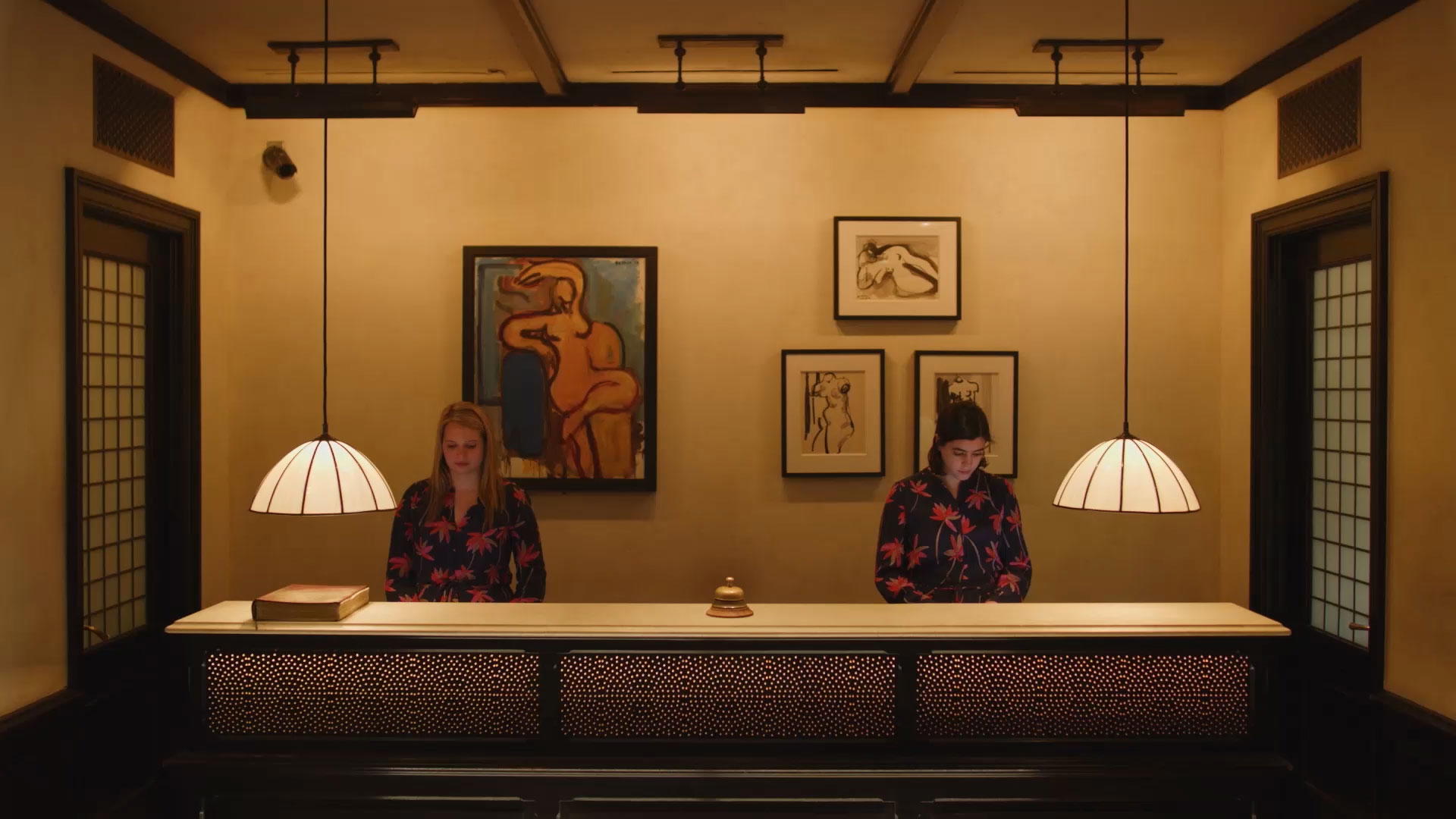
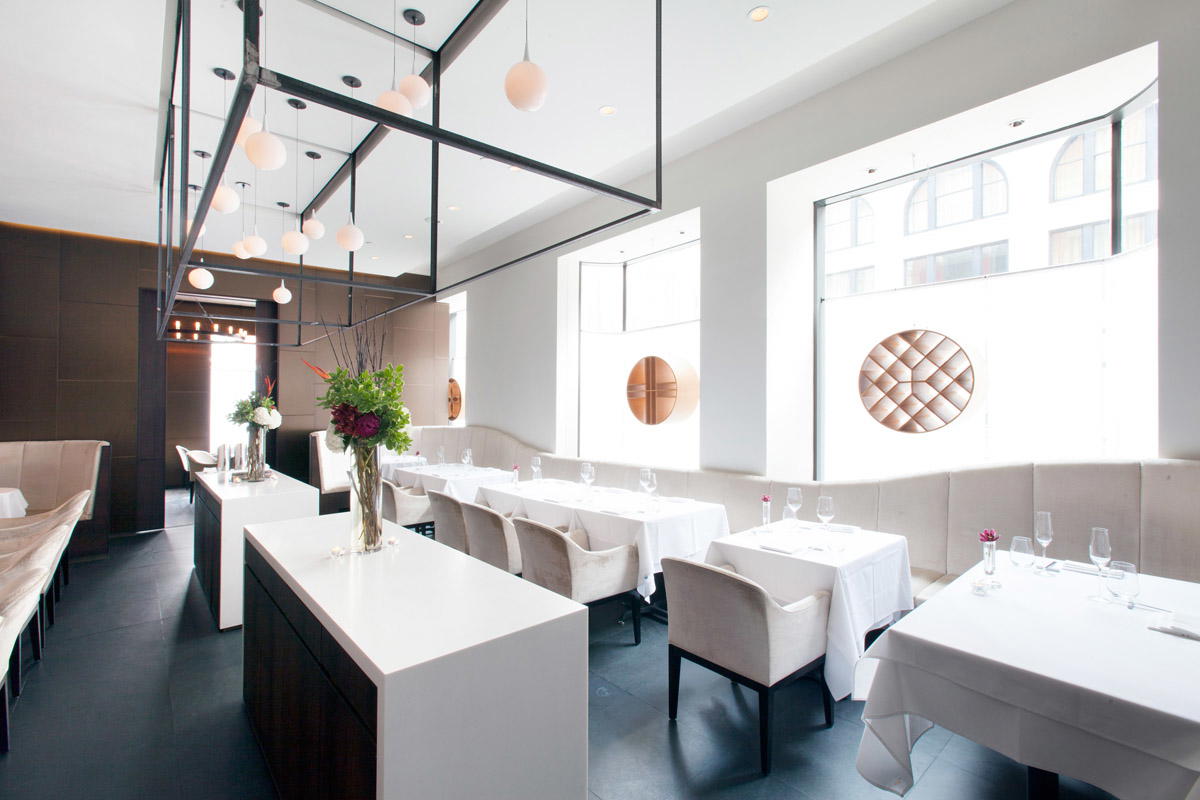
The ground-floor lobby makes a case for the hotel before you reach your room. Wood paneling runs through the common areas, and a fireplace anchors the lounge in a way that reads as genuinely residential rather than decoratively approximate. The aesthetic decision here reflects a broader pattern in Tribeca hospitality: the neighborhood draws residents and long-stay guests who want spaces that feel inhabited, not staged. Black-and-white archival prints and photographs of vintage New York and old Hollywood line the walls, a choice that connects directly to owner Larry Korman's involvement with the Tribeca Film Festival. The visual program gives the hotel a specific cultural identity rather than a generic one, and it holds up across repeated visits in a way that trend-chasing interiors often do not.
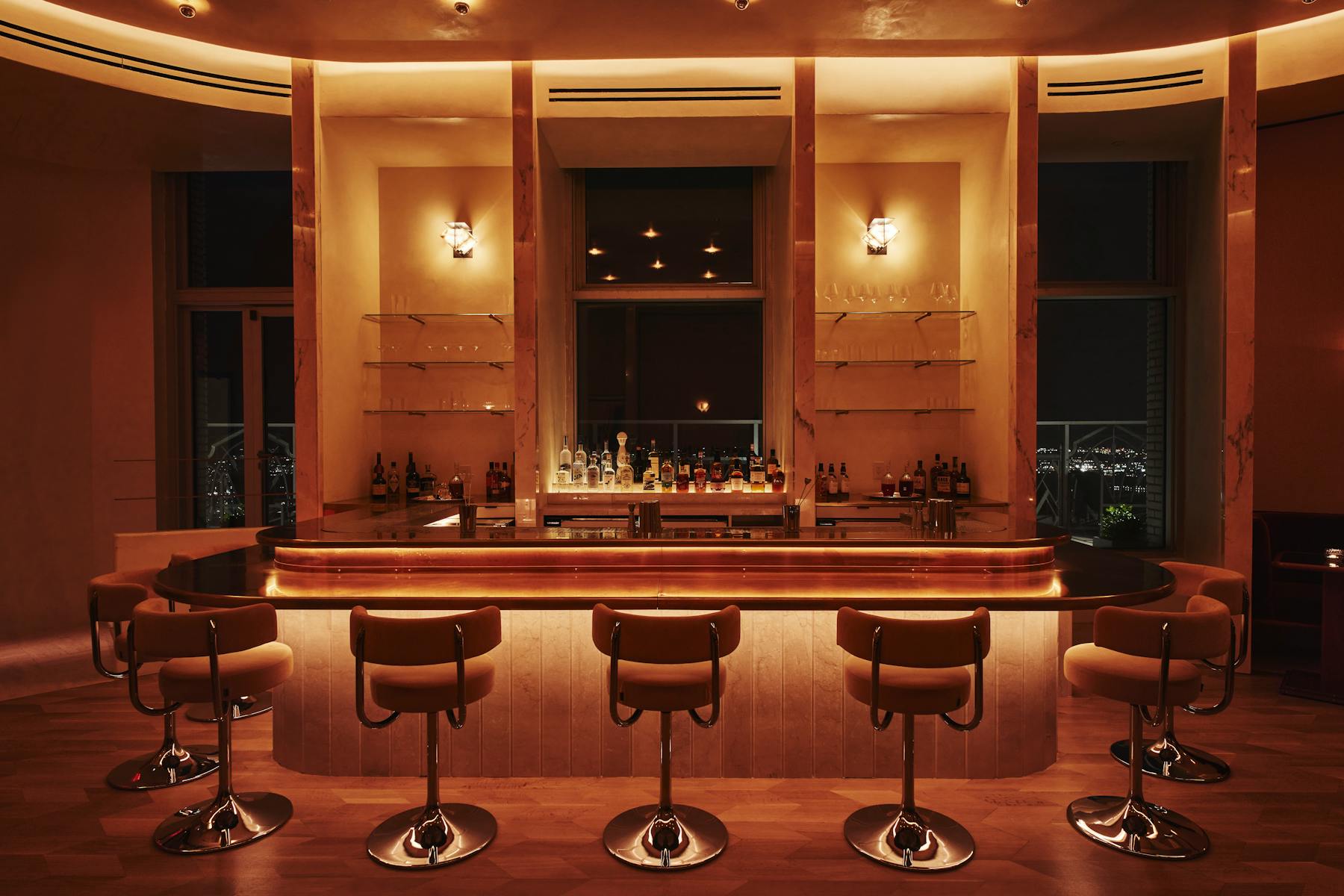
The lobby bar operates on a no-tipping policy, an increasingly common but still relatively rare commitment in New York's hospitality scene. The backlit wall behind the bar gives the space a low-lit warmth that makes it a credible stop for a glass of wine before dinner, not just a transit zone between the street and the elevator. For travelers comparing downtown options, this is the kind of operational detail that separates hotels with genuine hospitality intent from those running lobbies as afterthoughts.
Room Architecture and the Sensory Logic of the Floors
New York boutique hotels in the 100-room range typically operate on tighter floor plates than their larger competitors, and the quality differential between room categories tends to be more pronounced. At Smyth Tribeca, the gap between standard accommodation and the penthouse-level Specialty Suites is significant enough to treat as a genuine decision rather than an incremental upgrade.
Standard rooms across the property feature Carrara marble bathrooms with walk-in, glass-enclosed rain showers. The contemporary finish is consistent with the gray-heavy palette that runs through the hotel's common areas, creating a visual continuity between public and private spaces that better-designed boutique properties get right and many do not. Chromecast on-demand programming is standard across all rooms. The Platinum Collection accommodations add Amazon Echo integration, a practical distinction for guests who use voice-controlled environments habitually.
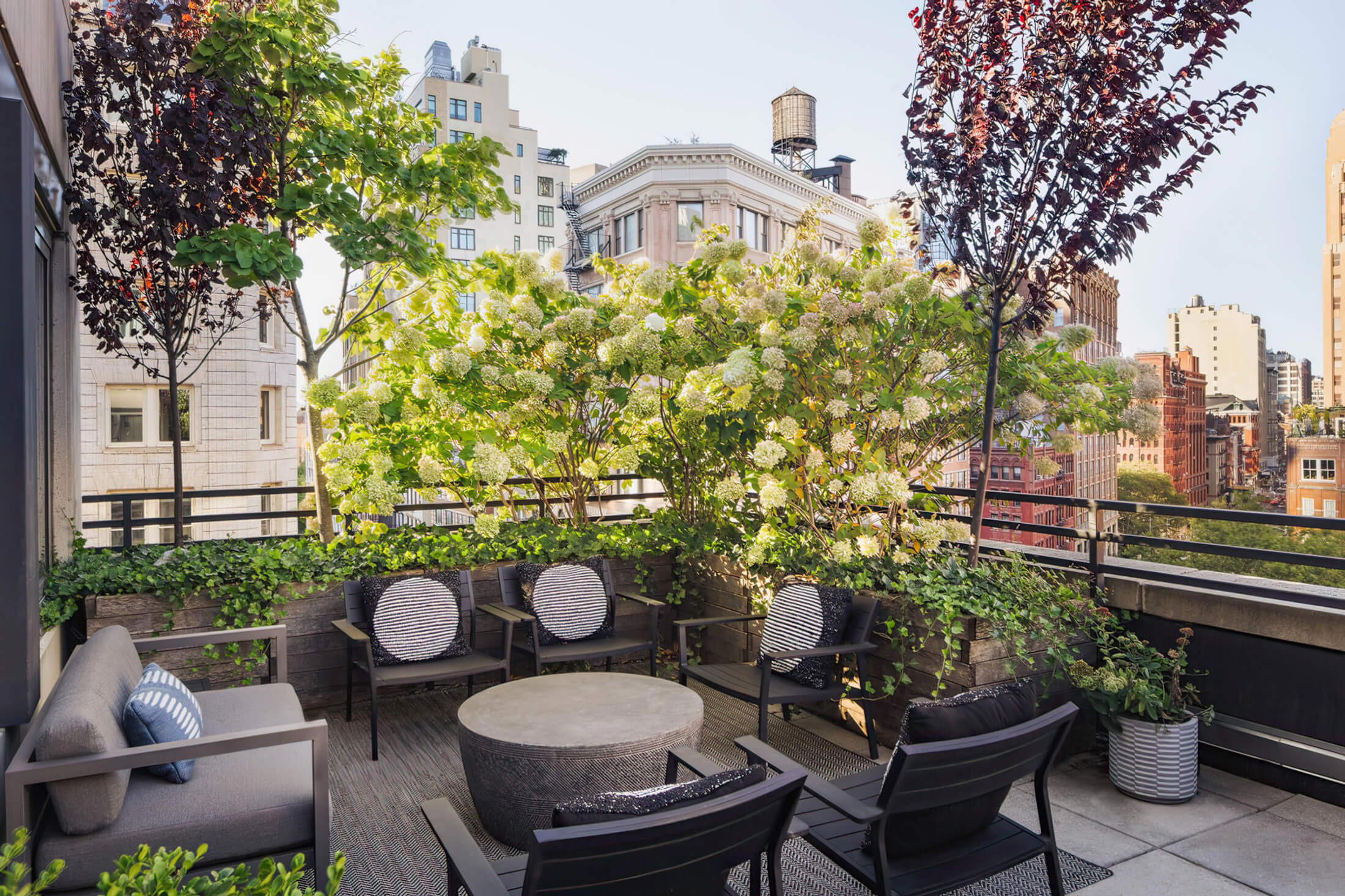
The Specialty Suites occupy the upper floors and open onto private terraces with views over Tribeca and SoHo. In a city where outdoor private space is genuinely scarce at the hotel level, these terraces function as a meaningful differentiator. The inspector note on record describes them as quiet garden oases within the city's density, and that framing is accurate to the Tribeca context: the neighborhood is quieter at street level than Midtown, and the rooftop terraces extend that relative calm vertically. For guests traveling in warmer months, when New York's outdoor access shifts the calculus of where to stay, the penthouse terraces carry real weight in the decision.
For readers considering alternatives with similarly residential ambitions, The Whitby Hotel and Casa Cipriani New York offer comparable boutique scale in different neighborhoods, with their own distinct design languages and amenity sets.
Location as Infrastructure
Tribeca's position in lower Manhattan makes it a genuinely functional base for a certain kind of New York visit, one that prioritizes downtown culture, financial district proximity, and the Hudson River waterfront over easy access to Central Park or Midtown's museum corridor. The hotel sits within walking distance of Brookfield Place, One World Trade Center and its observatory, SoHo's retail concentration, and Tribeca's own restaurant cluster. Hudson River Park, the nation's longest riverfront park, begins effectively at the end of the neighborhood's western blocks.
Multiple subway stations serve the immediate area. For guests who prefer not to walk, the hotel operates a complimentary car service covering a 10-block radius, an amenity that changes the practical experience of the property for anyone with mobility considerations or simply averse to New York's summer heat.
The density of the surrounding restaurant scene deserves mention. Tribeca holds a high concentration of serious independent restaurants, and the hotel's location makes evening dining on foot a realistic proposition across a range of formats and price points. Our full New York City restaurants guide maps the broader downtown dining context for guests planning around the hotel.
Where Smyth Tribeca Sits in the Wider Boutique Tier
New York's premium boutique hotel sector spans a wide range of positions. At the design-forward end, properties like The Fifth Avenue Hotel and The Mark operate with higher room counts and more elaborate public programming. At the quieter, neighborhood-integrated end, Smyth Tribeca competes with properties that prioritize location specificity and residential feel over amenity breadth.
That kind of sustained rating, across a meaningful sample, reflects a hotel that delivers reliably rather than one that peaks on opening momentum and drifts.
For travelers whose itineraries extend beyond New York, the contrast with property types in other markets is instructive. The design-led boutique model that Smyth Tribeca represents has parallels in places like Troutbeck in Amenia or SingleThread Farm Inn in Healdsburg, where the building's character and the surrounding neighborhood do significant work that a standardized brand property cannot replicate. The logic is similar even when the geography and price tier differ. Readers looking at the wider luxury spectrum might also consider Raffles Boston or, at the further end of the experiential spectrum, Amangiri in Canyon Point and Post Ranch Inn in Big Sur for a sense of how the design-led, sense-of-place hotel model plays across different American landscapes.
International comparisons that share some of Smyth Tribeca's aesthetic restraint include Aman Venice and Bvlgari Hotel Tokyo, though both operate at significantly higher price and scale positions. At the other end of the resort spectrum, Little Palm Island Resort and Spa and Kona Village, A Rosewood Resort show how the low-key, immersive lodging model translates to leisure-primary destinations.
Planning Your Stay
Smyth Tribeca operates 100 rooms at 85 West Broadway, with the property accessible via multiple downtown subway lines. Guests should book directly through the hotel's reservations process; given the property's boutique scale, room availability at the Specialty Suite level tightens during Tribeca Film Festival periods and major downtown events. Fall and spring tend to offer the leading combination of manageable weather and downtown cultural programming. The complimentary car service covers the immediate neighborhood, and the on-site gym supplements Hudson River Park's outdoor running options for guests who maintain exercise routines while traveling. The lobby bar's no-tipping policy is in effect for all drinks service at that counter.
Similar Picks
Comparable venues nearby, for context on price, style, and recognition.
| Venue | Cuisine | Price | Awards | Notes |
|---|---|---|---|---|
| Smyth TribecaThis venue (the venue you are viewing) | Mid-century modern Manhattan loft aesthetic with residential feel, eclectic Tribeca-inspired design showcasing timeless sophistication and artistic character. | $300–500 | Preferred Hotels Member · Forbes Recommended | Not listed |
| JW Marriott Essex House | Well-known Art Deco luxury hotel | $300–500 | Not listed | Midtown-Times Square |
| The Standard, High Line | Bold architectural statement perched on stilts above the High Line park | $300–500 | Michelin Selected | West Village |
| Soho House New York | Members-only creative club with luxury hotel accommodations in a historic industrial warehouse | $750–1,000 | Michelin Selected · Mr & Mrs Smith Seal of Approval | Meatpacking District |
| The Ritz-Carlton New York, Battery Park | Luxury residential-style hotel with well-known waterfront positioning. | Not listed | Not listed | Financial District-Battery Park City |
| The Garden City Hotel | Elegant full-service urban hotel with custom Italian furnishings and modern residential luxury suites. | Not listed | Star Wine List · Forbes Recommended | Garden City |
Recognition history
Dated appearances from independent guides and award organizations, with the underlying list record or original source where available.
Forbes Recommended
Forbes
Preferred Hotels Member
Preferred Hotels
Continue exploring
More in New York City
Hotels in New York City
All hotels in New York City →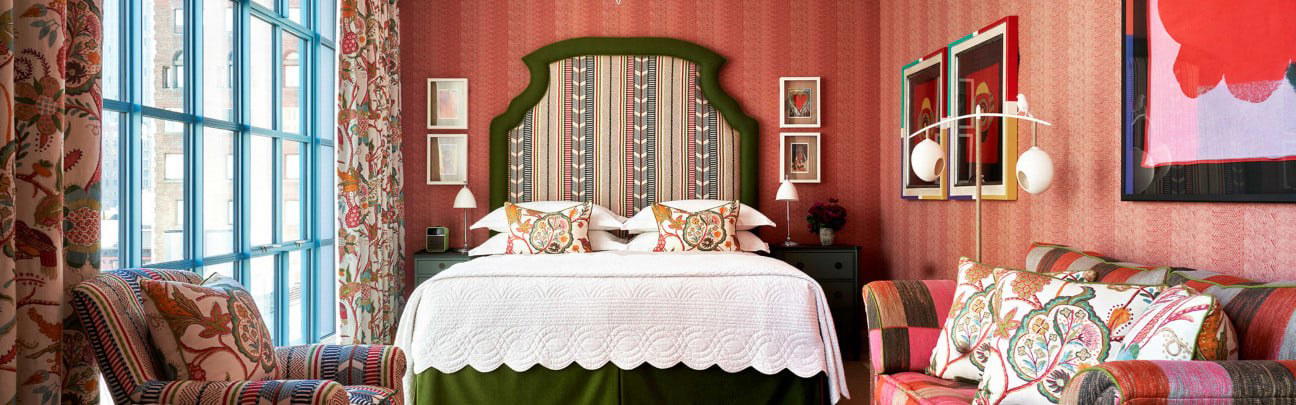
Bars in New York City
All bars in New York City →





Details
- Modern
- Sophisticated
- Elegant
- Trendy
- Romantic Getaway
- Business Trip
- Weekend Escape
- Celebration
- Terrace
- Panoramic View
- Private Dining
- Design Destination
- Wi Fi
- Fitness Center
- Restaurant
- Bar
- Room Service
- Concierge
- Business Center
- Valet Parking
- Laundry Service
- Skyline
- Wheelchair Accessible
- Elevator
- Accessible Restroom
- Accessible Parking
Warm and inviting with wood-paneled lobby, glowing bar, cozy fireplace nooks, and modern eclectic design reflecting Tribeca's artistic character; described as sophisticated yet residential in feel.