
Ekaa occupies the first floor of a colonial-era building in Fort, one of Mumbai's most architecturally layered neighbourhoods, where chef Niyati Rao applies a rigorous, ingredient-led lens to Indian cooking. The restaurant sits within a wave of contemporary Indian kitchens reshaping how the city eats, drawing on deep culinary traditions while refusing the nostalgia trap. It is among a small comparable set asking serious questions about what modern Indian cuisine can be.
Pearl is the En Primeur Club membership app — saves, bookings, and concierge access live there. Same editors, same standards.
- Address
- 1st Floor, Kitab Mahal, D Sukhadwala Rd, Azad Maidan, Fort, Mumbai, Maharashtra 400001, India
- Phone
- +91 99876 57989
- Website
- ekaamumbai.com
 Saves & bookings on Pearl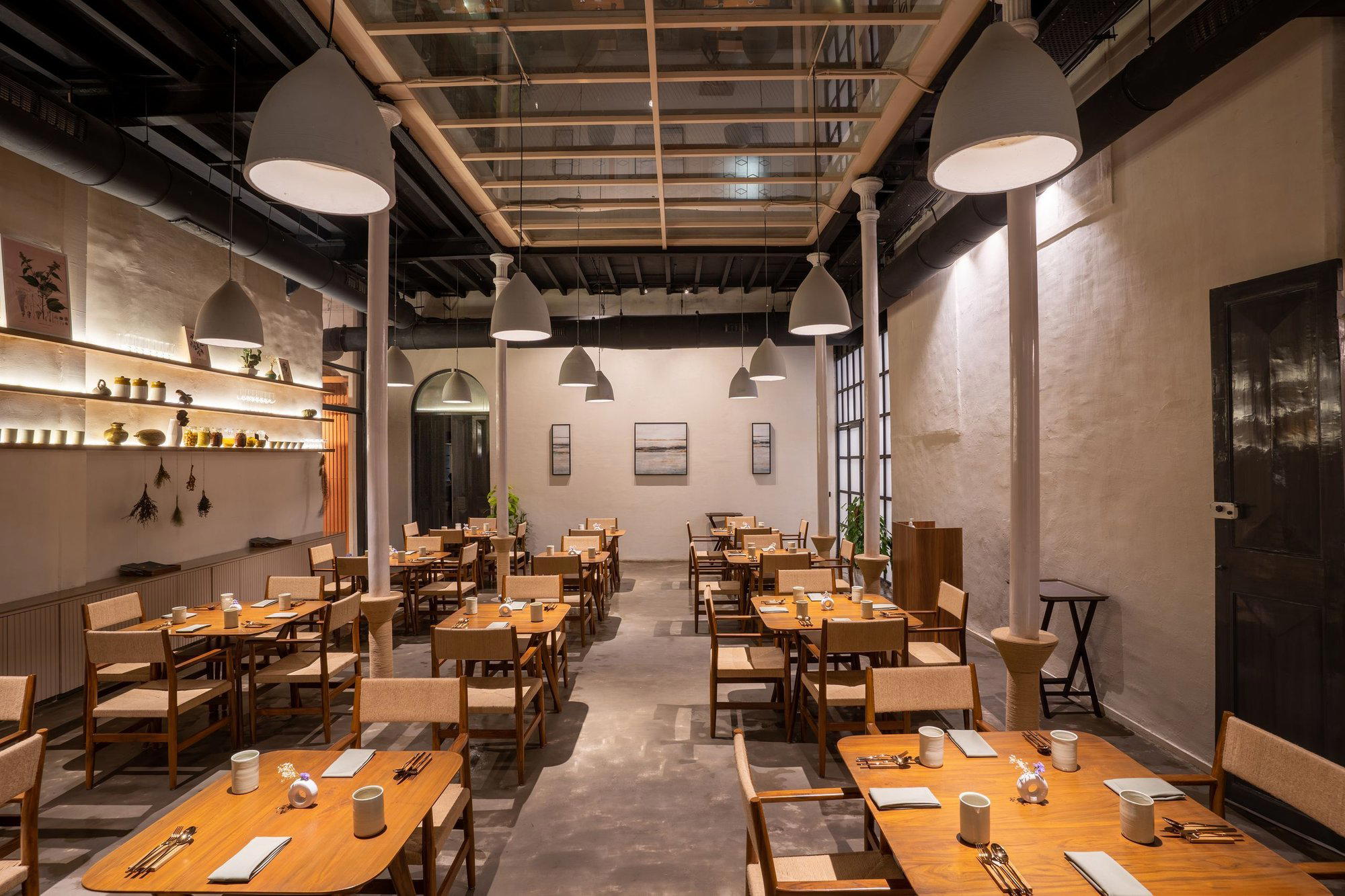
Fort's Colonial Frame, India's Forward Kitchen
Kitab Mahal is a 1920s heritage structure in Fort, Mumbai's southernmost dining district, where British-era office buildings have slowly given way to restaurants, galleries, and creative studios. The building's name translates to 'house of books', and its corridors carry the particular stillness of a space that has outlasted several purposes. Arriving at Ekaa's first-floor entrance, the architecture does some of the work: the setting signals that what happens inside intends to be read carefully, not consumed quickly.
Fort sits at the older, less frenetic end of Mumbai's dining geography. Unlike Bandra's crowded restaurant rows or Lower Parel's industrial-warehouse conversions, this neighbourhood rewards deliberate visitors. The streets outside are quieter in the evenings, the buildings carry actual history, and the restaurants that have chosen to open here tend to attract a crowd that is eating with attention rather than filling a Saturday night. For a kitchen with Ekaa's stated ambition, placing Indian ingredients and culinary logic at the centre of a tasting-format experience, the address is not incidental.
What Contemporary Indian Actually Means in This City
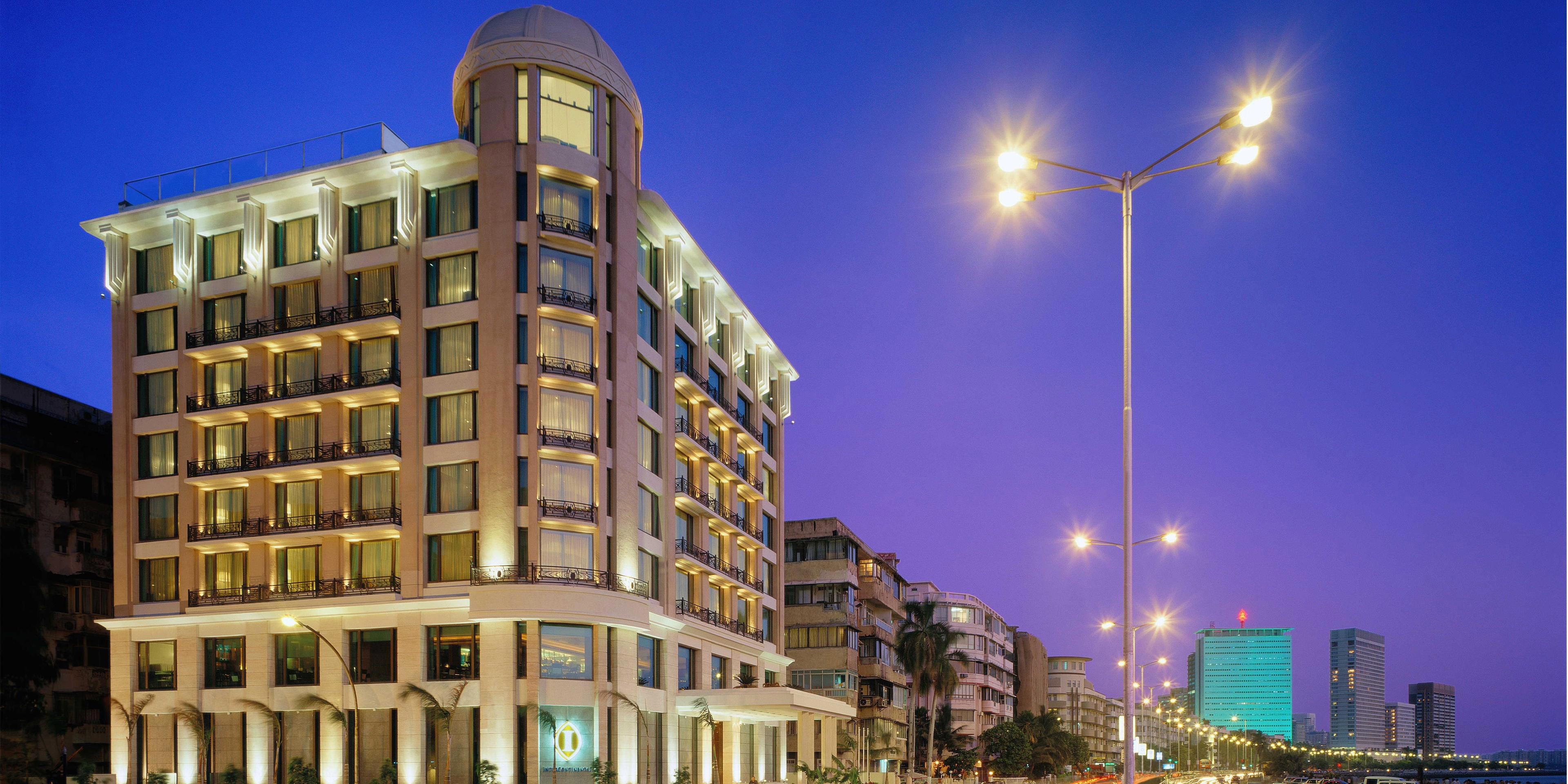
Mumbai has spent the past decade sorting out what it means to cook Indian food seriously. The question sounds obvious, but it has real fault lines. On one side sit the legacy restaurant groups serving regional classics in polished rooms, Dakshin, the grand Ziya at the Intercontinental, the South Indian canon done with craft and consistency. On the other side sits a younger cohort that has moved away from comfort-dish familiarity toward something more structurally interrogative: Masque using indigenous Indian produce as both ingredient and argument; The Bombay Canteen treating regional vernacular cooking as source material for a more playful, accessible idiom; The Table and Americano drawing from global technique while remaining anchored in local produce relationships.
Ekaa sits closer to the serious, ingredient-driven end of that spectrum. Chef Niyati Rao has built a kitchen around the premise that Indian cooking contains enough formal complexity, in its spice logic, its fermentation traditions, its regional produce diversity, to carry a tasting-format experience without borrowing structural authority from European fine dining. That is a harder position to hold than it sounds. It requires the kitchen to resist both the nostalgia pull of recreating grandmother's dal and the prestige pull of applying French technique to Indian ingredients as a legitimising gesture. Ekaa, in its better moments, refuses both exits.
This places the restaurant in a peer conversation that extends beyond Mumbai. Farmlore in Bangalore pursues a similar farm-to-format discipline with Karnataka produce. Avartana in Chennai has reframed South Indian cooking through a tasting-menu lens with considerable critical recognition. Naar in Kasauli takes Himalayan ingredients into territory that makes similar arguments about culinary specificity. Even Adaa at Falaknuma Palace in Hyderabad operates within the broader question of what it means to present Indian cooking with formal intentionality. Against Bukhara in New Delhi, which has spent decades building authority through consistency and heritage, this newer cohort is doing something structurally different: treating the tasting format as a space for culinary argument, not ritual comfort.
Niyati Rao and the Chef-as-Interpreter Tradition
In the international context of chef-driven tasting restaurants, there is a well-worn model: the chef as biography-made-food, where every dish translates a personal journey into something edible. That model produces compelling stories but often mediocre food. The more demanding version, exemplified by counters like Atomix in New York City or fish-forward precision kitchens like Le Bernardin in New York City, asks the chef to function as interpreter of a tradition rather than protagonist of a personal narrative. The cuisine's logic is the story; the chef's job is to make that logic visible.
Rao works in that second mode. Her kitchen's reputation rests on the argument that Indian ingredients and cooking methods carry enough formal interest to anchor a serious tasting sequence without the crutch of biographical framing or imported prestige. The awards recognition her name has accumulated reflects that position being taken seriously by the people who evaluate these things, not just within India but in the broader conversation about where Asian tasting-menu cooking is heading.
The Cultural Weight of the Ingredient Argument
India's culinary diversity is among the most documented and least understood in serious food writing. The country contains dozens of distinct regional cuisines, each with its own fermentation traditions, spice architectures, and seasonal ingredient calendars. What gets exported under the label of 'Indian food', the north Indian curry canon that colonised British high streets, the buffet-format familiarity of mid-market diaspora restaurants, represents a narrow slice of that diversity, preserved partly through nostalgia and partly through commercial convenience.
The kitchens operating at Ekaa's level are, among other things, making an argument about representation. When a restaurant in Fort Mumbai builds a tasting sequence around obscure Indian ferments, hyper-regional produce, or cooking methods that predate Mughal influence, it is doing something that carries cultural weight beyond the plate. Baan Thai in Kolkata makes a parallel move within the South-East Asian canon, finding in Thai cooking a depth of regional specificity that mainstream representation obscures. The editorial argument, that serious cooking requires returning to primary sources, crosses national cuisines.
For diners arriving at Ekaa without that frame, the food may read as ambitious and somewhat intellectual. For those who have spent time thinking about what Indian cooking contains beyond its most familiar registers, the kitchen's choices will read as a considered position statement. Both readings are available. The more rewarding one requires some preparation.
Planning Your Visit to Ekaa
Ekaa is located at Kitab Mahal on D Sukhadwala Road in the Fort district of South Mumbai, a ten-to-fifteen-minute drive from CST railway station depending on traffic. Fort is most accessible in the early evening before the city's traffic peaks; visitors coming from Bandra or further north should budget generously for transit time. The restaurant operates on the first floor of the building, and the neighbourhood's general quietness makes it an easier arrival than most Mumbai dining addresses.
Given Ekaa's position at the serious, format-driven end of Mumbai's contemporary Indian scene, reservations should be treated as necessary rather than optional. The restaurant draws a mix of local food-forward regulars and internationally aware visitors, and tables at peak service times book ahead. For those building a broader South Mumbai evening, the Fort neighbourhood rewards a walk before dinner: the architecture along D N Road and the surrounding streets is among the most intact colonial-era streetscape in the city.
Cuisine and Awards Snapshot
Comparable venues nearby, for context on price, style, and recognition.
| Venue | Cuisine | Price | Awards | Notes |
|---|---|---|---|---|
| EkaaThis venue — the venue you are viewing | Modern Interpreted Indian Fusion | $$$$ | ||
| Paradox | Contemporary Cocktail Bar with Small Plates | $$$ | , | Lower Parel |
| Dakshin | Authentic South Indian Fine Dining | $$$$ | , | Sahar |
| Copper Chimney Juhu | Authentic North Indian | $$$ | , | Juhu Beach, Mumbai |
| O Pedro | Modern Goan-Portuguese | $$$ | Kolekalyan | |
| Mahesh Lunch Home | Authentic Mangalorean Seafood | $$$ | , | Fort Mumbai |


At a Glance
- Intimate
- Elegant
- Cozy
- Sophisticated
- Date Night
- Special Occasion
- Celebration
- Open Kitchen
- Private Dining
- Historic Building
- Craft Cocktails
- Local Sourcing
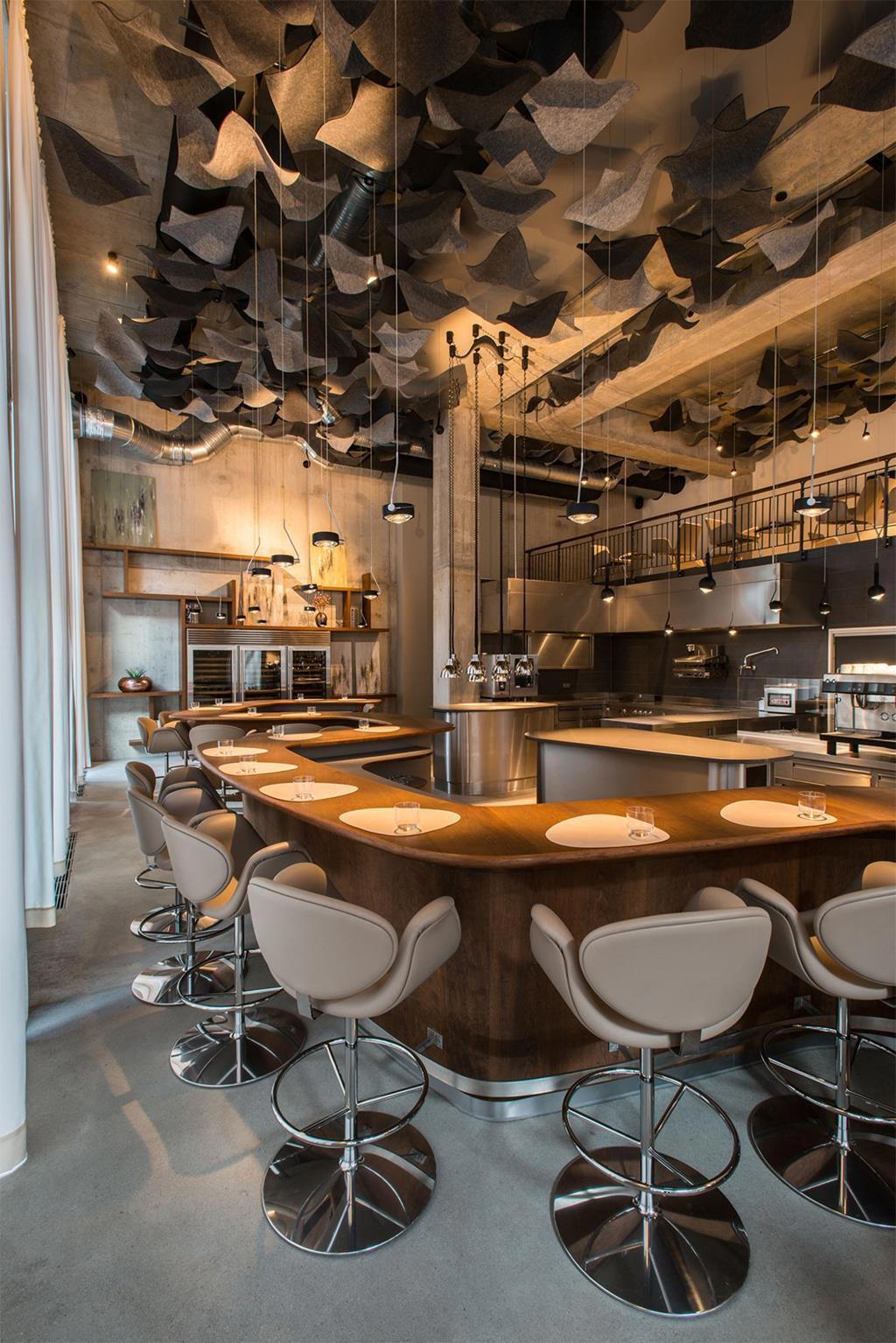
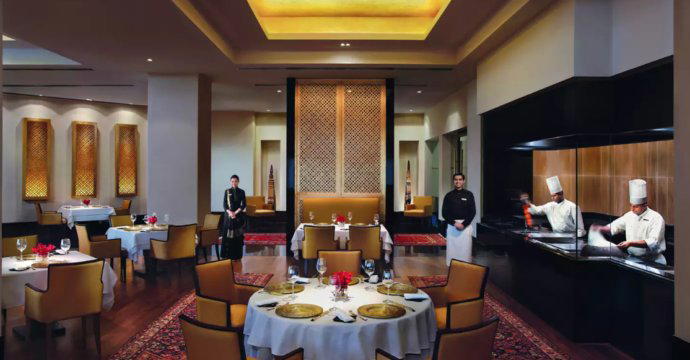
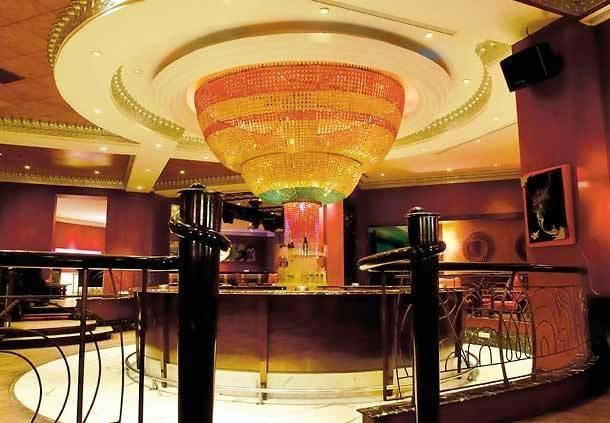
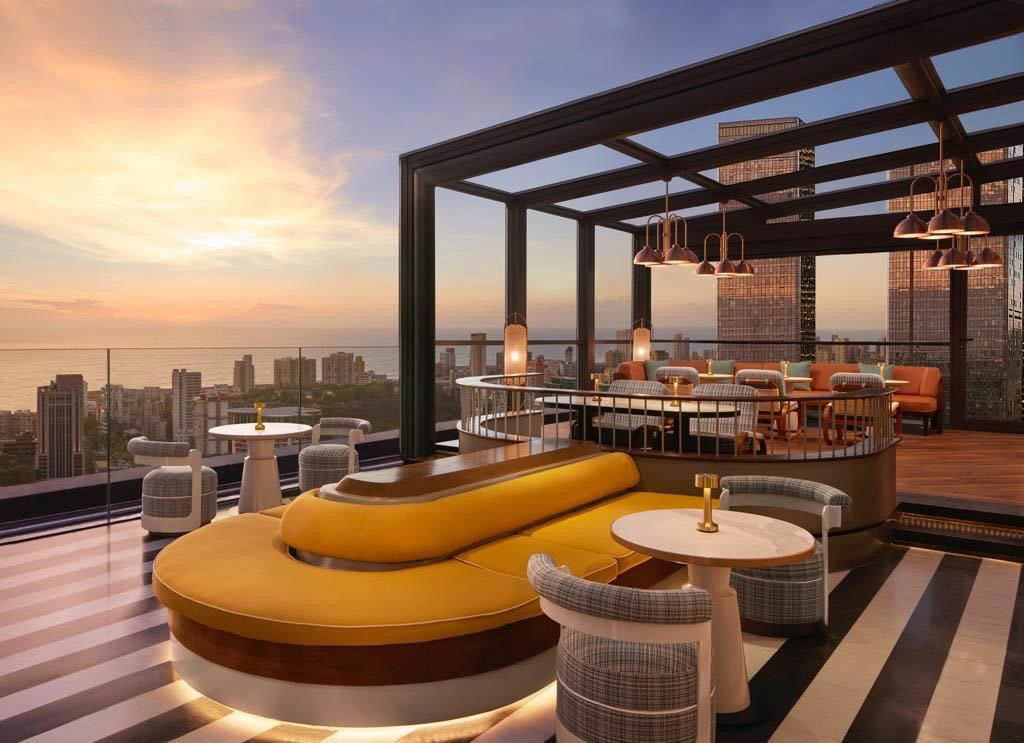
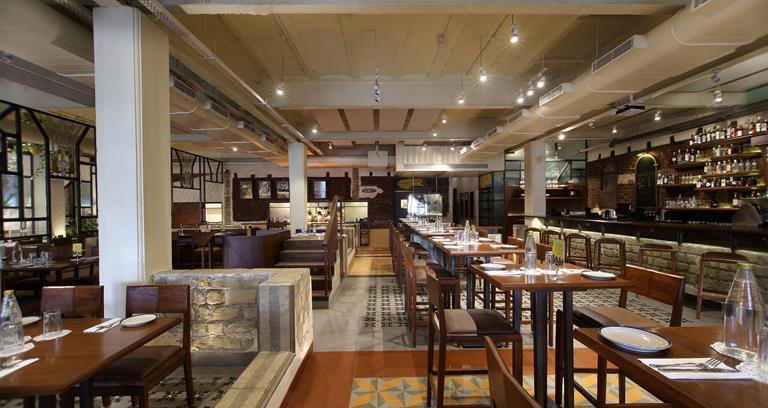
Intimate and cozy setting in the tapas and bar area, elegant heritage ambiance with interactive open kitchen.