Rebali Riads

Rebali Riads sits in Sidi Kaouki, a windswept Atlantic village south of Essaouira that operates at a different register to Morocco's busier resort corridors. Recognised by La Liste's Top Hotels ranking with 93 points in 2026, the property belongs to a category of Moroccan accommodation where riad architecture and coastal isolation define the offer as much as any amenity list.
Pearl is the En Primeur Club membership app — saves, bookings, and concierge access live there. Same editors, same standards.
- Address
- Sidi Kaouki
- Phone
- +44 20 7112 0019
- Website
- rebaliriads.com
- Directions
- Get directions
 Saves & bookings on Pearl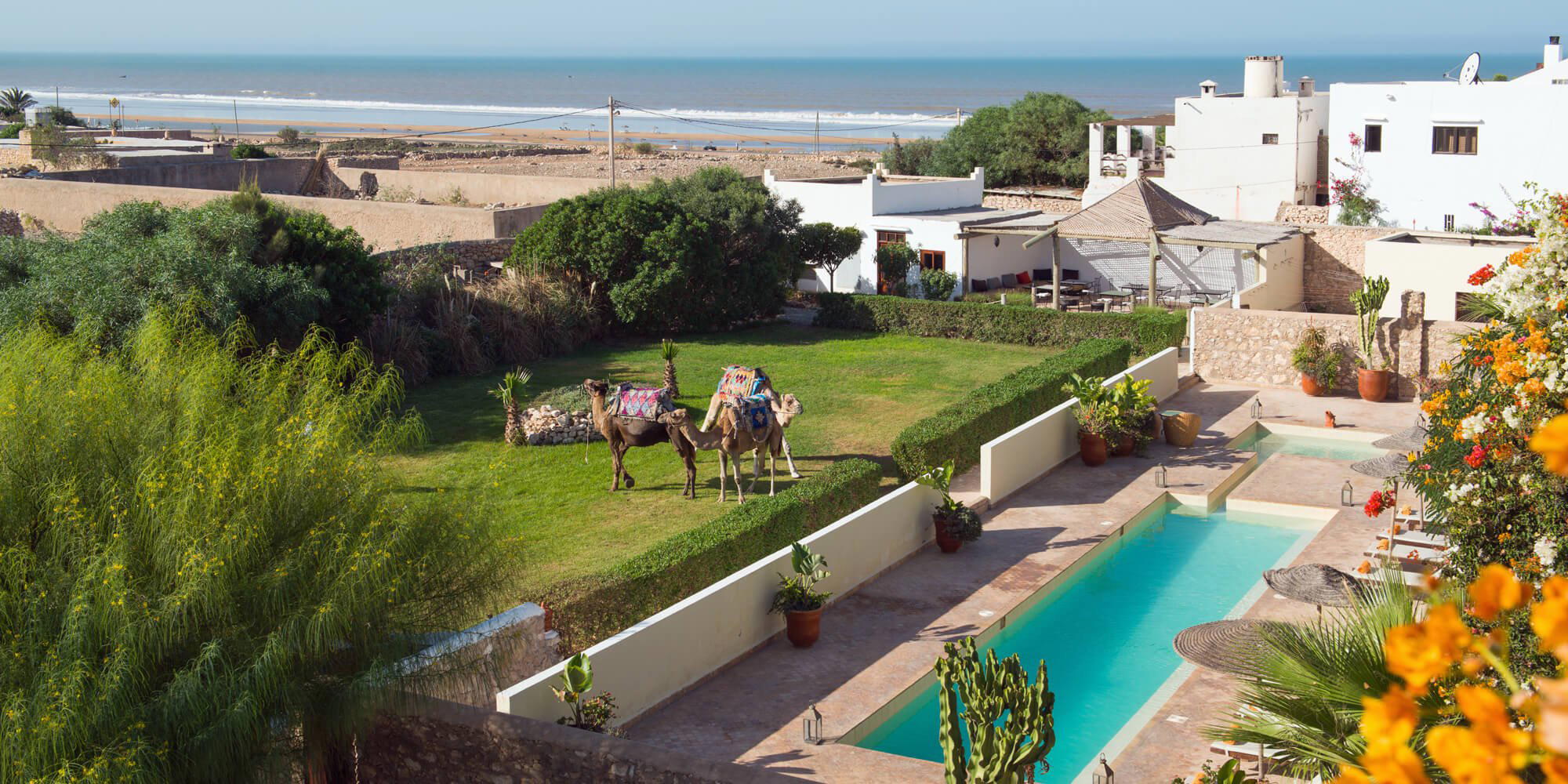
Where the Atlantic Meets the Riad Tradition
Sidi Kaouki is not the Morocco most international travellers picture. There is no medina labyrinth, no djemaa el-fna theatre, no convoy of tourist coaches. What there is, approximately 25 kilometres south of Essaouira along a coastline that faces the open Atlantic without interruption, is a village whose character has been shaped almost entirely by wind, surf, and a long tradition of Gnawa pilgrimage to the local shrine. The dunes run close to the road. The beach is enormous and frequently empty. The light changes with the weather in ways that a more sheltered location simply cannot produce. Rebali Riads sits within that context, and understanding what the property offers requires understanding the place first.
For further context on the broader Sidi Kaouki area, see our full Sidi Kaouki restaurants guide.
Riad Architecture Beyond the Medina
The riad as a building type originated in the Islamic Mediterranean as an inward-facing residential form: high external walls presenting minimal surface to the street, all life oriented toward a central courtyard garden. In Moroccan cities, the form became synonymous with the medina — Marrakech's Mellah and Bab Doukkala districts, Fes's Andalusian quarter, the old town of Essaouira. Transposing that architectural logic to a coastal village introduces an interesting tension. The riad's instinct is inward; the Atlantic coastline's drama is entirely outward. Properties that resolve this tension well tend to produce spaces that feel genuinely considered rather than generically picturesque.
Rebali Riads works within that productive contradiction. The riad plural in the name is telling: the property comprises multiple structures rather than a single residence, which is a format that allows for varied spatial experiences across a stay. Where a single urban riad might feel like a private house, a compound of riads on the Atlantic edge operates more like a village within a village, each unit potentially offering a different relationship with light, courtyard proportion, and the sound of the ocean beyond the walls.
Morocco's wider premium accommodation sector has moved, over the past decade, toward two distinct poles: large internationally affiliated hotels in the resort corridors (La Mamounia in Marrakesh and properties like the Hyatt Regency Casablanca representing the grand-hotel tradition; Hilton Taghazout Bay and Mazagan Beach and Golf Resort the resort-amenity model) and smaller, design-led properties that prioritise architectural integrity and location specificity over programmatic volume. Rebali Riads sits clearly in the second group.
The La Liste Signal and What It Means Here
La Liste's Leading Hotels ranking draws on a broad methodology that weights editorial recognition, booking platform data, and direct traveller assessment. A 93-point score in 2026 places Rebali Riads meaningfully above the median of internationally noticed properties, and does so without the infrastructural advantage of a city-centre location or a branded hotel group behind it. That matters in the context of a small coastal village. Properties like Hotel Sahrai in Fes or La Sultana Oualidia achieve similar recognition through design discipline and location-specific identity rather than amenity multiplication. Rebali Riads sits in that company.
For comparison, Morocco's most decorated properties in cities, Fairmont Tazi Palace Tangier, Fairmont La Marina Rabat, and Fes Marriott Jnan Palace, operate within the logic of the full-service urban hotel. Rebali Riads operates within an entirely different logic: the logic of a place that earns its recognition through what it edits out as much as what it includes.
Atmosphere and Spatial Character
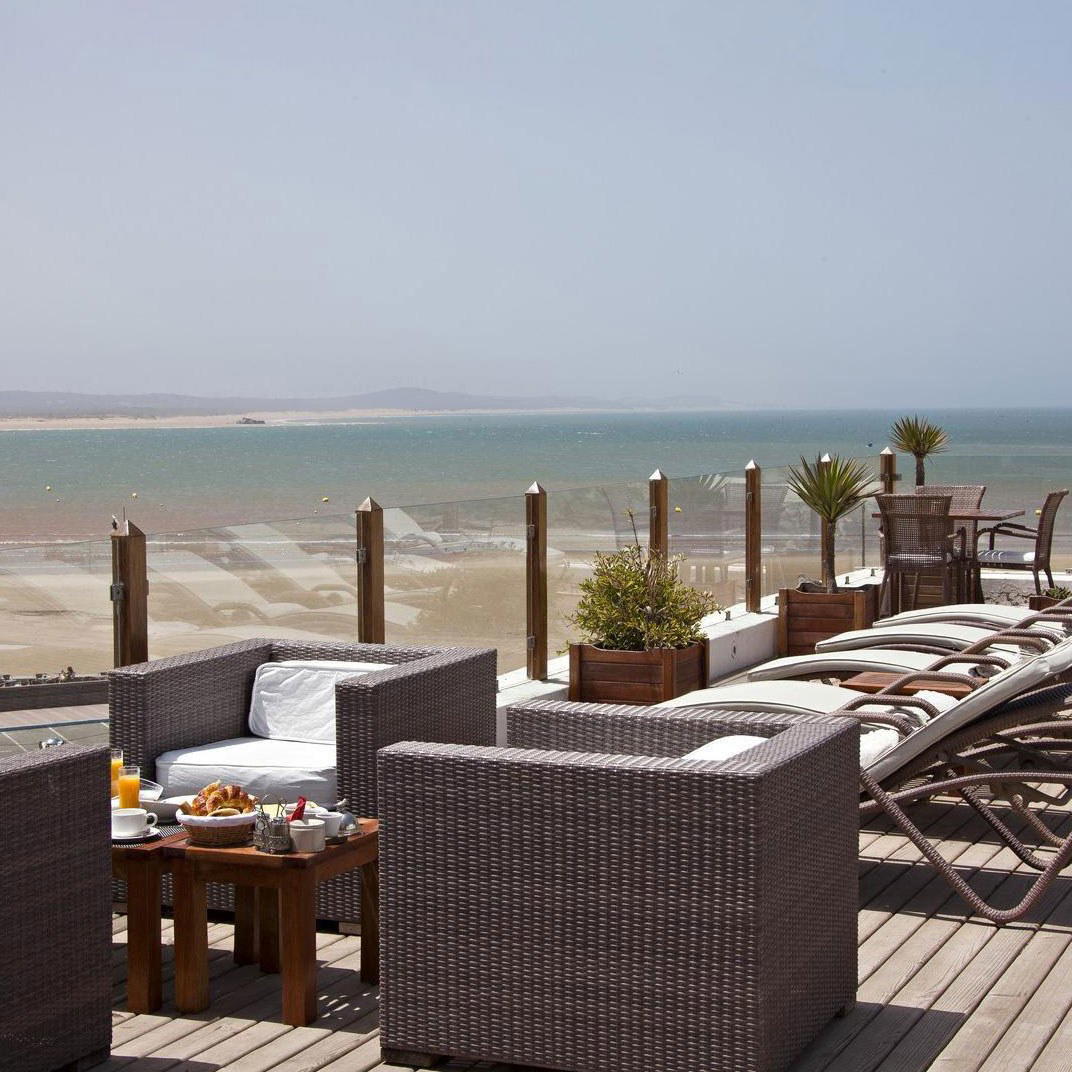
The Atlantic coast of Morocco between Essaouira and Agadir is one of the continent's more compelling stretches of working coastline. Sidi Kaouki specifically benefits from consistent wind, which makes it a reference point for kitesurfers and windsurfers from across Europe, and from a beach that extends far enough in both directions to absorb the relatively small number of people who come here. The village itself is small and without the commercial density of Essaouira's medina. That sparsity is not a limitation; it is the entire atmospheric proposition.
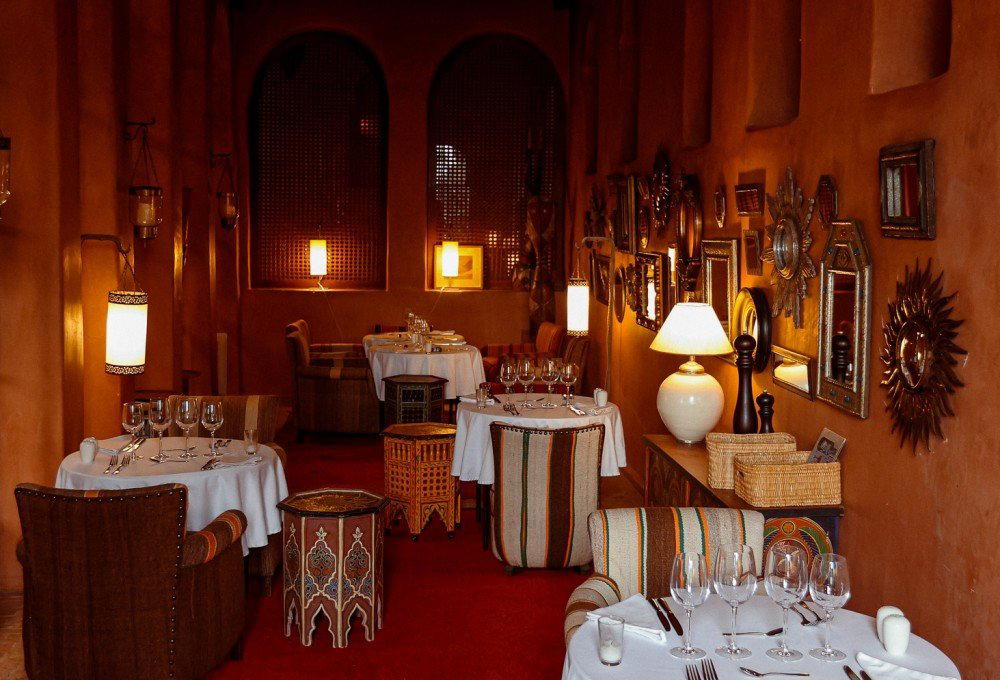
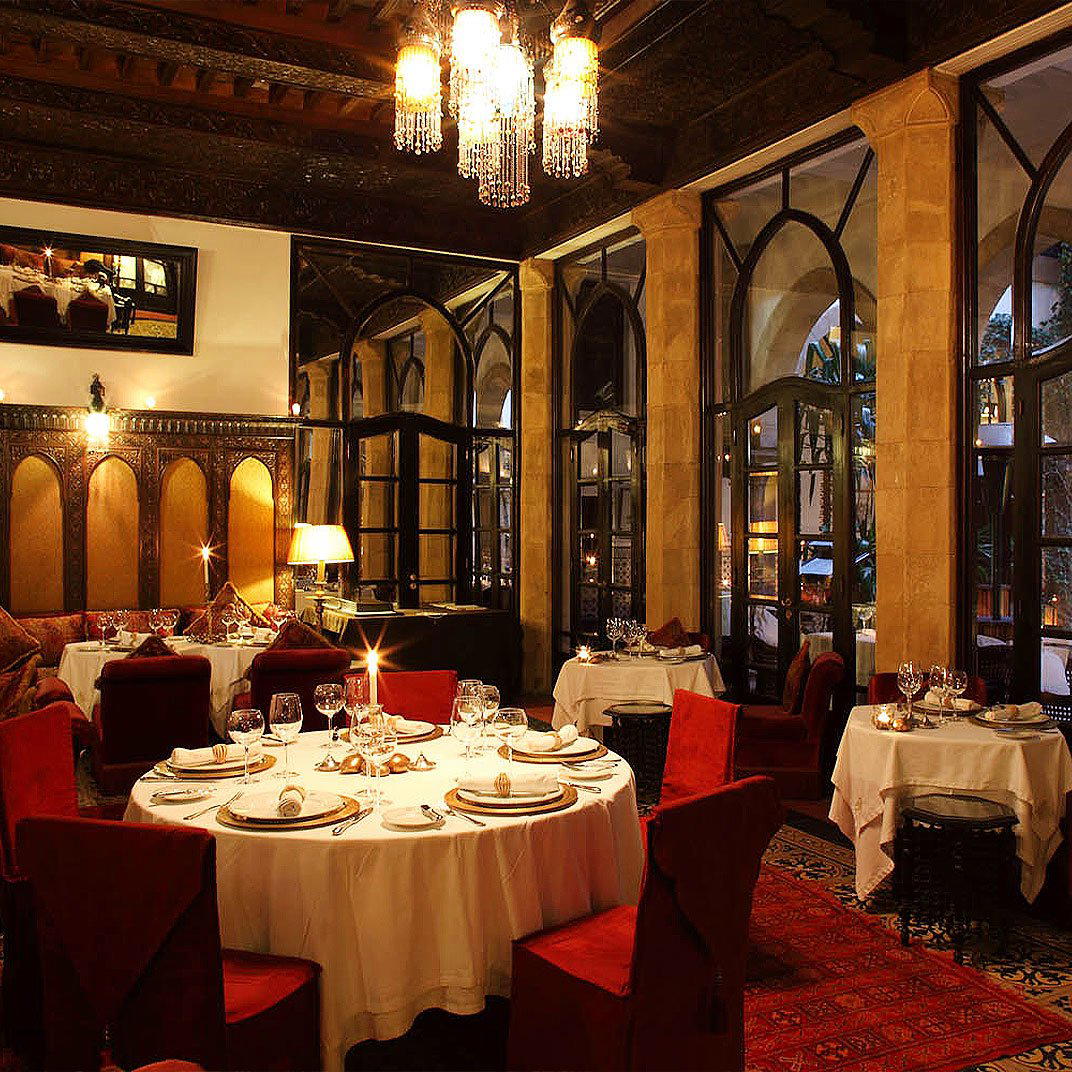
Within that setting, a riad compound creates a deliberate counterpoint: enclosed courtyards where the wind drops, shaded by bougainvillea or citrus, with the ocean audible but not visually dominant. The shift in register between interior and exterior at a property like Rebali Riads is more pronounced than at an urban riad, precisely because the exterior is so kinetic. The architecture performs a different function here than it does in a city: it is not filtering out medina noise but Atlantic weather, and the resulting interior feel tends toward a particular kind of stillness that urban properties cannot replicate.
Travellers comparing this type of property to alternatives along the Atlantic coast, Dar Maya in Essaouira occupies a related architectural register with a different urban anchoring, will find Sidi Kaouki's version more isolated and correspondingly more immersive. Properties further afield along Morocco's coastline, such as La Fiermontina Ocean in Larache or Banyan Tree Tamouda Bay near Fnideq, draw from the Mediterranean rather than Atlantic coast character, which produces a meaningfully different experience.
Planning a Stay
Sidi Kaouki is most practically accessed via Essaouira, which has a small airport with seasonal connections from European cities, or overland from Marrakech along a route that takes roughly two and a half hours. The village has limited dining infrastructure beyond the property itself and a small number of local cafes near the beach, so prospective guests should treat this as an accommodation-centred rather than town-centred itinerary. The Atlantic wind pattern means the coastline here is at its most consistent for watersports between spring and early autumn, though the property's enclosed courtyard architecture makes it a reasonable proposition in the quieter winter months as well, when Essaouira's shoulder-season crowd thins further. Booking should be approached directly or through specialist Morocco travel agents, given the property's scale and independence from major hotel platforms. Those interested in comparing across Morocco's independent design-led segment would also want to consider Kasbah Tamadot in Asni, Michlifen Resort in Ifrane, and Villa Mabrouka in Al Hoceima for a broader picture of what the country's non-urban premium tier looks like.
Quick Comparison
| Venue | Cuisine |
|---|---|
| Rebali RiadsThis venue — the venue you are viewing | This venue |
| Royal Mansour | World's 50 Best |
Recognition history
Dated appearances from independent guides and award organizations, with the underlying list record or original source where available.
La Liste Top Hotels
La Liste
Continue exploring
More in Sidi Kaouki
Hotels in Sidi Kaouki
Browse all →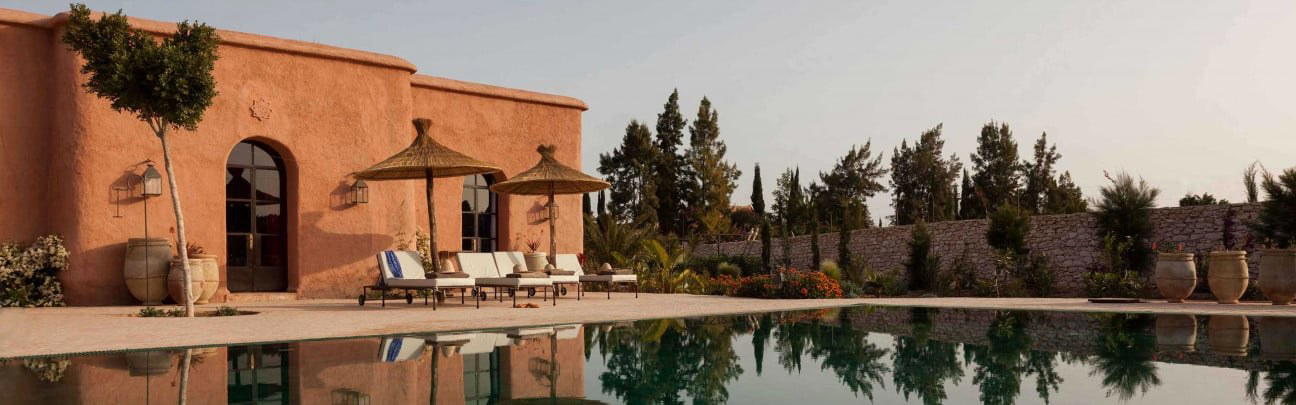
Bars in Sidi Kaouki
Browse all →
At a Glance
- Quiet
- Scenic
- Cozy
- Romantic
- Family Vacation
- Romantic Getaway
- Weekend Escape
- Honeymoon
- Group Retreat
- Private Villa
- Destination Spa
- Garden
- Terrace
- Panoramic View
- Beachfront
- Wi Fi
- Pool
- Spa
- Tennis Court
- Garden
- Beach Access
- Parking
- Restaurant
- Waterfront
- Garden
- Mountain
- Wi Fi
- Pool
- Spa
- Tennis Court
- Garden
- Beach Access
- Parking
- Restaurant
Quiet, scenic, and relaxed, with a secluded coastal atmosphere shaped by gardens, courtyards, Atlantic light, and views of beaches, coast, and mountains.
Know Before You Go
- Getting there
- Sidi Kaouki