Izakaya Deiriguchi

Tabelog 100 #69
Our verdict
Miyakojima’s izakaya culture is at its strongest when island produce, seafood, awamori and casual group dining share the same table. Izakaya Deiriguchi sits in that lane: Okinawan cooking, seafood and tavern staples with Tabelog 100 Izakaya WEST 2025 recognition, priced for a proper dinner rather than a quick snack.

Pearl is the En Primeur Club membership app — saves, bookings, and concierge access live there. Same editors, same standards.
- Address
- Nishizato-224 Hirara, Miyakojima, Okinawa 906-0012, Japan
- Phone
- +81 980-72-8017
- Hours
- Mon 6–10:30 PMTue ClosedWed–Sun 6–10:30 PM
- Website
- instagram.com
- Directions
- Get directions
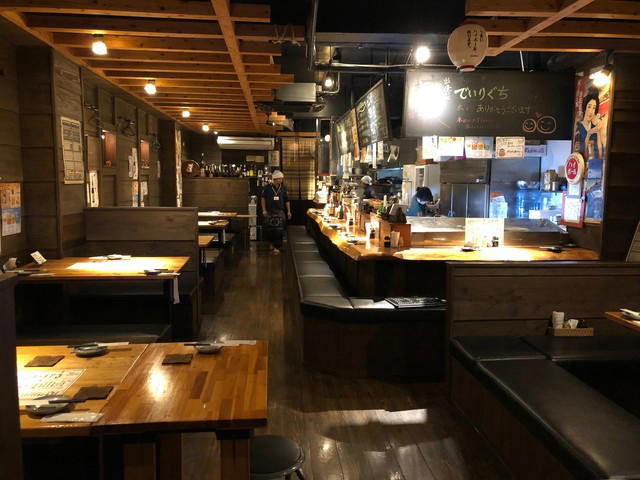
The menu
What to order
- Fresh local sashimi platter
- Goya chanpuru
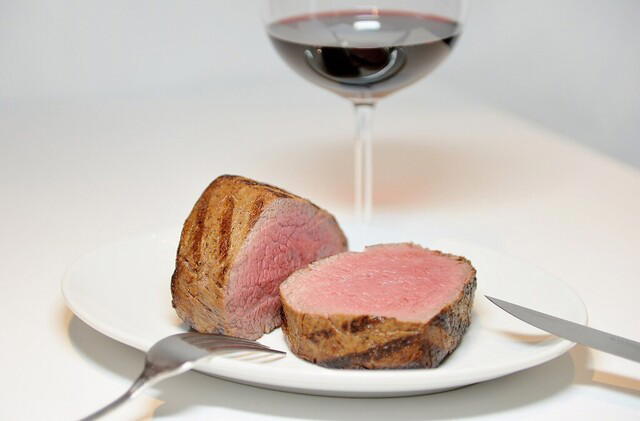
- Miyako beef steak
- Taco rice
Miyakojima after dark has a different rhythm from the resort edges of the island. The centre of the evening gathers around narrow streets, small signs, taxis, after-beach groups and the low clatter of dinner rooms shifting from first drinks to second orders. In that setting, the island izakaya is not a side note to the trip; it is where Miyakojima dinner becomes social food rather than hotel food.
Izakaya Deiriguchi belongs to the more useful end of that category. The cooking is framed around izakaya, Okinawan cuisine and seafood, which gives it a clear identity without turning the meal into a resort script. That matters in a place where the visitor economy can flatten dinner into convenience. A serious local izakaya keeps the meal anchored to the island: shared plates, seafood, tavern rhythm and the kind of ordering pattern that rewards groups who want breadth over formality.
Miyako ingredients in an izakaya format, not a resort dining script
The better argument for eating izakaya in Miyakojima is context. Okinawan food has always been shaped by distance, climate and trade, but Miyakojima adds its own island logic: seafood is central, dinner is often social, and the meal can work less like a fixed sequence than a table that gradually fills. Deiriguchi’s category mix, izakaya, Okinawan cuisine and seafood, puts it in that practical middle ground between a drinking room and a local restaurant.
The recognition is not incidental. Tabelog Hyakumeiten recognition for 2025 places the restaurant inside a curated izakaya frame rather than a generic island dining list. The listed Tabelog score of 3.61 is also a useful signal in Japan, where scores tend to be conservative and category-specific. For travellers, the point is not trophy dining. It is that a Miyakojima tavern in this category has enough critical traction to sit beyond the usual tourist filter.
That distinction is easier to see against the island’s broader dining spread. Minato Shokudo covers a local-meal end of the spectrum, while peers such as Tsumande Nomeru Miyako Parlor Haisai! sit in a casual-dinner bracket and Tarama Gyuu Doug's Grill Miyakojima honten moves into a different spend. Rikko Gelato and DOUG'S BURGER Miyakojima honten serve different needs entirely. Deiriguchi’s lane is the evening table where Okinawan dishes and seafood form the meal’s structure.
For readers mapping a broader stay, Our full Miyakojima restaurants guide is the sensible starting point, with Our full Miyakojima hotels guide, Our full Miyakojima bars guide, Our full Miyakojima wineries guide and Our full Miyakojima experiences guide filling in the rest of the island plan.
The value is in breadth: seafood, Okinawan dishes and izakaya culture
At this price tier, the meal should be judged by range rather than ceremony. Deiriguchi is listed in the dinner band of JPY 5,000 to JPY 5,999, a bracket that suggests a proper evening rather than a quick counter stop. The izakaya category matters here: the format is built for ordering across the table, letting the meal develop through a sequence of dishes rather than through a formal course structure.
The restaurant’s listed categories support that reading. Izakaya, Okinawan cuisine and seafood together point toward a public, convivial and informal dinner rather than a tightly scripted fine-dining room. Travellers should treat any operational details beyond the published listing as something to confirm directly before going, especially if the night depends on seating preferences, group size or other practical needs.
Compared with larger-city izakaya culture, Miyakojima’s version has less need to perform nostalgia. The island already supplies the context: proximity to fishing waters, Okinawan foodways and a dining scene where visitors and residents often overlap in the same evening economy. The restaurants that work here do not need theatrical scarcity. They need reliable cooking, a clear category and enough range for a table to keep ordering.
That is why the awards signal lands differently here than it would in Tokyo or Osaka. In a major city, another list placement can disappear into the volume of accolades. On Miyakojima, Tabelog Hyakumeiten 2025 recognition helps separate a local tavern from the broad field of beach-trip dinners, while the category itself keeps expectations grounded. This is not a tasting-menu proposition. It is an island izakaya with a stronger claim than convenience.
Where it fits in a Miyakojima food itinerary
A useful Miyakojima itinerary should not make every meal compete for attention. One night can belong to other Miyakojima dining rooms, depending on whether the evening calls for local cooking, a tighter room or a different pace. Deiriguchi is the night to keep conversational: order across Okinawan dishes and seafood, let the table build gradually, and avoid treating the meal as a checklist.
Readers building Japan-wide comparisons can look beyond Miyakojima without pretending the categories are interchangeable. Other casual restaurants across Japan may point toward beef, tuna, charcoal cooking, curry, cafe culture or regional drinking food, while sake-led reference points overseas belong to a different diaspora conversation. Those comparisons can be useful for scale, but they should not blur the point here: Deiriguchi is best understood through Miyakojima, izakaya culture, Okinawan cuisine and seafood.
The critical case for Izakaya Deiriguchi is simple: Miyakojima rewards restaurants that translate place into dinner without overexplaining it. The combination of Okinawan cooking, seafood, izakaya format and Tabelog Hyakumeiten recognition gives this Miyakojima restaurant a clear role. It is the table for travellers who want the island to appear through the ordering pattern, not through a scripted performance.
Frequently asked questions
Is Izakaya Deiriguchi child-friendly?
Those details are not published. The listed dinner price band is JPY 5,000–JPY 5,999, so travellers should check the venue's official channels for the latest practical details before planning a family meal.
What's the vibe at Izakaya Deiriguchi?
It reads as a casual Miyakojima izakaya. The Tabelog Hyakumeiten 2025 recognition signals standing in the category, while the listed cuisine categories lean toward Okinawan dishes and seafood rather than formal dining.
What's the pricing like at Izakaya Deiriguchi?
Pricing at Izakaya Deiriguchi is listed as JPY 5,000 - JPY 5,999 View spending breakdown.
When can I go to Izakaya Deiriguchi?
Published hours are not provided here. Check Izakaya Deiriguchi's official channels for the latest opening schedule before going.
Snapshot
Comparable venues by cuisine and price in the same metro.
| Venue | Cuisine | Price | Awards | Notes |
|---|---|---|---|---|
| Izakaya DeiriguchiThis venue — the venue you are viewing | Okinawan Izakaya & Japanese Pub Food | $30–50 | Tabelog 100 #69 | Not listed |
| 郷家 | Okinawan Izakaya with Awamori | $20–30 | Not listed | 平良西里 |
| Minato Shokudo | Miyako soba & Okinawan diner | $10–20 | Tabelog 100 #35 | Hirara Nikawatori |
| Maruyoshi Shokudo (丸吉食堂) | Traditional Miyako Soba | $10–20 | Not listed | 城辺 (Shirobe) |
| MARALUNGA | Teppanyaki and creative Japanese kaiseki with Okinawan ingredients | $150–200 | Tabelog 100 #12 | Not listed |
| Koja Sobaya (古謝そば屋) | Authentic Miyako Soba | $1–10 | Not listed | Hirara, Miyakojima City |
Recognition history
Dated appearances from independent guides and award organizations, with the underlying list record or original source where available.
Tabelog 100 #69 · No. 69
Tabelog · Tabelog 100 - Izakaya - WEST - 2025
Continue exploring
More in Miyakojima
Restaurants in Miyakojima
Browse all →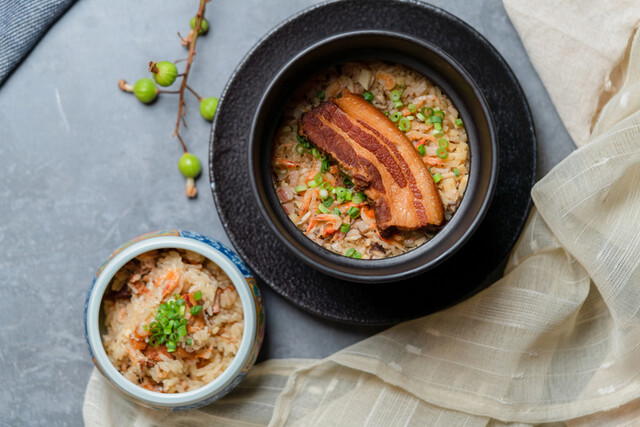
Bars in Miyakojima
Browse all →
Details
- Lively
- Cozy
- Energetic
- Casual Hangout
- After Work
- Group Dining
- Family
- Late Night
- Solo
- Standalone
- Sake Program
- Beer Program
- Local Sourcing
- Street Scene
- A La Carte
- Small Plates
- Sake
- Shochu
- Beer
Current opening hours
- Monday
- 6–10:30 PM
- Tuesday
- Closed
- Wednesday
- 6–10:30 PM
- Thursday
- 6–10:30 PM
- Friday
- 6–10:30 PM
- Saturday
- 6–10:30 PM
- Sunday
- 6–10:30 PM
Hours can change for holidays and private events. Last verified .