Choma
Our verdict
Choma sits in Miyakojima, where restaurant value depends less on grand technique than on how directly a kitchen can translate island produce, seafood and Okinawan rhythms into dinner. With no public awards, chef credit or price band attached, it reads as a context-first address: useful for travellers mapping the city’s quieter dining layer rather than chasing trophy-room credentials.

Pearl is the En Primeur Club membership app — saves, bookings, and concierge access live there. Same editors, same standards.
- Address
- Japan, 〒1068 Okinawa, Miyakojima, JP 906-0008-1 Aza-Nikadori, Hirara, MiyakojimaCity
- Phone
- +81 980-79-8899
- Hours
- Mon–Tue 5:30–6 PM, 8–8:30 PMWed ClosedThu–Sat 5:30–6 PM, 8–8:30 PMSun Closed
- Website
- rosewoodhotels.com
- Directions
- Get directions
The menu
What to order
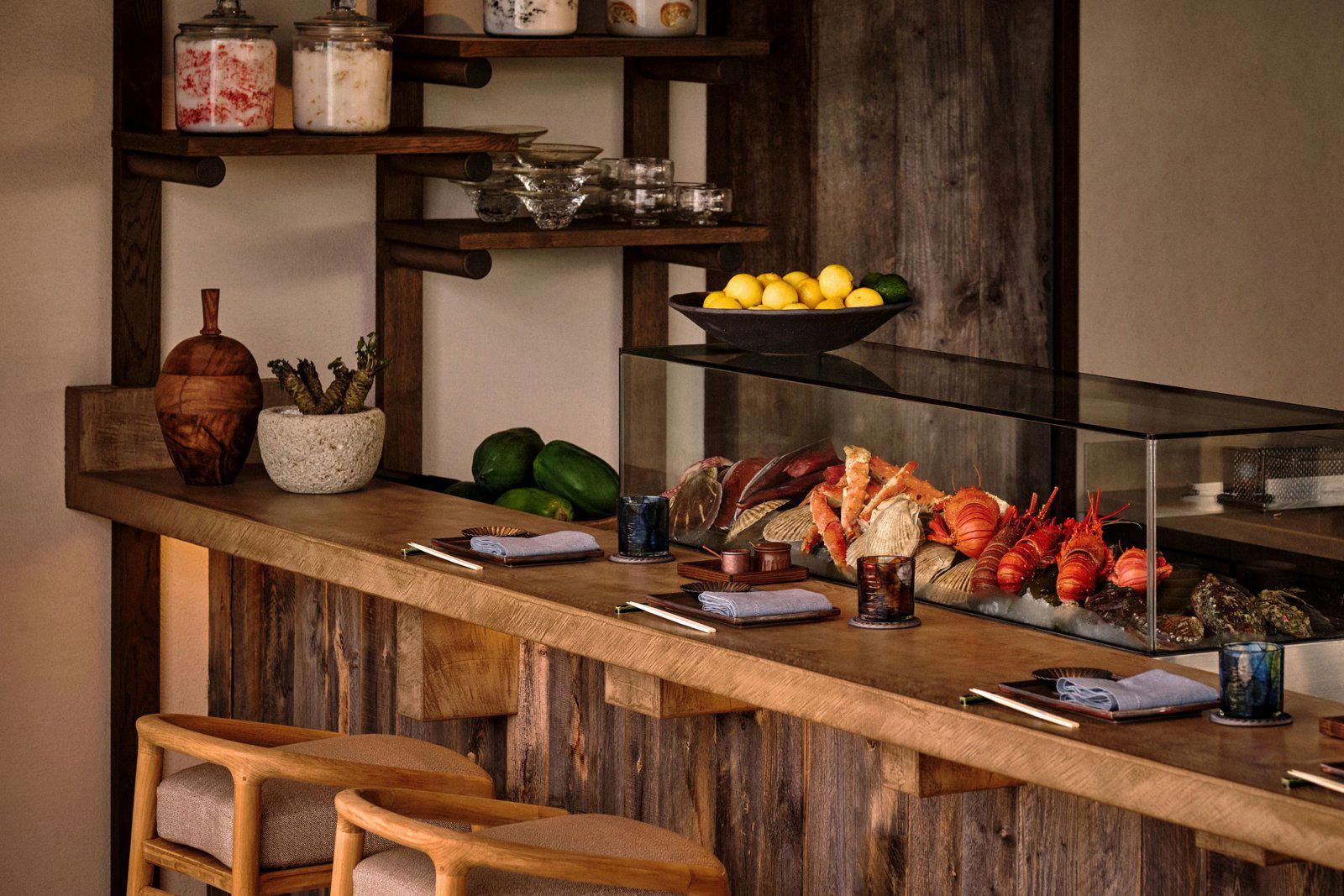
- Yakitori with Yanbaru chicken, Miyako miso and island pineapple
- Tempura of tiger prawns and island vegetables
- Teppanyaki Miyako wagyu beef
- Sushi featuring local line-caught katsuo and maguro
- Shikuwasa-cured white fish sushi
Approaching dinner on Miyakojima means entering a food culture shaped by water, heat and distance. The island sits far from Japan’s large restaurant capitals, so its dining identity is not built around luxury shorthand or imported ceremony. It is built around what survives the crossing, what comes from nearby boats and farms, and how kitchens interpret local habits without turning them into resort theatre. Choma belongs to that conversation: a Miyakojima address whose value is best understood through sourcing, locality and the slower tempo of island dining.
That matters because Miyakojima is not a scaled-down Tokyo. Restaurants here work in a narrower supply chain and a more seasonal register. Seafood can define the day’s direction, vegetables and herbs carry island specificity, and menus often make more sense when read as responses to local availability rather than as fixed performances. In that setting, a restaurant does not need a trophy narrative to be useful to a serious traveller. It needs to clarify where the island’s everyday food culture meets a more deliberate dining decision.
Island sourcing is the point, not a decorative backstory
On remote Japanese islands, ingredient sourcing is not a branding exercise; it is the structural fact of the meal. Miyakojima’s position gives restaurants access to subtropical produce, local seafood and an island pantry, but it also limits the logic of endless choice. The stronger kitchens tend to work with those limits rather than hide them. Choma should be read through that lens: less as a destination built on a public credential trail and more as part of the island’s practical food economy, where freshness, season and restraint carry the argument.
This is also where Miyakojima differs from the country’s major dining corridors. In Tokyo, Osaka or Kyoto, the diner can compare tasting-menu formats, chef lineages and guidebook recognition with precision. On Miyakojima, the comparison is more immediate: what kind of night is required, how close to local appetite the cooking feels, and whether the room fits the pace of the island. Nearby references help define the range. Minato Shokudo and Izakaya Deiriguchi sit within that broader local map, while Nagi, Maas and other Miyakojima dining rooms add further context for travellers deciding how much structure they want around dinner.
Choma fits the quieter side of Miyakojima dining
The limited public detail around a named chef, a stated price range or a formal ranking changes the way Choma should be judged. It should not be forced into the same frame as a guide-led counter or a metropolitan tasting room. The more useful reading is local and island-based: a Miyakojima restaurant to consider when the meal’s interest lies in context rather than a formal credential trail. That is not a compromise. In a small island market, lower-profile rooms often explain more about how residents and repeat visitors eat than heavily signposted venues do.
For travellers building a longer stay, Choma is best placed within a mixed itinerary rather than treated as the single defining dinner. Use Our full Miyakojima restaurants guide to balance casual counters, izakaya nights and more planned meals, then check Our full Miyakojima hotels guide for where the stay is anchored. Drinking and after-dinner plans are better handled separately through Our full Miyakojima bars guide, while Our full Miyakojima experiences guide gives the meal a wider island context. Our full Miyakojima wineries guide is worth checking only if wine is part of the trip planning; Miyakojima’s dining identity is not primarily vineyard-led.
How to frame the decision
The right expectation is a locally rooted Miyakojima meal rather than a trophy booking. Without a published booking method, hours or price band, the sensible approach is to confirm details before setting the evening around it, especially during holiday periods when island restaurants can run on tighter staffing and supply. Families should make the same check, since suitability depends on seating, menu flexibility and the time of service rather than on the city alone.
Choma’s appeal is strongest for travellers who care about the island’s food system: what the sea, farms and island pantry contribute to dinner, and how a restaurant absorbs that without overexplaining it. For broader Japan planning, contrast this kind of island address with more category-specific city restaurants, where ingredients, audience and setting can shift the conversation. For Japanese food culture abroad, the same contrast applies once a meal is built for a different market rather than for Miyakojima itself.
Frequently asked questions
Is Choma good for families?
Choma in Miyakojima can suit families that want a local meal rather than a formal tasting-room setup. Family suitability should still be confirmed directly, since seating, menu flexibility and service timing are not listed here.
What should I expect atmosphere-wise at Choma?
Expect a local Miyakojima dining room rather than a trophy-table room, with the focus on the island setting. Public details on chef name or price range are limited, so the clearest anchor is Choma’s place within Miyakojima dining.
Where exactly is Choma?
Choma is located in Miyakojima.
Do they take walk-ins at Choma?
The practical reference point is its Miyakojima location. Check the venue's official channels for the latest details.
What makes Choma worth seeking out?
Choma is worth noting for travelers who want a named address in Miyakojima rather than a generic island dining stop. Its Miyakojima setting gives it local relevance even without a published chef or a price band.
What if I have allergies at Choma?
Allergy handling cannot be verified from the public record, so the safest approach is to contact Choma directly before dining. The only fixed location detail here is Miyakojima. Check the venue's official channels for the latest details.
Comparison Snapshot
Comparable venues by cuisine and price in the same metro.
| Venue | Cuisine | Price | Awards |
|---|---|---|---|
| ChomaThis venue — the venue you are viewing | Contemporary Japanese Multi-Counter Omakase | $200–300 | Not listed |
| Nagi | Italian-Japanese Fusion | Not listed | Not listed |
| Maas | Ryukyu Island Seafood | Not listed | Not listed |
| Grand Bleu Gamin | JPY 20,000 - JPY 29,999 JPY 4,000 - JPY 4,999 | Not listed | Not listed |
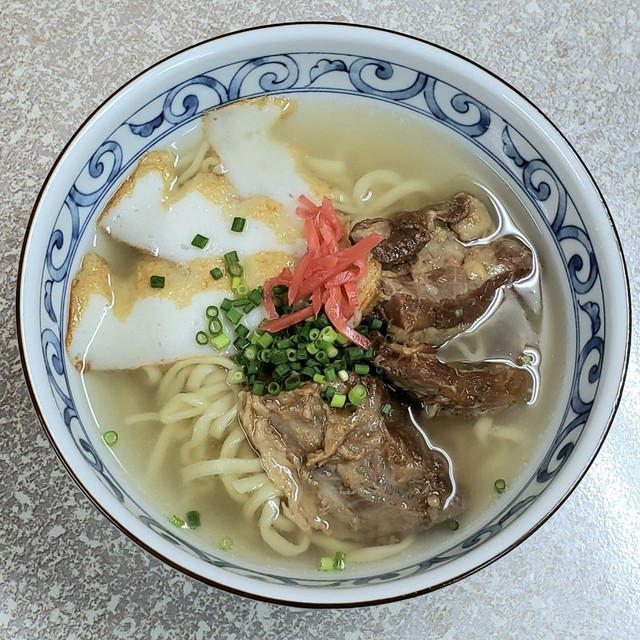
| Minato Shokudo | Miyako soba & Okinawan diner | $10–20 | Tabelog 100 #35 |
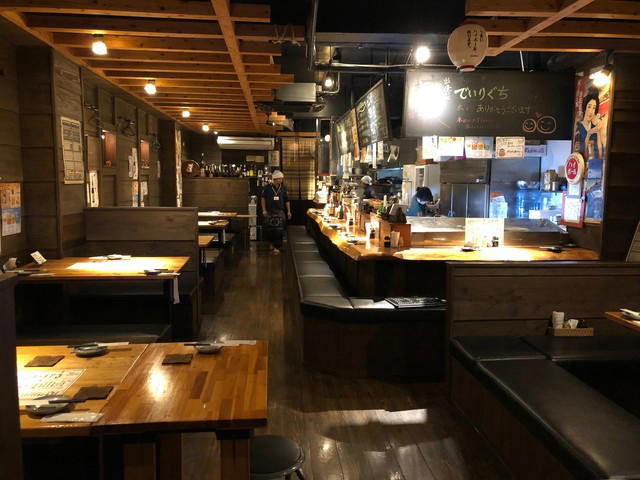
| Izakaya Deiriguchi | Okinawan Izakaya & Japanese Pub Food | $30–50 | Tabelog 100 #69 |
Continue exploring
More in Miyakojima
Restaurants in Miyakojima
Browse all →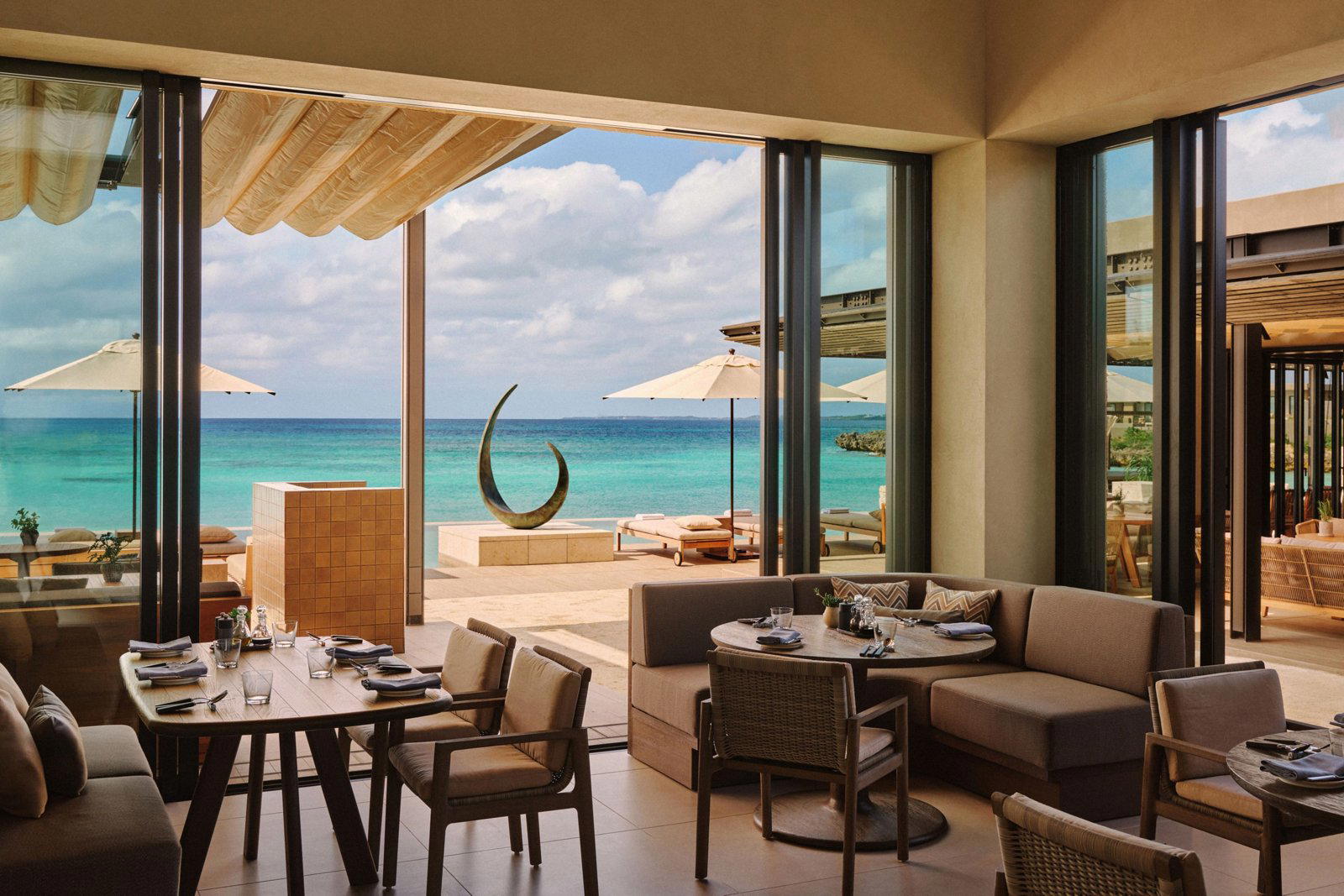
Bars in Miyakojima
Browse all →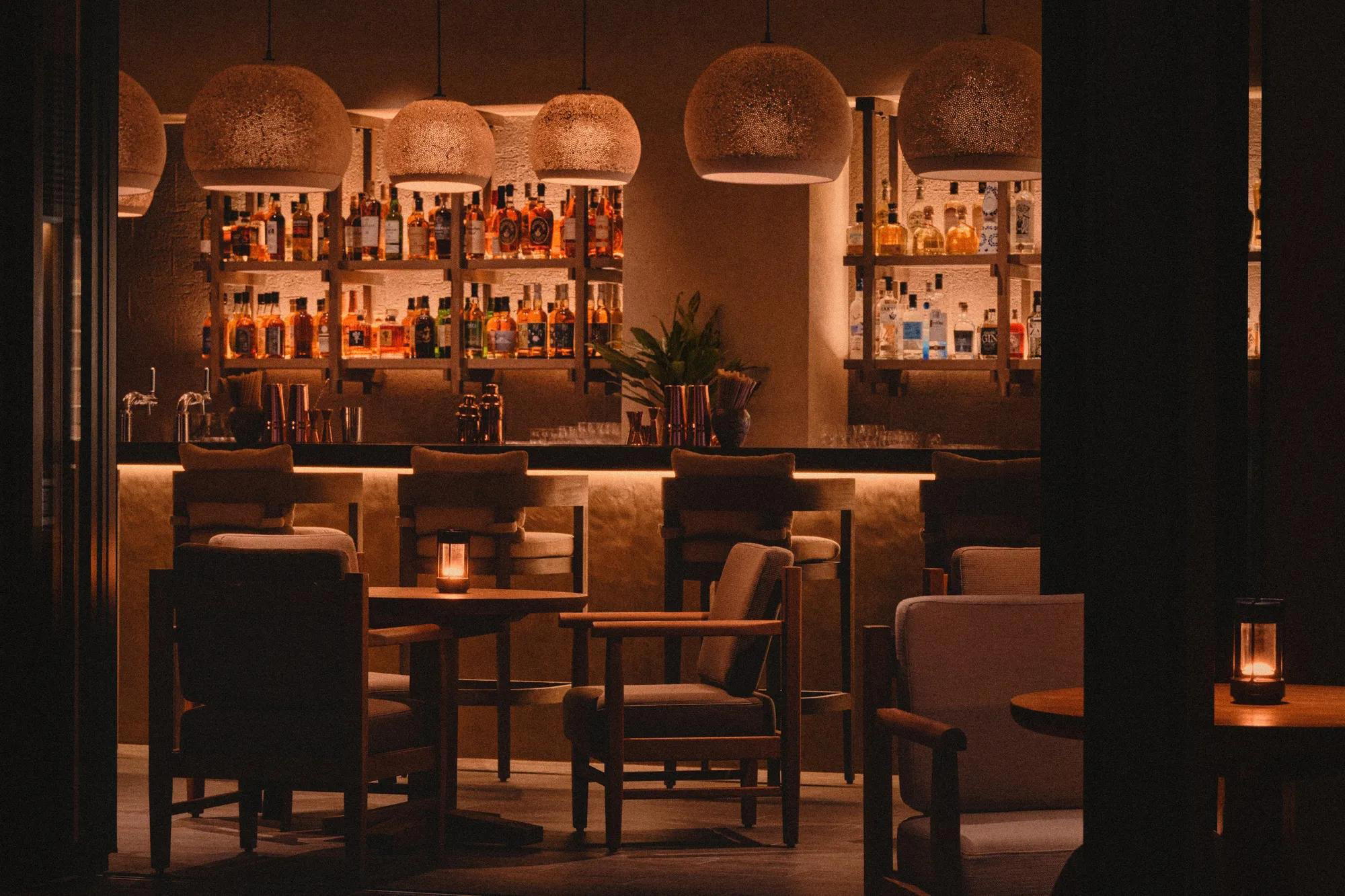
Details
- Elegant
- Sophisticated
- Modern
- Scenic
- Romantic
- Intimate
- Date Night
- Business Dinner
- Group Dining
- Private Event
- Chefs Counter
- Waterfront
- Design Destination
- Hotel Restaurant
- Private Dining
- Panoramic View
- Sake Program
- Craft Cocktails
- Local Sourcing
- Sustainable Seafood
- Farm To Table
- Waterfront
- Omakase
- Tasting Menu
- Counter Dining
- Sake
- Craft Cocktails
- Wine
- Pescatarian Friendly
Current opening hours
- Monday
- 5:30–6 PM, 8–8:30 PM
- Tuesday
- 5:30–6 PM, 8–8:30 PM
- Wednesday
- Closed
- Thursday
- 5:30–6 PM, 8–8:30 PM
- Friday
- 5:30–6 PM, 8–8:30 PM
- Saturday
- 5:30–6 PM, 8–8:30 PM
- Sunday
- Closed
Hours can change for holidays and private events. Last verified .
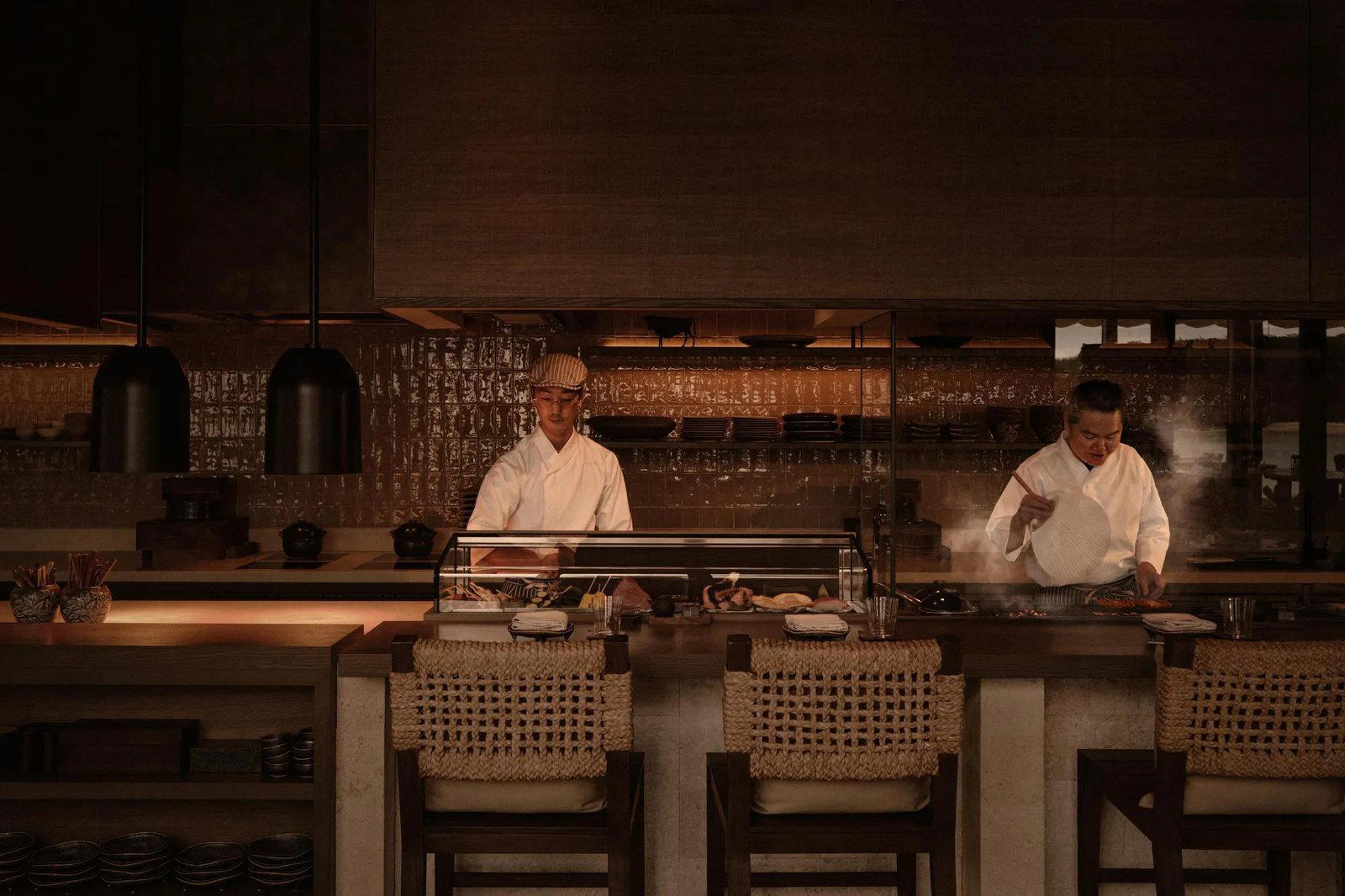
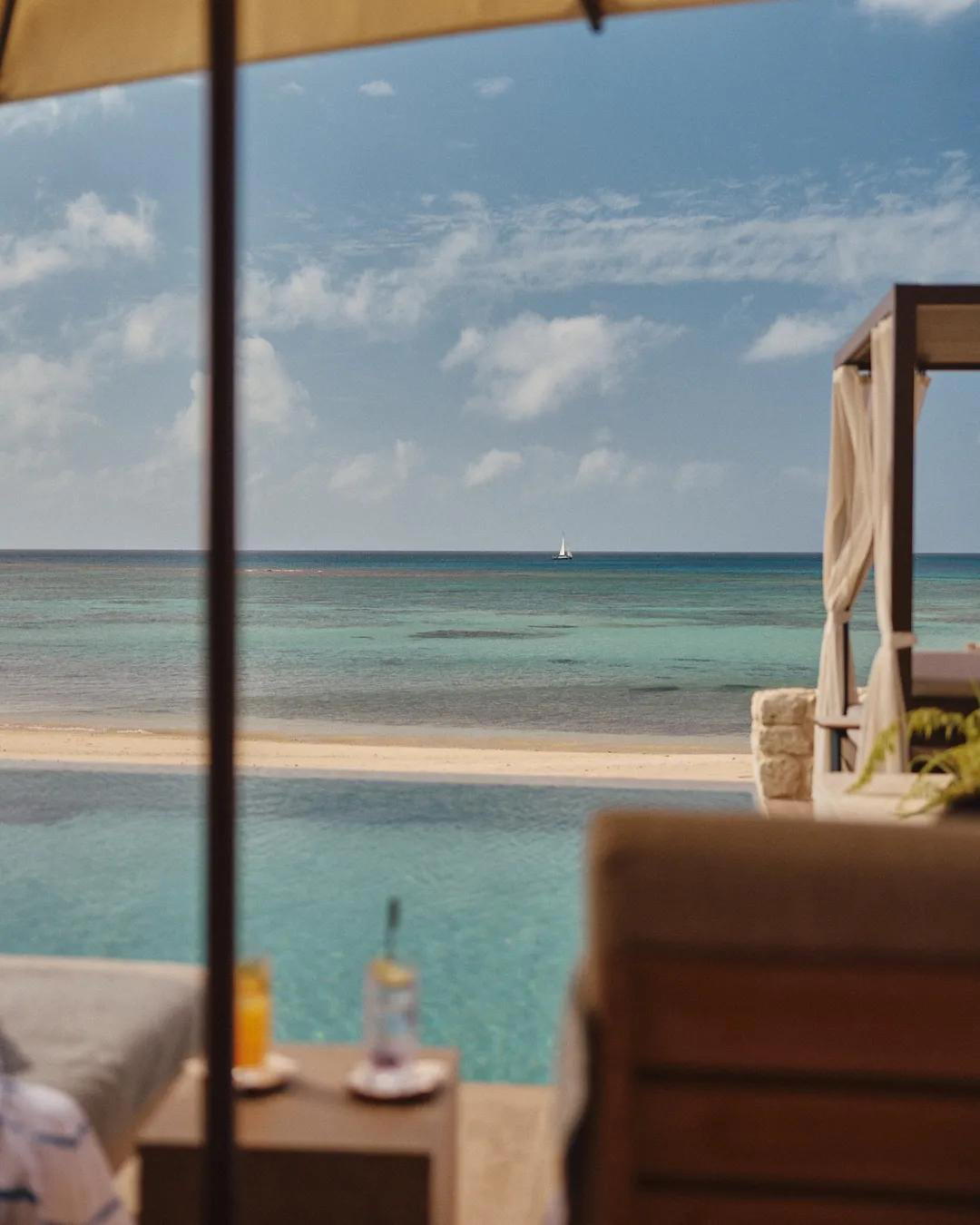
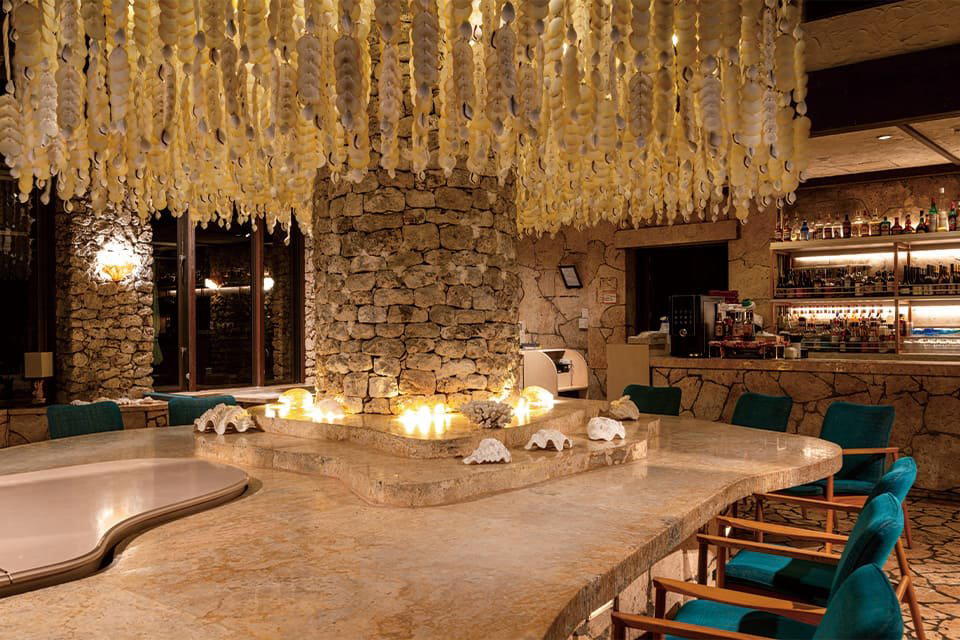
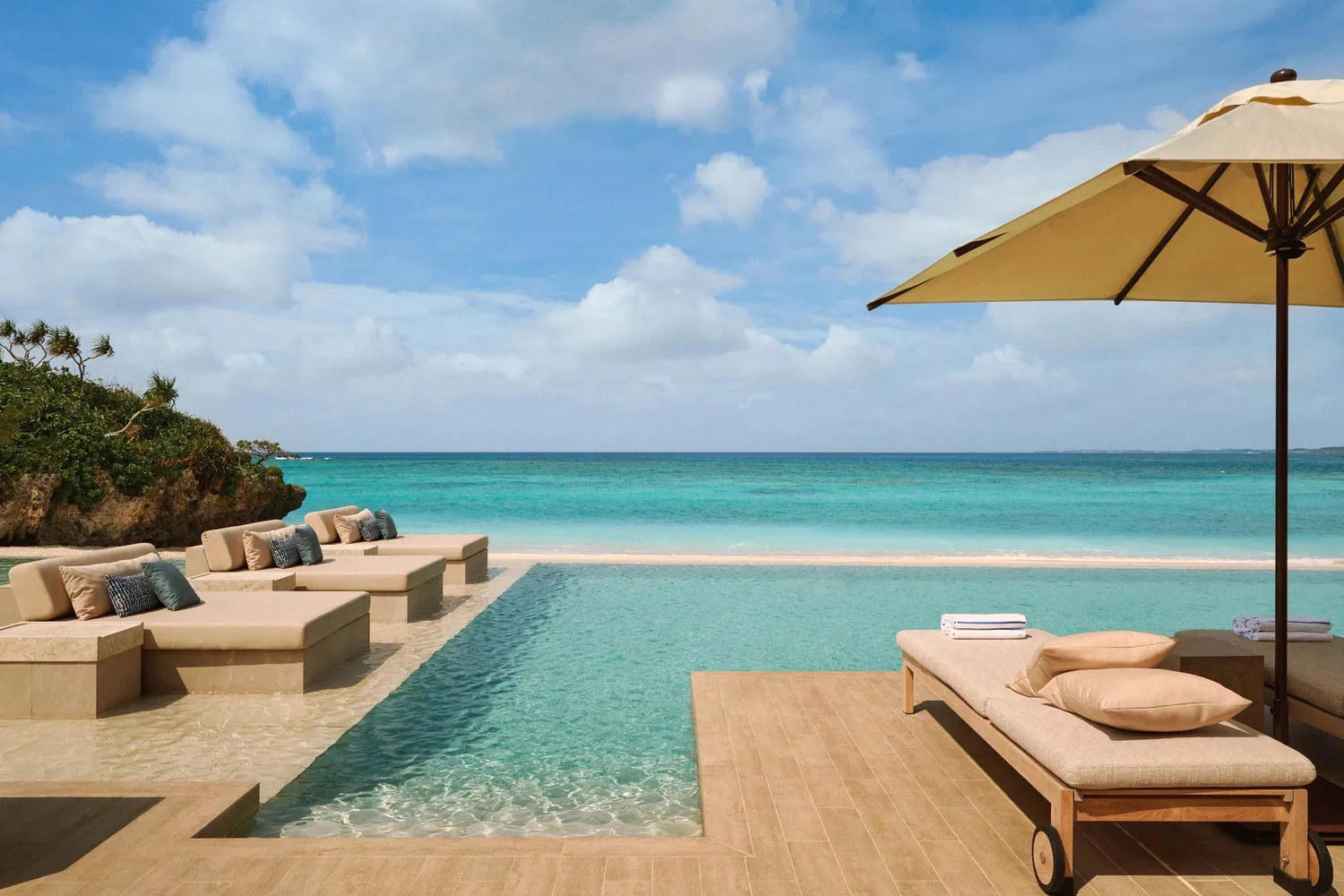
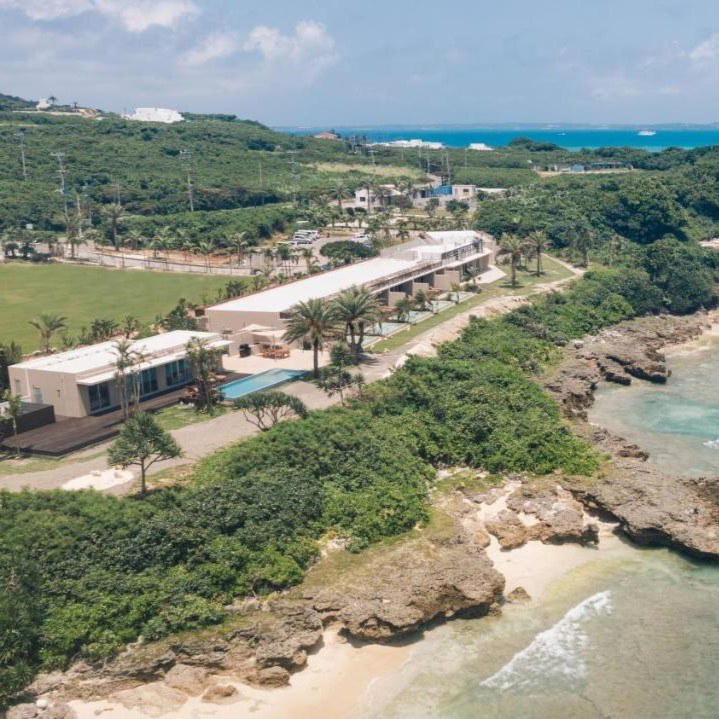
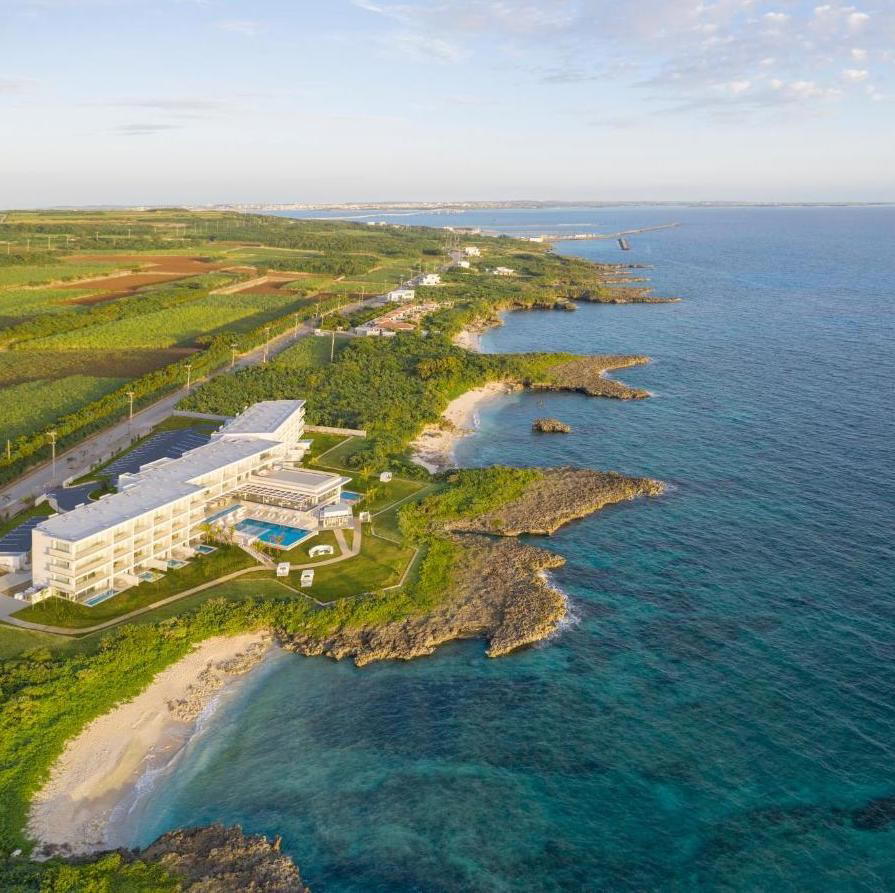
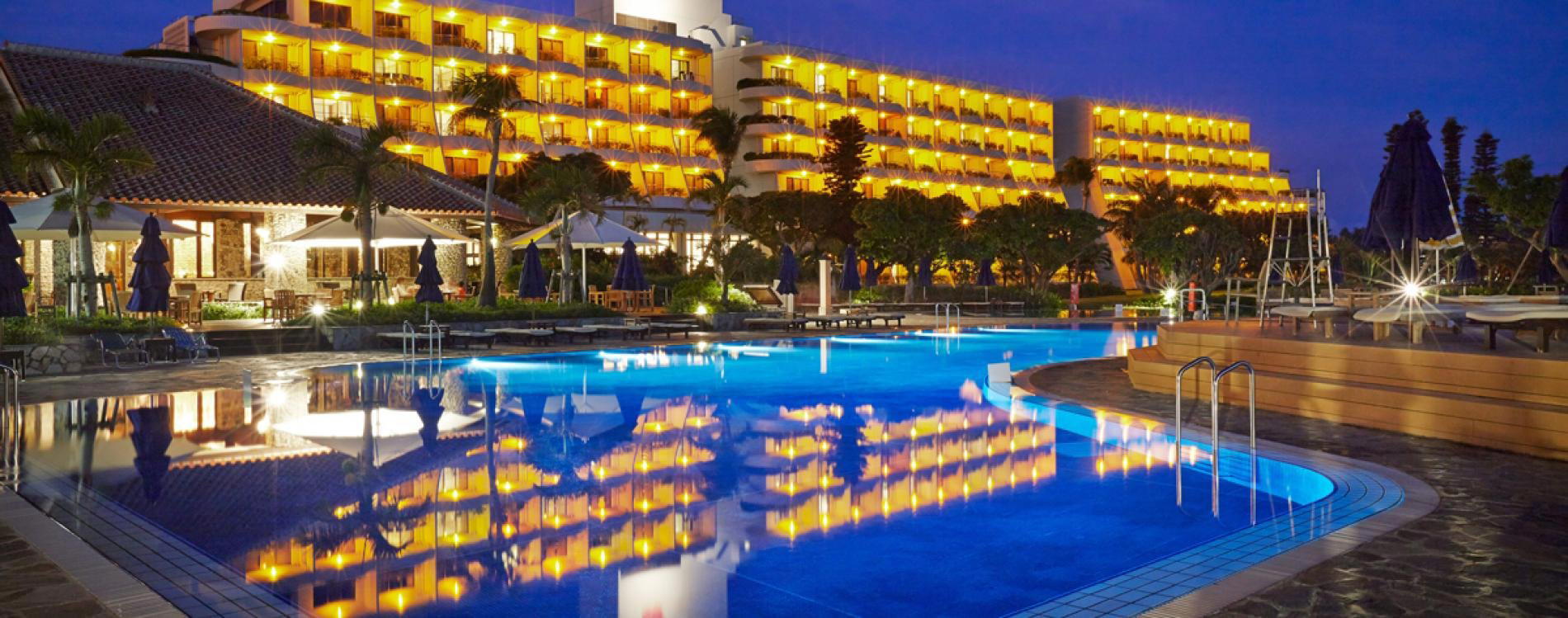
Refined and serene luxury setting in standalone pavilions overlooking the vivid blue sea, with intimate counter seating, softly choreographed chef interactions, and a calm, contemplative atmosphere that blends traditional Japanese aesthetics with contemporary design.