Shigira Bayside Suite Allamanda

Small Luxury Hotels of the World Member
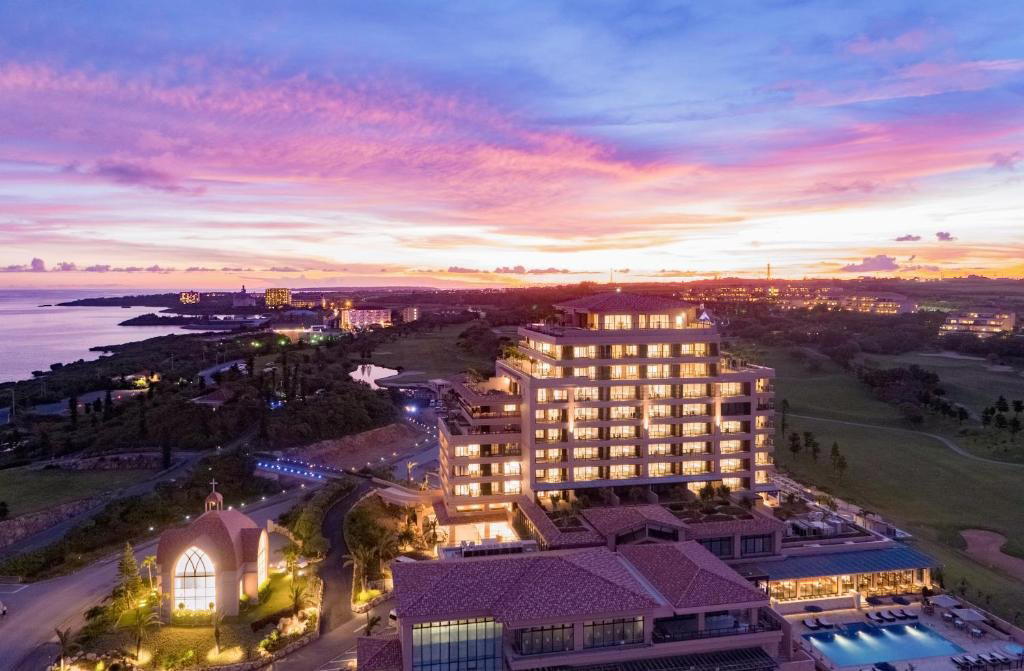
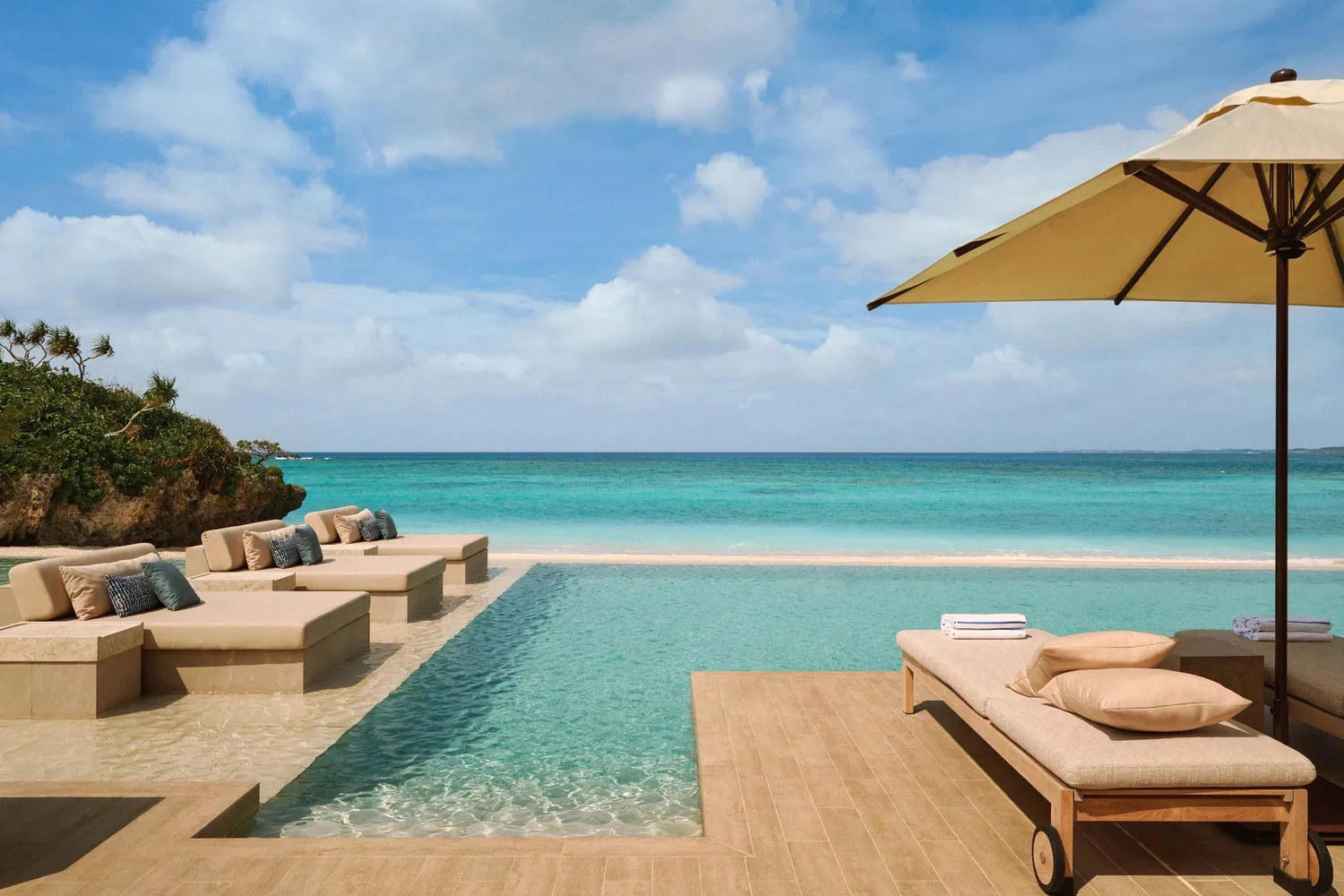
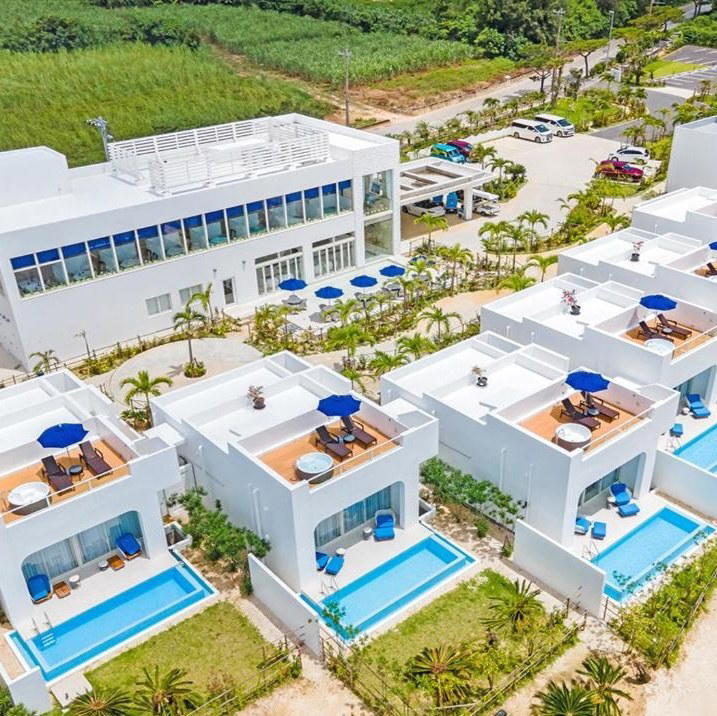
Shigira Bayside Suite Allamanda occupies a stretch of Miyakojima's southern coastline, positioning itself among the island's all-suite retreats with a setting defined by green grounds, sandy beaches, and the distinctively clear blue water of the Miyako archipelago. The property sits within the broader Shigira resort zone, offering a quieter, more contained version of coastal Okinawan luxury than the larger resort clusters found elsewhere in southern Japan.

Pearl is the En Primeur Club membership app, where members save venues, book tables and use the concierge.
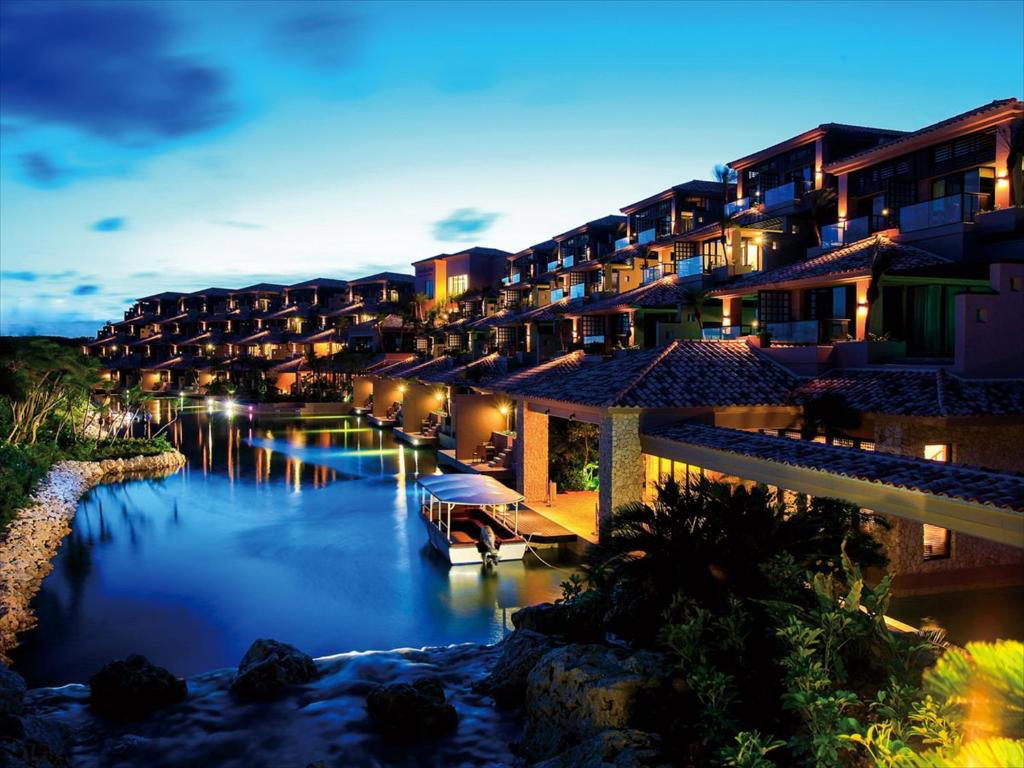
Where the Miyako Coastline Sets the Register
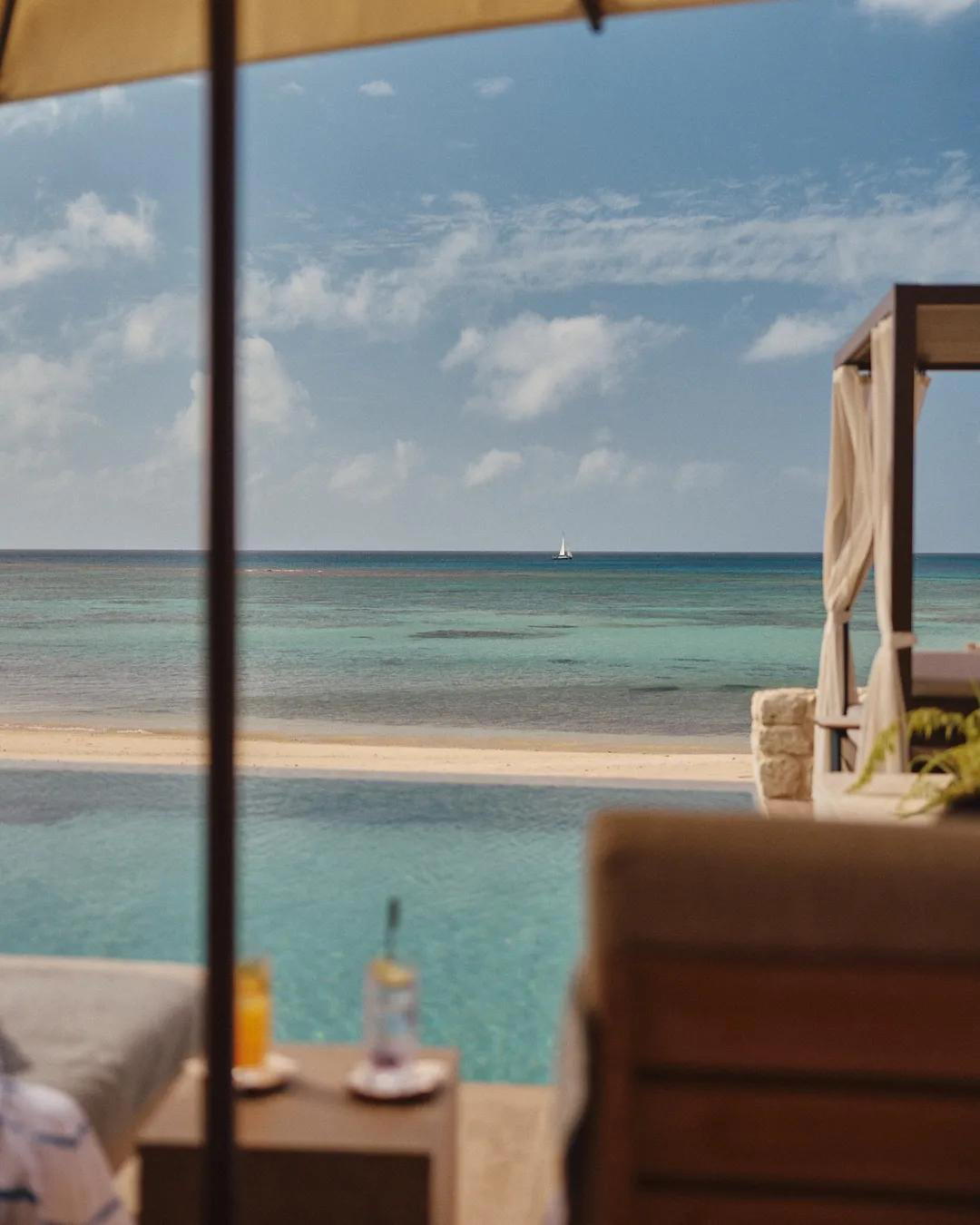
Arriving at Miyakojima's southern shore, the first thing that lands is the colour of the water. The Miyako Blue, a term locals use without irony, describes a particular tone of turquoise that sits somewhere between the Caribbean and the Maldives, produced by shallow coral shelves and consistent tropical light. Shigira Bayside Suite Allamanda is positioned directly along this coastline, within the Shigira resort complex south of the town centre, where the grounds open onto beach frontage and the horizon stays unobstructed. The approach through the green grounds, where the vegetation is dense enough to buffer the outside world, signals the register before you check in.
Miyakojima sits at the southern edge of Japan's island chain, closer geographically to Taiwan than to Tokyo. That positioning gives it a climate closer to the subtropics than to the temperate zones most visitors associate with Japan, and the island operates as a year-round destination, with the peak season running from spring through early autumn when the water conditions are at their clearest. Visitors arriving outside that window find quieter beaches and softer rates, which makes the shoulder months a considered option for those who prefer the property with fewer guests on the sand.
The All-Suite Format in Regional Context
Japan's premium coastal accommodation has, over the past decade, split into two broad categories: large resort complexes with varied room tiers and a full amenity stack, and smaller, suite-only properties that trade scale for privacy and finish. Shigira Bayside Suite Allamanda falls into the all-suite model, which structurally changes the guest experience before any design or service decision comes into play. In an all-suite format, the floor plans are larger by default, the guest-to-staff ratio is typically tighter, and the shared spaces carry less of the transactional traffic that characterises mixed-room properties.
Within the Shigira resort zone, the property sits alongside several other accommodation options under the same Shigira umbrella, including Hotel Shigira Mirage and The Shigira, each positioned at a different point in the resort's tier structure. Allamanda occupies the bayside-suite category, which places it above the standard hotel room tier and below the ultra-limited villa formats increasingly common at properties like Rosewood Miyakojima. Understanding where it sits within that local hierarchy matters when choosing between Miyakojima's accommodation options, because the island has attracted a range of investment in recent years and the competitive set is no longer thin.
For broader context on where Allamanda fits within Miyakojima's hotel landscape, the full Miyakojima guide maps the island's accommodation and dining options across neighbourhoods and budgets.
Service Architecture at a Coastal Resort
The editorial angle that separates good coastal resorts from serviceable ones is rarely the view, nearly every property at this price point has one, but rather the quality of anticipatory service: whether the operation runs on a request model or a recognition model. At the all-suite level, the expectation shifts toward the latter. Guests should not need to ask twice for the same thing, and the transition between spaces, beach to room, room to dining, dining to pool, should feel managed rather than navigated.
Japan's broader service culture, expressed through the concept of omotenashi, provides a structural baseline that properties in Okinawa and the Miyako Islands inherit and adapt to a resort context. Omotenashi, at its most functional, means reading the guest's state before they articulate a need: refilling a drink before it empties, adjusting the pace of a meal to the conversation, offering assistance without waiting for the signal. Resort environments complicate this because the rhythm is less controlled than in a restaurant or ryokan, where the format dictates pacing. A bayside suite property has to deliver that attentiveness across a sprawling physical site in open air, which is a harder operational problem than a compact inn. The properties that solve it tend to invest in longer-tenure staff and lower turnover, both of which are signals worth asking about directly when booking.
For comparison, the ryokan tradition that underpins Japan's most formalised hospitality culture is expressed in a different register at properties like Gora Kadan in Hakone and Asaba in Izu, where the enclosed format makes service choreography more direct. At a coastal resort, the equivalent discipline shows up differently: in how the beach attendants track guests across the sand, in whether towels appear before they're requested, in how the transition from water to suite is handled on a hot afternoon.
Okinawa's Coastal Luxury in a Wider Japan Context
Miyakojima's emergence as a destination for premium travel is relatively recent in Japan's hospitality timeline. The island had long been known domestically for its beaches and diving, but the international-facing luxury infrastructure arrived later than on the main Okinawan island, which hosts properties like Halekulani Okinawa. The Miyako archipelago, of which Miyakojima is the largest island, has attracted investment from both international groups and Japan's own resort developers precisely because the coastline quality is high and the development density remains comparatively low.
That dynamic places Miyakojima in an interesting position relative to other southern Japanese island destinations. Jusandi in Ishigaki, the next major island in the Yaeyama chain to the southwest, represents a different point on the spectrum: smaller, more design-focused, and operating at a lower key count. Allamanda's scale, within its resort complex, sits closer to the integrated resort model than the intimate boutique end of the market. Neither is superior in the abstract; the choice depends on whether the guest wants programming and facilities or seclusion and restraint.
Across Japan's wider luxury portfolio, the contrast with urban-anchor properties is stark. Bvlgari Hotel Tokyo, HOTEL THE MITSUI KYOTO, and Amanemu in Mie each operate in contexts where the surrounding environment or city anchors the experience. Miyakojima's draw is simpler and more elemental: the water, the beach, and the degree to which the property steps back and lets those two things do the work. That is not a lesser ambition. It is a different one, and Shigira Bayside Suite Allamanda is structured to serve it.
Other notable properties across Japan's resort and ryokan spectrum worth comparing against include Zaborin in Kutchan, Benesse House in Naoshima, ENOWA Yufu, Fufu Kawaguchiko, Fufu Nikko, Nishimuraya Honkan, Sekitei, ANA InterContinental Beppu Resort and Spa, Araya Totoan in Kaga, Atami Izusan Karaku, and Azumi Setoda in Onomichi. For international context, Aman New York, The Fifth Avenue Hotel, and Aman Venice represent comparable positions in their respective markets, where brand positioning and setting interact to define the tier.
Planning a Stay
Miyakojima is served by direct flights from Tokyo (Haneda), Osaka, and Naha, with the journey from Tokyo running approximately three hours. The Shigira resort area sits south of Miyakojima's town centre, reachable by taxi from the airport in around 20 minutes. For detailed booking arrangements, contacting the property directly or through a preferred travel agent with resort knowledge of the Miyako Islands is advisable, as availability patterns, seasonal pricing, and suite-category options are best confirmed at source rather than inferred from third-party platforms. The island's high season, driven by domestic Japanese tourism and a growing international cohort, runs from late April through October, with August representing the densest booking period.
Cuisine and Recognition
Comparable venues nearby, for context on price, style, and recognition.
| Venue | Cuisine | Price | Awards | Notes |
|---|---|---|---|---|
| Shigira Bayside Suite AllamandaThis venue (the venue you are viewing) | Luxury beachfront resort with suite villas and private pools | Not listed | Small Luxury Hotels of the World Member | Not listed |
| Hotel Shigira Mirage | Luxurious beachfront resort with bayside high-rise and villa accommodations | Not listed | Small Luxury Hotels of the World Member | Ueno |
| Ayanna Miyakojima | Luxury auberge-style resort with minimalist design emphasizing natural beauty and privacy. | $300–500 | 1 Michelin Key | Irabu Island |
| The Shigira | Luxury villa resort with private pools and butler service | Not listed | Small Luxury Hotels of the World Member | Shigira Cape |
| IRAPH SUI, a Luxury Collection Hotel, Miyako Okinawa | Beachfront luxury resort | Not listed | Michelin Selected | Irabu Island |
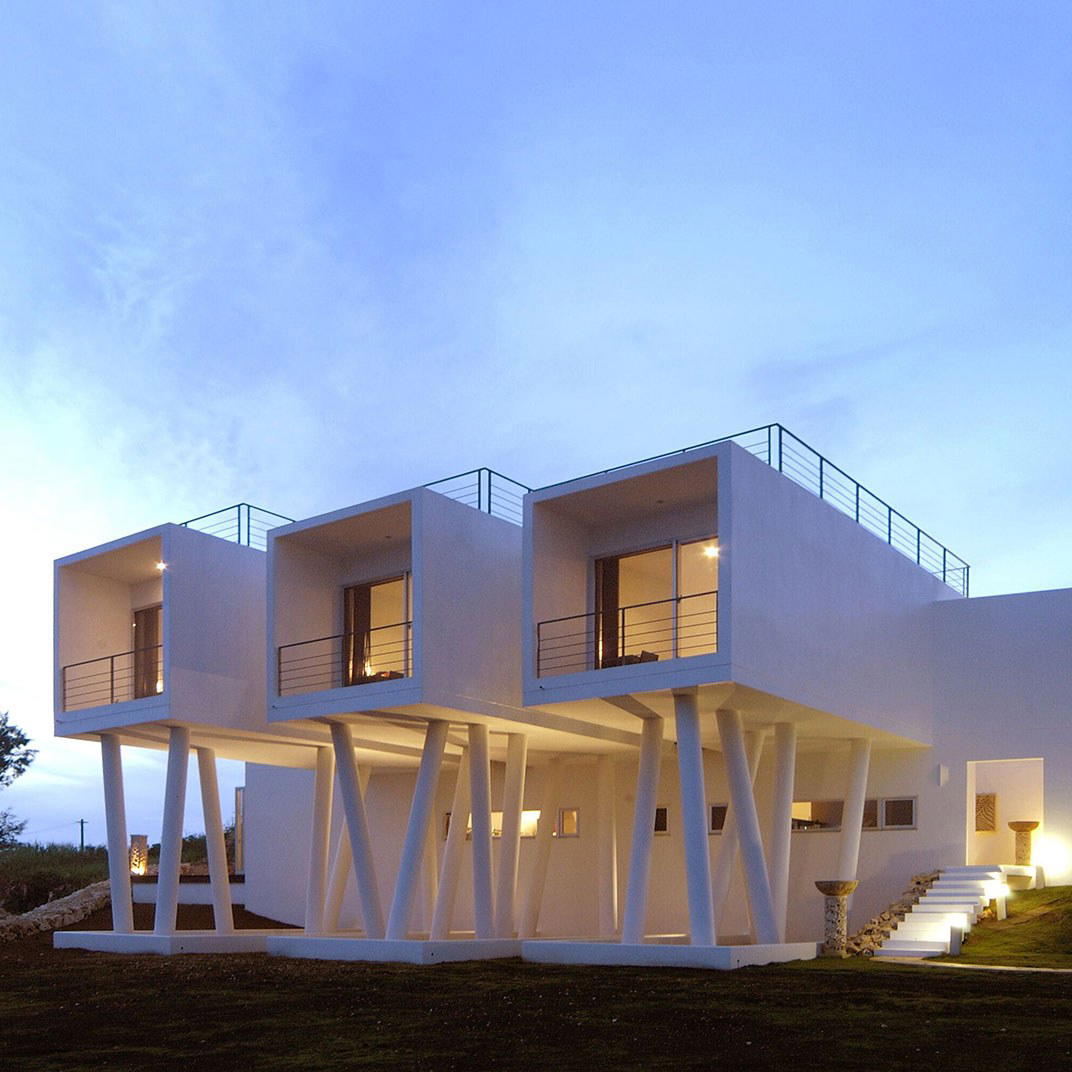
| Private Resort Hotel Renn | Stilted futuristic boutique resort | Not listed | Michelin Selected | Gurikubetomori |
Recognition history
Dated appearances from independent guides and award organizations, with the underlying list record or original source where available.
Small Luxury Hotels of the World Member
Small Luxury Hotels of the World
Continue exploring
More in Miyakojima
Hotels in Miyakojima
All hotels in Miyakojima →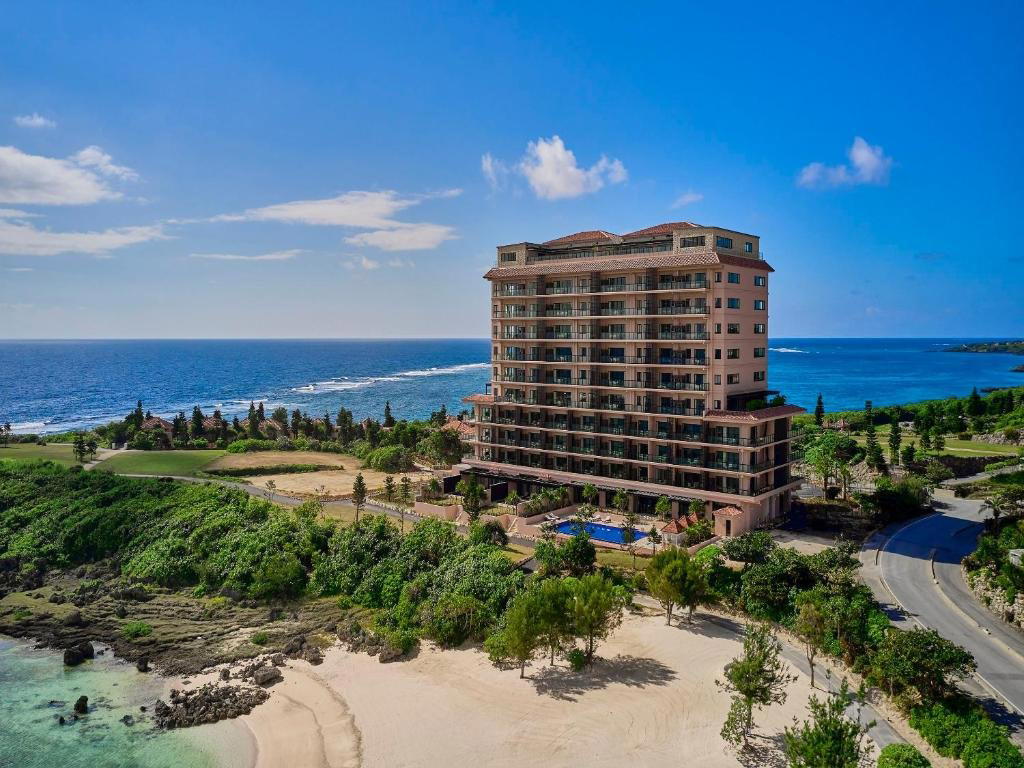

Details
- Elegant
- Scenic
- Sophisticated
- Romantic
- Ornate
- Honeymoon
- Romantic Getaway
- Family Vacation
- Wellness Retreat
- Beachfront
- Pool
- Spa
- Private Beach
- Wi Fi
- Room Service
- Concierge
- Restaurant
- Bar
- Elevator
- Laundry Service
- Airport Transfer
- Waterfront
- Garden
- Elevator
- Wheelchair Accessible
Serene and elegant with ocean views, lush gardens, and relaxing poolside atmosphere praised for notable staff service.