Rosewood Miyakojima



2 Michelin Keys · Town & Country Hotel Awards · Travel + Leisure It List Hotels
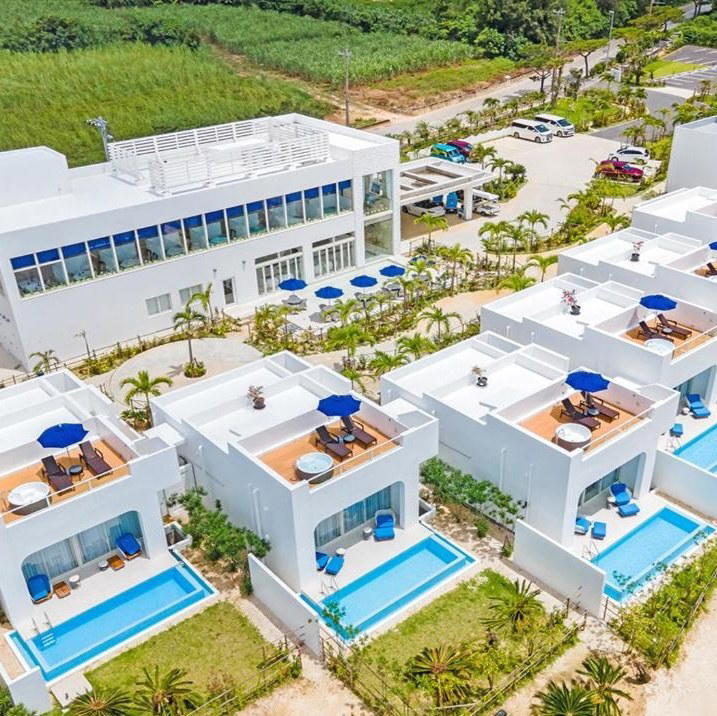
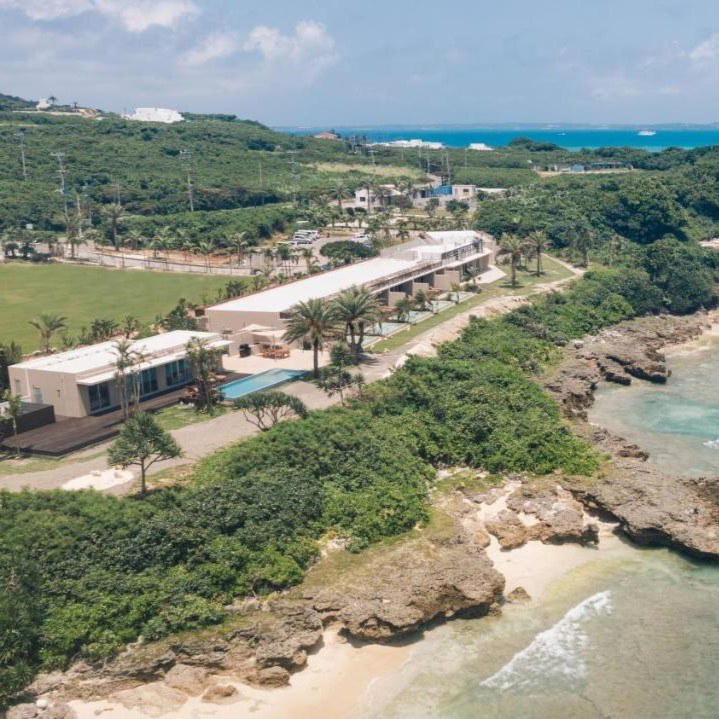
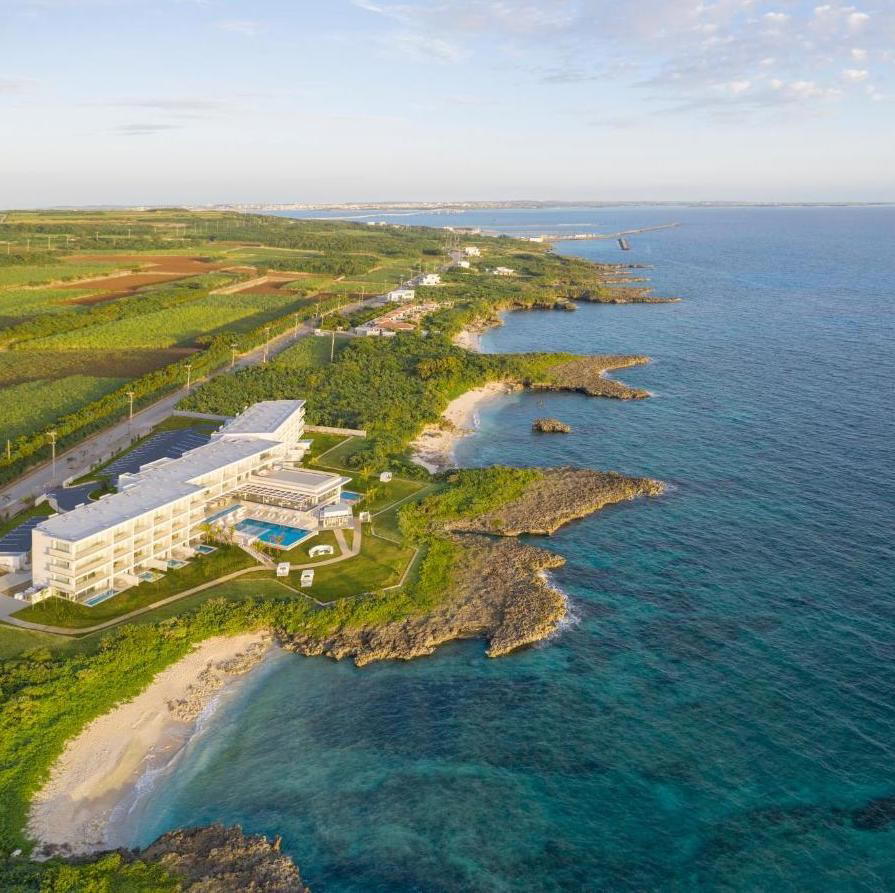
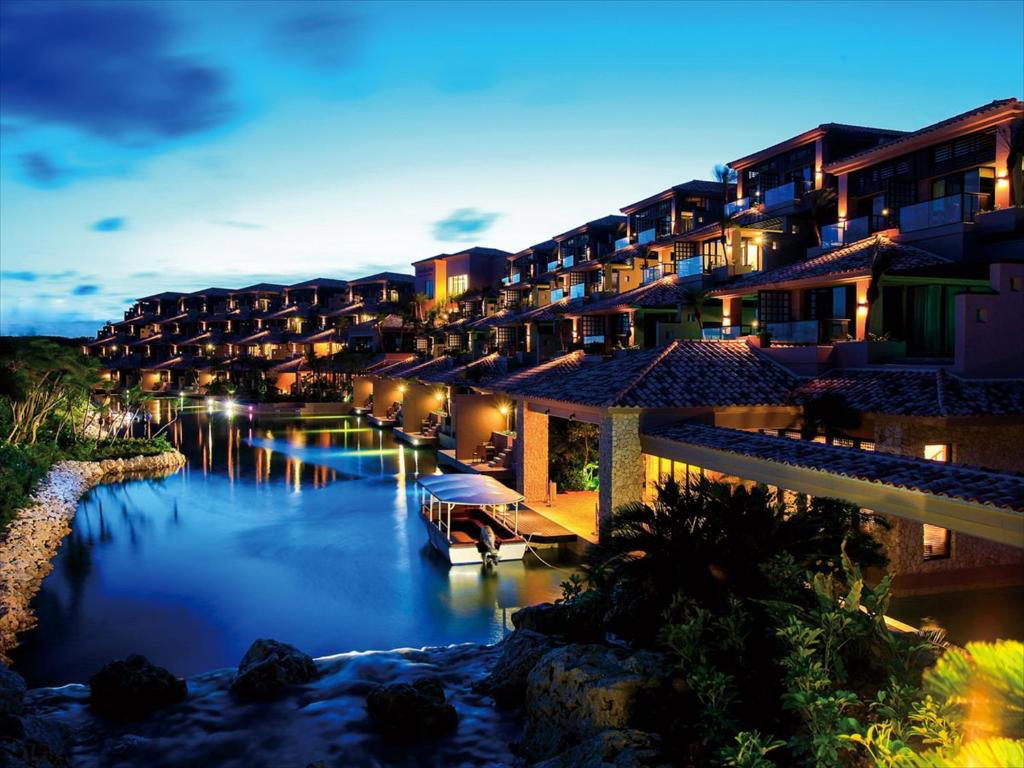
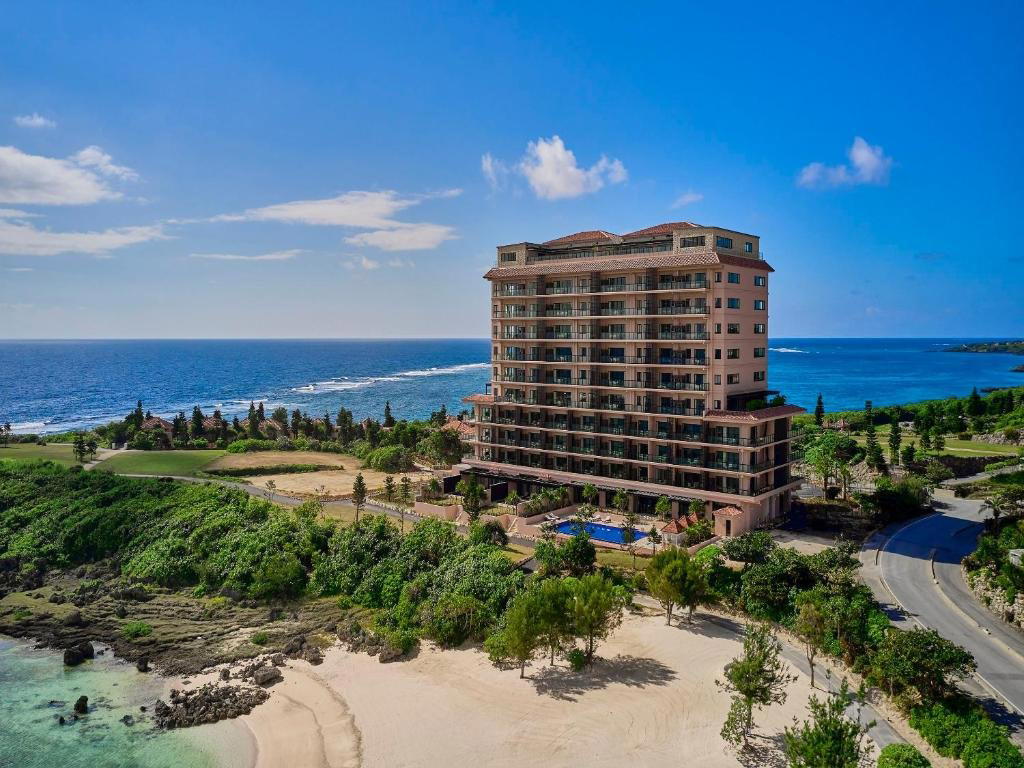
Rosewood's first Japanese property sits on the northwest coast of Miyako-jima, a remote Okinawan island where coral sea meets white sand. Fifty-five villas offer private pools, Ryukyu stone baths, and interiors shaped by the archipelago's material culture. The resort draws its atmosphere from salt air and deliberate silence as much as from its architecture.

Pearl is the En Primeur Club membership app, where members save venues, book tables and use the concierge.
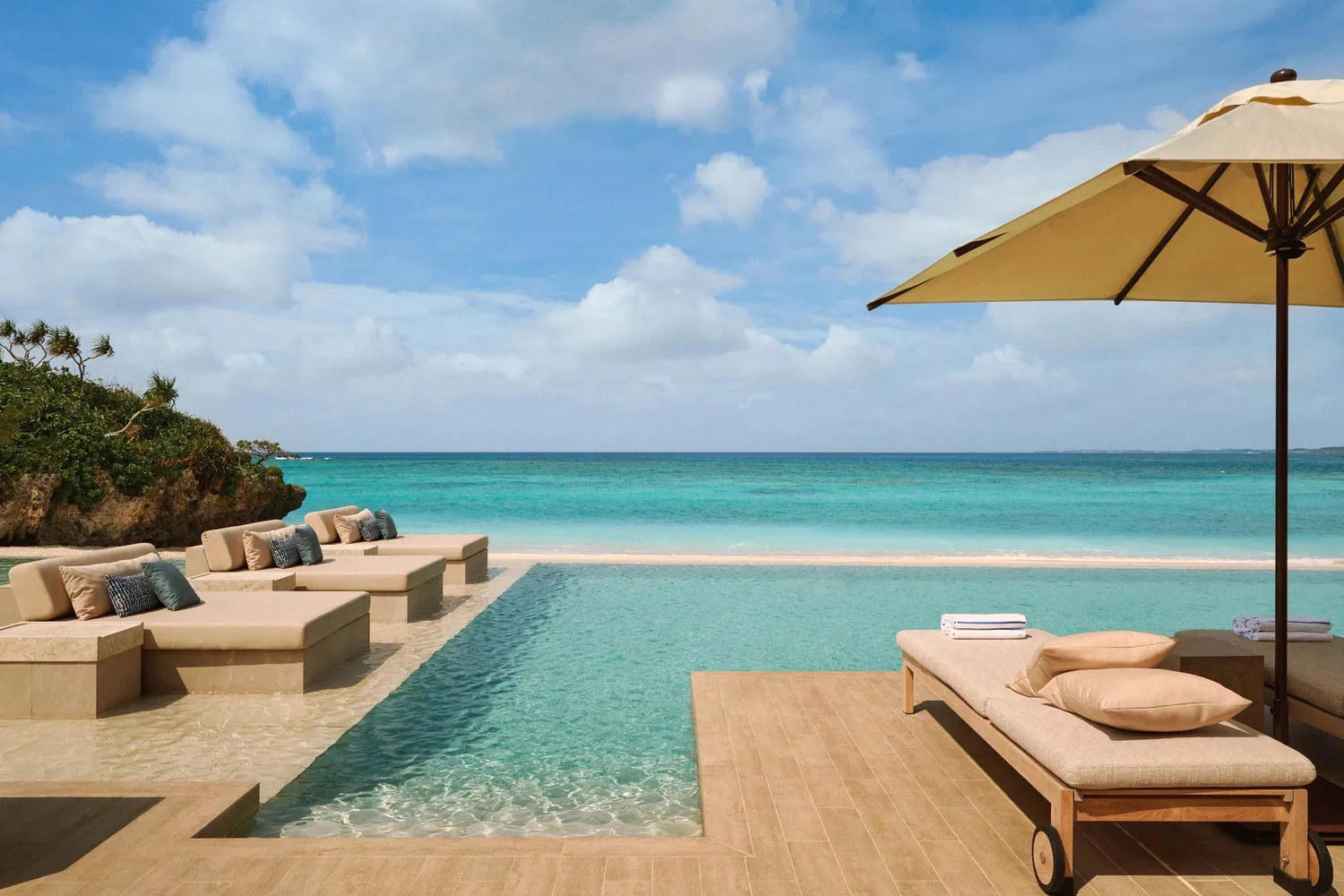
At the Edge of the Ryukyu Archipelago
The northwest coast of Miyako-jima is not where most travellers to Japan end up. It sits roughly 300 kilometres southwest of Okinawa's main island, connected by a two-hour flight from Tokyo Haneda or Narita via Naha, and then a local service onward to Miyako Airport. The drive to the resort's crescent of white sand takes under twenty minutes from the terminal, but the psychological distance from the mainland feels considerably greater. This is where the Ryukyu island chain begins to dissolve into open Pacific, and the light, the pace, and the architecture at Rosewood Miyakojima all register that geography.
Luxury resort development in the Ryukyu islands has historically clustered around Okinawa's main island, with properties such as Halekulani Okinawa drawing the bulk of international attention. Miyako-jima has attracted a smaller, more specialist tier of hospitality investment, where properties including Hotel Shigira Mirage, Shigira Bayside Suite Allamanda, and The Shigira have established the island as a serious destination for those seeking remoteness alongside genuine comfort. Rosewood's entry into this market, as the brand's first Japanese property, signals both the island's rising profile and the broader competition for design-led resort guests who have already moved through Bali, the Maldives, and the Côte d'Azur.
The Property and Its Physical Logic
The resort spans fifty-five villas. In Japan's premium ryokan tradition, properties such as Gora Kadan in Hakone and Asaba in Izu have long demonstrated how limiting scale sharpens the quality of attention guests receive. Rosewood applies a similar logic at Miyakojima, though within a contemporary villa format rather than a traditional inn structure.
Each villa includes a private pool and a Ryukyu stone bath, materials that reference the island's specific geological and craft heritage rather than a generic pan-Asian aesthetic. The interiors use pale woods, soft-toned textiles, and understated bronze hardware, a palette that reads as a restrained interpretation of Okinawan material culture rather than an imposition of international luxury codes. This approach connects Rosewood Miyakojima to a broader movement in Japanese hospitality, visible also at properties like Zaborin in Hokkaido and Benesse House on Naoshima, where the built environment is explicitly shaped by its regional context.
Dining on the Island: What the Setting Demands
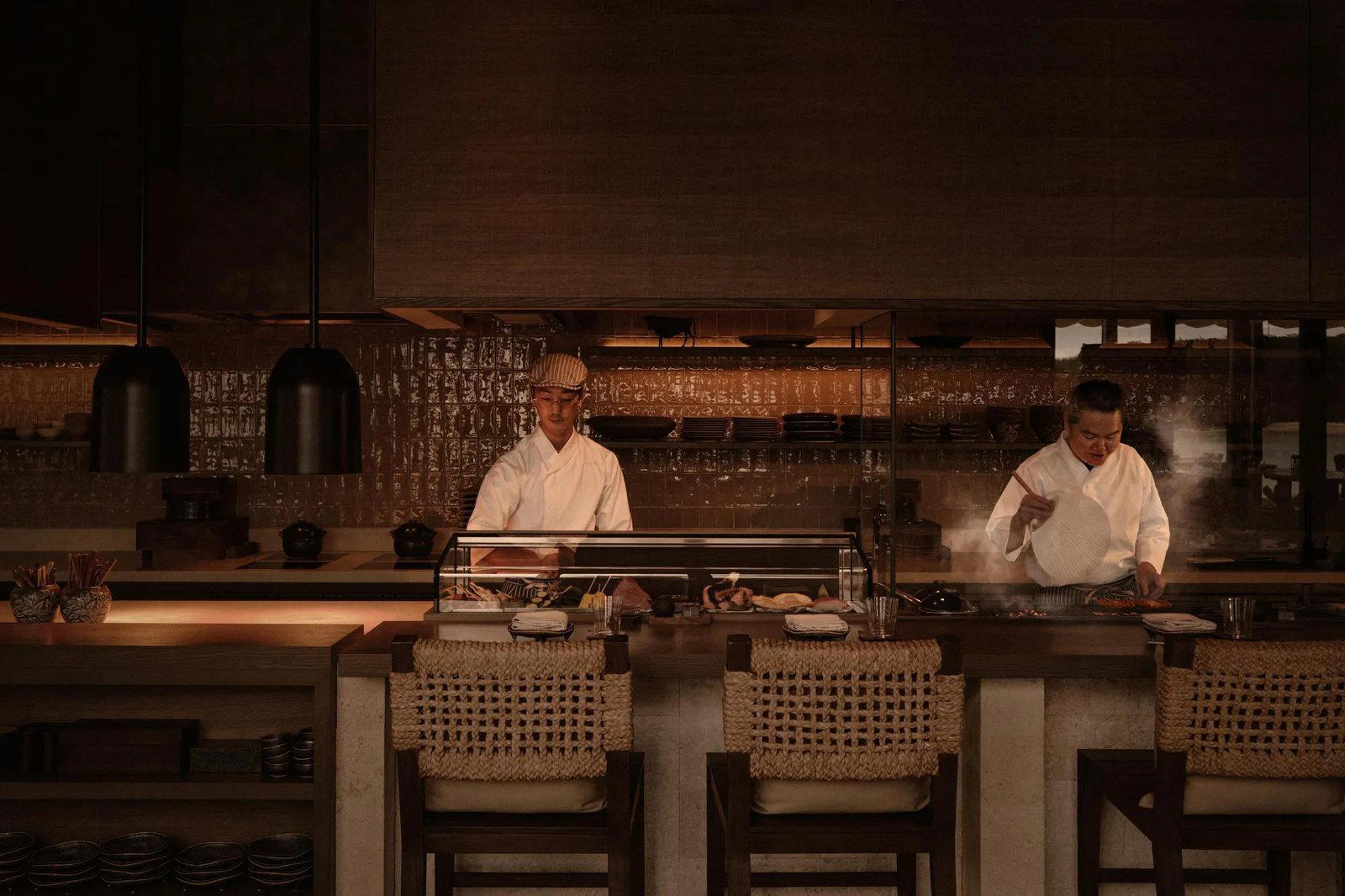
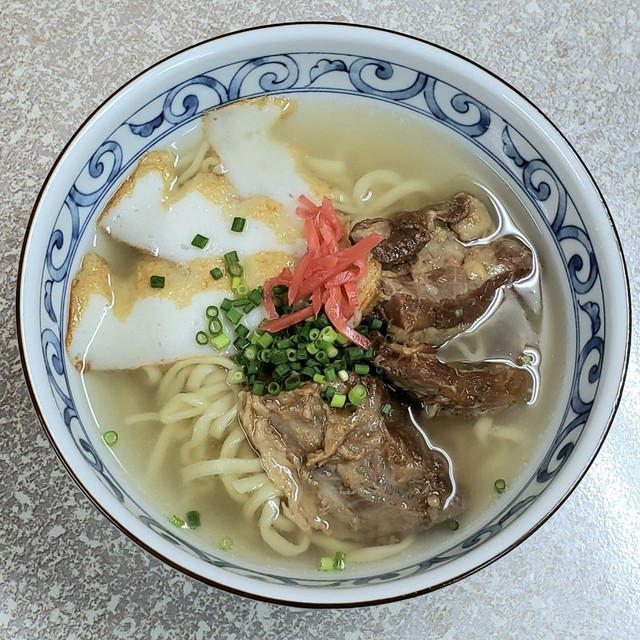
Miyako-jima's culinary identity is inseparable from its geography. The island sits within the Kuroshio Current system, which produces some of Japan's most prized seafood, and Okinawan cuisine itself draws on a distinct set of influences that separates it from the washoku mainstream. The Ryukyu kingdom maintained trade routes with China, Southeast Asia, and the Japanese mainland simultaneously, and that layered history shows up in local cooking: braised pork preparations, bitter melon, purple sweet potato, and seafood treated with minimal intervention are all part of the island's food character.
At a property of this scale and positioning, the dining programme carries particular weight. Guests at remote coastal resorts in Japan tend to eat on-site for the majority of their stay, which means the quality and identity of the food and beverage offering is not supplementary to the experience but central to it. Properties that have understood this most sharply, such as Amanemu in Mie or Araya Totoan in Kaga, treat their dining programmes as extensions of the landscape rather than standalone restaurant operations.
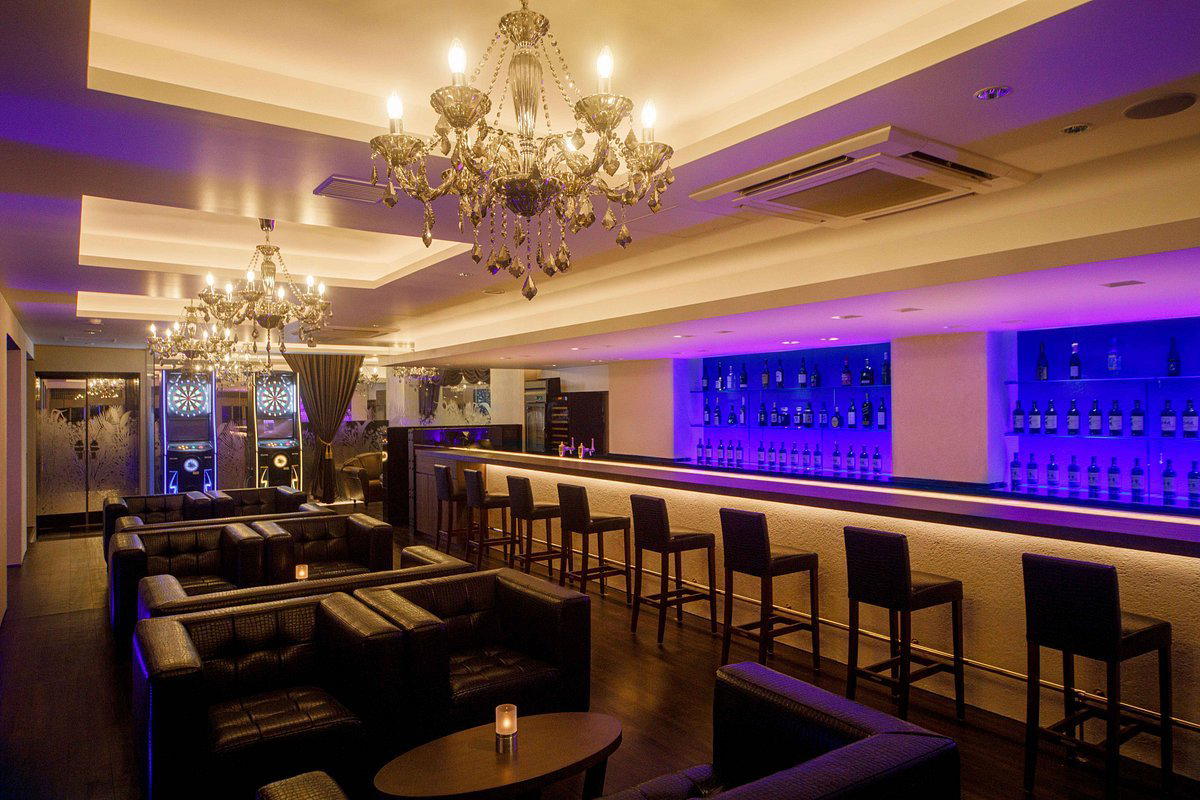
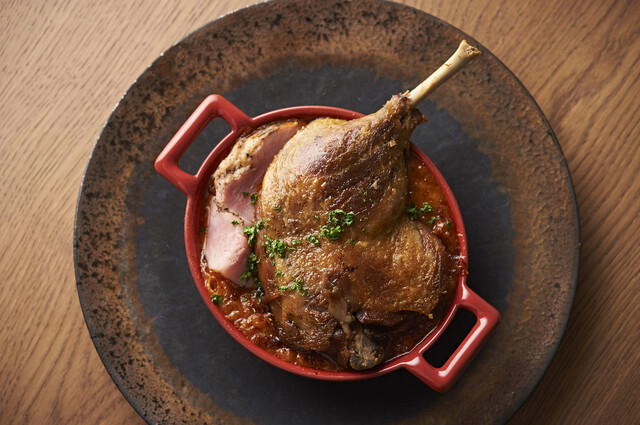
The specific details of Rosewood Miyakojima's restaurant and bar configuration are not fully available at time of publication. What the property's stated orientation confirms is that the Ryukyu archipelago's history is the guiding reference, which points toward a dining approach that privileges local seafood and Okinawan culinary traditions over the kind of internationally neutral luxury menus that have diluted the identity of many resort restaurants across Southeast Asia. Guests looking for comparable culinary framing alongside high-end accommodation elsewhere in Japan will find relevant points of comparison at Jusandi in Ishigaki, the nearest comparable island destination, and at Azumi Setoda in the Seto Inland Sea.
How This Property Fits the Broader Rosewood Brand in Japan
Rosewood's Japanese debut at Miyakojima is a deliberate positioning choice. The brand could have entered the market in Tokyo or Kyoto, where international hotel groups including Bvlgari Hotel Tokyo and HOTEL THE MITSUI KYOTO have anchored their Japan entries. Instead, Rosewood chose the country's southwestern periphery, a decision that aligns the brand with a guest profile seeking geographic specificity rather than urban prestige. The choice echoes a pattern visible in other international luxury operators that have found their Japanese identity through rural or island properties rather than city flagships.
Within Rosewood's global portfolio, this property sits alongside the brand's other island and coastal addresses, but its Japanese cultural specificity gives it a distinct character even within that sub-set. The Ryukyu reference is not decorative; it is the organisational logic for the property's architecture, materials, and presumably its food and wellness programming. That consistency is what separates properties with genuine local grounding from those that apply regional aesthetics as surface treatment.
Planning a Stay
Miyako-jima is reached via Naha on Okinawa's main island, with onward connections to Miyako Airport (MMY) operated by several Japanese carriers. Most international guests connect through Tokyo Haneda or Narita, with the total journey from Tokyo running approximately four hours including the Naha transfer. The island's climate peaks for outdoor and water activities between April and October, though the shoulder months either side tend to offer better rates and fewer visitors at the resort-level properties. Miyako's coral reefs and flat-water beaches are accessible year-round, with typhoon risk concentrated between July and September.
Room availability and current pricing should be confirmed directly, as availability fluctuates considerably at a fifty-five-villa property operating in a destination with limited competing inventory at this tier. For a broader view of where Rosewood Miyakojima sits within the island's hospitality options, see our full Miyakojima guide. Travellers considering this property as part of a wider Japan itinerary may also find useful reference in properties such as Fufu Kawaguchiko, Fufu Nikko, ENOWA Yufu, Nishimuraya Honkan, Sekitei, ANA InterContinental Beppu, and Atami Izusan Karaku, each of which illustrates a different register of Japanese luxury hospitality. For international comparison, Aman New York, The Fifth Avenue Hotel, and Aman Venice give a sense of where Rosewood's peer brands are operating in the urban luxury segment.
Price and Positioning
Comparable venues nearby, for context on price, style, and recognition.
| Venue | Cuisine | Price | Awards | Notes |
|---|---|---|---|---|
| Rosewood MiyakojimaThis venue (the venue you are viewing) | Not listed | Not listed | 2 Michelin Keys · Town & Country Hotel Awards | Not listed |
| Shigira Bayside Suite Allamanda | Not listed | Not listed | Small Luxury Hotels of the World Member | Ueno, Luxury beachfront resort with suite villas and private pools |
| The Shigira | Not listed | Not listed | Small Luxury Hotels of the World Member | Shigira Cape, Luxury villa resort with private pools and butler service |
| Ayanna Miyakojima | Not listed | $300–500 | 1 Michelin Key | Irabu Island, Luxury auberge-style resort with minimalist design emphasizing natural beauty and privacy. |
| IRAPH SUI, a Luxury Collection Hotel, Miyako Okinawa | Irabu Island, Beachfront luxury resort | Not listed | Michelin Selected | Not listed |
| Hotel Shigira Mirage | Not listed | Not listed | Small Luxury Hotels of the World Member | Ueno, Luxurious beachfront resort with bayside high-rise and villa accommodations |
Recognition history
Dated appearances from independent guides and award organizations, with the underlying list record or original source where available.
Michelin 2 Keys
Michelin
Town & Country Hotel Awards
Town & Country
Travel + Leisure It List Hotels
Travel + Leisure
Full recognition history (4 entries)
Michelin 2 Keys
Michelin
Details
- Elegant
- Sophisticated
- Quiet
- Scenic
- Ornate
- Honeymoon
- Romantic Getaway
- Family Vacation
- Wellness Retreat
- Beachfront
- Infinity Pool
- Private Villa
- Destination Spa
- Panoramic View
- Wi Fi
- Pool
- Spa
- Fitness Center
- Room Service
- Concierge
- Kids Club
- Beach Access
- Waterfront
- Wheelchair Accessible
- Step Free Entrance
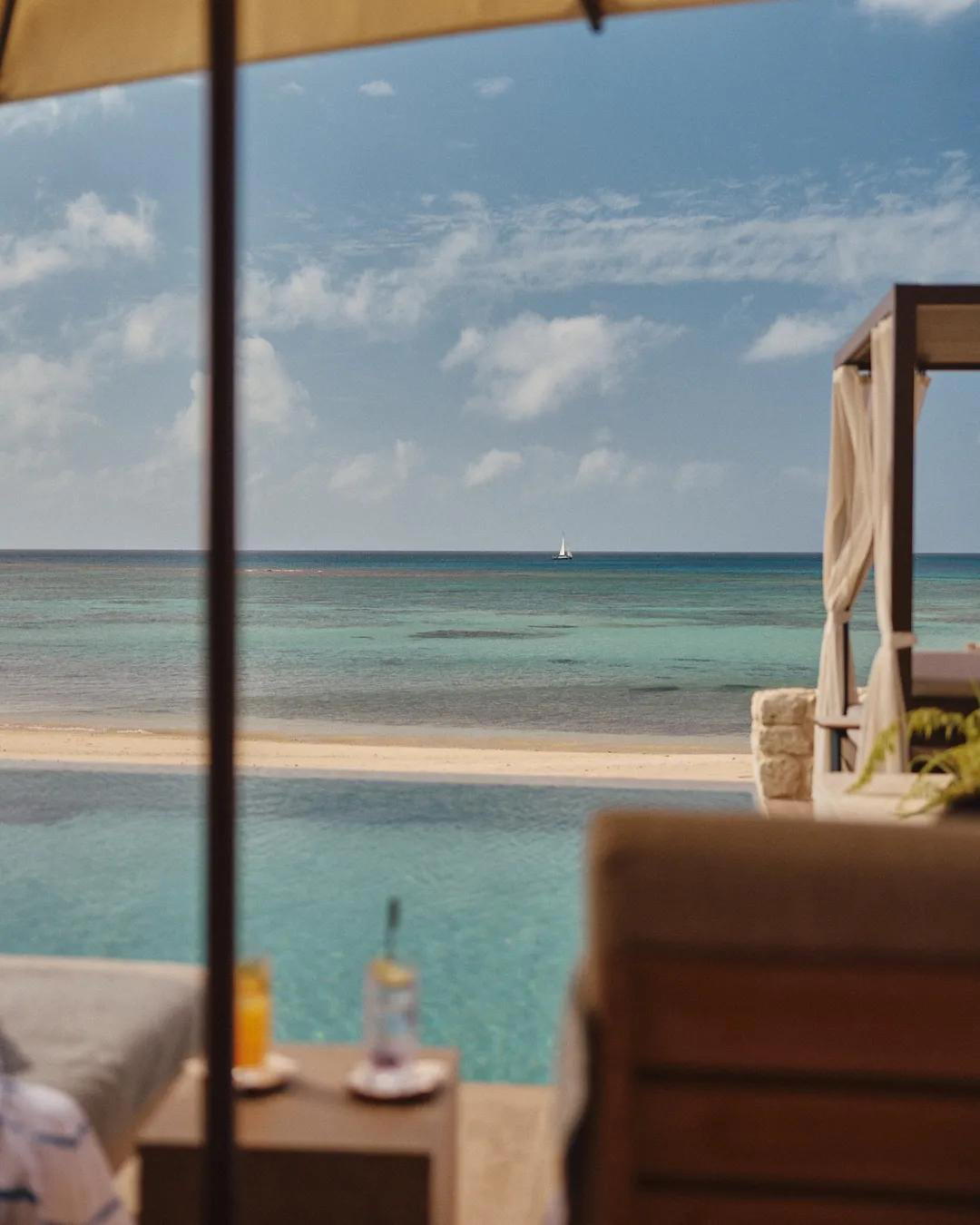
Serene and immersive with natural materials, subtle tones, soft lighting from modern white lanterns, and seamless indoor-outdoor flow to ocean views.