Hotel Shigira Mirage

Small Luxury Hotels of the World Member
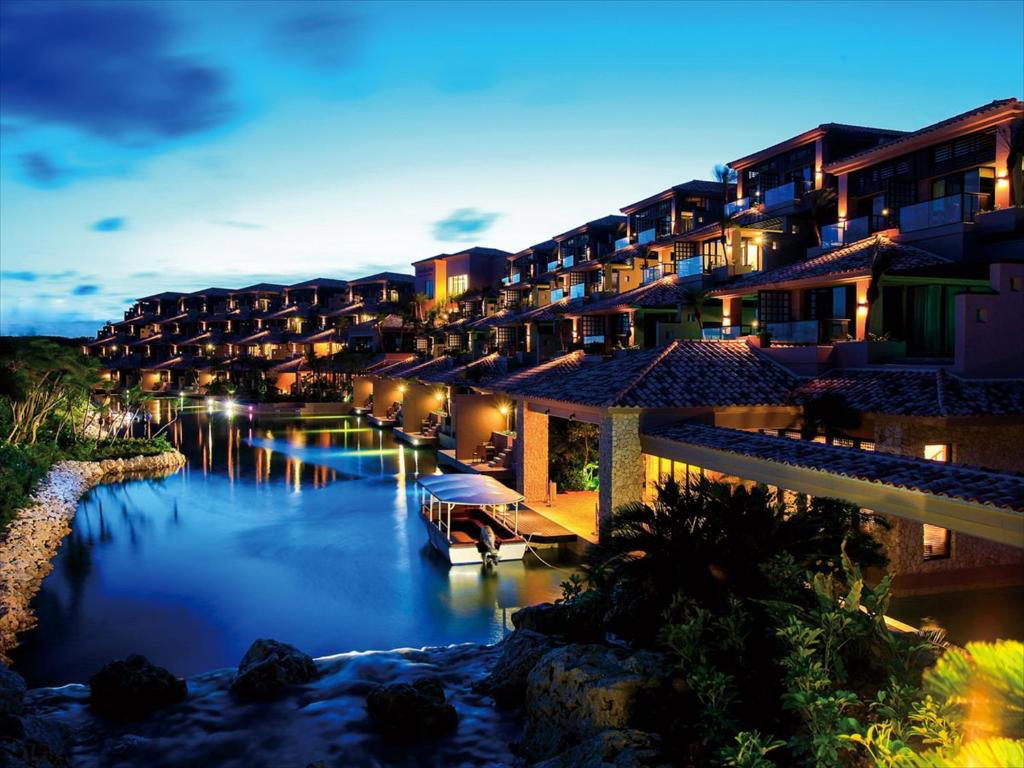
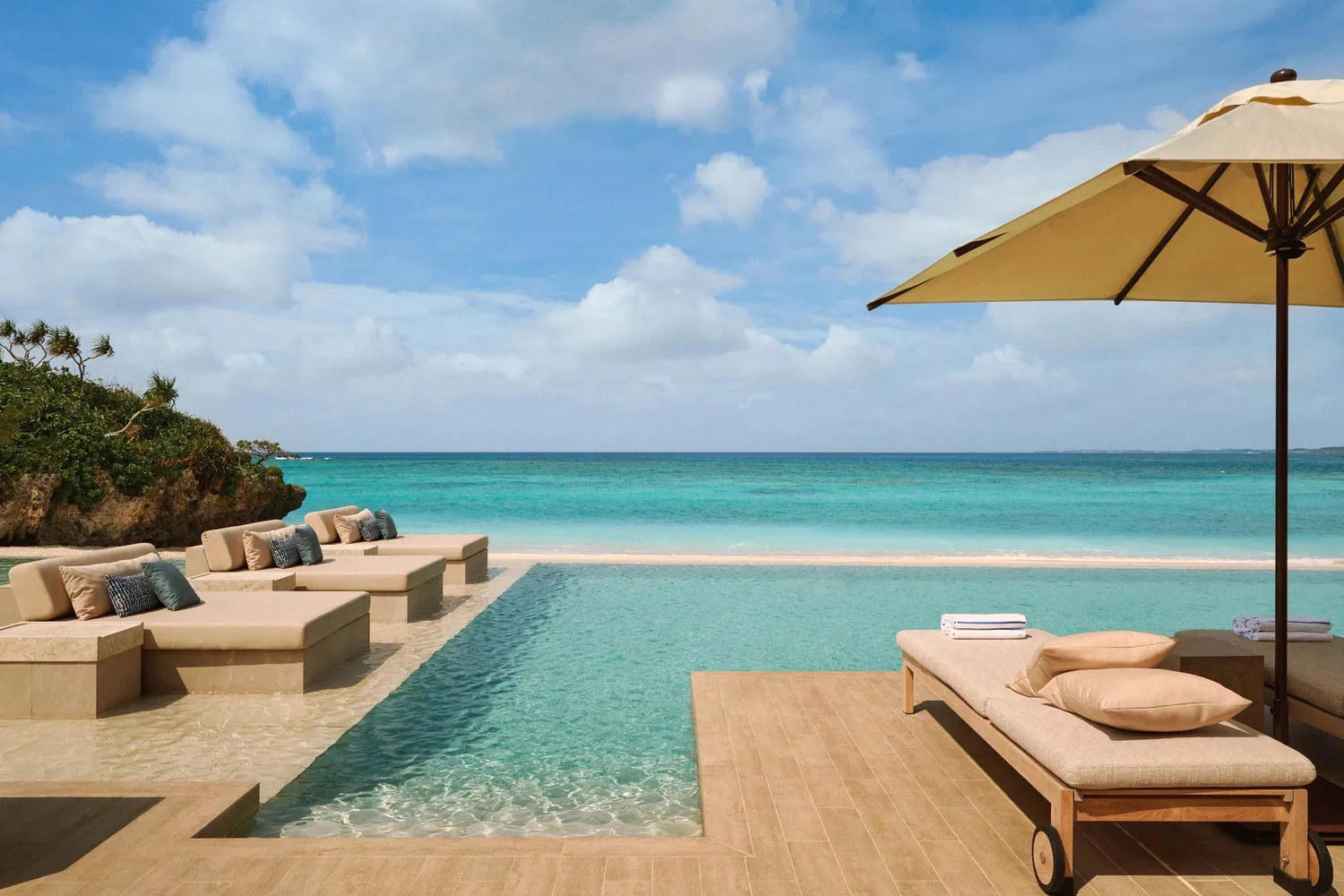
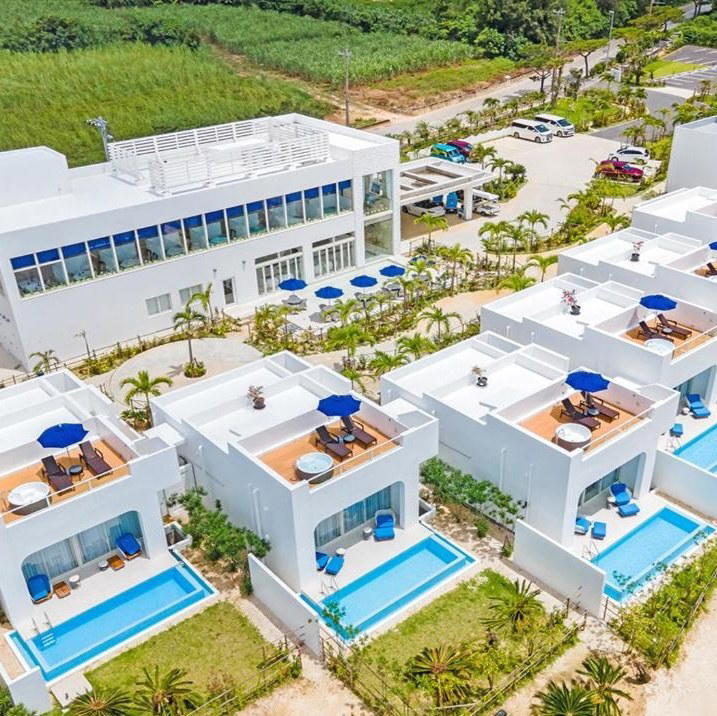
On the shores of Shigira Beach in Miyakojima, Hotel Shigira Mirage translates the island's signature palette of turquoise, green and cobalt into three distinct accommodation tiers: Bay Side rooms built around spacious minimalism, Mirage penthouse suites with direct ocean views, and hilltop villas offering refined seclusion. It sits within the wider Shigira resort zone, making it one of the more architecturally considered addresses on the island.

Pearl is the En Primeur Club membership app, where members save venues, book tables and use the concierge.
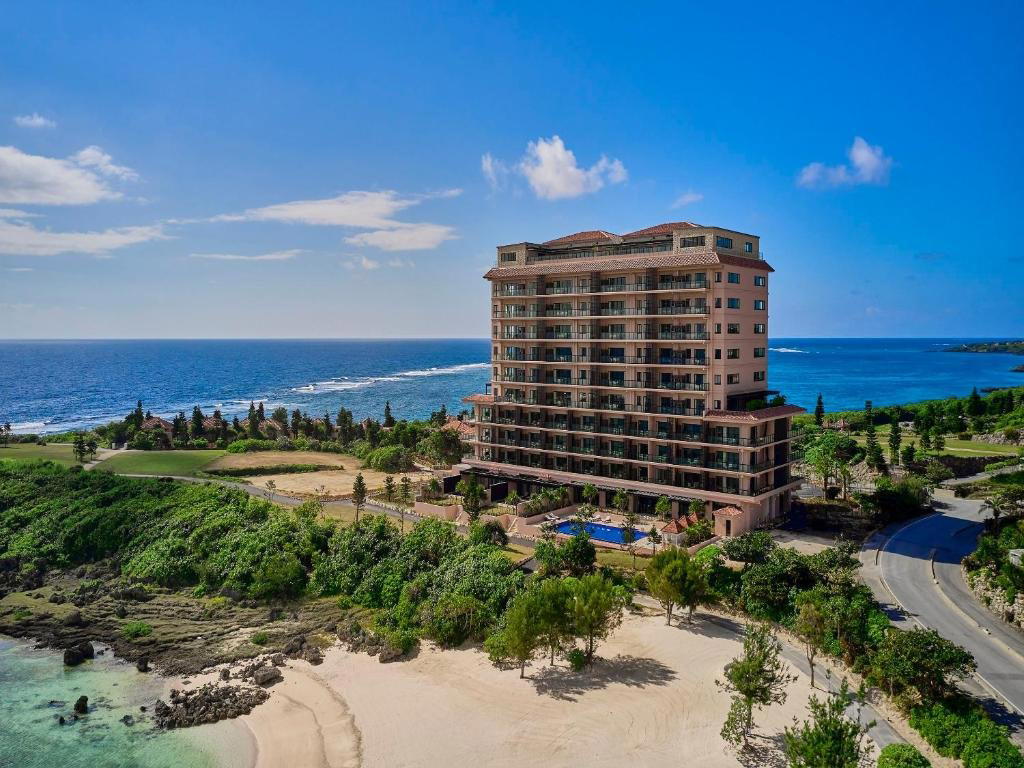
Where the Reef Palette Meets the Room
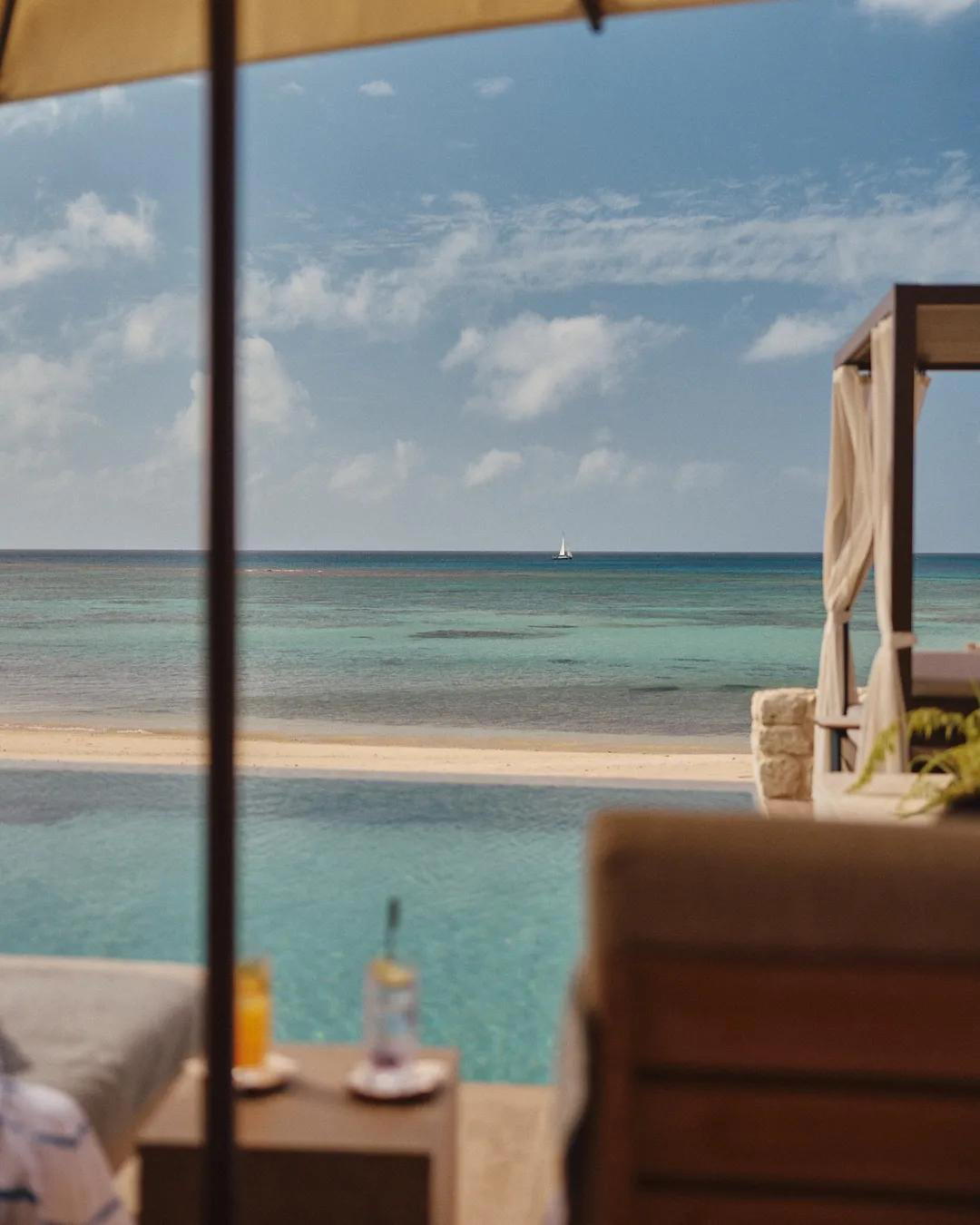
Miyakojima sits roughly 300 kilometres southwest of the Okinawan mainland, separated from the rest of Japan's resort geography by open Pacific water and a distinctly unhurried pace. The island's defining visual currency is its shallow-water colour spectrum: turquoise giving way to greens and blues depending on depth, light angle, and season. Hotel Shigira Mirage draws directly from that palette, not as a decorating conceit but as a structural identity. The property occupies the shoreline of Shigira beach on the island's southern coast, and the architecture is calibrated to make the water the dominant surface in a guest's field of vision at almost every point on the grounds. This is island design working with its environment rather than against it.
The Okinawan luxury hotel market has developed along two distinct tracks over the past decade. One track runs through international chain affiliations, which bring global loyalty programmes and standardised service models. The other runs through properties that are either locally developed or deliberately insular, trading brand recognition for spatial specificity. Hotel Shigira Mirage sits firmly on the second track, part of the Shigira Resort complex that includes sibling properties Shigira Bayside Suite Allamanda and The Shigira. The cluster model means guests access shared resort infrastructure without the property losing its distinct design register. In that respect, Shigira Mirage occupies a position closer to destination resorts like Amanemu in Mie or Benesse House in Naoshima than to urban luxury in Tokyo or Kyoto. The competitive frame is natural-environment properties where design and setting are co-dependent.
Three Formats, One Design Logic
Shigira Mirage structures its accommodation across three distinct formats, each with a different spatial argument. The Bay Side rooms address the minimalist end of the spectrum: spacious layouts stripped of decorative clutter, with the ocean view doing the heavy lifting. This is a deliberate design choice common to high-end Japanese resort architecture, where restraint in the interior is understood as a frame for the exterior rather than an absence of effort. Properties like Zaborin in Kutchan and Gora Kadan in Hakone apply similar logic in their natural settings: the room earns its premium by getting out of the view's way.
The Mirage penthouse suites escalate both the elevation and the sightline. Higher positioning on the property means longer ocean sight lines, and in a destination where the water changes colour visibly with depth and time of day, that additional vantage point is measurable value rather than marketing language. Penthouse formats in coastal Japanese resorts occupy a specific premium tier, comparable in concept to the refined suite positioning at Halekulani Okinawa, where floor selection translates directly into the quality of the horizon available from your room.
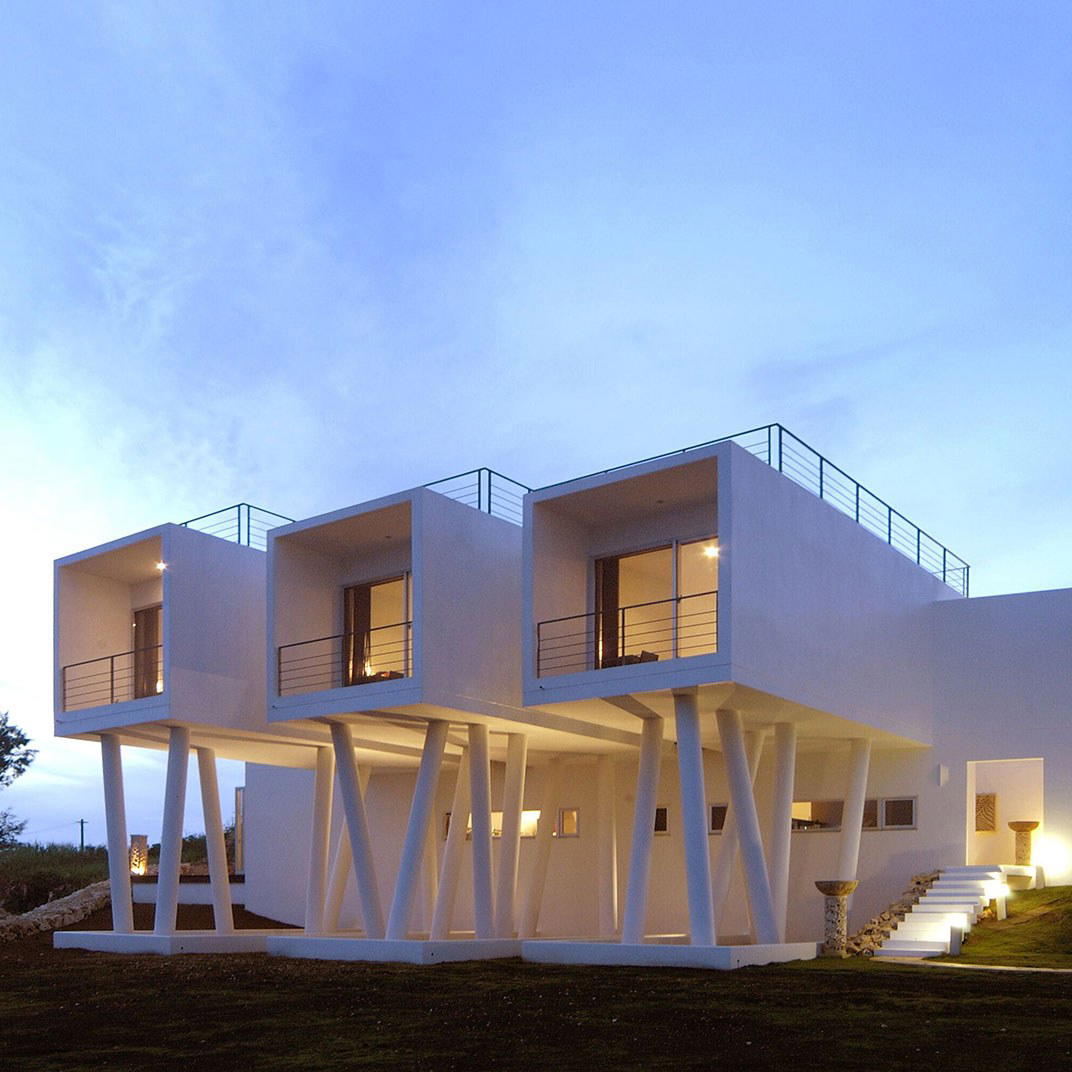
The hilltop villas represent the most private format in the inventory, separated from the main property by both grade change and, as the venue data indicates, individual facilities that come with each villa. In broader Okinawan and Japanese resort terms, the private villa tier has become the benchmark category for ultra-high-net-worth travellers who want resort amenities alongside genuine residential separation. Jusandi in Ishigaki applies a similar private-villa logic on a neighbouring island. The Shigira Mirage hilltop positioning means these villas are physically refined above the beachfront, which in resort design typically translates to uninterrupted views and natural sound buffering from the beach activity below.
Miyakojima in Context
Miyakojima receives far fewer international visitors than Okinawa's main island, partly because it requires either a direct flight from Tokyo, Osaka, or Naha, or a connection through Naha. That friction has, historically, kept the island's resort development more controlled than Okinawa's southern resort corridor. The island is a practical destination for travellers who have already cycled through northern Okinawa's major properties and are looking for a less trafficked alternative within the prefecture. Our full Miyakojima restaurants guide covers the broader dining and hospitality picture on the island for those building a full itinerary.
Within Miyakojima's hotel set, Shigira Mirage competes primarily against Rosewood Miyakojima, which brings an international brand architecture to the island. The two properties represent genuinely different propositions: one is anchored by a global loyalty ecosystem, the other by a locally-rooted resort cluster. Neither is a clear substitute for the other. The decision point for most travellers comes down to whether brand infrastructure or site-specific identity is the priority for that trip.
For broader comparison within Japan's design-led resort category, properties like ENOWA Yufu in Yufu, Fufu Kawaguchiko in Fujikawaguchiko, and Azumi Setoda in Onomichi share the same broad priority structure: architecture and natural setting over brand. Each operates in a different landscape context, but the underlying offer is comparable in category terms. Travellers who respond well to any of those properties will find Shigira Mirage's design logic legible and consistent with those expectations.
Planning a Stay
Miyakojima's peak season runs from late spring through summer, when water visibility and temperatures align most favourably for beach and ocean activity. The shoulder seasons, particularly autumn, can offer reduced occupancy at comparable conditions. Flights to Miyakojima (MYK) operate from Tokyo Haneda and Narita, Osaka Itami and Kansai, and Naha; Naha connections are shortest in travel time and typically most frequent. For travellers already moving through Okinawa's larger resort properties, Miyakojima makes a logical extension rather than a standalone destination, particularly given the direct Naha connection. The Shigira Resort complex is located in the Ueno district on the island's southern coast, accessible from the airport by road in approximately 30 minutes.
Japan's design-led coastal resort tier, from Asaba in Izu to Araya Totoan in Kaga, consistently rewards visitors who build in enough time to let the environment become familiar. One-night stays at properties structured around beach access and natural light rarely capture the full return on the room investment. Two nights at minimum applies at Shigira Mirage, where the difference between a Bay Side room and a hilltop villa is spatial and tonal rather than service-driven.
Comparison Snapshot
Comparable venues nearby, for context on price, style, and recognition.
| Venue | Cuisine | Price | Awards | Notes |
|---|---|---|---|---|
| Hotel Shigira MirageThis venue (the venue you are viewing) | Luxurious beachfront resort with bayside high-rise and villa accommodations | Not listed | Small Luxury Hotels of the World Member | Not listed |
| The Shigira | Luxury villa resort with private pools and butler service | Not listed | Small Luxury Hotels of the World Member | Shigira Cape |
| Shigira Bayside Suite Allamanda | Luxury beachfront resort with suite villas and private pools | Not listed | Small Luxury Hotels of the World Member | Ueno |
| Ayanna Miyakojima | Luxury auberge-style resort with minimalist design emphasizing natural beauty and privacy. | $300–500 | 1 Michelin Key | Irabu Island |
| IRAPH SUI, a Luxury Collection Hotel, Miyako Okinawa | Beachfront luxury resort | Not listed | Michelin Selected | Irabu Island |
| Namyu The Place | exclusive private villa resort | Not listed | Michelin Selected | Gusukubebora |
Recognition history
Dated appearances from independent guides and award organizations, with the underlying list record or original source where available.
Small Luxury Hotels of the World Member
Small Luxury Hotels of the World
Continue exploring
More in Miyakojima
Hotels in Miyakojima
All hotels in Miyakojima →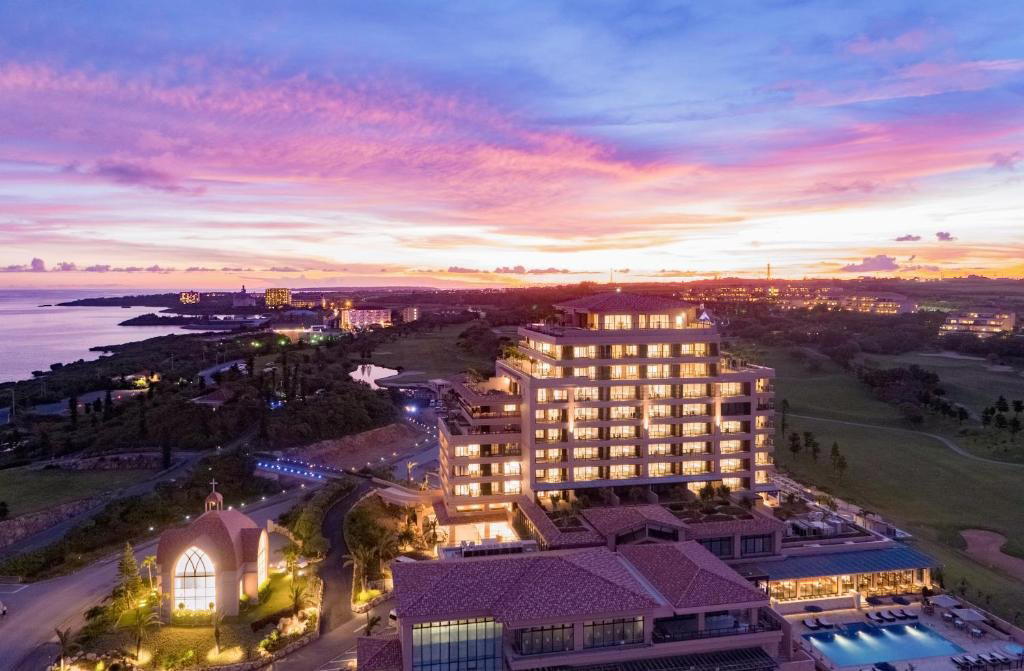
Details
- Elegant
- Scenic
- Sophisticated
- Ornate
- Honeymoon
- Romantic Getaway
- Family Vacation
- Beachfront
- Infinity Pool
- Private Villa
- Golf Course
- Panoramic View
- Wi Fi
- Pool
- Spa
- Room Service
- Concierge
- Valet Parking
- Beach Access
- Golf Course
- Sauna
- Hot Tub
- Waterfront
- Elevator
Serene and sophisticated with large windows framing moody sunsets and ocean vistas, lush garden surroundings, and a tranquil tropical atmosphere.