
Occupying a converted historic building on Calle Imperial, the Pestana Collection Plaza Mayor holds Michelin Selected status in the 2025 hotel guide, placing it among a curated tier of Madrid properties where location and architectural character carry as much weight as service. For visitors oriented around the city's Habsburg core, few addresses put you closer to the action without sacrificing comfort.
Pearl is the En Primeur Club membership app — saves, bookings, and concierge access live there. Same editors, same standards.
- Address
- C. Imperial, 8, Centro, 28012 Madrid, Spain
- Phone
- +34 910 05 28 22
- Website
- pestana.com
- Directions
- Get directions
 Saves & bookings on Pearl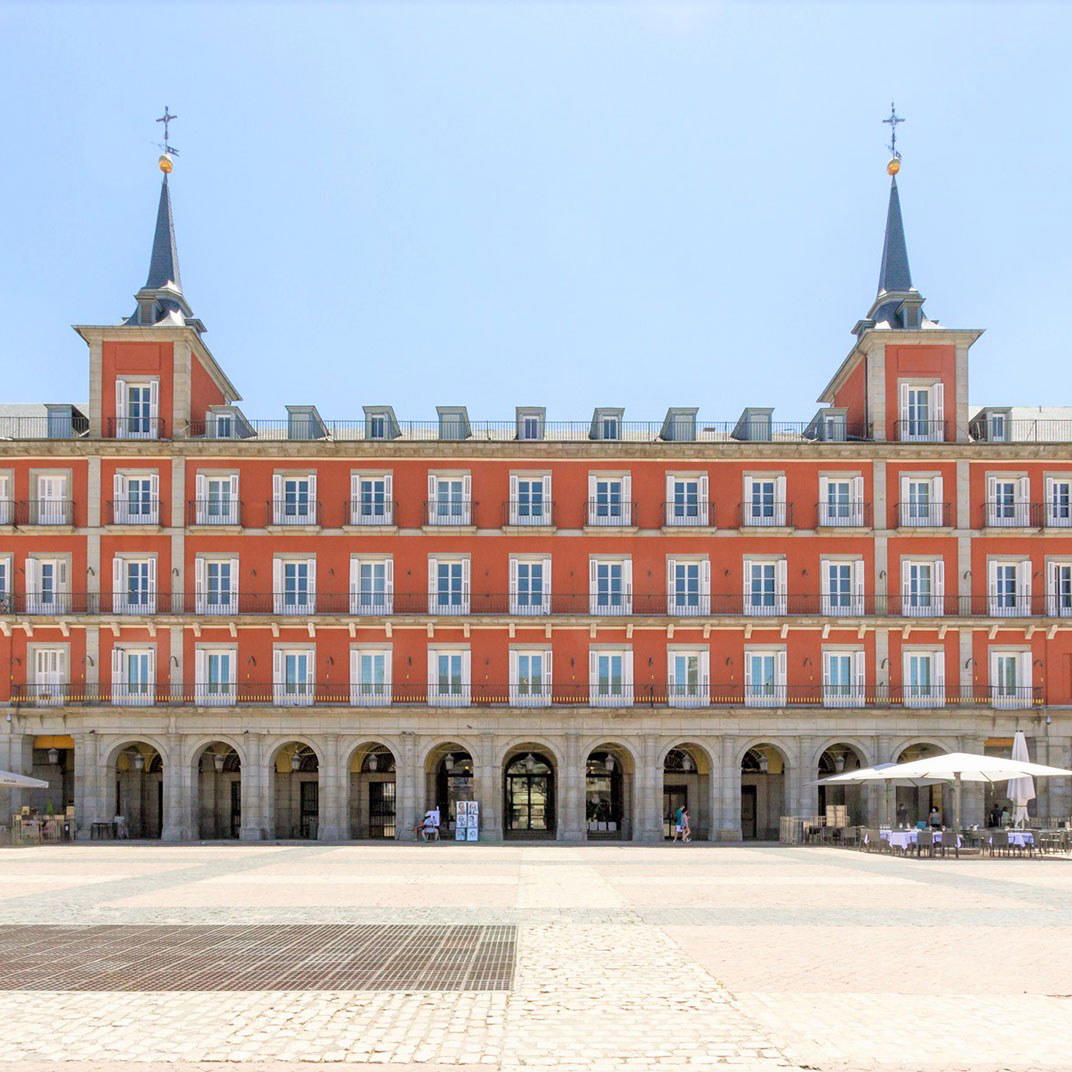
Where the Habsburg City Meets You at the Door
Madrid's oldest quarter does not ease you in gradually. Step onto Calle Imperial and you are already inside the grid that Philip II drew in the sixteenth century: the Plaza Mayor a short walk in one direction, the Palacio Real visible from another angle, the Mercado de San Miguel close enough to visit between meetings. Hotels in this zone do not need a rooftop bar or a celebrity chef to justify their position, the address itself is the product. The Pestana Collection Plaza Mayor, occupying a converted historic building at number 8, sits squarely in that logic.
The Habsburg Quarter and Why Location Here Is Structural, Not Incidental
Understanding what makes a hotel in this part of Madrid distinctive requires some sense of how the city's accommodation map is divided. The luxury corridor running from the Prado up through Paseo de la Castellana has long hosted the highest-spending international flagships: the Mandarin Oriental Ritz, Madrid with its Belle Époque skin and post-renovation gravitas, and the Four Seasons Hotel Madrid holding the former Casa de las Telecomunicaciones on Canalejas. The Rosewood Villa Magna anchors the Castellana end of that axis. What these properties share is orientation toward the formal, expansive Madrid of the nineteenth and twentieth centuries.
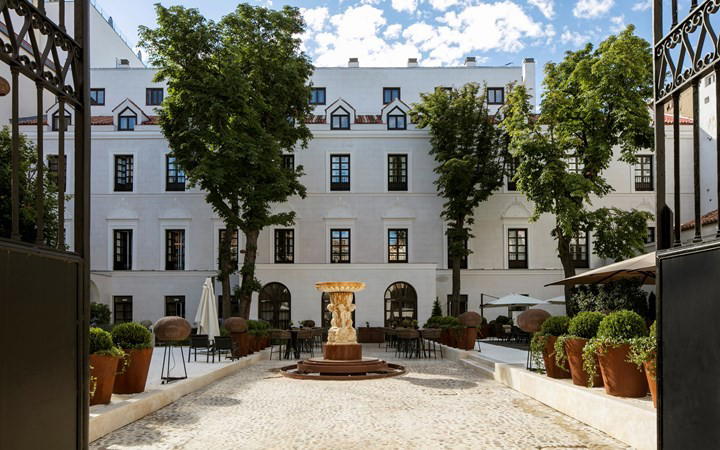
The Austrias neighbourhood, Madrid de los Austrias, as locals name the Habsburg core, operates on a different scale. Streets narrow, facades crowd together, and the architecture references a period before broad boulevards were a planning concept. Hotels choosing this zone are implicitly making a statement about which version of Madrid they are selling. The CoolRooms Palacio de Atocha and the Gran Hotel Inglés represent the design-led, character-forward end of central Madrid's hotel tier. The Pestana Collection Plaza Mayor fits that orientation: a property where the converted building fabric and proximity to the city's oldest public spaces are the primary draw, rather than a sprawling spa or a flagship restaurant.
Michelin Selection and What It Signals in the Madrid Context
In a city where accommodation options range from budget hostels behind the Gran Via to palace conversions with art collections, that selection narrows the field meaningfully. For a property positioned by address and architectural character rather than by brand scale, Michelin recognition acts as a third-party quality anchor, the kind of credential that matters when a hotel is not leaning on a globally recognised flag to do that work.
Among peer hotels in the historic centre, the Gran Meliá Palacio de los Duques near the Palacio Real offers a sense of comparison: a large-format luxury property operating in the same historical quarter but at a different scale and price point. The Pestana Collection occupies the space between that kind of full-service grand hotel and the smaller, more intimate options like the Hotel Rector or the Hotel Unico Madrid, both of which compete on personal service and boutique character.
Spain's Converted-Building Hotel Tradition
Across Spain, particularly compelling hotel experiences come from historic structures repurposed for accommodation: wine estates converted to guest houses in Priorat, such as Terra Dominicata in Escaladei; a monastery-rooted property like Abadía Retuerta LeDomaine; a Michelin-starred restaurant hotel in Extremadura at Atrio Restaurante Hotel in Cáceres. The connecting thread is architecture doing narrative work that a purpose-built hotel cannot replicate. The same logic applies in an urban setting. A building on Calle Imperial carries layers of Madrid's civil and commercial history that a new-build property on the periphery simply cannot access. The Pestana Collection's positioning taps that tradition directly.
Elsewhere on the Iberian Peninsula, this pattern repeats at different scales: La Residencia, A Belmond Hotel, Mallorca works with traditional Mallorcan architecture; Hotel Can Cera in Palma occupies a seventeenth-century palace; the Cap Rocat in Cala Blava converts a military fortress. Even Pepe Vieira Restaurant and Hotel in Poio and Casa Beatnik Hotel in A Coruña reflect the Galician coast's interest in place-specific accommodation. What distinguishes the Madrid example is density: in this part of the city, historic fabric is the norm rather than a curated exception, which means the competition for guests who want that quality is higher, and the threshold for doing it well is correspondingly tighter.
Planning a Stay: What the Location Implies
Staying on Calle Imperial means operating on foot for much of what Madrid's historic centre offers. The Plaza Mayor, one of Spain's most architecturally coherent public squares and a reference point for understanding the Habsburg city's civic ambitions, is within easy walking distance. The Palacio Real and the adjacent Jardines de Sabatini are similarly accessible. San Miguel market, functioning as a covered food hall with regional produce and prepared dishes, sits nearby and serves as a practical introduction to the range of Spanish regional food culture represented in Madrid. For guests who want access to the Prado, the Reina Sofía, or the Thyssen, the walk takes longer but remains viable, or the metro system connects the centre efficiently.
Travellers for whom Madrid is a gateway to wider Spain will find useful reference points in other Michelin-selected properties across the country: Akelarre in San Sebastián for the Basque coast, Marbella Club Hotel for Andalusia, or Hotel Can Ferrereta in Santanyí for the quieter side of Mallorca. For those whose itineraries extend beyond Europe, comparison points at the summit of the international hotel tier include The Fifth Avenue Hotel in New York City, Badrutt's Palace Hotel in St. Moritz, and Hôtel de Paris Monte-Carlo.
At a Glance
Comparable venues nearby, for context on price, style, and recognition.
| Venue | Price | Notes |
|---|---|---|
| Pestana Collection Plaza MayorThis venue — the venue you are viewing | $$$$ | Not listed |
| Eric Vökel Madrid Suites | $$$ | Universidad, Boutique aparthotel with hybrid reception and self-catering apartments |
| Catalonia Las Cortes | $$$ | Barrio de las Letras, Historic palace restored with preserved frescoes and staircase |
| H10 Villa de la Reina | $$$ | Chueca, charming boutique in majestic early 20th-century building |
| Ilunion Atrium Hotel | $$$ | San Juan Bautista, Modern functional hotel with central glass atrium |
| Wellington Hotel & Spa Madrid | $$$$ | Recoletos, Classically elegant luxury hotel with contemporary wellness integration, positioned as a sophisticated urban sanctuary blending heritage architecture with modern spa amenities. |
Recognition history
Dated appearances from independent guides and award organizations, with the underlying list record or original source where available.
Michelin Selected
Michelin
Continue exploring
More in Madrid
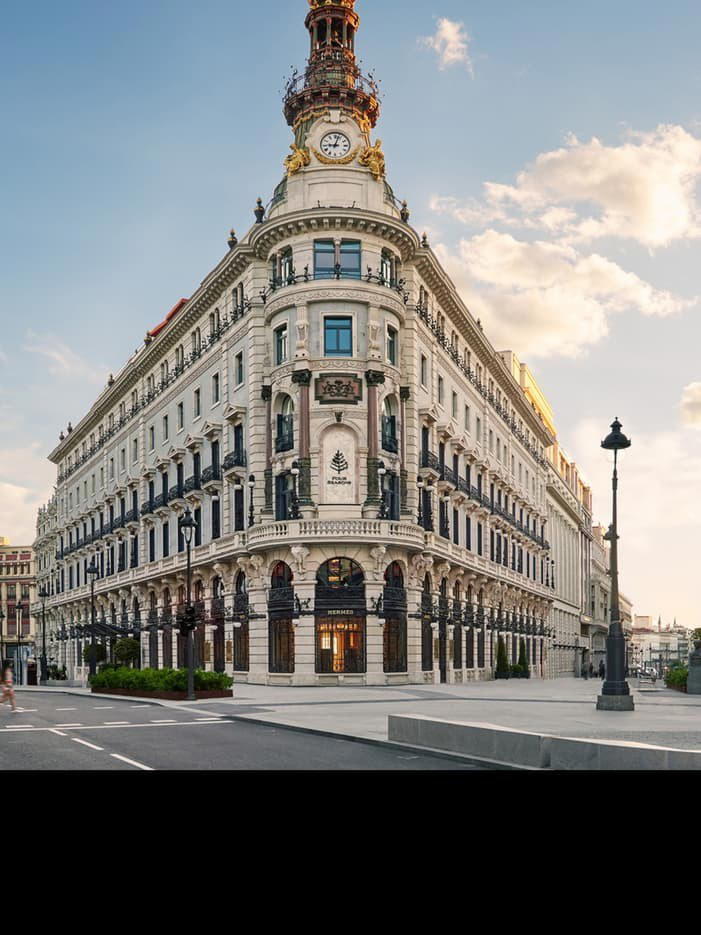
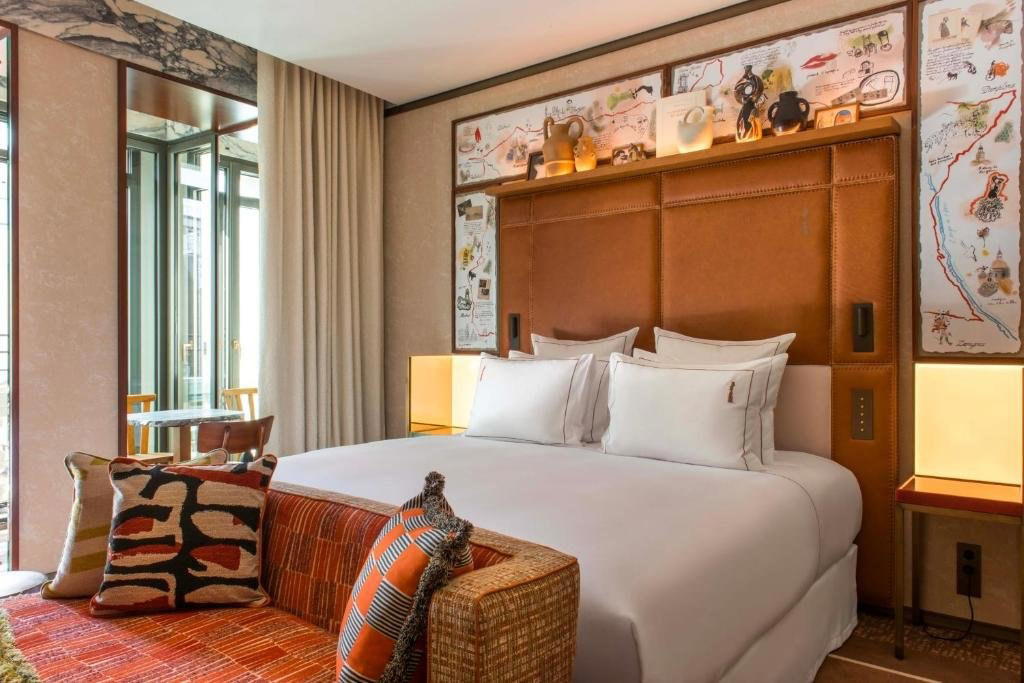
Hotels in Madrid
Browse all →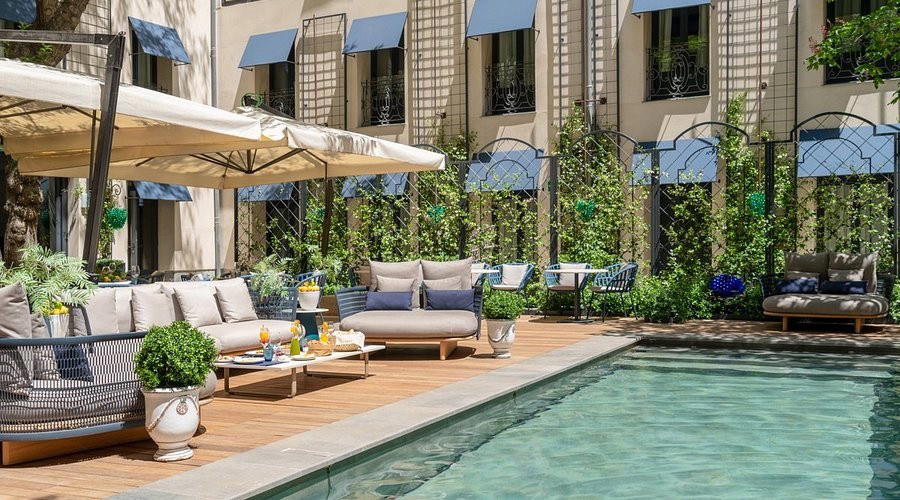
Bars in Madrid
Browse all →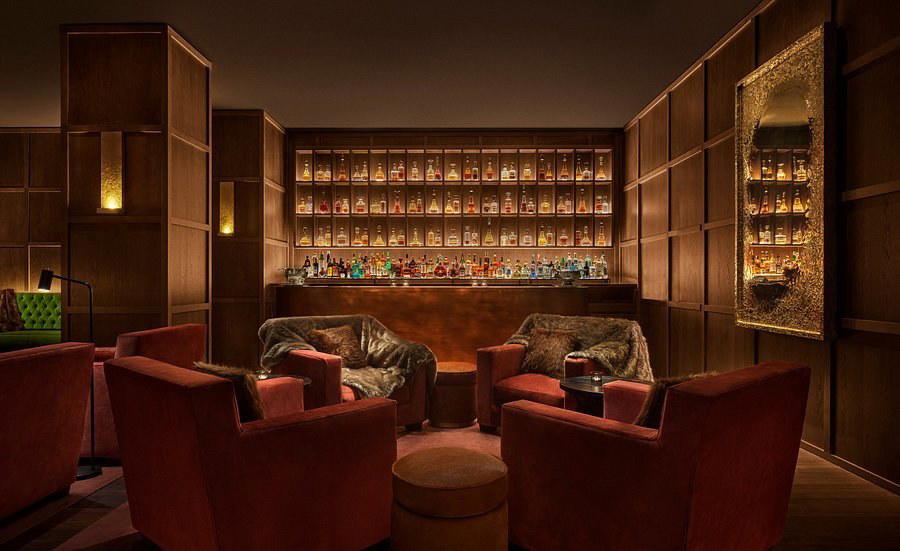
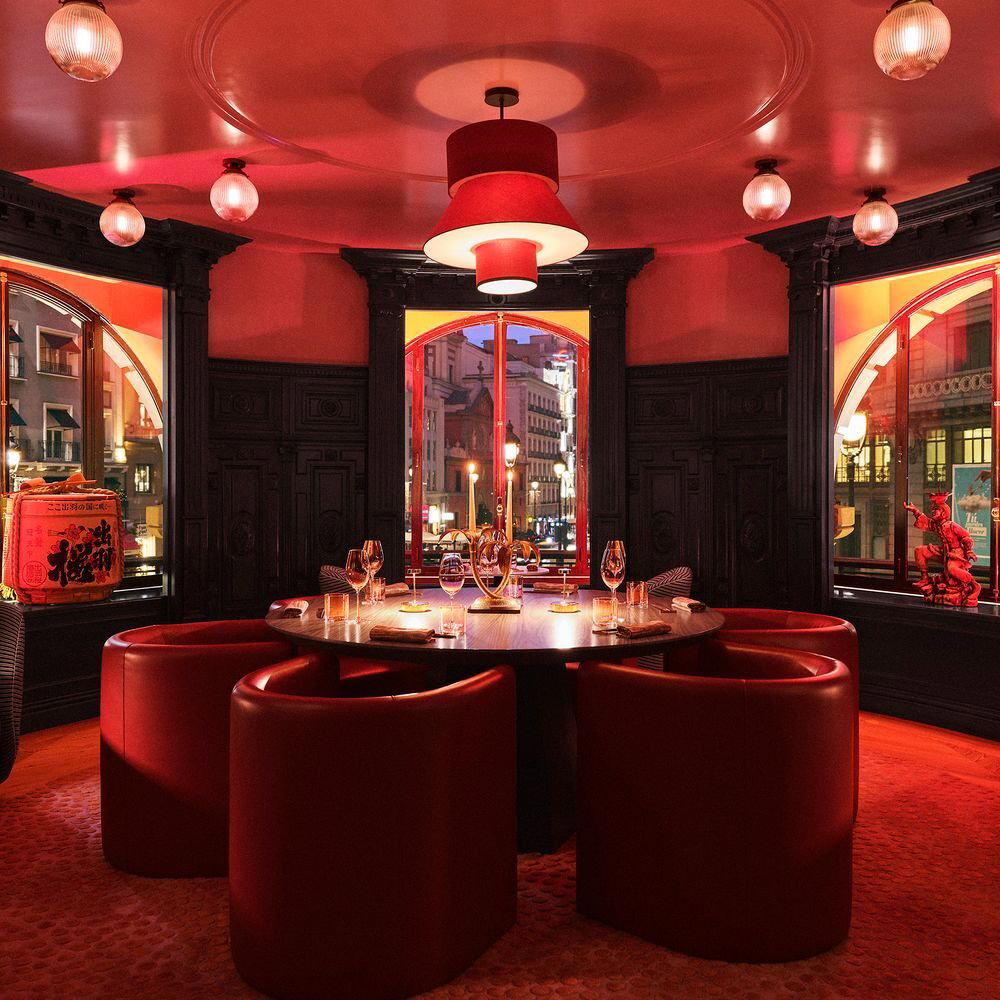
Restaurants in Madrid
Browse all →

At a Glance
- Elegant
- Sophisticated
- Historic
- Intimate
- Romantic Getaway
- Weekend Escape
- Anniversary
- Historic Building
- Rooftop Pool
- Terrace
- Panoramic View
- Wi Fi
- Pool
- Spa
- Fitness Center
- Room Service
- Concierge
- Restaurant
- Bar
- Street Scene
- Wi Fi
- Pool
- Spa
- Fitness Center
- Room Service
- Concierge
- Restaurant
- Bar
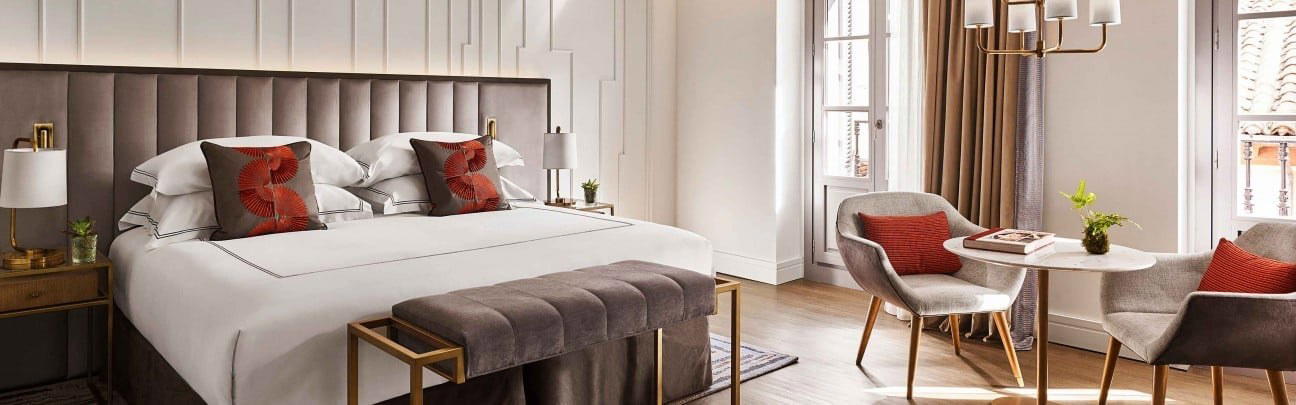
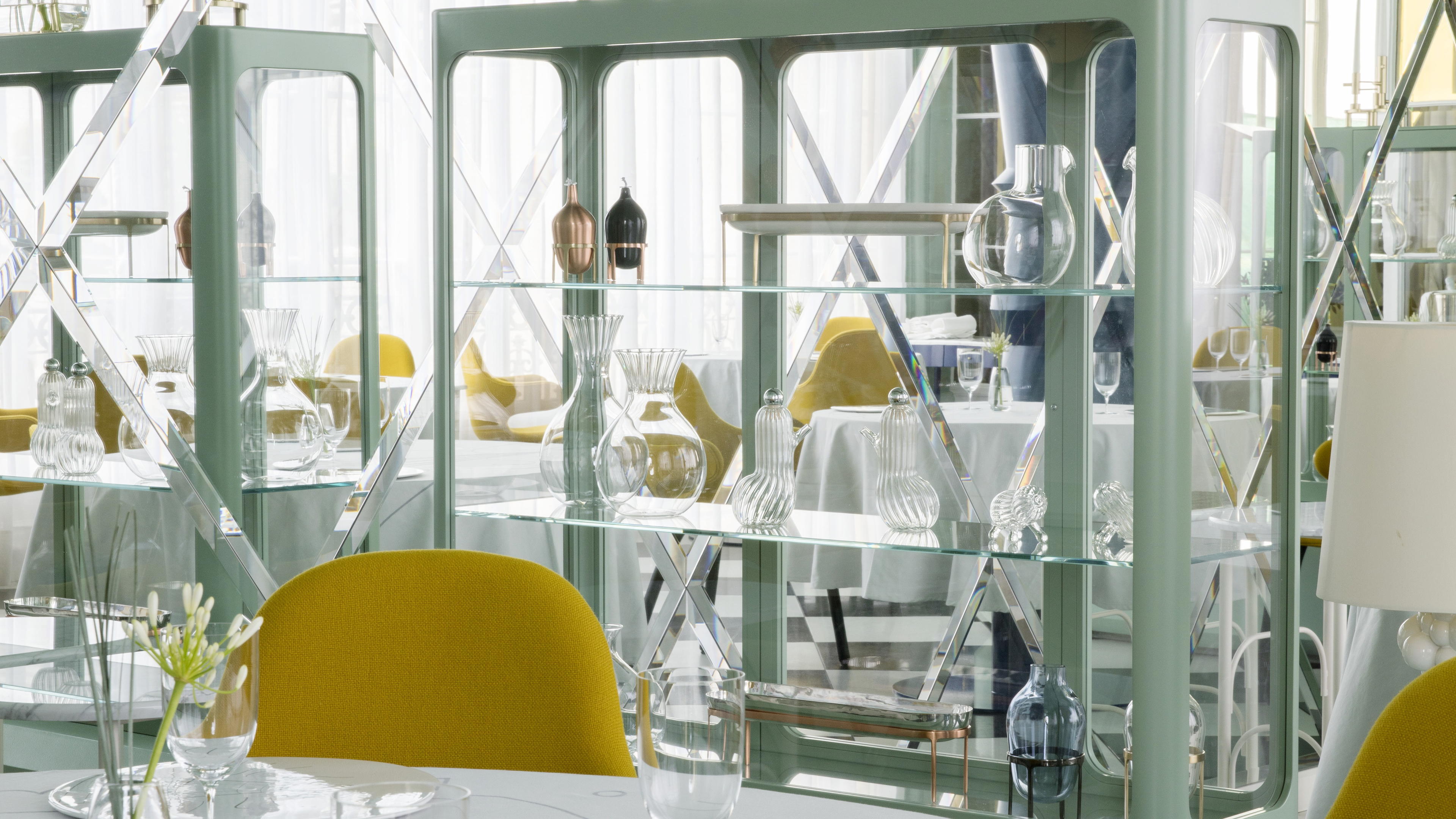
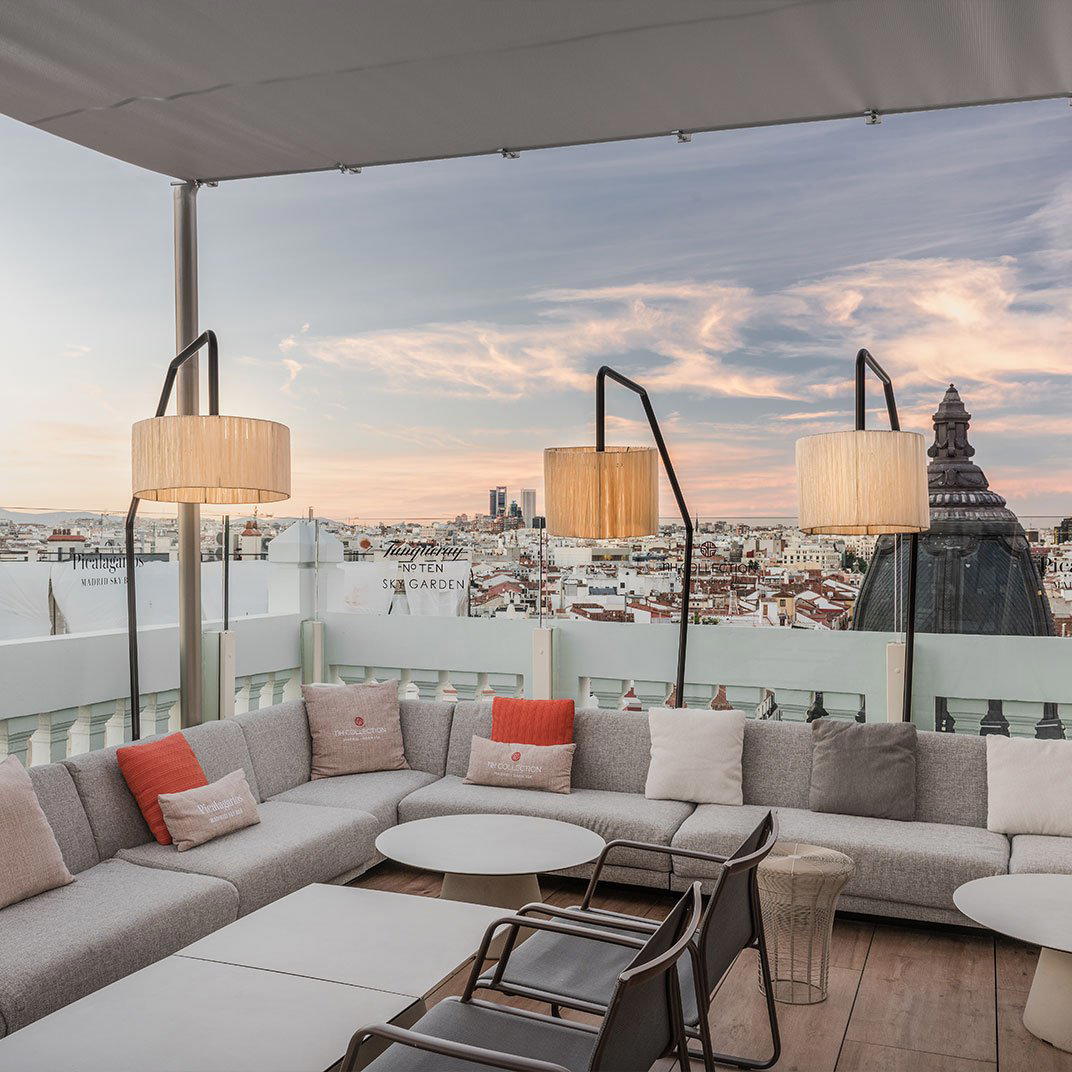
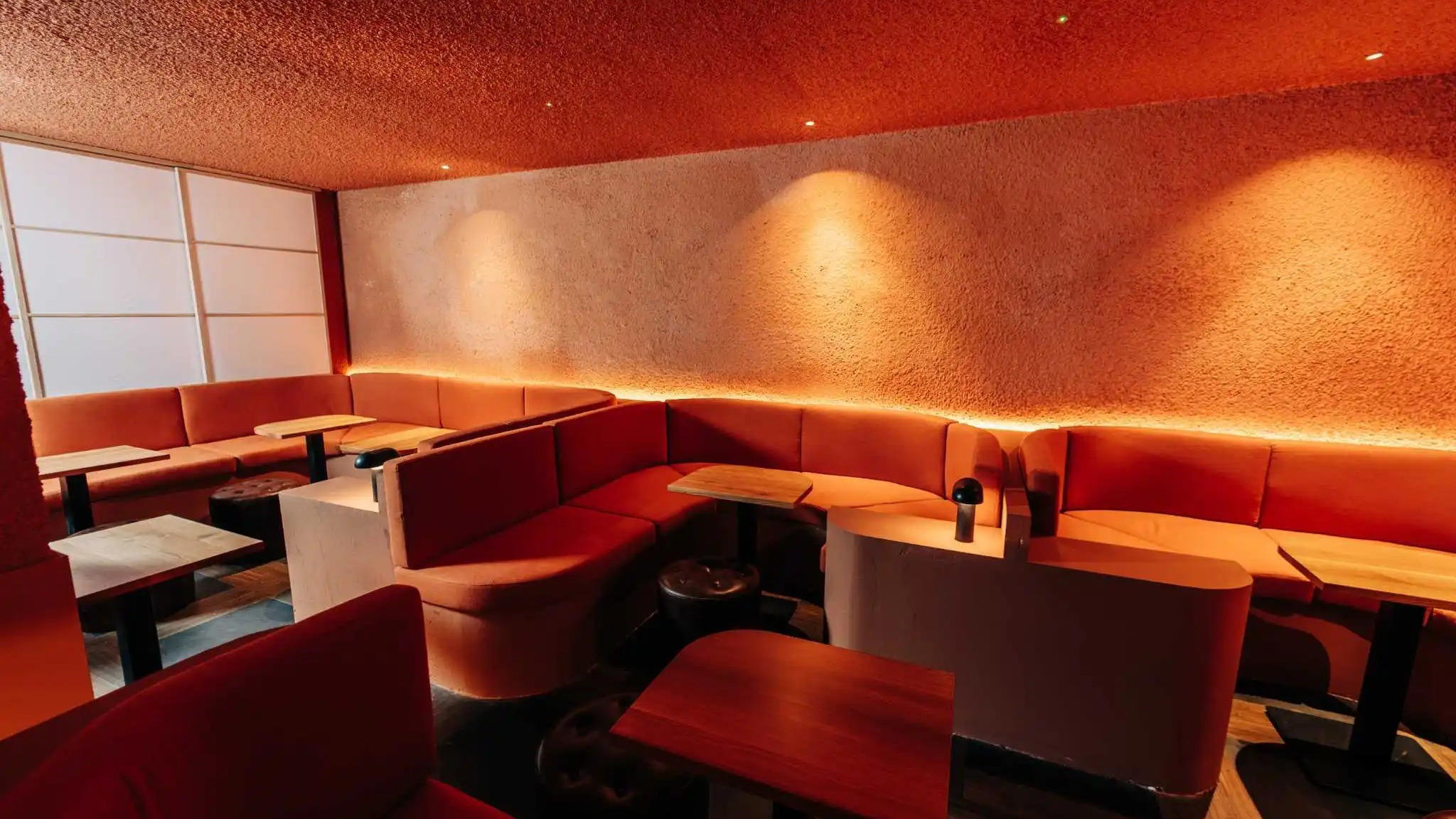
Sophisticated charm with baroque lighting, exposed historic bricks, and a tranquil atmosphere despite the lively central location.