Eric Vökel Madrid Suites occupies a building on Calle de San Bernardo in the Centro district, placing guests within walking distance of Malasaña's independent shops and the cultural axis running through Gran Vía. The property operates in the aparthotel segment, where suite-format accommodation offers more floor space and domestic infrastructure than a standard hotel room, a format that attracts longer-stay travellers and those who find conventional hotel corridors reductive.

Pearl is the En Primeur Club membership app, where members save venues, book tables and use the concierge.

Calle de San Bernardo and the Logic of the Centro Aparthotel
Madrid's accommodation market has split into recognisable tiers over the past decade. At the upper end, full-service grand hotels like the Mandarin Oriental Ritz, Madrid and the Four Seasons Hotel Madrid compete on ceremony, staff ratios, and food-and-beverage programming. Below that tier, a quieter segment has grown steadily: design-conscious aparthotels that trade ballrooms and concierge theatre for floor space, kitchen infrastructure, and a residential atmosphere. Eric Vökel Madrid Suites operates in this second category, at a Calle de San Bernardo address in the Centro district that positions it usefully between the city's two main cultural corridors.
San Bernardo sits at a hinge point. Walk south and you reach the Gran Vía within minutes. Walk north and you enter Malasaña, Madrid's most actively changing neighbourhood, where independent restaurants, wine bars, and concept stores have accumulated steadily since the early 2010s. This address is not a consequence of accident, aparthotels in this bracket tend to cluster in transitional zones where land costs are lower than in Salamanca or the Retiro periphery, but footfall and cultural density remain high. For guests whose reason to be in Madrid runs across multiple days and multiple districts, San Bernardo is a serviceable anchor point.
What the Suite Format Means in Practice
The aparthotel category has its own internal logic, and understanding it helps set appropriate expectations. Properties in this segment are structured around suites rather than rooms: the distinction matters because a suite in this context typically includes a living area separate from the sleeping space and, in most cases, a kitchen or kitchenette. For travellers arriving from cities where short-stay rental apartments have displaced conventional hotels, New York, London, Amsterdam, the format is familiar. For those accustomed to five-star full-service environments like the Rosewood Villa Magna or properties with strong F&B; anchors like the Gran Meliá Palacio de los Duques, the trade-off requires consideration.
What you gain in the suite format is genuine domestic space. The ability to store groceries from the Mercado de San Ildefonso two blocks north, or to have breakfast without descending to a hotel dining room, represents a meaningful shift in how a city stay feels. What you give up, relative to a full-service hotel, is the depth of on-site services: room service at volume, spa programming, multiple restaurant outlets. The Eric Vökel brand operates across several Spanish cities, Barcelona, Seville, and Madrid among them, and its Madrid property follows the same design-led, suite-first template visible across the group.
The Design Register of the Building
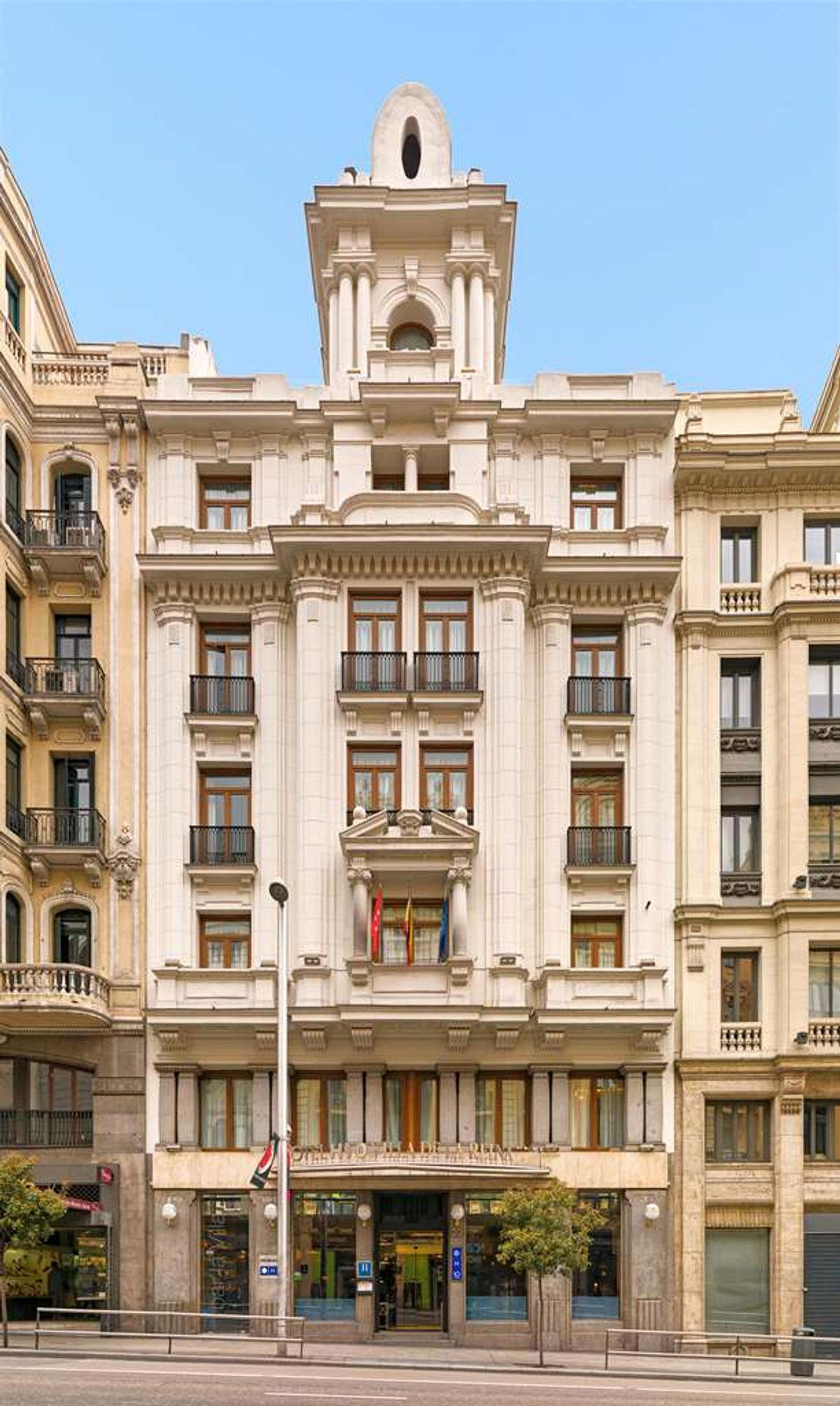
The building on Calle de San Bernardo represents a broader trend in Madrid's mid-market and upper-mid-market accommodation: the conversion of older residential and commercial structures into suite-format hospitality. Madrid has a substantial stock of early-twentieth-century apartment buildings in the Centro and Chamberí districts, many of which have high ceilings, generous room footprints, and façades with architectural detailing that newer-build hotels cannot replicate. Properties that convert these structures inherit a physical generosity, ceiling height, natural light from tall windows, a sense of mass and permanence, that purpose-built aparthotels in peripheral locations frequently lack.
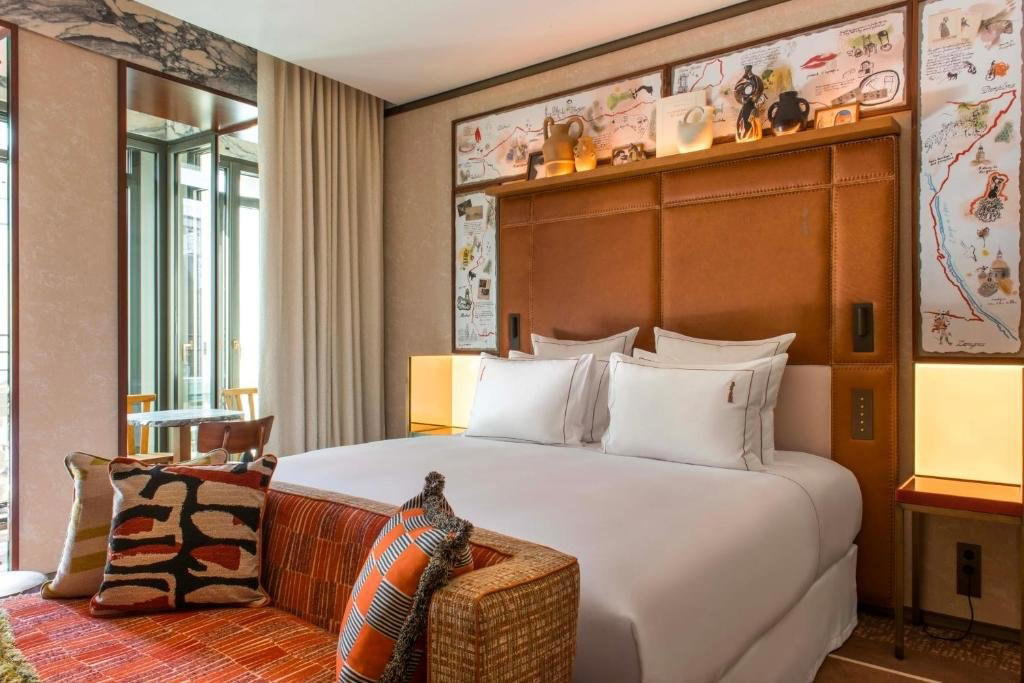
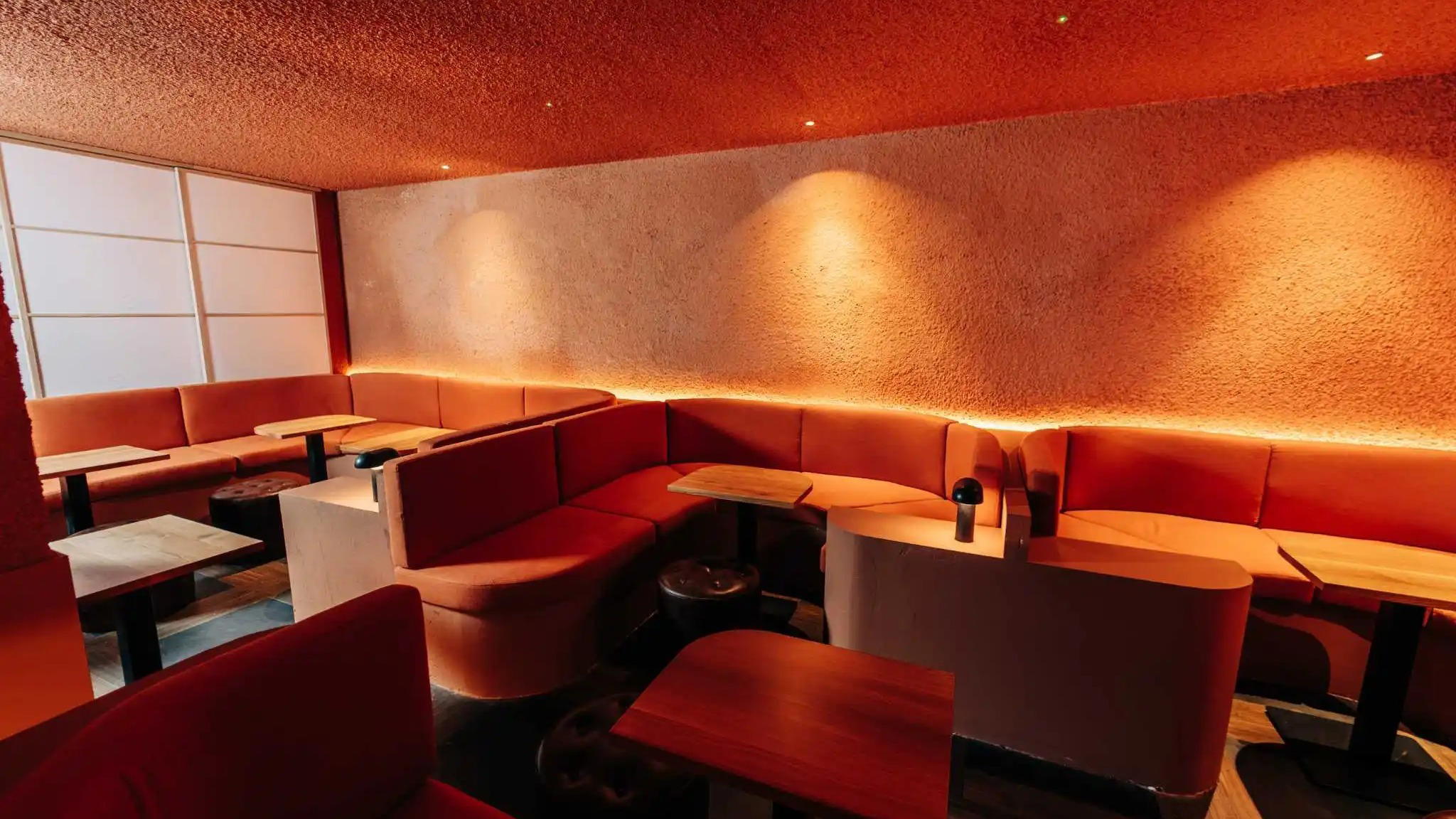
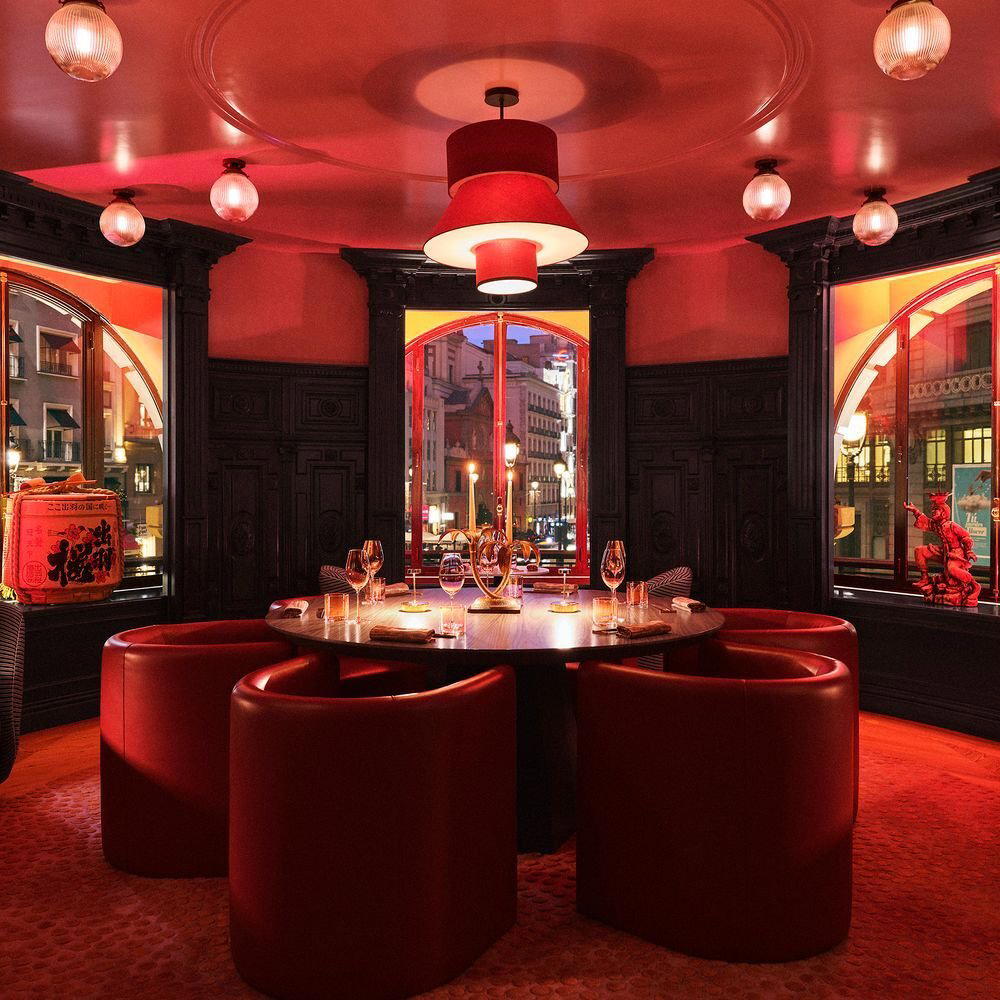
The interior design approach at properties in this segment generally sits somewhere between the maximalist gesture of a heritage grand hotel and the stripped minimalism of a budget design chain. The editorial interest lies in how individual properties negotiate that middle ground: whether they lean into the building's original material language or overlay it with a contrasting contemporary palette.
For guests whose reference points include more intensively designed properties such as the CoolRooms Palacio de Atocha or the Gran Hotel Inglés, the Eric Vökel proposition is a different kind of spatial experience: less theatricality, more livability.
Neighbourhood Texture and What It Adds
Centro is a broad administrative designation in Madrid, but the San Bernardo corridor has a specific character. It is denser and more residential than the tourist-facing streets around Sol and Plaza Mayor, and less polished than the Barrio de las Letras end of the Centro boundary. The surrounding blocks contain a mix of long-established neighbourhood bars, newer wine-forward spots, and the kind of low-cost lunch menus that sustain office workers and students from the nearby university buildings. The Universidad Complutense's historic campus is close enough to give the area a studious undercurrent.
For guests using the property as a base for wider exploration, the Metro connection at Noviciado or San Bernardo stations provides quick access to the Salamanca dining district, the Prado-Reina Sofía museum axis, and the southern barrios. Madrid's public transport coverage in this zone is efficient, which matters when the neighbourhood's dining offer does not fully match what larger hotel districts can field within walking distance.
Across Spain more broadly, the range of accommodation styles is extensive, from wine-estate hotels such as Abadía Retuerta LeDomaine in Teruel to coastal design properties like Cap Rocat in Cala Blava, and city aparthotels occupy a distinct functional niche within that spectrum. For the Madrid visitor focused on the city itself, see our full Madrid restaurants guide for neighbourhood-level dining context.
Planning Your Stay
Eric Vökel Madrid Suites is located at Calle de San Bernardo, 61, in the Centro district, 28015 Madrid. The Metro network serves the immediate area well, with Noviciado on Line 2 and San Bernardo on Lines 2 and 4 within a short walk. Booking is leading handled directly through the Eric Vökel brand website to confirm suite configuration and any applicable rates. Guests comparing options in the Madrid market might also consider the Hotel Unico Madrid or the Hotel Rector as alternative mid-to-upper propositions with different format profiles.
Comparable Spots, Quickly
A compact comparison to help you place this venue among nearby peers.
| Venue | Price | Awards |
|---|---|---|
| Eric Vökel Madrid SuitesThis venue (the venue you are viewing) | $200–300 | Not listed |
| Mandarin Oriental Ritz, Madrid | Not listed | 3 Michelin Keys · World's 50 Best #71 |
| Four Seasons Hotel Madrid | Not listed | 2 Michelin Keys · World's 50 Best #66 |
| Rosewood Villa Magna | $300–500 | 2 Michelin Keys · La Liste Top Hotels |
| Santo Mauro, a Luxury Collection Hotel | Not listed | 1 Michelin Key · Forbes Recommended |
| JW Marriott Hotel Madrid | Not listed | Forbes 4-Star |
Continue exploring
More in Madrid
Hotels in Madrid
All hotels in Madrid →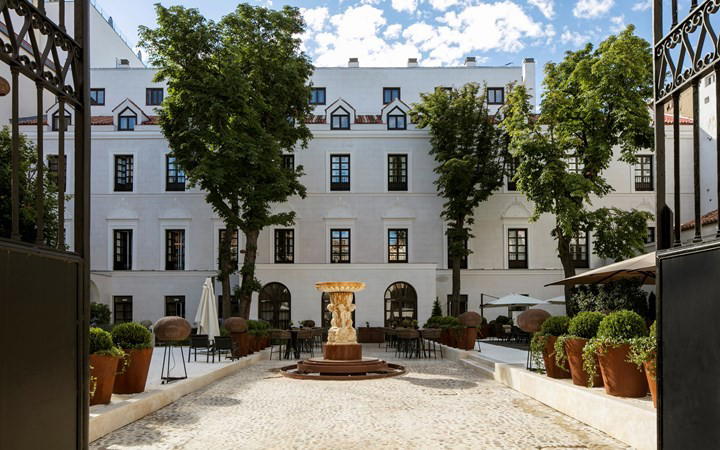
Bars in Madrid
All bars in Madrid →
Restaurants in Madrid
All restaurants in Madrid →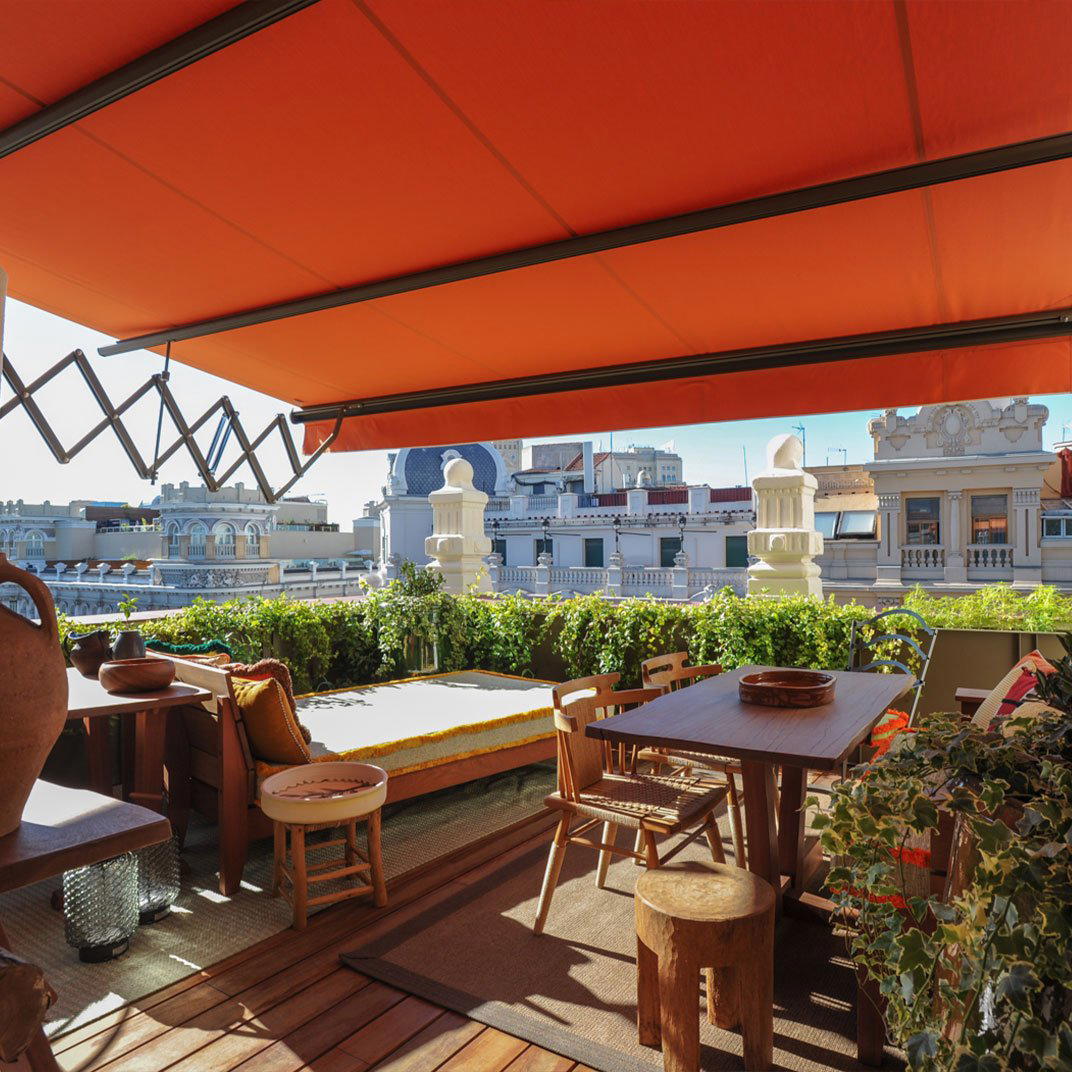

Details
- Modern
- Minimalist
- Sophisticated
- Business Trip
- Weekend Escape
- Terrace
- Wi Fi
- Concierge
- Street Scene
- Skyline
- Elevator
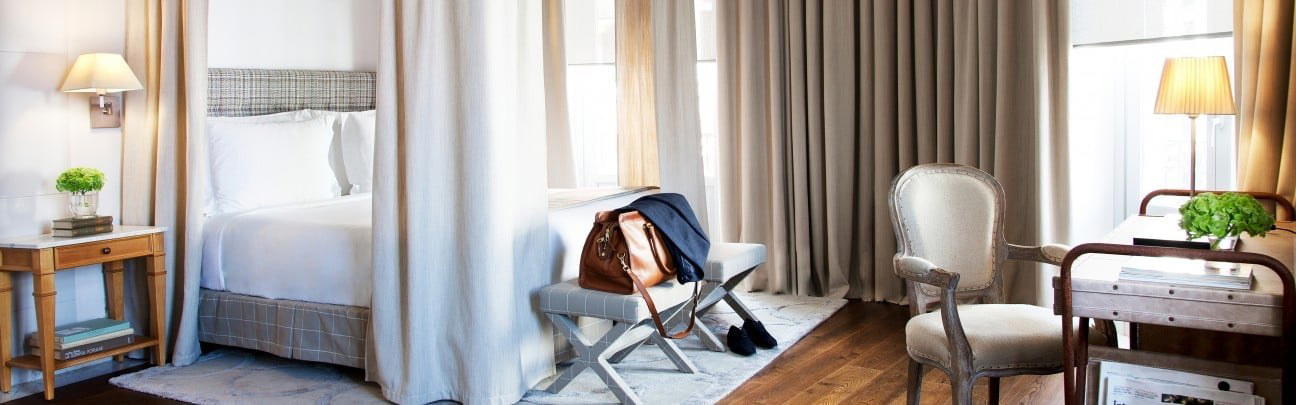
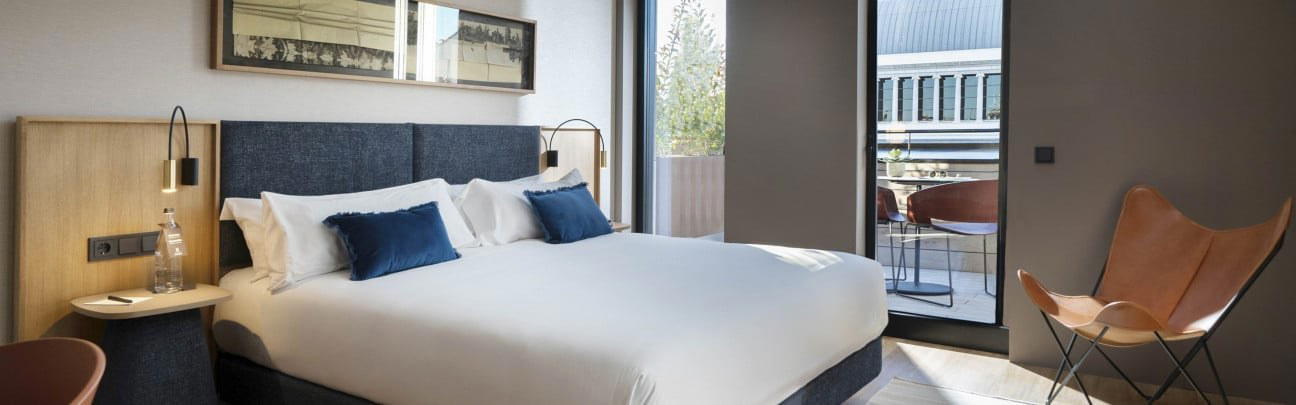
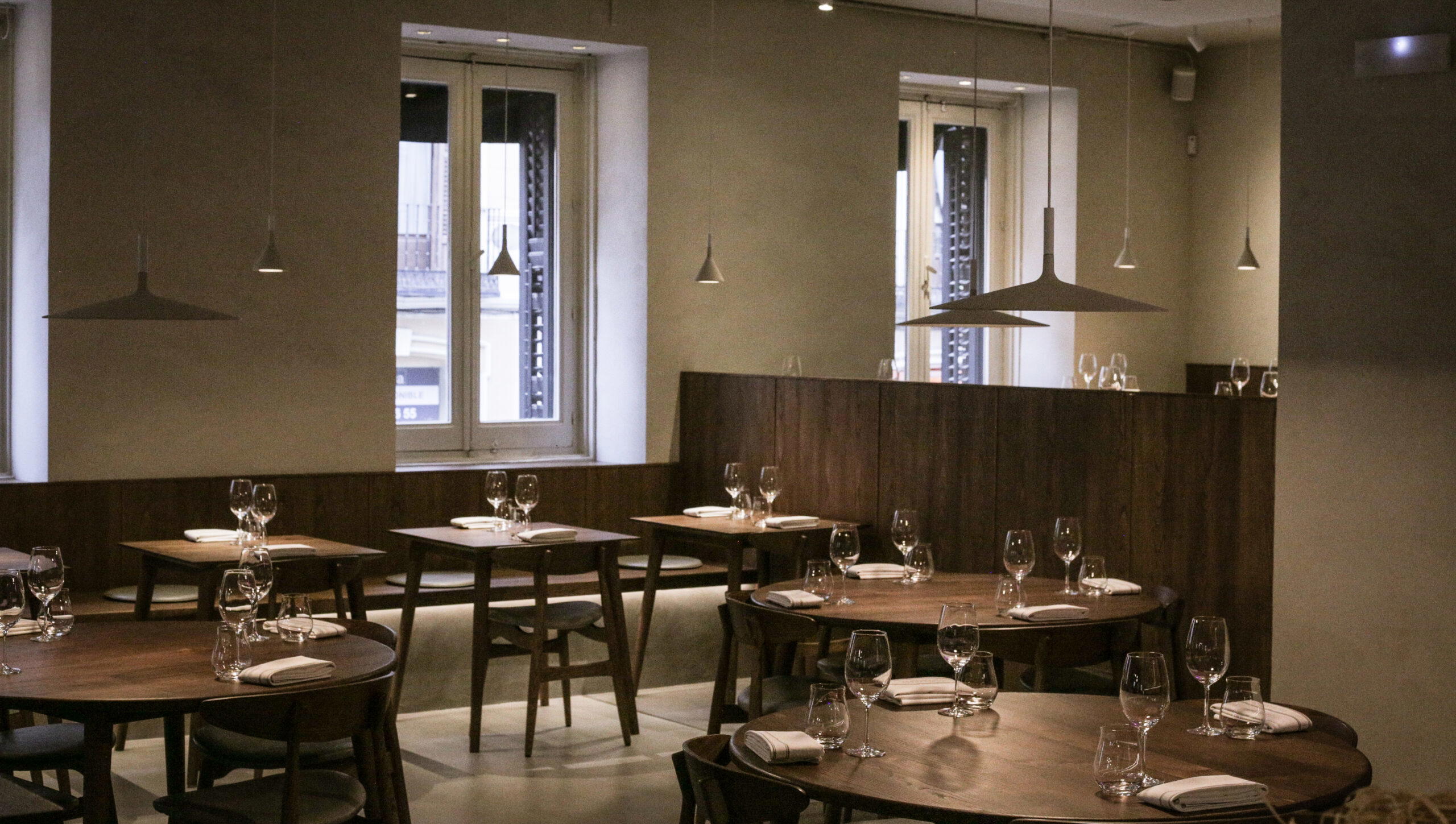
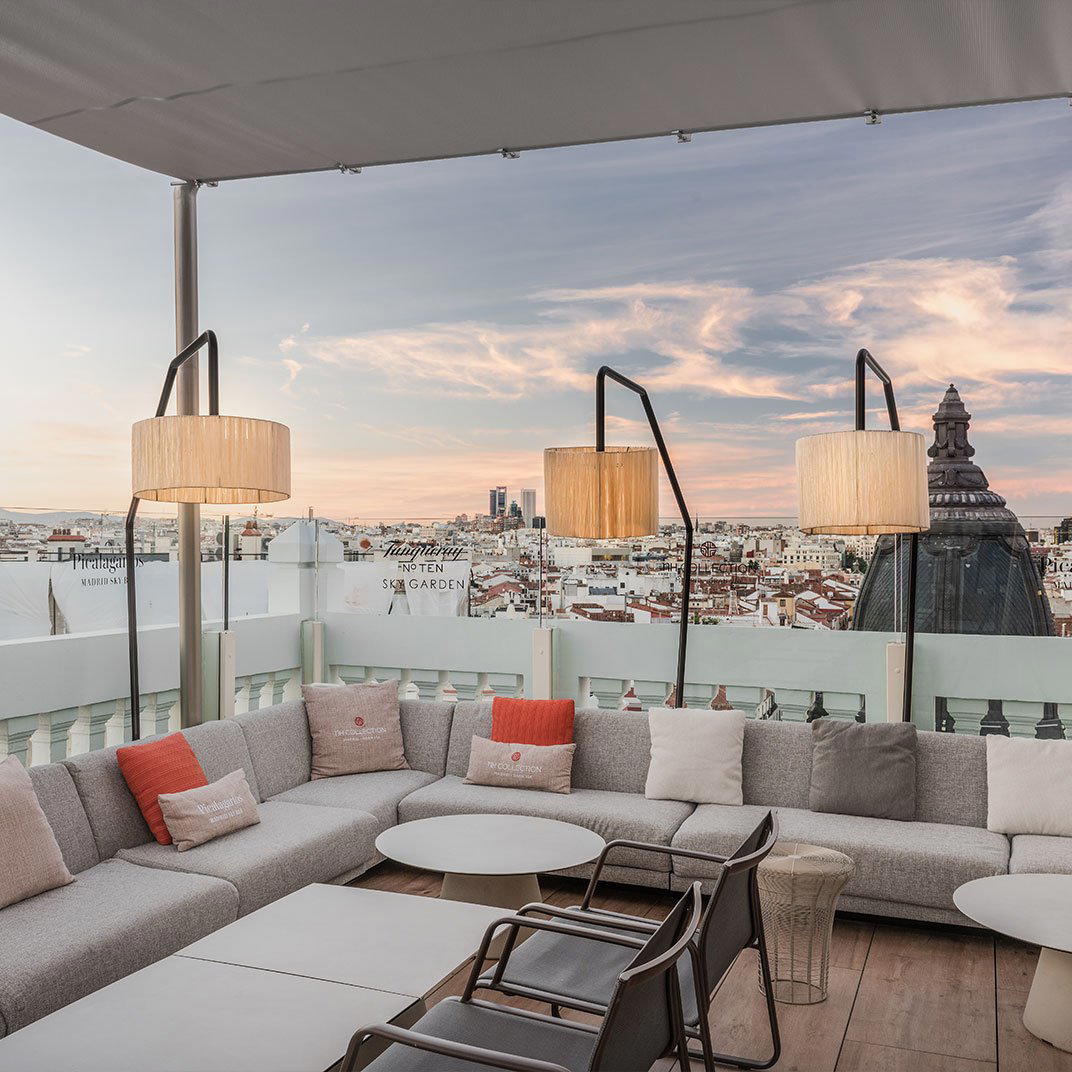
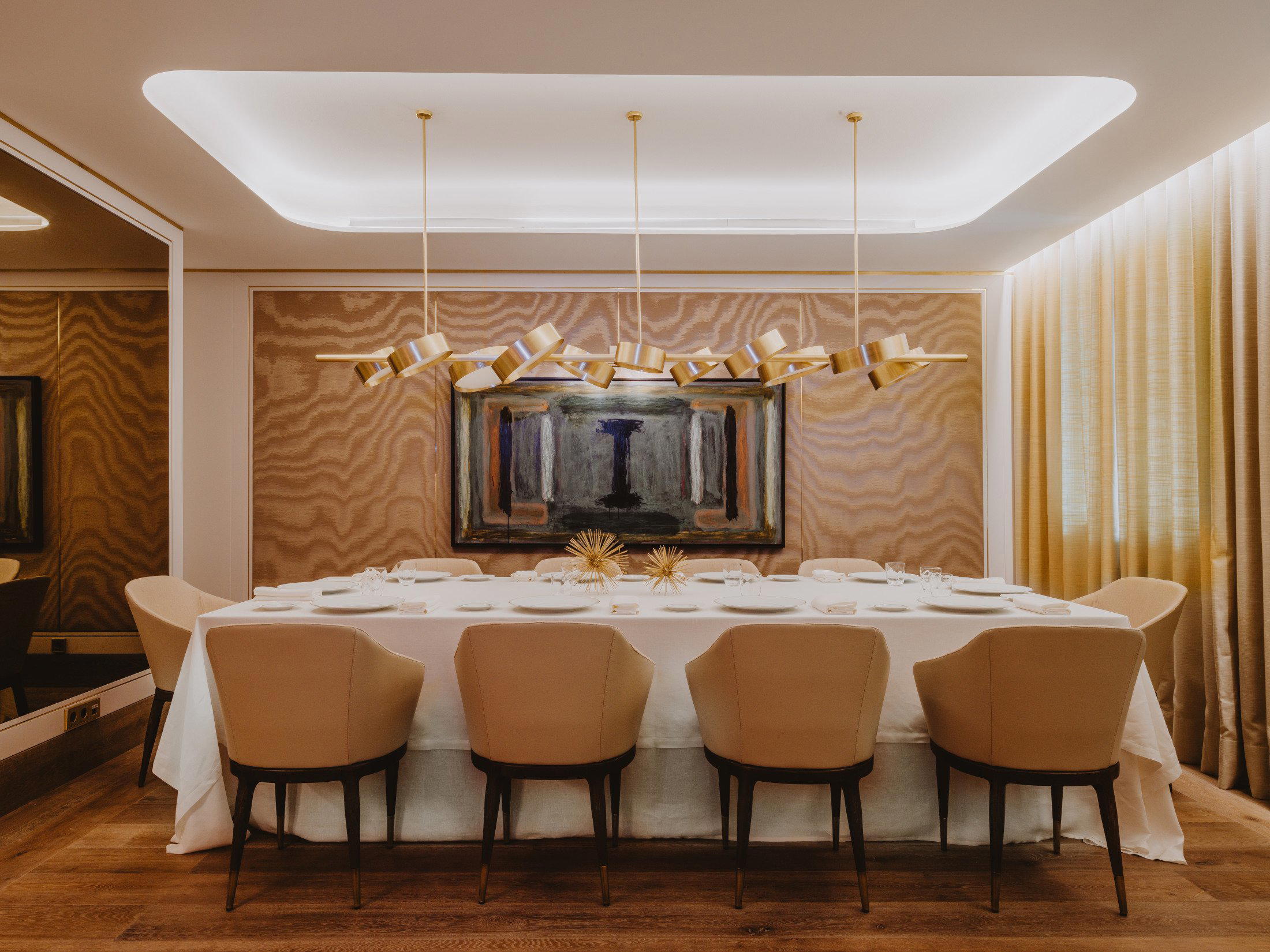
Bright and modern atmosphere with exclusive designer furniture, peaceful terrace, and city views creating a sophisticated yet comfortable stay.