Parkhotel Egerner Höfe

2 Michelin Keys
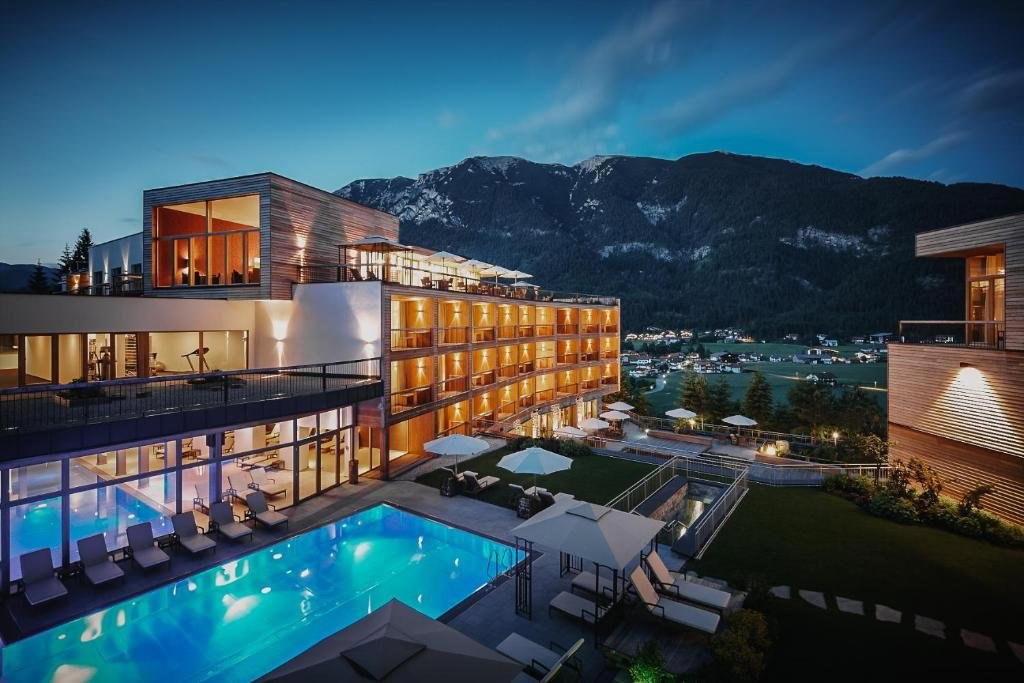
Parkhotel Egerner Höfe sits at the edge of the Tegernsee in Rottach-Egern, earning Michelin 2 Keys recognition in 2024 across 117 rooms priced from $399. The property blends Bavarian regional character with contemporary comfort, spread across the main house and two annexes, Valentina and Catherina, each offering a distinct tier of accommodation.

Pearl is the En Primeur Club membership app, where members save venues, book tables and use the concierge.
Where the Tegernsee Sets the Tempo
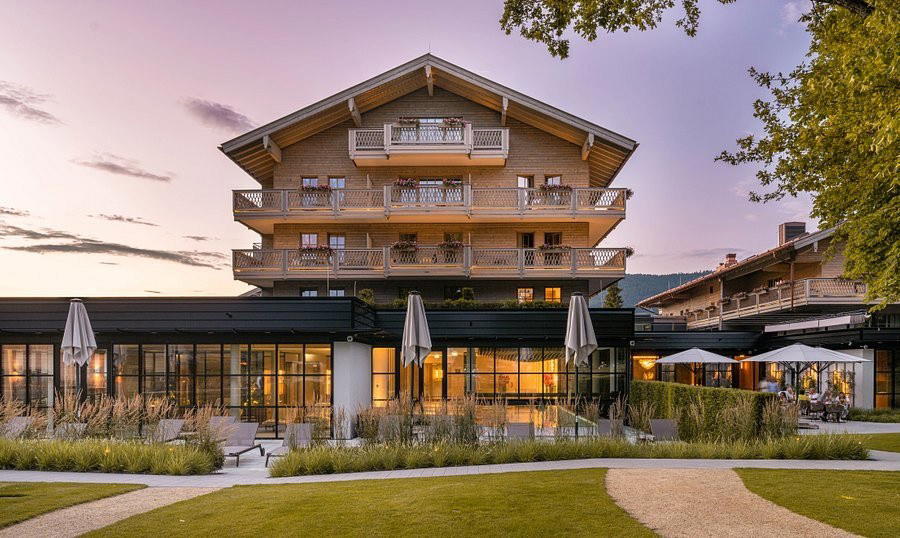
Rottach-Egern occupies the southern tip of the Tegernsee, one of Bavaria's most visited alpine lakes, and the village has developed a hospitality density that puts it alongside far larger German resort towns. Three significant properties share the shoreline here, each operating in a distinct register: the grand-hotel formality of Althoff Seehotel Überfahrt, the wellness-led positioning of Spa & Resort Bachmair Weissach, and Parkhotel Egerner Höfe, which occupies the middle ground between regional character and polished comfort without leaning hard into either extreme. That positioning, warm rather than stiff, considered rather than showy, defines what the property does well.
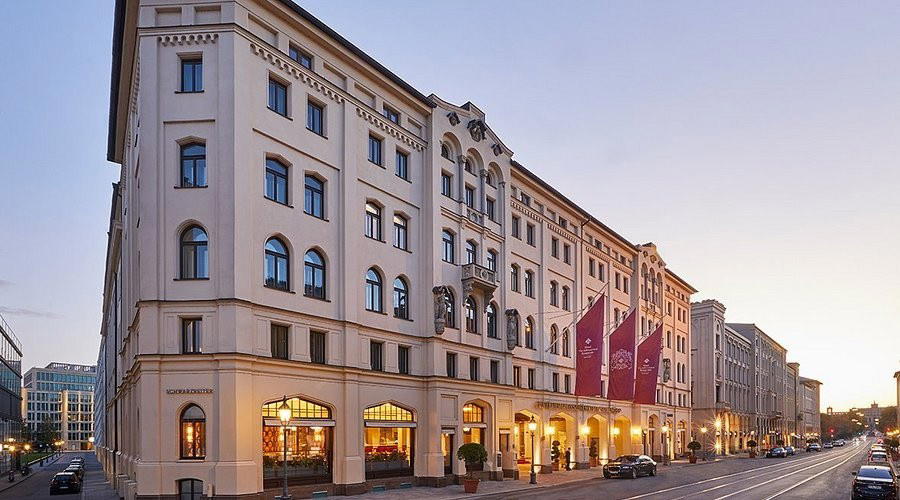
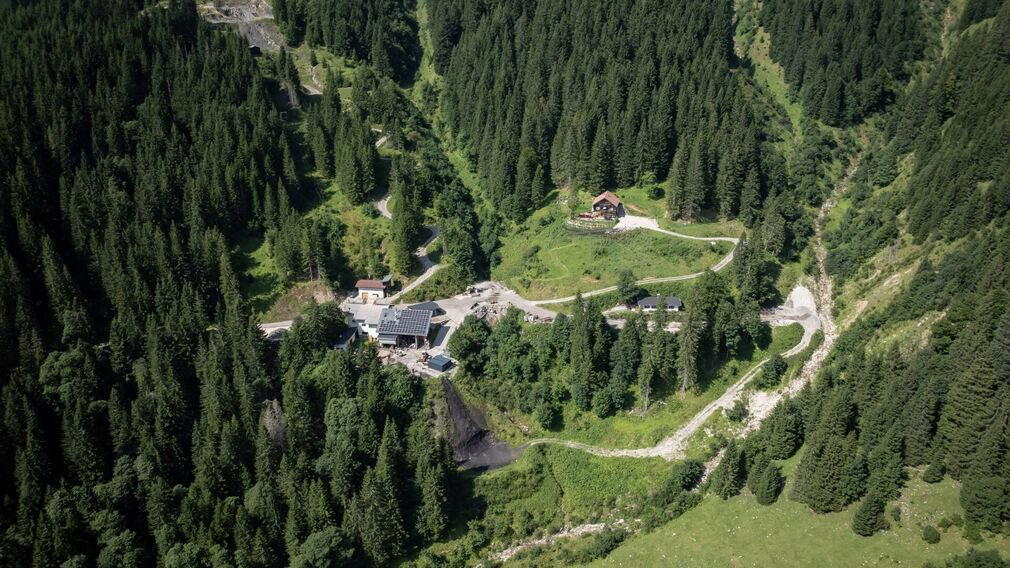
The address on Aribostraße 19-26 places it within a few minutes of the village centre, close enough to walk to the lake but set back enough to feel removed from the weekend crowds that descend on the Tegernsee in summer and again during the ski season. The physical approach through the hotel's grounds reinforces this: mature gardens, the Bavarian pitched rooflines of the main building, and a quieter arrival pace than you'd expect from a 117-room property. Larger resort hotels in the Bavarian region, including Kempinski Hotel Berchtesgaden and Schloss Elmau Luxury Spa Retreat & Cultural Hideaway in Elmau, lean into their architectural drama as the primary draw. Egerner Höfe works from a different premise: the landscape does the heavy lifting, and the hotel keeps the tone appropriately low-key.
Michelin Keys and What They Signal
The Michelin Guide's hotel key programme, relaunched with renewed seriousness in recent years, awarded Parkhotel Egerner Höfe two keys in 2024. In the context of the guide's current German selections, two keys signal a property that exceeds functional comfort and delivers a coherent hospitality experience across multiple touchpoints, not just a well-made bed. Two-key properties in Germany tend to share certain characteristics: attentive but unobtrusive service, dining that goes beyond the contractual, and public spaces that hold up to extended time rather than just looking good in photographs.
Guest feedback data reinforces this reading. Properties that score well in the 4.5-4.7 range across several hundred reviews are typically doing something structurally right with service, even when individual rooms or meals generate mixed responses. The Egerner Höfe's score sits comfortably in that band. For comparison, the Michelin two-key tier in broader Germany includes properties like Fairmont Hotel Vier Jahreszeiten in Hamburg and Hotel Bareiss in Baiersbronn, both known for sustained service consistency across large teams.
The Dining Programme
Bavarian resort hotels face a specific culinary tension: the regional tradition of hearty, fat-forward cooking sits awkwardly against the expectations of guests paying rates that imply something more considered. The hotels that resolve this tension well tend to do so not by abandoning regional identity but by editing it, tightening sourcing, refining technique, keeping the character while losing the heaviness. This approach has become more common at Tegernsee properties over the past decade, as the valley's reputation as a weekend destination for Munich's professional class has created consistent demand for food that reads regional but eats precisely.
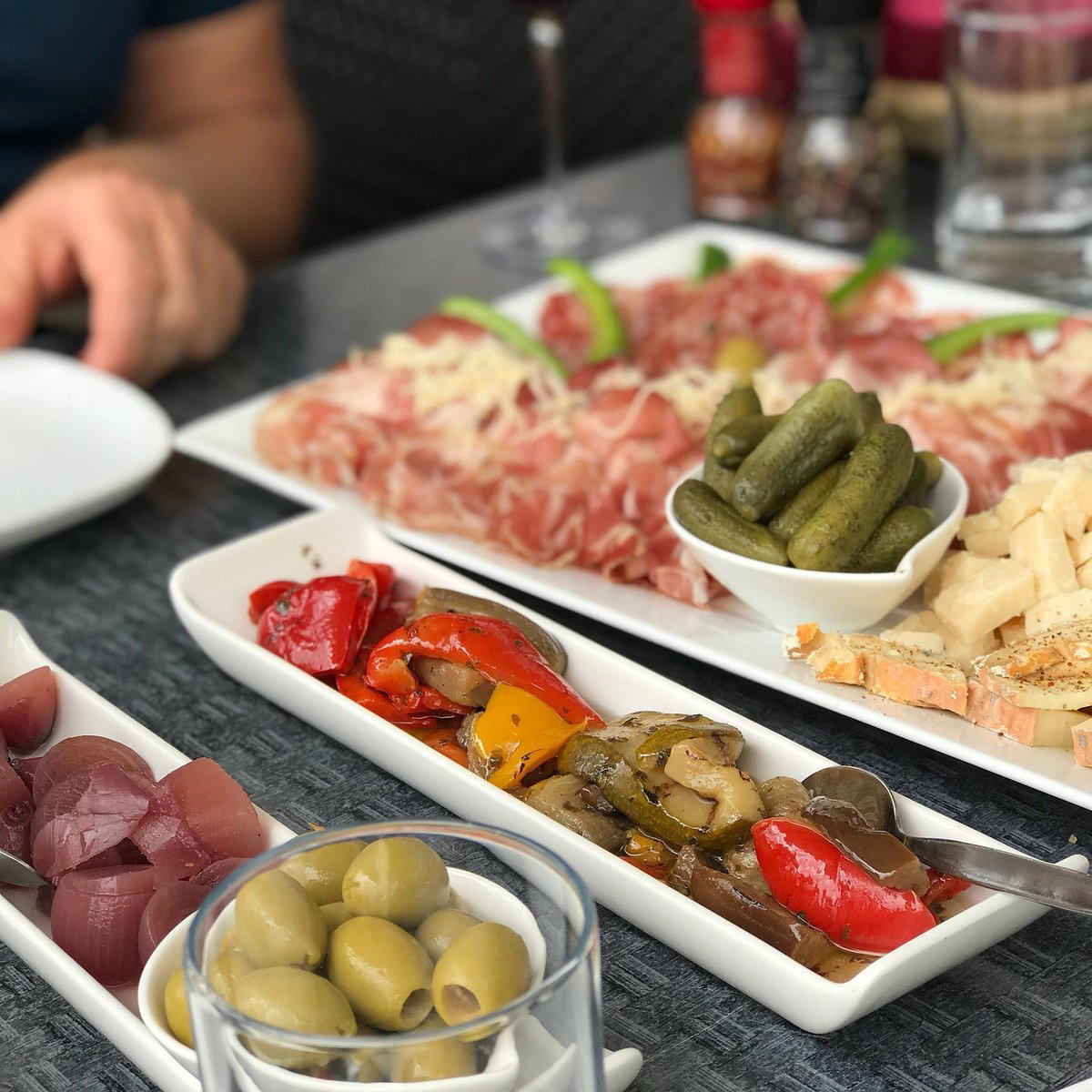
Egerner Höfe's food programme operates within that context. The property's Michelin two-key recognition in 2024 covers the full guest experience, and dining forms a component of that assessment. For guests wanting to understand the broader dining environment of the area, our full Rottach-Egern restaurants guide covers the village's food programme in detail. Regionally, the culinary benchmark against which Bavarian resort dining is often measured remains Hotel Bareiss in Baiersbronn, where multiple Michelin-starred restaurants operate under one roof, though that model is the exception in the German resort category rather than the standard.
Room Categories and How to Choose
Across 117 rooms, Egerner Höfe organises its accommodation into a tiered structure that is worth understanding before booking. The main building carries the core inventory of standard and superior rooms with rates from $399, built around the hotel's Bavarian regional aesthetic. Two annexes, Valentina and Catherina, house the property's premium doubles and upmarket suites, and the design language in these wings moves toward a more contemporary treatment of the same regional materials. For guests planning a first stay, the annexes represent a meaningful upgrade in finish and space without requiring the commitment of the leading suite tier.
The category worth flagging specifically is the Alm room. Available on request rather than appearing prominently in standard booking flows, this option represents a distinct character within the inventory, designed with an alpine reference that goes further than the standard rooms' regional nods. It functions as one of those under-the-radar choices that rewards guests who read the property details carefully before booking. This kind of within-house tiering, where one category punches above its price position, is common among German resort hotels that have expanded gradually: the early annexes or specialty rooms are often the ones where the most considered design work happened.
Properties at a similar tier across Germany handle their room portfolios differently. Gut Steinbach Hotel Chalets Spa in Reit im Winkl and Das Kranzbach Hotel & Wellness Retreat in Kranzbach both operate with similar alpine positioning and structured room tiers, where the chalet or specialty accommodation categories carry a disproportionate share of the property's character. Egerner Höfe's Alm room follows that same logic.
Service as the Consistent Variable
At Tegernsee, most properties at this price point can deliver a competent room product. Where Egerner Höfe draws repeated positive attention in guest feedback is staff disposition: described consistently as friendly and accommodating rather than formally correct. In German resort hospitality, that distinction matters. The formal register, precise, efficient, somewhat distant, is the default in many properties at this tier, from Breidenbacher Hof Düsseldorf to Excelsior Hotel Ernst in Cologne. Egerner Höfe appears to run a warmer house, which aligns with the regional charm element in its positioning rather than contradicting it.
This characteristic tends to show up most clearly in extended stays: guests who spend two or more nights report a staff-to-guest familiarity that builds over time.
Planning a Stay
Rates at Parkhotel Egerner Höfe begin at $399, positioning it as a considered choice relative to the full-luxury tier at the Tegernsee while sitting well above the standard alpine guesthouse category. For the Bavarian lake region, this price band represents the practical entry point for Michelin-recognised accommodation with consistent service. The Tegernsee sees peak pressure in summer (July-August) and around the Christmas and New Year period; booking two to three months ahead is advisable for both the prime room categories and the Alm option specifically. Autumn shoulder season, September through early October, offers the combination of manageable room availability and the lake at its clearest, with the surrounding mountains still carrying colour before the first snowfall. Guests arriving by car from Munich, roughly an hour south, will find parking available on-site. For guests travelling from further afield, the regional rail connection to Rottach-Egern runs via the Tegernsee branch line from Munich.
For those comparing across Germany's premium resort category before committing, other properties worth cross-referencing include Landhaus Stricker in Sylt for a northern coastal counterpoint, BUDERSAND Hotel in Hörnum for a different coastal resort register, and Villa Contessa in Bad Saarow for a lakeside property in the eastern German context. Urban alternatives at a comparable prestige tier include Hotel de Rome in Berlin, Mandarin Oriental Munich, Luisenhöhe in Horben, Bülow Palais in Dresden, Der Öschberghof in Donaueschingen, Esplanade Saarbrücken, LA MAISON in Saarlouis, Hotel Ketschauer Hof in Deidesheim, and The Fifth Avenue Hotel in New York City for international reference. Aman New York and Aman Venice represent the best of the international small-luxury tier for those calibrating expectations across markets.
Cost Snapshot
Comparable venues nearby, for context on price, style, and recognition.
| Venue | Cuisine | Price | Awards | Notes |
|---|---|---|---|---|
| Parkhotel Egerner HöfeThis venue (the venue you are viewing) | Not listed | $300–500 | 2 Michelin Keys | Not listed |
| Althoff Seehotel Überfahrt | Not listed | $300–500 | 3 Michelin Keys · La Liste Top Hotels | Rottach-Egern, Luxury lakeside resort blending Bavarian heritage with contemporary wellness-focused hospitality; low-rise architecture across multiple buildings with direct lake access. |
| Spa & Resort Bachmair Weissach | Hotel | $500–750 | 1 Michelin Key · La Liste Top Hotels | Not listed |
| Rosewood Munich | Not listed | $1,000–1,500 | 2 Michelin Keys · Virtuoso Luxury Hotel Partner | Lehel, Contemporary residential elegance in historic Bavarian buildings |
| Der Öschberghof | Not listed | Not listed | 2 Michelin Keys · La Liste Top Hotels | Donaueschingen, Modern luxury golf resort in the Black Forest |
| Rocco Forte Charles Hotel | Not listed | $300–500 | 2 Michelin Keys · La Liste Top Hotels | Isarvorstadt, Contemporary luxury with traditional Bavarian hospitality; modern design that complements Munich's architectural heritage without excessive opulence. |
Recognition history
Dated appearances from independent guides and award organizations, with the underlying list record or original source where available.
Michelin 2 Keys
Michelin
Full recognition history (3 entries)
Michelin 2 Keys
Michelin
Michelin 2 Keys
Michelin
Continue exploring
More in Rottach-Egern
Hotels in Rottach-Egern
All hotels in Rottach-Egern →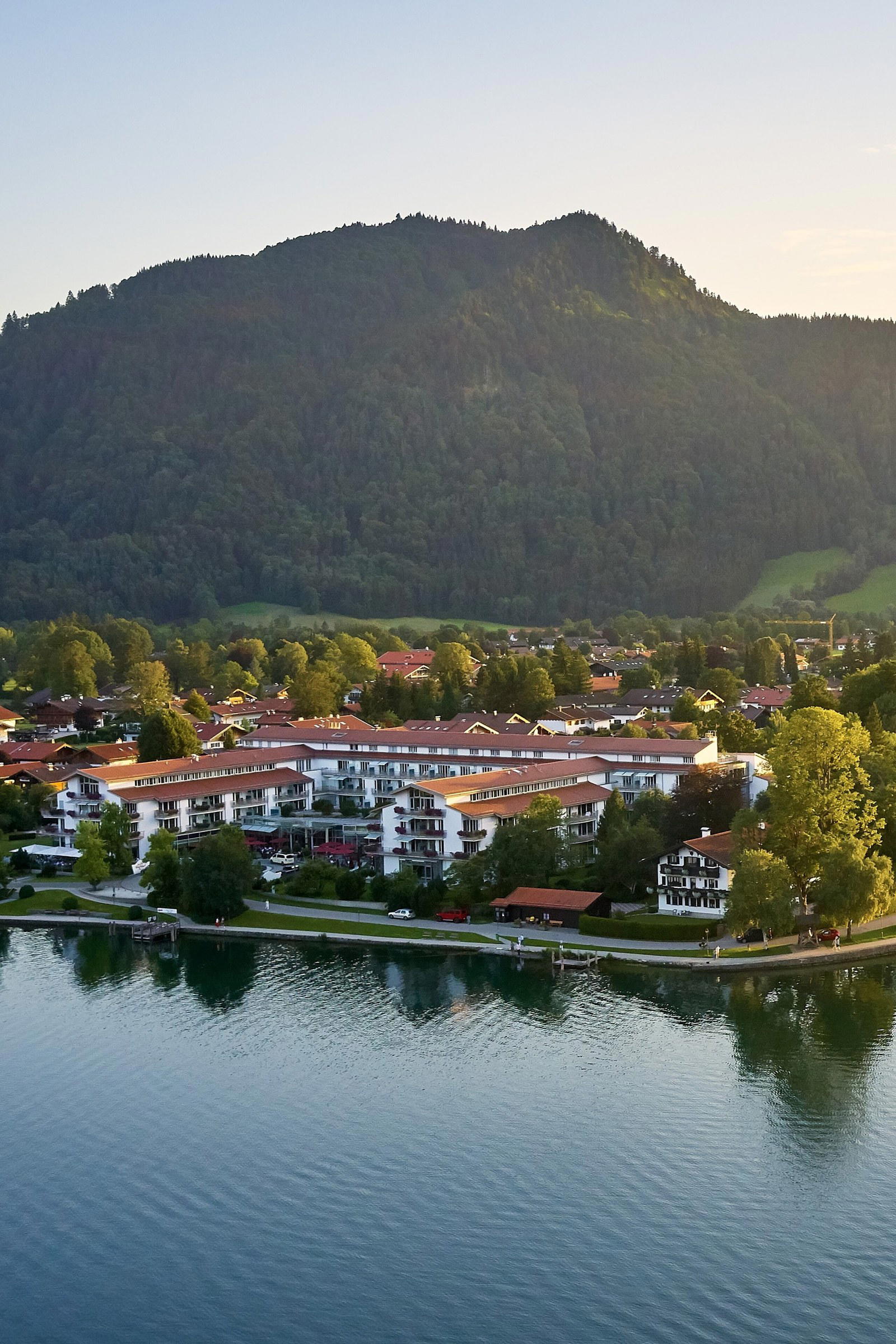
Bars in Rottach-Egern
Browse all →

Details
- Quiet
- Elegant
- Scenic
- Sophisticated
- Cozy
- Romantic Getaway
- Wellness Retreat
- Weekend Escape
- Panoramic View
- Garden
- Terrace
- Wi Fi
- Pool
- Spa
- Fitness Center
- Room Service
- Concierge
- Business Center
- Valet Parking
- EV Charging
- Mountain
- Garden
- Wheelchair Accessible
- Elevator
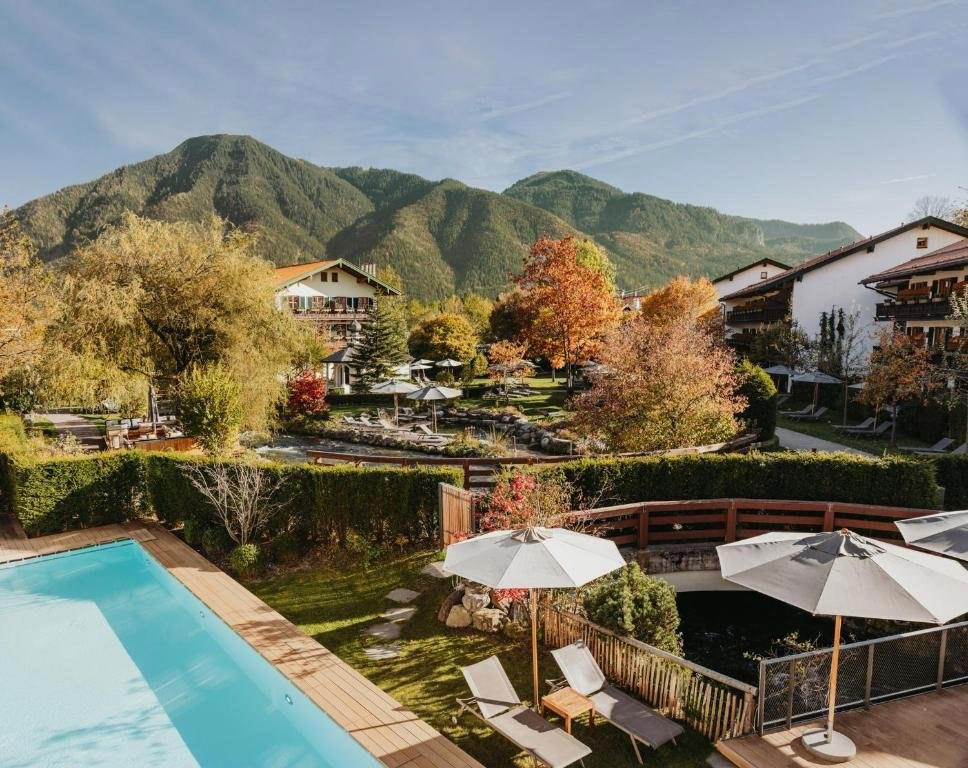
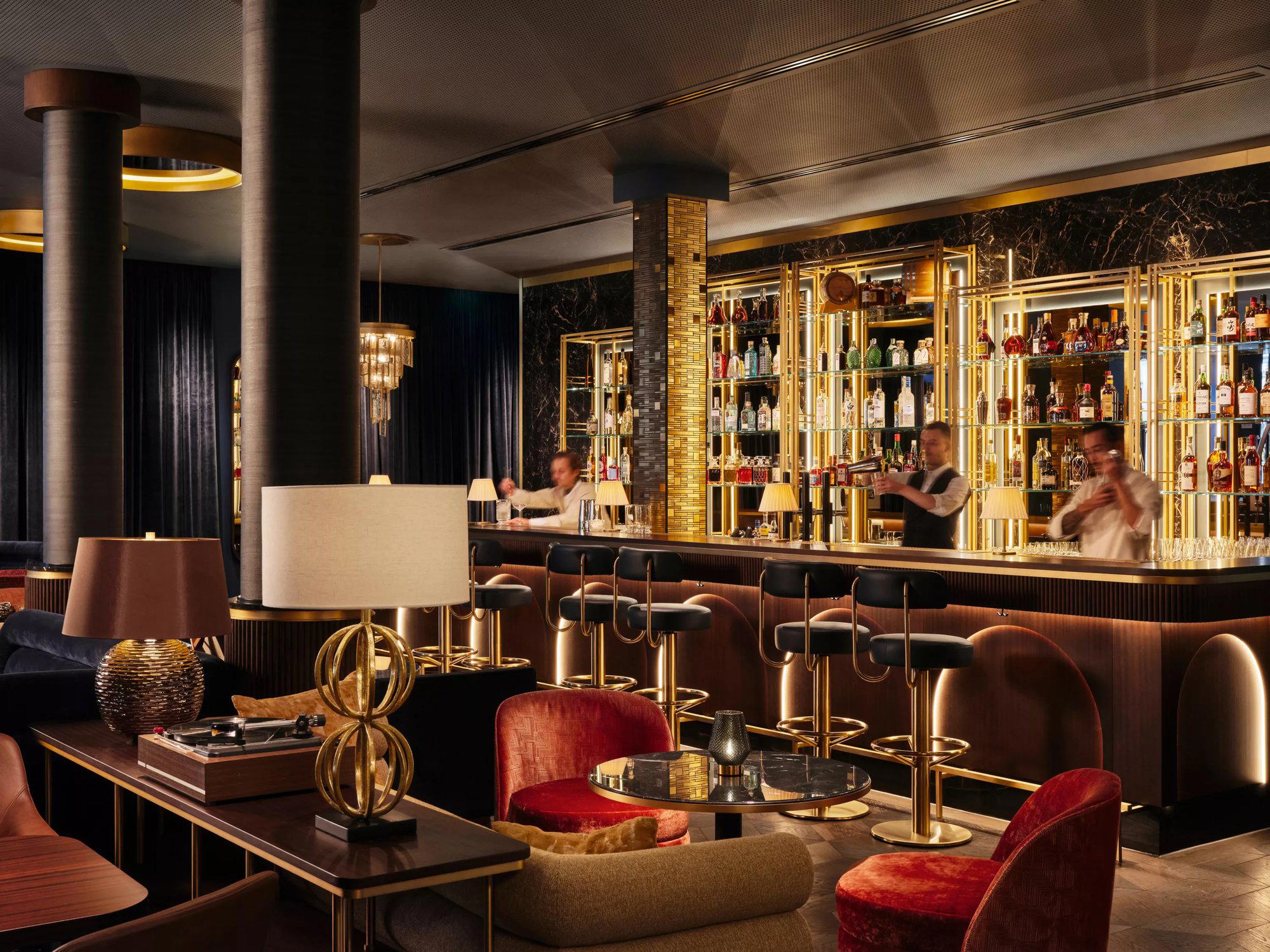
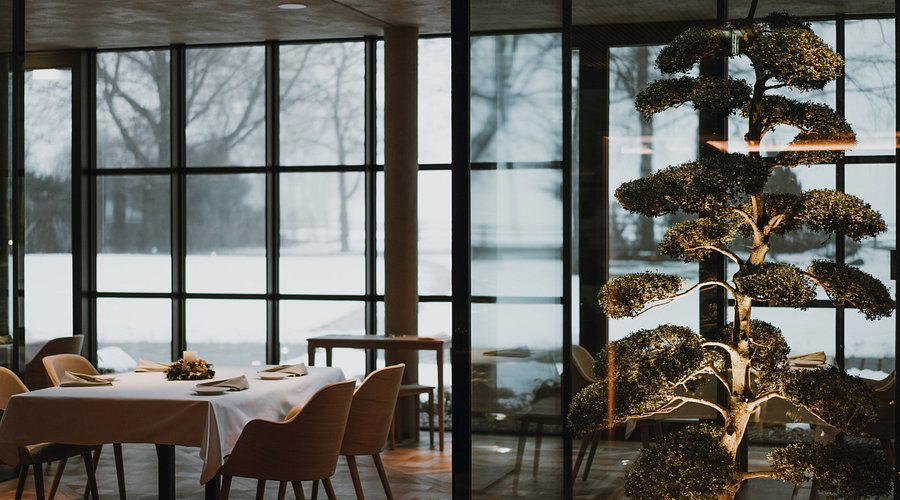
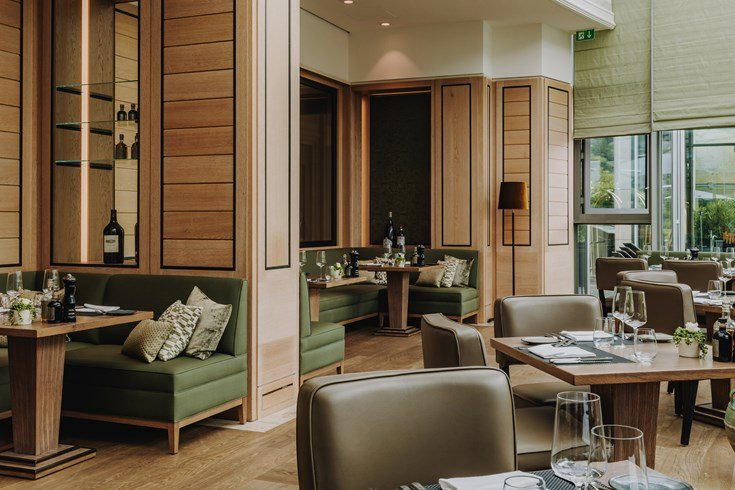
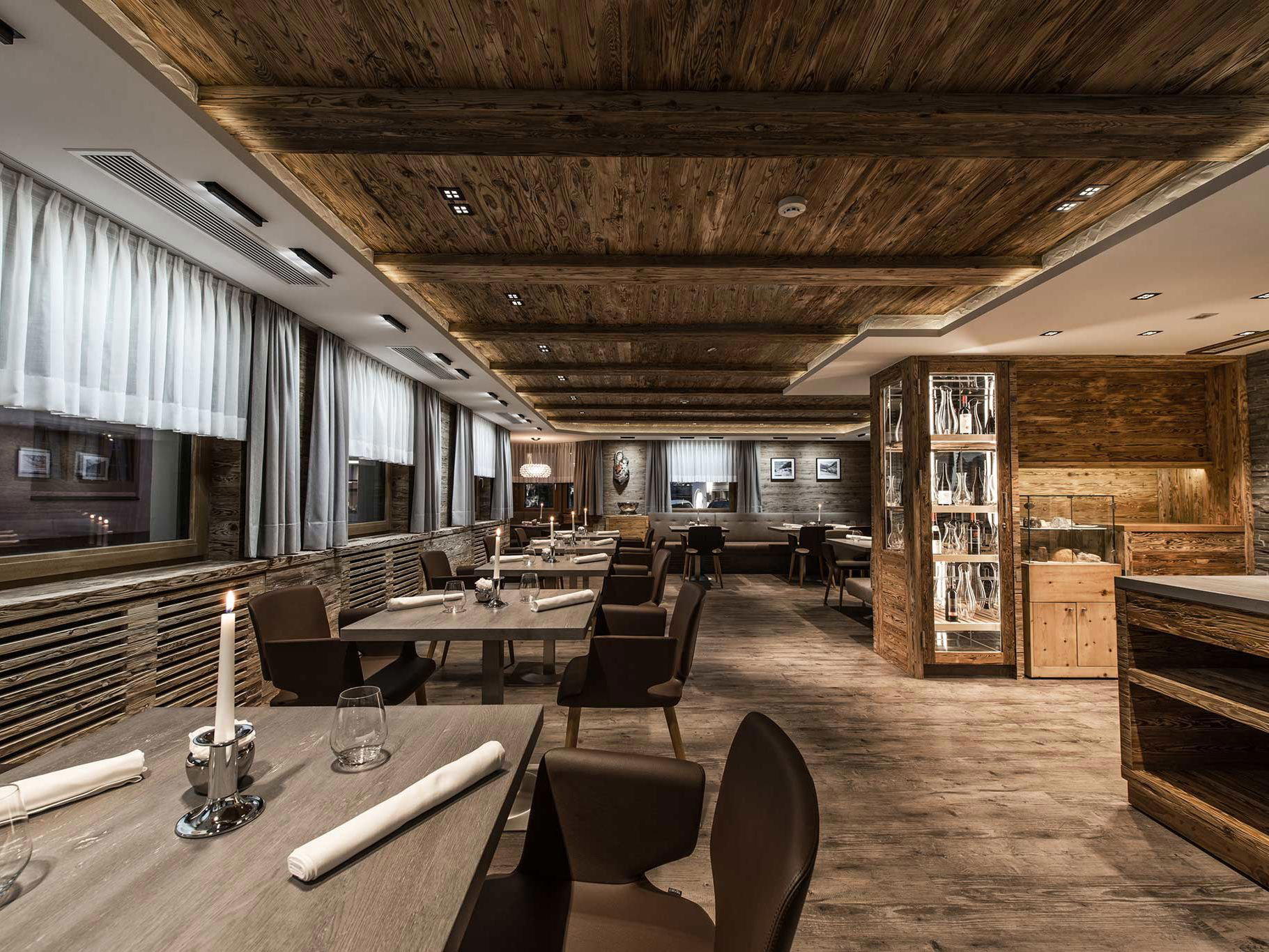
Warm, natural wood interiors with flowing lit backdrops create a peaceful and serene atmosphere; spa and pool areas offer quiet relaxation with lovely garden and mountain views, even when fully booked.