
A Michelin Selected palazzo in Parabita, deep in Salento's limestone interior, where the architecture of southern Italy's historic landed estates defines the guest experience. Stone courtyards, vaulted ceilings, and the unhurried pace of the Pugliese hinterland position Palazzo Piccinno inside a small tier of historic-property stays that the peninsula's more trafficked coasts cannot replicate.
Pearl is the En Primeur Club membership app — saves, bookings, and concierge access live there. Same editors, same standards.
- Address
- Via Coltura, 41, 73052 Parabita LE, Italy
- Phone
- +39 0833 821648
- Website
- palazzopiccinno.com
- Directions
- Get directions
 Saves & bookings on Pearl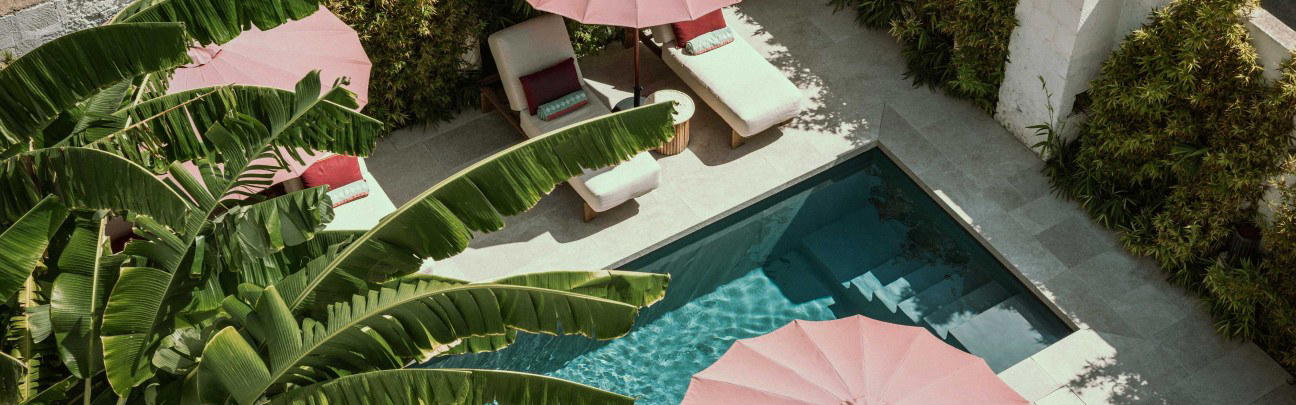
Stone Courtyards and the Salento Interior
The Salento peninsula has two distinct hospitality registers. Along the Adriatic and Ionian coasts, properties compete on sea access, infinity pools, and proximity to Otranto or Gallipoli. Further inland, a smaller and quieter category operates from restored masserie and historic palazzi, where the architecture itself is the primary offering. Palazzo Piccinno, on Via Coltura in Parabita, sits in that second register, earning Michelin Selected recognition in 2025 for an approach rooted in the built fabric of a Salentine country town rather than in coastal spectacle.
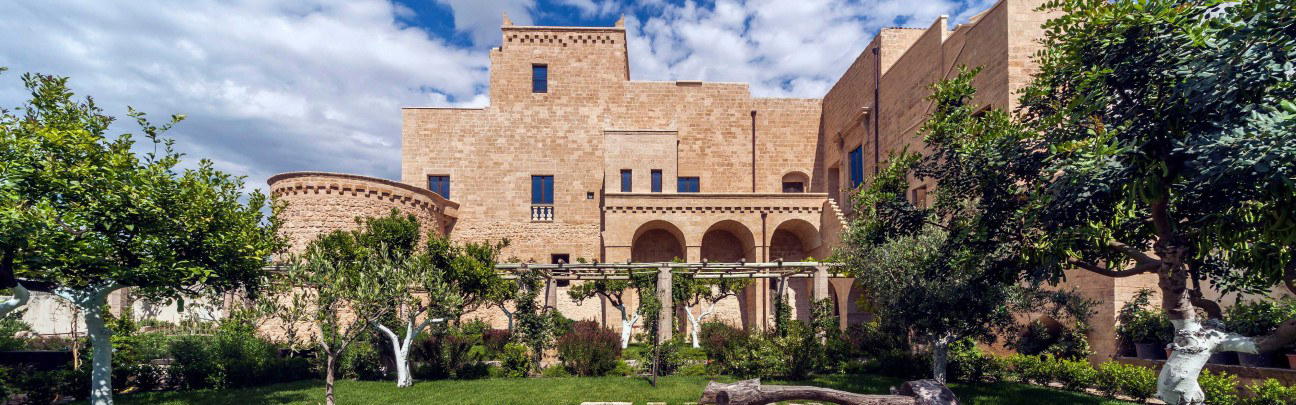
Parabita is a compact comune roughly midway between Lecce and the Ionian coast, sitting at the northern edge of the Capo di Leuca ridge. Its centro storico follows the pattern common to this part of Puglia: a grid of narrow calcarenite streets, a baroque parish church, and a scattering of palazzi built by the local landowning class in the seventeenth and eighteenth centuries. These buildings were constructed to last centuries, and their logic, thick walls against summer heat, deep-set windows, shaded courtyards, is architectural climate control that remains as functional now as when the stone was first cut.
The Architecture as Argument
Across Salento, the conversion of historic palazzi into accommodation has accelerated noticeably over the past decade, tracking the broader Italian trend of adaptive reuse that has produced properties like Corte della Maestà in Civita di Bagnoregio and Castel Fragsburg in Merano. The restoration philosophy at each of these properties varies considerably, from scholarly conservation to contemporary reinterpretation, and the quality of execution separates the tier of properties that achieve Michelin recognition from those that merely occupy historic buildings.
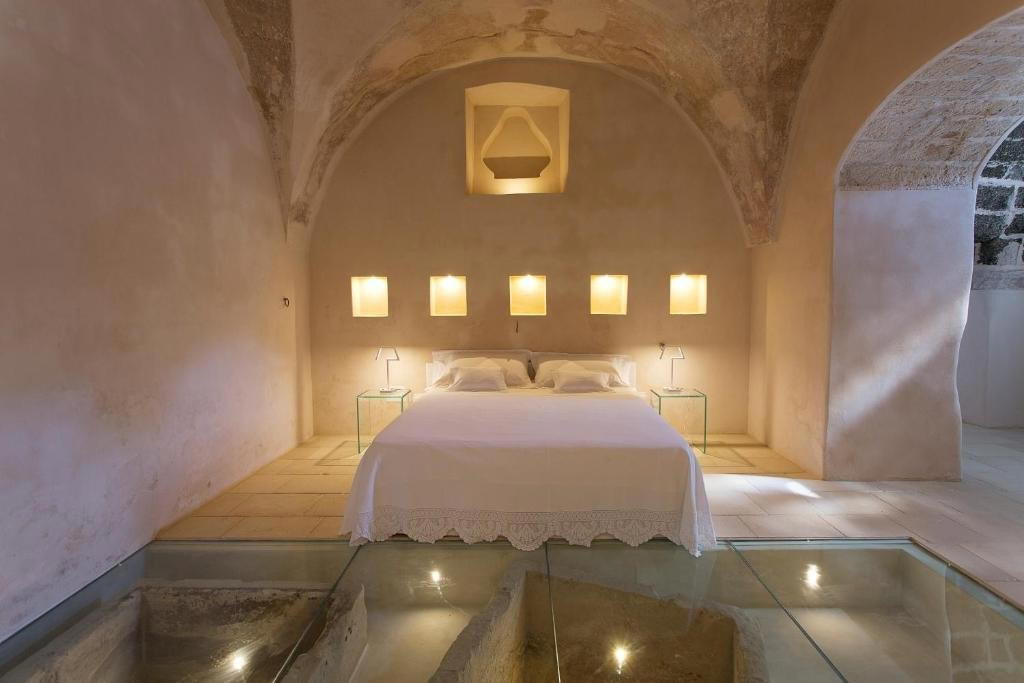
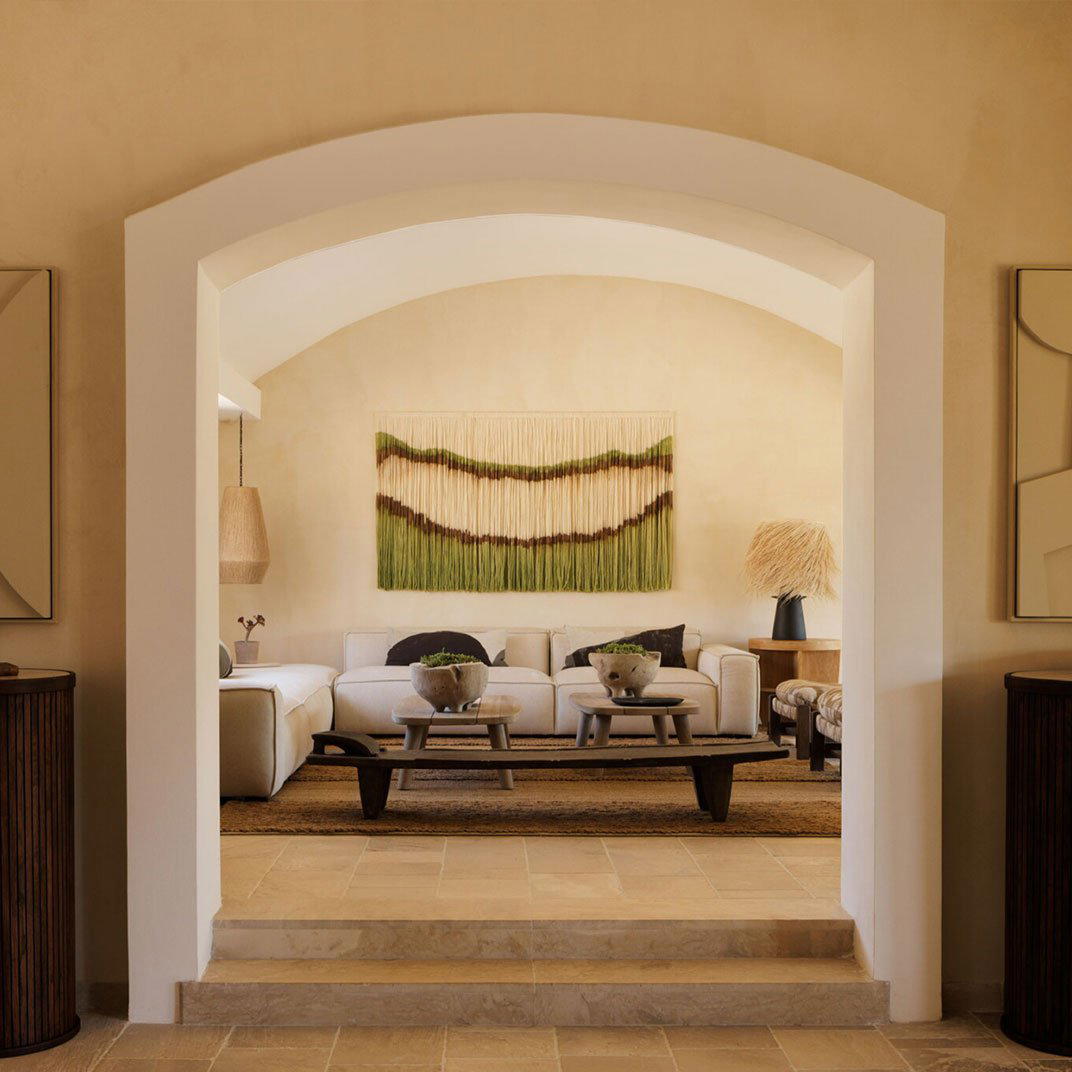
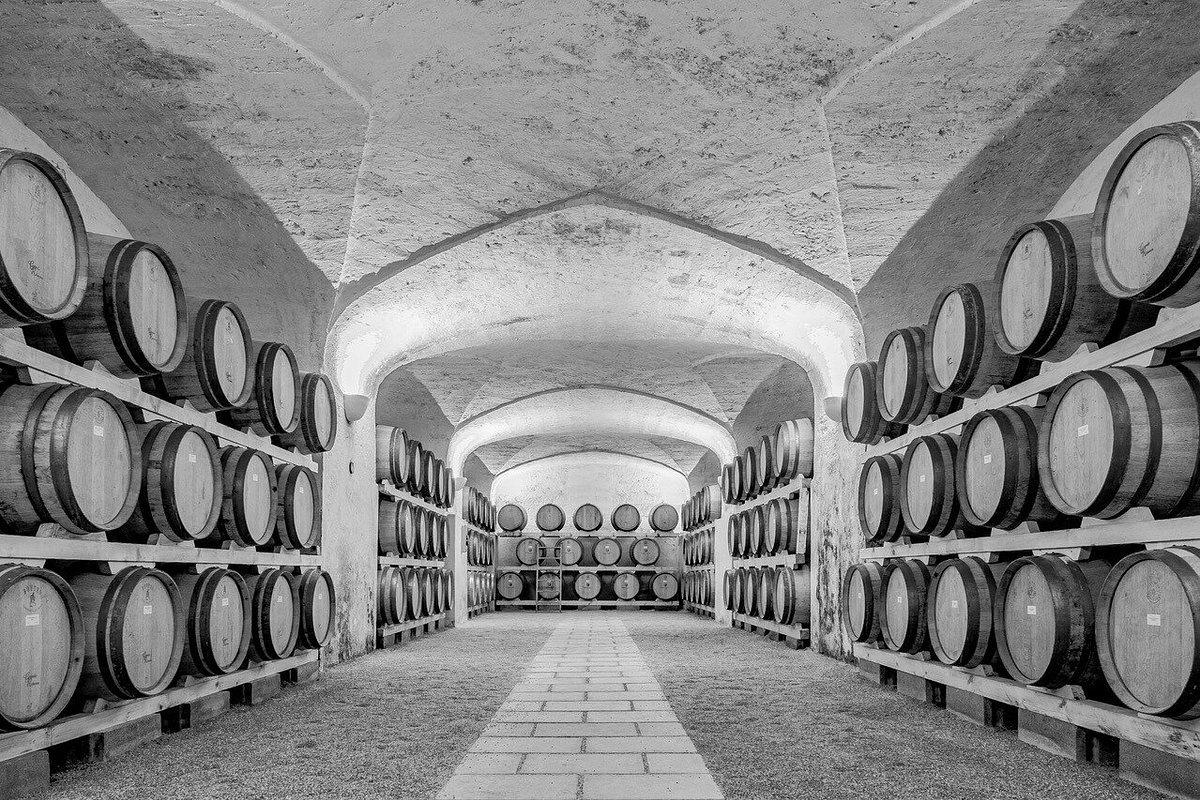
At Palazzo Piccinno, the structural vocabulary of the Salentine baroque is the dominant design language. Barrel-vaulted ceilings in pietra leccese, the golden limestone quarried throughout the Lecce province, absorb and diffuse summer heat in ways that no mechanical system replicates convincingly. Courtyards in buildings of this era were designed as social and functional spaces, not ornamental ones, and the spatial logic of a well-preserved palazzo reveals itself through sequence: gate, courtyard, loggia, internal stair, piano nobile. That sequence is the experience, not a backdrop to it.
This positions Palazzo Piccinno in a specific niche within Italian palazzo accommodation. It is not a rural resort built around a reconstructed historic shell, as seen at several Tuscan properties, nor a grand-hotel conversion of the kind undertaken at Four Seasons Hotel Firenze or Aman Venice. It is a smaller, place-specific stay whose value is proportional to how much the guest engages with the building itself.
Where Palazzo Piccinno Sits in the Regional Picture
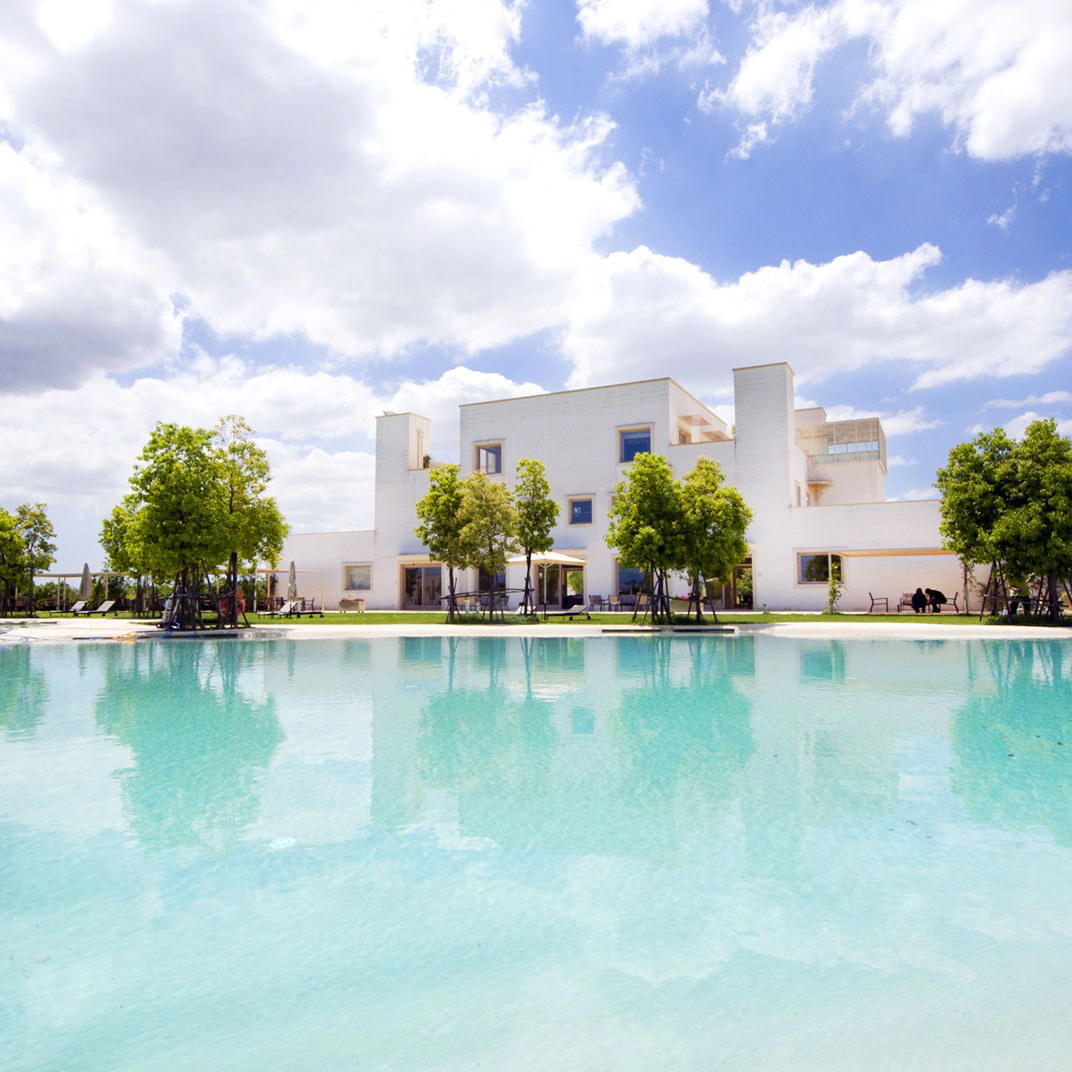
Salento's premium accommodation tier is populated largely by masseria conversions, working farms transformed into hospitality operations, with Borgo Egnazia in Savelletri di Fasano representing the most scaled and internationally recognised example of that format. A palazzo in a town centre operates differently: no olive groves framing the drive in, no private beach arrangement, no spa complex built into converted agricultural outbuildings. What it offers instead is density of context, the experience of being inside a functioning Salentine community rather than insulated from it.
That distinction matters for how you plan a stay. Guests oriented toward pool time and resort amenities will find the masseria format more accommodating. Guests interested in the architecture and daily rhythm of a Pugliese town, the morning market, the evening passeggiata along the corso, the proximity to Lecce's baroque centro storico roughly twenty kilometres to the north, will find the palazzo format a more direct route to that experience.
For comparable southern Italian stays where architecture and setting are the primary arguments, Il San Pietro di Positano and Borgo Santandrea on the Amalfi Coast occupy similarly specific architectural niches on the Campanian coast. In Puglia, Il Giardino Grande, also in Parabita, operates in the same town and provides a useful local comparison point for guests weighing their options within the same comune.
Salento as Context
Understanding Palazzo Piccinno requires some grounding in what Salento has become as a travel destination over the past fifteen years. The region was largely overlooked by international travellers through most of the late twentieth century, its attention concentrated on the coastline rather than the interior towns. That changed gradually as Lecce's baroque architecture gained wider recognition, as natural wine producers in the Negroamaro and Primitivo zones attracted critical attention, and as the coastal masseria model proved commercially viable. The interior towns, Parabita among them, benefit from that context without yet bearing the visitor volume of the coastal hotspots or Lecce itself.
The seasonality here is pronounced. August brings the Salentine coast to capacity, with accommodation booked far ahead and coastal road traffic reaching a standstill. The interior towns run warm but quieter. Shoulder season, particularly May through June and September through October, offers the same architectural experience under more manageable conditions, with the additional benefit of a functioning local calendar rather than a tourist-facing one. Properties like Palazzo Piccinno operate most coherently in those windows.
Planning Your Stay
Palazzo Piccinno holds Michelin Selected status for 2025, placing it in the guide's curated tier for accommodation. Specific room counts, current pricing, and direct booking contacts are best confirmed through current listings, as those details are subject to seasonal variation. The property's address is Via Coltura 41, Parabita. Brindisi airport, serving connections from across Europe, sits roughly forty kilometres to the north and is the standard entry point for Salento travel; Lecce is accessible by train or road from there in under an hour. For broader context on eating and staying in the area, the EP Club Parabita guide maps the local options across categories.
For guests building a longer southern Italy itinerary, the logical extensions from a Salento base run either north along the Adriatic through the Valle d'Itria toward Fasano and Monopoli, or across to the Ionian side for coastline. Those planning a wider Italian circuit can benchmark the palazzo accommodation format against northern and central Italian comparisons: Rosewood Castiglion Del Bosco in Montalcino, Castello di Reschio in Lisciano Niccone, or Passalacqua in Moltrasio each represent the format operating in very different regional registers. Urban palazzo stays, at Bulgari Hotel Roma or Portrait Milano, involve a different set of trade-offs altogether. For those who prefer large-scale resort architecture, Grand Hotel Tremezzo, Badrutt's Palace Hotel in St. Moritz, and Hôtel de Paris Monte-Carlo occupy a different register entirely. Palazzo Piccinno is not competing in that space. Its argument is smaller, older, and more specific to place.
Recognition history
Dated appearances from independent guides and award organizations, with the underlying list record or original source where available.
Mr & Mrs Smith Smith Seal of Approval
Mr & Mrs Smith
Michelin Selected
Michelin
Continue exploring
More in Parabita
Hotels in Parabita
Browse all →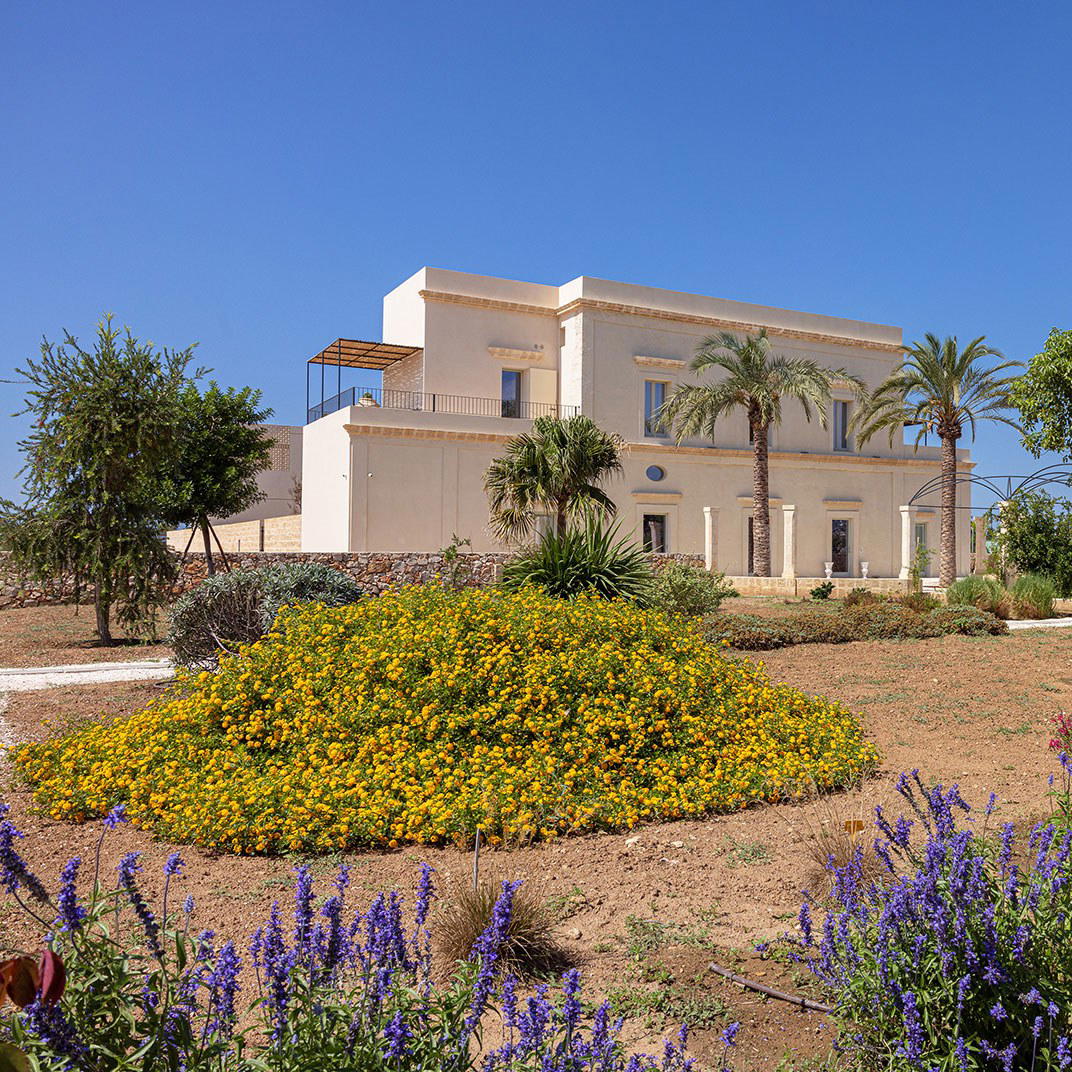
Bars in Parabita
Browse all →
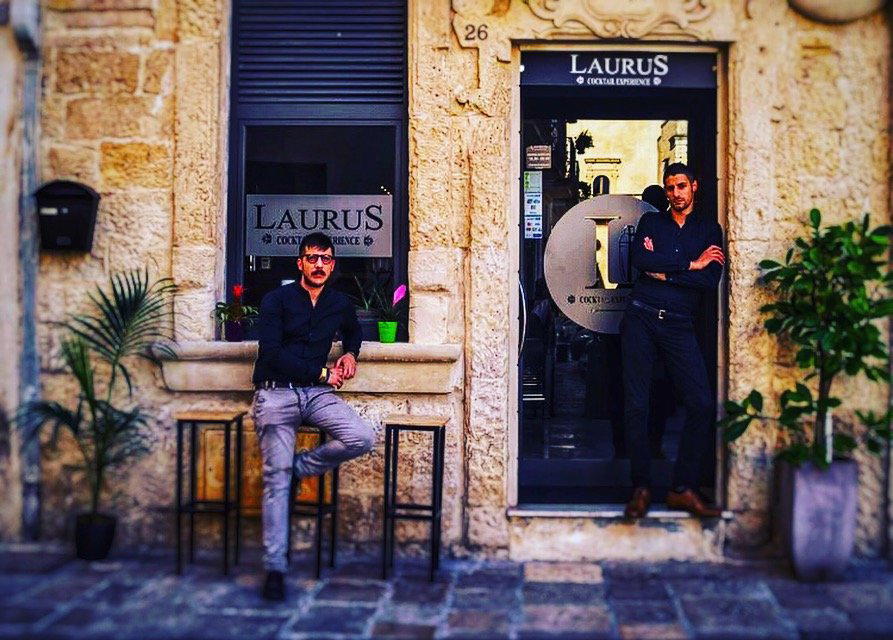
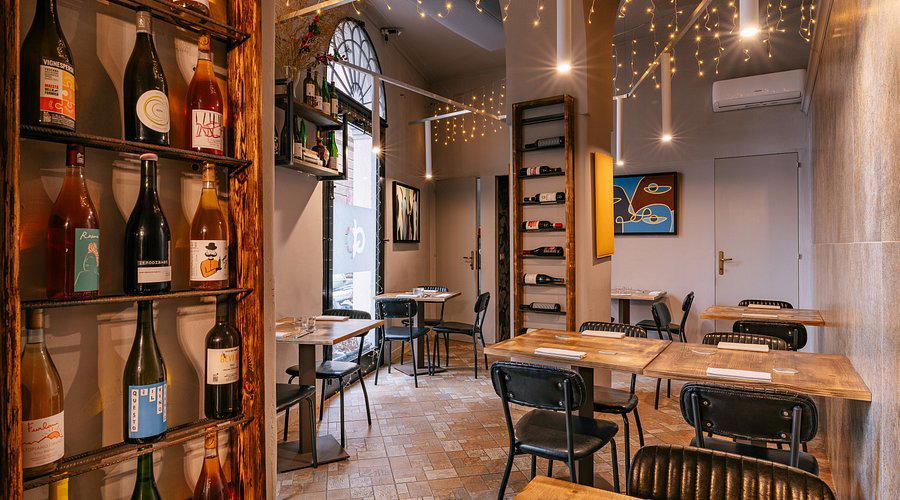
Restaurants in Parabita
Browse all →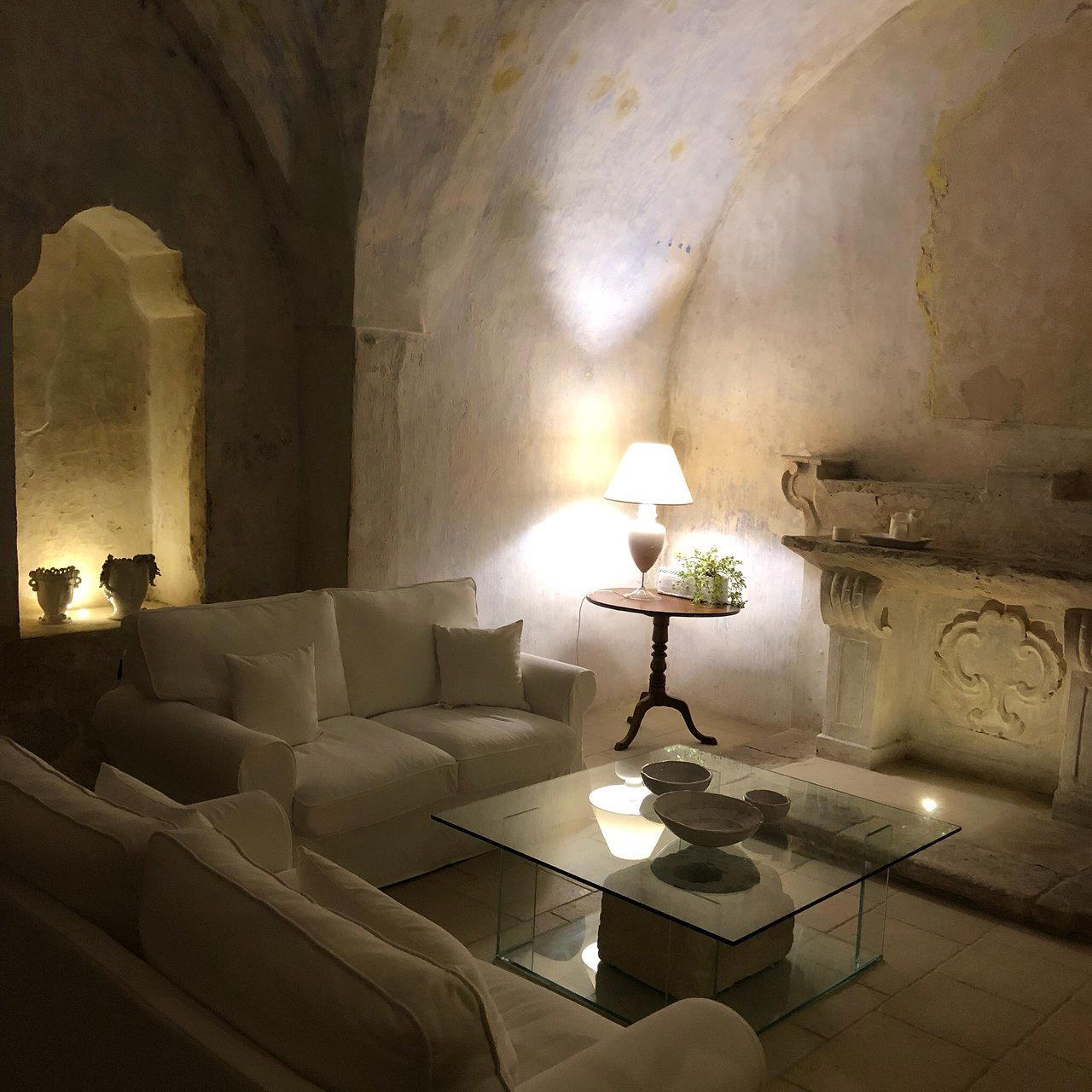

At a Glance
- Romantic
- Elegant
- Intimate
- Cozy
- Sophisticated
- Romantic Getaway
- Honeymoon
- Anniversary
- Weekend Escape
- Historic Building
- Garden
- Terrace
- Pool
- Wi Fi
- Air Conditioning
- Concierge
- Garden
- Street Scene
- Pool
- Wi Fi
- Air Conditioning
- Concierge
- Garden
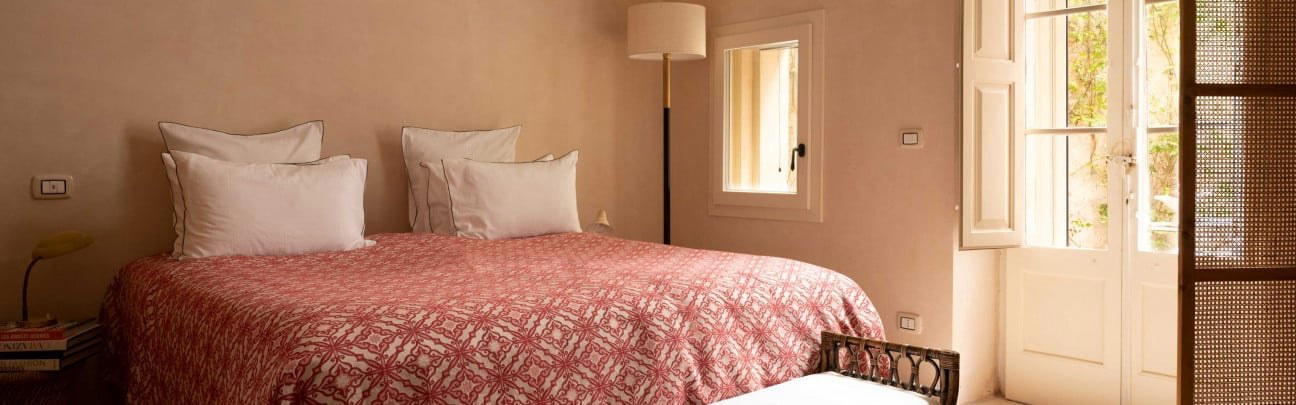
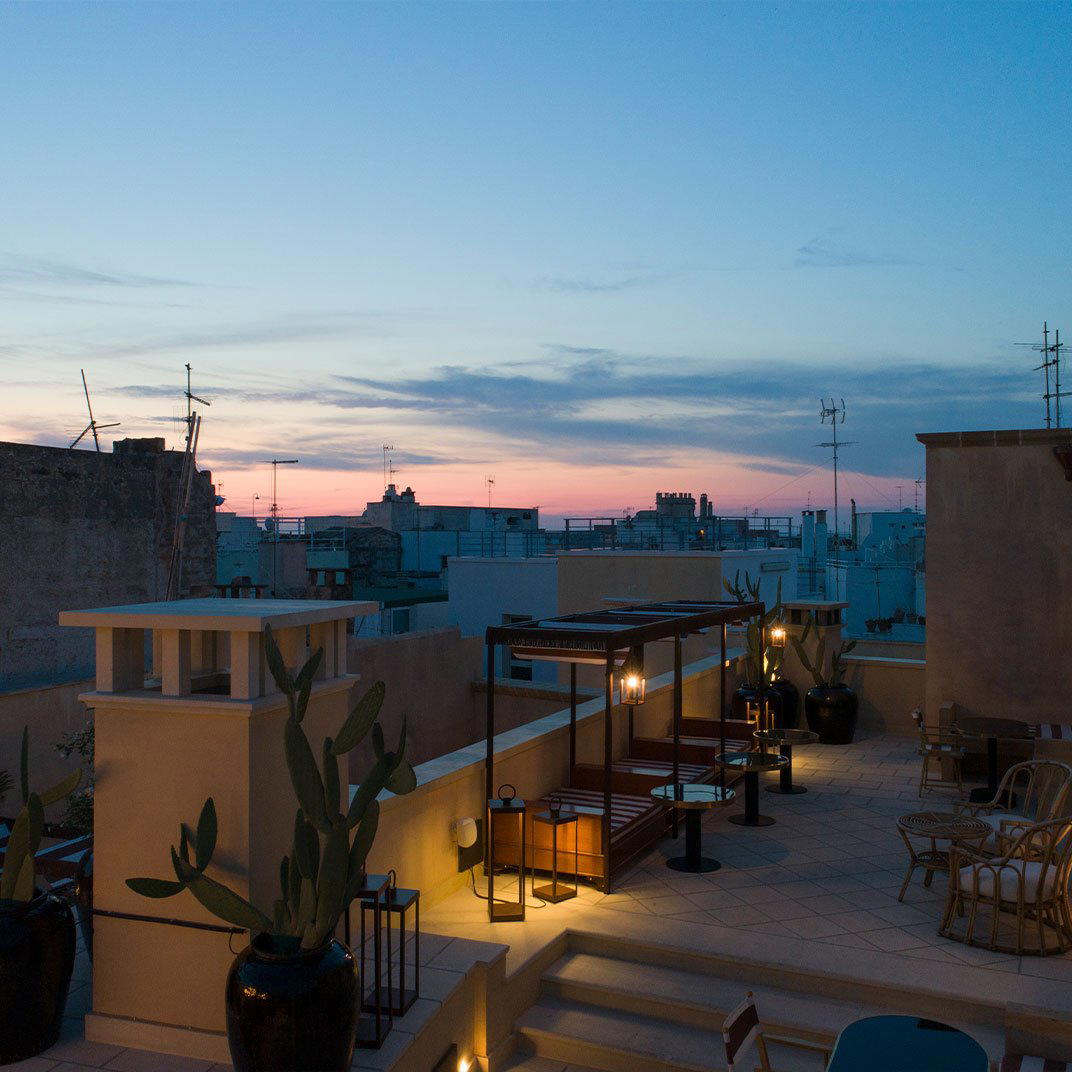
Serene and elegant with vaulted ceilings, original tiles, soft lighting, and a calm courtyard garden atmosphere.
Know Before You Go
- Getting there
- Via Coltura, 41, 73052 Parabita LE, Italy