
Falstaff Winery - Listed
Cupertinum is a historic cooperative winery in Copertino, founded in 1935 and rooted in Salento’s Negroamaro tradition. The draw is not polished wine-tour theatre but a quiet, rustic cellar-and-shop format where Copertino DOC reds, local growers, and the red soils of Puglia remain the central story.

Pearl is the En Primeur Club membership app — saves, bookings, and concierge access live there. Same editors, same standards.
- Address
- Copertino, Puglia, Italien
- Directions
- Get directions

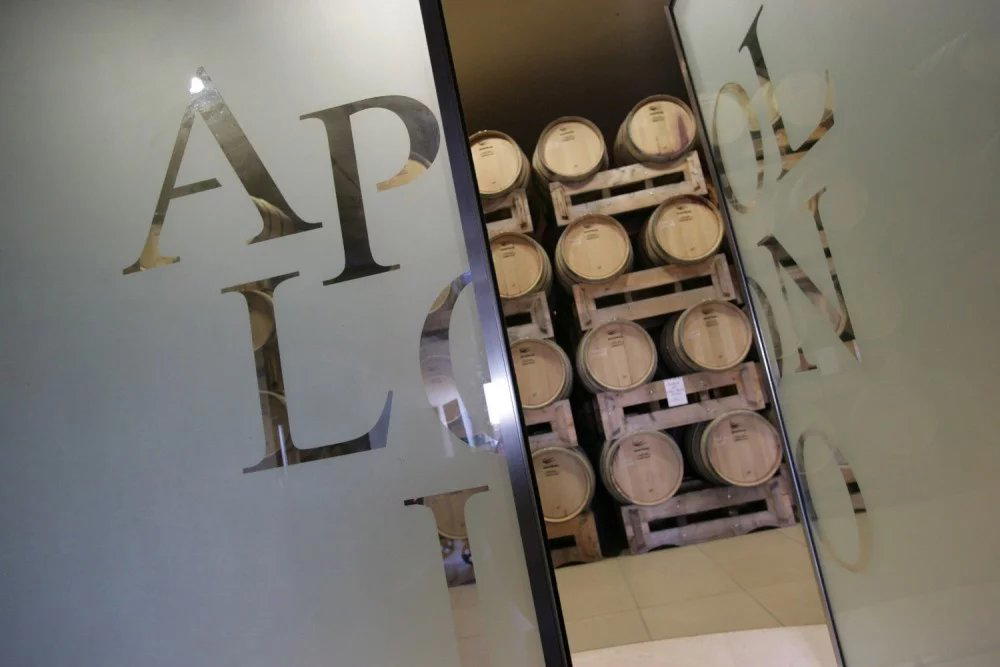
The atmosphere at Cupertinum belongs to an older model of Italian wine travel: a cooperative cellar, a retail counter, quiet conversation, and bottles that point back to the farming economy around Copertino rather than to design-led hospitality. In Salento, where red earth, olive trees, and heat-adapted vines have long shaped the region’s reds, this kind of room tells a different story from the appointment-only estate tasting. It is less about performance and more about the continuity of a local appellation.
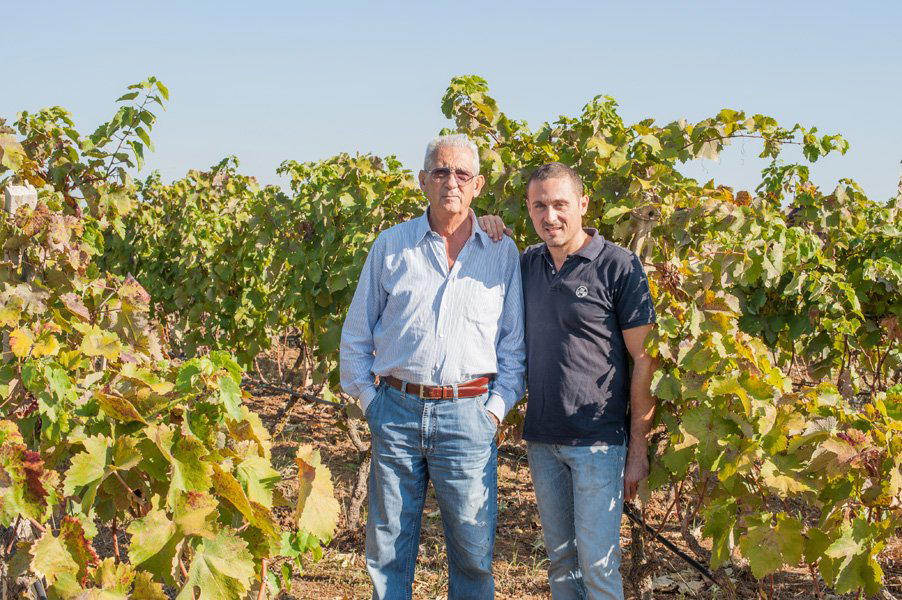
That matters because Copertino is not a generic Puglian wine stop. The DOC, established in 1976, is built around Negroamaro, with varieties such as Malvasia Nera and Primitivo forming part of the wider local grammar. Cupertinum, formally Cantina Sociale Cooperativa di Copertino, predates the DOC by four decades: it was founded in 1935 by 36 growers and has grown into a cooperative of roughly 300 member producers. In a region where smallholder agriculture has always carried economic weight, the cooperative model is not a footnote. It is the production system.
Negroamaro, red soils, and the cooperative scale of Copertino DOC
Salento’s reds are often discussed through warmth and ripeness, but Copertino adds a more specific frame: iron-rich, calcareous red soils, maritime influence between the Ionian and Adriatic seas, and traditional tree-shaped vine training. Those conditions suit Negroamaro because the grape can take heat while retaining the bitter-edged structure that gives southern Puglian reds their shape. At Cupertinum, the emphasis remains on still red wines rather than a broad lifestyle portfolio, and the production base draws on local growers across the cooperative’s vineyard network.
The useful lens here is not scarcity. It is collective consistency. A single estate can turn a vineyard parcel into a luxury proposition; a cooperative has to turn many growers’ fruit into a recognizable regional identity. Cupertinum’s standout feature is exactly that: a historic regional cooperative specializing in Negroamaro-based Copertino DOC wines. The cellar’s no-frills character fits the wine style, where local appellation and grape variety carry more weight than architecture or ceremony.
The flagship reference point is Copertino DOC Rosso Riserva, commonly built around Negroamaro with Malvasia Nera in support. Stainless steel plays an important role in the Riserva’s production, keeping the emphasis away from heavy oak influence and toward fruit, structure, and regional character. For travelers used to Puglia only through Primitivo, this is a useful corrective: Negroamaro is darker, more savory in profile, and closely tied to Salento’s historical red-wine identity.
Recognition has not been absent from the story. The 2010 Copertino DOC Rosso Riserva received “vino d’eccellenza” recognition from the Italian wine guide L’Espresso in 2014, a meaningful signal for a cooperative bottling. The point is not that awards define the cellar, but that they demonstrate how a collective model can produce wines with enough seriousness to sit beyond the everyday bulk-wine stereotype still lazily attached to some southern cooperatives.
A rustic tasting point rather than a polished estate circuit
The hospitality format follows the production philosophy. The experience is a shop tasting and cellar tasting environment, quiet in tone, with a traditional cooperative feel rather than a restaurant-style pairing format. Food pairing is not the point here, nor is outdoor seating or a resort-like tasting garden. The appeal is narrower and more instructive: visitors can read Copertino through bottles, grape names, and the working culture of a local cantina sociale.
That makes Cupertinum a good fit for travelers who already understand that wine regions are not only made by acclaimed estates. In Italy, cooperatives have often carried the agricultural middle ground: pooling fruit, managing production, and giving growers access to markets that would be difficult to reach alone. In Copertino, that history began in 1935 and remains central to the identity of the cellar. The absence of elaborate ceremony is part of the education, because the format keeps attention on the appellation and the growers behind it.
For a broader Copertino wine itinerary, the useful nearby reading starts with local producers such as Azienda Monaci and Garofano, then expands through Our full Copertino wineries guide. Travelers building a fuller stay can pair the wine route with Our full Copertino restaurants guide, Our full Copertino hotels guide, Our full Copertino bars guide, and Our full Copertino experiences guide.
Why this cellar matters in a wider Italian wine map
Cupertinum’s importance is clearest when placed against Italy’s broader range of winery formats. Not every worthwhile cellar visit is a grand estate, and not every serious bottle comes from an individually branded vineyard. Some of the country’s more revealing wine experiences sit in cooperative, family, or regional producer contexts, from A Mano Wine in Noci and a6mani in Fragagnano to Abbadia Ardenga in Torrenieri and Abbazia di Crapolla in Neapel. The point is range: Italian wine culture is built as much from local systems as from famous labels.
Seen from that angle, this Copertino cellar earns its place through history, appellation focus, and a direct relationship with Salento’s native red varieties. It is not the right stop for travelers looking for luxury choreography. It is the right stop for those who want to understand how Negroamaro, Malvasia Nera, cooperative agriculture, and Puglia’s red soils meet in a glass.
For readers mapping wine travel beyond Puglia, the contrast is useful: 3GP SRL in Treviso, 47 Anno Domini in Trebaseleghe, »der Steiner« Hans Steiner in Podersdorf am See, and & Handwein in Mannheim all sit in different regional and commercial traditions. Cupertinum’s value is more specific: a Salento cooperative founded before the DOC existed, still centered on the local red-wine vocabulary that made Copertino worth naming as an appellation.
Recognition history
Dated appearances from independent guides and award organizations, with the underlying list record or original source where available.
Falstaff Winery - Listed
Falstaff
Continue exploring
More in Copertino
Wineries in Copertino
Browse all →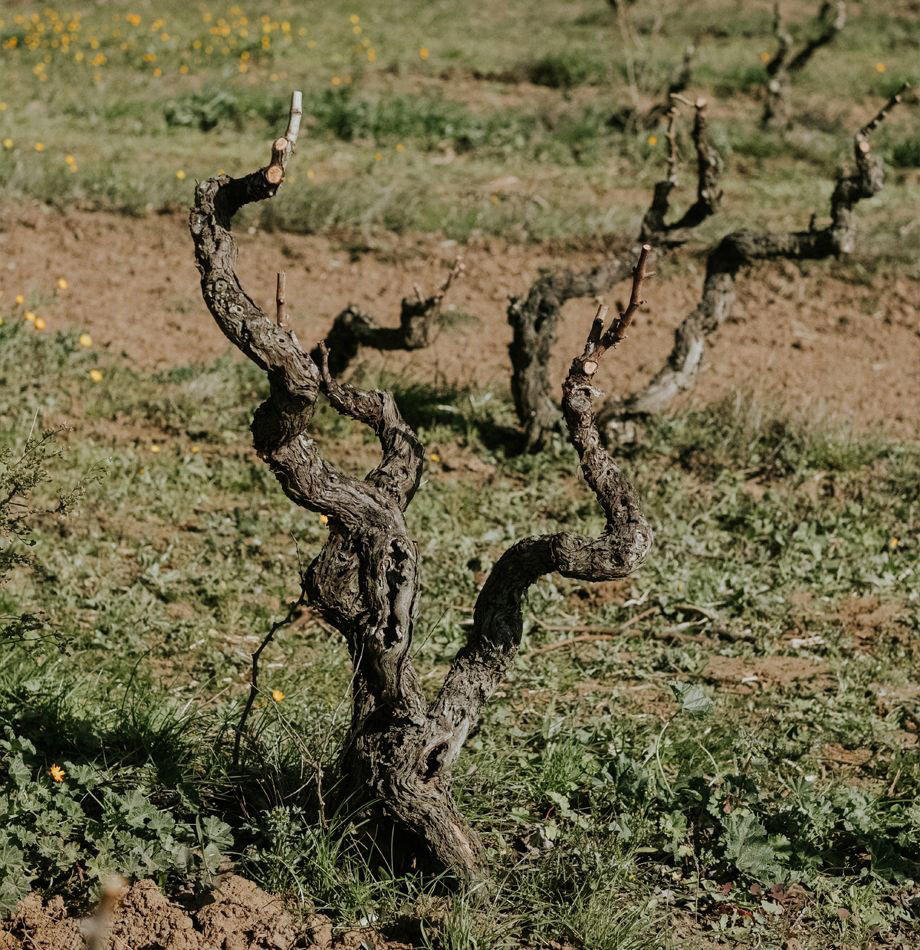
Bars in Copertino
Browse all →

Restaurants in Copertino
Browse all →








Details
- Classic
- Rustic
- Group Outing
- Wine Education
- Solo Exploration
- Historic Building
- Negroamaro
- Malvasia Nera
- Merlot
- Still Red
- Shop Tasting
- Cellar Tasting
- Italian
Historic cooperative winery in the Salento area with a traditional, no-frills cellar and shop atmosphere focused on local Negroamaro-based wines rather than design-driven experiences.