
1 Michelin Key
A Michelin Selected palazzo hotel on Via Mario de Candia in Cagliari's historic centre, Palazzo Boyl 1840 occupies a 19th-century aristocratic residence in the Castello district. The property sits in a tier of Italian urban heritage hotels where architectural scale and period detail carry more weight than branded amenities, making it a considered choice for travellers arriving in Sardinia's capital with a preference for place over polish.

Pearl is the En Primeur Club membership app — saves, bookings, and concierge access live there. Same editors, same standards.
- Address
- Via Mario de Candia, 5, Cagliari, Italy
- Phone
- +39 331 21 48 746
- Directions
- Get directions
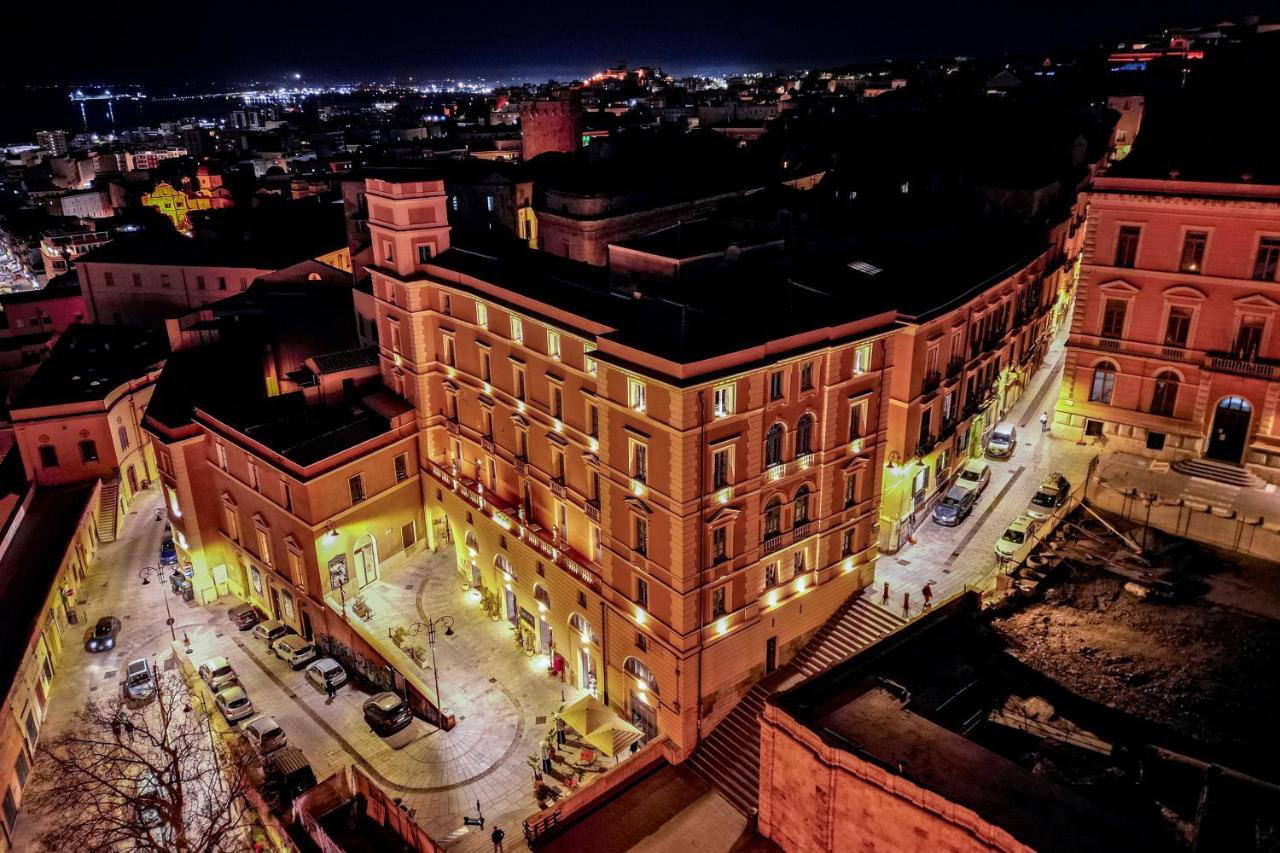
Cagliari's Castello Quarter and the Case for Historic Stays
Cagliari's hotel market divides more cleanly than most Italian cities. On one side sit the resort complexes that anchor the Costa Smeralda corridor and the larger Sardinian coastline, properties built around beach proximity and poolside scale. On the other side, a smaller cohort of urban properties occupies the historic centre's palazzi, operating in a category where the building itself is the primary argument. Palazzo Boyl 1840 belongs to this second tier, and in 2025 it holds a Michelin Selected designation, the guides' recognition that a property meets a consistent standard of quality across character, comfort, and service, without requiring the volume or amenity depth of a starred hotel.
The Castello district, the walled hilltop quarter that rises above the port, is the densest concentration of Cagliari's layered history. Phoenician, Roman, Pisan, and Spanish occupation left architectural traces that the Savoy period, which runs through the 19th century, drew together under a civic vocabulary of palaces and institutional buildings. Via Mario de Candia sits within that quarter, and an address there places a guest inside the fabric of the city rather than adjacent to it. For travellers comparing options across Cagliari, this geography is a meaningful differentiator: Palazzo Doglio and Palazzo Tirso Cagliari - MGallery occupy different historic buildings with their own neighbourhood logic, while Hotel Villa Fanny and Casa Clàt sit in a residential register that reads differently on arrival. The question of which property suits a particular trip is largely a question of what kind of encounter with the city the traveller wants.
Approaching the Building
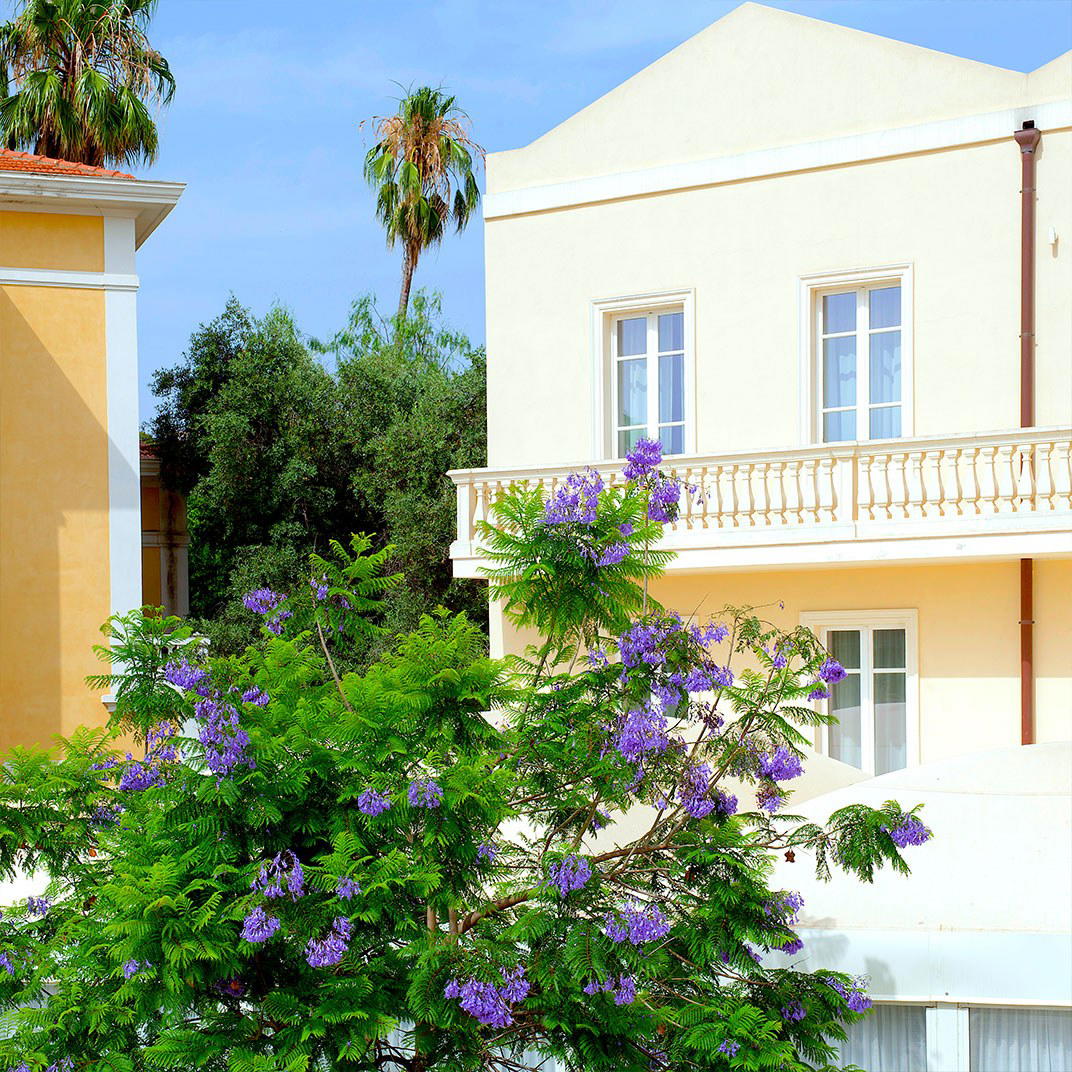
The physical experience of arriving at a 19th-century Cagliari palazzo follows a pattern distinct from contemporary hotel design. Street-level facades in the Castello district were built for civic impression, not commercial legibility, which means the entrance to Palazzo Boyl 1840 announces itself through stone and proportion rather than signage and canopies. The building dates to 1840 in its current form, placing its construction in the Savoy period when Cagliari's ruling class was consolidating wealth and social position through architectural investment. That origin gives the property its name and its primary asset: a period envelope that no amount of renovation could replicate from scratch.
Within the broader Italian heritage hotel category, this kind of palazzo conversion occupies a consistent position. Properties like Aman Venice in Venice, Four Seasons Hotel Firenze in Florence, and Passalacqua on Lake Como each demonstrate that the conversion of a significant historic building into a hotel produces a guest experience structured around the original architecture. At Palazzo Boyl 1840, the logic is the same, operating at a scale and price point appropriate to Cagliari rather than the highest tiers of the Italian luxury market occupied by properties such as Bulgari Hotel Roma or Rosewood Castiglion Del Bosco.
Service Philosophy in a Small Historic Property
The Michelin Selected designation functions as a proxy for several things simultaneously, but in the context of a small historic palazzo, the most meaningful signal it carries concerns service consistency. Michelin's hotel selection process weighs character, maintenance, and the quality of guest interaction, and it applies that standard across a wide range of property types and price bands. For a property with the physical character of Palazzo Boyl 1840, the designation confirms that the building's period credentials are matched by a level of hospitality delivery that justifies a considered stay rather than a single-night convenience booking.
Small palazzo hotels in Italian historic centres tend to operate a service model that depends on proximity and attentiveness rather than on the layered departmental structure of a larger luxury property. Breakfast service, room preparation, and arrival logistics in this format typically run through a compact team, and the result, when it works, is a recognisable style of Italian hospitality where requests are handled personally rather than routed through systems. This is not the anticipatory, hyper-personalised service architecture of a property like Borgo Egnazia or Il Pellicano, both of which operate at considerably greater scale and price. It is something closer to considered host culture: attentive, grounded in place, and calibrated to the specific context of a historic city-centre building.
For travellers who have stayed at comparable properties in the Italian south and islands, such as Borgo Santandrea on the Amalfi Coast or Il San Pietro di Positano in Positano, the dynamic at Palazzo Boyl 1840 will read as familiar in spirit if different in setting. The coastal resort and the urban palazzo solve different problems, but both rely on a service culture rooted in the specific character of their location.
Where It Sits in the Italian Hotel Conversation
Italy's heritage hotel tier spans an extraordinary range, from the concentrated luxury of Portrait Milano in Milan or JK Place Capri to properties like Castello di Reschio in Umbria and Corte della Maestà in Civita di Bagnoregio, where isolation and architectural integrity are the primary offer. Palazzo Boyl 1840 occupies a different position: an urban building in a city that remains substantially less trafficked by international luxury tourism than Rome, Florence, or the Amalfi Coast. That context gives the property a different ambient register. Cagliari receives visitors rather than being overwhelmed by them, and the Castello quarter functions as a working historic neighbourhood rather than a tourist precinct. Staying inside it, in a building that predates the modern hotel industry by several decades, carries a particular quality of encounter with a city that few Italian destinations can offer at comparable cost.
For planning purposes, Cagliari is accessible via direct flights from several European hubs, with Cagliari Elmas Airport approximately 6 kilometres from the city centre. The Castello quarter is reachable by taxi, and some parts of the historic hill are pedestrianised or restricted, so confirming luggage logistics with the property in advance is worth the effort. Forte Village Hotel Castello, Sardinia offers an alternative for travellers who want resort facilities alongside Sardinian positioning, though it occupies an entirely different category. For the full picture of where to eat and drink near the property, see our full Cagliari restaurants guide.
Cuisine and Credentials
Comparable venues nearby, for context on price, style, and recognition.
| Venue | Cuisine | Price | Awards | Notes |
|---|---|---|---|---|
| Palazzo Boyl 1840This venue — the venue you are viewing | Historic palazzo with modern design | $300–500 | 1 Michelin Key | Not listed |
| Palazzo Doglio | luxury urban palace hotel | Not listed | Leading Hotels of World Member | Bonaria |
| Hotel Villa Fanny | Historic villa with contemporary boutique design | Not listed | Michelin Selected | Stampace |
| Palazzo Tirso Cagliari - MGallery | Historic Art Nouveau palazzo with contemporary luxury renovations | Not listed | Michelin Selected | harborfront |
| Forte Village Hotel Castello, Sardinia | Elegant Mediterranean resort with exclusive beachfront location and family bungalows. | Not listed | Virtuoso Luxury Hotel Partner | Santa Margherita di Pula |
| Casa Clàt | Restored 19th-century palazzo with artist-designed suites blending Sardinian heritage and modern luxury | $300–500 | 1 Michelin Key | Marina |
Recognition history
Dated appearances from independent guides and award organizations, with the underlying list record or original source where available.
Michelin 1 Key
Michelin
Full recognition history (2 entries)
Michelin Selected
Michelin
Continue exploring
More in Cagliari
Hotels in Cagliari
Browse all →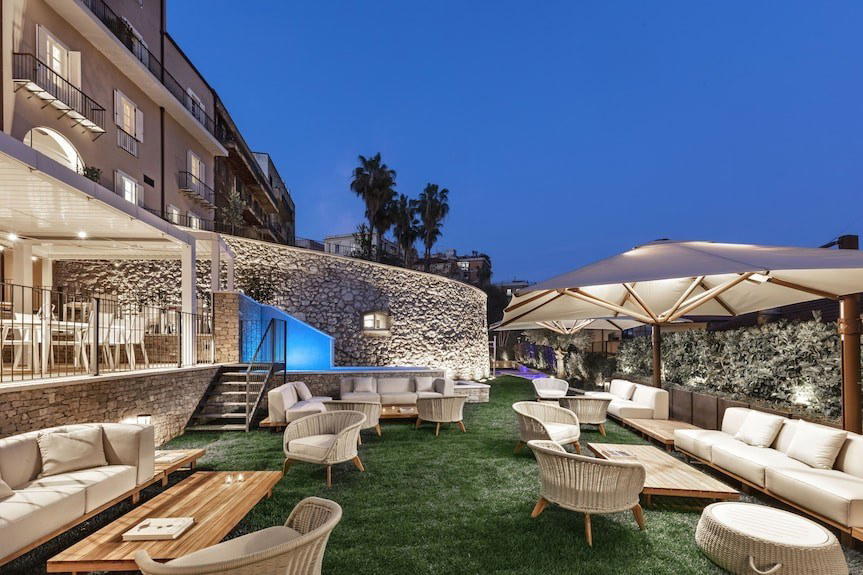
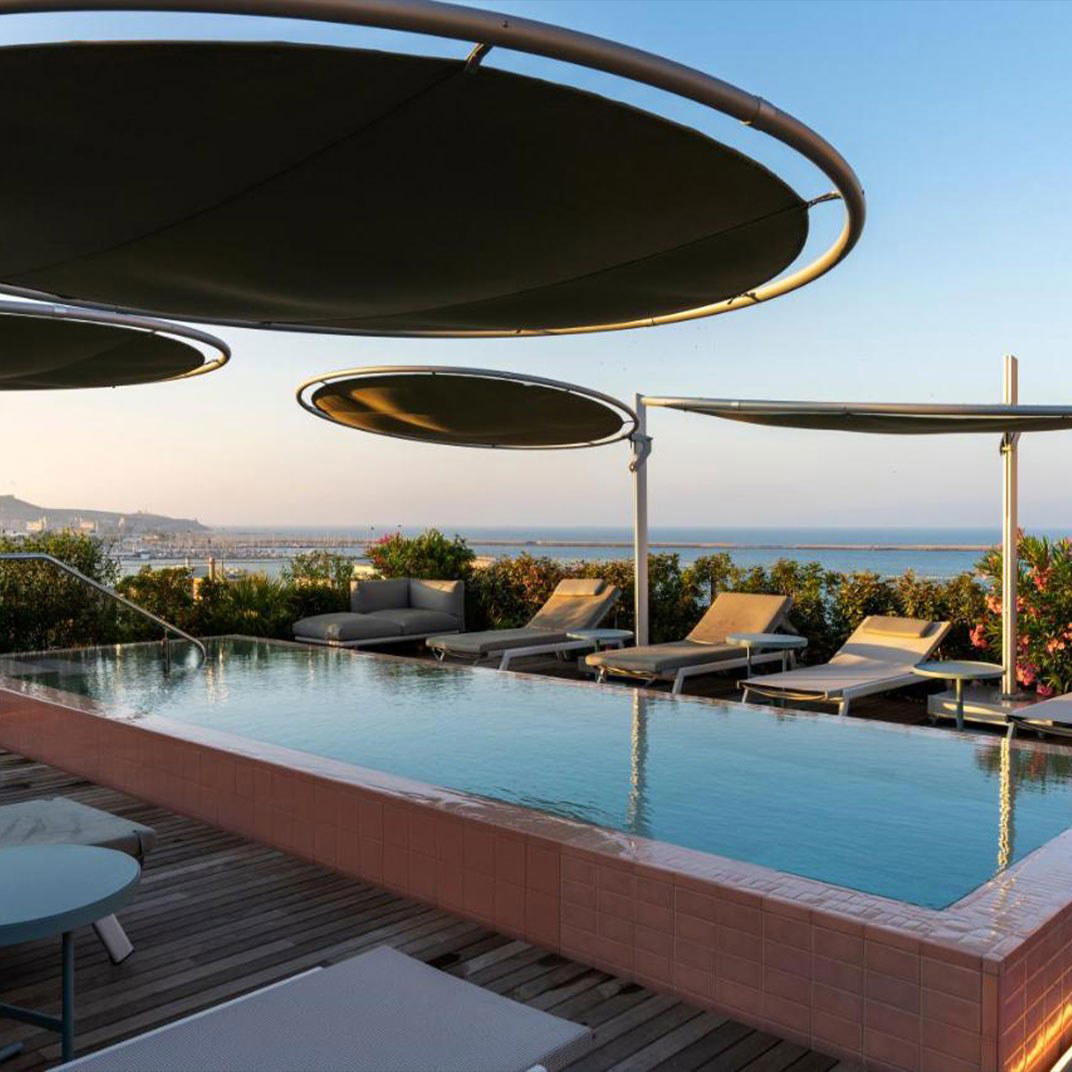
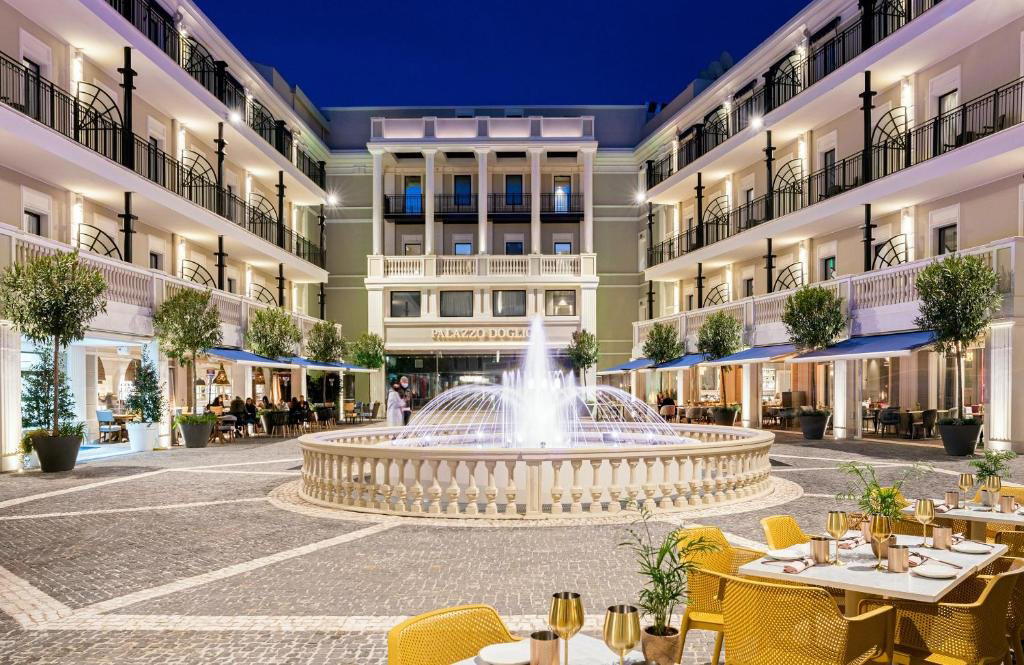
Bars in Cagliari
Browse all →
Restaurants in Cagliari
Browse all →


Details
- Elegant
- Sophisticated
- Intimate
- Historic
- Romantic Getaway
- Anniversary
- Weekend Escape
- Historic Building
- Terrace
- Wi Fi
- Fitness Center
- Restaurant
- Bar
- Concierge
- Air Conditioning
- Room Service
- Street Scene
- Elevator
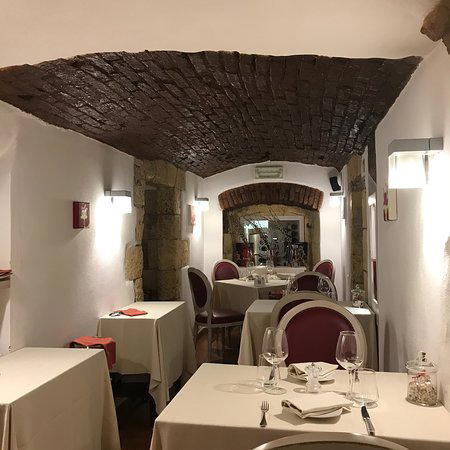
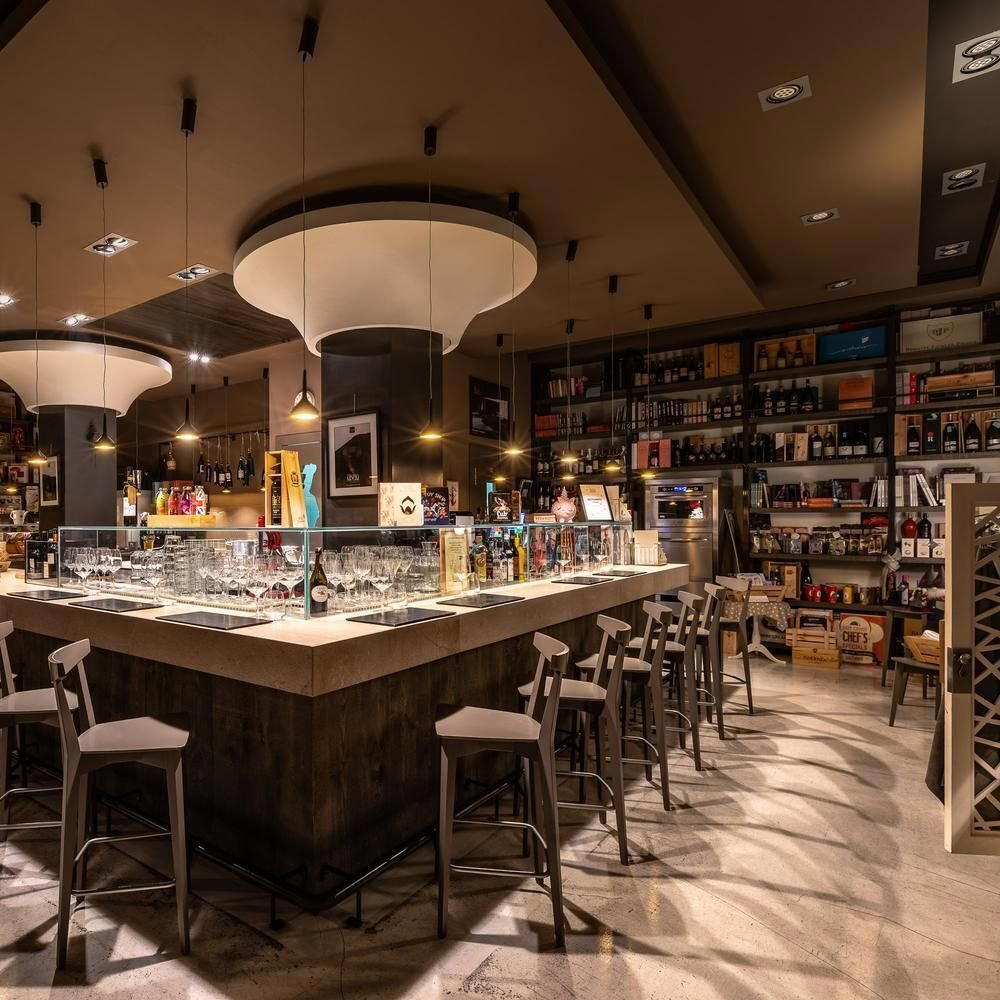
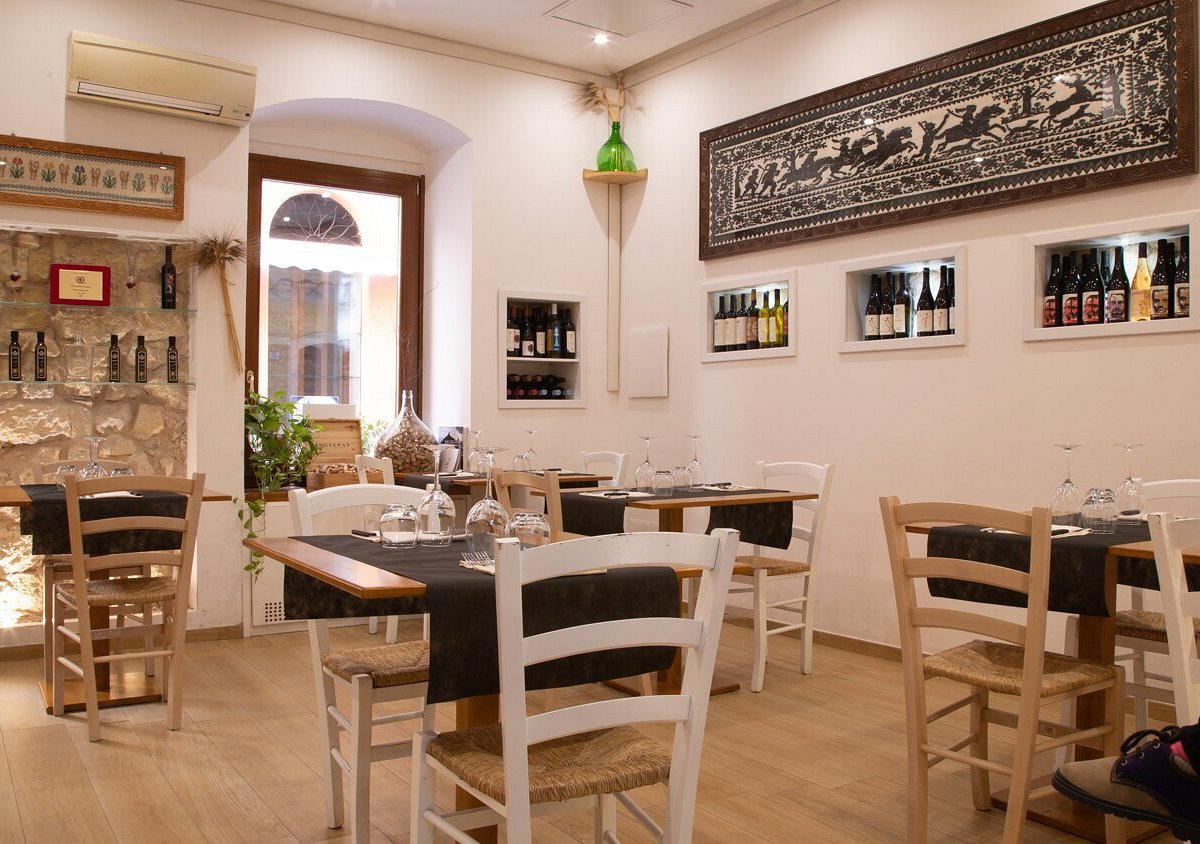
Elegant and lively modern design atmosphere with sophisticated lighting in historic suites preserving original beams and high ceilings.