

A restored masseria in the Salento countryside of southern Italy, Naturalis Bio Resort & Spa occupies an ancient farming hamlet where the fields are still worked organically. Lavender, rosemary, lemon and thyme grow across the estate, shaping both the scent of the air and the character of the stay. For travellers seeking slower, land-rooted hospitality in Puglia's lesser-visited interior, this is a considered choice.
Pearl is the En Primeur Club membership app — saves, bookings, and concierge access live there. Same editors, same standards.
- Address
- Contrada Ulive Grandi, Via Traglia, S.N, 73025 Martano LE
- Phone
- +39 0836 061101
- Website
- naturalisbioresort.com
 Saves & bookings on Pearl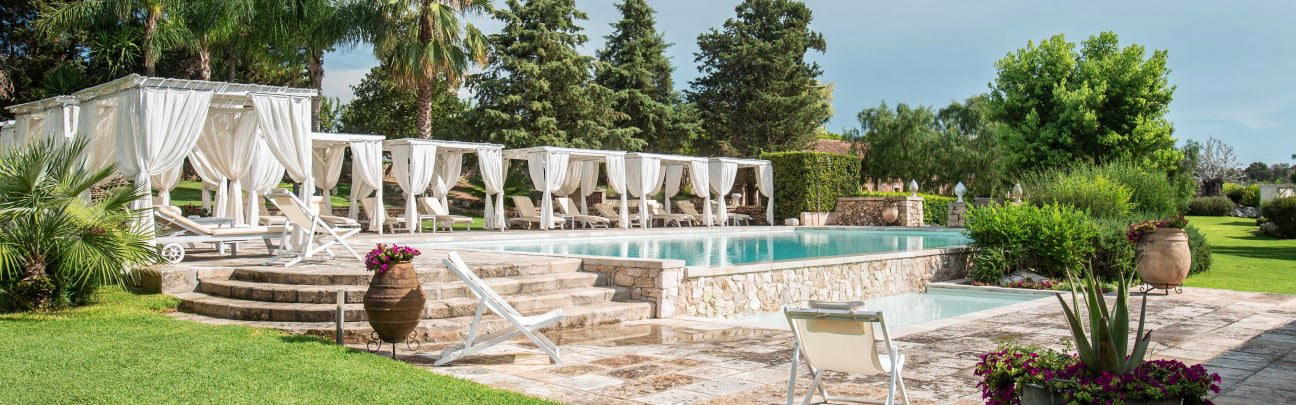
Where the Land Defines the Architecture
Southern Italy has two distinct traditions of rural hospitality. The first is the agriturismo model, where farming operations host guests as a secondary income stream. The second is the converted masseria, where an agricultural compound is reimagined as a destination in its own right, with the land retained not for revenue but for atmosphere and identity. Naturalis Bio Resort & Spa sits firmly in the second category. Set among the low-lying countryside around Martano, a town in the Lecce province of Salento, the property occupies what was once a working farming hamlet, and the physical evidence of that history has been preserved rather than erased.
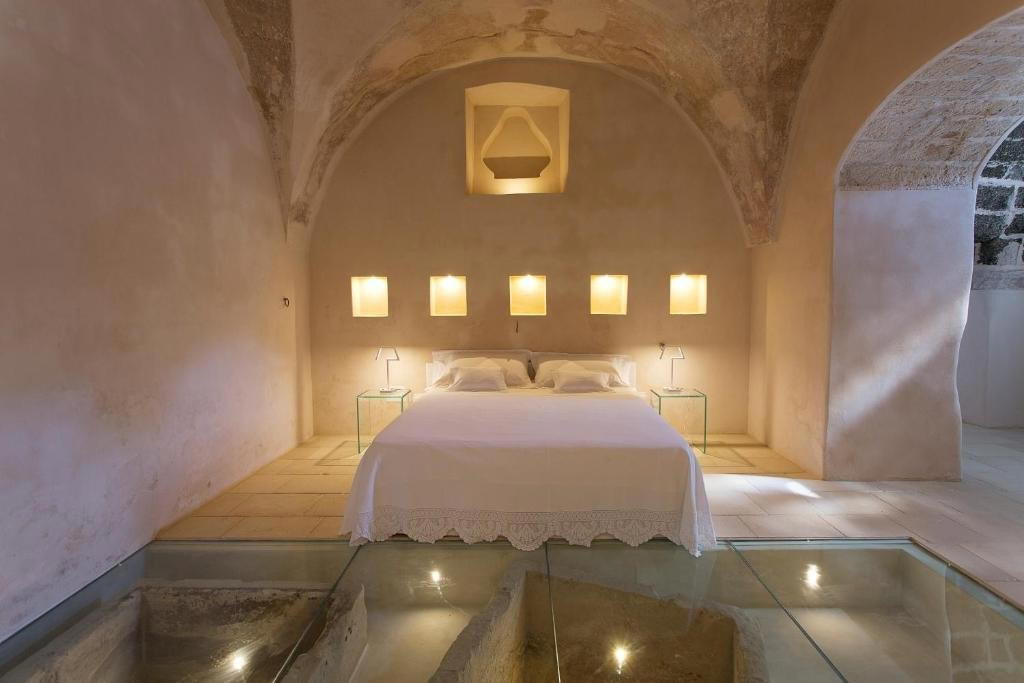
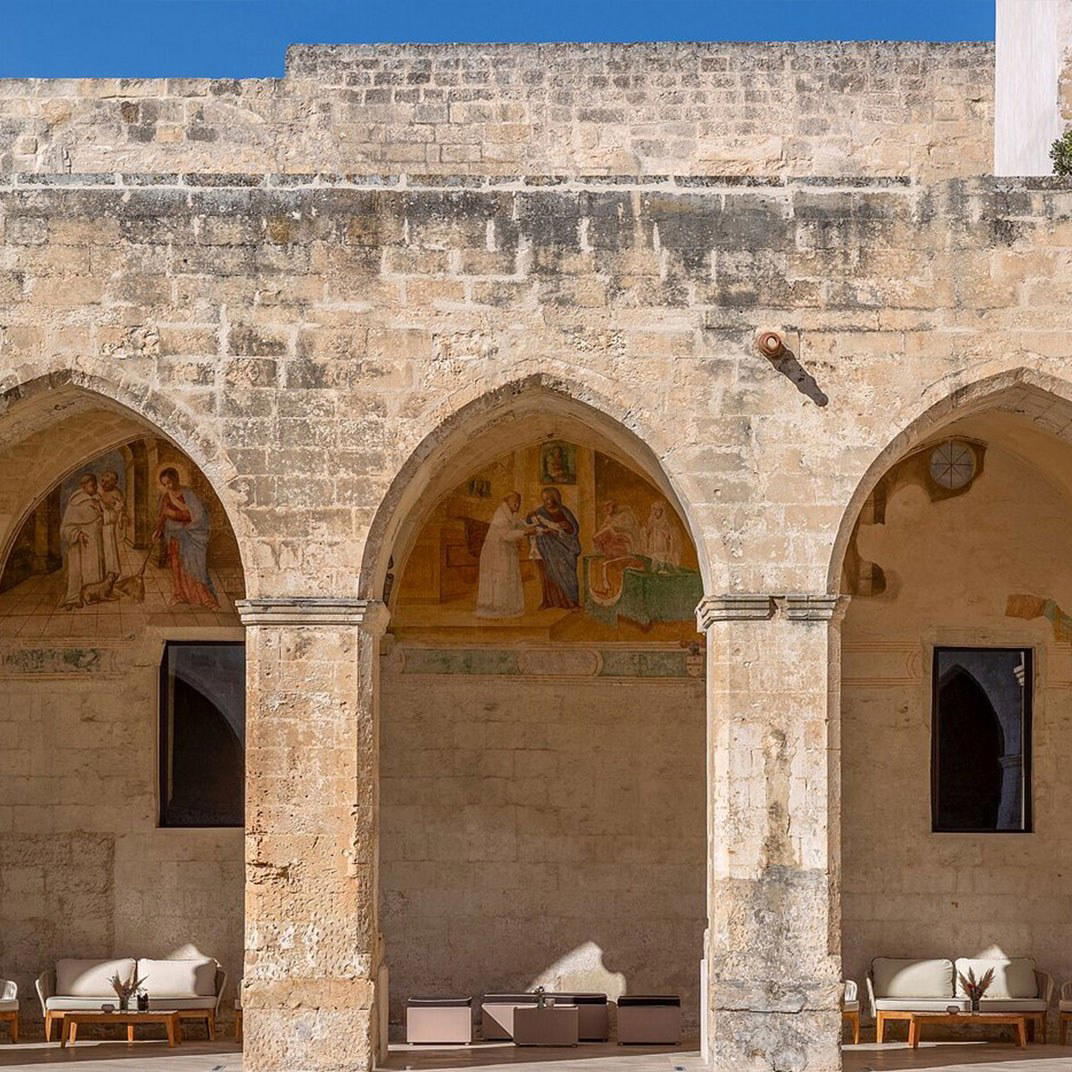
The architectural grammar of the Salento masseria is specific: thick-walled stone structures built to withstand summer heat, with courtyards designed to channel airflow, external staircases, and an arrangement of outbuildings that reflects the compound logic of communal agricultural life. Where many conversions sand down these details in favour of contemporary minimalism, properties in this tradition tend to read most coherently when they work with the existing material rather than against it. The organic cultivation on the Naturalis estate, lavender, lemon, rosemary, thyme, is not purely decorative. It is a continuation of the land's working character, and it shapes the sensory register of the property from arrival onward.
The Salento Interior: A Different Register from the Coast
Puglia's premium hospitality reputation has been built largely on coastal properties. Borgo Egnazia in Savelletri di Fasano sits near the Adriatic, as do most of the properties that have put the region on international radar. The Salento interior operates at a quieter register. Martano is a small agricultural town roughly twenty kilometres from Lecce, close enough to access the city's baroque architecture and restaurant scene, but sufficiently removed to feel genuinely rural. This positioning matters: guests at inland Salento properties are self-selecting for a different kind of experience, one where the rhythm of the estate itself is the primary offering rather than proximity to beach infrastructure.
That dynamic is well-established across Italy's premium rural hospitality tier. Borgo San Felice Resort in Castelnuovo Berardenga and Castelfalfi in Montaione represent the Tuscan version of the same formula: restored historic estates where the land and its agricultural production remain visible and central. In each case, the appeal is the coherence of the place, the sense that the physical setting, the produce, and the hospitality format are all expressions of the same underlying logic. Naturalis applies that formula to Salento, a region with its own distinct architectural and agricultural vocabulary.
Organic Cultivation as Design Element
The decision to maintain organic farming on the estate is an architectural and atmospheric choice as much as an agricultural one. Fields of lavender, lemon trees, rosemary and thyme function as sensory framing for the property, they determine what you smell when you arrive, what you see from the rooms, and what appears at the table. This is the rural Italian hospitality tradition at its most coherent: the estate as a closed loop, where the land produces what the kitchen uses and the kitchen expresses what the land grows.
Comparable properties across Italy have made this loop their primary competitive identity. Casa Maria Luigia in Modena connects its estate to a broader culinary context; Rosewood Castiglion Del Bosco in Montalcino situates its hospitality within a working wine and agricultural estate. The thread connecting them is the insistence that the land is not backdrop, it is programme. At Naturalis, the organic fields are the clearest statement of that position.
Placing Naturalis in the Broader Italian Rural Tier
Italy's rural retreat segment has expanded considerably in the past decade, with restored historic properties appearing across regions that were previously off the premium hospitality map. Puglia has attracted significant attention, driven in part by improved air connections to Brindisi and Bari and by a broader shift in traveller appetite toward slower, place-rooted experiences. Within Puglia, Salento occupies a specific position: it is the southernmost part of the heel, with a distinct dialect, a strong Greek-Byzantine cultural legacy, and an architectural tradition that differs markedly from the trulli country further north.
Properties operating in this environment compete less on amenity breadth than on authenticity of setting. The comparison set is not Four Seasons Hotel Firenze in Florence or Bulgari Hotel Roma in Rome, where the brand infrastructure is part of the appeal. It is closer to properties like Corte della Maestà in Civita di Bagnoregio or Castel Fragsburg in Merano: independent, place-specific, and legible primarily through the quality of the physical setting and the coherence of the experience rather than through brand recognition or award density.
Getting There and Planning Your Stay
Martano sits in Lecce province in the Salento peninsula, reachable via Lecce train station (connected to Bari and Rome by high-speed and intercity services) or by flying into Brindisi airport, which is approximately forty kilometres from the town. Driving is the most practical option once in the region, as the Salento interior is not well-served by public transport. Lecce itself is worth building into any itinerary: its baroque centro storico is among the most coherent in southern Italy, and the city has developed a credible restaurant scene drawing on Salentine ingredients and technique.
For those building a wider Italian itinerary that moves between rural and urban registers, the country offers a range of comparators in both directions, from the design-forward Portrait Milano in Milan to the coastal drama of Borgo Santandrea on the Amalfi Coast or Il San Pietro di Positano in Positano. For those who prefer to stay within the southern Italian rural tradition, Borgo Egnazia remains the regional benchmark, though it operates at a considerably larger scale.
A Quick Peer Check
Comparable venues nearby, for context on price, style, and recognition.
| Venue | Cuisine | Price | Awards | Notes |
|---|---|---|---|---|
| Naturalis Bio Resort & SpaThis venue — the venue you are viewing | Restored 18th-century masseria blending Apulian rural authenticity with contemporary bio-architecture | $$$$ | 5-Star | |
| Hilton Turin Centre | Urban 5-star flagship Hilton in a restored historic building with full-service spa and extensive meetings and events facilities in central Turin.[1][3][6] | $$$$ | 5-Star | Centro |
| Villa Làrio | Refined luxury all-suites property blending historic Italian villas with modern design across landscaped gardens. | $$$$ | 5-Star | Pognana Lario |
| Castello di Ugento Hotel | Restored 17th-century castle blending family heritage with contemporary luxury. | $$$$ | 5-Star | Ugento |
| Petra Segreta Resort & Spa | Contemporary Sardinian stazzi-inspired luxury resort | $$$$ | 5-Star | San Pantaleo |
| Tenuta Le Tre Virtù | Restored 17th-century stone farmhouse transformed into luxury agriturismo with contemporary comfort and rustic authenticity. | $$$$ | 5-Star | Mugello Valley |
At a Glance
- Romantic
- Quiet
- Scenic
- Elegant
- Cozy
- Sophisticated
- Honeymoon
- Romantic Getaway
- Wellness Retreat
- Anniversary
- Weekend Escape
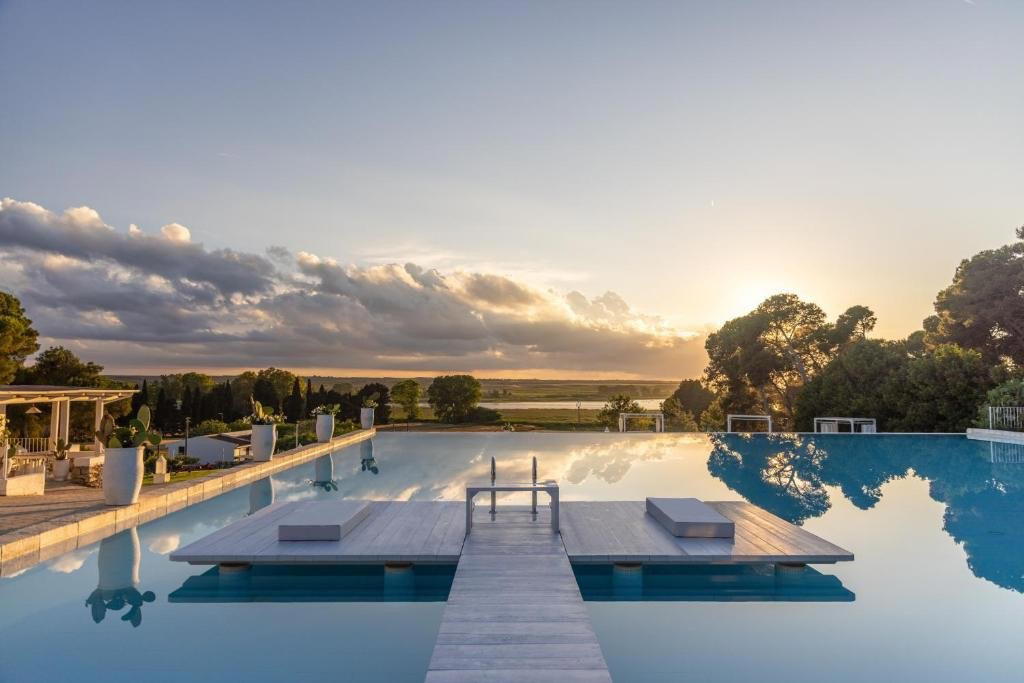
- Infinity Pool
- Destination Spa
- Garden
- Terrace
- Pool
- Spa
- Fitness Center
- Sauna
- Hot Tub
- Yoga Classes
- Room Service
- Concierge
- Bicycle Rental
- Restaurant
- Garden
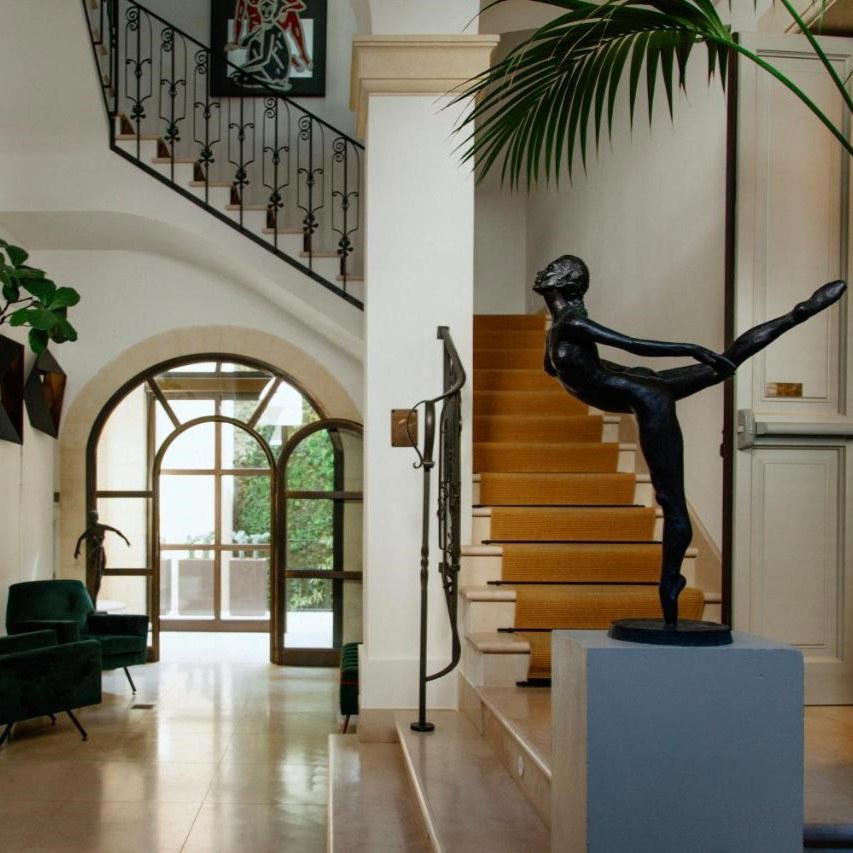
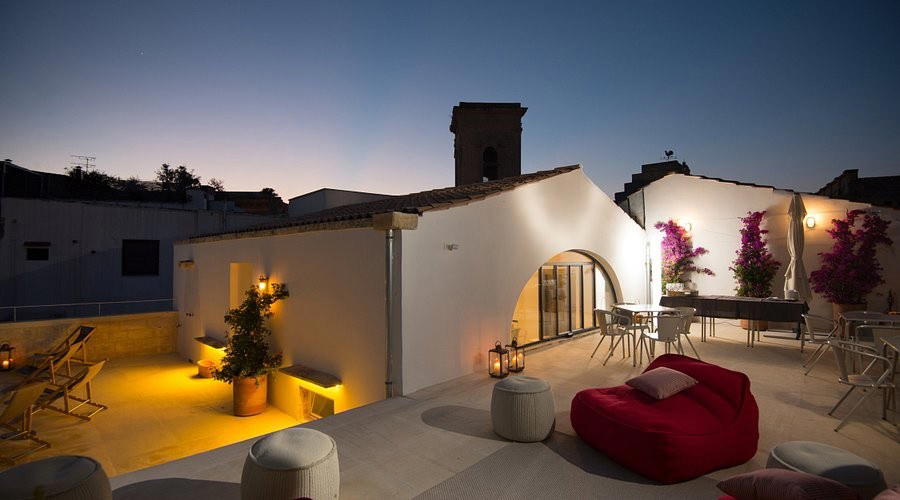
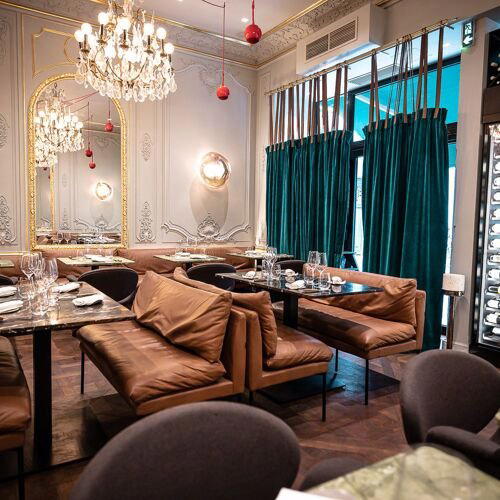
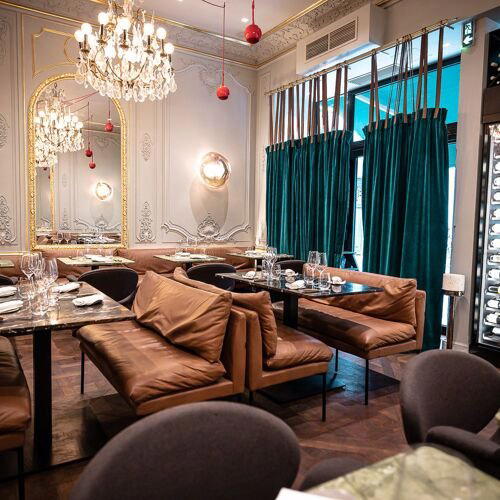
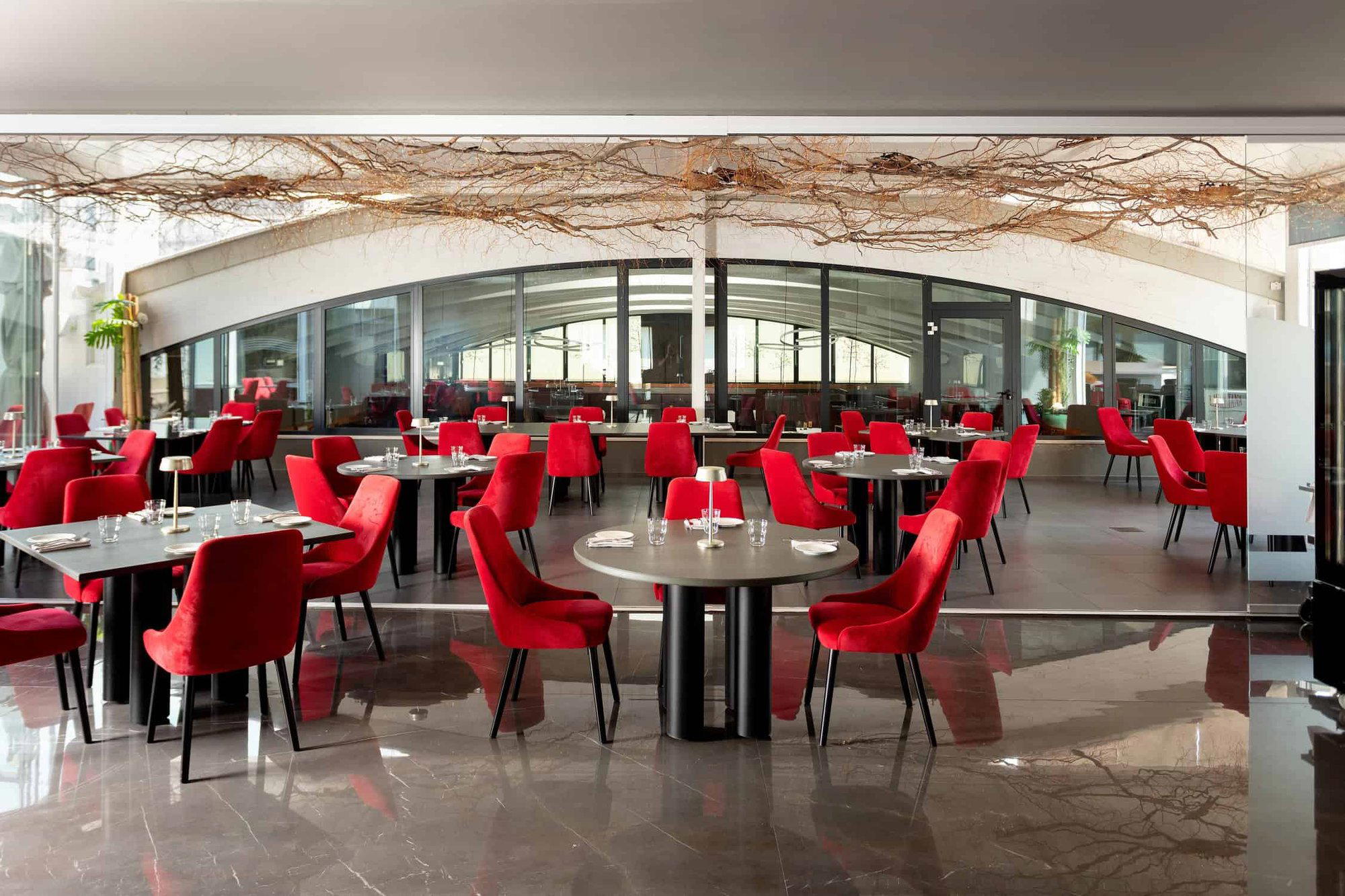
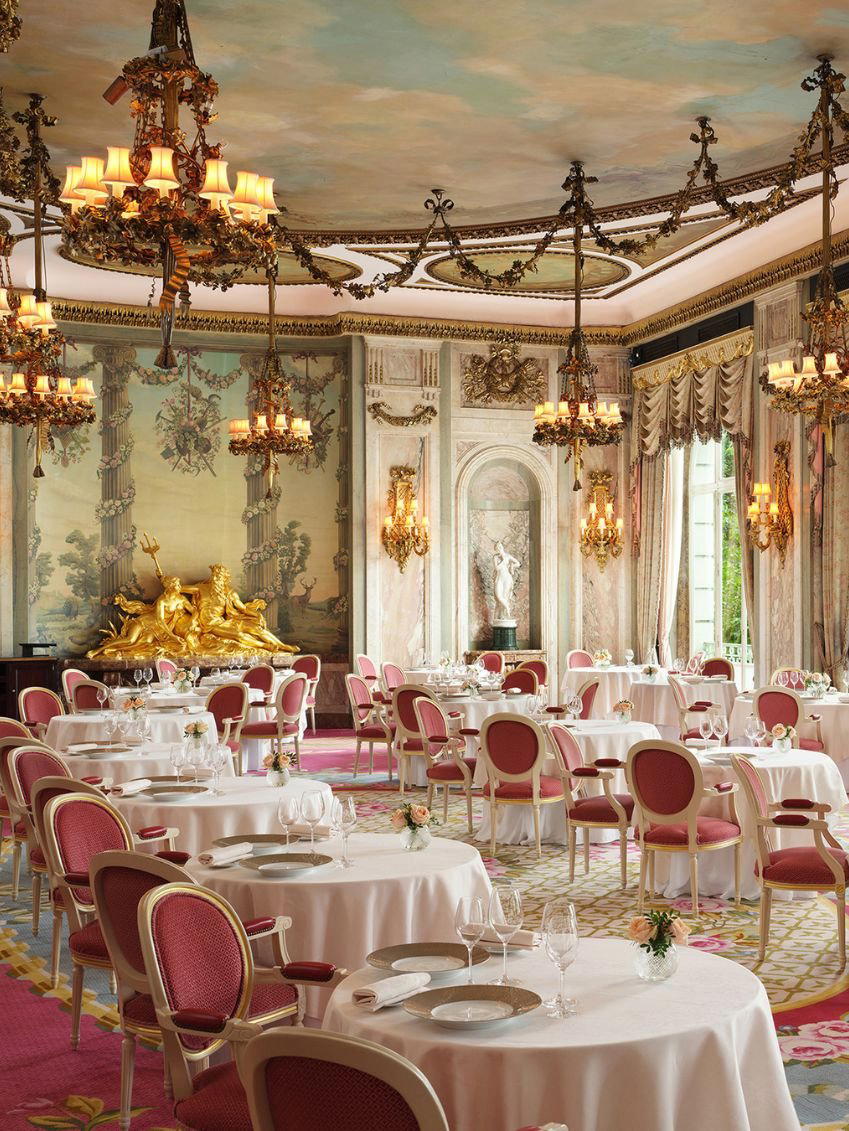
Tranquil and immersive in nature with lush gardens, olive groves, and soft lighting enhancing the peaceful, sophisticated rural Puglia atmosphere.