
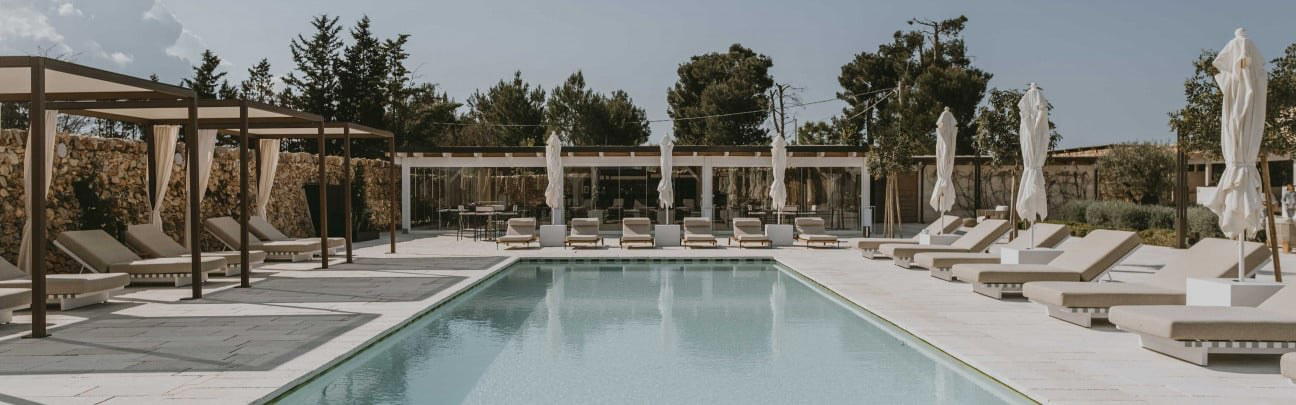
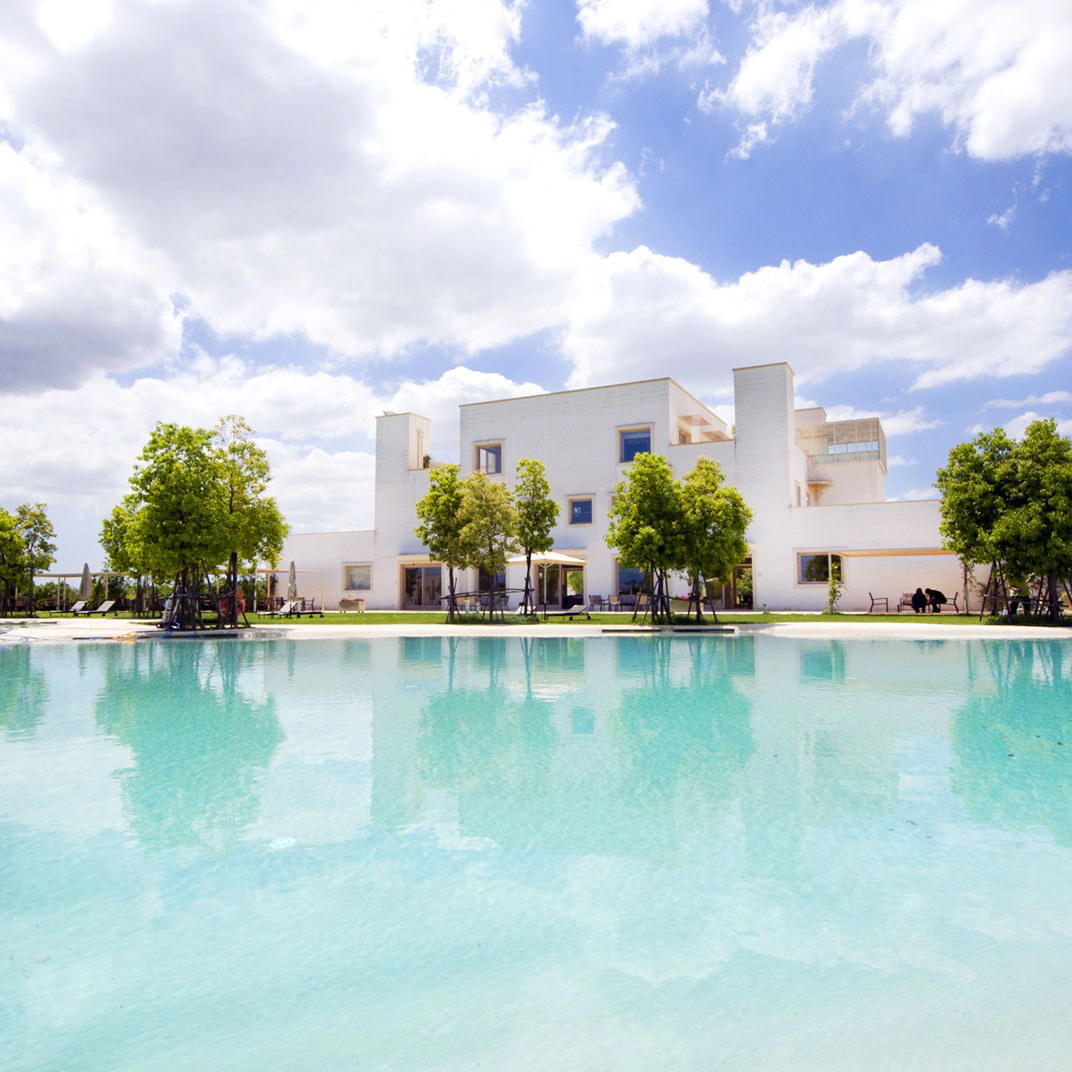
A Michelin Selected masseria-style retreat in Parabita, deep in the Salento peninsula, Il Giardino Grande occupies a restored rural property where the cooking programme draws on Puglia's agricultural traditions. The property sits in the quieter inland tier of Salento hospitality, distinct from the coast-facing resorts, and suits travellers who want proximity to both Lecce and the Adriatic without the high-season density of the shoreline.
Pearl is the En Primeur Club membership app — saves, bookings, and concierge access live there. Same editors, same standards.
- Address
- Str. Vicinale Tammali, 73052 Parabita LE, Italy
- Phone
- +39 0833 190 1128
- Website
- ilgiardinogrande.com
- Directions
- Get directions
 Saves & bookings on Pearl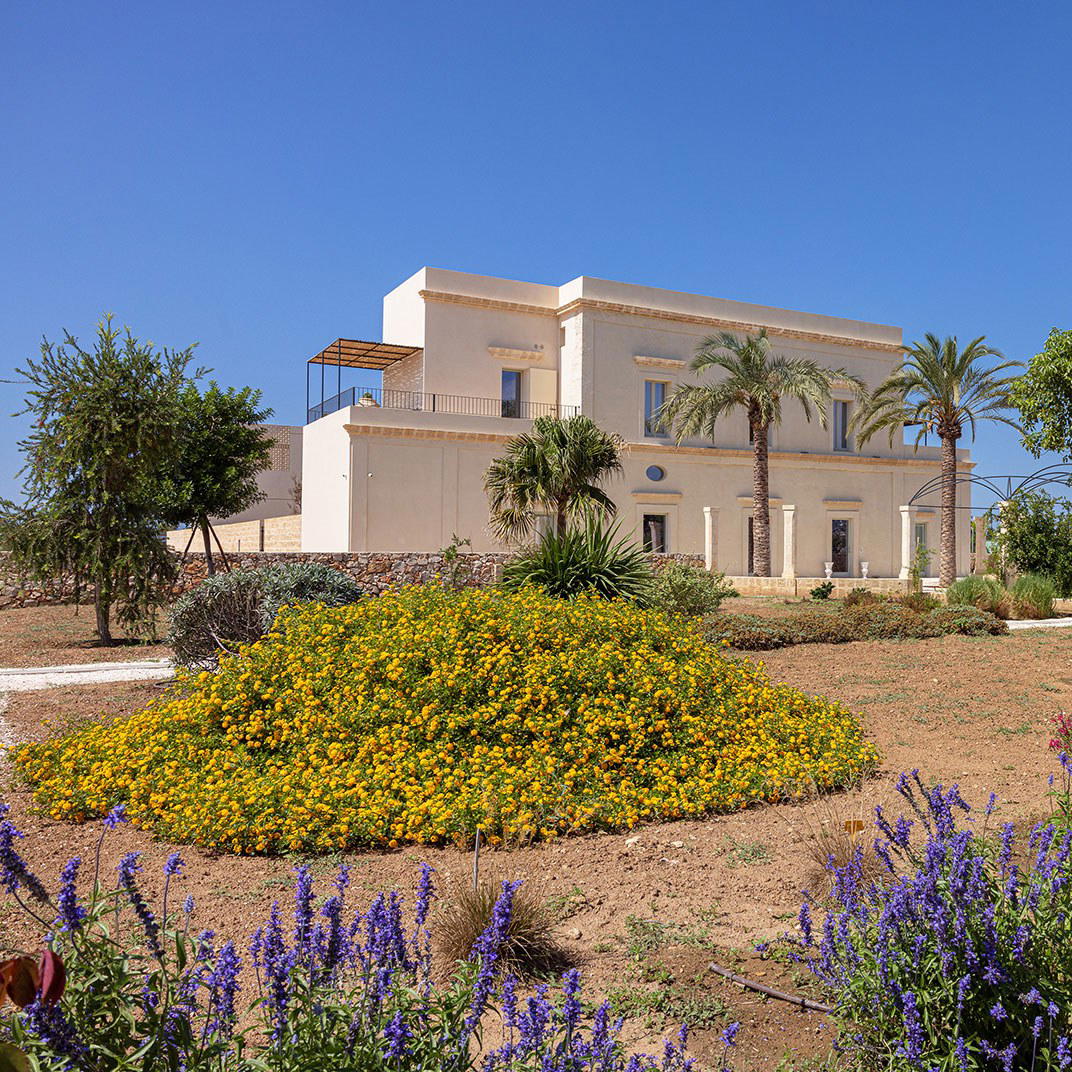
Inland Salento, Where the Agrarian Tradition Shapes the Table
The Salento peninsula divides its hospitality offer fairly cleanly between the coastal strip, where trulli-adjacent masserie and sea-view pools compete for summer bookings, and the quieter inland towns, where the agricultural character of Puglia comes through more directly. Parabita sits in this second category: a small comune in the province of Lecce, surrounded by olive groves and dry-stone walls, without the resort infrastructure of Fasano or the crowds that gather around Ostuni from June through August. Properties in this zone tend to position themselves around the working rural estate model, sometimes called dimora di campagna, where the grounds, the produce, and the cooking vernacular carry more weight than spa facilities or beach clubs. Palazzo Piccinno represents the other end of Parabita's small accommodation offer, and the two properties together define a niche that is deliberately distinct from the Adriatic coast scene.
Il Giardino Grande operates within that inland tradition. The name itself — the great garden — signals where the property's identity is anchored: in the grounds rather than in brand architecture or international hotel programming. Michelin's hotel selection for 2025 placed it inside the MICHELIN Selected tier, which the guide uses for properties that meet a threshold of quality and character without the full formal apparatus of a starred hotel category. That credential places it in a peer group with character-driven rural properties across southern Italy, where the assessment tends to weight atmosphere, culinary sourcing, and local integration as heavily as room finish.
The Cooking Programme in Context
Southern Italian agriturismo and dimora hotels have undergone a significant shift over the past decade. What was once a category defined by generous portions of home cooking served at communal tables has, at the better-regarded end, moved toward something more considered: menus that still draw on the immediate agricultural environment but apply more editorial discipline to sourcing, preparation, and the relationship between kitchen and land. The Salento version of this tradition has its own character, distinct from the wine-forward cooking of Basilicata or the more elaborate baroque table of Bari's hinterland. Lecce province cooking leans toward simplicity as a point of pride: dried pasta formats like ciceri e tria, the fritto misto of small fish, the slow treatment of legumes and wild greens that reflects the cucina povera inheritance without apologising for it.
For a property designated as a dimora, the culinary programme is less likely to feature a named chef operating a formal tasting menu and more likely to centre on a kitchen that interprets the local agricultural calendar. The ingredient base in this part of Puglia is unusually strong: Salento's extra-virgin olive oil carries DOP status, the fig and almond cultivation in the inland groves is centuries old, and the proximity to both the Adriatic and Ionian coasts means the fish supply, even to inland properties, tends to arrive fresh and locally caught. A property with productive grounds of its own, as the name suggests here, would have direct access to seasonal produce that shapes the daily kitchen output rather than following a fixed menu. This model of cooking, responsive to the harvest rather than anchored to a printed card, is precisely what Michelin's hotel selectors in Italy have increasingly recognised as a form of quality in its own right.
Travellers comparing this category of property against more structured hotel dining elsewhere in Italy, the formal restaurant programming at a Four Seasons Hotel Firenze in Florence, or the chef-led fine dining at Rosewood Castiglion Del Bosco in Montalcino, will find a different register here. Il Giardino Grande belongs to the tradition where the table is a consequence of the land, not a separate amenity to be programmed independently of it. For some guests this is exactly the point; for others who want a more formal dining structure within a rural Italian setting, properties like Borgo Egnazia in Savelletri di Fasano offer a larger, more resort-scaled version of Pugliese hospitality with a fuller restaurant infrastructure.
The Property and Its Setting
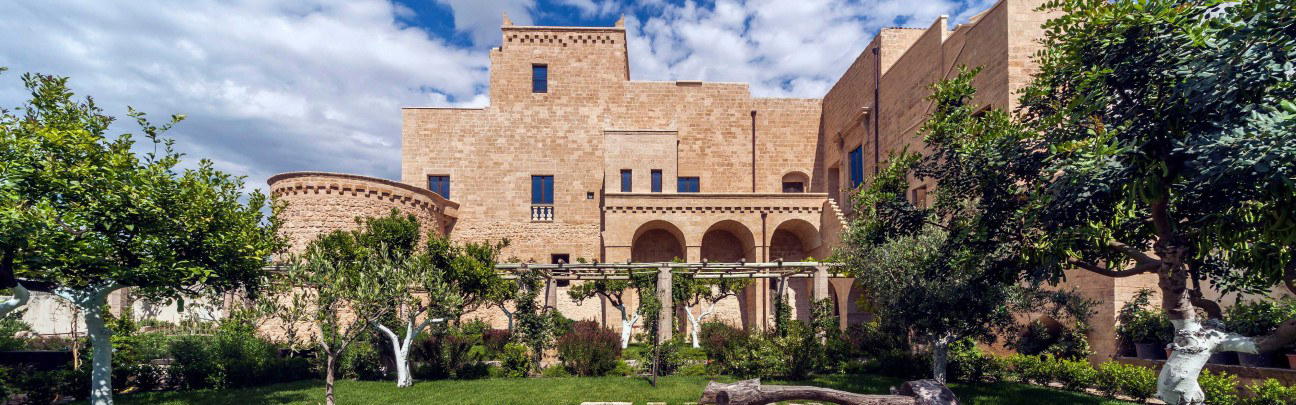
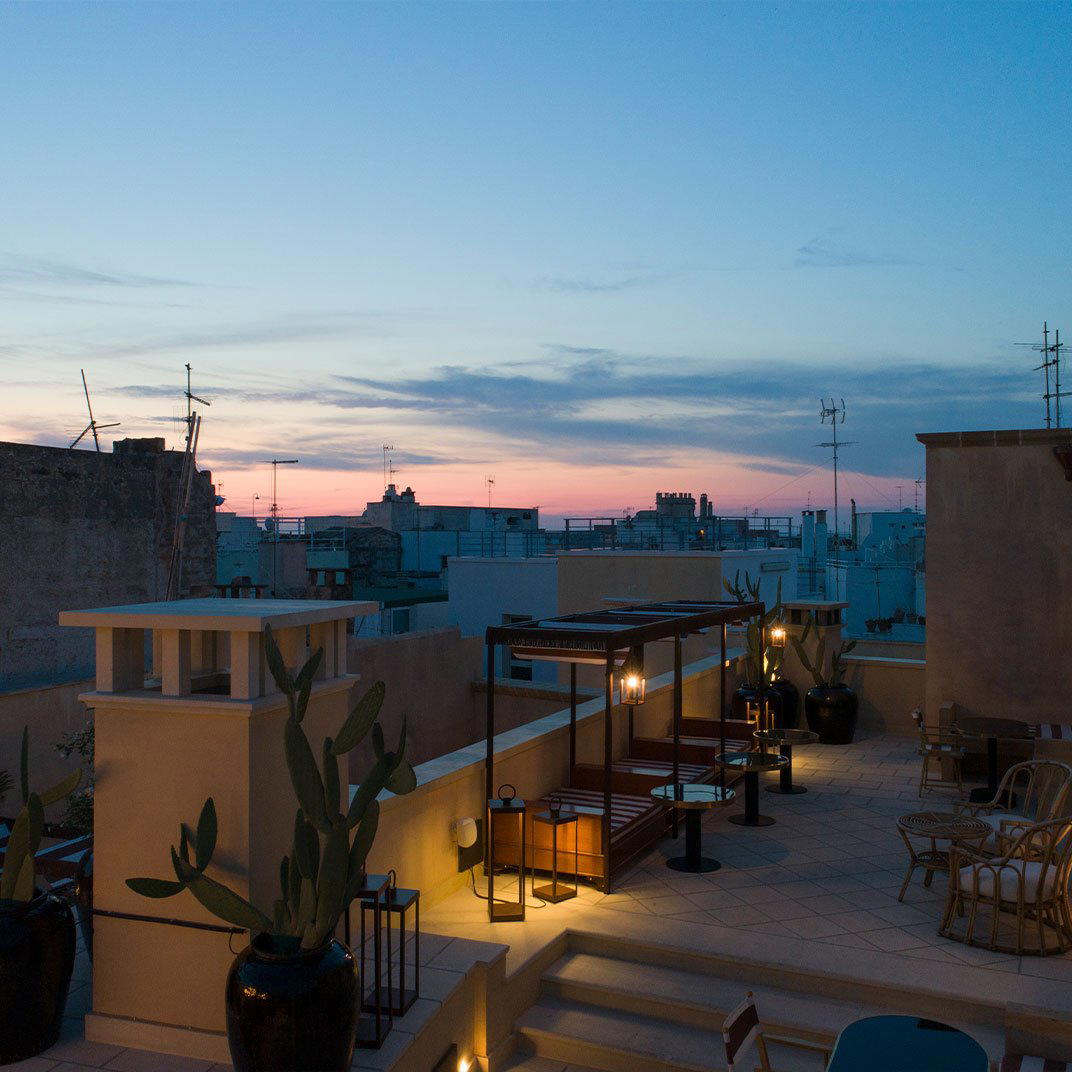
The address on Strada Vicinale Tammali places the property on a rural lane outside Parabita's town centre, consistent with the masseria typology that locates the estate at some distance from the village grid. This kind of setting is central to the Salento dimora experience: the drive in through agricultural land, the arrival at gates that open onto private grounds, the shift in ambient sound from road traffic to cicadas and wind through olive trees. The physical format of properties in this category typically combines a restored farmhouse or manor as the primary structure with garden accommodations that offer more privacy than the main building rooms.
The surrounding area is well-positioned for day movement across Salento. Lecce, the baroque city that functions as the cultural anchor of the peninsula, is approximately 20 kilometres to the north. The Ionian coast at Gallipoli is reachable in under half an hour, and the Adriatic at Porto Cesareo, with its protected marine area, is similarly close. This geographic position, between the two coasts and close to Lecce, makes inland Parabita more practical than it first appears to visitors planning from abroad. The key practical consideration is transport: this is not a property accessible by public transit, and a rental car is the effective requirement for any stay that includes independent movement. Guests arriving via air will use Brindisi airport, which handles connections to major Italian hubs and a number of northern European cities on a seasonal basis.
Where It Fits in the Broader Italian Rural Hotel Picture
Italy's rural hotel category has expanded considerably in prestige over the past ten years, with properties from the Val d'Orcia to the Aeolian Islands receiving Michelin attention that previously concentrated on urban addresses. The Salento entry in that broader recognition pattern is still relatively thin compared to Tuscany, where estates like Castello di Reschio in Lisciano Niccone have established a high benchmark for design-led rural retreats, or Campania, where Borgo Santandrea on the Amalfi Coast operates at the upper end of coastal cliff hospitality. That relative scarcity is part of what makes a Michelin Selected designation in this zone carry a different kind of signal: it marks out a property in a category that has fewer recognised reference points.
For travellers who have moved through the better-documented Italian hotel circuit, Passalacqua in Moltrasio on Lake Como, Il Pellicano in Porto Ercole on the Argentario, Aman Venice, a stay in inland Salento at a property of this type represents a deliberate step away from the established luxury circuit and toward something more genuinely local. That is not a compromise; it is a different kind of proposition. See our full Parabita restaurants guide for context on where to eat beyond the property itself, including the small town restaurants and market producers that give this corner of Lecce province its culinary character.
Planning a Stay
Given the rural address and the nature of a dimora-format property, direct contact via the property's own channels is the practical booking route. The high season in Salento runs from late June through August, when the coastal towns fill rapidly and even inland properties in this category see their strongest demand. The shoulder months of May, early June, and September offer more availability alongside the advantage of cooler temperatures and a more manageable agricultural calendar for outdoor dining. Brindisi airport is the standard arrival point for international travellers, with the property reachable by road from there in approximately 45 minutes. A rental car collected at the airport is the most direct option; the property's rural lane is not navigable by standard taxi or transfer services without pre-arrangement.
How Il Giardino Grande - Dimora in Salento compares with similar nearby venues.
| Venue | Awards |
|---|---|
| Il Giardino Grande - Dimora in Salento | MICHELIN Guide, Hotels Selected (2025) |
Recognition history
Dated appearances from independent guides and award organizations, with the underlying list record or original source where available.
Michelin Selected
Michelin
Continue exploring
More in Parabita
Hotels in Parabita
Browse all →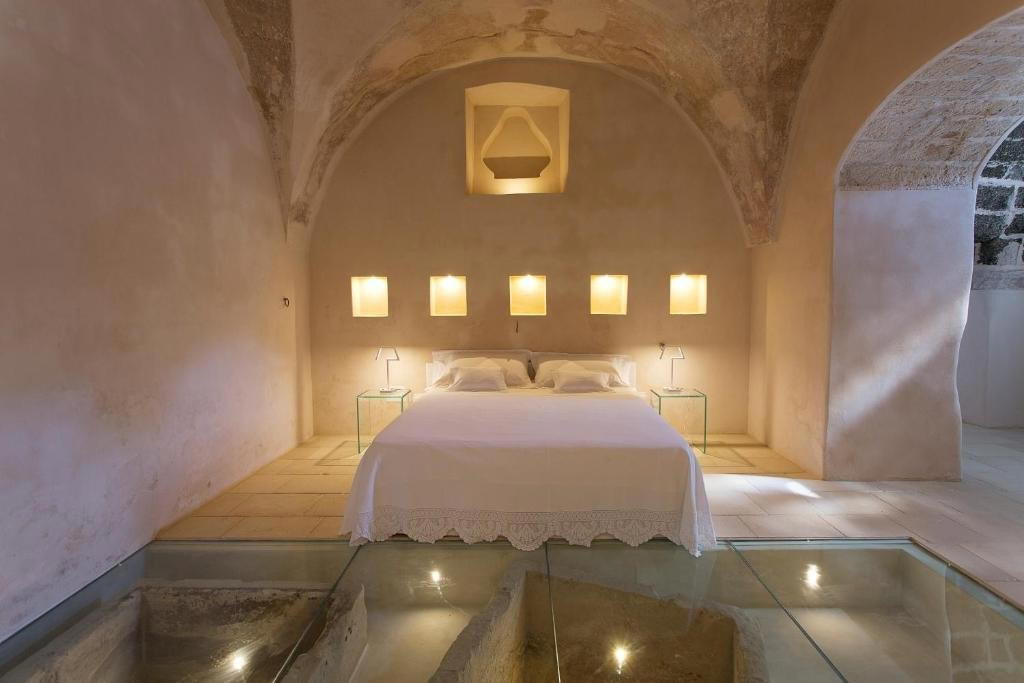
Bars in Parabita
Browse all →
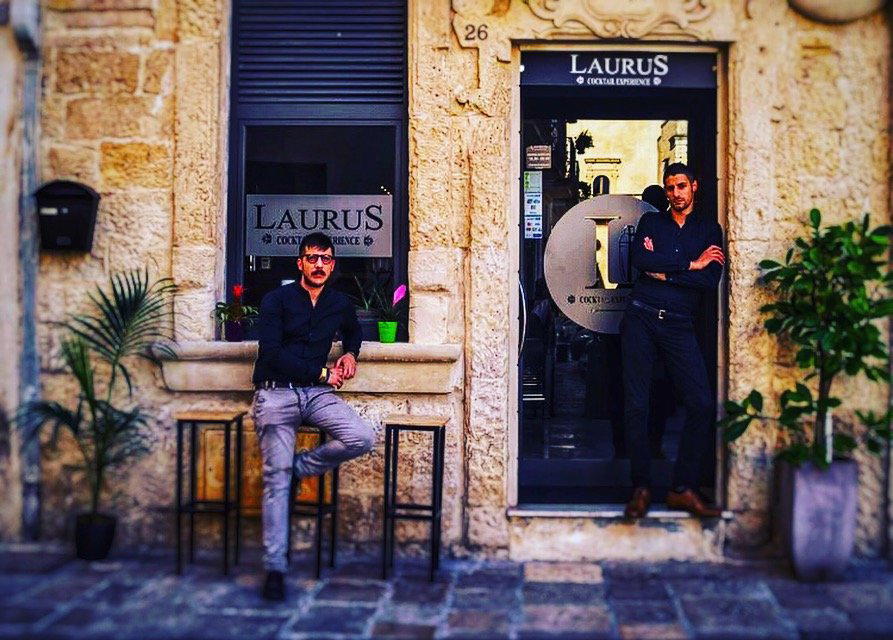
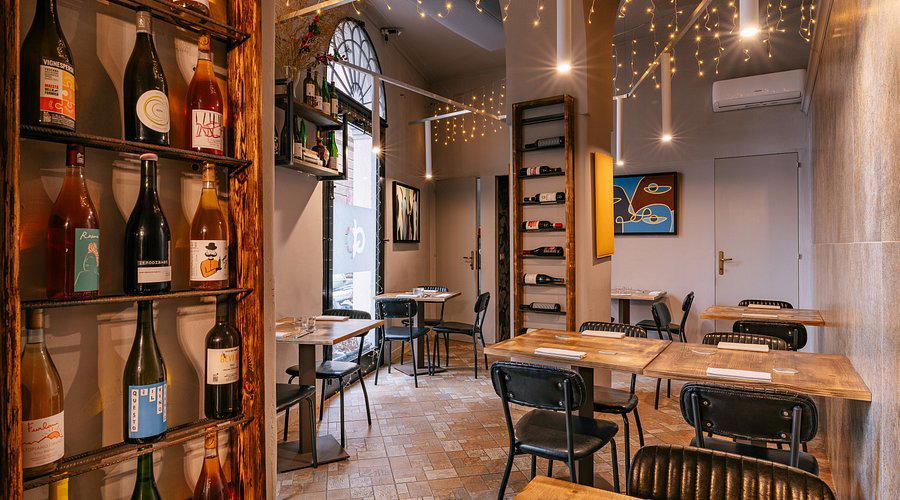
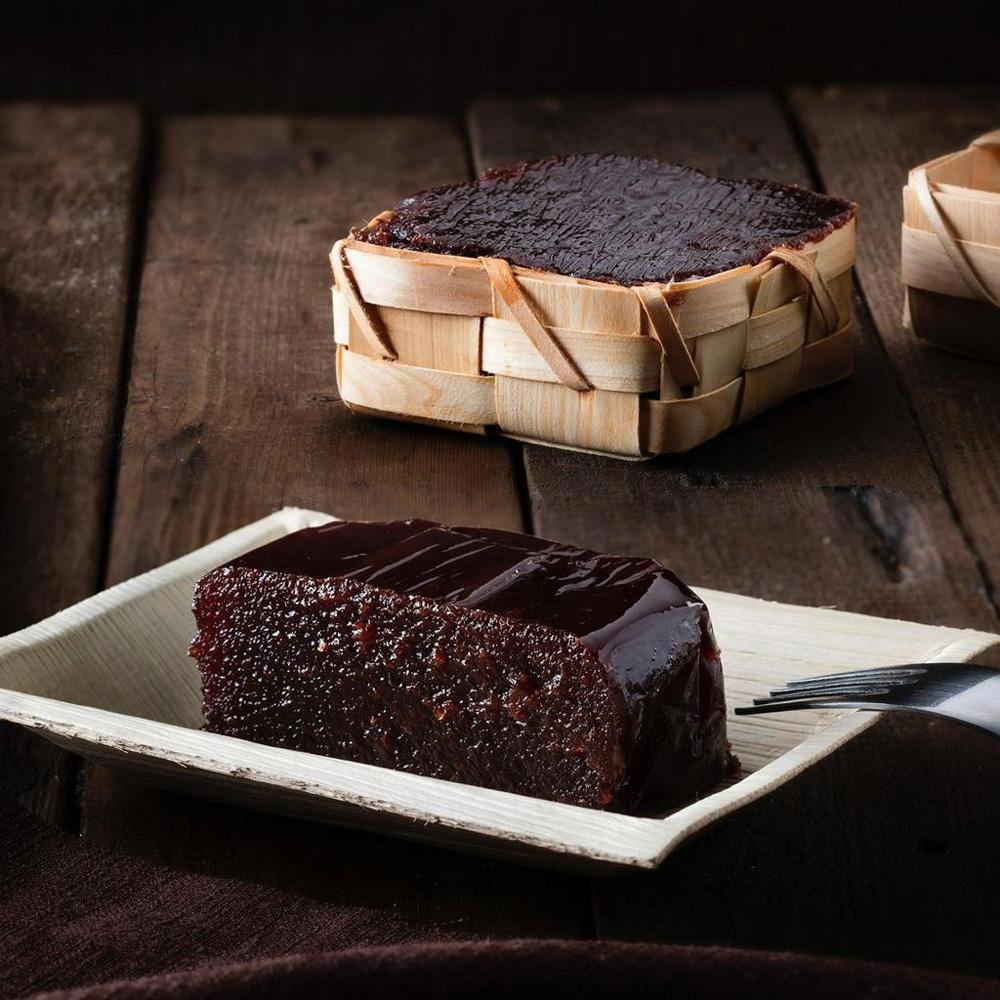
Restaurants in Parabita
Browse all →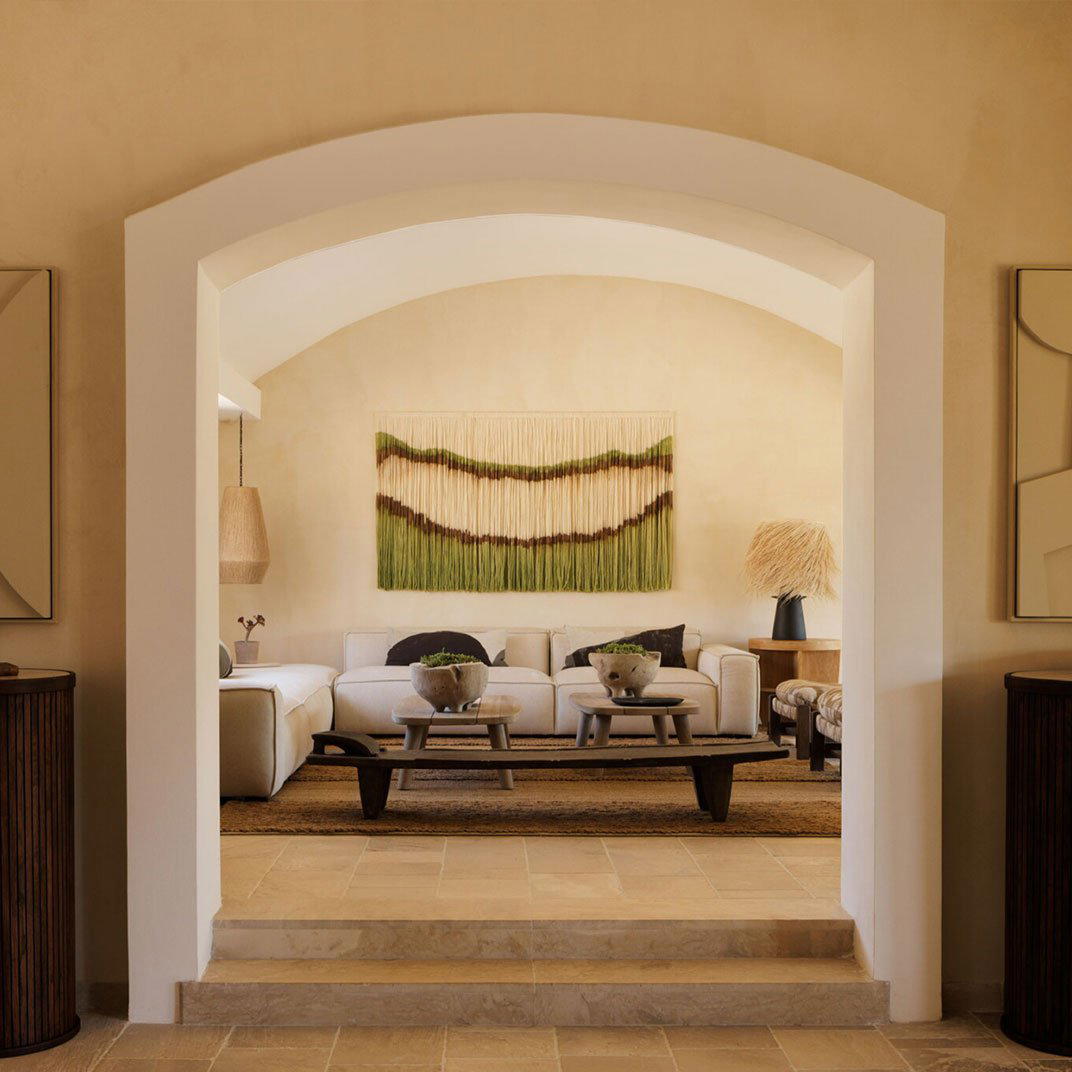

At a Glance
- Romantic
- Quiet
- Elegant
- Rustic
- Intimate
- Scenic
- Romantic Getaway
- Honeymoon
- Anniversary
- Weekend Escape
- Garden
- Historic Building
- Pool
- Wi Fi
- Garden
- Massage
- Fitness Center
- EV Charging
- Garden
- Pool
- Wi Fi
- Garden
- Massage
- Fitness Center
- EV Charging
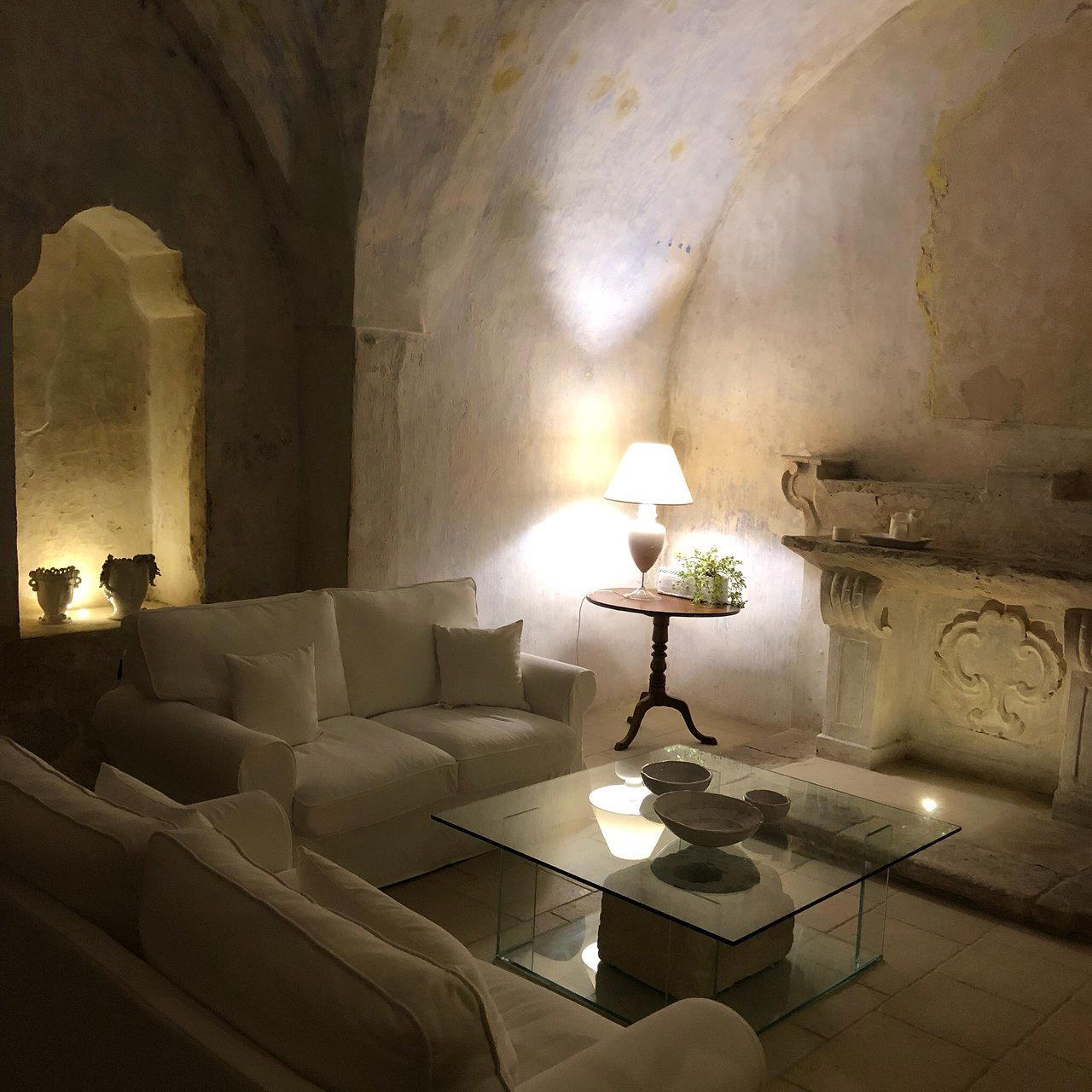
Peaceful and refined atmosphere with period details like vaulted ceilings, artwork-filled interiors, and the tranquil scent of jasmine and roses in the gardens.
Know Before You Go
- Getting there
- Str. Vicinale Tammali, 73052 Parabita LE, Italy