
A Michelin Selected dimora storica set within a former Dominican convent in central Lecce, the Chiostro dei Domenicani occupies one of the city's most architecturally significant addresses. The property sits inside the baroque quarter where Lecce's golden pietra leccese stone defines every facade. For travellers treating Salento as a serious destination rather than a summer stopover, this is one of the more considered hotel choices in the city.
Pearl is the En Primeur Club membership app — saves, bookings, and concierge access live there. Same editors, same standards.
- Address
- Via S. Pietro in Lama, 23, 73100 Lecce LE, Italy
- Phone
- +39 0832 700970
- Website
- chiostrodeidomenicani.it
- Directions
- Get directions
 Saves & bookings on Pearl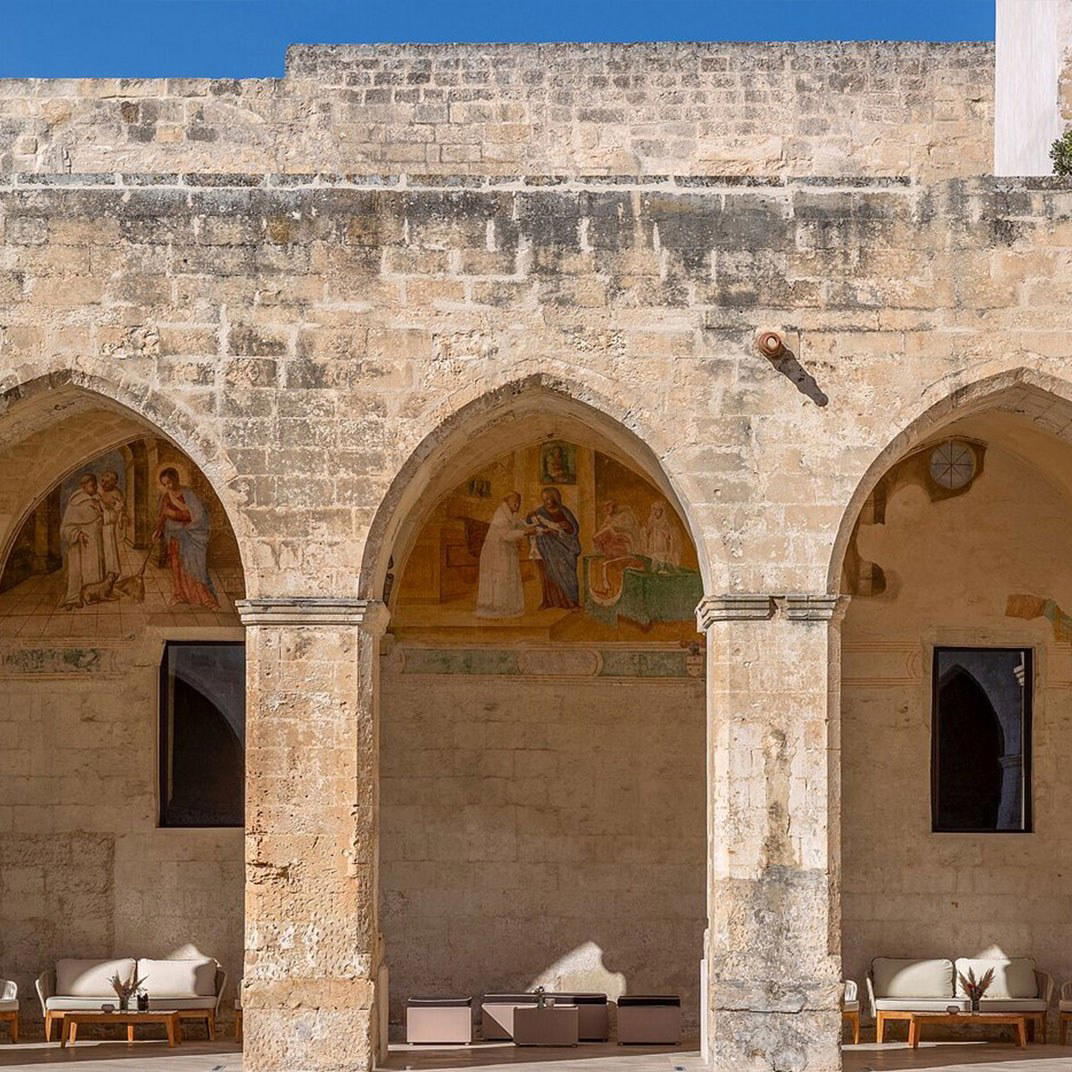
A Convent Becomes a Hotel: What Lecce's Historic Palazzo Tier Looks Like
Chiostro dei Domenicani - Dimora Storica is a 4-star hotel in Lecce, Italy, with 18 rooms and a nightly rate from about $250. Arriving at Via San Pietro in Lama 27 requires a certain willingness to read the city at street level. Lecce's centro storico does not announce its interior courtyards from the outside. Facades in the baroque quarter are tall and close together, the carved pietra leccese often worn to a warm amber by centuries of Pugliese sun, and the threshold between public street and private courtyard is rarely dramatic. The Chiostro dei Domenicani rewards that approach: what was once a working Dominican convent has been converted into a dimora storica, a category of hospitality that sits between monument and hotel and insists on being treated as both.
Lecce has developed a coherent upper tier of palazzo-style accommodation over the past two decades, and the Chiostro dei Domenicani sits within that tier. Properties like La Fiermontina Palazzo Bozzi Corso, Palazzo de Noha, Palazzo Luce, and Palazzo Maresgallo Suites & SPA have collectively established what Lecce means as a hospitality destination: small-key counts, buildings with pre-modern histories, and an emphasis on architectural setting over amenity breadth. The Chiostro's inclusion in the Michelin Selected Hotels 2025 list places it among properties defined by those values, where the physical fabric of the building is itself the primary offer.
The Dining Context in a City That Takes Cucina Leccese Seriously
The editorial angle most relevant to understanding any dimora storica in Lecce is its relationship to Pugliese food culture, because the region's cuisine is not incidental to a stay here. Lecce sits at the southern tip of a province that produces some of Italy's most characterful olive oil, grows the Negroamaro and Primitivo grapes that have made Salento wine worth serious attention, and maintains a vegetable-forward cooking tradition that predates the fashionable plant-based turn in European restaurants by several generations. Ciceri e tria, the fried and braised pasta with chickpeas that is effectively the city's emblematic dish, appears on trattoria menus within walking distance of every address in the centro storico.
Within the dimora storica model, the hospitality format typically centres the morning meal and the courtyard experience rather than a full restaurant programme. This is a meaningful distinction from the approach taken at properties like Casa Maria Luigia in Modena, where the dining programme is the entire point, or larger luxury hotels such as the Four Seasons Hotel Firenze in Florence or Bulgari Hotel Roma in Rome, where in-house restaurants carry independent reputations. At a historic house property in Lecce, the culinary identity is more often expressed through sourcing and the breakfast table than through a formal kitchen programme, and the city's own trattorie and osterie supply what the hotel does not.
Architectural Setting and the Cloister Experience
The cloister format is specific enough to warrant explanation for travellers more familiar with standard palazzo conversions. A Dominican convent was organised around a central courtyard bordered by covered walkways, the whole structure designed for communal life and contemplative circulation. When converted to hotel use, the cloister courtyard typically becomes the social core of the property: the place where breakfast is served in warmer months, where guests read or sit in the evening, and where the scale of the original building becomes legible in a way it isn't from a single room. This spatial logic distinguishes the Chiostro dei Domenicani from boutique hotels that happen to occupy old buildings but lack the cloister's particular geometry.
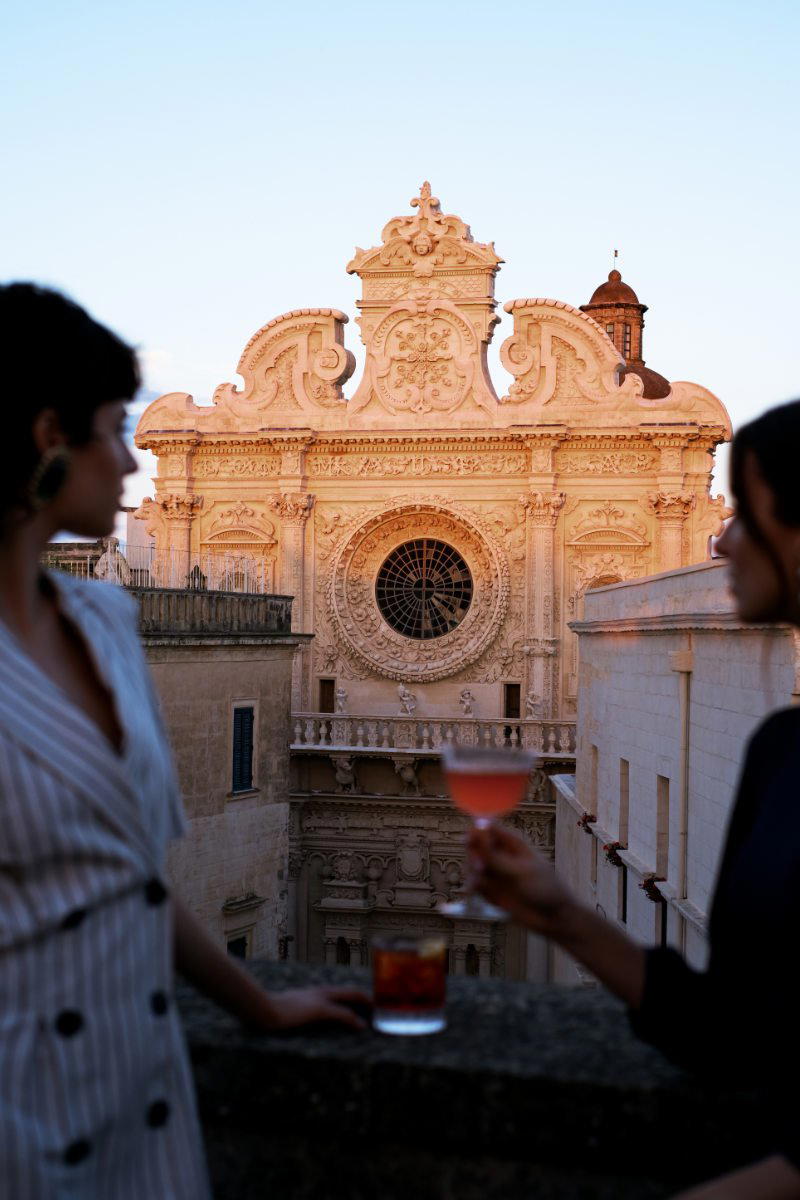
The surrounding neighbourhood carries its own logic. The baroque quarter of Lecce is a walkable concentration of churches, palazzi, and piazze that repays slow navigation. The Basilica di Santa Croce, the elaborately carved of Lecce's baroque facades, is the architectural reference point for understanding what the city does with pietra leccese at full ambition. The piazza system connecting Santa Croce to the Duomo and to the Roman amphitheatre creates an itinerary that takes an afternoon at minimum and several days at depth. Staying within this perimeter, as the Chiostro's address allows, means the city is navigable on foot without the need for taxis or the complication of navigating Lecce's restricted traffic zones.
How Chiostro dei Domenicani Compares Within Lecce's Accommodation Tier
Lecce's upper accommodation tier is smaller than comparable historic cities. The choices are meaningful precisely because there are not many of them. Patria Palace operates as the city's most historically prominent hotel, with a rooftop terrace overlooking Santa Croce that has defined the view of Lecce's skyline for travellers for decades. Casa 300Mila and La Fiermontina Luxury Home occupy a more intimate, residential register. The Chiostro dei Domenicani's Michelin Selected status in 2025 signals that it meets the guide's threshold for quality of experience, which for hotel listings typically covers physical setting, service attentiveness, and the coherence of the hospitality offer rather than purely culinary criteria.
For travellers calibrating this against Italy's broader historic-property market, comparison properties at a different scale and price register would include Castello di Reschio in Lisciano Niccone, Rosewood Castiglion Del Bosco in Montalcino, or Aman Venice in Venice. Those properties occupy a different bracket entirely. The Chiostro dei Domenicani is doing something more local and more modest in the leading sense: it is a building that has been made habitable without being made generic, in a city that rewards exactly that kind of architectural fidelity.
Planning a Stay: Timing, Booking, and Practical Logistics
Lecce and the Salento peninsula have a pronounced seasonal rhythm. July and August bring high volumes of Italian and European summer travel, with the coastal towns of Gallipoli, Otranto, and Santa Maria di Leuca filling well ahead of the centro storico hotels. September and early October represent one coherent window for Lecce as a destination: the heat moderates, the olive harvest begins in the surrounding countryside, and the city returns to something closer to its normal pace. Spring, from April through early June, offers similar conditions without the harvest calendar.
The property's address at Via S. Pietro in Lama, 23 places it within the centro storico, so arriving by car requires either dropping luggage at the door before parking or confirming access arrangements in advance. Lecce's train station sits roughly a fifteen-minute walk from the historic centre, making rail connections from Bari, roughly ninety minutes north, a practical arrival option. Brindisi airport, the region's principal international gateway, is approximately forty minutes by road.
Travellers considering Lecce alongside other southern Italian destinations with similar architectural weight might also look at Borgo Santandrea on the Amalfi Coast, Il San Pietro di Positano, or JK Place Capri, all of which operate within a similar register of small-scale, design-conscious hospitality, though with different landscape and culinary contexts. For those building a longer Italian itinerary, Portrait Milano, Passalacqua in Moltrasio, and Corte della Maestà in Civita di Bagnoregio offer architectural hospitality in a different register. Properties like Savoia Excelsior Palace Trieste, Il Pellicano in Porto Ercole, The Fifth Avenue Hotel in New York City, Badrutt's Palace Hotel in St. Moritz, and Hôtel de Paris Monte-Carlo represent the upper end of the European historic-hotel category for those calibrating across markets.
A Pricing-First Comparison
Comparable venues nearby, for context on price, style, and recognition.
| Venue | Price | Awards | Notes |
|---|---|---|---|
| Chiostro dei Domenicani - Dimora StoricaThis venue — the venue you are viewing | $$$ | 4-Star | Not listed |
| Palazzo Maresgallo Suites & SPA | $$$$ | 4-Star | Old Town, Historic 16th-century palazzo with contemporary art curation |
| Palazzo de Noha | $$$$ | Michelin 1 Key | Old Town, Historic boutique palazzo blending antique architecture with contemporary luxury |
| Casa 300Mila | $$$$ | 4-Star | Centro Storico, Intimate luxury guesthouse in a historic city setting with modern polish. |
| Palazzo Luce | $$$$ | Not listed | Old Town, Historic palazzo reimagined as an exclusive art and design residence |
| Patria Palace | $$$$ | Michelin 1 Key | Old Town, Historic 18th-century aristocratic palace blending baroque heritage with contemporary design. |
Recognition history
Dated appearances from independent guides and award organizations, with the underlying list record or original source where available.
Michelin Selected
Michelin
Continue exploring
More in Lecce
Hotels in Lecce
Browse all →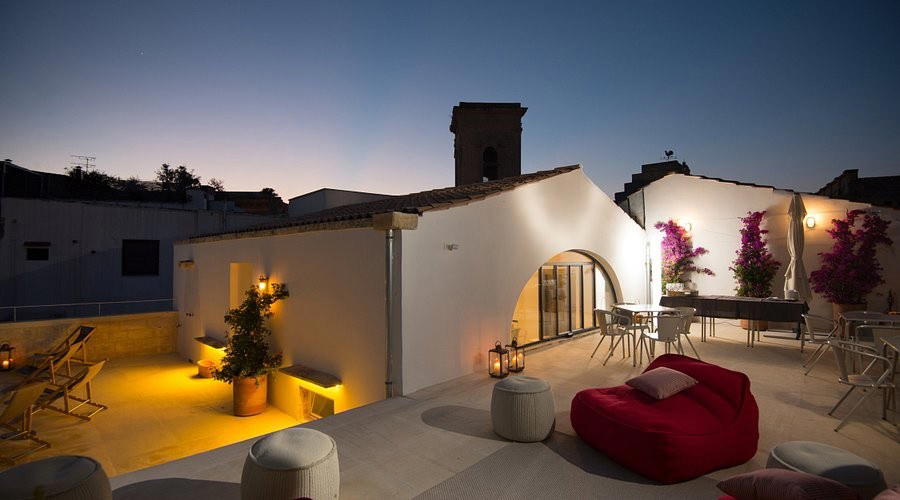
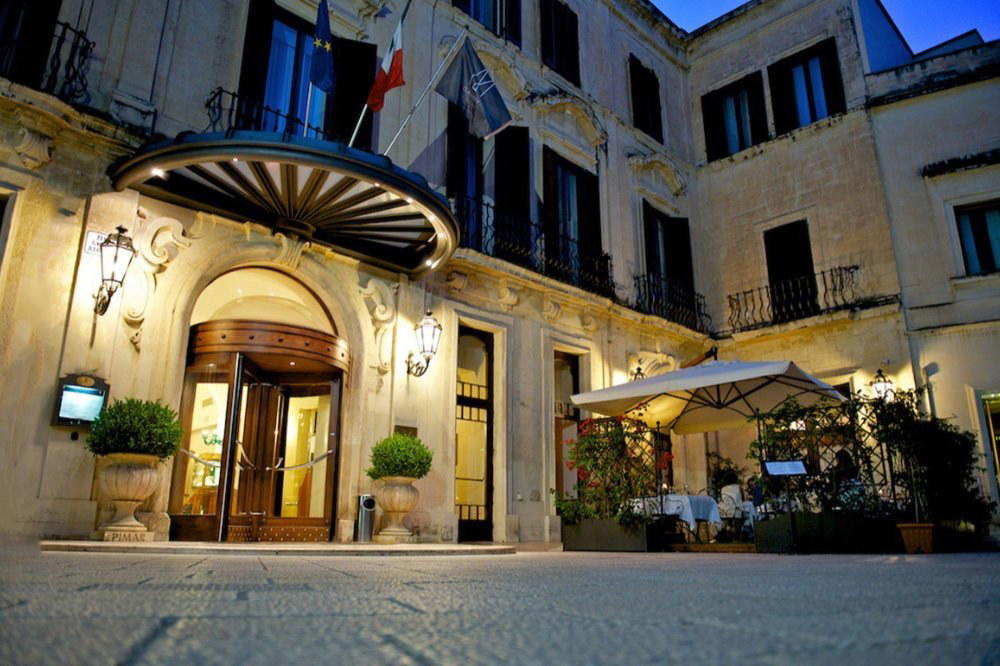
Bars in Lecce
Browse all →
Restaurants in Lecce
Browse all →



At a Glance
- Romantic
- Elegant
- Sophisticated
- Intimate
- Romantic Getaway
- Destination Wedding
- Anniversary
- Celebration
- Historic Building
- Garden
- Terrace
- Wi Fi
- Pool
- Spa
- Restaurant
- Bar
- Room Service
- Concierge
- Garden
- Garden
- Wi Fi
- Pool
- Spa
- Restaurant
- Bar
- Room Service
- Concierge
- Garden
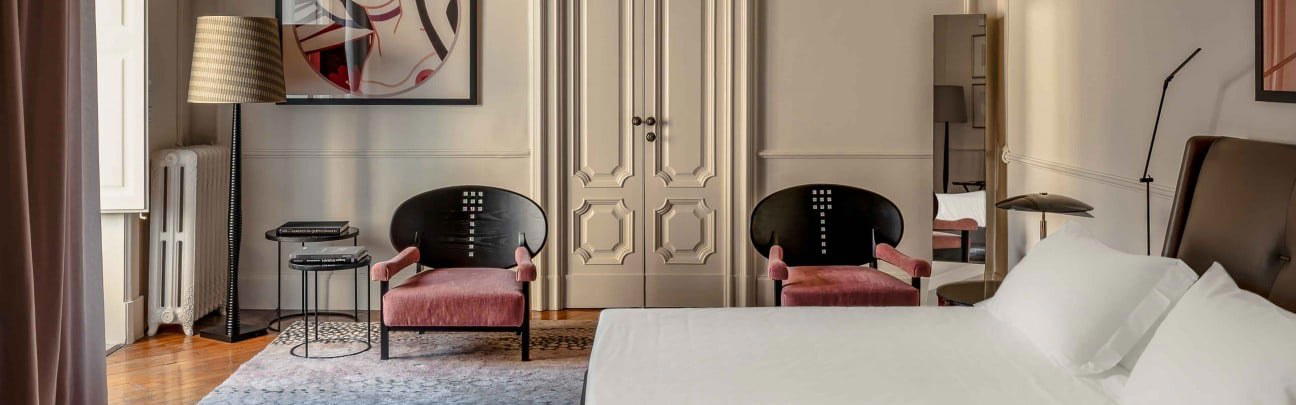
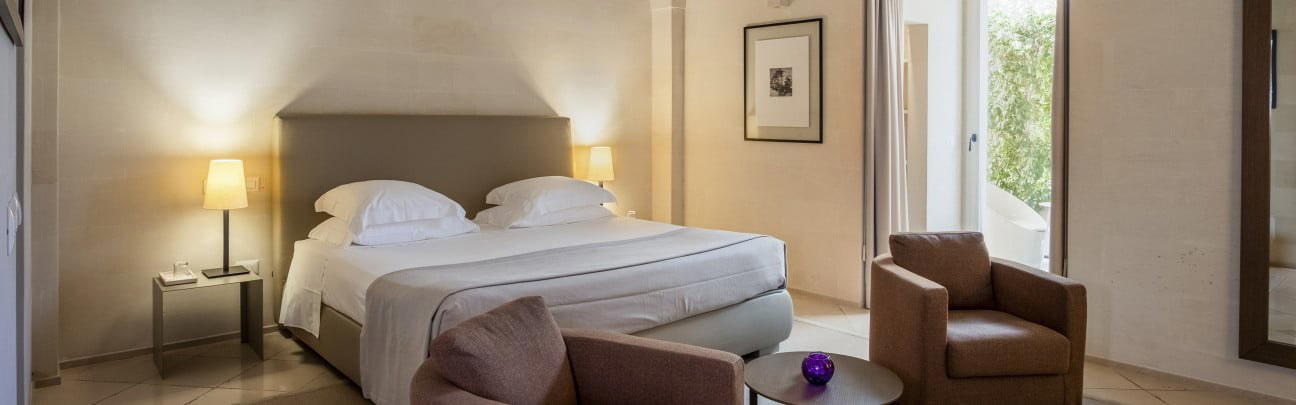
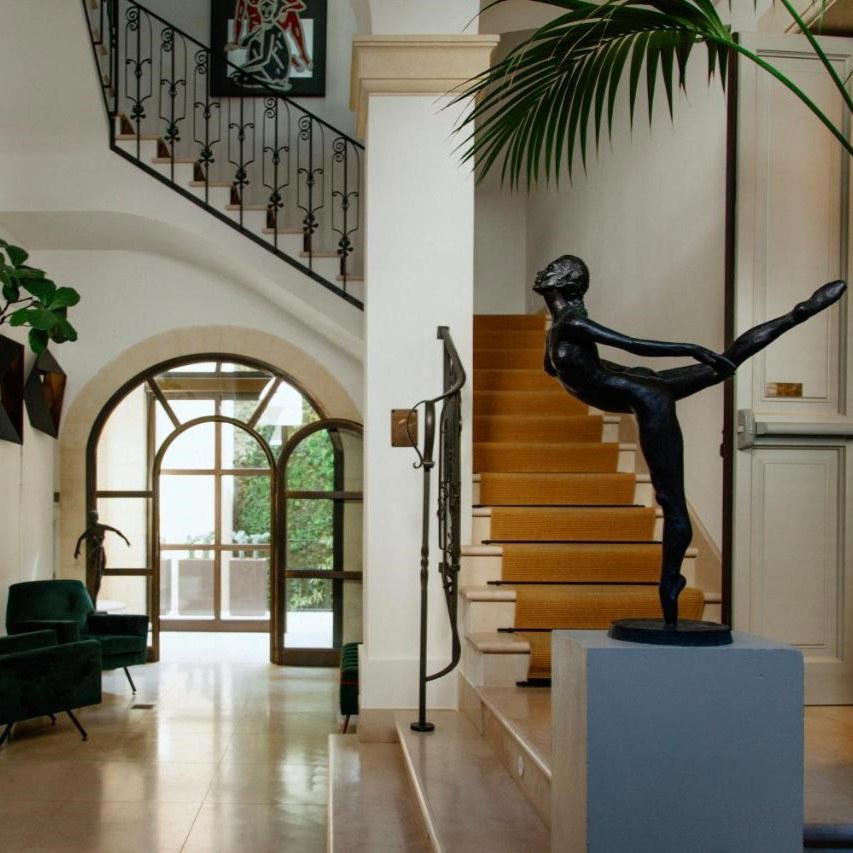
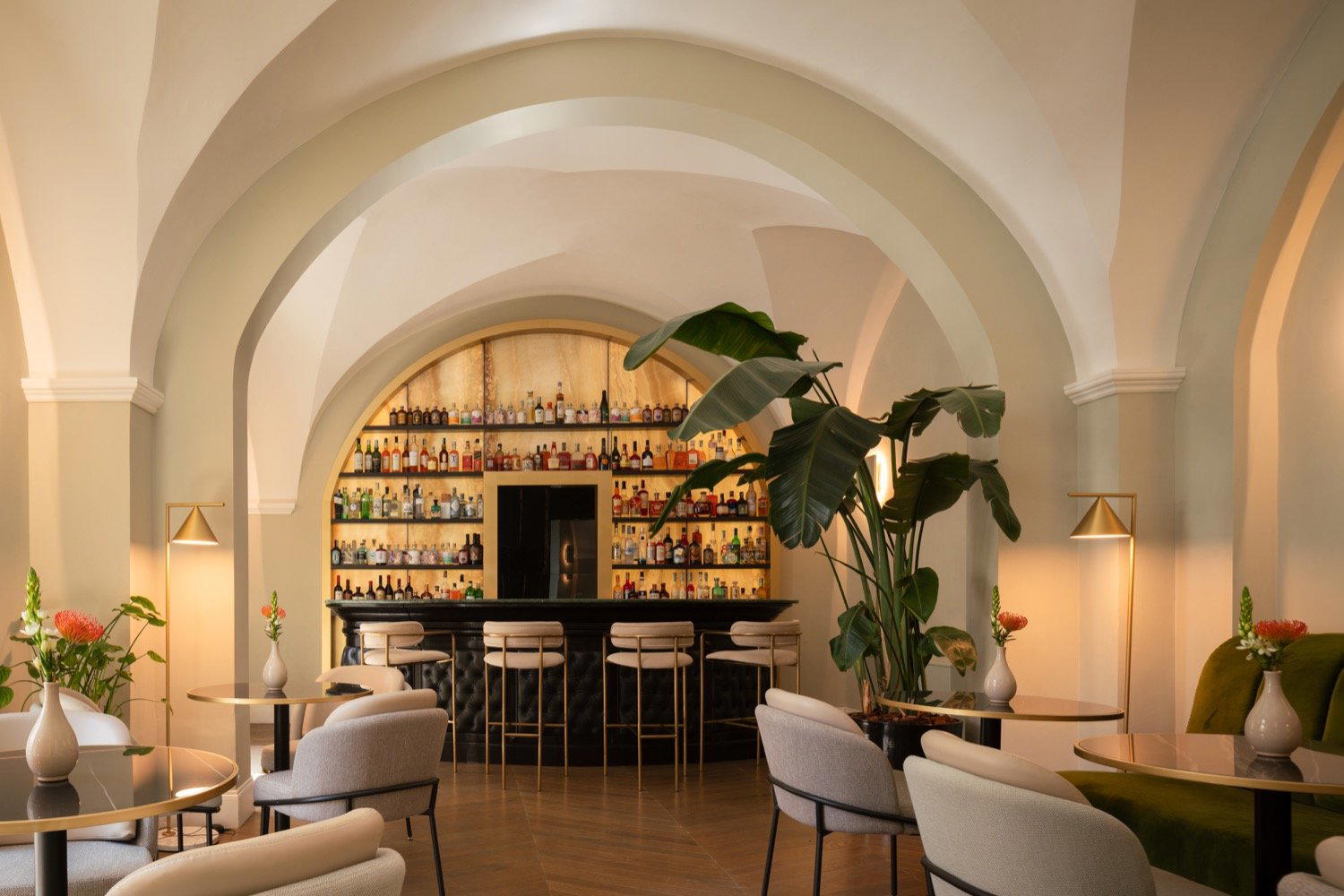
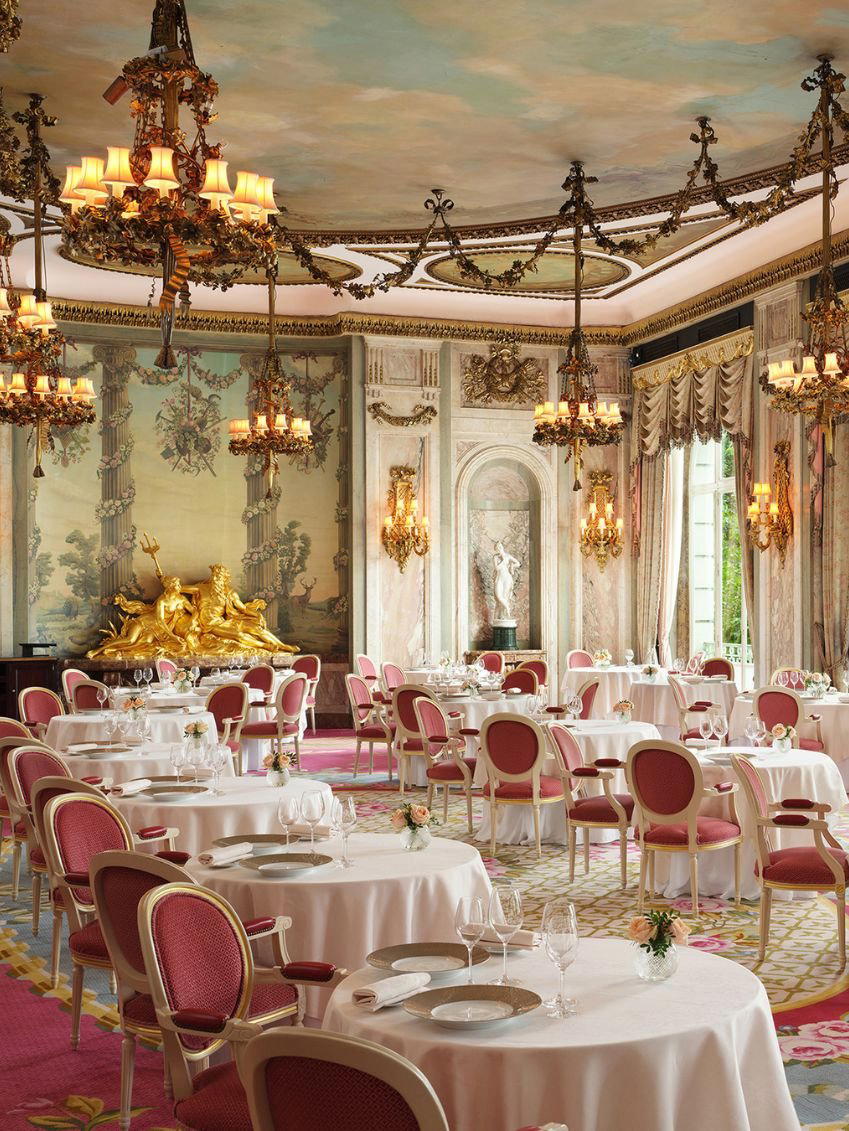
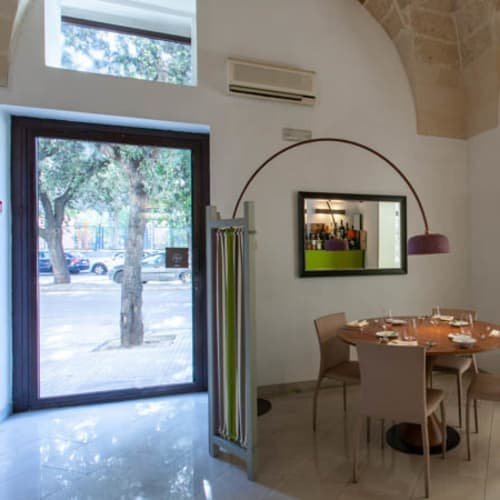
Refined and serene with high ceilings, earth-toned contemporary decor, luminous common areas overlooking the historic cloister, and soft lighting throughout the restored monastery spaces.