Atenze Restaurant belongs in the Lecce conversation for readers tracking how Salento cooking is being reframed in the city’s historic core. With no public awards, chef name, menu format, or price band to lean on, the useful lens is contextual: how a Lecce table handles local produce, seafood, olive oil, bitter greens, wheat, and the city’s growing appetite for contemporary Apulian dining.
Pearl is the En Primeur Club membership app — saves, bookings, and concierge access live there. Same editors, same standards.
- Address
- Piazzetta Gabriele Riccardi, 13, 73100 Lecce LE, Italy
- Phone
- +39 0832 245111
- Website
- atenze.it
- Directions
- Get directions
 Saves & bookings on Pearl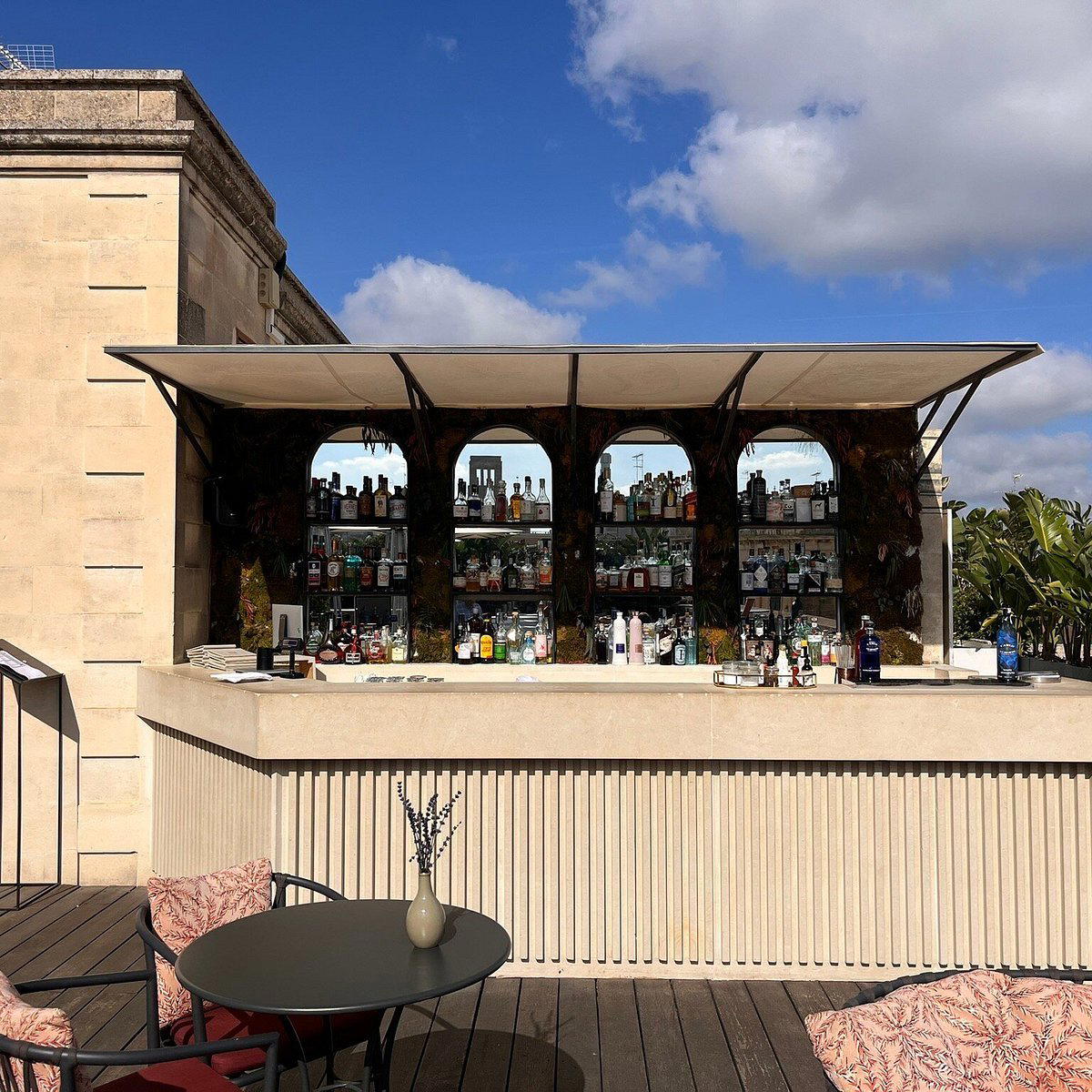
Lecce announces dinner before a menu appears: pale limestone after heat, narrow lanes holding the day’s warmth, church façades cut with the kind of Baroque detail that makes the city feel carved rather than built. In that setting, restaurants are not judged only by technique. They are judged by how convincingly they translate Salento’s raw materials into a meal that belongs here, not in a generic Italian dining room with southern accents.
That is the useful way to read Atenze Restaurant. Public-facing details are lean: no chef name, award record, price band, seat count, or fixed menu format is listed. So the stronger editorial question is not whether the restaurant can be reduced to a signature dish, but where it sits in Lecce’s broader shift from trattoria repetition toward tighter, ingredient-led cooking. In this city, that means vegetables with bitterness and bite, durum wheat pastas, olive oil as structure rather than garnish, seafood from two nearby coasts, and the memory of cucina povera treated with more control than nostalgia.
Salento ingredients set the terms in Lecce
Southern Puglia has never needed luxury signals to make a table persuasive. The region’s food grammar is built from scarcity handled well: legumes, greens, bread, wheat, sheep’s milk cheeses, preserved vegetables, and fish used with restraint. Contemporary Lecce restaurants now work under a sharper expectation. They have to respect that inheritance while acknowledging a dining public that compares the city not only with Otranto, Gallipoli, and Bari, but with stronger regional destinations across Italy.
Atenze Restaurant enters that conversation from the city itself rather than a resort corridor or countryside masseria. That matters. Lecce’s urban restaurants deal with a mixed audience: local diners who know what ciceri e tria, frise, lampascioni, and bitter greens should feel like, and travellers who may arrive expecting a simplified version of Apulia. The better contemporary rooms avoid turning Salento into rustic theatre. They let sourcing carry the argument: where the wheat comes from, how much sweetness a tomato needs, whether seafood is treated as a main event or a seasoning, and how olive oil shapes texture.
In the local comparison set, Duo Ristorante (Apulian) is the clearer reference point for a €€€ Apulian frame, while Alex, 3 Rane, and 400 Gradi help map how varied the city’s restaurant register has become. Classé La Dogana Restaurant adds another marker for diners comparing central Lecce tables by mood and format rather than by a single cuisine label. The point is not ranking; it is calibration. Lecce is compact enough that restaurants compete through identity, sourcing discipline, and room tone, not sheer scale.
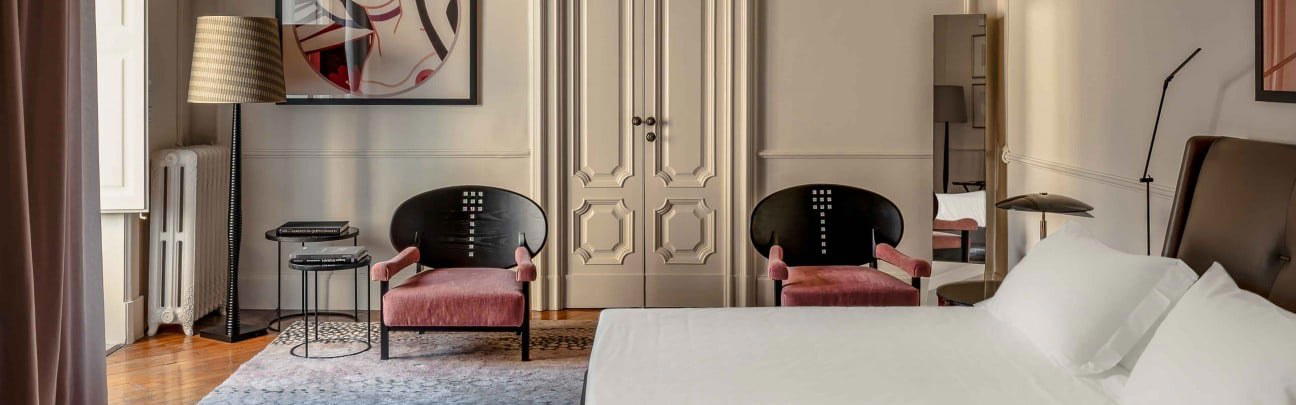
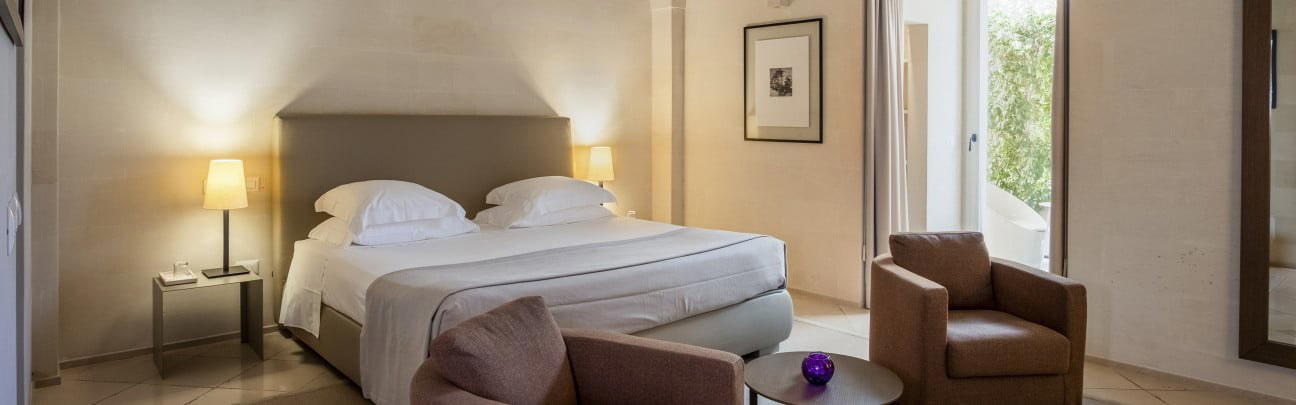
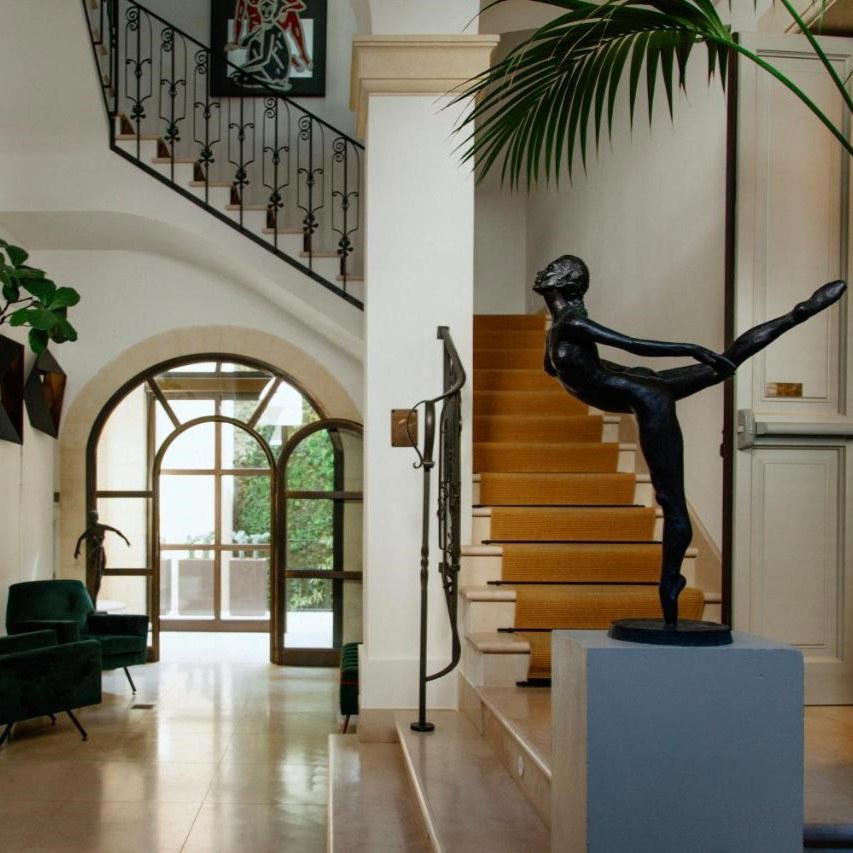
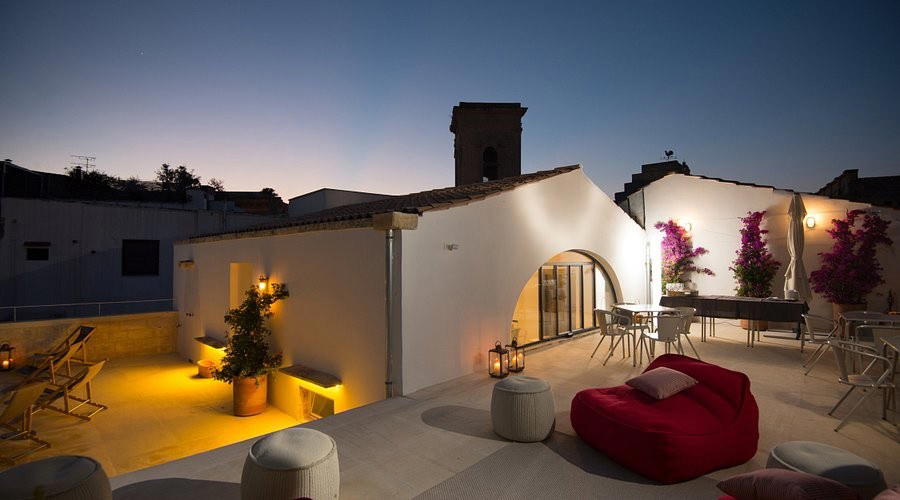
The room should be read through restraint, not spectacle
Without a published award trail or named chef narrative, Atenze Restaurant is better approached as part of a smaller Lecce pattern: restaurants where the surrounding city does some of the atmospheric work, and the kitchen has to avoid overexplaining the region. Salento cooking loses force when it is polished into anonymity. It gains force when bitterness, acidity, oil, and grain remain legible.
That gives diners a practical way to evaluate the meal. Look for whether the cooking treats local ingredients as foundations rather than decorative references. A Lecce restaurant does not need to announce every farm or fishing port to communicate regional intelligence, but the plate should make sense in this province: vegetables with structure, pasta that understands wheat, seafood used cleanly, and desserts that do not erase the area’s almond, citrus, and pastry traditions under imported gestures.
The city’s dining scene also sits within a wider Italian conversation. Traditional specialists such as 'E Curti Ristorante Tipico di Angela Ceriello & Co SAS in Sant Anastasia and street-food anchors such as 'l Trippaio di San Frediano in Florence show how local identity can remain direct and unfussy. More contemporary Italian addresses, including ‘O Fiore Mio in Faenza, ‘O Scugnizzo in Arezzo, [àbitat] in San Fermo della Battaglia, and [bu:r] in Milan, point to a different pressure: how far a kitchen can refine regional cues before place begins to blur. Lecce’s advantage is that the raw material remains assertive enough to resist that blur.
How to place it in a Lecce itinerary
For travellers building a food-led stay, the restaurant is a city-centre candidate for a dinner shaped by Lecce’s current restaurant mood: regional memory, contemporary restraint, and a strong dependence on ingredient quality. It should be paired with broader research rather than treated as a self-contained destination. Use our full Lecce restaurants guide to compare dining styles across the city, then build the rest of the trip through our full Lecce hotels guide, our full Lecce bars guide, our full Lecce wineries guide, and our full Lecce experiences guide.
Readers comparing outside Italy can also use contrast productively. Jōdo Saké Bar in Los Angeles and Onigiri Time in Pasadena operate from entirely different pantry logic, but they underline the same editorial test: a convincing restaurant makes place legible through sourcing, format, and restraint. In Lecce, that test is unforgiving. The city’s ingredients are too specific, and its food memory too close to the surface, for vague southern Italian cooking to pass as enough.
Comparison Snapshot
Comparable venues by cuisine and price in the same metro.
| Venue | Cuisine | Price | Awards |
|---|---|---|---|
| Atenze Restaurant | This venue | Not listed | Not listed |
| Duo Ristorante | Apulian | €€€ | Apulian, €€€ |
Continue exploring
More in Lecce
Restaurants in Lecce
Browse all →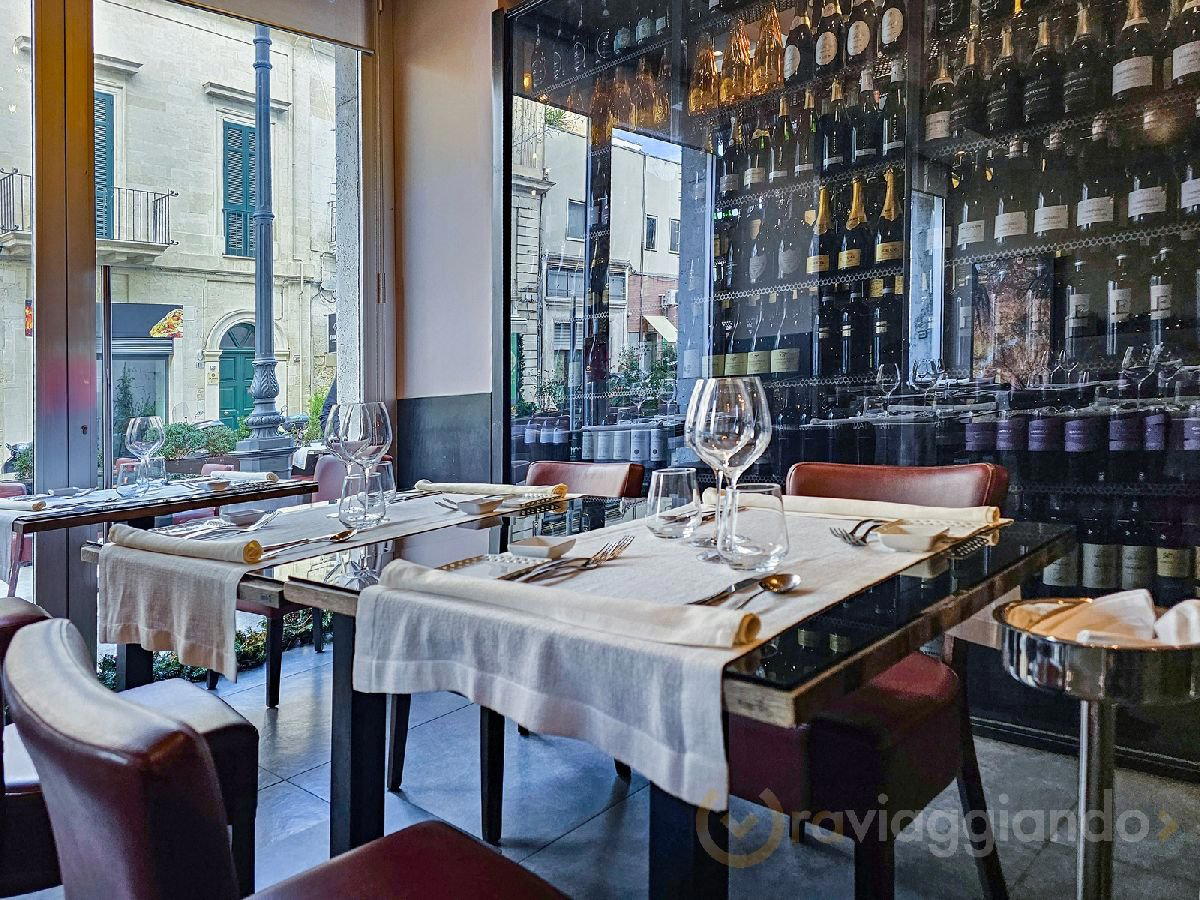
Bars in Lecce
Browse all →
Hotels in Lecce
Browse all →

At a Glance
- Elegant
- Romantic
- Sophisticated
- Modern
- Date Night
- Business Dinner
- Celebration
- Special Occasion
- Group Dining
- Terrace
- Design Destination
- Hotel Restaurant
- Historic Building
- Extensive Wine List
- Street Scene
Current opening hours
- Monday
- 12:30–2:30 PM, 7:30–10:30 PM
- Tuesday
- 12:30–2:30 PM, 7:30–10:30 PM
- Wednesday
- 12:30–2:30 PM, 7:30–10:30 PM
- Thursday
- 12:30–2:30 PM, 7:30–10:30 PM
- Friday
- 12:30–2:30 PM, 7:30–10:30 PM
- Saturday
- 12:30–2:30 PM, 7:30–10:30 PM
- Sunday
- 12:30–2:30 PM, 7:30–10:30 PM
Hours can change for holidays and private events. Last verified .
Refined and elegant, with a rigorous contemporary aesthetic, polished service, and a relaxed but upscale atmosphere suited to lingering multi-course dinners.