
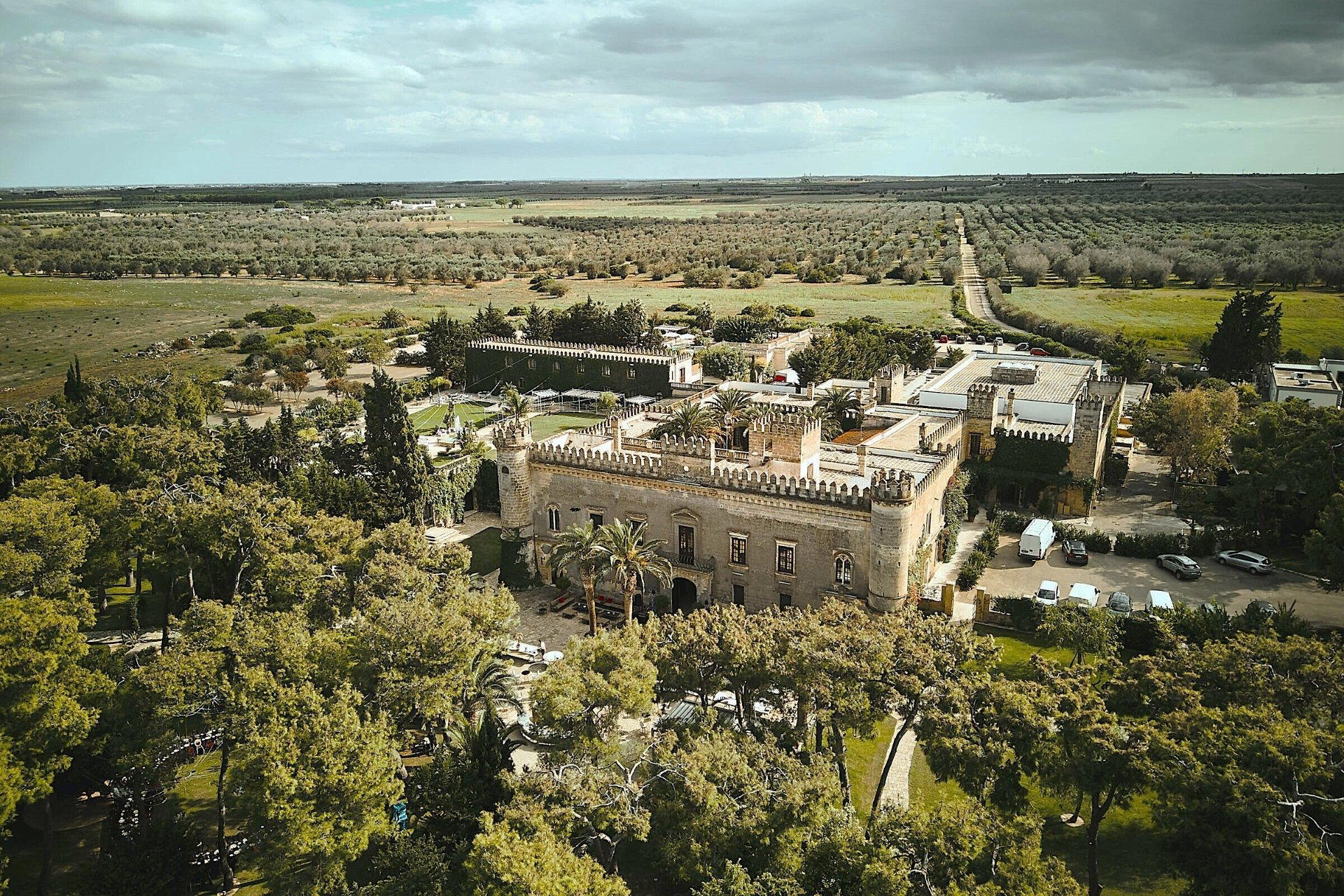
A Leading Hotels of the World member set among the sun-bleached masseria estates of Salento, Masseria Donna Menga brings the architectural logic of Puglia's fortified farmhouses into a considered hospitality format. The property sits outside Nardò, a Baroque town that remains less trafficked than the Adriatic coast's more promoted destinations, making it a credible base for anyone who wants the deep south of Italy without the seasonal crowds of Ostuni or Alberobello.
Pearl is the En Primeur Club membership app — saves, bookings, and concierge access live there. Same editors, same standards.
- Address
- Strada Donna Domenica, 73048 Nardò LE
- Phone
- +39 0833 215453
- Website
- masseriadonnamenga.com
- Directions
- Get directions
 Saves & bookings on Pearl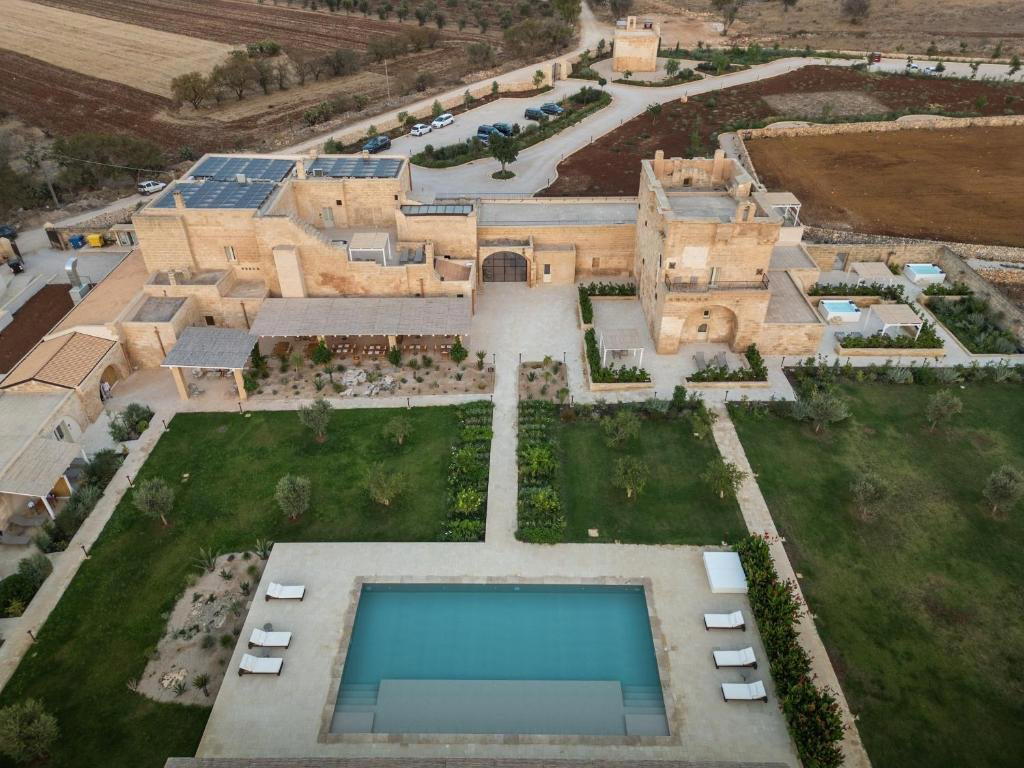
Stone, Light, and the Logic of the Southern Italian Masseria
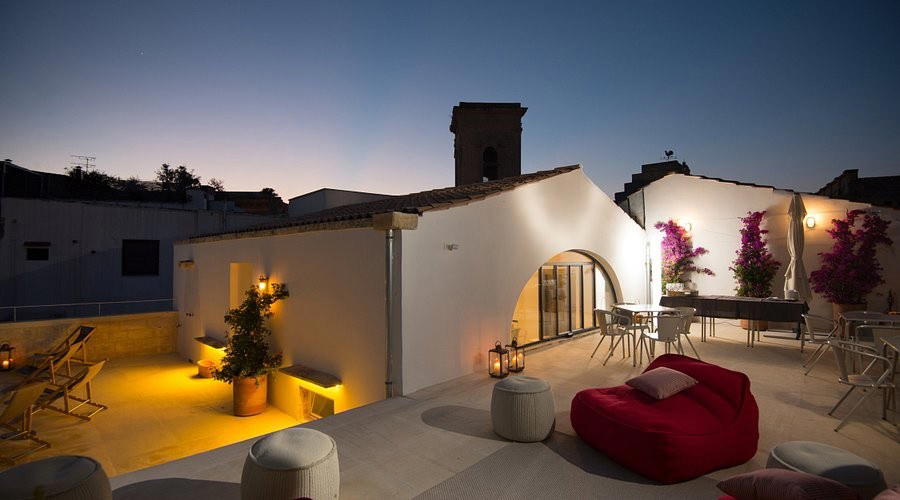
Approach any masseria in the Salento peninsula and you'll understand immediately why these structures were built the way they were. Thick limestone walls, small exterior openings, and a central courtyard that turns inward against the summer heat: the masseria is an architecture of agricultural pragmatism that has, over the past two decades, become one of southern Italy's most compelling hospitality formats. The form predates modern tourism by centuries, and its logic — shade, thermal mass, self-containment — is better suited to the Puglian climate than almost any contemporary resort design could replicate. Borgo Egnazia in Savelletri di Fasano sits at the more resort-scaled end of this tradition; Masseria Donna Menga, positioned outside Nardò in the Lecce province, operates closer to the original spirit of a working estate repurposed with restraint.
The address, Strada Donna Domenica, on the edge of a town that most international visitors overlook in favour of the Adriatic shoreline, already signals something about the property's orientation. Nardò itself is a Baroque town of considerable architectural quality, with a cathedral square that dates to the seventeenth century and a street pattern that rewards walking rather than driving. The masseria sits within that broader agricultural zone between Nardò and the Ionian coast, an area of olive groves, dry-stone walls, and flat light that becomes extraordinary in the late afternoon.
The Architectural Identity of Masseria Donna Menga
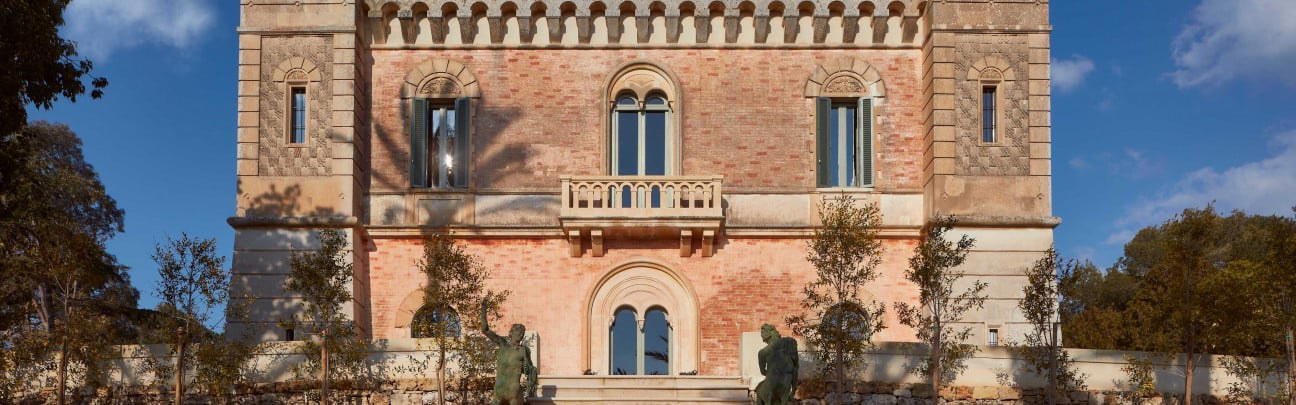
The masseria typology that dominates Salento's premium hospitality is not a single style but a spectrum. At one end sit the heavily restored, design-forward properties with infinity pools and minimalist interiors that read more Côte d'Azur than Puglia. At the other are properties where the original building fabric, rough-hewn stone, barrel-vaulted ceilings, trullo-adjacent outbuildings, remains the primary design statement, with modern additions serving the guest without displacing the atmosphere. Masseria Donna Menga's membership in Leading Hotels of the World since 2025 places it within a peer group that spans both registers: the collection includes properties as formally grand as Aman Venice and as architecturally specific as Castello di Reschio in Lisciano Niccone, where Umbrian estate architecture sets the terms for everything that follows. Within that context, the Nardò property's positioning is legible: it is a place where the building is the point.
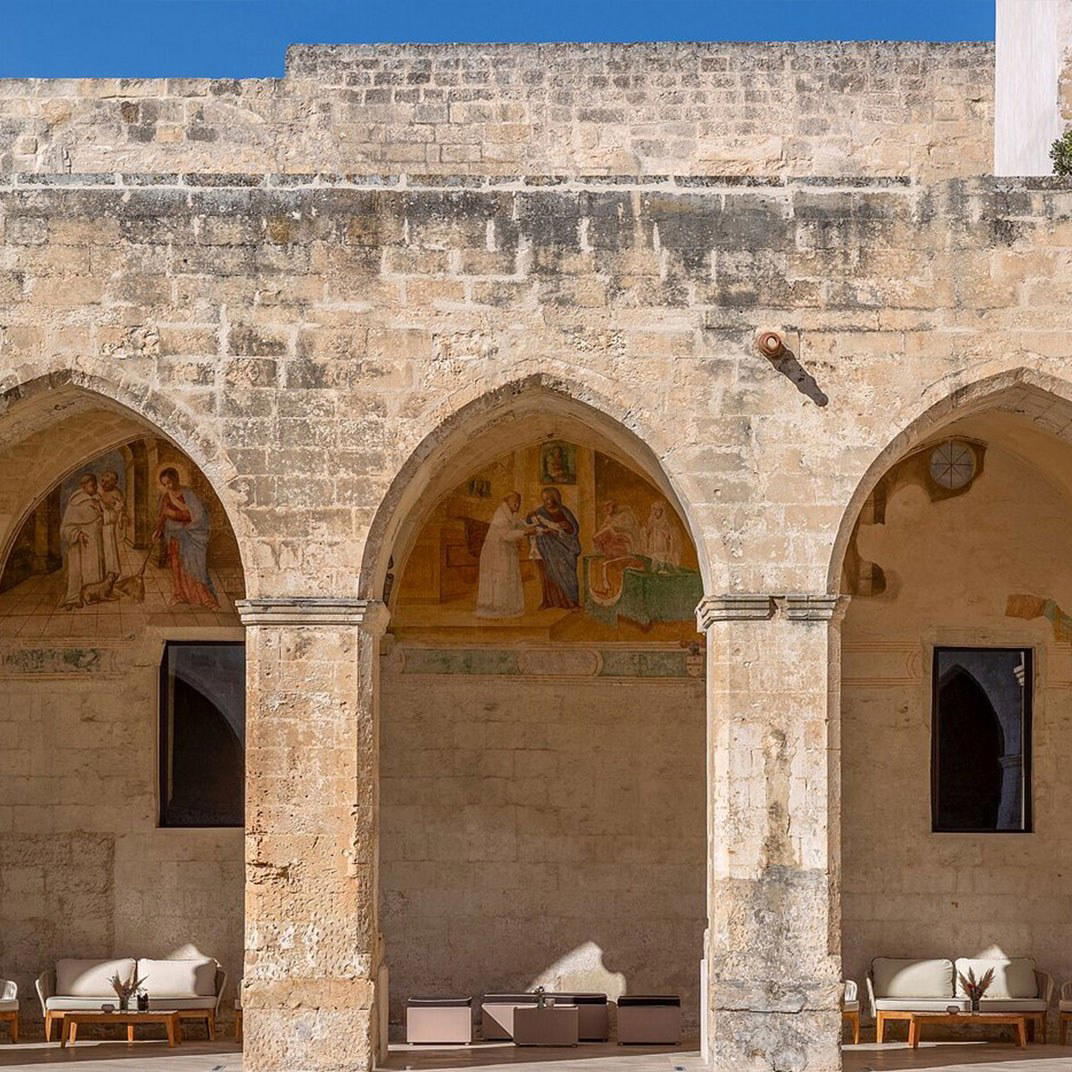
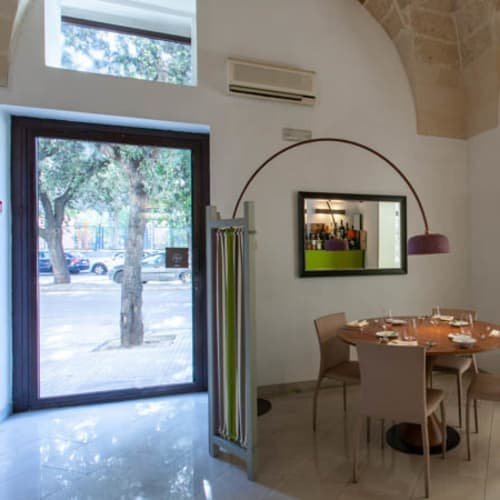
Limestone used throughout Salento, called carparo or pietra leccese depending on the grade, has a warmth that changes through the day. In the morning it reads pale and almost white; by late afternoon it shifts toward amber. That material quality, which no interior specification can replicate, is the most important design element any masseria property holds. It is also the element most easily squandered by over-restoration. Properties that sand and seal their stonework smooth lose the texture that gives the material its character. Those that leave it with its original porosity and variation retain something that connects the building to its agricultural history in a way that guests can feel even if they cannot articulate it.
Spatial logic of a masseria, rooms arranged around a central courtyard, with the exterior presenting an almost fortress-like face to the surrounding land, creates a particular kind of enclosure that contemporary hospitality has struggled to reproduce. It is not the dramatic seclusion of a mountain lodge like Forestis in the Dolomites, nor the lake-facing openness of Grand Hotel Tremezzo. It is a more inward, self-sufficient enclosure, where the courtyard becomes the social space and the surrounding groves form the perimeter. That format suits the Salento climate and agricultural landscape more directly than any imported design language.
Nardò and the Wider Salento Context
Southern Puglia has developed a two-speed tourism economy. The Adriatic coast, Polignano a Mare, Alberobello, Ostuni, absorbs the majority of visitors and the majority of the associated infrastructure: rental car queues, summer booking windows that close months in advance, restaurants calibrated to throughput rather than depth. The Ionian side and the interior, including the Nardò zone, operates at a different pace. The beaches at Santa Maria al Bagno and Sant'Isidoro, both within reach of Nardò, are known to a regular Italian clientele and to a smaller international contingent who have moved past the Adriatic circuit. The town's Baroque centre, which rivals Lecce in architectural quality if not in international profile, draws architecture-focused visitors rather than the beach-and-trullo crowd.
For a property like Masseria Donna Menga, that positioning is an asset. The Leading Hotels of the World membership, formalized in 2025, connects it to a global distribution network while the location keeps it distinct from the more heavily marketed Adriatic properties. Compare the broader Italian Leading Hotels portfolio: Il Pellicano in Porto Ercole trades on Maremma coastal prestige; Passalacqua in Moltrasio on Lake Como's northern quieter shore. Donna Menga operates in a similarly under-indexed geography relative to its quality tier, which is precisely what makes the LHW designation meaningful here, it signals a standard of delivery that the location alone would not communicate to an unfamiliar traveller.
Arriving and Planning
Nardò sits roughly thirty kilometres southwest of Lecce, which is the region's main rail and air hub. Brindisi airport, slightly further north on the Adriatic coast, handles more low-cost traffic and is a realistic point of arrival for most international connections. A car is practical for this part of Salento; the masseria's agricultural setting and the surrounding coastline both reward mobility. The Ionian beaches west of Nardò are accessible within twenty minutes of the property, while Lecce's Baroque centre is a forty-minute drive that warrants at least a half-day. For travellers building a longer southern Italian itinerary, the property connects logically with the broader Puglian estate circuit, including Borgo Egnazia to the north, before or after time on the Amalfi Coast, where Borgo Santandrea and Il San Pietro di Positano represent the western Italian peninsula's equivalent coastal luxury tier.
Booking through the Leading Hotels of the World platform or direct contact via the property address at Strada Donna Domenica, 73048 Nardò is the practical route; no direct booking link or phone number is listed in current public records, so confirming availability through the LHW member channel is the most reliable approach. The Salento summer season runs June through September, with August representing peak demand and prices across the peninsula. May, early June, and September offer the most favourable conditions for both weather and availability, and the agricultural light that makes the masseria landscape compelling is at its most photogenic in the shoulder season. For those comparing against other Leading Hotels properties across Italy, Casa Maria Luigia in Modena, Borgo San Felice in Castelnuovo Berardenga, and Castelfalfi in Montaione offer useful reference points for the estate-hospitality format in central Italy, against which the Salento property holds its own on architectural authenticity even if the northern properties carry more established international profiles. See also our full Nardò guide for broader context on the town and surrounding area.
How Masseria Donna Menga Nardò compares with similar nearby venues.
| Venue | Awards |
|---|---|
| Masseria Donna Menga | Leading Hotels of World Member (2025) |
Recognition history
Dated appearances from independent guides and award organizations, with the underlying list record or original source where available.
Leading Hotels of World Member
Leading Hotels of World
Continue exploring
More in Nardò
Hotels in Nardò
Browse all →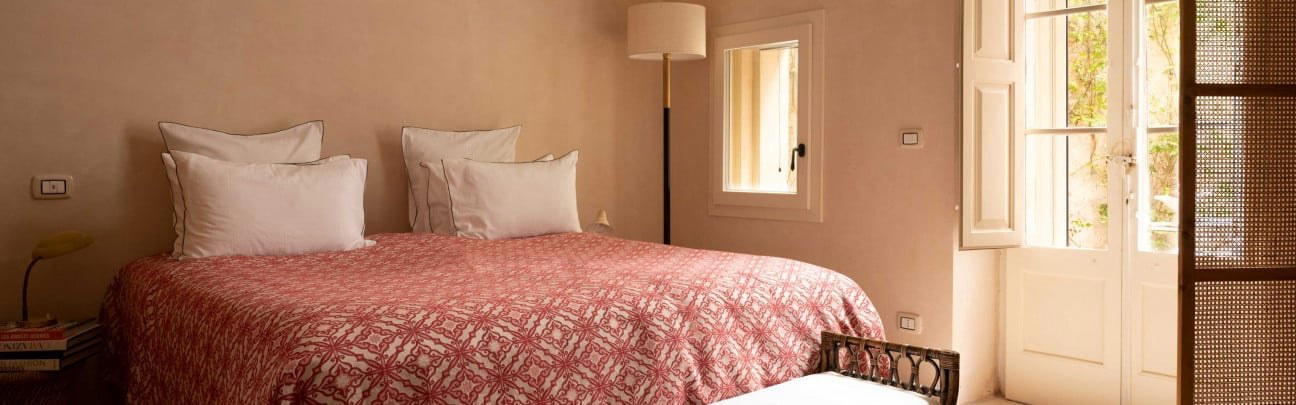
Bars in Nardò
Browse all →
Restaurants in Nardò
Browse all →

At a Glance
- Romantic
- Quiet
- Elegant
- Rustic
- Scenic
- Romantic Getaway
- Wellness Retreat
- Honeymoon
- Weekend Escape
- Garden
- Historic Building
- Wi Fi
- Pool
- Spa
- Fitness Center
- Room Service
- Concierge
- Restaurant
- Bar
- Garden
- Wi Fi
- Pool
- Spa
- Fitness Center
- Room Service
- Concierge
- Restaurant
- Bar
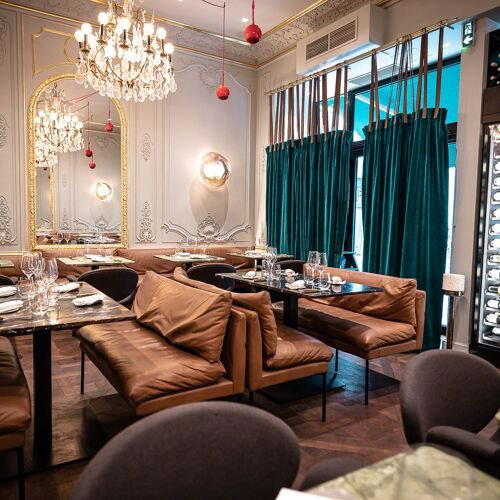
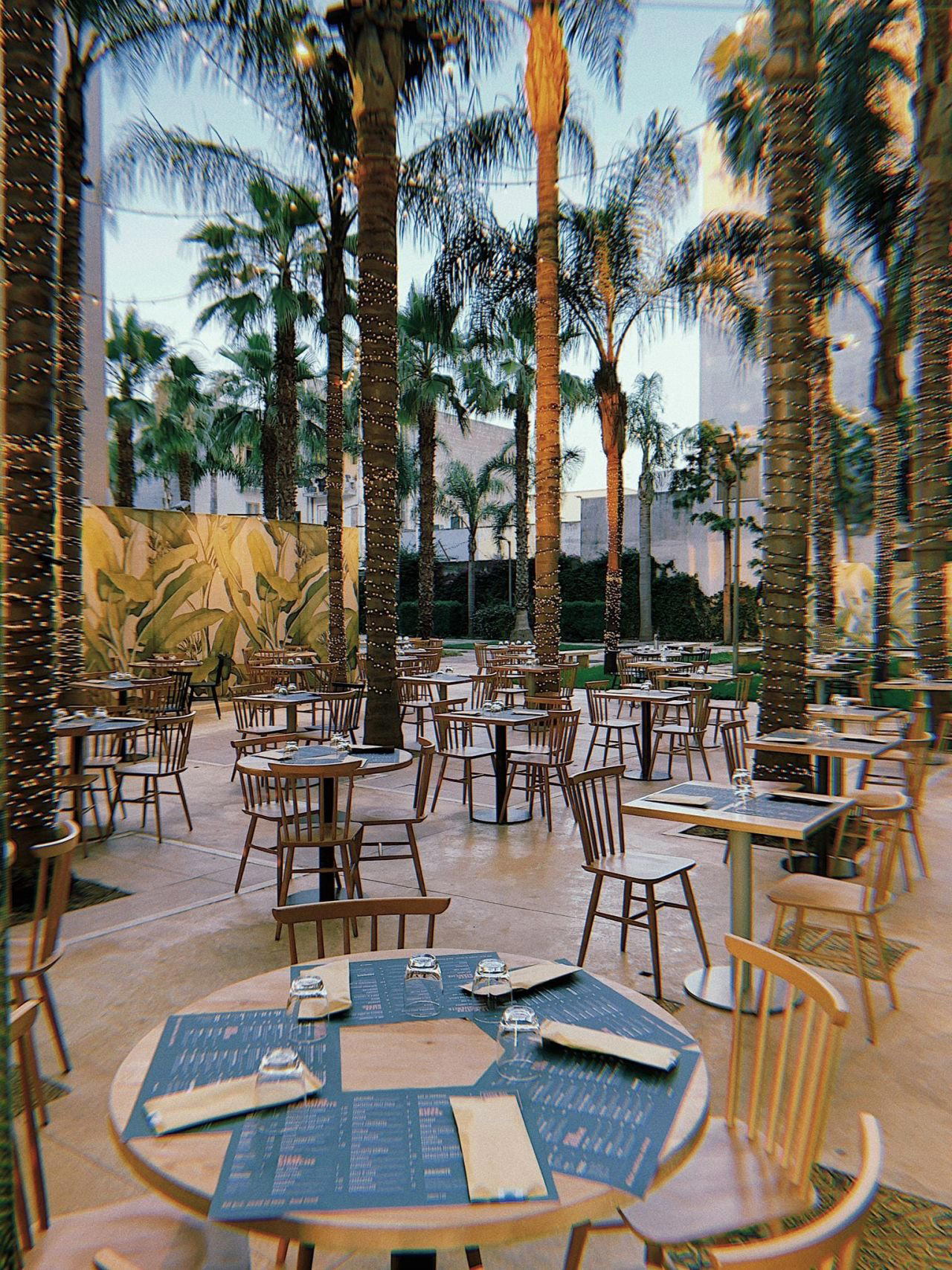
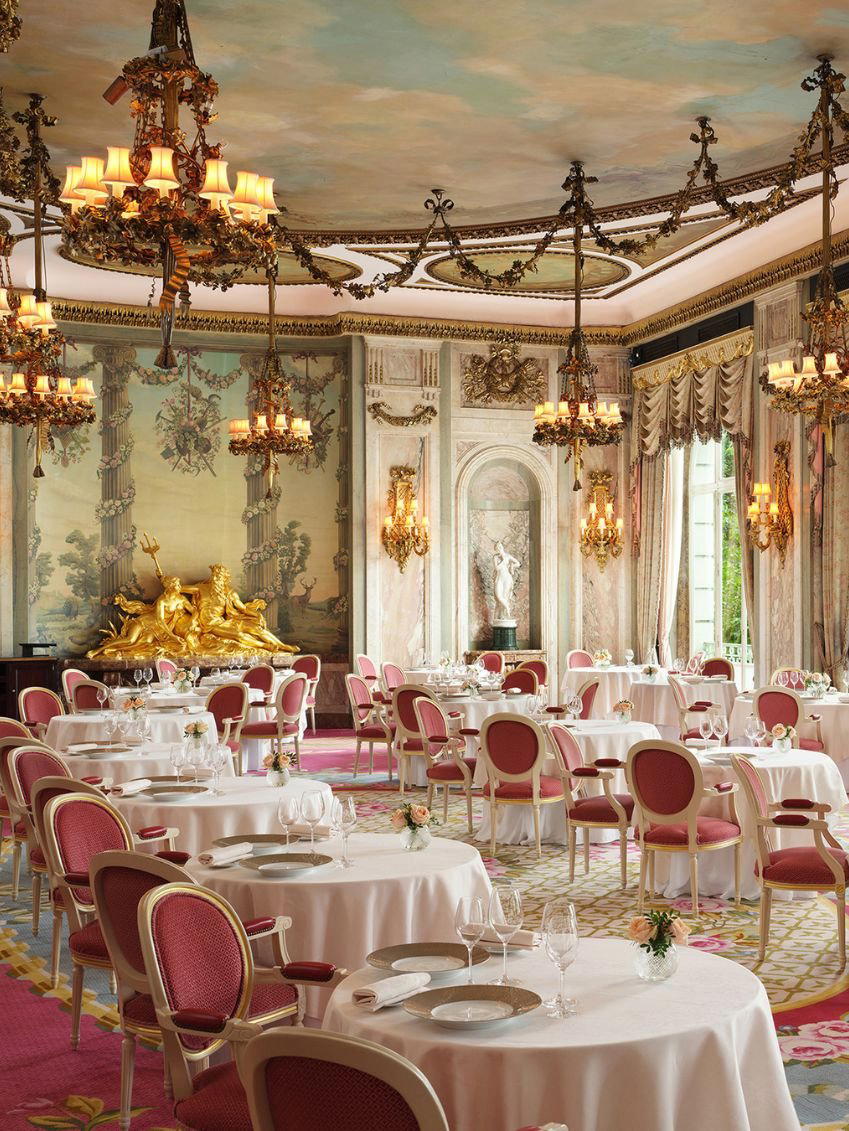
Peaceful and elegant with natural light in stylish rooms, lush gardens, and a tranquil poolside atmosphere praised for silence and attention to detail.
Know Before You Go
- Getting there
- Strada Donna Domenica, 73048 Nardò LE