
A MICHELIN Selected masseria on Puglia's Salentine plain, Masseria Antonio Augusto translates the region's fortified farmhouse tradition into a considered hospitality setting. The property sits outside Leverano, a small wine town south of Lecce, and operates within a category of rural Italian stays that prizes architectural authenticity over resort-scale amenities. For travellers tracing southern Italy's agrarian heritage, this is a precise address.
Pearl is the En Primeur Club membership app — saves, bookings, and concierge access live there. Same editors, same standards.
- Address
- SP21, 73045 Leverano LE, Italy
- Phone
- +39 349 339 5501
- Website
- antonio-augusto.com
- Directions
- Get directions
 Saves & bookings on Pearl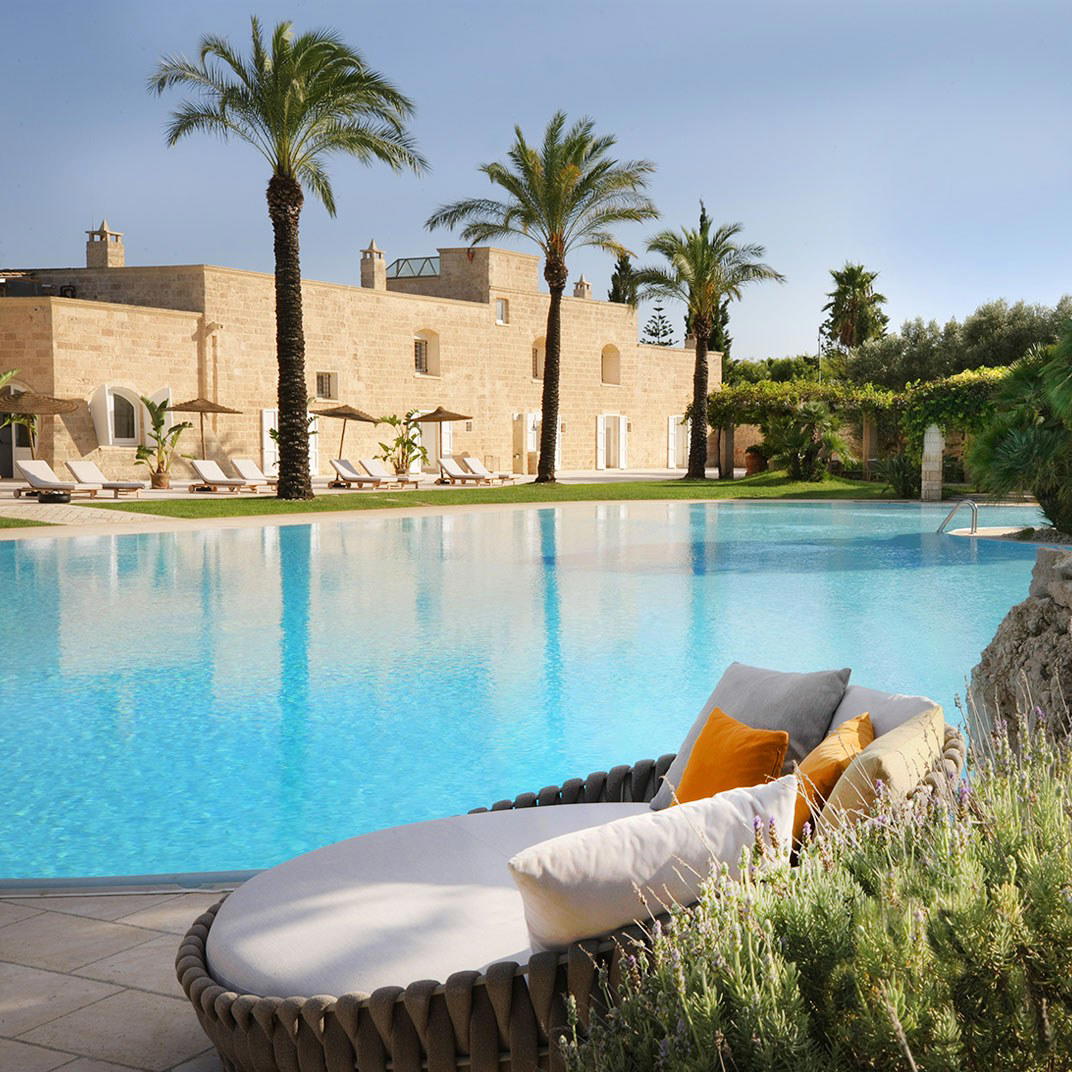
The Fortified Farmhouse as a Hospitality Form
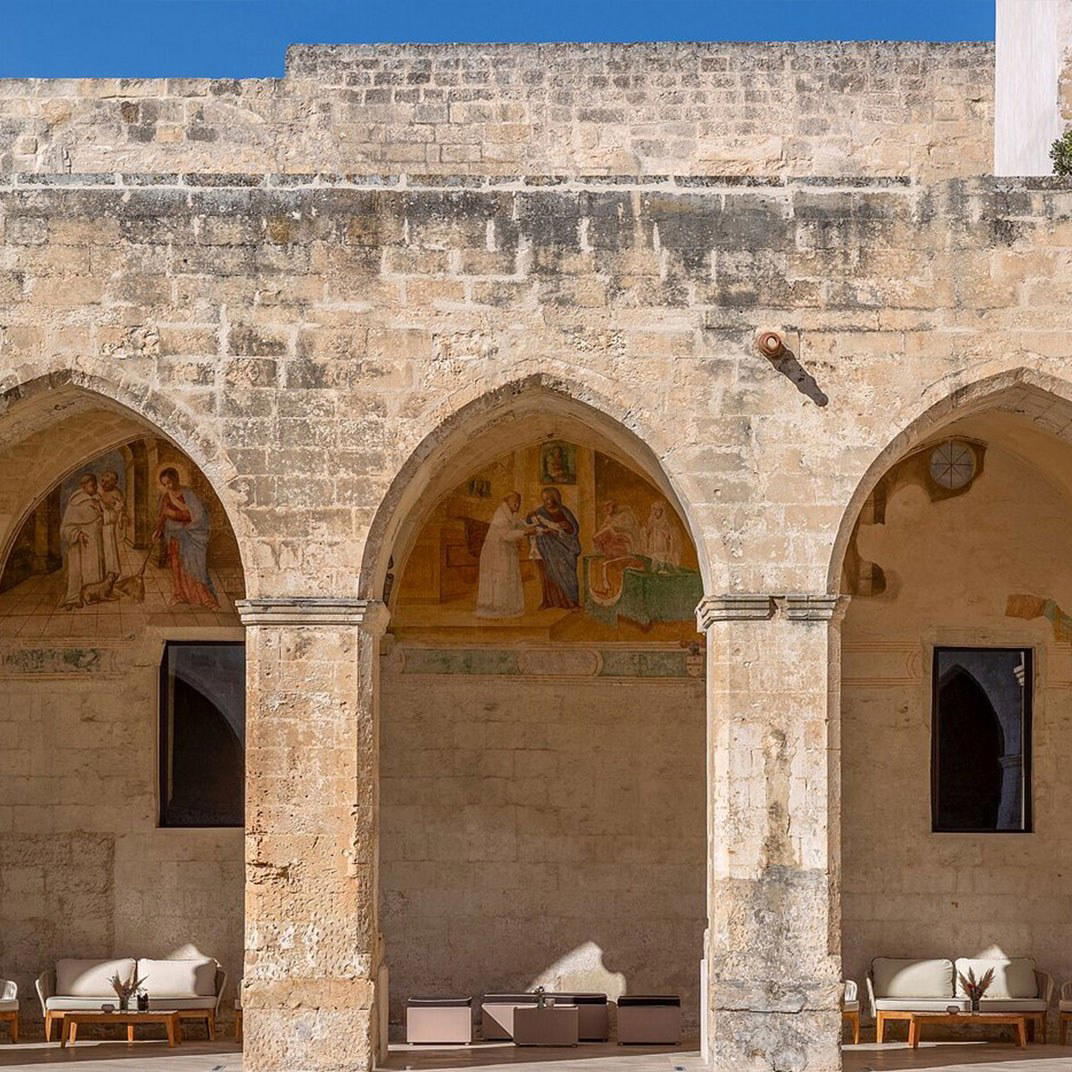
The masseria is one of southern Italy's most architecturally legible building types: a working farm compound designed for self-sufficiency, enclosed by thick limestone walls that served as much for defence as for shade. Across the Salento peninsula, these structures were built between the sixteenth and eighteenth centuries by feudal landowners who needed both agricultural production and physical protection in a region exposed to coastal raids. The form that resulted, with its dense stone construction, internal courtyards, and heavy gate architecture, has aged into something that reads as deeply atmospheric to contemporary visitors while remaining functionally coherent as a place to stay.
Masseria Antonio Augusto sits within this tradition, positioned on the SP21 outside Leverano in the Lecce province. The property's MICHELIN Selected status in the 2025 Michelin Hotels guide places it within a curated tier of Italian rural stays where architectural character and locational specificity carry as much weight as conventional luxury metrics.
Leverano and Its Position in the Salento Interior
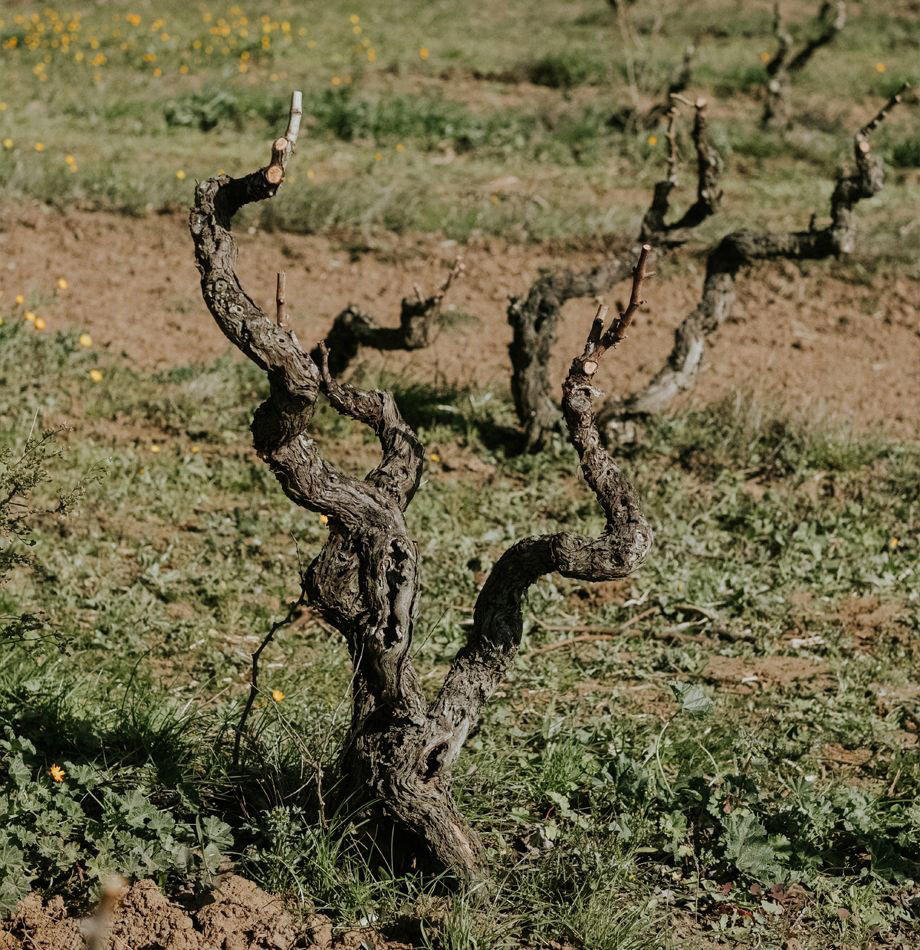
Leverano is not a town that appears on most international itineraries, which is precisely what defines its character as a base. The town sits roughly twenty kilometres southwest of Lecce, inside the DOC wine zone that carries its name, a designation covering both red and white wines from the local Negroamaro and Malvasia Bianca grapes. The surrounding agricultural plain is flat and open, planted with ancient olive groves and low-trained vines, giving the countryside a horizontal quality that differs sharply from the terraced drama of the Amalfi coast or the hill-town density of Tuscany.
That flatness is not a deficiency; it is a condition of the southern Pugliese interior that shapes how light moves across stone, how distances feel in late afternoon, and how the masseria itself reads in its landscape. Properties that understand this geography, rather than importing an aesthetic from elsewhere, tend to carry a sense of coherence that visitors notice without always being able to name.
Borgo Egnazia in Savelletri di Fasano operates at considerably larger scale and a higher price point as a resort-format property, while the broader picture of premium Italian stays across regions can be traced through addresses including Castello di Reschio in Lisciano Niccone, Rosewood Castiglion Del Bosco in Montalcino, and Borgo San Felice Resort in Castelnuovo Berardenga. Each operates within Italy's rural conversion category but in different regional and price contexts.
Architecture as the Primary Experience
In masseria stays of this type, the architecture is not decorative backdrop; it is the substance of what guests are actually purchasing. The thick walls of a Salentine masseria hold a thermal logic that predates air conditioning, keeping interiors cool through summer heat that regularly exceeds thirty-five degrees celsius in July and August. The courtyard, where one exists, functions as a regulated microclimate. Stone floors, vaulted ceilings, and small deep-set windows are not stylistic choices imposed after the fact but structural responses to a Mediterranean building environment that demanded efficiency from its materials.
Where these properties succeed, the renovation work respects the hierarchy of original elements and subordinates contemporary additions to them. This approach sits in contrast to a different category of Italian rural conversion where the historic shell is treated as a container for generic hospitality interiors. The 2025 MICHELIN selection places Masseria Antonio Augusto in a peer group where the physical environment itself is the argument for staying.
Across northern Italy's luxury rural tier, properties like Passalacqua in Moltrasio and Il Sereno in Torno demonstrate how architectural specificity commands a premium when it is executed with discipline. In the south, the comparable logic applies, though the material vocabulary is limestone and tuff rather than Liberty-era villas.
Planning a Stay
Leverano is accessible from Brindisi airport, which handles international and domestic connections year-round, or from Lecce by road. The Salento season runs most practically from late April through October, with July and August bringing peak heat and higher accommodation demand across the region. Shoulder months, particularly May and September, offer more moderate temperatures and tend to allow for quieter access to both the property and the surrounding countryside.
The SP21 address places Masseria Antonio Augusto outside the town centre, typical of the masseria typology which was built for agricultural land rather than urban adjacency. Arriving by car is one practical approach, and the surrounding roads connect easily to Lecce's historic centre, the coastal towns of the Ionian side, and the Adriatic edge of the peninsula, giving the property utility as a base for the wider region rather than a destination that requires commitment to a single town.
Casa Maria Luigia in Modena, Corte della Maestà in Civita di Bagnoregio, and Castel Fragsburg in Merano, each operating in distinct regional idioms. Bulgari Hotel Roma, Portrait Milano, and Four Seasons Hotel Firenze represent the urban pole of Italy's premium accommodation range, while Aman Venice occupies a category of its own in the north. Coastal alternatives within southern Italy include Borgo Santandrea on the Amalfi Coast, Il San Pietro di Positano, and JK Place Capri.
A Quick Peer Check
Comparable venues nearby, for context on price, style, and recognition.
| Venue | Cuisine | Price | Notes |
|---|---|---|---|
| Masseria Antonio AugustoThis venue — the venue you are viewing | Restored traditional Puglian masseria with luxury boutique interiors | $$$$ | Not listed |
| Palazzo Tiglio | Restored 17th-century noble palazzo blending historical Tuscan character with modern comforts. | $$$$ | San Pancrazio |
| Gourmet- und Boutiquehotel, Restaurant Tanzer | Small boutique retreat blending modern exterior with natural interior furnishings | $$$$ | Falzes |
| Principe di Salina | barefoot luxury | $$$$ | Malfa |
| Tenuta Cammarana | Historic 18th-century neo-baroque farmhouse elegantly restored as an aristocratic country retreat. | $$$$ | Ragusa Ibla |
| Torre di Moravola | Medieval watchtower converted into contemporary luxury retreat | $$$$ | Montone |
Recognition history
Dated appearances from independent guides and award organizations, with the underlying list record or original source where available.
Michelin Selected
Michelin
Continue exploring
More in Leverano
Hotels in Leverano
Browse all →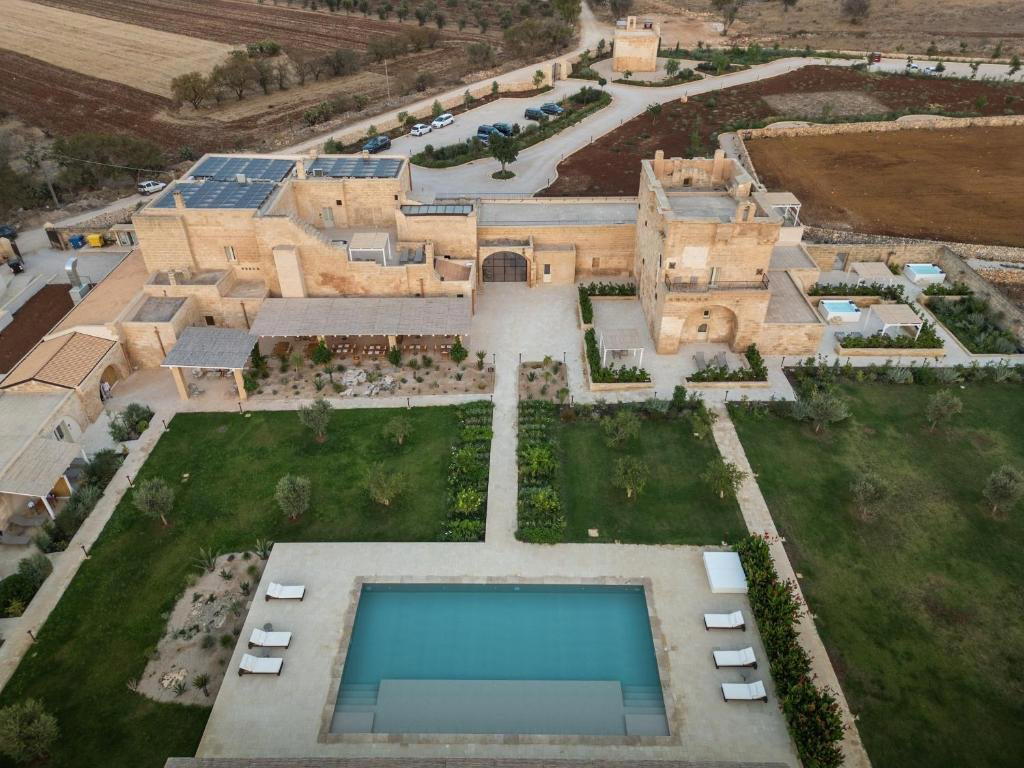
Bars in Leverano
Browse all →
Restaurants in Leverano
Browse all →

At a Glance
- Elegant
- Rustic
- Quiet
- Intimate
- Sophisticated
- Romantic Getaway
- Wellness Retreat
- Anniversary
- Garden
- Terrace
- Wi Fi
- Pool
- Spa
- Sauna
- Hot Tub
- Garden
- Restaurant
- Bar
- Parking
- Garden
- Wi Fi
- Pool
- Spa
- Sauna
- Hot Tub
- Garden
- Restaurant
- Bar
- Parking
Current opening hours
- Monday
- Open 24 hours
- Tuesday
- Open 24 hours
- Wednesday
- Open 24 hours
- Thursday
- Open 24 hours
- Friday
- Open 24 hours
- Saturday
- Open 24 hours
- Sunday
- Open 24 hours
Hours can change for holidays and private events. Last verified .
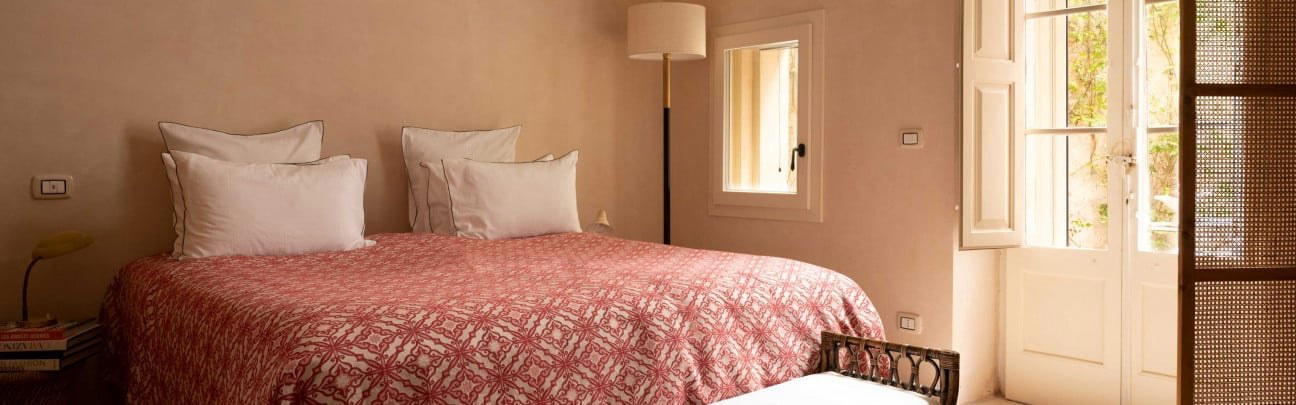
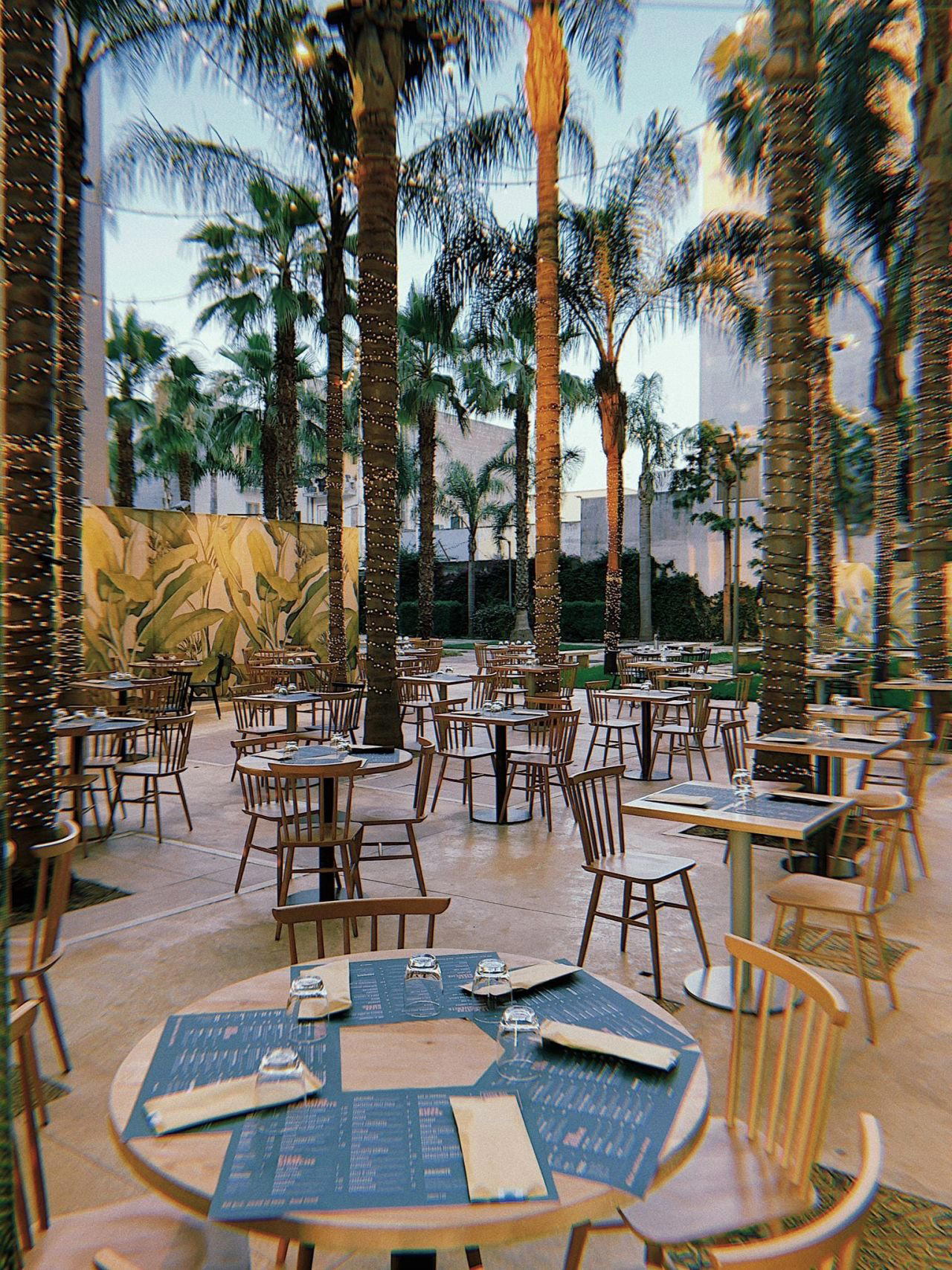
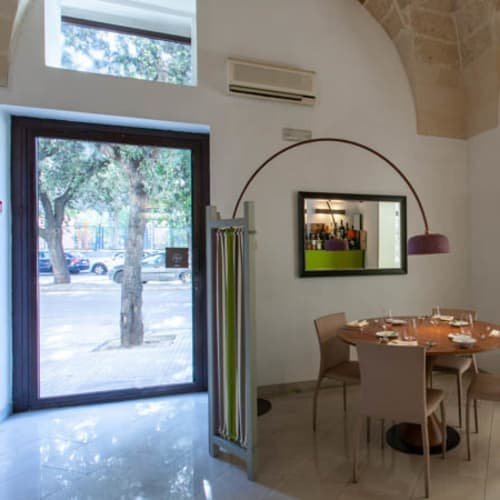
Polished stone floors and arched ceilings create a high-sheen luxurious yet rustic atmosphere with a quiet and calm aesthetic.