
Michelin Selected
Michelberger Farm in Vetschau, Brandenburg, carries MICHELIN Selected recognition in the 2025 guide, placing it inside a small peer group of German countryside properties where the physical environment does most of the editorial work. The farm setting in the Spreewald region positions it well outside the city-hotel tier, offering a deliberately different pace and spatial experience for guests travelling from Berlin.

Pearl is the En Primeur Club membership app, where members save venues, book tables and use the concierge.
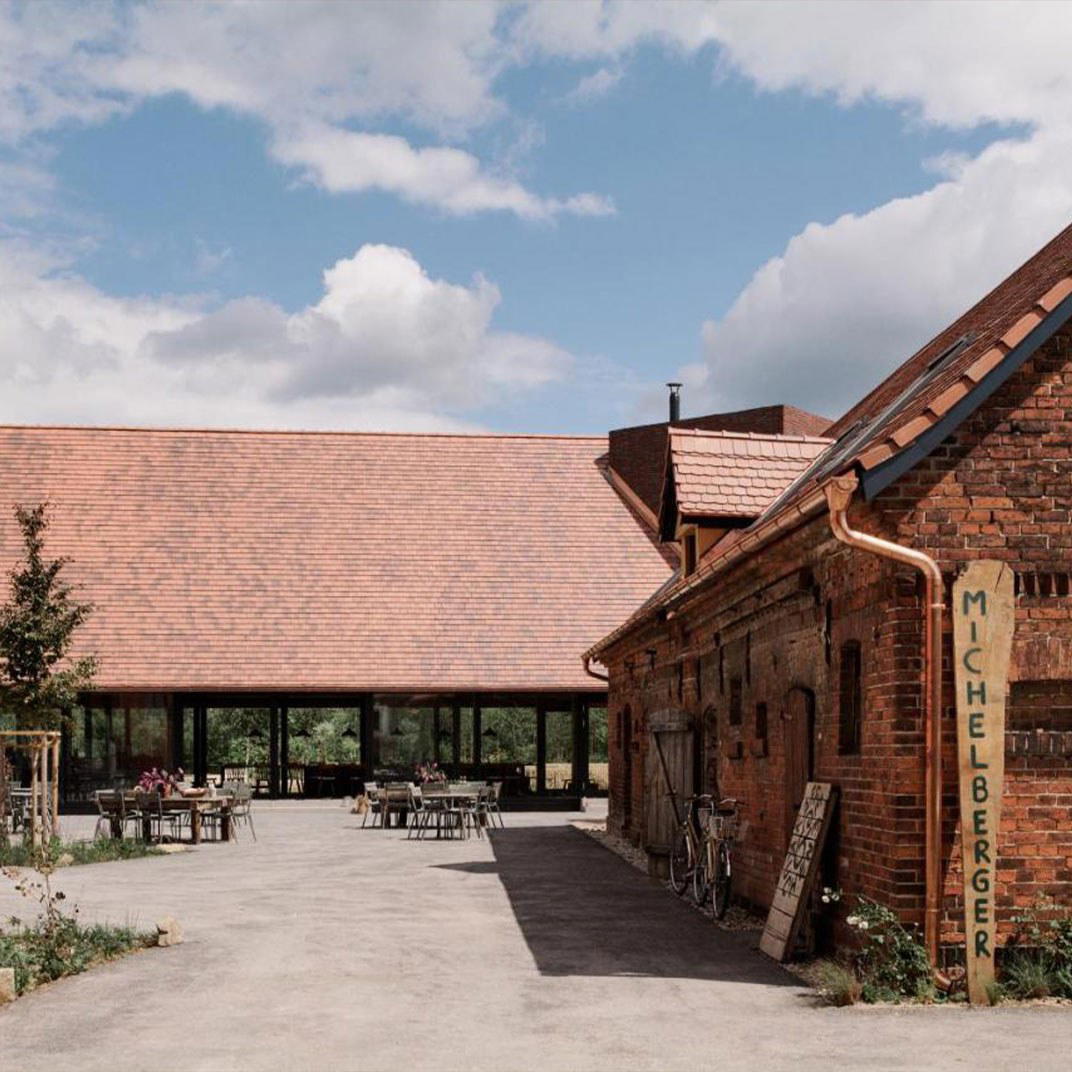
What the Spreewald Farmstead Format Means for Guests in 2025
Brandenburg's Spreewald region has developed a distinct hospitality register over the past decade, one that sits at a deliberate distance from the grand lakeside retreats of Bavaria or the polished city addresses of Hamburg and Frankfurt. Where properties like Althoff Seehotel Überfahrt in Rottach-Egern or the Fairmont Hotel Vier Jahreszeiten in Hamburg operate through inherited grandeur and institutional scale, the farmstead model common to the Spreewald asks something different of its guests: a willingness to read the landscape rather than be insulated from it. Michelberger Farm, addressed at Gartenstraße 3 in Vetschau, belongs to this second tradition, and its 2025 MICHELIN Selected designation confirms it is doing so with enough quality and consistency to register on the guide's radar.
The MICHELIN Selected category, now a formal strand of the Michelin hotel guide, signals properties that meet a threshold of character and execution without necessarily competing in the same tier as large-format luxury.
Architecture as Argument: Reading the Farm's Physical Language
The farmstead typology carries its own architectural logic. Traditional Brandenburg agricultural buildings, like those across the wider North German Plain, were designed around function first: long barn structures, sheltered courtyards, buildings oriented to catch light and manage weather rather than to perform. When properties of this type enter hospitality use, the structural inheritance either becomes the experience or gets stripped away in renovation. The most successful conversions in Germany and elsewhere keep the bones honest, letting thick walls, original timber, and agricultural proportions do the atmospheric work that expensive interior design would otherwise need to supply.
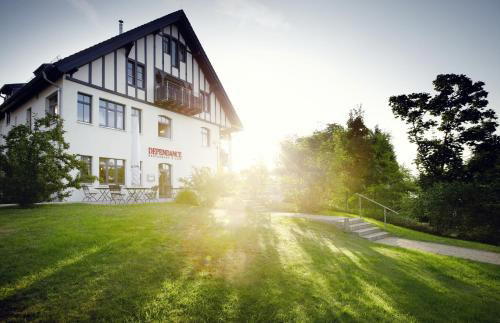
Michelberger Farm's location in Vetschau, a small town within the Biosphere Reserve Spreewald, means the built environment sits inside a wider range of water channels, alder forests, and flat horizon lines. That context shapes how any structure is read from the outside: there is nowhere to hide architectural missteps behind urban density or competing visual noise. Properties in this setting either earn their place in the landscape or look incongruous. The farm address, with its Gartenstraße orientation, suggests a working integration with its immediate surroundings rather than a resort compound set apart from the town.
This approach to siting and structure distinguishes the Spreewald property model from the mountain lodge register found at places like Schloss Elmau in Elmau or Das Kranzbach in Kranzbach, where the drama comes from elevation and alpine framing. In the Spreewald, the drama is horizontal and quiet, defined by water movement, seasonal light, and the particular silence of flat agricultural land.
Where Michelberger Farm Fits in the German Countryside Hotel Field
Germany's countryside hotel tier has expanded and differentiated considerably since 2015. The upper end is anchored by properties with long-established reputations and substantial infrastructure, among them Hotel Traube Tonbach in Baiersbronn and Weissenhaus Private Nature Luxury Resort on the Baltic coast. Below that peak tier, a more varied middle layer has emerged, including farm conversions, nature lodges, and design-led rural retreats that compete not on scale but on specificity of experience.
Michelberger Farm occupies a position in this middle and character-led layer. The Michelberger name carries existing associations from its Berlin base, where the brand built a reputation for a particular kind of considered informality that distinguished it from conventional boutique hotels. Translating that sensibility to a working farm context in Brandenburg is an editorial proposition as much as a hospitality one: it asks whether the qualities that work in an urban district can transfer to a rural setting without losing coherence. The MICHELIN Selected status in 2025 suggests the answer is broadly affirmative, at least by the guide's assessment criteria.
For guests travelling from Berlin, Vetschau is reachable in roughly ninety minutes by road, placing the Farm in day-trip distance but practically positioned as an overnight or multi-night destination given the nature of what the Spreewald region offers. Guests exploring eastern Germany's broader hotel scene might also consider the Telegraphenamt in Berlin or Villa Contessa in Bad Saarow as part of the same regional circuit, each occupying a different structural register within the Brandenburg and Berlin hospitality frame.
The Spreewald as Context, Not Background
Properties in the Spreewald succeed most clearly when they treat the biosphere reserve as the primary programme rather than a scenic backdrop. The region's network of canals, its specific ecology, and its slower pace of movement are not amenities to be listed alongside a spa or dining room: they are the reason the stay justifies the journey. Hotels that understand this build their guest experience around access to the landscape, whether through boat hire, guided walks, or simply the physical orientation of rooms and terraces toward water and open ground.
This model differs structurally from the resort formats found along the German Baltic coast, such as BUDERSAND Hotel in Hörnum or Seesteg Norderney, where the sea is a constant visual presence but the hotel infrastructure is substantial enough to hold attention independently. In the Spreewald, the hotel almost has to step back to let the landscape lead. That requires a particular kind of editorial restraint in design and programming, and it is the quality that separates properties that earn continued recognition from those that drift into generic rural retreat territory.
Planning a Stay: Practical Notes
Vetschau sits in the Oberspreewald-Lausitz district of Brandenburg, approximately 100 kilometres south of Berlin. The town is accessible by regional rail, with connections through Cottbus, or by road via the A13 motorway. The Spreewald's peak season runs from late spring through early autumn, when canal tours and cycling routes are fully operational and the landscape is at its most legible for visitors. Winter visits are quieter and the biosphere takes on a different character, with the flat terrain and bare alder stands offering a starker version of the same landscape. Guests seeking comparable MICHELIN-recognised properties at a different scale and in a different German region might look at the Luisenhöhe in Horben, the Seezeitlodge Hotel & Spa in Gonnesweiler, or the Gut Steinbach Hotel Chalets Spa in Reit im Winkl for farmstead and nature-integrated formats in other parts of the country. See our full Vetschau restaurants and hotels guide for broader context on what the area offers across price points and categories. For guests weighing this against Germany's more established addresses, the Breidenbacher Hof in Düsseldorf, the Excelsior Hotel Ernst in Cologne, and the Sofitel Frankfurt Opera represent the urban end of the MICHELIN-recognised spectrum, with the full gap in character and pace between those properties and Michelberger Farm being, for the right traveller, precisely the point.
At-a-Glance Comparison
Comparable venues nearby, for context on price, style, and recognition.
| Venue | Cuisine | Price | Awards | Notes |
|---|---|---|---|---|
| Michelberger FarmThis venue (the venue you are viewing) | Contemporary farm retreat with regenerative agriculture philosophy; minimalist Scandinavian design language applied to a 19th-century rural complex. | $100–200 | Michelin Selected | Not listed |
| Garner Essen Handelshof | Historic city hotel with modern comforts | $1–100 | Not listed | Stadtkern |
| Waldhaus Ohlenbach | Family-run wellness hotel in country house style on mountain hillside | Not listed | Michelin Selected | Ohlenbach |
| Laurichhof | Boutique design hotel showcasing 27 individually themed suites in a historic setting. | Not listed | Michelin Selected | Hauptplatz |
| Dorint City - Hotel Bremen | City business hotel | Not listed | 4-Star | City Center |
| Speicher 7 | Industrial chic design hotel in renovated 1950s grain silo | $100–200 | Michelin Selected | HafenCity |
Recognition history
Dated appearances from independent guides and award organizations, with the underlying list record or original source where available.
Michelin Selected
Michelin
Continue exploring
More in Vetschau
Hotels in Vetschau
All hotels in Vetschau →
Restaurants in Vetschau
Browse all →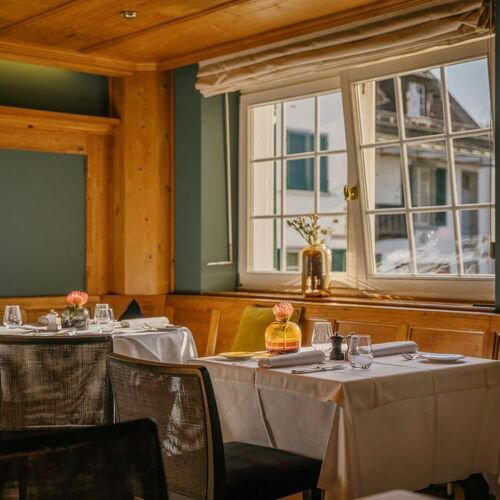
Wineries in Vetschau
Browse all →
Details
- Rustic
- Cozy
- Quiet
- Scenic
- Bohemian
- Minimalist
- Wellness Retreat
- Romantic Getaway
- Weekend Escape
- Garden
- Terrace
- Design Destination
- Waterfront
- Historic Building
- Wi Fi
- Garden
- Garden
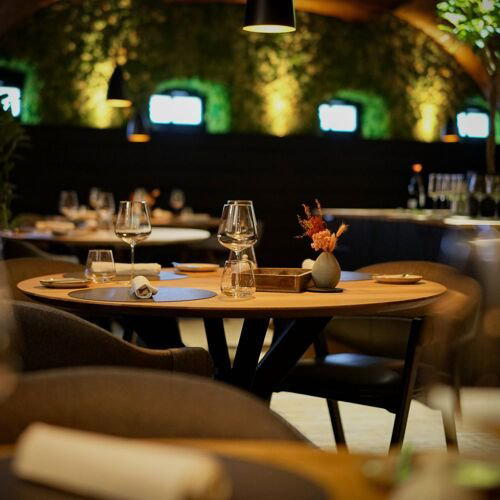
Warm, tactile spaces with honey-toned wood and natural materials creating an understated, intimate atmosphere; ambient jazz and communal dining foster a contemplative, creative energy.