Palazzo Tiglio

A Michelin Selected palazzo in San Pancrazio, Palazzo Tiglio occupies a historic building on Vicolo della Compagnia and sits within Italy's growing tier of intimate, character-led stays that trade chain scale for architectural authenticity. The recognition places it alongside a small comparable set of independently spirited properties where the structure itself, stone, patina, proportion, does the work that amenity lists elsewhere struggle to match.
Pearl is the En Primeur Club membership app — saves, bookings, and concierge access live there. Same editors, same standards.
- Address
- 10 Vicolo della Compagnia, San Pancrazio, Italy
- Phone
- +390559955584
 Saves & bookings on Pearl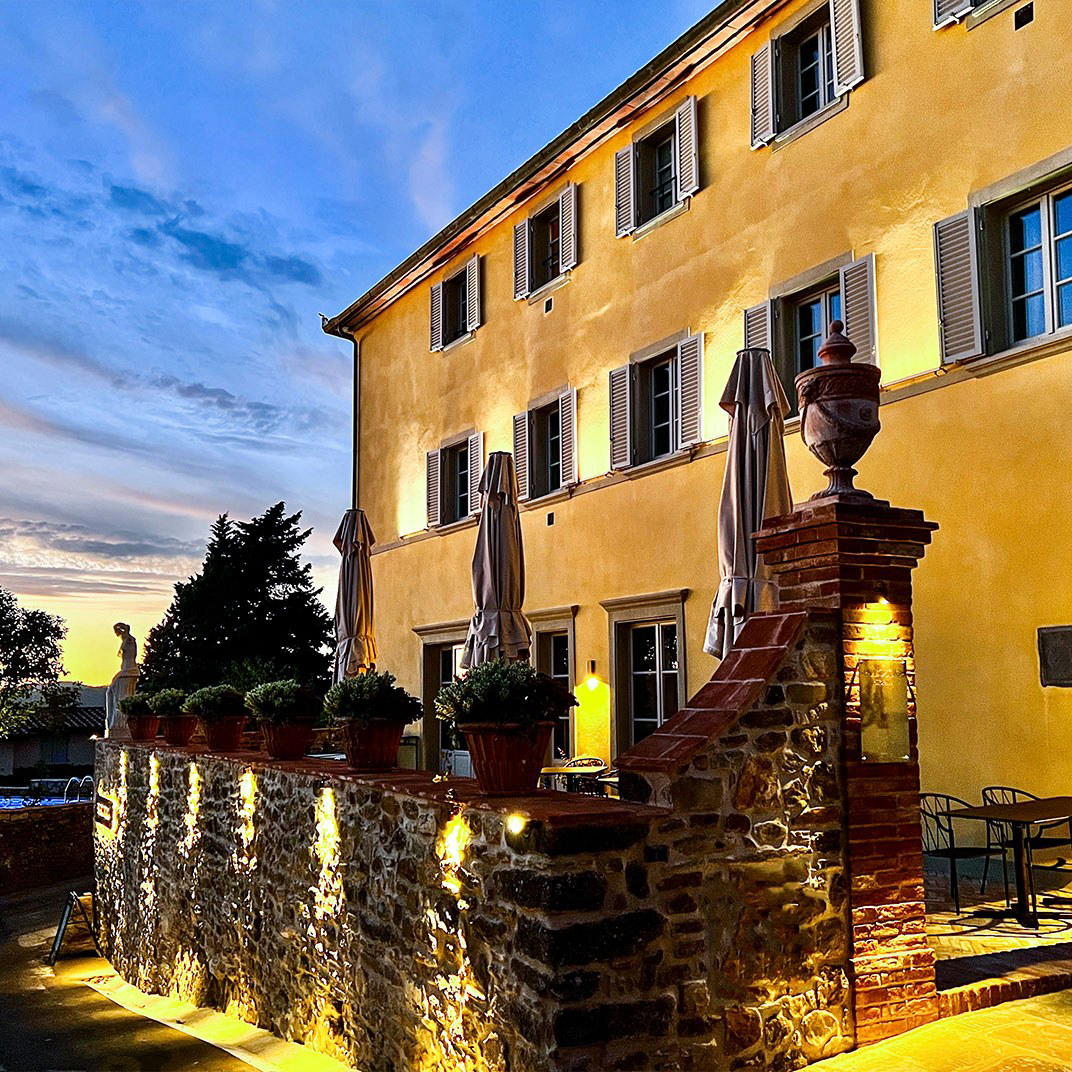
Stone, Proportion, and the Architecture of Small-Town Italian Hospitality
San Pancrazio is not a city that announces itself. The kind of Calabrian settlement where a single vicolo can contain centuries of layered construction, it sits largely outside the orbit of the grand-tour itineraries that route travellers between Florence, Rome, and the Amalfi Coast. That obscurity is, for a certain kind of traveller, precisely the point. Palazzo Tiglio is a hotel at 10 Vicolo della Compagnia, San Pancrazio, Italy. It belongs to a tradition of Italian hospitality that prizes physical fabric over programmatic amenity: the building is the argument, and the argument is made in stone.
Italy's premium accommodation market has fractured into recognisable tiers over the past decade. At one end sit the large-footprint international hotels, properties where the brand does the contextualising work and the architecture is often incidental. At the other end, a growing cohort of palazzo-scale stays has emerged, places where the intervention is restoration rather than construction, and where the editorial decision is how much of the original to preserve versus how much to update for contemporary comfort. Palazzo Tiglio's Michelin Selected distinction for 2025 places it inside this second category, alongside properties whose claims rest on spatial character rather than star counts or restaurant accolades.
The Michelin hotel selection, now an established annual publication separate from the restaurant guide, evaluates stays across categories that include design, service quality, and the coherence between a property and its surroundings. Selection, as distinct from starred distinction, signals that a property cleared a meaningful editorial threshold without necessarily competing on the same axis as a Four Seasons Hotel Firenze or a Bulgari Hotel Roma. The value of that recognition, for a palazzo in a small Calabrian town, is that it provides external verification for a claim that would otherwise rely entirely on the traveller's willingness to take the building at face value.
What a Palazzo Format Asks of Its Guests
The palazzo hotel typology, repurposed aristocratic or civic buildings converted into accommodation, carries a specific set of trade-offs that any honest assessment should name. Ceiling heights that dwarf modern furniture. Staircases that predate lifts. Rooms shaped by historical function rather than hotelier logic, which means occasional irregularities in proportion, light, or acoustic separation. These are not defects so much as the material record of a building's prior life, and they define the experience as fundamentally different from purpose-built luxury. Properties like Passalacqua in Moltrasio and Aman Venice have demonstrated that this typology can reach the highest tier of international recognition when the restoration is handled with sufficient rigour and the service model is calibrated to the space. Palazzo Tiglio operates within that same tradition, at a scale and price point appropriate to a Calabrian village rather than a Venetian canal.
For travellers accustomed to staying at properties like Castello di Reschio in Lisciano Niccone or Rosewood Castiglion Del Bosco in Montalcino, the palazzo format will feel familiar: restored agricultural or aristocratic buildings, limited room counts, an emphasis on the surrounding terrain as part of the offer. What distinguishes a Calabrian context from Umbria or the Val d'Orcia is the relative absence of comparable infrastructure nearby. San Pancrazio does not have the well-developed agriturismo circuit of Tuscany or the heritage tourism apparatus of Umbria. The hotel therefore functions less as a gateway to a curated regional offer and more as a destination in its own right, a place where the building and its immediate surroundings constitute the primary experience.
Design Tradition and the Southern Italian Interior
Southern Italian domestic architecture occupies a distinct lineage from the villa culture of Tuscany or the canal palaces of Venice. The Calabrian palazzo tradition draws on Spanish Baroque influence from the region's Bourbon period, filtered through local building materials and craft traditions that reflect the specific geology and economy of the Mezzogiorno. This means thick exterior walls built for thermal mass rather than decoration, internal courtyards that regulate light and temperature, and an ornamental vocabulary that tends toward the robustly geometric rather than the delicate. Comparable properties that have handled this southern typology with rigour, Borgo Egnazia in Savelletri di Fasano and Borgo Santandrea on the Amalfi Coast, have shown that the southern Italian idiom rewards preservation more than it tolerates reinterpretation.
What the Michelin Selected designation does confirm is that the property met editorial standards for inclusion in the 2025 hotels guide.
Planning a Stay: Practical Orientation
San Pancrazio sits in Calabria, in Italy's deep south, a region that remains one of the less-trafficked parts of the country for international visitors. Access typically involves flying into Lamezia Terme or Reggio Calabria and continuing by car, as the local rail network services the area but connection times can be extended. Driving is generally the more practical option for guests arriving from the north or from international hubs, and it has the added advantage of allowing exploration of the surrounding coastline and hill towns that the region contains but rarely advertises. Specific logistics should be confirmed directly with the property at 10 Vicolo della Compagnia, San Pancrazio.
Travellers considering the hotel alongside other Michelin Selected Italian properties in the same design-led category might also weigh Corte della Maestà in Civita di Bagnoregio, Castel Fragsburg in Merano, Il Pellicano in Porto Ercole, or Borgo San Felice Resort in Castelnuovo Berardenga, all properties where the physical structure is central to the offer and where the surrounding territory forms a substantive part of the experience. The choice between them is largely a question of which Italian region the itinerary prioritises, and how far off the established circuit the traveller is willing to go.
Comparable Venues
Comparable venues nearby, for context on price, style, and recognition.
| Venue | Cuisine | Price | Notes |
|---|---|---|---|
| Palazzo TiglioThis venue — the venue you are viewing | Restored 17th-century noble palazzo blending historical Tuscan character with modern comforts. | $$$$ | Not listed |
| Dimora Santagatha | Elegantly restored historic palazzo blending Sicilian heritage with modern comfort. | $$$$ | Noto Alta |
| Dai Gresy - In Langa | Modern agriturismo on historic winery estate | $$$$ | Treiso |
| Castello La Leccia | Restored medieval hamlet with 11th-century castle featuring elegant rooms highlighting original Tuscan features. | $$$$ | Castellina in Chianti |
| Corte Calzaiuoli Elegant Suites | Elegant historic mansion with modern comforts | $$$$ | Santo Spirito |
| Principe di Salina | barefoot luxury | $$$$ | Malfa |
Recognition history
Dated appearances from independent guides and award organizations, with the underlying list record or original source where available.
Michelin Selected
Michelin
Continue exploring
More in San Pancrazio
Restaurants in San Pancrazio
Browse all →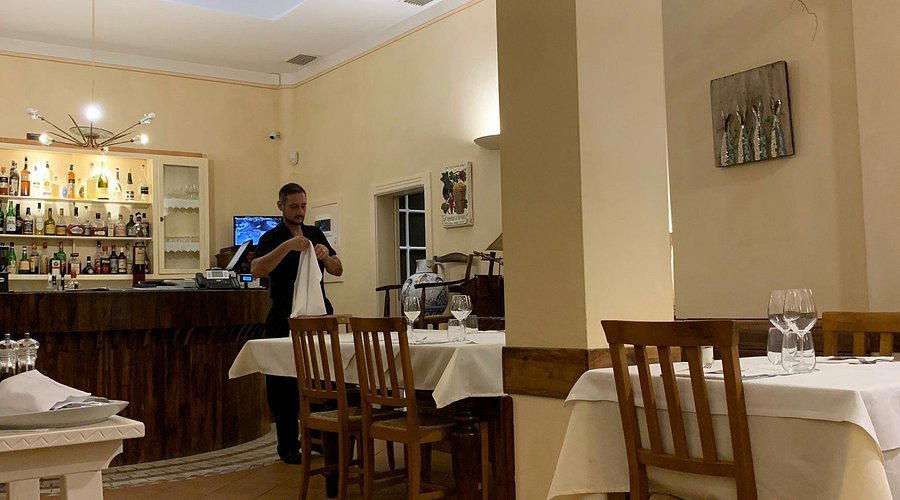
At a Glance
- Romantic
- Quiet
- Elegant
- Classic
- Cozy
- Scenic
- Romantic Getaway
- Honeymoon
- Anniversary
- Weekend Escape
- Garden
- Historic Building
- Panoramic View
- Pool
- Wi Fi
- Restaurant
- Air Conditioning
- Room Service
- Garden
- Mountain
- Pool
- Wi Fi
- Restaurant
- Air Conditioning
- Room Service
Classic Tuscan residential atmosphere with antique furniture, parquet floors, re-frescoed ceilings, and serene garden views.