
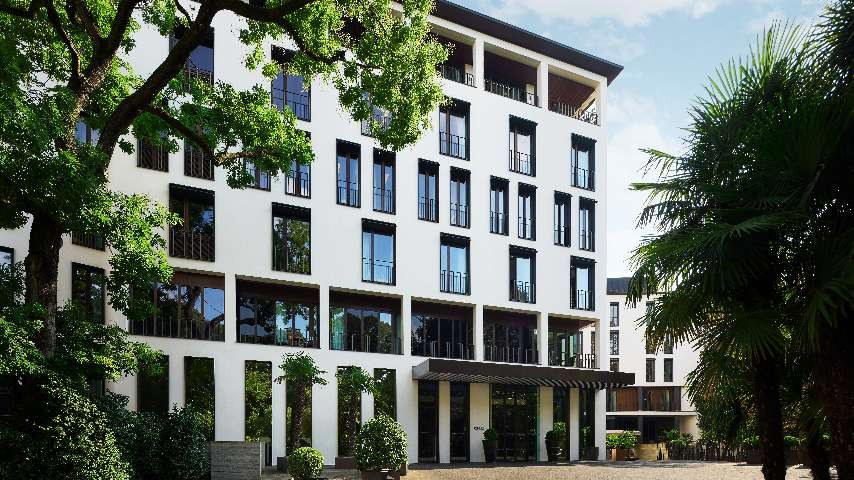
On Via Manzoni in Milan's Quadrilatero della Moda, Armani Hotel occupies the upper floors of the brand's flagship building, placing guests inside the design language of one of Italy's most recognised fashion houses. Recognised by La Liste's Top Hotels 2026 with 90.5 points, the property competes in Milan's tightest tier of luxury accommodation alongside Bvlgari and Mandarin Oriental.
Pearl is the En Primeur Club membership app — saves, bookings, and concierge access live there. Same editors, same standards.
- Address
- Via Alessandro Manzoni, 31, 20121 Milano MI
- Phone
- +39 02 8883 8888
- Website
- armanihotels.com
- Directions
- Get directions
 Saves & bookings on Pearl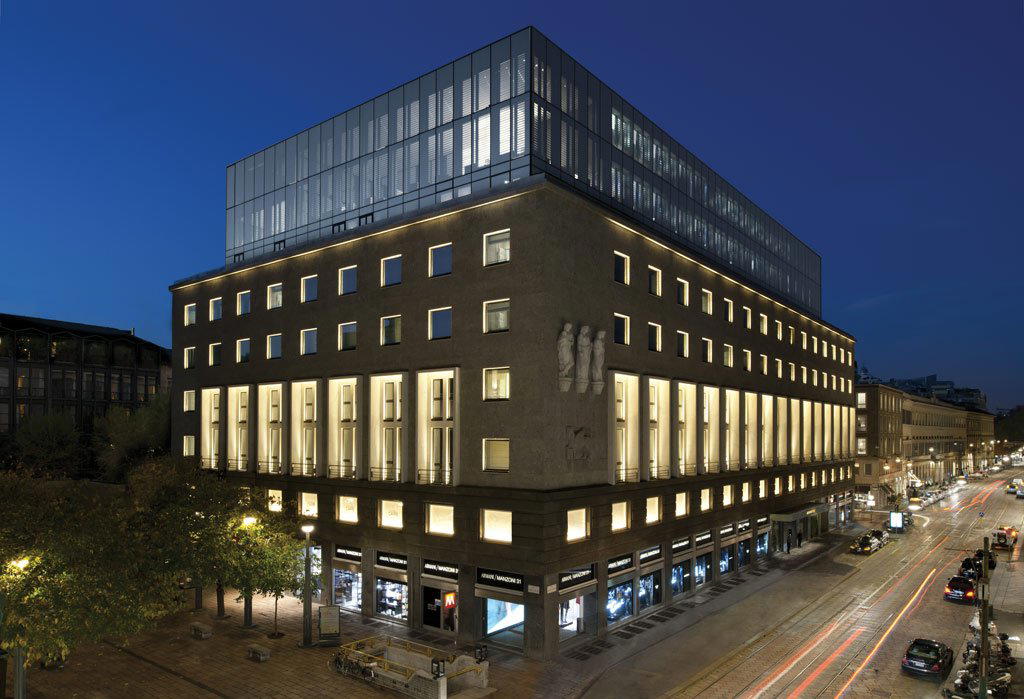
Where Fashion Meets Hospitality on Via Manzoni
Via Alessandro Manzoni is one of Milan's definitive luxury corridors, running north from La Scala through the Quadrilatero della Moda and past the flagship addresses of the houses that shaped Italian style. The Armani Hotel sits at number 31, occupying the upper floors of the building that also holds the Armani flagship store, Armani/Ristorante, and several other brand-affiliated spaces. That vertical integration is not incidental: the property belongs to a category of fashion-house hotels, alongside Bvlgari Hotel Milan a short distance away, where the brand's aesthetic vocabulary is the architectural premise, not a decorative overlay. Guests do not simply stay in a building that happens to reference a fashion house; they stay inside a fully resolved version of that house's design thinking.
Milan's upper hotel tier has consolidated around a recognisable group: Mandarin Oriental Milan, Grand Hotel et de Milan, Hotel Principe di Savoia, and the Armani itself. La Liste's 2026 rankings place Armani Hotel at 90.5 points in the Leading Hotels category, a score that positions it within the leading tier of Milan properties and aligns it with international luxury benchmarks rather than the city's broader four-star market. For a hotel where the brand is the primary differentiator, that score carries a particular kind of weight: it signals that the execution matches the premise.
The Dining Programme: Armani/Ristorante and Its Peers
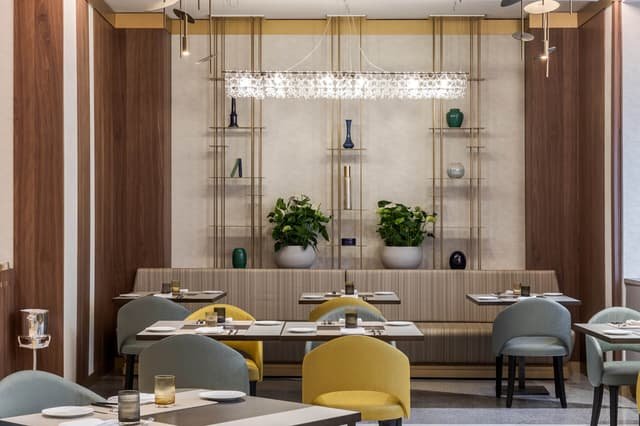
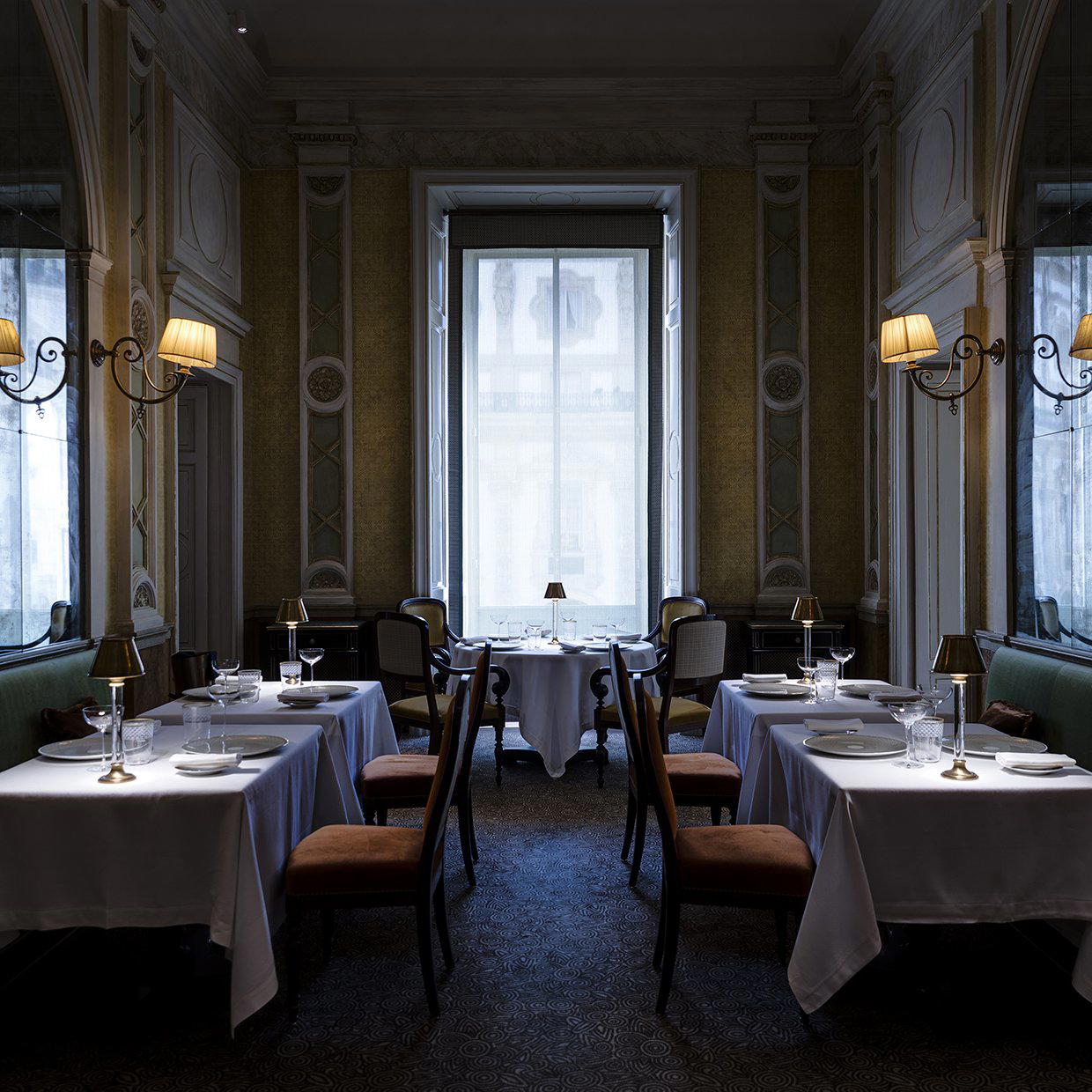
The fashion-house hotel model depends on whether its food and beverage offering functions as a genuine destination or merely as an amenity. In Milan, a city where restaurant culture is serious and where guests at this price point have many external options, a hotel restaurant must compete on its own terms. Armani/Ristorante, positioned within the same Manzoni building complex, is structured as a full-scale dining destination rather than a hotel dining room, which is the distinction that matters in this market.
Milan's dining scene in the Quadrilatero has historically leaned toward formal Italian with international inflections, a format that suits both the fashion-week crowd and the city's own business and cultural elite. The Armani food and beverage spaces operate within that context, drawing on the brand's aesthetic of clean lines and controlled refinement to shape the dining environment as much as the menu. That environmental coherence, where the room, the tableware, and the overall register read as a single authorial statement, is the distinguishing feature of the fashion-house dining model, and it separates these spaces from the more eclectic programming you find at Portrait Milano or the neighbourhood-facing positioning of Vico Milano.
For guests looking to eat beyond the hotel, the Manzoni corridor connects quickly to the broader Brera and Garibaldi dining clusters to the north, and to the historic centre to the south. Our full Milan restaurants guide maps the key options by neighbourhood and format.
Design Logic and Room Configuration
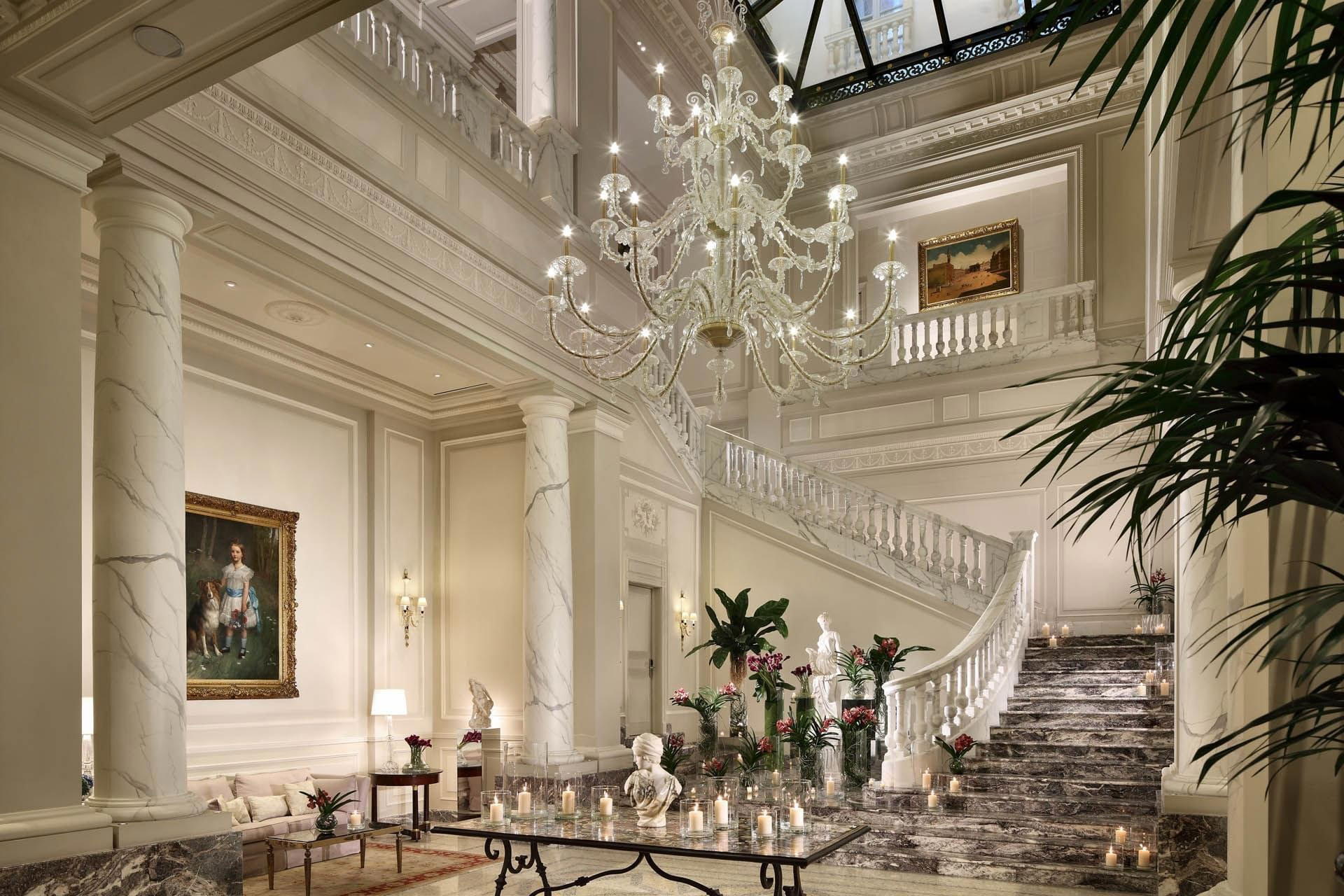
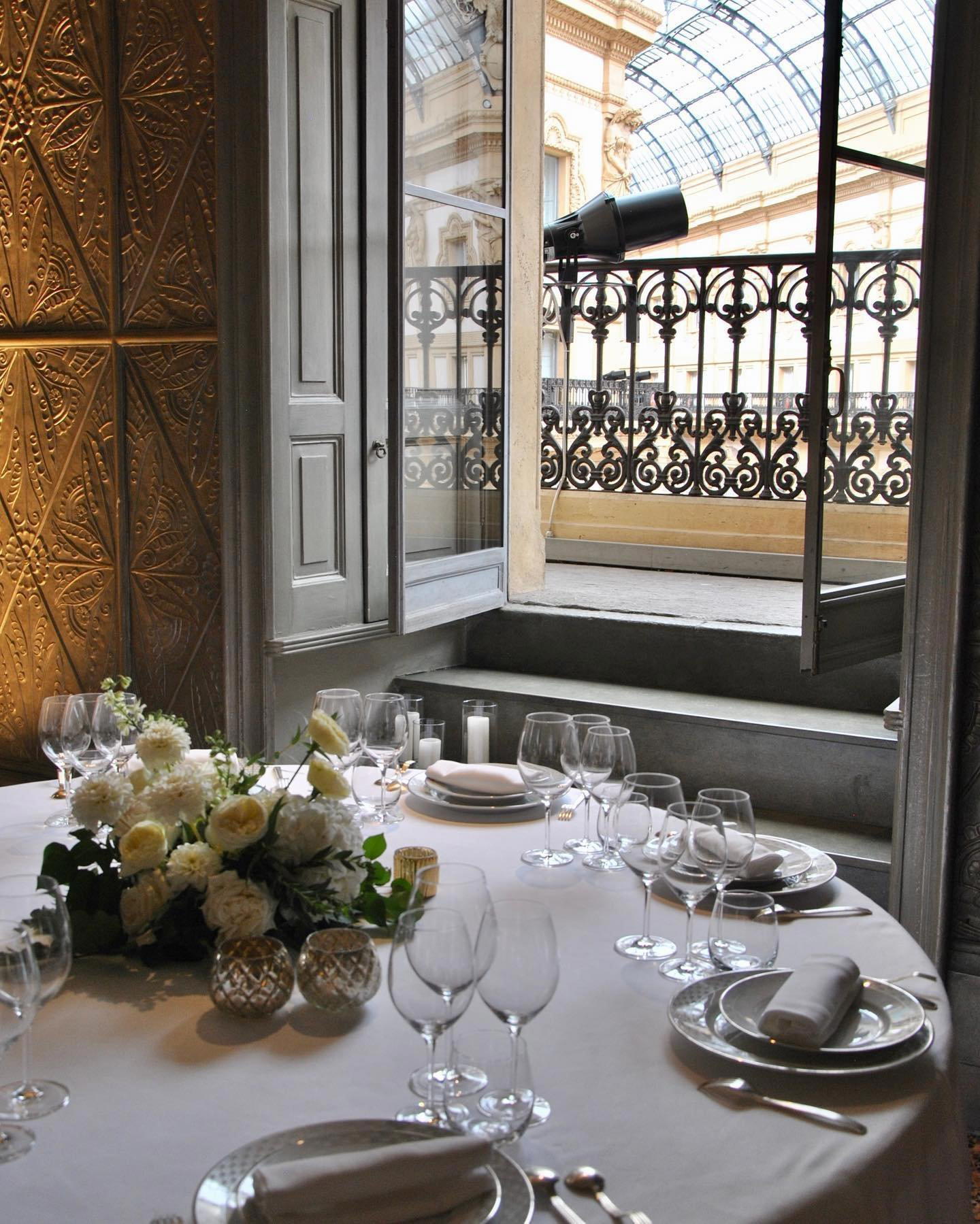
The interiors throughout the Armani Hotel follow the same restrained palette and material precision that defines the wider brand: neutral tones, clean geometries, considered use of natural materials. This is not the maximalist grandeur of the Principe di Savoia or the patrician historicism of the Grand Hotel et de Milan. The Armani aesthetic positions the property as a contemporary exercise in controlled luxury, a point of view that has a clear audience but is not universally preferred. Guests who respond to ornament and historical weight will find more of it elsewhere on Via Manzoni or at the city's older palace hotels.
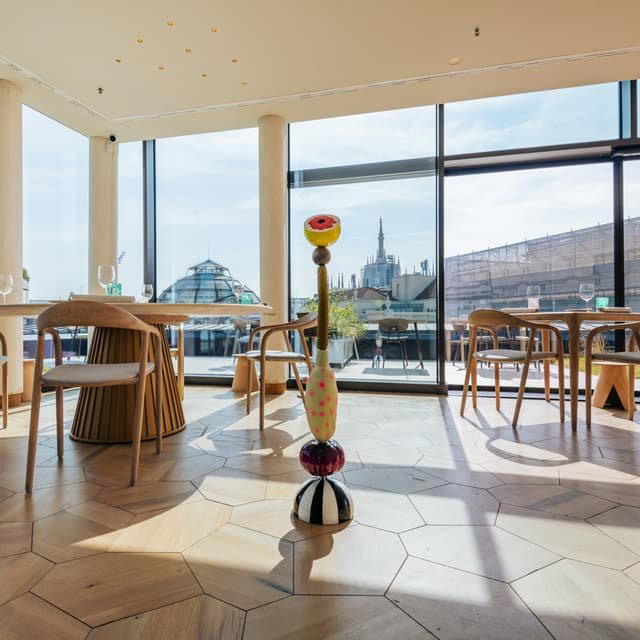
The building's position means that views depend significantly on room orientation and floor level. Given the Manzoni address, higher floors with city-facing outlooks are the clearest draw for premium room categories. Practically, the hotel's location in the Quadrilatero makes it walkable to the Duomo, La Scala, and the main shopping streets, and well-connected to the Montenapoleone metro line for wider city movement.
Milan's Fashion-House Hotels as a Competitive Set
Fashion-house hotel category in Milan is small and internally coherent. Armani and Bvlgari are the two clearest examples, each using their brand's design language as the organising principle of the guest experience. The comparison is instructive: Bvlgari Hotel Milan operates from a different neighbourhood positioning, with a garden and pool that the Armani's urban tower format does not replicate. The choice between them is partly a question of what you want from a Milan base: the jewellery-house property offers a degree of green-space separation from the street; the fashion-house property puts you inside the Quadrilatero at its most concentrated.
Beyond Milan, the fashion-house and brand-affiliated model appears across Italian cities at varying scales. Bulgari Hotel Roma and Aman Venice represent different inflections of the high-design, limited-key approach. Further afield in Italy, the independent luxury tier, Passalacqua on Lake Como, Castello di Reschio in Umbria, Il Pellicano in Porto Ercole, offers a different proposition entirely: place-specific identity rather than brand-consistent identity. The hotel belongs firmly to the latter model, which is a strength for guests whose preference aligns with the brand and a limitation for those who prioritise a hotel that reads as inextricably Milanese rather than inextricably Armani.
Planning Your Stay
Outside those windows, the hotel draws a business and leisure mix that reflects the neighbourhood's dual character as a commercial and cultural corridor. For wider context on the city's hotel options across different formats and neighbourhoods, the EP Club Milan guide maps properties from the Quadrilatero across to Brera, Navigli, and beyond, including 10 Corso Como Café and 3Rooms 10 Corso Como for guests drawn to the Garibaldi design cluster.
Price and Recognition
Comparable venues nearby, for context on price, style, and recognition.
| Venue | Price | Awards | Notes |
|---|---|---|---|
| Armani HotelThis venue — the venue you are viewing | $$$$ | 5-Star | Not listed |
| The Plein Hotel | $$$$ | 5-Star | Brera, Bold designer luxury embodying Philipp Plein's defiant take on Milanese hospitality. |
| Rocco Forte House, Via Manzoni, Milano | $$$$ | 5-Star | Duomo, 19th-century palazzo with private apartments |
| Rosa Grand Milano - Starhotels Collezione | $$$$ | 5-Star | Duomo, Modern luxury hotel with Duomo luxury apartments |
| The Westin Palace, Milan | $$$$ | 5-Star | Stazione Centrale - Ponte Seveso, Modern sanctuary blending classical architecture with 21st-century Milanese design in the heart of Porta Nuova. |
| Armani Hotel Milano | $$$$ | 5-Star | Brera, Contemporary luxury in a historic 1930s building with Armani Casa furnishings. |
Recognition history
Dated appearances from independent guides and award organizations, with the underlying list record or original source where available.
La Liste Top Hotels
La Liste
Continue exploring
More in Milan
Hotels in Milan
Browse all →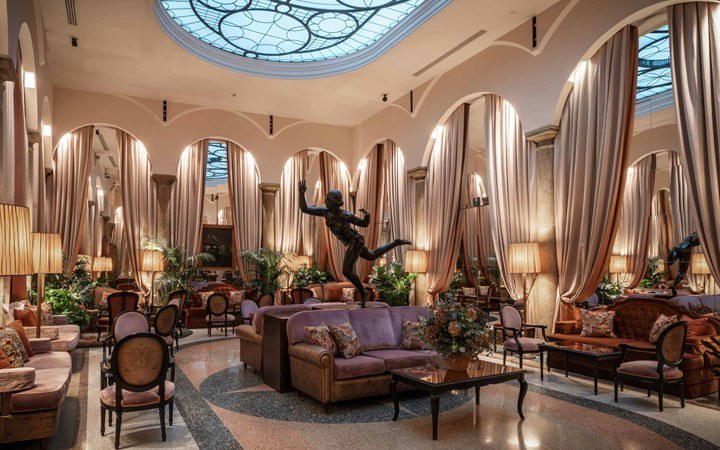
Bars in Milan
Browse all →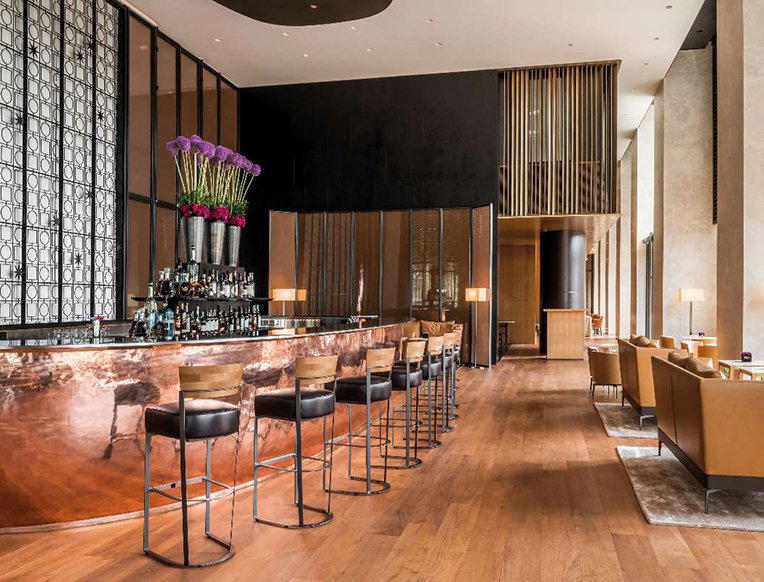
Restaurants in Milan
Browse all →
Wineries in Milan
Browse all →
At a Glance
- Elegant
- Sophisticated
- Modern
- Ornate
- Romantic Getaway
- Business Trip
- Anniversary
- Panoramic View
- Historic Building
- Design Destination
- Spa
- Pool
- Fitness Center
- Room Service
- Concierge
- Wi Fi
- Sauna
- Restaurant
- Skyline
- Spa
- Pool
- Fitness Center
- Room Service
- Concierge
- Wi Fi
- Sauna
- Restaurant
Elegant and serene atmosphere with sophisticated lighting, soundproofed rooms, and panoramic skyline views creating a refined oasis of luxury.