
A family estate on Jl. Umalas Tunon in Canggu, Magia De Uma sits at the intersection of private park serenity and the neighbourhood's restless energy. Framed as a homage to Indonesian heritage and healing, the property draws visitors seeking a quieter relationship with Bali than the surf-and-café circuit typically offers. For those prioritising restoration over activity, it occupies a distinct position in Canggu's lodging mix.
Pearl is the En Primeur Club membership app — saves, bookings, and concierge access live there. Same editors, same standards.
- Address
- Jl. Umalas Tunon No. 8A, Canggu 80361, Indonesia
- Website
- marriott.com
- Directions
- Get directions
 Saves & bookings on Pearl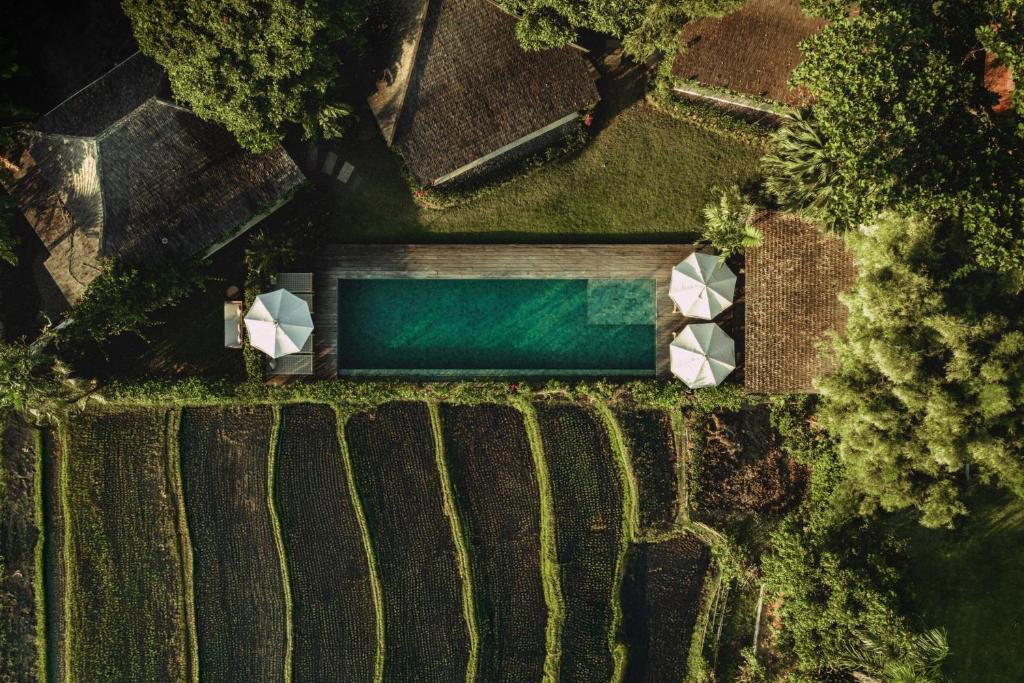
Where Canggu's Energy Meets Its Quieter Counterweight
Canggu has spent the better part of a decade repositioning itself, from a surf village known mainly to long-stay surfers into one of Bali's most densely booked short-stay destinations. That transformation brought coffee shops, co-working spaces, and a hospitality market that now ranges from party-adjacent hostels to design-led boutique properties. Within that range, a smaller cohort of retreats has emerged: properties that treat the neighbourhood's proximity to Seminyak and Denpasar as a logistical convenience rather than a selling point, and that orient their experience inward rather than outward. Magia De Uma, a 5-star hotel in Canggu on Jl. Umalas Tunon No. 8A with 14 rooms and a nightly rate from USD 190, belongs to that cohort.
The estate's framing, a family property conceived as a homage to Indonesian heritage and healing, places it in the same broad category as Bali's tradition of compound-style accommodation, where the design vocabulary of the private home shapes the guest experience more directly than the hotel corridor. That format has deep roots in Ubud, where properties like Mandapa, a Ritz-Carlton Reserve, have refined the model to an internationally recognised standard. In Canggu, where the dominant mode is smaller and less ceremonial, properties like Magia De Uma represent a more intimate, family-scaled interpretation of the same impulse.
The Retreat Mindset at Ground Level
Across Bali's wellness accommodation sector, a distinction has emerged between properties that programme wellness as an amenity list, spa menu, yoga platform, smoothie bowl, and those that treat restoration as an organising principle. Magia De Uma's positioning as a space of healing and heritage suggests the latter approach, where the environment itself is intended to do some of the work. The private park setting described in the property's own framing is part of that logic: green buffer, spatial generosity, and a degree of sensory separation from the street are infrastructure for recovery in a way that a hotel pool is not.
This approach has parallels at other Indonesian properties operating in wellness-adjacent registers. Bambu Indah in Banjar Badung and Desa Seni in Tabanan both use compound architecture and cultural programming to frame rest as something more than the absence of activity. At the other end of the Indonesian archipelago, Nihi Sumba has taken a similar principle, indigenous heritage as the substrate of a luxury wellness experience, and applied it at larger scale and higher price point. The hotel operates in a more domestic register, closer in spirit to the family estate than the destination resort.
Indonesian Heritage as Design Logic
The framing of a property around Indonesian heritage is not decorative in the Bali context, it is a position on what kind of experience the stay is meant to produce. Heritage-oriented properties in Bali typically draw on a vocabulary that includes traditional building materials, ceremonial spatial arrangements, and programming that connects guests to local practice rather than international wellness convention. The healing dimension referenced in the hotel's positioning sits within a Balinese cultural framework in which wellbeing, spiritual practice, and the physical environment are understood as continuous rather than separate. That framework has shaped Bali's hospitality identity at every price level, from village homestays to the Aman properties at Amankila in Manggis.
For travellers whose interest in wellness runs toward cultural specificity rather than generic spa programming, this positioning matters. It suggests an experience calibrated around place rather than procedure, and one that may require less from the guest in terms of scheduling and more in terms of attention.
Canggu's Position in the Bali Wellness Map
Canggu is not the obvious choice for a wellness-oriented Bali stay. Ubud carries the longer-established reputation for retreat culture, and the south's coastline draws surfers and beach-focused visitors. But Canggu's position, accessible from Ngurah Rai International Airport in under an hour in normal traffic, close to Seminyak's restaurant and shopping infrastructure, and increasingly served by its own health-conscious café and studio scene, makes it a pragmatic base for guests who want restoration without complete isolation.
Within the neighbourhood, the accommodation options divide fairly clearly. Properties like COMO Uma Canggu bring international brand infrastructure and a recognised wellness programme. Bliss Sanctuary for Women addresses a specific demographic with a focused retreat format. Smaller design properties including Desa Hay, La Reserve 1785, and The Bohemian Bali occupy the boutique tier. The hotel's family estate format sits somewhat apart from all of these, closer in character to a private villa rental than a conventional hotel stay, which is, for a certain traveller profile, precisely the point.
For those cross-referencing options across Bali more broadly, Hotel Komune in Gianyar and Batur Natural Hot Spring in Kintamani each represent distinct takes on wellness-adjacent Bali stays, the former beach-club-integrated, the latter geothermal and volcanically situated. Alila Villas Uluwatu extends the spectrum toward clifftop luxury.
Planning a Stay
The hotel is located at Jl. Umalas Tunon No. 8A, Canggu 80361, Indonesia. The Umalas area sits at the quieter northern fringe of the Canggu corridor, away from the densest concentration of surf-facing cafés and beach clubs, which contributes to the private park atmosphere the property references. Guests arriving from Ngurah Rai International Airport should expect a drive that varies considerably with Bali's notoriously unpredictable traffic; morning arrivals typically move faster than afternoon ones. Seasonal timing matters in Canggu: the dry season from May through October brings lower humidity and more reliable outdoor conditions, while the wet season months can deliver heavy afternoon rain that changes the texture of any garden-oriented stay.
A Credentials Check
Comparable venues nearby, for context on price, style, and recognition.
| Venue | Cuisine | Price | Awards | Notes |
|---|---|---|---|---|
| Magia De UmaThis venue — the venue you are viewing | Traditional Balinese family estate with contemporary touches | $$$$ | 5-Star | Not listed |
| COMO Uma Canggu | beachfront resort | $$$$ | 5-Star | Canggu |
| Desa Hay | Eco-luxury boutique resort blending traditional Balinese architecture with modern minimalist design, emphasizing sustainability and harmony with nature. | $$$$ | 5-Star | Canggu |
| Bliss Sanctuary for Women Canggu | Luxurious modern Balinese villa with traditional Joglo architecture, Indonesian reclaimed wooden elements, and artisanal furnishings creating an exclusive sanctuary aesthetic. | $$$$ | 5-Star | Canggu |
| The Bohemian Bali | Urban boutique hideaway blending Brutalist architecture with tropical serenity | $$$$ | 5-Star | Canggu |
| Regent Bali Canggu | Modern luxury resort blending traditional Balinese inspirations with contemporary architecture. | $$$$ | 5-Star | Canggu |
Recognition history
Dated appearances from independent guides and award organizations, with the underlying list record or original source where available.
Design Hotels Member
Design Hotels
Continue exploring
More in Canggu
Hotels in Canggu
Browse all →
At a Glance
- Intimate
- Cozy
- Elegant
- Rustic
- Bohemian
- Romantic Getaway
- Wellness Retreat
- Honeymoon
- Private Villa
- Infinity Pool
- Destination Spa
- Garden
- Pool
- Spa
- Wi Fi
- Room Service
- Concierge
- Sauna
- Restaurant
- Garden
- Pool
- Spa
- Wi Fi
- Room Service
- Concierge
- Sauna
- Restaurant
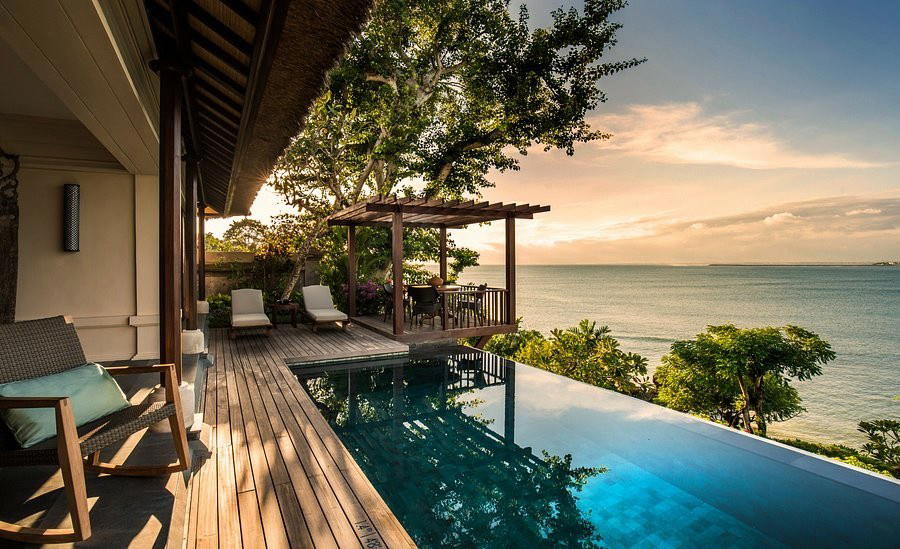
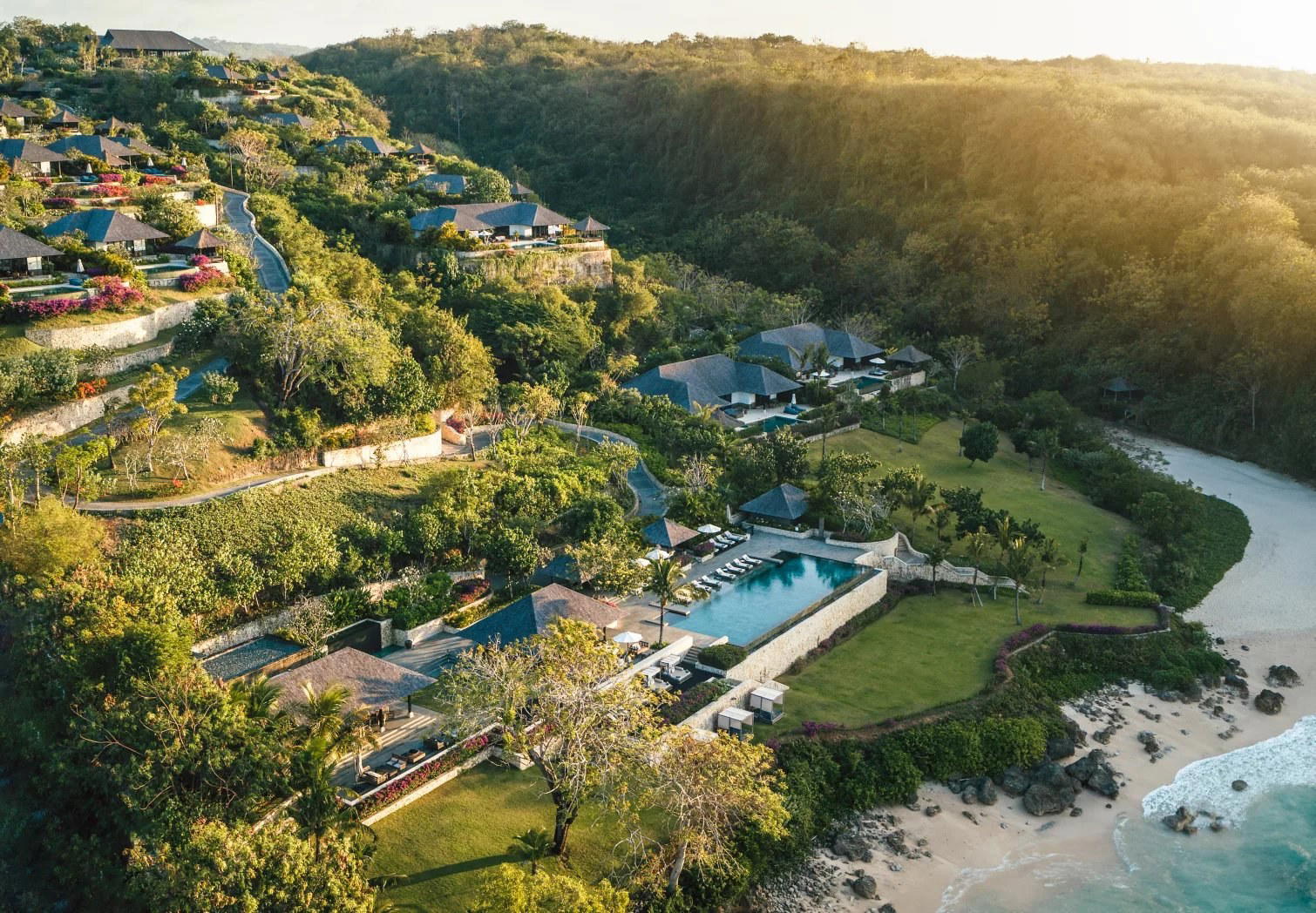
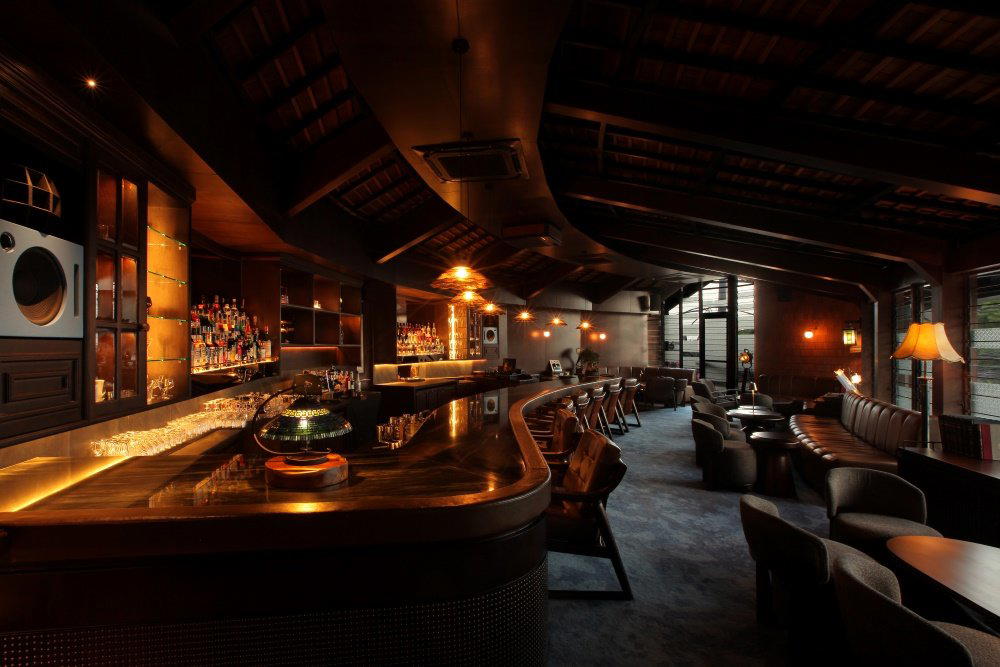
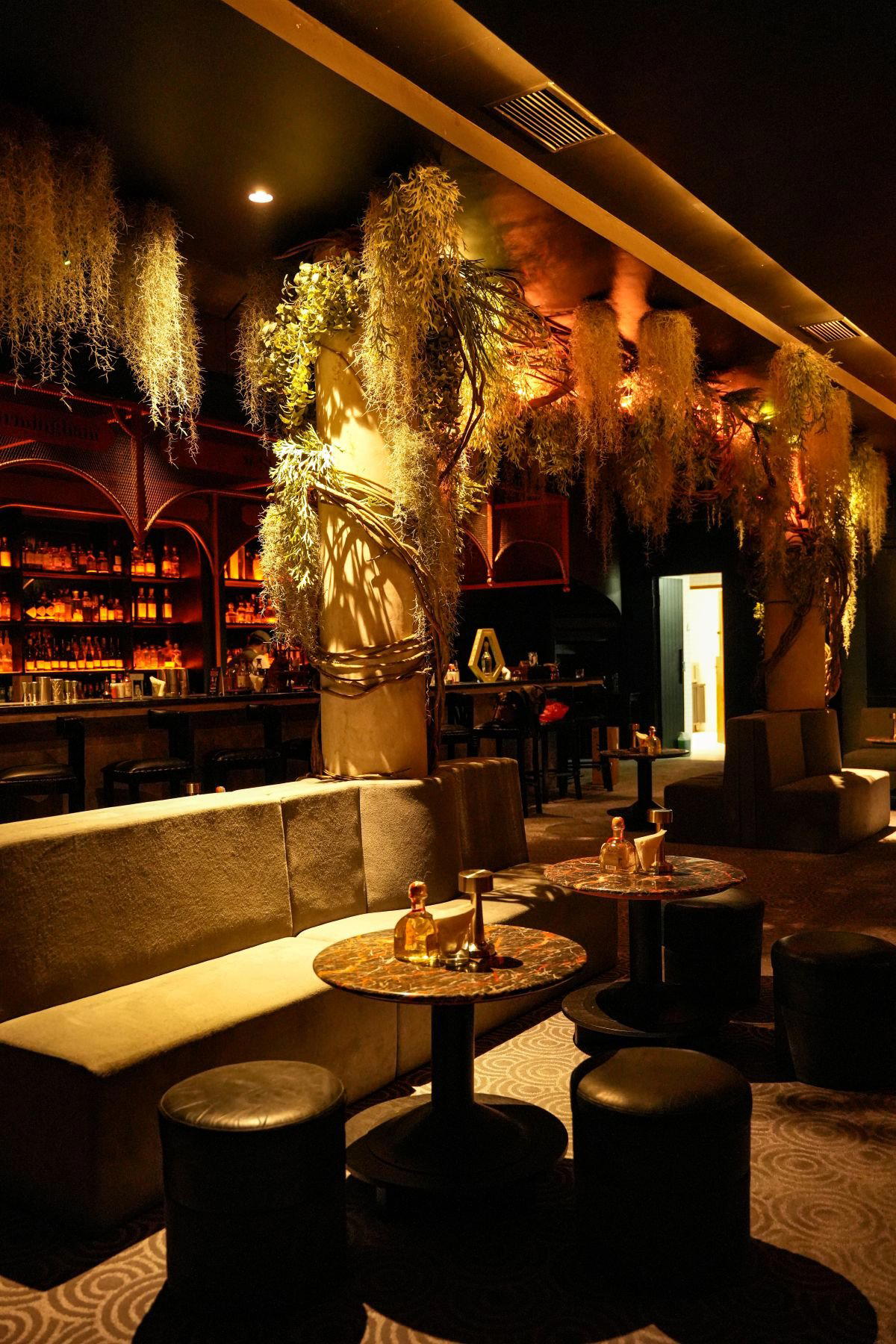
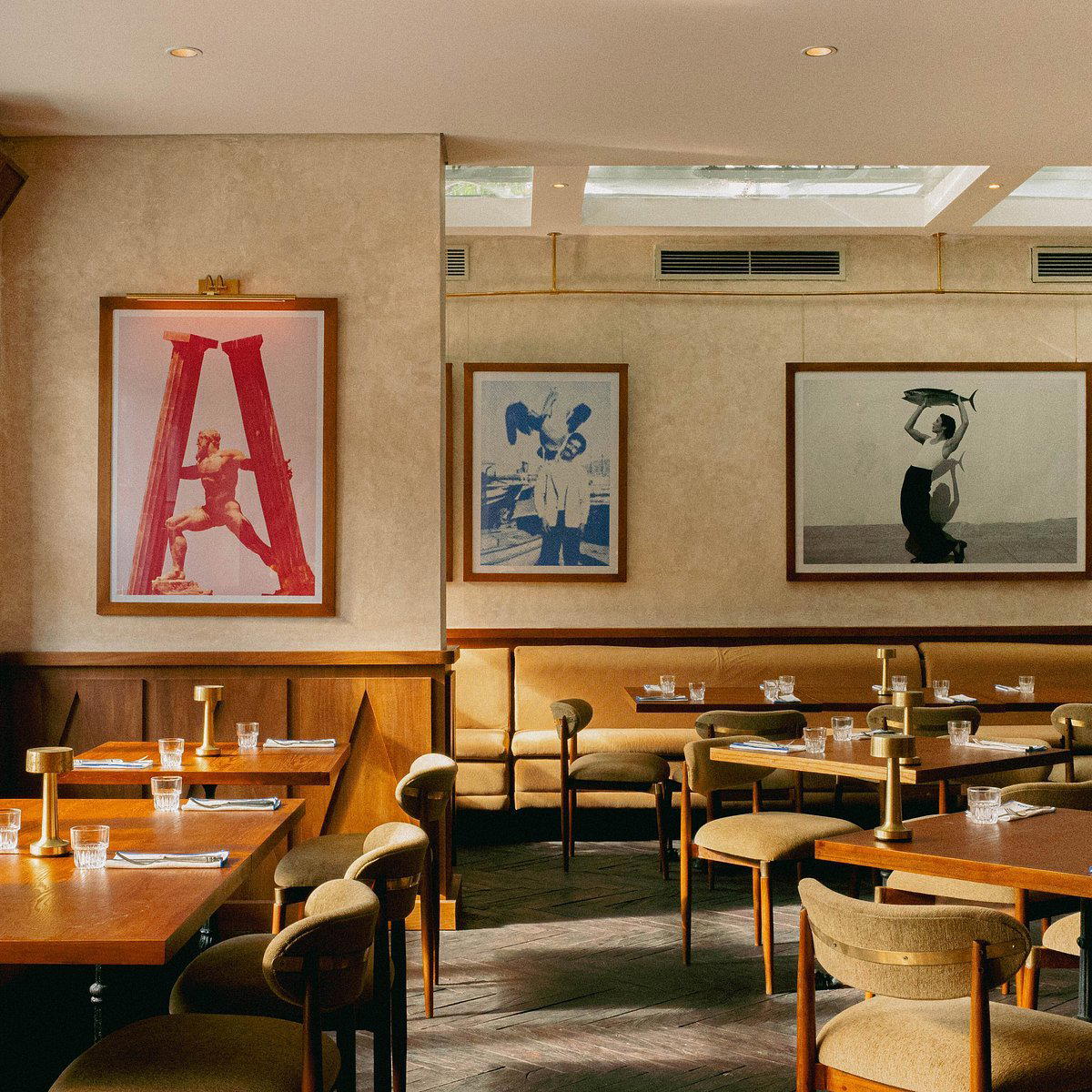
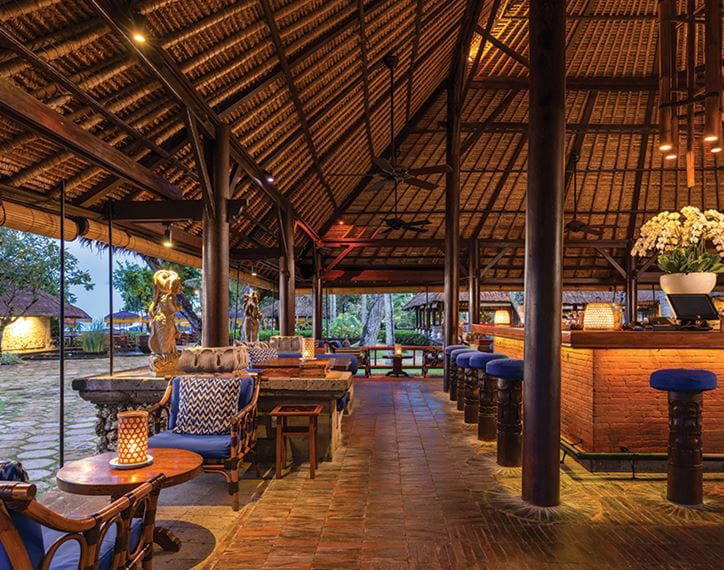
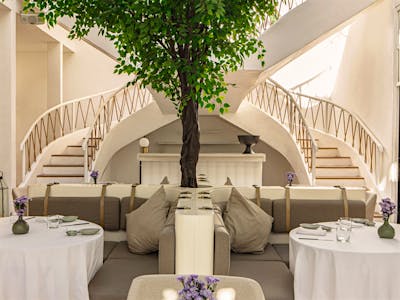
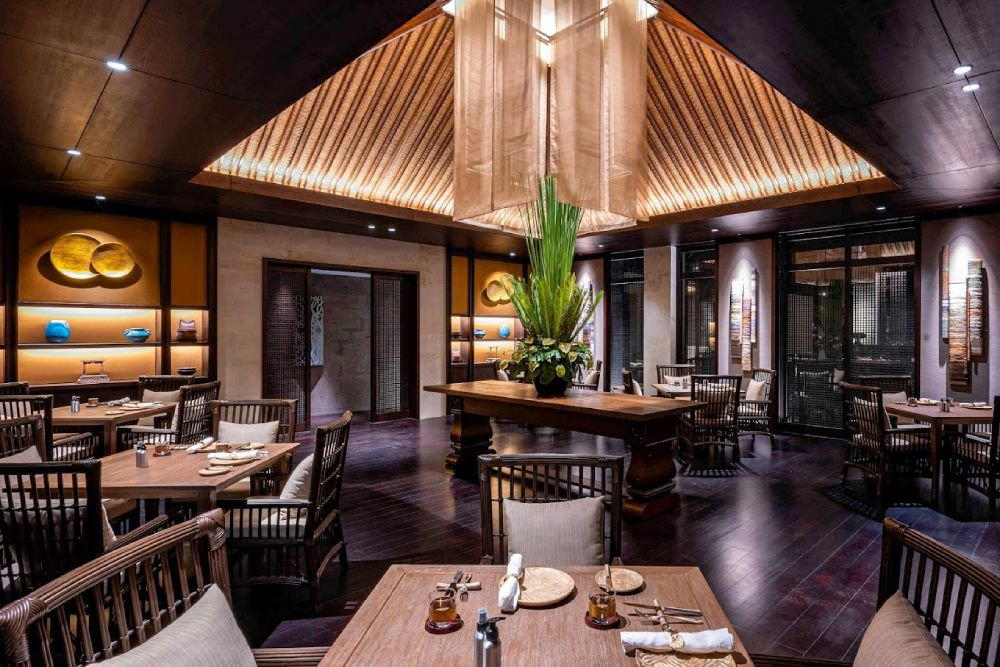
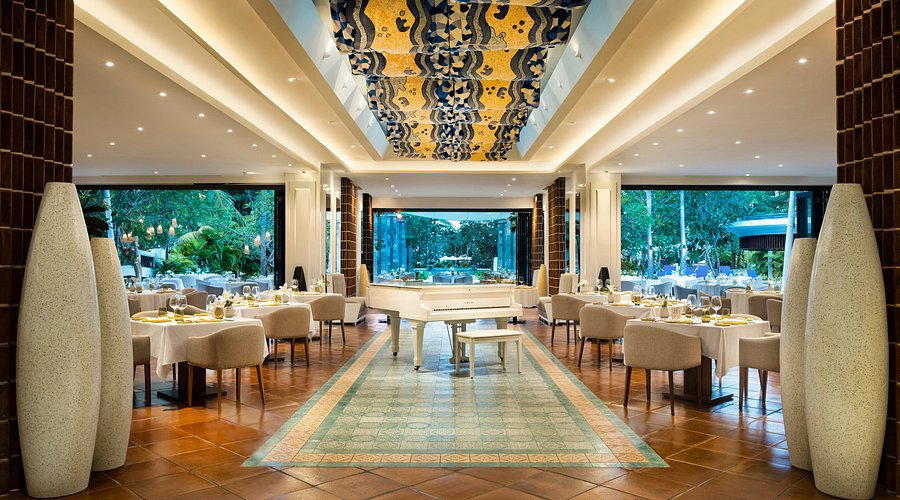
Earthy and muted tones with raw Balinese textures, wooden beams, handmade tiles, and warm authentic decor blending heritage and modern influences.