
1 Michelin Key
A 12-villa compound in the residential neighbourhood of Umalas, Blue Karma Village trades beachfront positioning for something less common in Seminyak's orbit: private villas built around Javanese joglo architecture, each with its own pool, garden, and the kind of indoor-outdoor flow that makes the concept of checking out feel genuinely inconvenient. Rates from $724 per night.

Pearl is the En Primeur Club membership app — saves, bookings, and concierge access live there. Same editors, same standards.
- Address
- Jl. Umalas Klecung Umalas No.38x, Kerobokan Kelod, Kec. Kuta Utara, Kabupaten Badung, Bali 80361
- Phone
- +62 361 6200990
- Directions
- Get directions
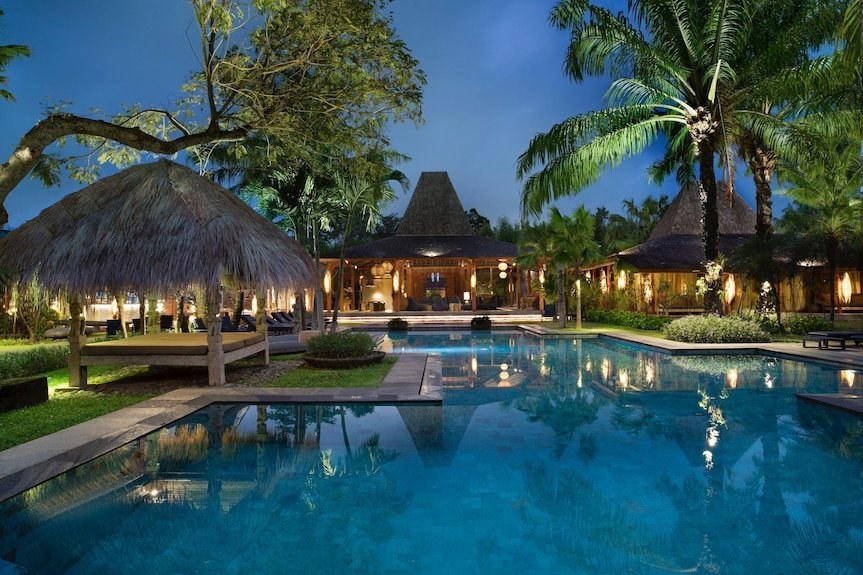
Architecture as Argument: Why Umalas Beats the Beachfront
The premium villa market around Seminyak has, over the past decade, sorted itself into two camps: the large-footprint resort complexes with beach clubs and lobby bars calibrated for Instagram, and the smaller residential compounds that trade spectacle for a more deliberate kind of quiet. Blue Karma Village sits firmly in the second group. Its 12 villas occupy a plot in Umalas, a residential neighbourhood a short drive inland from the coast, and the architectural framework is the joglo, the traditional teak house form native to Java. In a corridor of Bali's south where contemporary luxury resorts follow a fairly predictable template, that decision to look to Javanese vernacular construction rather than international resort design carries genuine weight.
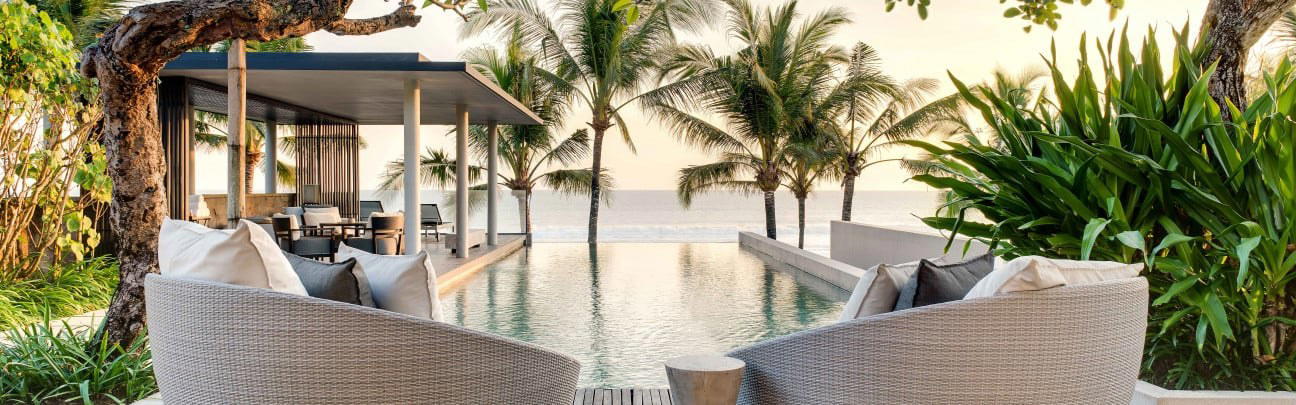
The practical consequence of that choice is a compound that feels more like a private hamlet than a hotel. Interconnecting teak buildings, lotus ponds, and gardens that vary in character across the three villa categories mean that arrival reads less like checking in and more like being handed the keys to someone's exceptionally well-considered home. The resort's complimentary shuttle connects the property to Ngurah Rai International Airport, placing the absence of a beachfront address in its proper context: you are not far from anything, but you are insulated from most of it.
The Three Villas, Ranked by What You Actually Get
Blue Karma Village operates across three freestanding villa categories, each scaling up in space, bedrooms, and the quality of the details. Understanding the differences matters, because the choice is not simply about how many people are travelling.
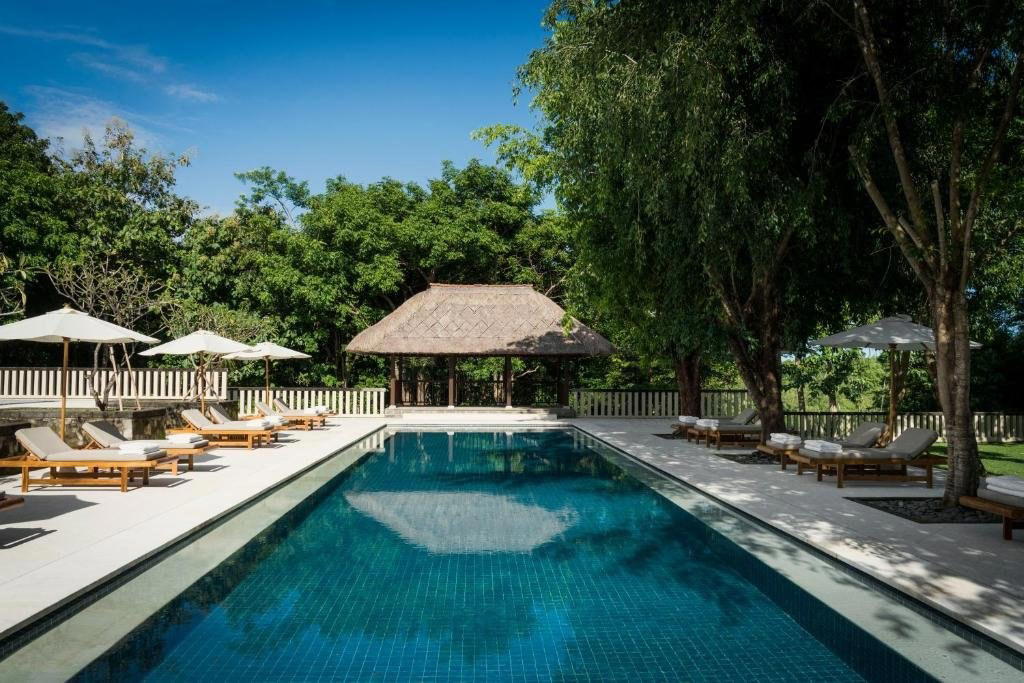
Villa Kalua is the entry point at three bedrooms, and entry point is relative. The villa runs across a series of interconnecting teak structures set around a large garden with a lotus pond. Each of the three bedrooms has its own refrigerator and outdoor shower; one bedroom adds a plunge pool. The clover-shaped swimming pool is shared across the villa, and the fully equipped kitchen means the property can function as a self-contained base for an extended stay. At 12 villas across three categories, the property is small enough that Kalua never feels like the consolation option.
Villa Kayu adds a fourth bedroom and extends the garden, which is laid out according to feng shui principles. The natural stone detailing around the pool and throughout the bathroom sequence gives this villa a more mineral, grounded quality than the warmer teak register of Kalua. If you are travelling as a group of four adults with different schedules, the additional space earns its cost.
Ka Villa reaches five bedrooms and introduces a level of detail, including ornate carved wood statues and an expanse of communal lounge space, that shifts the experience toward something closer to a private residence than a villa rental. The garden here is the property's most developed, and the lounge areas are numerous enough that a group can occupy different corners simultaneously without the compound feeling crowded. At this scale, the question of whether to leave the property at all becomes a live debate.
Service at This Scale: The Logic of 12 Villas
The service model at a 12-villa compound is structurally different from what large resort operations can deliver, and that difference tends to show up in the gaps, the moments that don't appear on any amenity list. At Blue Karma Village, the ratio of staff to guests is high enough that the property can function with the kind of anticipatory attention that larger operations rehearse but rarely achieve consistently. The compound's residential neighbourhood setting in Umalas reinforces this: without a lobby, a beach club, or a restaurant drawing outside visitors through the gates, the staff's entire operational focus sits on the guests inside the compound.
That orientation toward the in-villa experience is what makes the property most useful as a comparison point to larger operations in Seminyak's orbit. Properties like Seminyak Bali Resort or Potato Head Suites & Studios in Seminyak offer a fuller amenity stack with beach access and on-site dining, but the trade is density and a guest profile that includes day-visit traffic. Blue Karma Village's 12-villa ceiling keeps the compound genuinely private in a way that those properties cannot replicate. For comparison at the more architecturally ambitious end of Bali's villa market, Bambu Indah in Banjar Badung pursues a similar vernacular-architecture logic, while Berawa Village offers a residential-neighbourhood alternative slightly further along the coast.
Umalas, Seminyak, and What the Location Actually Means
Umalas sits between Seminyak and Canggu, close enough to the former's shopping streets and cocktail bars to reach them in minutes, far enough away that neither bleeds into the villa compound.
For guests who want periodic access to Seminyak's density, the proximity works. For guests who might otherwise consider properties further afield, including Mandapa, a Ritz-Carlton Reserve in Ubud or Desa Seni Baturiti in Tabanan, the Blue Karma Village proposition is clear: Javanese architectural authenticity and residential privacy, without the drive times that cultural immersion in the island's interior demands.
Guests prioritising direct beach access from a similar residential-compound format might also consider REVĪVŌ Wellness Resort Nusa Dua Bali, which addresses a different brief in the wellness-forward segment, or look further afield to Nihi Sumba in Sumba for a more remote, nature-led version of the private-compound model. For broader Badung context across categories, our full Badung restaurants and hotels guide maps the region's options by neighbourhood and type.
Planning Your Stay
Rates at Blue Karma Village start at $724 per night. The property enforces a two-night minimum stay during November and December, the shoulder period leading into Bali's peak festive season, when the south of the island fills quickly. The complimentary airport shuttle removes the friction of the Ngurah Rai arrival, which is useful for guests arriving with luggage for a multi-week stay. Given the villa format and private-pool setup, the property suits extended stays better than quick transits; the fully equipped kitchens in each villa make self-catering a genuine option rather than an emergency fallback. Enquire directly about villa availability rather than relying on third-party platforms, where availability windows are often narrower than the property's actual calendar.
Cuisine Context
Comparable venues nearby, for context on price, style, and recognition.
| Venue | Cuisine | Price | Awards | Notes |
|---|---|---|---|---|
| Blue Karma VillageThis venue — the venue you are viewing | Boutique resort created from three Balinese villas with formal tropical gardens and private joglos. | Not listed | 1 Michelin Key | Not listed |
| Seminyak Bali Resort | Suite and villa-only luxury beach resort | $300–500 | World Luxury Hotel Awards WLHA Country Winner | Seminyak |
| Berawa Village | modern apartment complex | $100–200 | Not listed | Berawa |
| COMO Uma Canggu | Contemporary beachfront resort blending modern Asian architecture with Balinese elements | $300–500 | Michelin Selected · Mr & Mrs Smith Seal of Approval | Canggu |
| REVĪVŌ Wellness Resort Nusa Dua Bali | Balinese luxury wellness suites and villas | $300–500 | 1 Michelin Key · Small Luxury Hotels of the World Member | Nusa Dua |
| o | blend of midcentury modern and boho-chic with traditional Balinese craftsmanship | Not listed | Not listed | Canggu |
Recognition history
Dated appearances from independent guides and award organizations, with the underlying list record or original source where available.
Michelin 1 Key
Michelin
Full recognition history (2 entries)
Michelin 1 Key
Michelin
Continue exploring
More in Badung
Hotels in Badung
Browse all →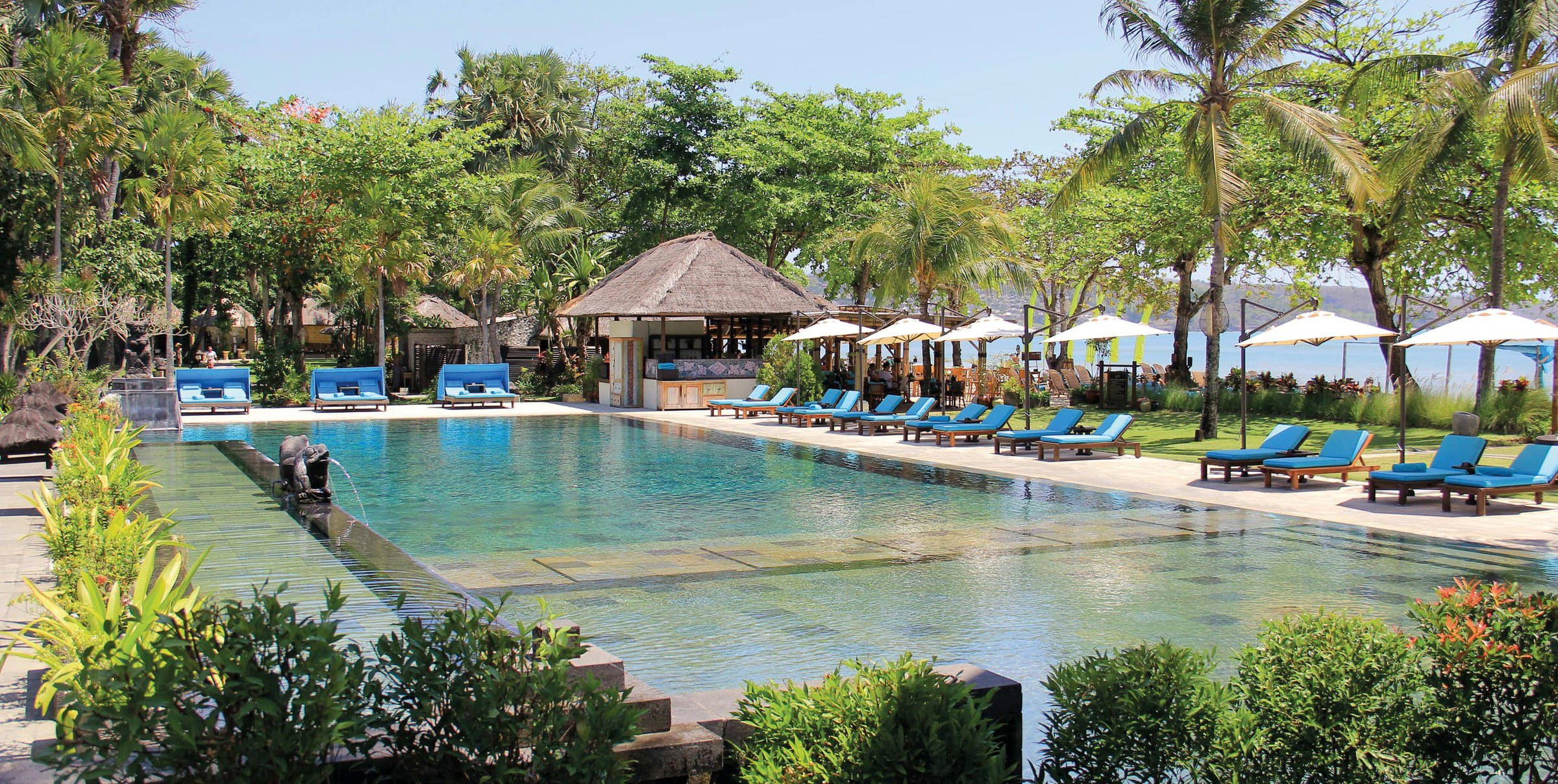
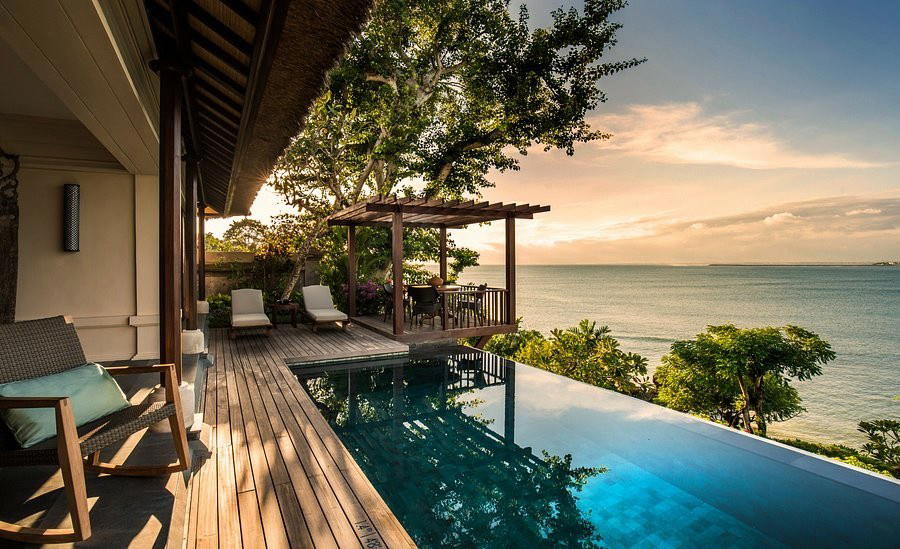
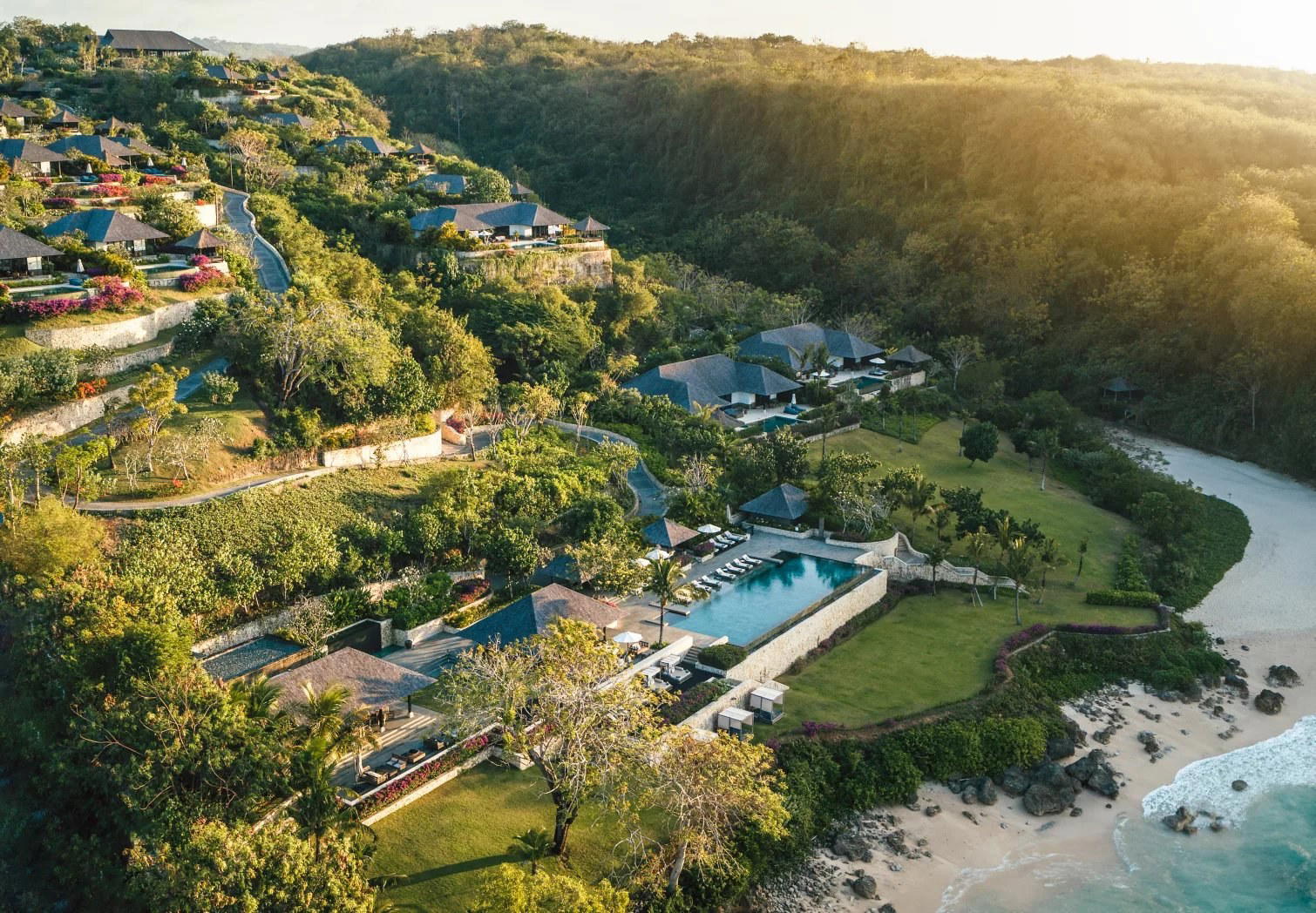
Details
- Quiet
- Scenic
- Cozy
- Bohemian
- Intimate
- Romantic Getaway
- Honeymoon
- Wellness Retreat
- Weekend Escape
- Private Villa
- Infinity Pool
- Panoramic View
- Garden
- Pool
- Spa
- Wi Fi
- Restaurant
- Room Service
- Concierge
- Garden
- Garden
Serene and peaceful with lush greenery, palm trees, and a spiritual, nurturing atmosphere well-suited for relaxation and disconnection.