

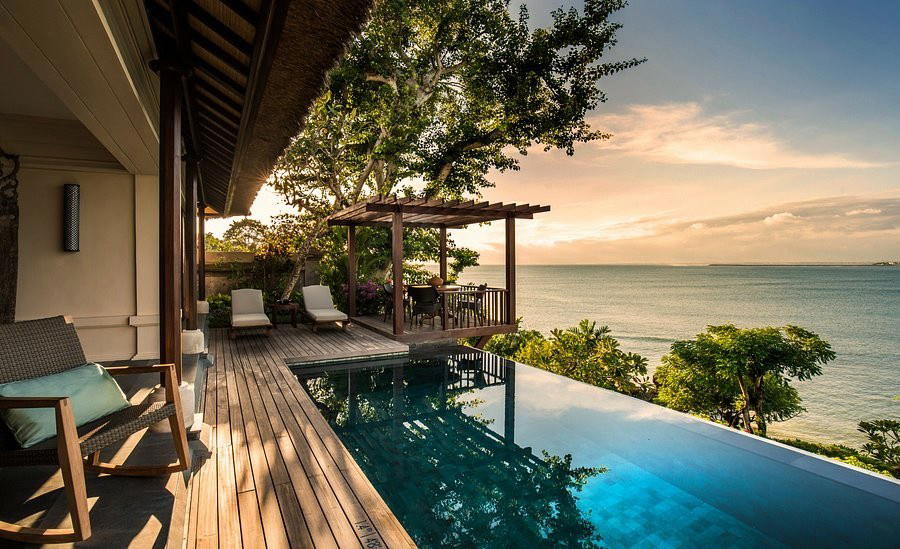
Six private Jabu villas set among forest gardens in the Pererenan-Tumbakbayuh corridor place Desa Hay firmly in Canggu's quieter, design-led accommodation tier. The property sits between the surf-side bustle of central Canggu and the rice-paddy stillness of Mengwi, offering a low-key, nature-integrated stay that trades volume for considered detail.
Pearl is the En Primeur Club membership app — saves, bookings, and concierge access live there. Same editors, same standards.
- Address
- Jl. Raya Tumbakbayuh - Pererenan, Canggu, Kec. Mengwi, Kabupaten Badung, Bali 80361
- Phone
- +62 877-8090-2669
- Website
- desahay.com
- Directions
- Get directions
 Saves & bookings on Pearl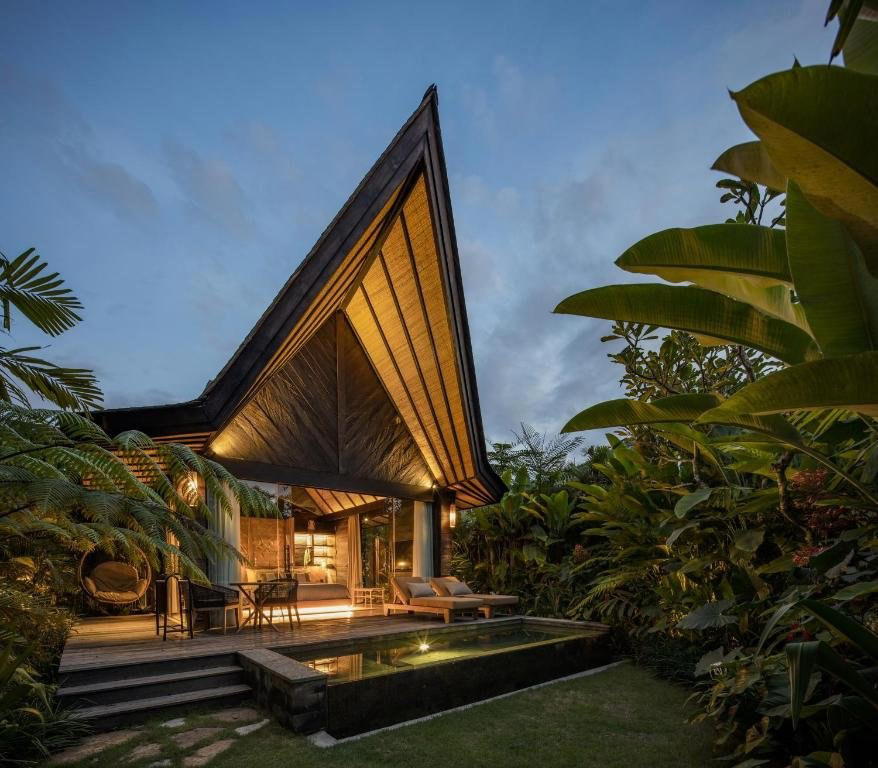
Where Canggu's Green Fringe Begins
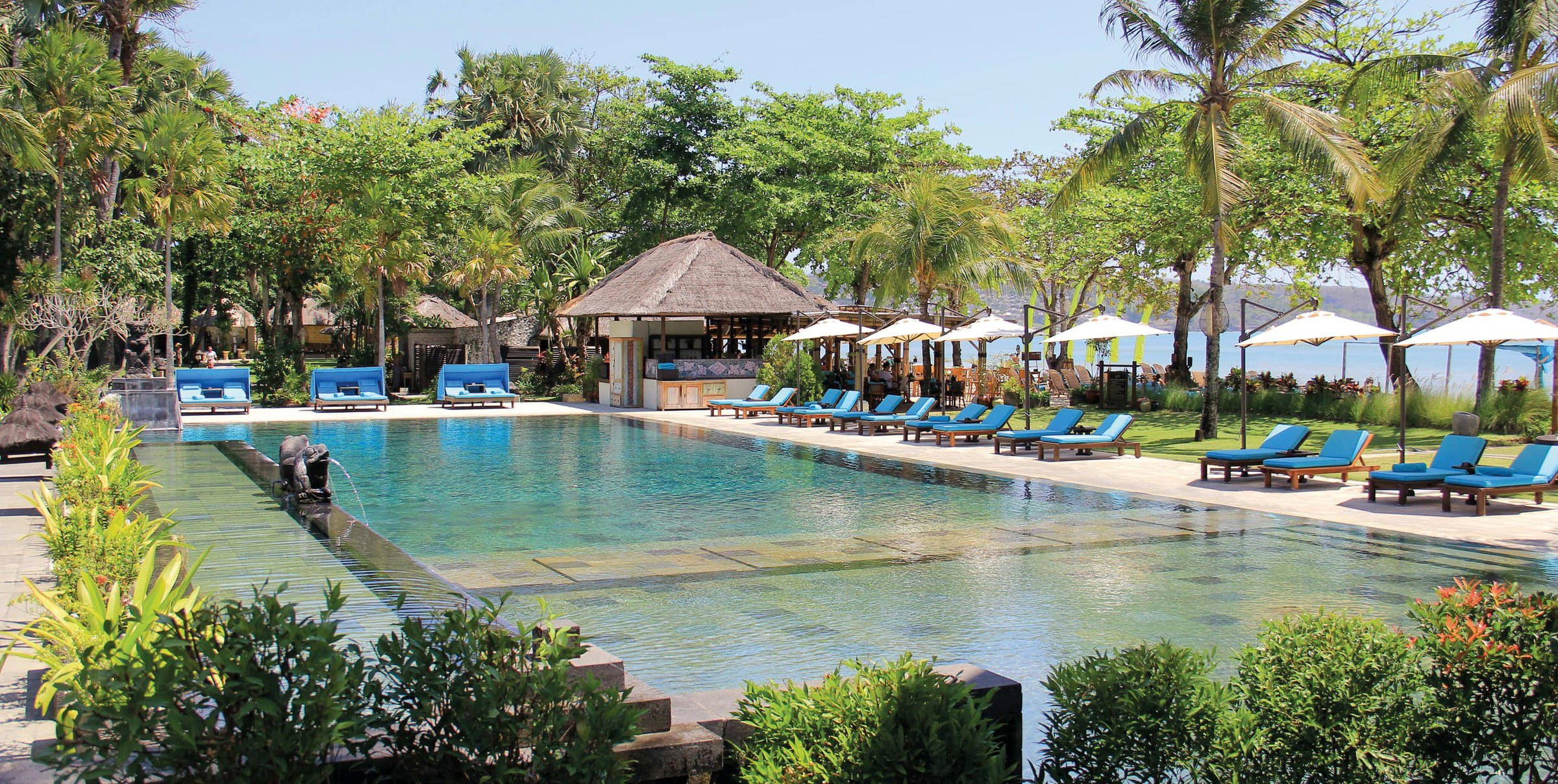
The stretch of road between Tumbakbayuh and Pererenan marks a particular inflection point in Bali's most written-about coastal corridor. Here, Canggu's cafe-and-surf energy gives way to something slower: wider tree canopy, fewer motorbikes, and a quality of late-afternoon light that the denser southern end of the strip rarely produces. Desa Hay occupies this transitional zone, sitting within Kabupaten Badung's broader reach while remaining close enough to Canggu's coffee shops and beach clubs to make them optional rather than unavoidable. It is a five-star hotel in Pererenan, Bali, with six villas.
The Villa Format and What It Signals
Bali's accommodation spectrum now runs from high-rise resort towers in Nusa Dua to single-room treehouses in the interior, and the critical sorting mechanism is not price bracket but operational philosophy. Properties with six villas or fewer tend to commit to a specific logic: every arrival is anticipated, every preference is logged after the first exchange, and the staff-to-guest ratio allows for something closer to hosted hospitality than hotel service. Desa Hay's six Jabu villas place it squarely in this low-inventory category, where the constraint of scale becomes its primary service advantage. Compare that approach to COMO Uma Canggu, which operates at larger volume with a correspondingly more structured, brand-driven guest experience, or Bliss Sanctuary for Women Canggu, which channels intimacy into a wellness-specific programme. Desa Hay's version of intimacy is garden-rooted and architecturally quiet, built around the Jabu villa as a self-contained environment rather than a room inside a larger machine.
The Jabu form itself references Balinese compound vernacular, where living structures are distributed across a garden rather than stacked. The design vocabulary at the hotel draws on that tradition while incorporating the material details that signal deliberate luxury: what the property describes as a keen eye for luxurious details within a framework of harmony with nature. In practice, this is the kind of design language that rejects surface maximalism in favour of texture, material weight, and considered proportion. It aligns the hotel with a peer group that includes Bambu Indah in Banjar Badung and Desa Seni Baturiti in Tabanan, both of which use craft and garden architecture as the primary guest experience rather than amenity stacking.
Service at This Scale: The Logic of Anticipation
When a property has six villas, service philosophy is not a differentiator, it is the product. The mechanics of anticipatory service at this inventory level work differently from a 100-key resort. Staff can build a working knowledge of each guest's patterns within the first twelve hours, meaning that preferences communicated once should not need repeating. Morning routines, dietary specifics, preferred timing for turndown, and the level of interaction a guest wants from the team are all details that a six-villa operation can hold and act on without systems infrastructure, purely through attentive staffing. This is the operational advantage that larger properties like Mandapa, a Ritz-Carlton Reserve in Ubud or Nihi Sumba attempt to replicate through intensive butler training programmes, but which smaller properties achieve structurally.
The hotel's scale offers something meaningfully different. The garden setting reinforces this: verdant gardens are not merely decorative. They set a pace for the stay, one that slows the guest's metabolic tempo and creates natural transition points where staff can read the room without intrusion.
The Pererenan Position in Canggu's Property Market
Canggu's accommodation market has stratified considerably in recent years, with the original surf-lodge tier giving way to a mid-market apartment-style cluster and, above that, a smaller cohort of design-serious boutique properties. Pererenan and its surrounding sub-districts represent the geographic direction that the design-led cohort has moved toward, partly because land prices and density remain lower than in central Canggu, and partly because the green-forest environment is a genuine raw material for a nature-integrated design concept. La Reserve 1785 and Magia De Uma operate in the same geographic and conceptual zone, offering Canggu stays that trade beach proximity for quieter, more considered environments. The Bohemian Bali represents a different expression of the same impulse, leaning into artistic character over garden architecture. Together, these properties define an emerging sub-category within Canggu: properties that use the area's natural periphery as an amenity in itself.
For comparison across Bali's broader boutique spectrum, the contrast with south-coast scale is instructive. Alila Villas Uluwatu and VOUK Hotel and Suites Bali in Nusa Dua occupy the architecturally dramatic, amenity-dense end of the island's accommodation range. The hotel's proposition is almost opposite in orientation: fewer keys, more garden, a quieter relationship between structure and landscape.
Planning a Stay: Practical Context
The hotel sits on Jl. Raya Tumbakbayuh in Pererenan, within Kecamatan Mengwi, Kabupaten Badung. The address places it north and slightly inland from central Canggu, accessible by the standard Bali transport options of private driver or ride-hailing app. Given the property's forest-garden character and the intimacy of its six-villa layout, advance booking is recommended. Guests looking for reference points elsewhere in Indonesia might also consider Kampung Sampireun Resort and Spa in Garut or Batur Natural Hot Spring in Kintamani for similarly nature-forward formats in different island contexts.
Cuisine Lens
Comparable venues nearby, for context on price, style, and recognition.
| Venue | Cuisine | Price | Awards | Notes |
|---|---|---|---|---|
| Desa HayThis venue — the venue you are viewing | Eco-luxury boutique resort blending traditional Balinese architecture with modern minimalist design, emphasizing sustainability and harmony with nature. | $$$$ | 5-Star | Not listed |
| COMO Uma Canggu | beachfront resort | $$$$ | 5-Star | Canggu |
| Regent Bali Canggu | Modern luxury resort blending traditional Balinese inspirations with contemporary architecture. | $$$$ | 5-Star | Canggu |
| Magia De Uma | Traditional Balinese family estate with contemporary touches | $$$$ | 5-Star | Canggu |
| The Bohemian Bali | Urban boutique hideaway blending Brutalist architecture with tropical serenity | $$$$ | 5-Star | Canggu |
| Bliss Sanctuary for Women Canggu | Luxurious modern Balinese villa with traditional Joglo architecture, Indonesian reclaimed wooden elements, and artisanal furnishings creating an exclusive sanctuary aesthetic. | $$$$ | 5-Star | Canggu |
Recognition history
Dated appearances from independent guides and award organizations, with the underlying list record or original source where available.
Michelin Selected
Michelin
Small Luxury Hotels of the World Member
Small Luxury Hotels of the World
Continue exploring
More in Canggu
Hotels in Canggu
Browse all →
At a Glance
- Romantic
- Quiet
- Elegant
- Scenic
- Intimate
- Honeymoon
- Romantic Getaway
- Wellness Retreat
- Anniversary
- Private Villa
- Garden
- Terrace
- Destination Spa
- Private Dining
- Pool
- Spa
- Wi Fi
- Restaurant
- Room Service
- Concierge
- Massage
- Bicycle Rental
- Garden
- Pool
- Spa
- Wi Fi
- Restaurant
- Room Service
- Concierge
- Massage
- Bicycle Rental
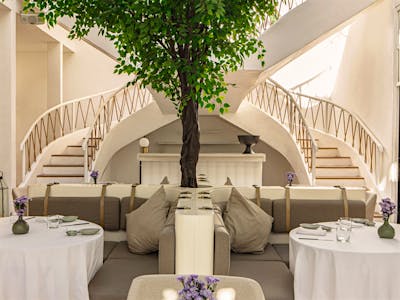
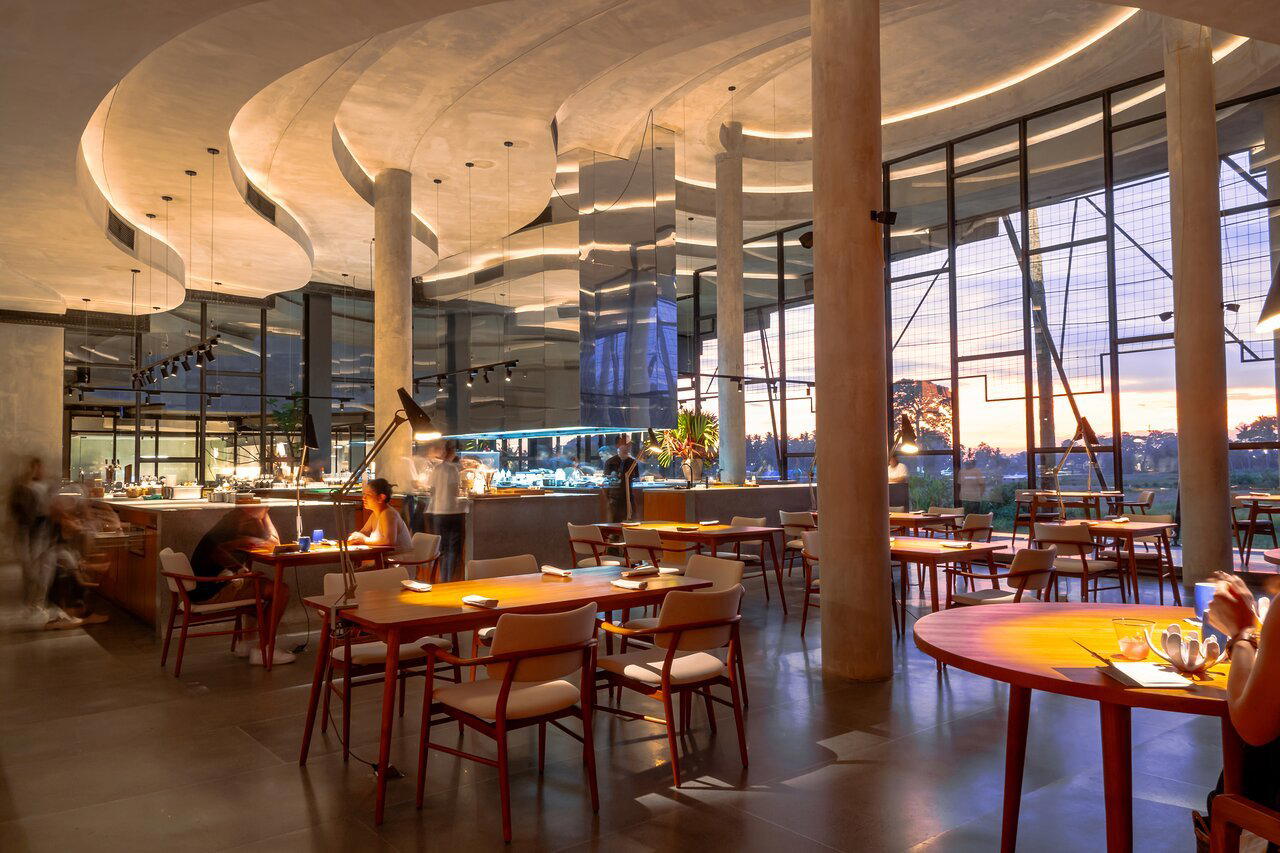
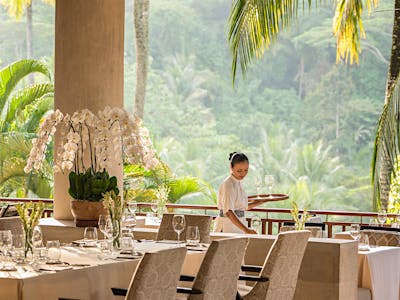
Serene and tranquil with natural materials, soft lighting from fairy lights and Nordic-style LED lamps, surrounded by lush tropical gardens with the gentle sounds of water and birdsong.