
Where Canggu's creative energy meets Balinese architectural tradition, The Bohemian Bali on Jl. Pantai Batu Bolong occupies a deliberate position between raw industrial texture and the island's older craft sensibility. It sits in the mid-tier of Canggu's design-led accommodation scene, drawing visitors who want neighbourhood immersion over resort isolation. The surrounding street remains one of the area's most walkable corridors for cafes, surf breaks, and rice-paddy paths.
Pearl is the En Primeur Club membership app — saves, bookings, and concierge access live there. Same editors, same standards.
- Address
- Jl. Pantai Batu Bolong No.21, Canggu, Kec. Kuta Utara, Kabupaten Badung, Canggu 80351, Indonesia
- Website
- marriott.com
- Directions
- Get directions
 Saves & bookings on Pearl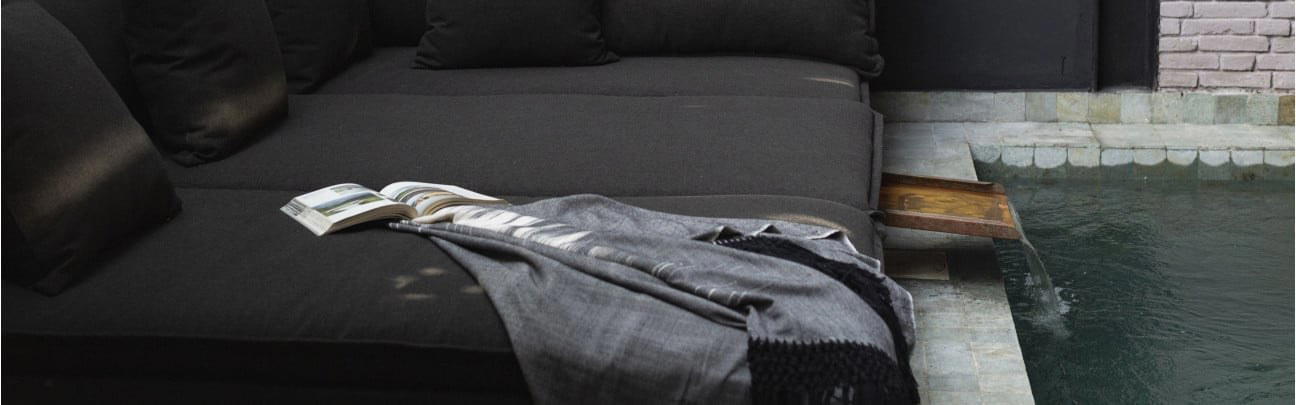
Industrial Rawness and Balinese Craft: Where Canggu's Two Identities Converge
Batu Bolong Road has become the connective tissue of modern Canggu. The strip running parallel to the black-sand break at Batu Bolong beach concentrates the neighbourhood's competing impulses in a single walkable stretch: surf-school shutters beside hand-carved temple gates, cold-brew cafes operating out of repurposed rice barns, guesthouses that signal their aesthetic allegiances through exposed concrete and woven bamboo in roughly equal measure. The Bohemian Bali, addressed at number 21 on that street, is a 5-star hotel in Canggu, Bali, with 6 rooms and a recommended reservation policy.
That positioning is less accidental than it sounds. Canggu's design-led accommodation tier has spent the better part of a decade splitting into two recognisable camps: properties that anchor themselves to Balinese vernacular craft, and those that import a harder, more globally legible industrial language. The more interesting addresses sit at the friction point between both. The Bohemian Bali's described character, a pairing of industrial rawness with what its reputation frames as Balinese serenity, places it in that friction-point cohort alongside a handful of other Canggu properties working the same productive contrast. For context, COMO Uma Canggu approaches the same neighbourhood from a higher price bracket and a more polished wellness infrastructure, while Desa Hay and Magia De Uma each carve out their own design identities within similar blocks.
The Architectural Argument Being Made Here
The specific design language of industrial rawness paired with Balinese serenity carries a traceable logic in the context of the island's building history. Bali's traditional compound architecture, the pekarangan system of enclosed family courtyards with pavilions distributed across a walled plot, has always treated enclosure as a prerequisite for calm. Walls and gates are not decorative features but organisational ones: they separate the sacred from the profane, the private from the street. When contemporary Canggu properties adopt exposed concrete or metal frameworks, they are typically layering a 21st-century material language over spatial principles that predate tourism on the island by centuries.
The Bohemian Bali's framing as a quiet oasis within the Canggu scene reads as a direct reference to this enclosure logic. The street address on Batu Bolong places the property within walking distance of the beach break and the neighbourhood's busiest cafe corridor, which means the oasis quality, if it holds, is earned through deliberate design rather than remote location. That is a harder architectural problem to solve than simply building away from noise, and it is the more interesting one for travellers who want access to the neighbourhood without being consumed by it.
Comparable properties that have worked this problem successfully in different parts of Bali include Bambu Indah in Banjar Badung and Desa Seni Baturiti in Tabanan, both of which use traditional Javanese and Balinese structural elements to create enclosure within otherwise accessible surroundings. At the upper end of the island's spectrum, Mandapa, a Ritz-Carlton Reserve in Ubud and Amankila in Manggis achieve the same separation at considerably higher price points and in more geographically remote settings.
Canggu's Seasonal Logic and When to Arrive
Bali's dry season runs from approximately May through October, with the shoulder months of May and September offering one reliable combination of reduced rainfall and thinner visitor numbers compared to the July and August peak. For a Batu Bolong address, this seasonal calculus matters in specific ways: the beach break at Batu Bolong is most consistent from June through August, drawing a surfing crowd that raises prices and compresses availability across the neighbourhood's smaller properties. Travellers with flexibility should consider the late May or early September window, when conditions remain workable and the street operates at a more human pace.
The wet season, November through March, brings afternoon downpours that are often short but heavy. Canggu's low-lying areas around the rice paddies can flood briefly. A property on Batu Bolong, positioned between the beach road and the inland paddy paths, sits in a zone that drains reasonably well compared to some of the neighbourhood's backstreets, though this is general geography rather than a venue-specific claim.
Placing The Bohemian Bali in the Canggu Accommodation Tier
The Canggu accommodation market has fragmented considerably since the neighbourhood began its transition from rice-farming village to creative hub around 2010. The current spread runs from budget surf hostels in the Berawa area through to the internationally flagged COMO Uma Canggu at the higher end, with a dense middle tier of design-conscious smaller properties occupying the space between. Bliss Sanctuary for Women Canggu and La Reserve 1785 represent other distinct positions within that middle tier, each with a defined guest proposition.
Bohemian Bali's Batu Bolong address gives it a locational edge over properties set further back in the neighbourhood grid. Direct beach access and proximity to the strip's cafe and restaurant concentration are measurable conveniences that smaller guesthouses in quieter backstreets trade away in exchange for lower noise levels. For travellers whose Canggu itinerary centres on the beach-to-cafe circuit rather than pool-and-retreat, the Batu Bolong position is the more functional one. Our full Canggu restaurants guide maps the neighbourhood's dining options against their specific locations, which is useful context for calibrating where to stay against where you plan to eat.
For a broader read on the Indonesian island arc, Nihi Sumba in Sumba represents the remote-luxury pole of Indonesian travel, while Hotel Komune and Beach Club Bali in Gianyar offers a surf-resort model further along the east coast. Further afield, Alila Villas Uluwatu in Uluwatu anchors the peninsula's clifftop luxury tier, a different island experience entirely.
Planning Your Stay
The property sits at Jl. Pantai Batu Bolong No.21, Canggu, placing it within a short walk of the beach break and the neighbourhood's primary commercial strip. Ngurah Rai International Airport in Denpasar is roughly 45 minutes by road under normal traffic conditions, though the Seminyak and Kerobokan corridor between the airport and Canggu can extend that significantly during peak hours, particularly in the late afternoon. Budget for the longer journey time if arriving on an evening flight. Booking well ahead of the July to August peak is advisable; the Batu Bolong strip's smaller properties fill quickly during that window, and the flexibility advantage of booking early outweighs any rate benefit from waiting.
Peers Worth Knowing
Comparable venues nearby, for context on price, style, and recognition.
| Venue | Cuisine | Price | Notes |
|---|---|---|---|
| The Bohemian BaliThis venue — the venue you are viewing | Urban boutique hideaway blending Brutalist architecture with tropical serenity | $$$$ | Not listed |
| Regent Bali Canggu | Modern luxury resort blending traditional Balinese inspirations with contemporary architecture. | $$$$ | Canggu |
| Magia De Uma | Traditional Balinese family estate with contemporary touches | $$$$ | Canggu |
| Desa Hay | Eco-luxury boutique resort blending traditional Balinese architecture with modern minimalist design, emphasizing sustainability and harmony with nature. | $$$$ | Canggu |
| COMO Uma Canggu | beachfront resort | $$$$ | Canggu |
| Bliss Sanctuary for Women Canggu | Luxurious modern Balinese villa with traditional Joglo architecture, Indonesian reclaimed wooden elements, and artisanal furnishings creating an exclusive sanctuary aesthetic. | $$$$ | Canggu |
Recognition history
Dated appearances from independent guides and award organizations, with the underlying list record or original source where available.
Design Hotels Member
Design Hotels
Mr & Mrs Smith Smith Seal of Approval
Mr & Mrs Smith
Continue exploring
More in Canggu
Hotels in Canggu
Browse all →
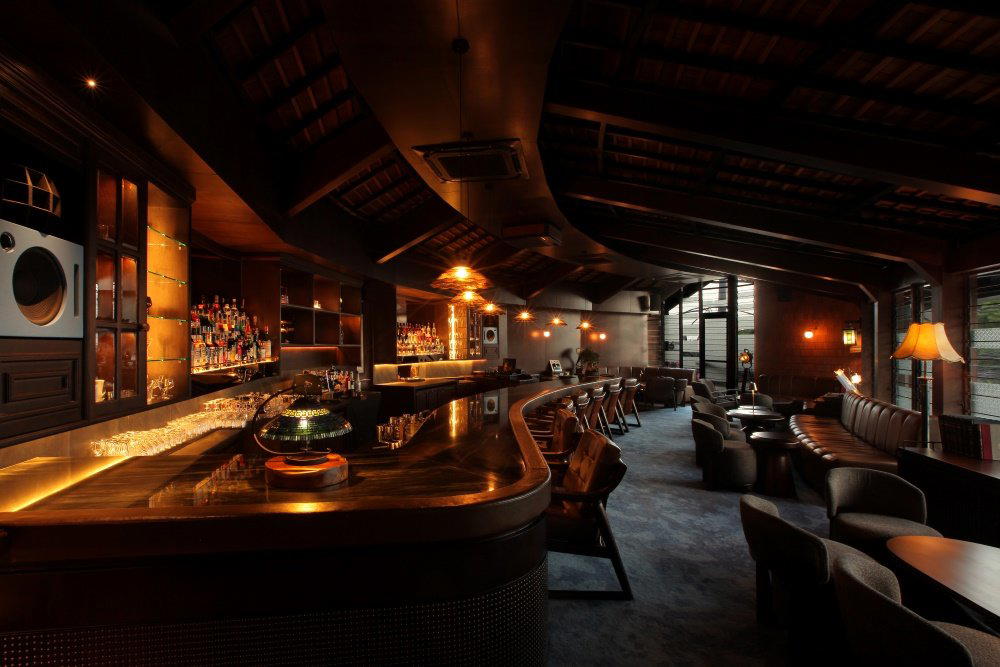
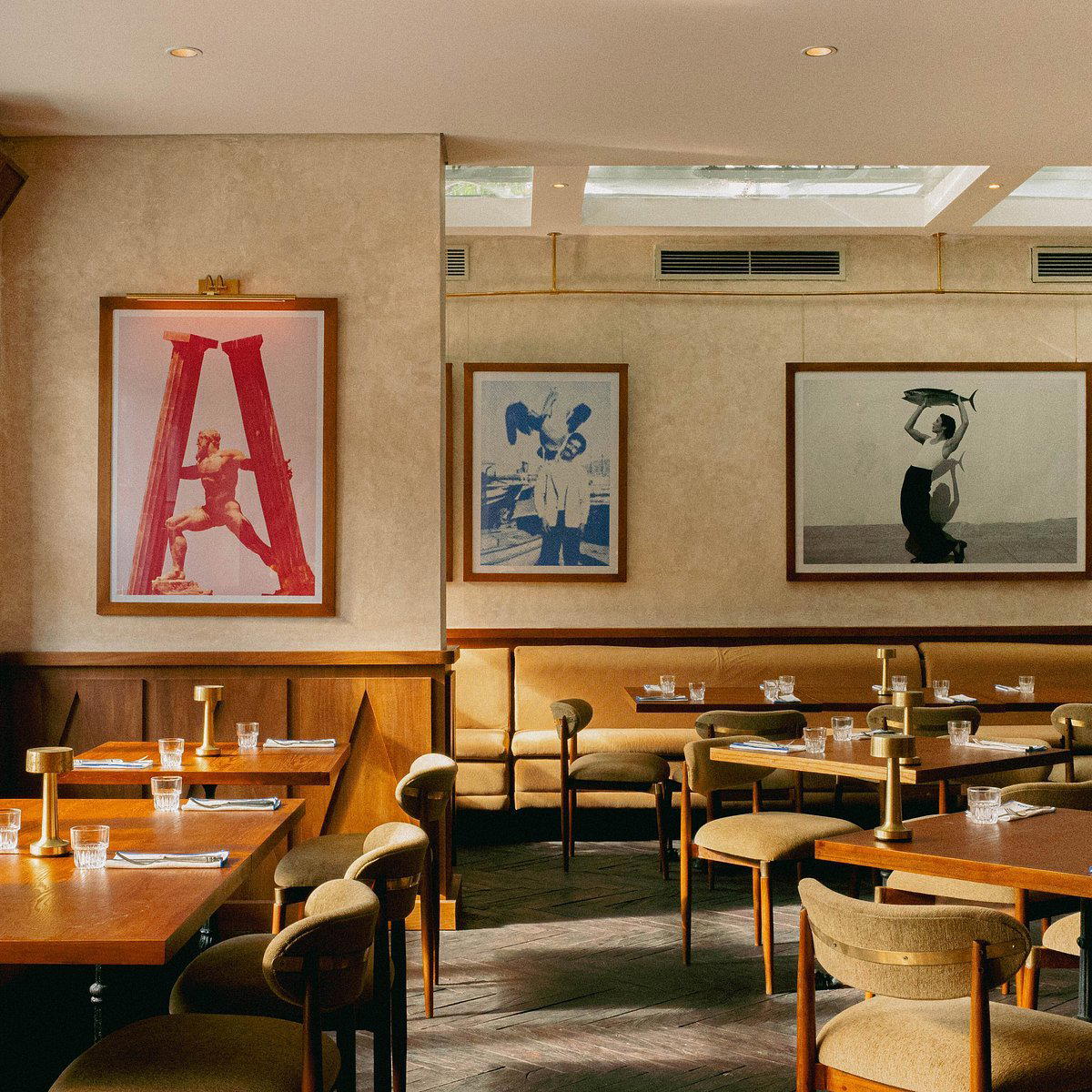
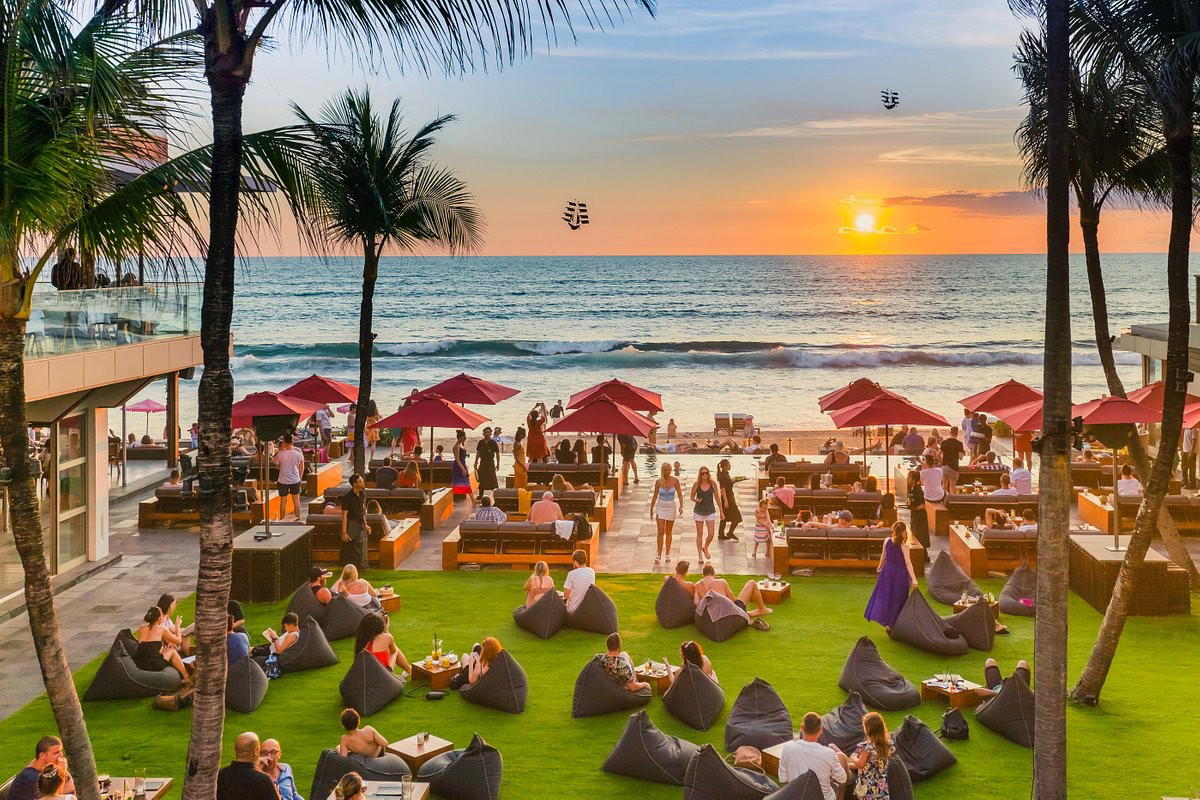
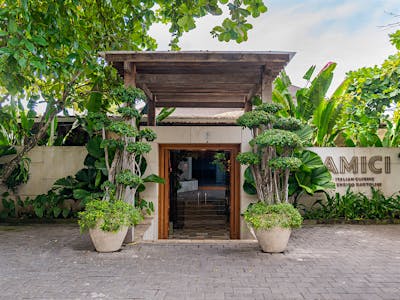
At a Glance
- Bohemian
- Trendy
- Intimate
- Elegant
- Relaxed
- Honeymoon
- Romantic Getaway
- Wellness Retreat
- Weekend Escape
- Garden
- Terrace
- Wi Fi
- Pool
- Spa
- Room Service
- Concierge
- Breakfast Included
- Airport Transfer
- Massage
- Garden
- Wi Fi
- Pool
- Spa
- Room Service
- Concierge
- Breakfast Included
- Airport Transfer
- Massage
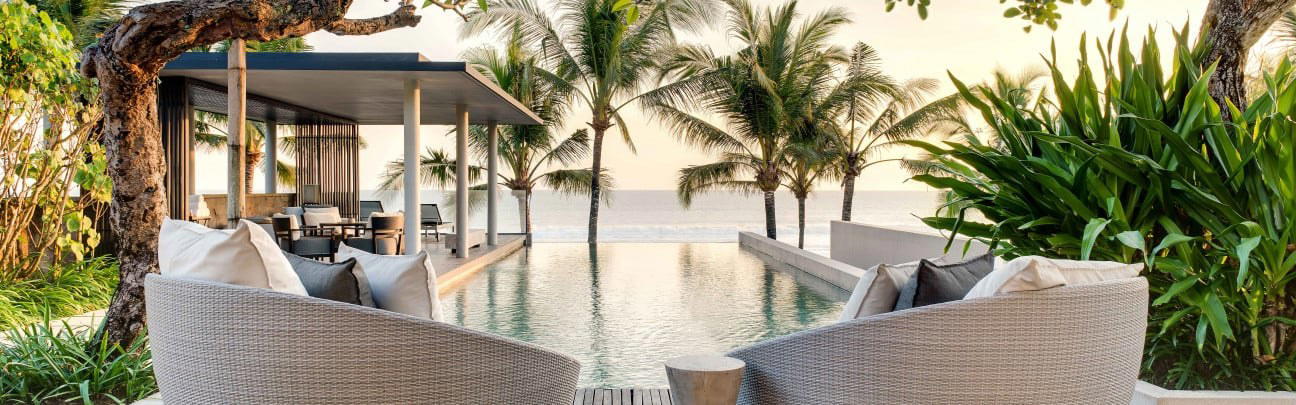
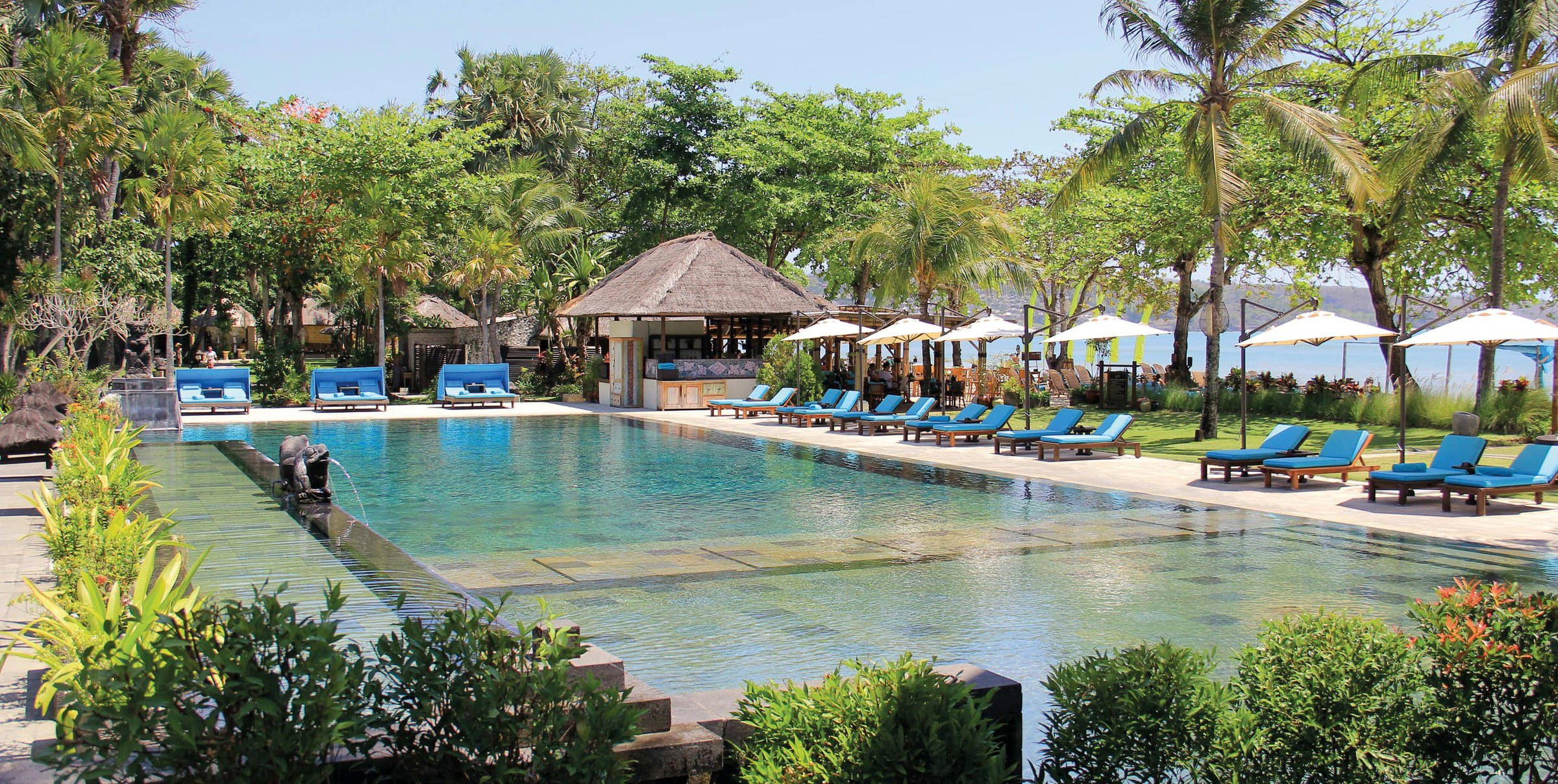
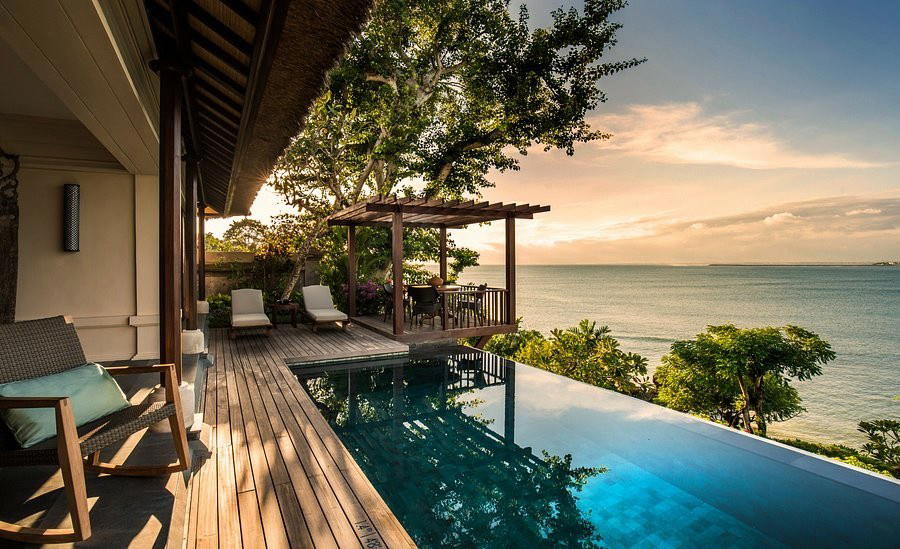
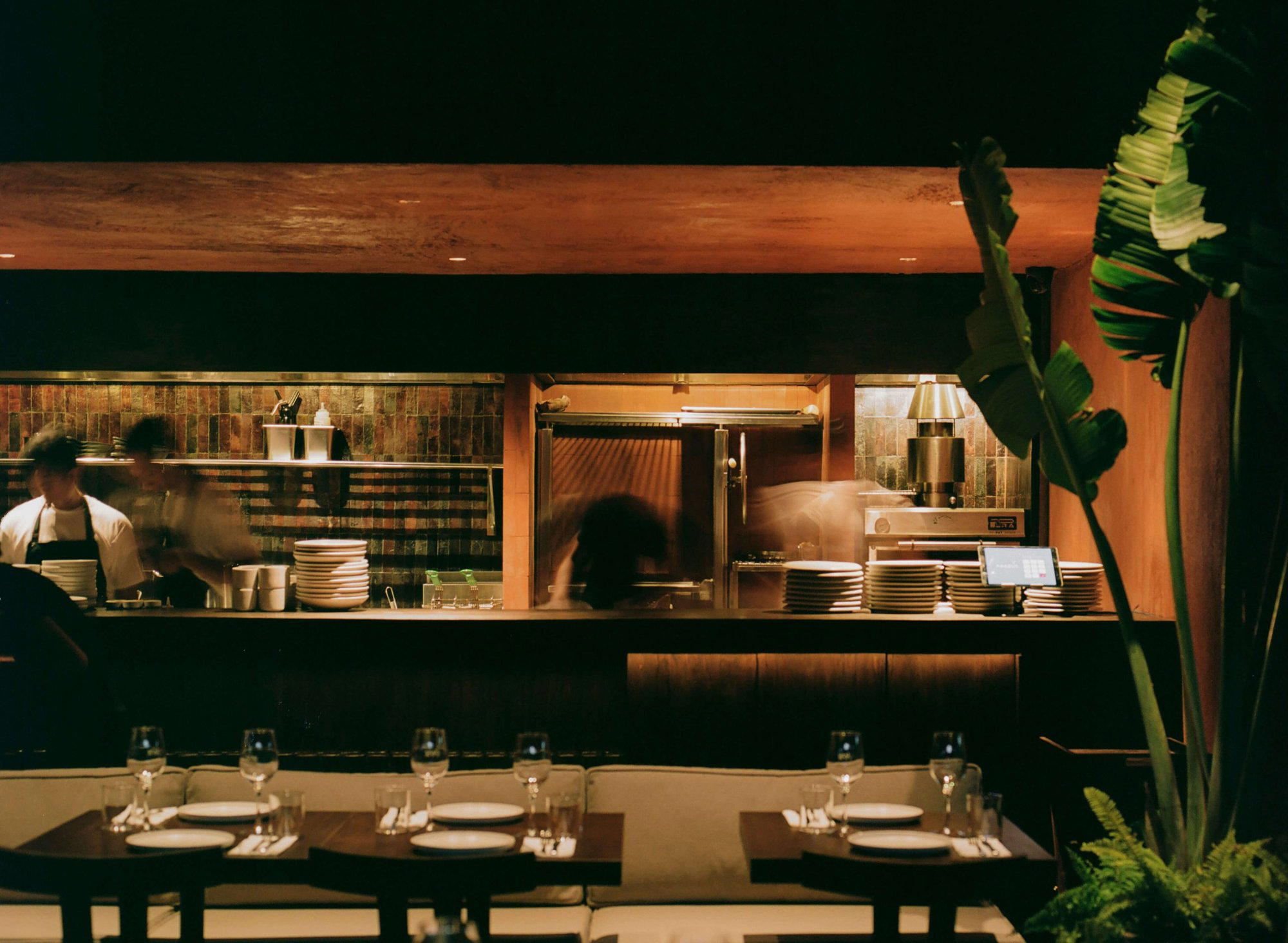
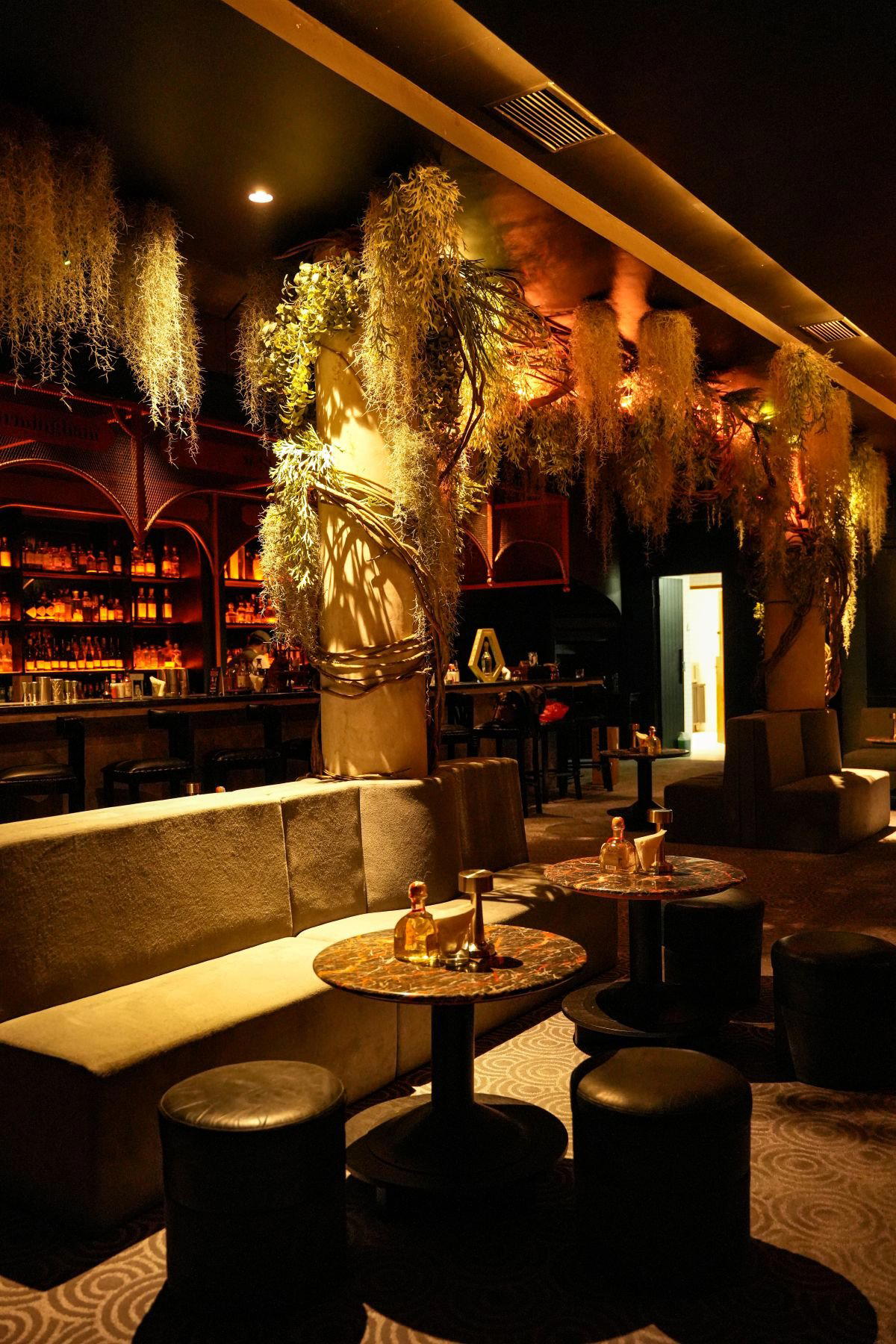
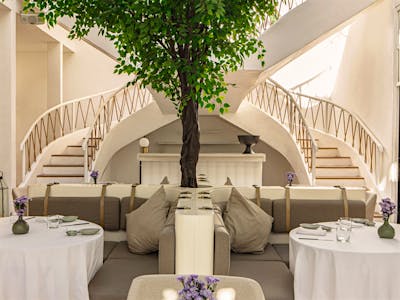
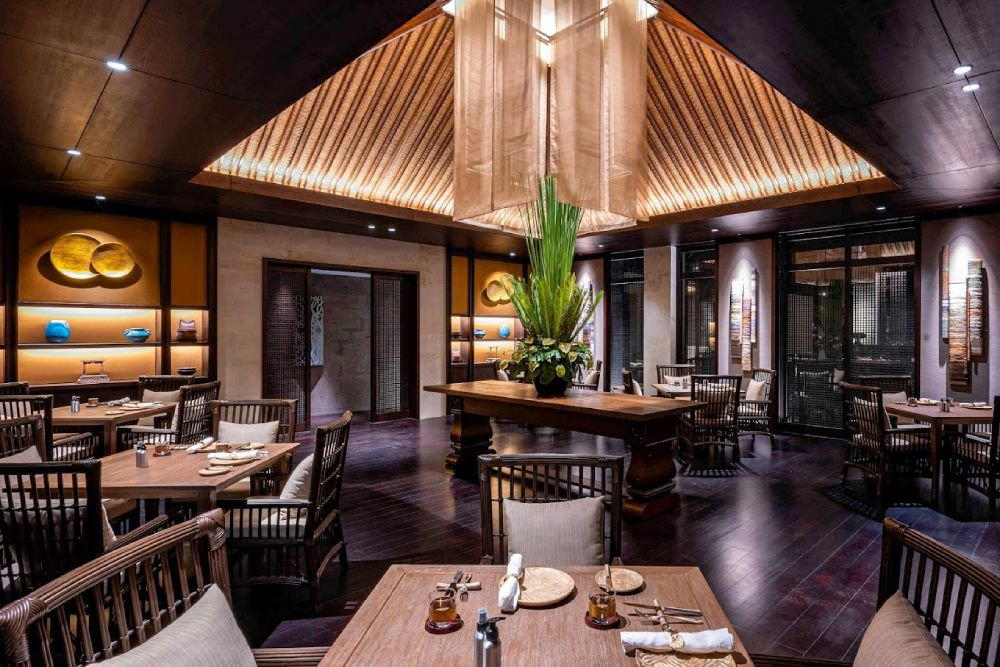
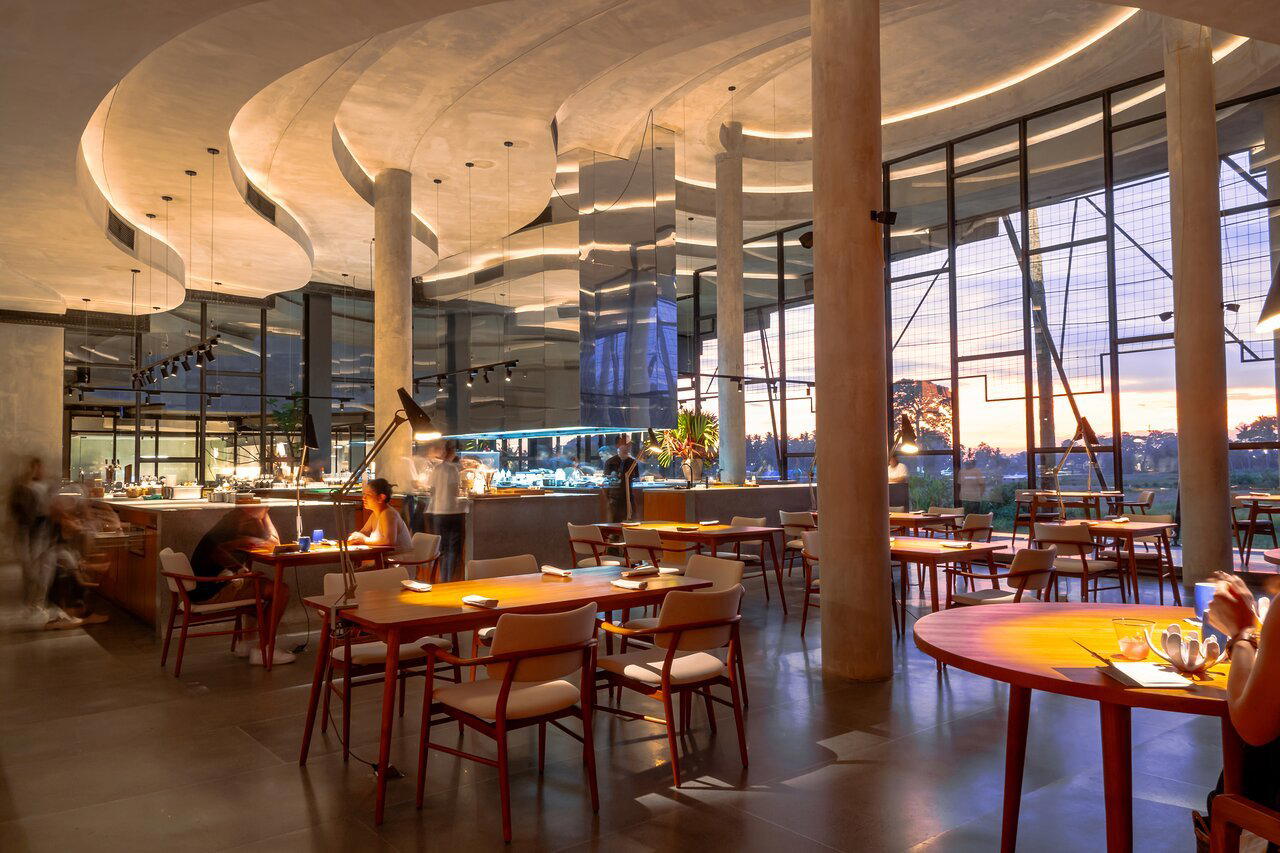
Serene and stylish retreat with natural light, lush gardens, calming poolside areas, soft music, and a blend of bohemian elegance and modern luxury.