

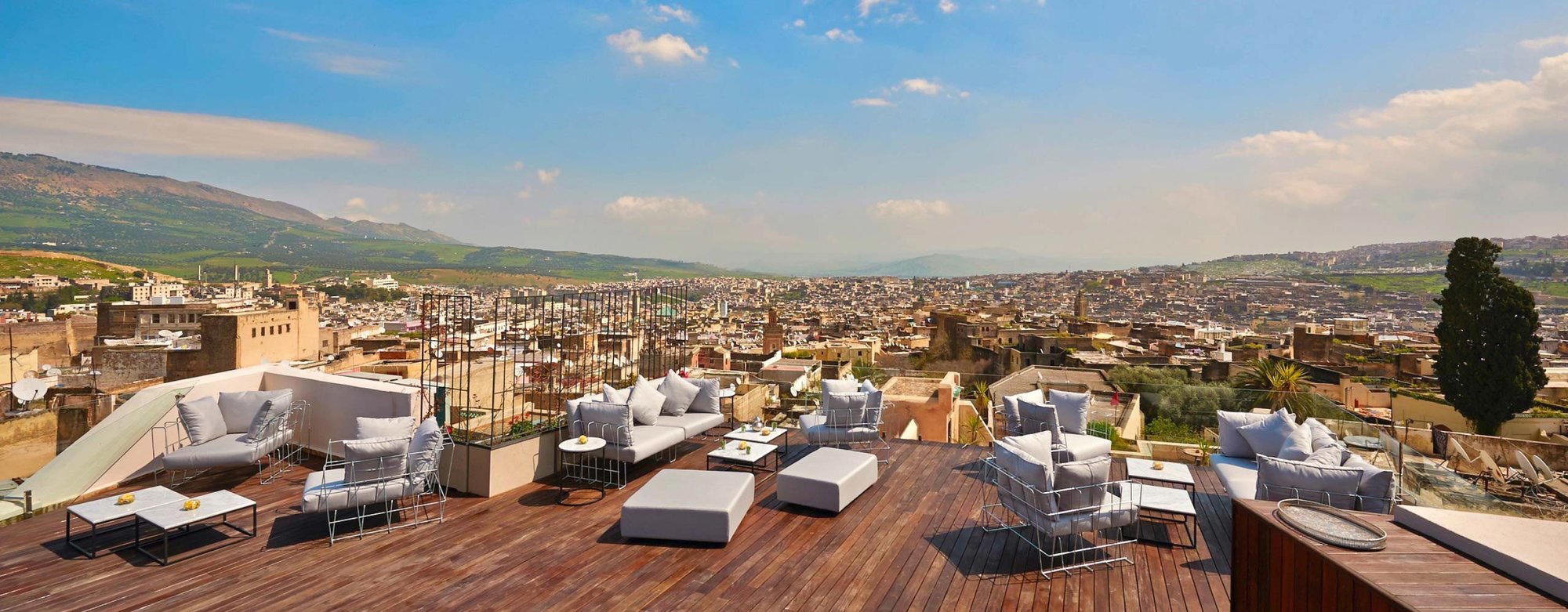
A hillside retreat above Fez's ancient medina, Hotel Sahrai sits at the intersection of contemporary Moroccan design and centuries-old craft tradition. The views across minarets and rooftops set the architectural scene before you cross the threshold.
Pearl is the En Primeur Club membership app — saves, bookings, and concierge access live there. Same editors, same standards.
- Address
- Bab Lghoul, Dhar El Mehraz, 30000 Fès, Morocco
- Phone
- +212 5 35 94 03 32
- Website
- hotelsahrai.com
- Directions
- Get directions
 Saves & bookings on Pearl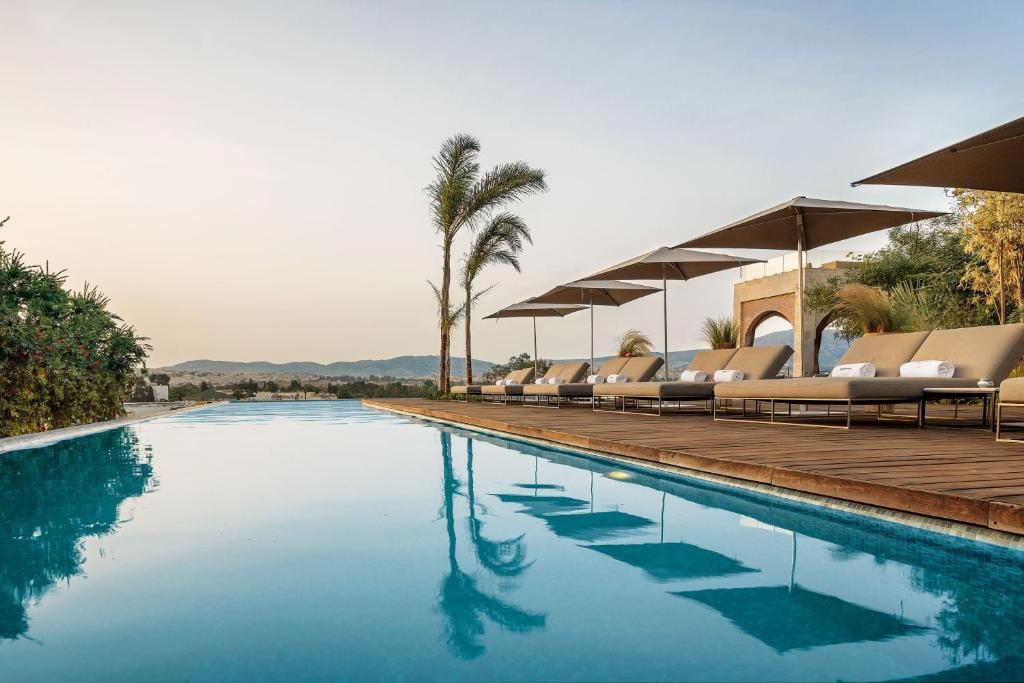
Light, Space, and the View That Frames Everything
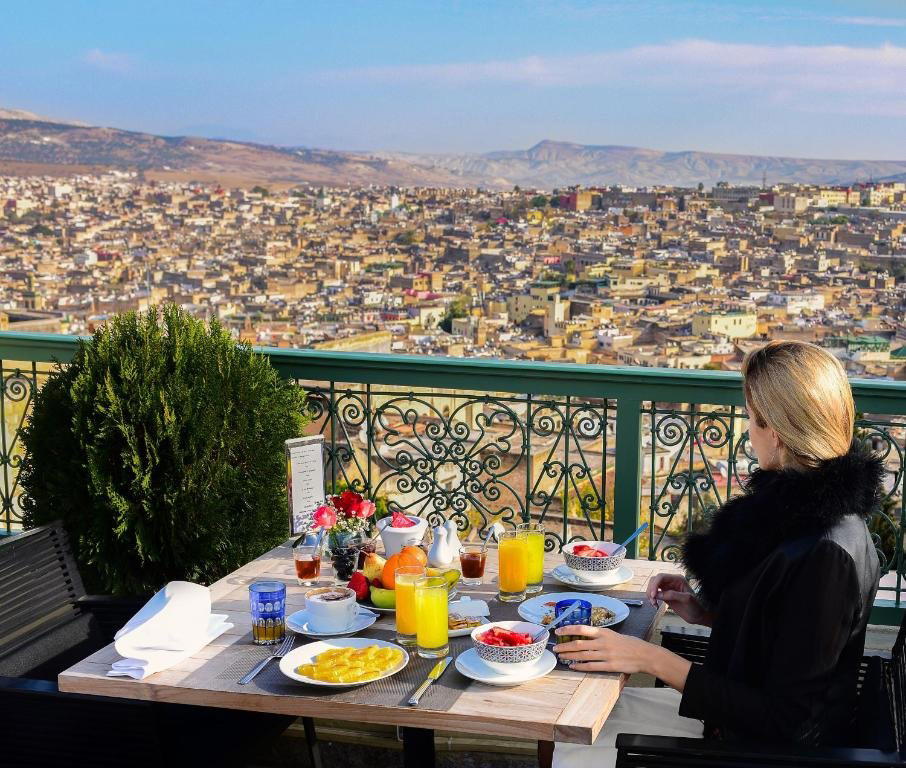
Fez occupies a particular position in Moroccan travel: it is the country's scholarly and spiritual capital, a city whose medina remains one of the most intact medieval urban environments in the world, and a place where most hotels have historically defaulted to either the riad model, wrapping inward around a courtyard, or the international chain format, which offers comfort at the cost of place. Hotel Sahrai does neither. Positioned on a hillside above the old city, it addresses the medina rather than replicating it, using elevation and open geometry to frame a panorama of minarets, terracotta rooftops, and the green-tiled domes that punctuate Fez's skyline. The view is not incidental to the design; it is the design's primary material.
La Liste included Hotel Sahrai in its 2026 Leading Hotels ranking with a score of 91 points, a recognition that places it within a small cohort of Moroccan properties where design discipline and location intelligence carry as much weight as room count or amenity lists. Sahrai's La Liste score signals that Fez now has a credible entry in that conversation.
A Design Philosophy Built on Contrast and Continuity
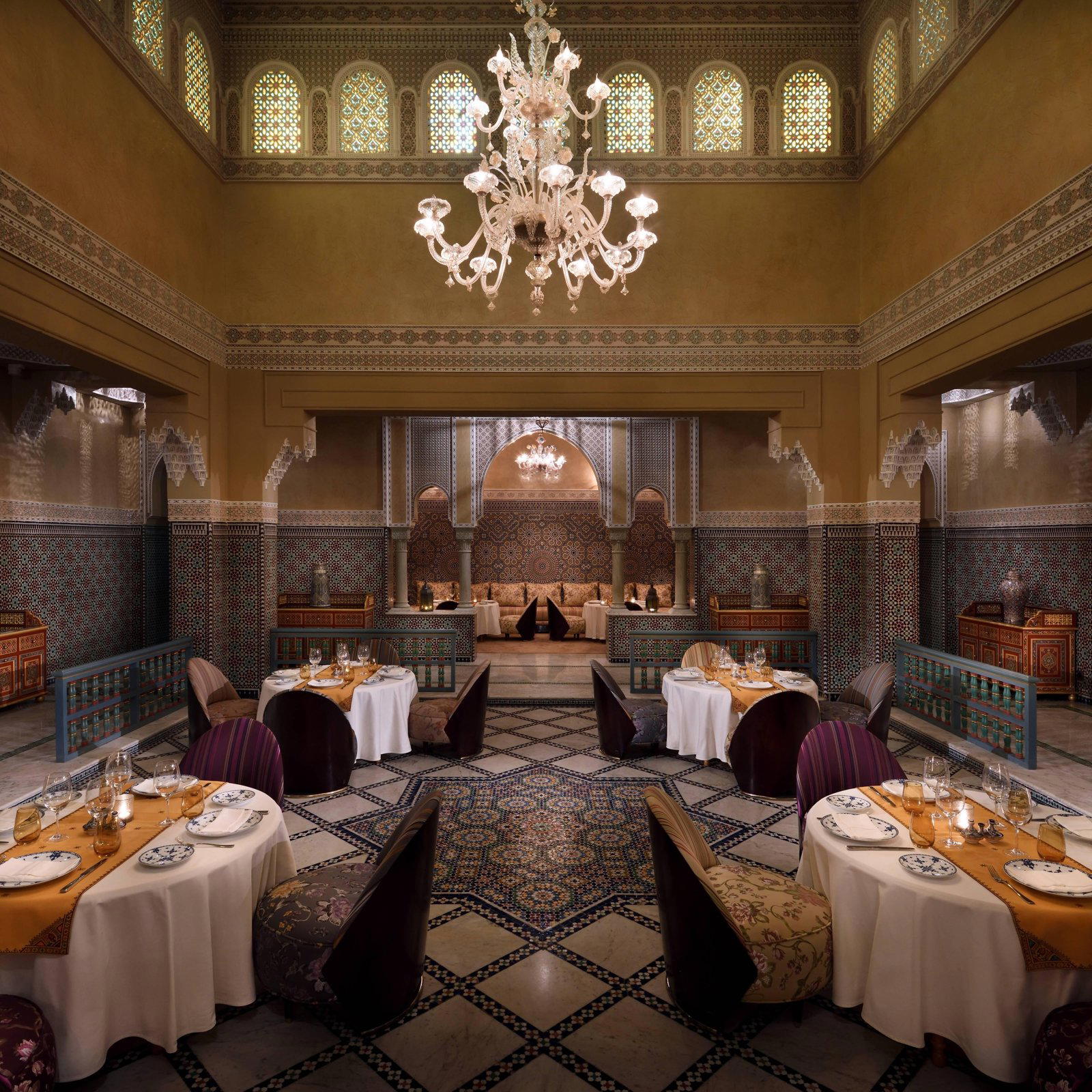
Contemporary Moroccan hotel design faces a structural tension. The country's craft vocabulary is extraordinarily deep: zellige tilework, carved plaster, cedarwood lattice, hand-knotted wool. The temptation is to deploy these elements decoratively, producing interiors that read as period pastiche regardless of the building's actual age. A more considered approach uses the traditional vocabulary selectively, allowing it to anchor spaces that are otherwise spare and modern, so that the craft reads as load-bearing rather than ornamental.
Hotel Sahrai operates in this second register. The property brings together what its own documentation describes as a modern look with a time-honoured feel, a formulation that is easy to dismiss as marketing language until you understand the specific challenge it represents in Fez. The city's aesthetic gravity is enormous. Arriving here with a contemporary architectural proposition requires confidence that the design can hold its own against a medina backdrop rather than simply capitulating to it. The airy, light-filled approach Sahrai takes is a deliberate answer to that challenge: where traditional riads compress and darken, drawing light down through a central void, Sahrai opens outward, using its hillside position to pull the exterior city into the interior experience.
Traditional Moroccan elements appear throughout the property, inside and out, but they operate within a spatial framework that prioritises volume and natural light. This approach aligns Sahrai with a broader shift in premium North African hospitality, where the most considered properties are moving away from maximalist heritage reproduction toward something that acknowledges craft tradition without being imprisoned by it. Properties like Dar Ahlam in Ouarzazate and Dar al Hossoun in Taroudant occupy adjacent territory, each finding a different equilibrium between contemporary comfort and deep regional identity.
Fez as the Architectural Context
Understanding what Hotel Sahrai is requires understanding what Fez is. The medina of Fez el-Bali is a UNESCO World Heritage Site and home to Al-Qarawiyyin, one of the world's oldest continuously operating universities. The city's built fabric has been accumulating for more than a thousand years, which means that architecture here is never just architecture; it is stratigraphy. Any new building that positions itself above and adjacent to that fabric is making a statement about how it relates to time, and Sahrai's hillside placement is an architectural argument: it observes rather than imitates, offering a contemporary vantage point on a city that resists easy categorisation.
In Fez, the alternative to Sahrai's hilltop-contemporary model is the riad tradition, where converted merchant houses in the medina itself offer proximity to the labyrinth at the cost of easy navigation. For travellers who want to be close to the medina's markets and mosques without sleeping inside the maze, properties just above the old city occupy a practical middle ground. Palais Faraj Suites and Spa and Riad Mayfez Suites and Spa represent the riad-adjacent option within Fez; Sahrai's architectural proposition is more distinctly modern. For a broader picture of dining and drinking in the city, our full Fez guide maps the options across neighbourhoods.
Where Sahrai Sits in the Moroccan Property Tier
Morocco's premium hotel market has developed two distinct profiles over the past two decades. The first is the large, internationally branded resort, exemplified by properties like the Fes Marriott Jnan Palace or the Hyatt Regency Casablanca, which offer standardised luxury with local decoration. The second is the design-led boutique or palace property, where the physical space itself is the primary editorial statement.
Across Morocco more broadly, this design-led tier includes Kasbah Tamadot in Asni, Dar Maya in Essaouira, La Sultana Oualidia, and coastal properties such as Rebali Riads in Sidi Kaouki and Banyan Tree Tamouda Bay. Each locates itself differently within the tradition-versus-contemporary axis that defines Moroccan luxury design. Sahrai's particular position, contemporary in geometry and light but grounded in traditional craft detail, makes it the most architecturally distinct option in Fez.
Planning a Stay
Hotel Sahrai is located in Fez at the postal address Fes 30000, on the hillside above the medina. Fez is served by Fez-Saïss Airport, with direct connections from several European cities including Paris, Brussels, and London, making it more accessible than its position as a secondary Moroccan city might suggest. Seasonally, spring and autumn are the most considered times to visit, when temperatures in the medina are walkable and the light on the tiled rooftops is at its most photogenic. Summer in Fez runs hot, and while the hilltop position provides some relief relative to the medina streets, the city's interior spaces are where most visitors spend their warmest hours. Booking lead times for La Liste-recognised properties in Morocco should be treated as comparable to similar-tier hotels in Marrakesh, particularly around Eid holidays and the European summer travel window.
For context on how Hotel Sahrai compares to properties at different price points and in different Moroccan cities, the Hotel Sahrai SLH listing provides additional detail, and profiles of the Fairmont Tazi Palace Tangier, Fairmont La Marina Rabat Salé, Michlifen Resort in Ifrane, La Fiermontina Ocean in Larache, and Rabat Marriott Hotel map the broader northern Morocco accommodation picture. For international reference points on what La Liste recognition at this level signals in terms of peer comparison, the Fifth Avenue Hotel in New York, Aman New York, and Aman Venice occupy broadly comparable positions within their respective city tiers, and Château Roslane offers a different dimension of Moroccan premium hospitality for those interested in the wine-producing interior.
Recognition history
Dated appearances from independent guides and award organizations, with the underlying list record or original source where available.
La Liste Top Hotels
La Liste
Michelin Selected
Michelin
Small Luxury Hotels of the World Member
Small Luxury Hotels of the World

At a Glance
- Modern
- Romantic
- Elegant
- Sophisticated
- Lively
- Romantic Getaway
- Wellness Retreat
- Honeymoon
- Anniversary
- Rooftop Pool
- Destination Spa
- Panoramic View
- Infinity Pool
- Garden
- Terrace
- Design Destination
- Wi Fi
- Pool
- Spa
- Fitness Center
- Room Service
- Concierge
- Valet Parking
- Restaurant
- Business Center
- Golf Course
- Garden
- Skyline
- Wi Fi
- Pool
- Spa
- Fitness Center
- Room Service
- Concierge
- Valet Parking
- Restaurant
- Business Center
- Golf Course
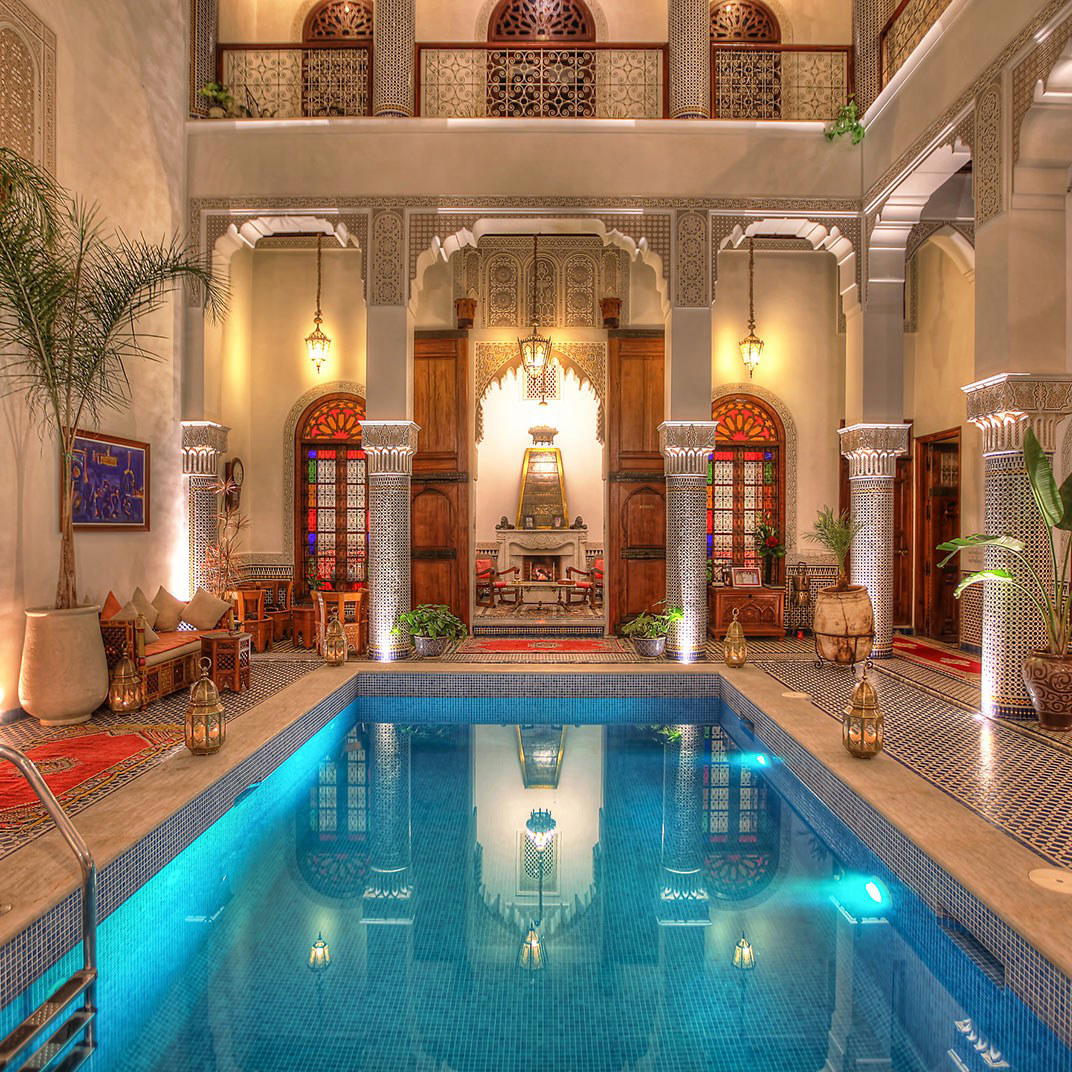
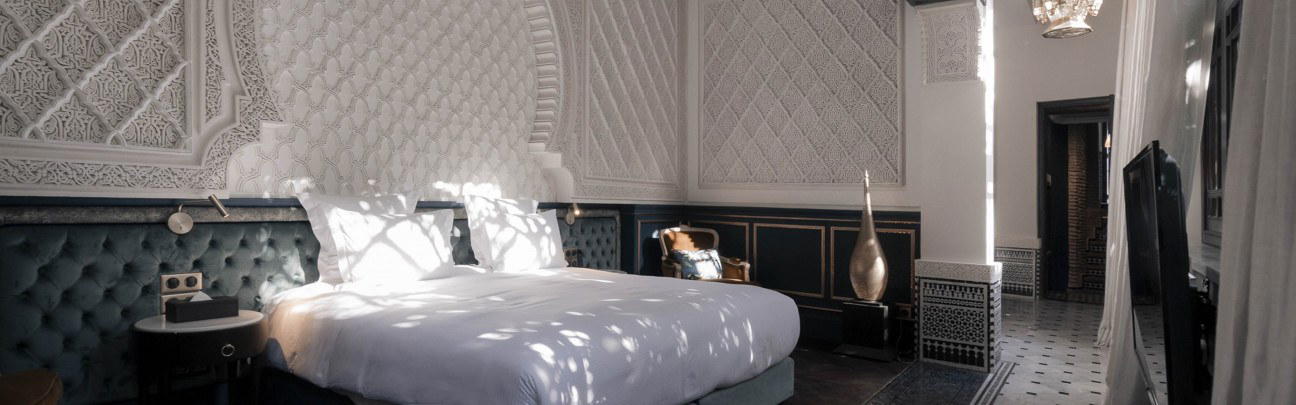
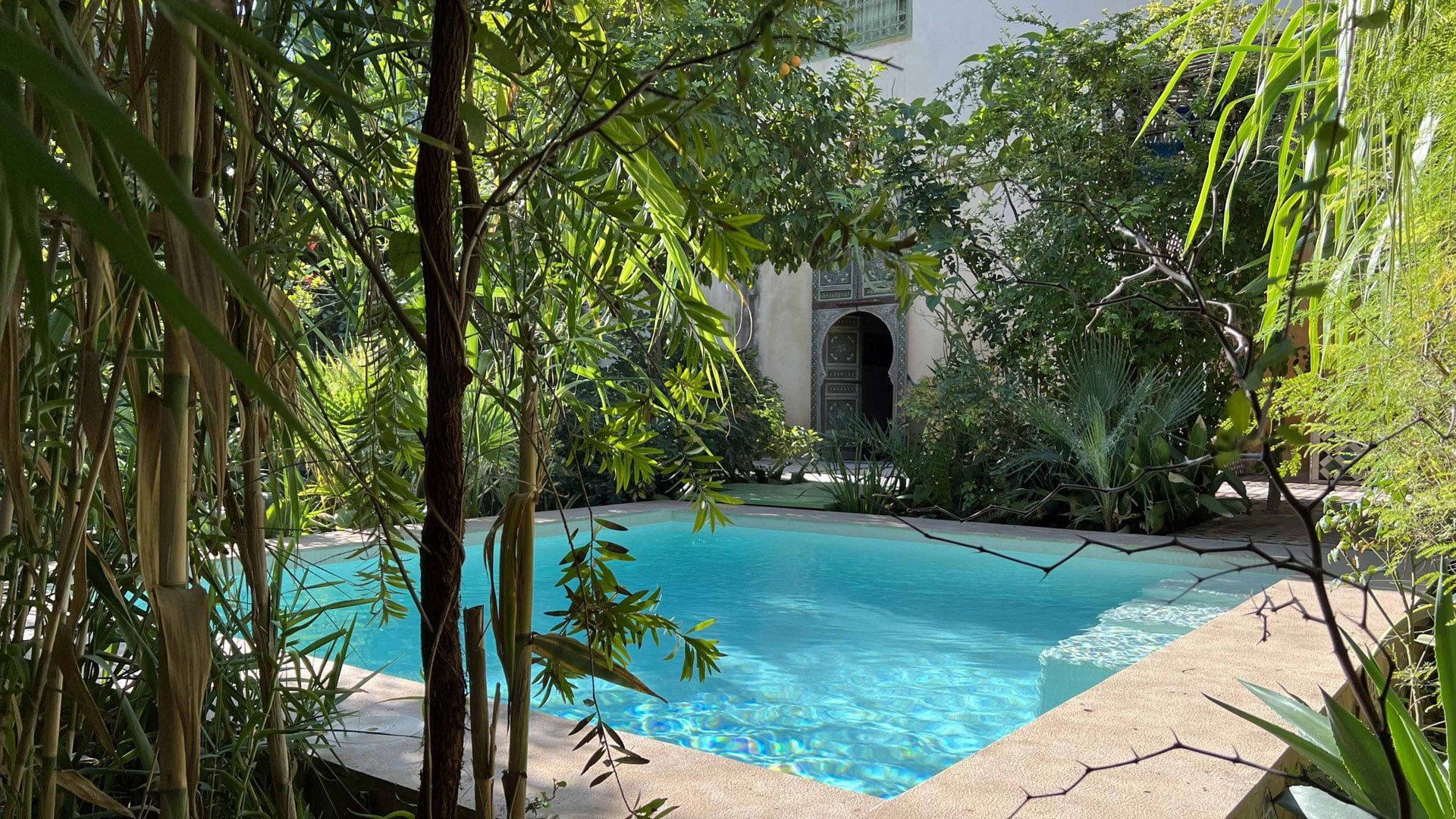
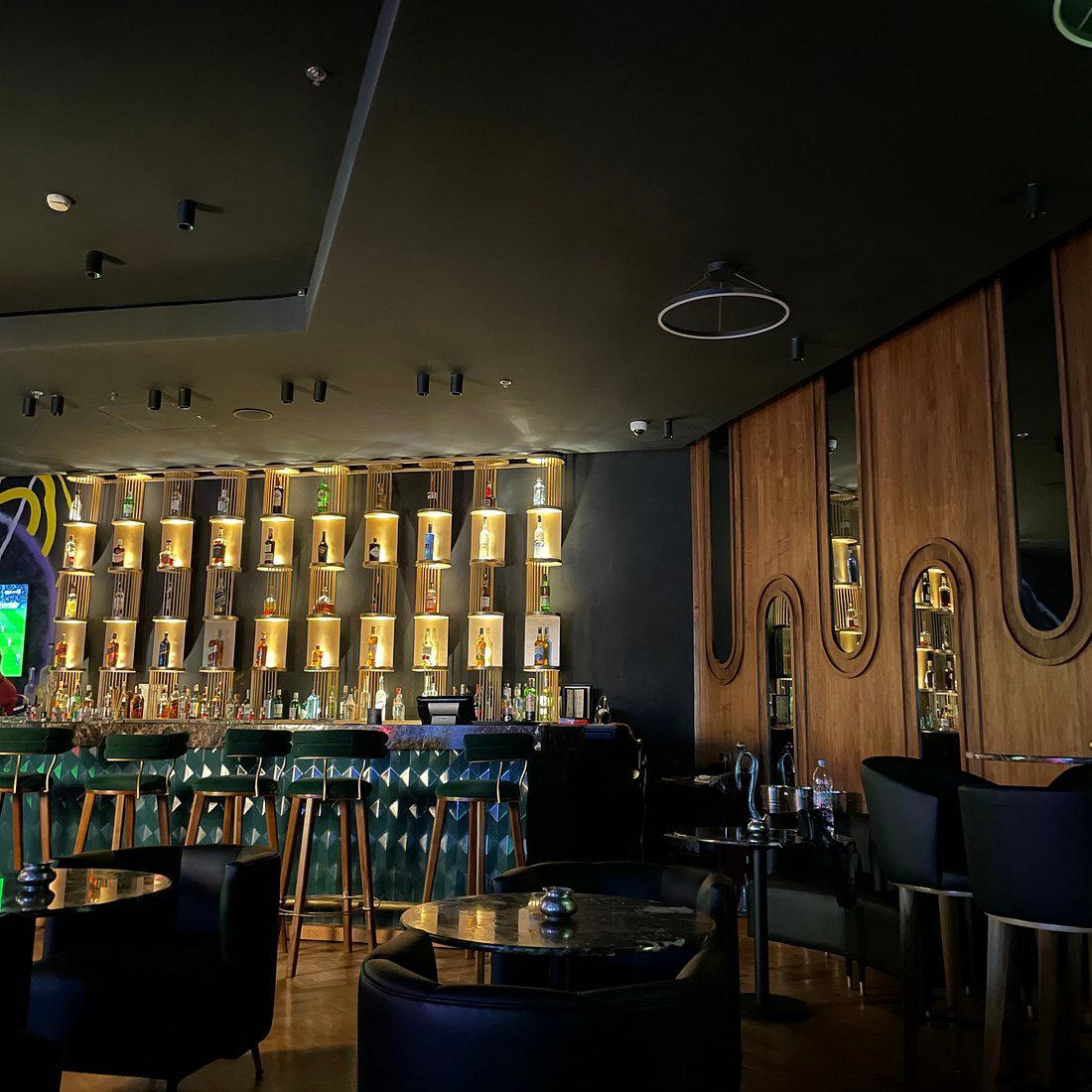
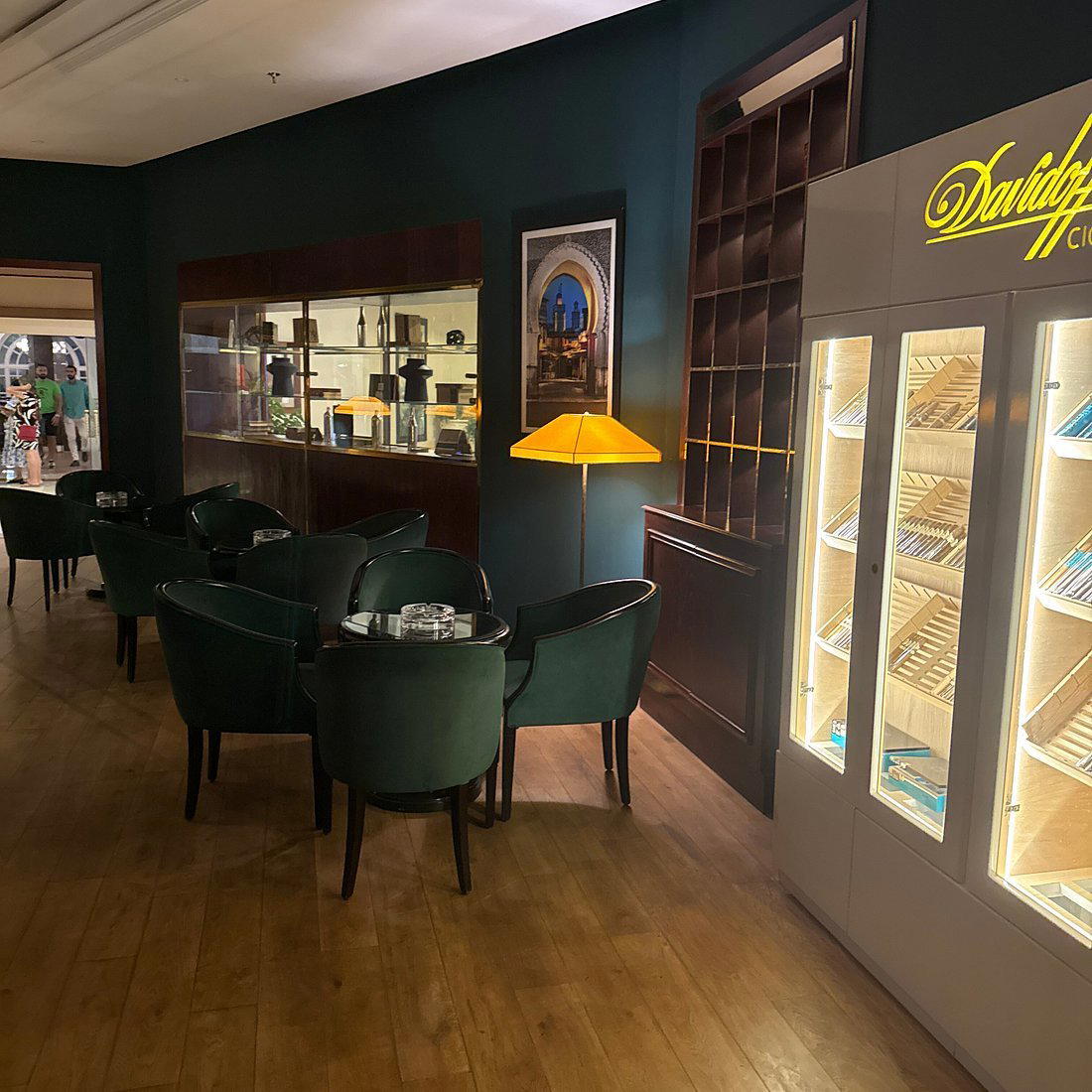
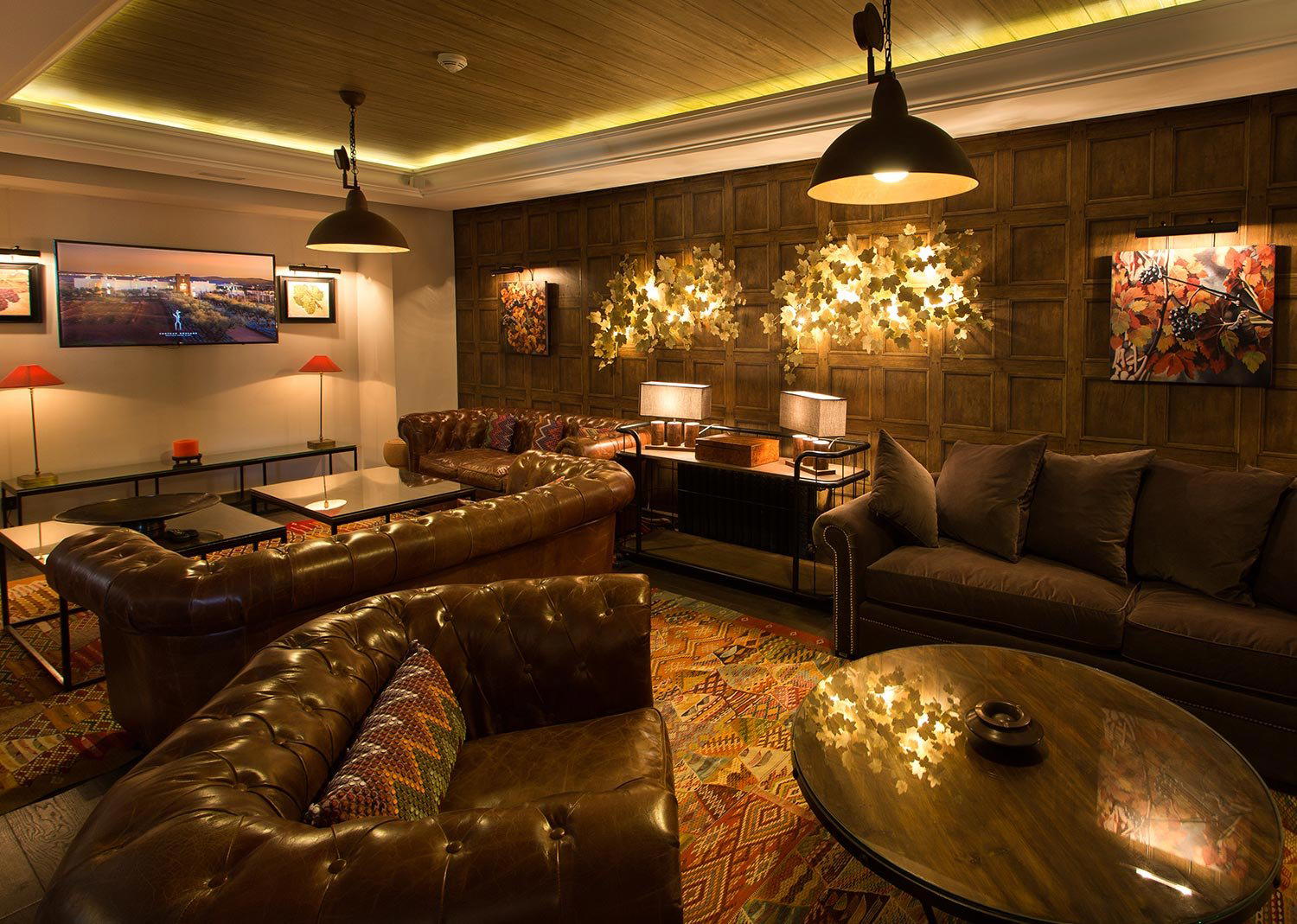
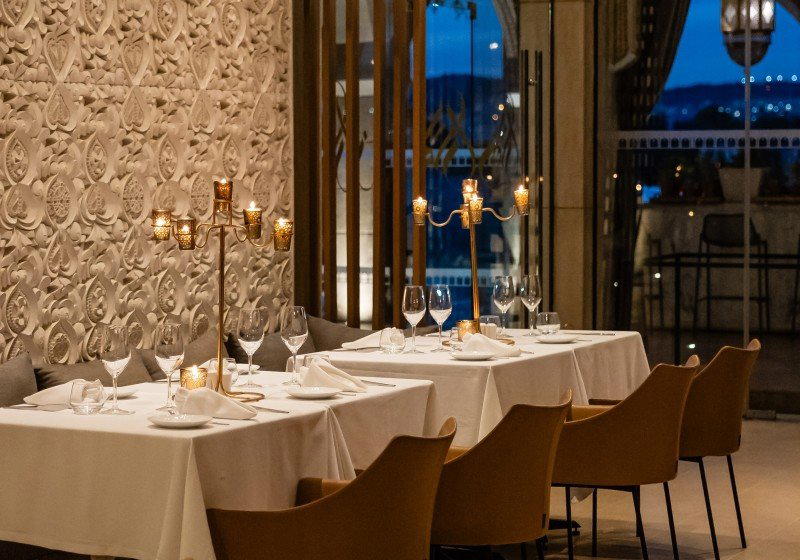
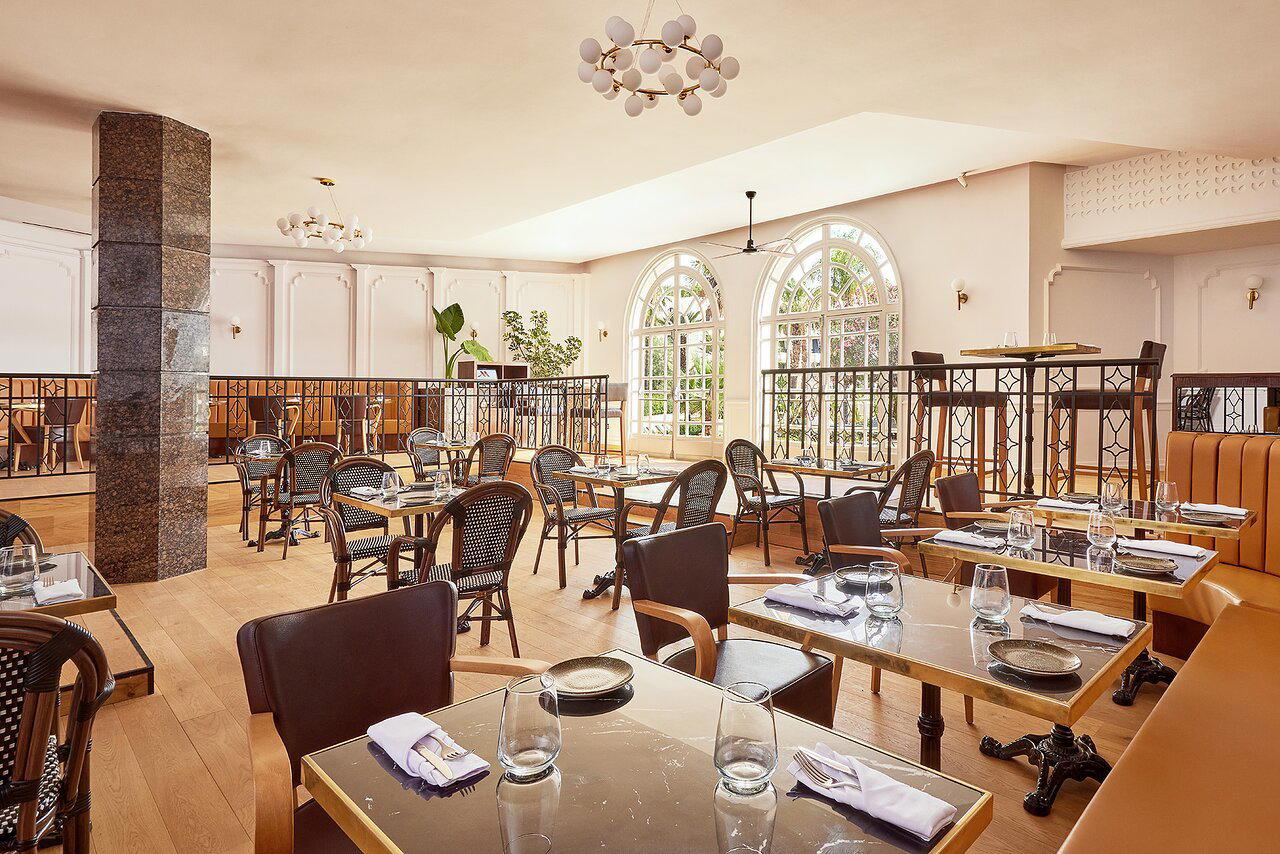
Contemporary and refined with minimalist white and pale brick interiors, warm lantern lighting, and a lively rooftop atmosphere enhanced by visiting DJs on weekends; public areas are modern and elegant while maintaining traditional Moroccan design elements.
Know Before You Go
- Getting there
- Bab Lghoul, Dhar El Mehraz, 30000 Fès, Morocco