Hotel Teatro

Michelin Selected
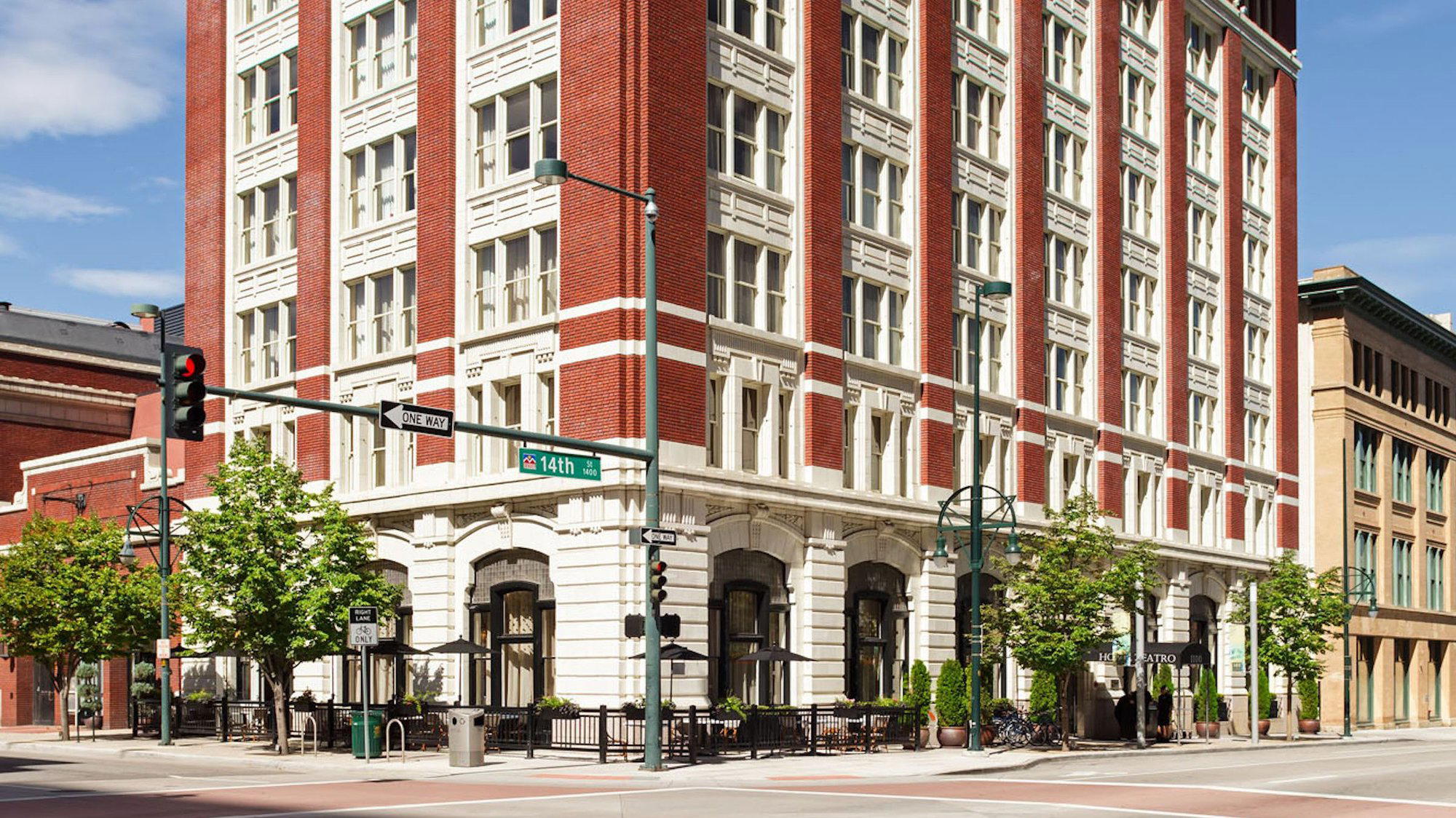
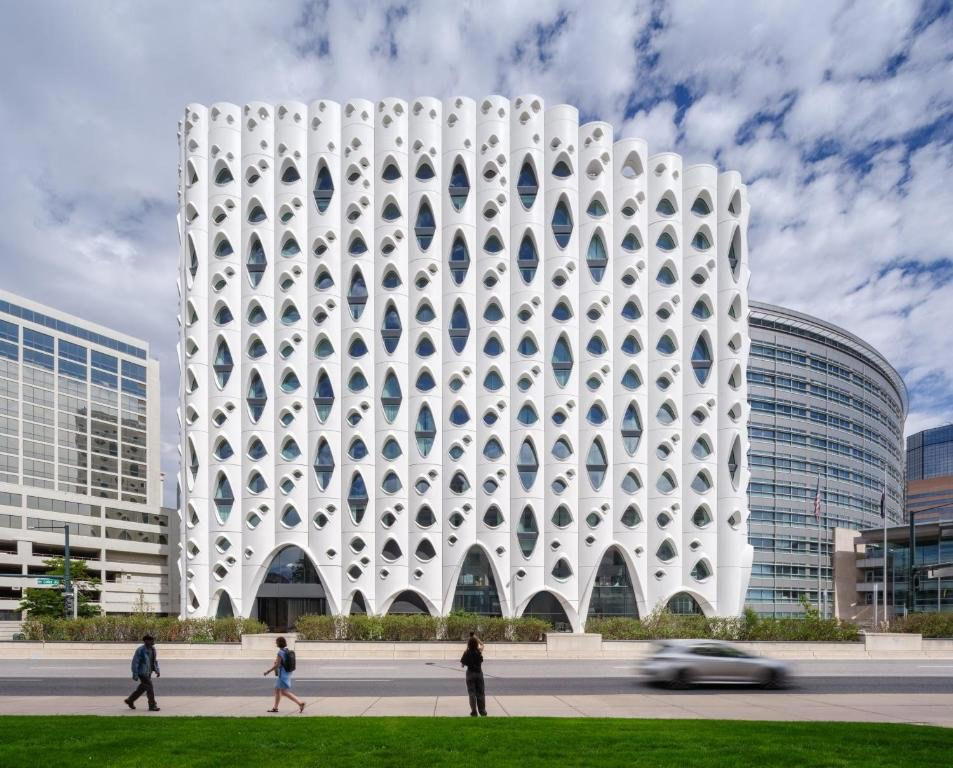
Hotel Teatro occupies a converted 1911 Denver Tramway Building at 1100 14th St, placing guests one block from the Denver Center for the Performing Arts in the heart of downtown. The property sits in the boutique tier of Denver's hotel market, where architectural character and proximity to the cultural district carry more weight than branded amenities. A practical base for the Theatre District with design-led interiors that reflect the building's civic history.

Pearl is the En Primeur Club membership app — saves, bookings, and concierge access live there. Same editors, same standards.
- Address
- 1100 14th St, Denver, CO 80202
- Phone
- (888) 727-1200
- Website
- hotelteatro.com
- Directions
- Get directions
Where Denver's Theatre District Takes Shape
Downtown Denver's hotel market has sorted itself into recognizable tiers over the past decade. At the leading end, flagships like Four Seasons Denver compete on scale and branded service depth. A step below, the The Crawford Hotel at Union Station trades on a landmark conversion and a specific neighbourhood identity. Hotel Teatro belongs to a third cohort: smaller, independently positioned properties whose primary argument is location and architectural specificity rather than amenity volume. The 1911 Denver Tramway Building on 14th Street gives Teatro a structural identity that purpose-built hotels cannot replicate, and its placement one block from the Denver Center for the Performing Arts makes it the closest full-service hotel to the city's main cultural venue.
That proximity matters more than it might in other cities. Denver's performing arts attendance is concentrated in a walkable cluster between 14th and Speer, and the Theatre District functions as a genuine neighbourhood anchor rather than a peripheral attraction. Hotels that sit inside that cluster, rather than a ten-minute cab ride from it, serve a distinct traveller profile: people arriving specifically for productions, galas, or arts-adjacent events who want to walk to the curtain rather than coordinate logistics. The Denver Union Station properties serve the transit-adjacent visitor well; Hotel Teatro serves the arts-going visitor with similar precision.
The Dining Programme in Context
Boutique hotels in American downtowns have faced a consistent challenge over the past fifteen years: whether to anchor their food and beverage offering as a genuine neighbourhood destination or to run it as a functional amenity for in-house guests. The hotels that have fared leading critically, from Troutbeck in Amenia to Raffles Boston, have leaned into the former, building restaurant programmes that draw walk-in traffic and earn editorial attention independent of the rooms above them. That model requires investment in culinary credentials, and the resulting dining room becomes a trust signal for the property as a whole.
For a hotel of Teatro's scale and positioning, the dining programme is the primary mechanism for establishing credibility in a competitive downtown market. Denver's restaurant scene has matured considerably since the early 2010s, with the broader Colorado food culture now drawing serious attention from national publications. Properties that treat their restaurants as revenue-generating afterthoughts increasingly look out of step with that trajectory. The competitive set locally includes Clayton Hotel & Members Club, which has positioned its food and beverage offering as central to its identity, and the AC Hotel Denver Downtown, which takes a more standardised branded approach. Hotel Teatro's boutique classification places it closer to the former model by expectation.
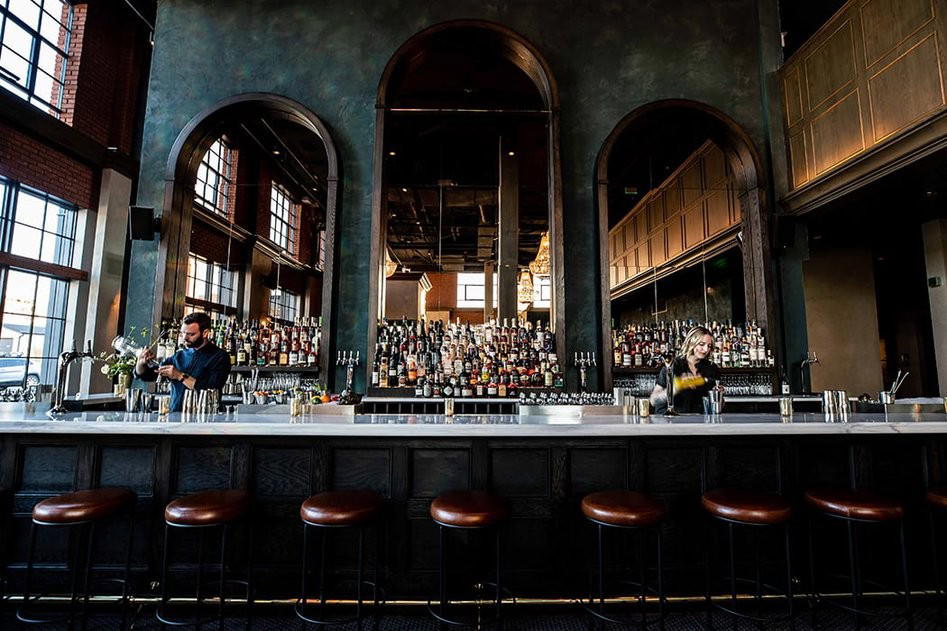
The bar programme at a theatre-district hotel carries particular weight. Pre-curtain and post-show drinking are structural parts of the performing arts visitor's evening, and a hotel bar positioned well for that traffic can become a genuine neighbourhood fixture. The leading examples of this format across the country, from the lobby bars at The Fifth Avenue Hotel in New York City to the dining rooms at Hotel Bel-Air in Los Angeles, demonstrate that a well-programmed hotel F&B operation earns loyalty from locals, not just overnight guests. That local loyalty, in turn, makes the hotel feel embedded in its city rather than floating above it.
The Building as Argument
Adaptive reuse hotels occupy a specific niche in the American boutique market. The conversion of a civic or commercial building into a hotel introduces structural constraints, from ceiling heights to floor plate dimensions, that push designers toward solutions that purpose-built properties never have to consider. Those constraints, handled well, produce rooms and public spaces that feel genuinely singular rather than assembled from a catalogue. The 1911 tramway building's original function gives Teatro a starting point that newer entrants in Denver's downtown corridor, including the Apiary Hotel and Apiary Residences, do not share in the same way.
This matters for the guest experience because architectural character is not easily manufactured after the fact. Hotels that occupy significant historical structures carry a legibility that visitors read even without knowing the building's history: the proportions feel considered, the materials carry a weight that new construction rarely achieves, and the sense of place is specific rather than generic. In a city that has seen significant new-build hotel development across downtown and RiNo, properties anchored in genuine history occupy a distinct position. The comparison is not always flattering to newer arrivals, however well-designed they may be.
Placing Hotel Teatro in the Denver Set
Denver's premium hotel conversation tends to focus on a handful of properties. The Four Seasons Denver remains the reference point for full-service luxury with the credentialed spa, pooled amenities, and branded service depth that corporate and leisure travellers at that price point expect. The Crawford at Union Station appeals to the traveller who prioritises neighbourhood energy and transit connectivity. All Inn Hotel sits at the value-conscious end of the downtown spectrum. Hotel Teatro occupies the space between: boutique in scale, historic in character, and specifically positioned for the arts-going visitor who wants to be inside the cultural district rather than adjacent to it.
Compared to resort-oriented properties elsewhere in the region, including Amangiri in Canyon Point or Sage Lodge in Pray, Teatro is an urban proposition without apology. It does not offer landscape or outdoor programming. What it offers is a downtown address in a building with genuine civic history, proximity to one of the city's main cultural institutions, and the kind of intimate scale that larger properties structurally cannot provide.
Travellers comparing Teatro to properties further afield, such as SingleThread Farm Inn in Healdsburg or Post Ranch Inn in Big Sur, are making a fundamentally different choice: city versus landscape, programme versus withdrawal. For those whose travel is structured around cultural events rather than natural settings, Teatro's argument is coherent and specific. For further context on where it sits within Denver's hotel and dining options, see our full Denver restaurants guide.
Planning a Stay
Hotel Teatro sits at 1100 14th St in downtown Denver, within walking distance of the Denver Center for the Performing Arts and the broader 14th Street corridor. Travellers arriving for specific productions should book rooms in advance of ticket purchases, since performance dates compress availability across the Theatre District. The hotel's boutique scale means that availability tightens faster than at larger downtown properties; the window is shorter than travellers accustomed to booking major branded hotels might expect. As with any independently positioned property, direct booking typically provides the most direct access to room-type availability and any flexibility around check-in timing.
Budget Reality Check
| Venue | Price | Awards |
|---|---|---|
| Hotel TeatroThis venue — the venue you are viewing | $200–300 | Michelin Selected |
| The Ritz-Carlton, Denver | $300–500 | Michelin Guide New Hotels New Hotel · Michelin Selected |
| Clayton Hotel & Members Club | $200–300 | 1 Michelin Key |
| Four Seasons Denver | $300–500 | 1 Michelin Key · La Liste Top Hotels |
| The Crawford Hotel | $300–500 | 1 Michelin Key · Mr & Mrs Smith Seal of Approval |
| Populus | Not listed | 1 Michelin Key · Esquire Best New Hotels |
Recognition history
Dated appearances from independent guides and award organizations, with the underlying list record or original source where available.
Michelin Selected
Michelin
Continue exploring
More in Denver
Hotels in Denver
Browse all →
Bars in Denver
Browse all →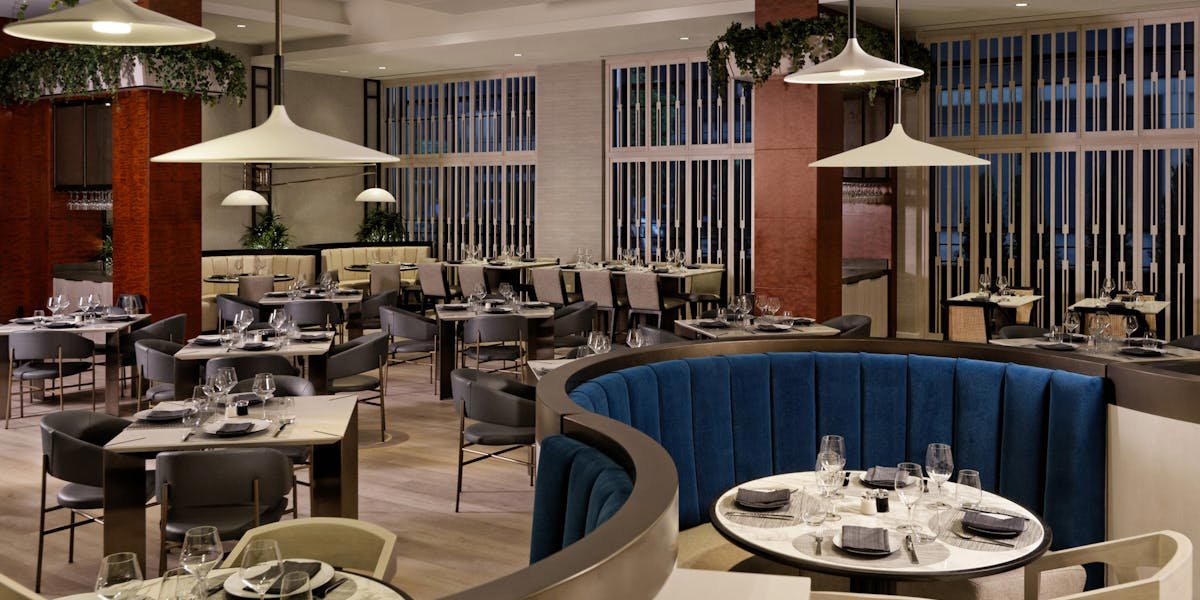
Restaurants in Denver
Browse all →

Details
- Elegant
- Classic
- Sophisticated
- Intimate
- Romantic Getaway
- Business Trip
- Weekend Escape
- Celebration
- Historic Building
- Design Destination
- Panoramic View
- Terrace
- Wi Fi
- Fitness Center
- Room Service
- Concierge
- Valet Parking
- Restaurant
- Bar
- 24 Hour Front Desk
- Laundry Service
- Skyline
- Street Scene
- Wheelchair Accessible
- Elevator
- Accessible Restroom
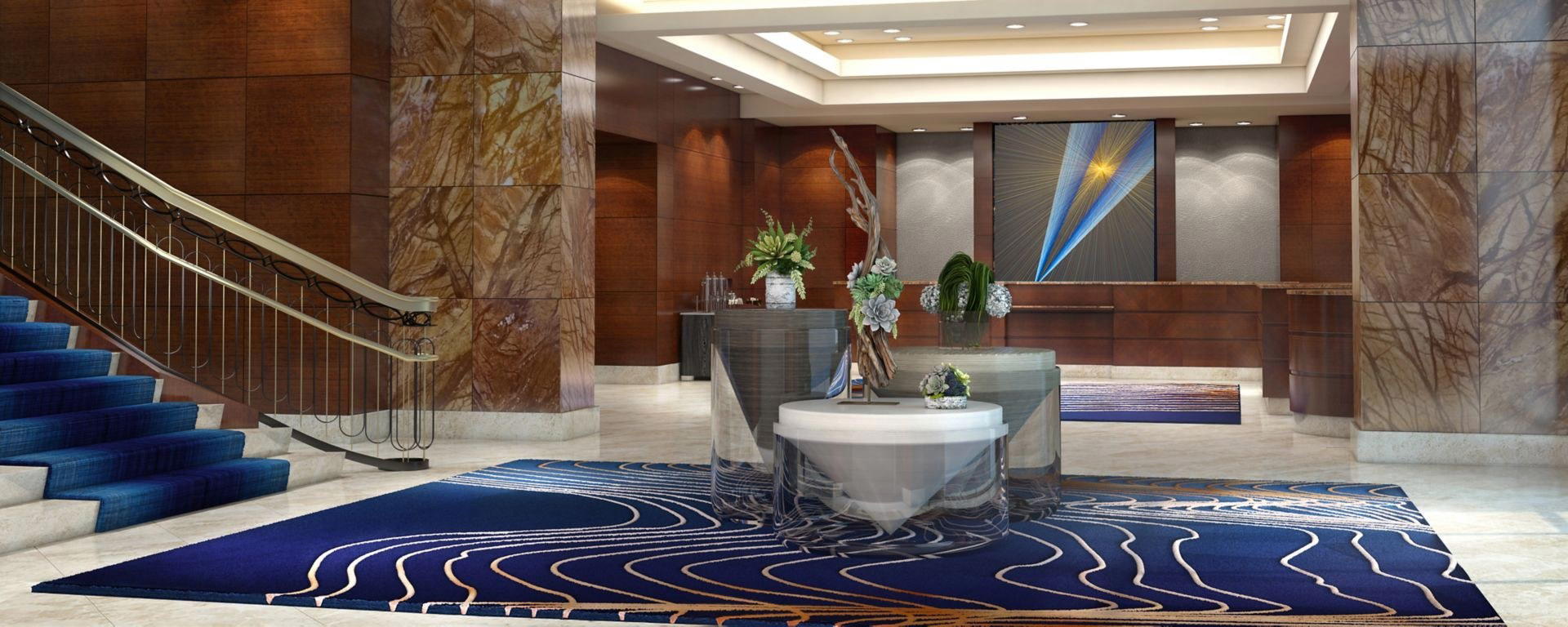
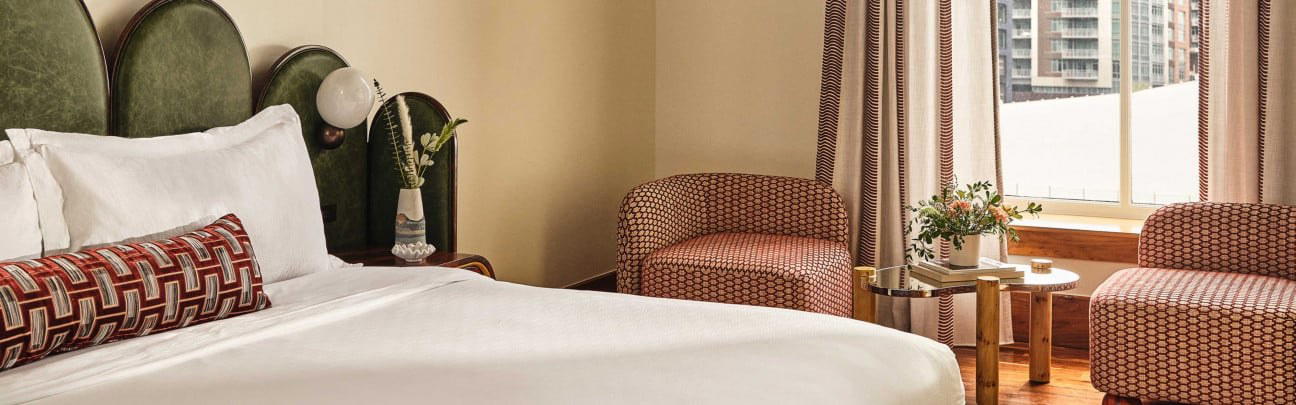
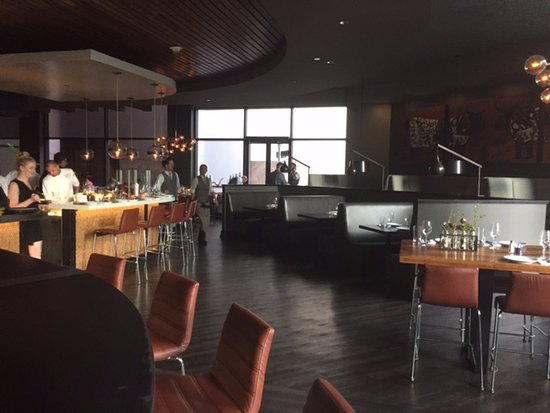
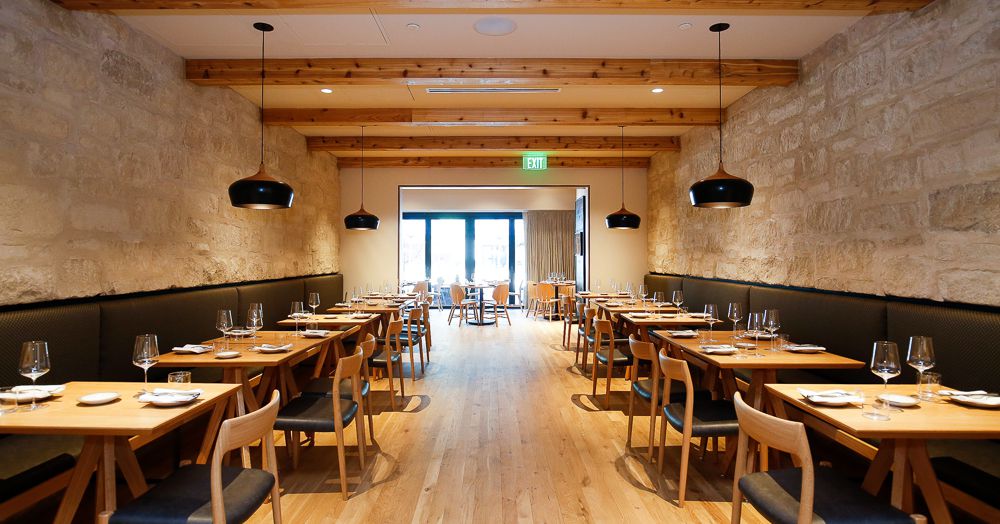
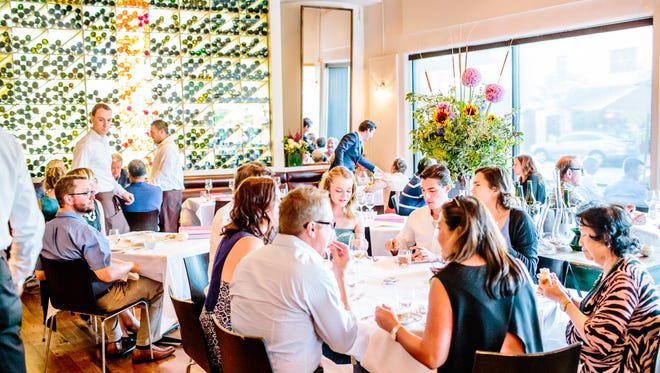
Rich, warm lighting with industrial charm blended into contemporary decor; intimate elegance with dramatic 12-foot ceilings, cherrywood furnishings, and damask fabrics creating a sophisticated yet inviting atmosphere.