
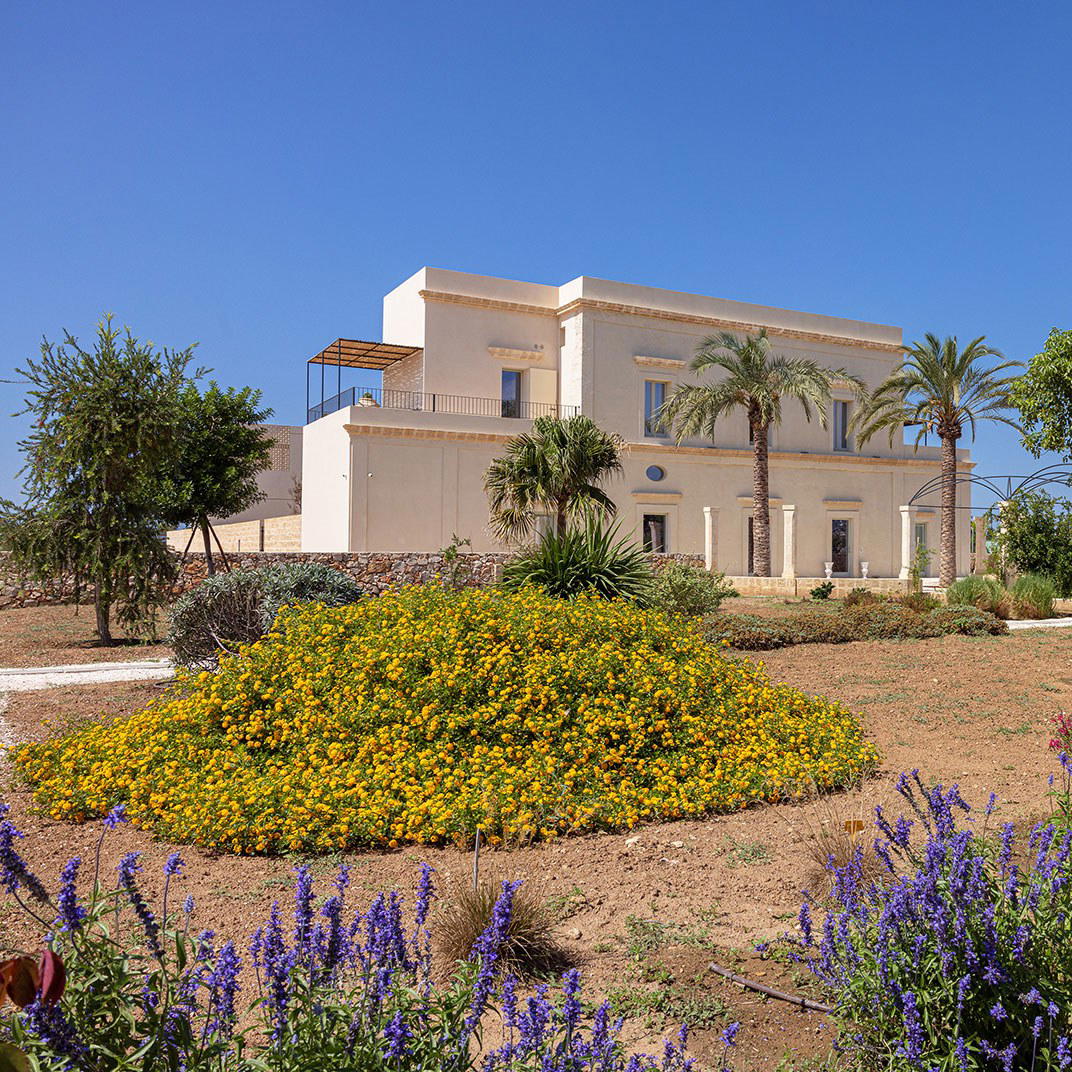
A MICHELIN Selected masseria in Nardò, Puglia, Masseria Corsano sits along Strada Torsano amid the dry-stone walls and olive groves that define the Salento interior. The property belongs to a small tier of restored agricultural estates that trade on locality and quiet over resort scale.
Pearl is the En Primeur Club membership app — saves, bookings, and concierge access live there. Same editors, same standards.
- Address
- Strada Torsano, 5, 73048 Nardò LE, Italy
- Phone
- +39 0833 570073
- Website
- masseriacorsano.com
- Directions
- Get directions
 Saves & bookings on Pearl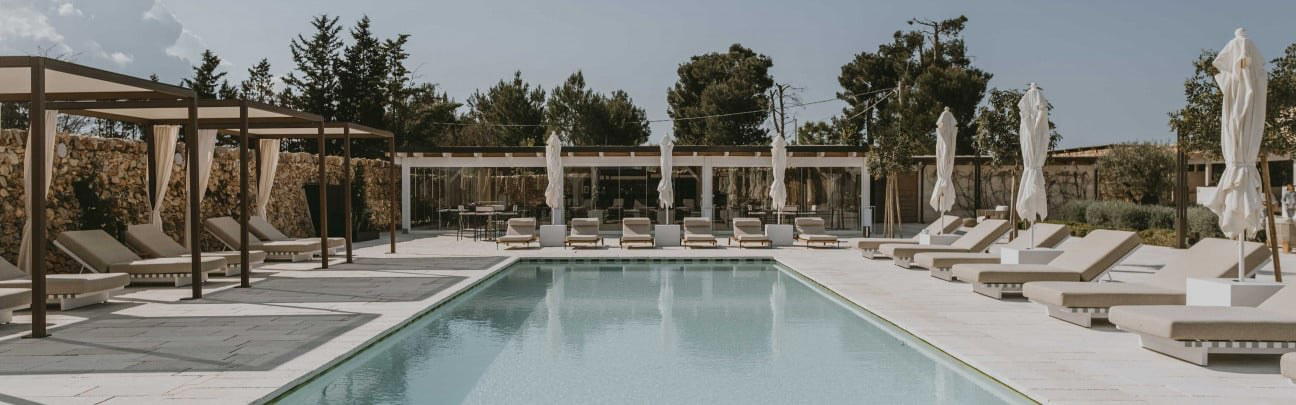
Stone Walls, Salento Light, and the Masseria Tradition
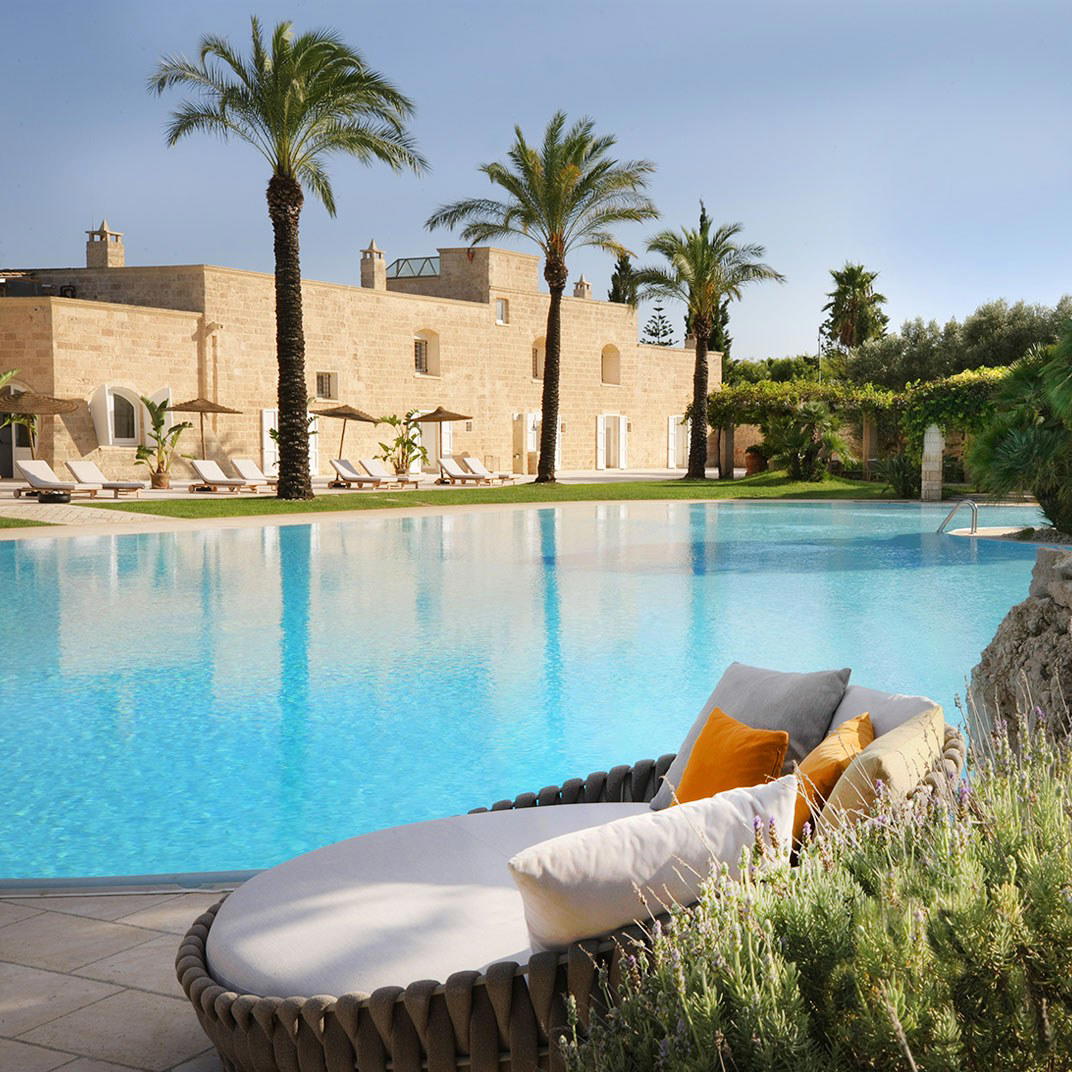
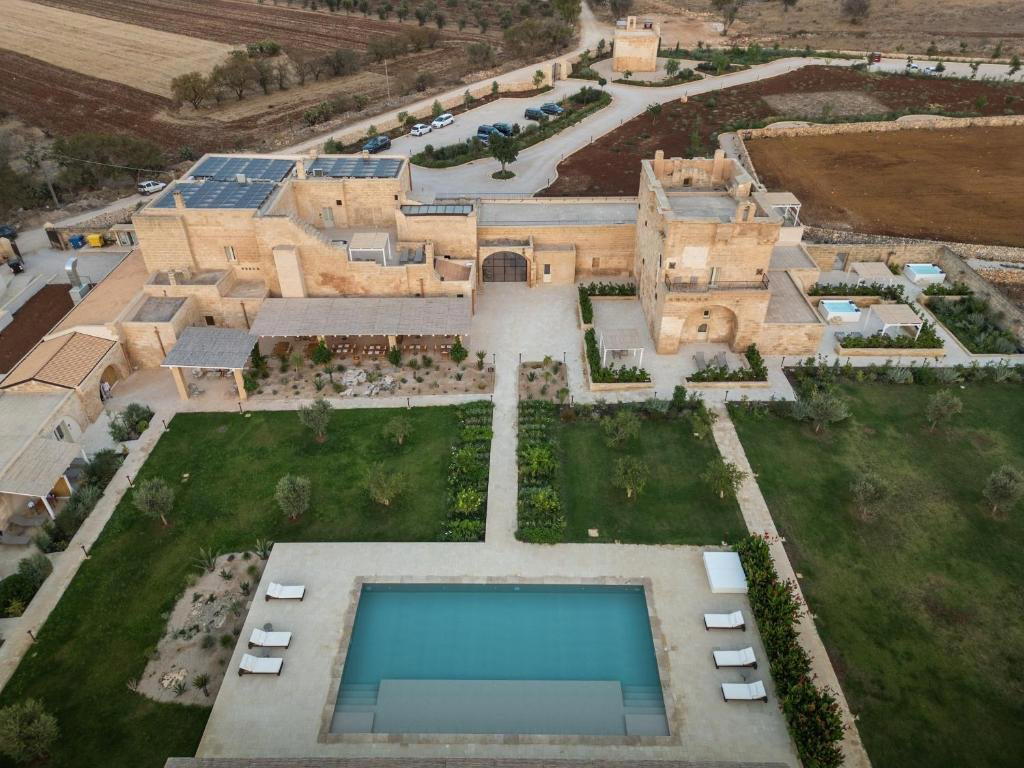
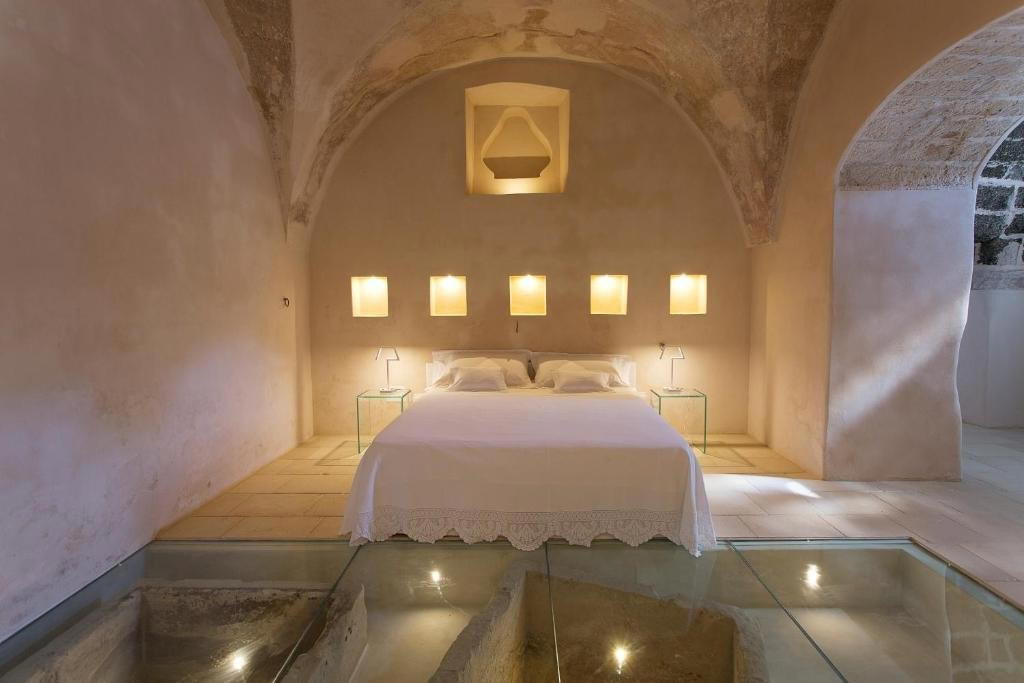
Arrive on Strada Torsano outside Nardò on a late afternoon and the light does something specific to limestone. The pale tufa walls of the old agricultural structures absorb and reflect it simultaneously, producing a warmth that no paint colour could replicate. This is the physical grammar of the masseria, the fortified farmstead form that has defined rural Puglia for centuries, and Masseria Corsano reads fluently in that language. Before considering what the property offers as a hotel, it helps to understand what a masseria is as a building type: a self-contained productive unit, often with a watchtower and enclosed courtyard, designed to manage both agriculture and security in a landscape that historically offered little of either. The leading restored examples in Salento preserve that enclosure logic while opening the interior to a different kind of use.
Where Masseria Corsano Sits in the Nardò Accommodation Scene
Nardò operates in a different register from the more heavily promoted coastal strip around Gallipoli or the Baroque circuit of Lecce, despite sitting equidistant from both. That positioning has kept its accommodation offer smaller and less internationally profiled, which is precisely why properties like Masseria Corsano attract travellers who have already done the obvious Puglia route.
MICHELIN Selected status in 2025 places Masseria Corsano within the guide's curated hotel tier, which applies criteria around character, setting, and hospitality quality rather than purely room count or chain affiliation. In Puglia more broadly, MICHELIN hotel selection has validated a specific category of agriturismo-adjacent property that operates at a higher hospitality register than a working farm stay but resists the resort conventions of a large coastal hotel. Masseria Corsano holds that position in the Nardò context.
For the wider Italian countryside hotel category, this kind of MICHELIN recognition carries comparative weight. Properties like Rosewood Castiglion Del Bosco in Montalcino or Castello di Reschio in Lisciano Niccone occupy a larger-scale version of the same rural-estate hotel category in central Italy, but the Salento masseria format runs smaller and more agricultural in its bones. The comparison is instructive: the southern Italian iteration of the rural estate hotel tends toward lower key counts, more direct engagement with the working land around it, and a food programme rooted specifically in what the Pugliese pantry produces rather than a broader Italian or Mediterranean brief.
The Food Dimension in Masseria Hospitality
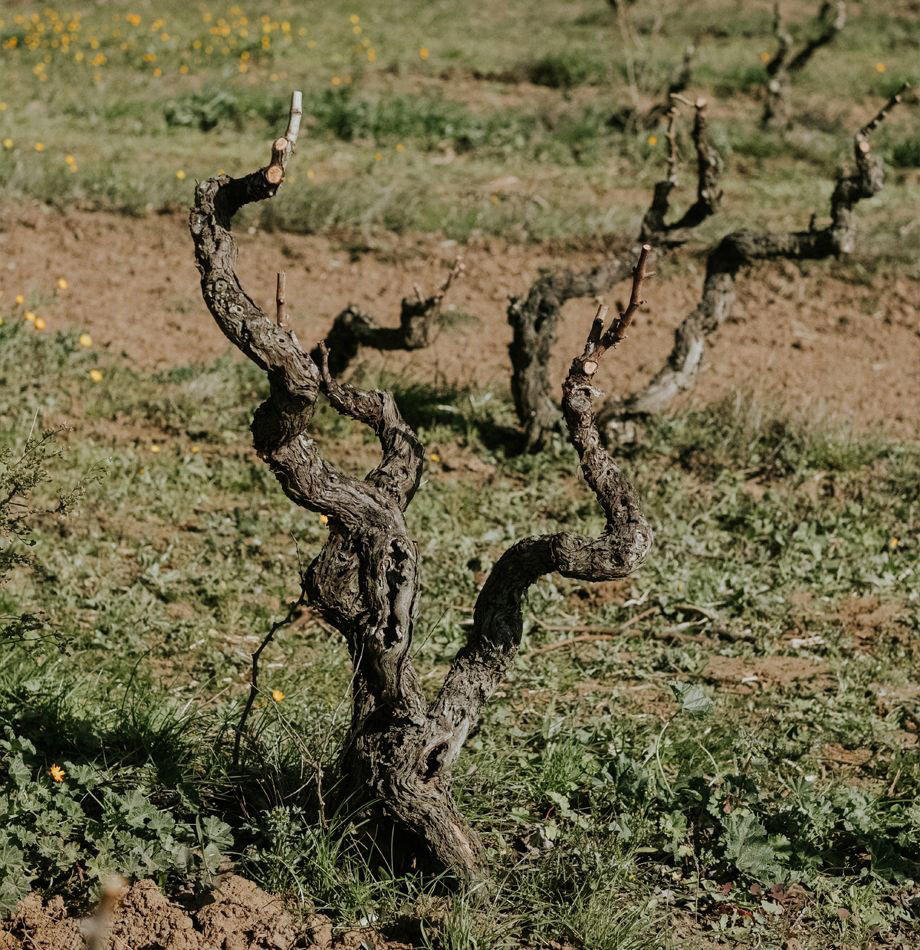
In the masseria hotel category across Puglia, the dining programme is rarely an afterthought. The form factor almost demands it: properties that sit on agricultural land, surrounded by olive groves and vegetable plots, have the raw material to make the table a serious part of the offer. The regional context reinforces this. Salento cooking draws from a pantry built on ciceri e tria (the chickpea and pasta dish that dates to the medieval Arab influence on the heel of Italy), wild greens foraged from the macchia, orecchiette dressed with cime di rapa, and the unfiltered olive oil pressed from centuries-old trees of the Ogliarola Salentina and Cellina di Nardò cultivars, the latter taking its name from this specific town. That last detail matters: Nardò has a named olive cultivar, which speaks to the depth of its agricultural identity and the specificity of what a locally-committed kitchen can draw on.
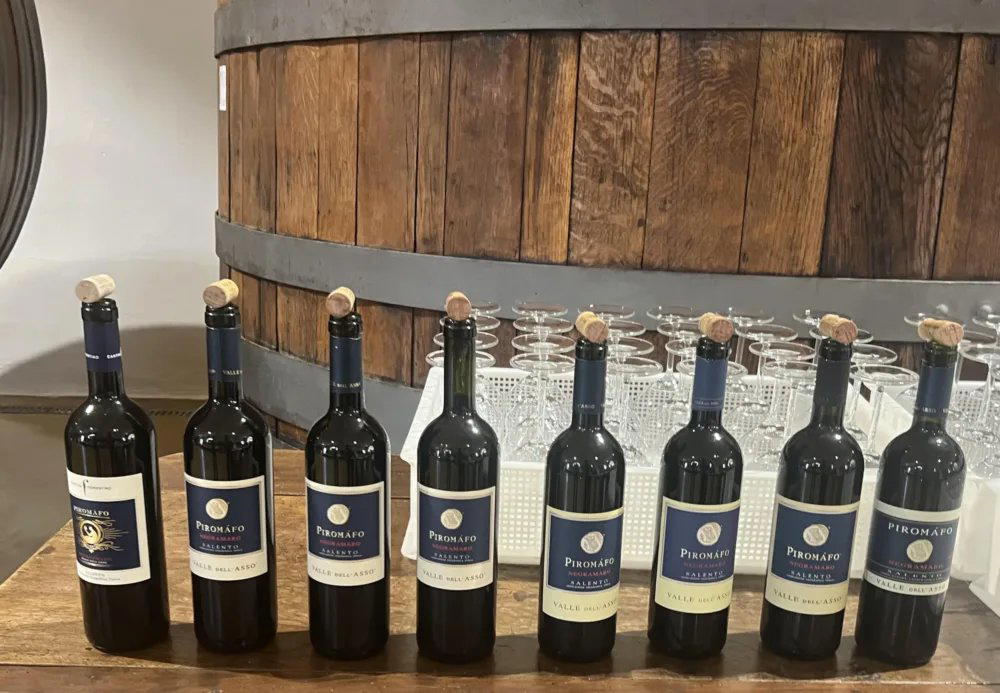
The masseria dining model at its strongest works as a closed loop: estate-grown produce, regional recipes with some historical depth, and a wine list that leans into Primitivo and Negroamaro from the Salice Salentino and Primitivo di Manduria appellations immediately to the north. Properties that execute this seriously, as Borgo Egnazia in Savelletri di Fasano does at larger scale further up the Adriatic coast, demonstrate that the format can carry genuine culinary ambition. At the scale Masseria Corsano appears to operate, the dining experience is likely to feel more intimate and less programmatic, closer to a private table than a hotel restaurant in the conventional sense.
For context on how Italian rural estate hotels approach their food programming at the highest level, Casa Maria Luigia in Modena represents the ceiling of the category in northern Italy, where the connection between a specific culinary identity and a property's character is explicit and documented. The Salento version runs on different ingredients and different techniques, but the underlying logic of place-specific hospitality is shared.
Planning a Stay: The Practical Picture
Masseria Corsano sits at 5 Strada Torsano outside Nardò, placing it in the agricultural inland rather than on the coast. Brindisi Airport is the practical gateway for the northern Salento area, with Lecce serving as the nearest city with rail connections. A car is not optional at this location: the masseria sits in the kind of dispersed rural territory where independence of movement matters for accessing the coast, the Baroque towns, and the broader Salento circuit. Nardò's historic centre, with its Piazza Salandra and the Chiesa di San Giuseppe, is reachable in a short drive.
MICHELIN Selected properties at this scale in Puglia tend to book meaningfully in advance for the July and August peak, when demand from both Italian and northern European visitors compresses available dates. The shoulder months of May, June, September, and October offer the more considered version of the experience: manageable temperatures, fewer guests, and an agricultural landscape that reads differently when the harvest cycles are visible rather than dormant. For specific booking details, contact information, and current rates, direct enquiry through the property is the appropriate channel given that precise figures are not available here.
Travellers building a broader southern Italian itinerary around Masseria Corsano can extend toward the Amalfi coast with properties like Borgo Santandrea or Il San Pietro di Positano, or move into different Italian contexts entirely with Aman Venice, Four Seasons Hotel Firenze, or Portrait Milano in the north. For those staying within the Salento orbit, see our full Nardò restaurants guide for what the town's dining scene offers beyond the masseria table.
Recognition history
Dated appearances from independent guides and award organizations, with the underlying list record or original source where available.
Mr & Mrs Smith Smith Seal of Approval
Mr & Mrs Smith
Michelin Selected
Michelin
Continue exploring
More in Nardò
Hotels in Nardò
Browse all →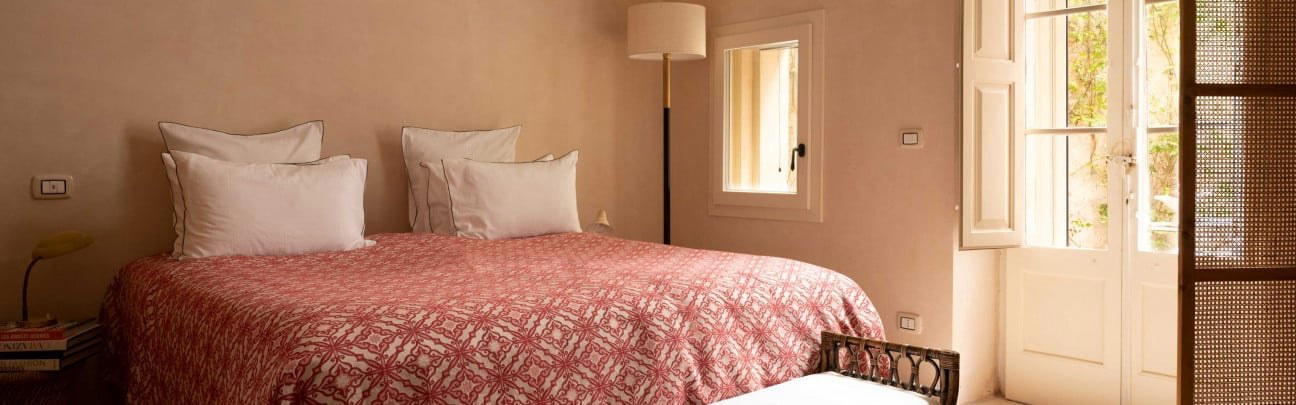
Bars in Nardò
Browse all →
Restaurants in Nardò
Browse all →

At a Glance
- Romantic
- Elegant
- Rustic
- Intimate
- Sophisticated
- Honeymoon
- Romantic Getaway
- Wellness Retreat
- Anniversary
- Terrace
- Garden
- Pool
- Spa
- Fitness Center
- Sauna
- Hot Tub
- Massage
- Restaurant
- Room Service
- Airport Transfer
- Wi Fi
- Bicycle Rental
- Garden
- Pool
- Spa
- Fitness Center
- Sauna
- Hot Tub
- Massage
- Restaurant
- Room Service
- Airport Transfer
- Wi Fi
- Bicycle Rental
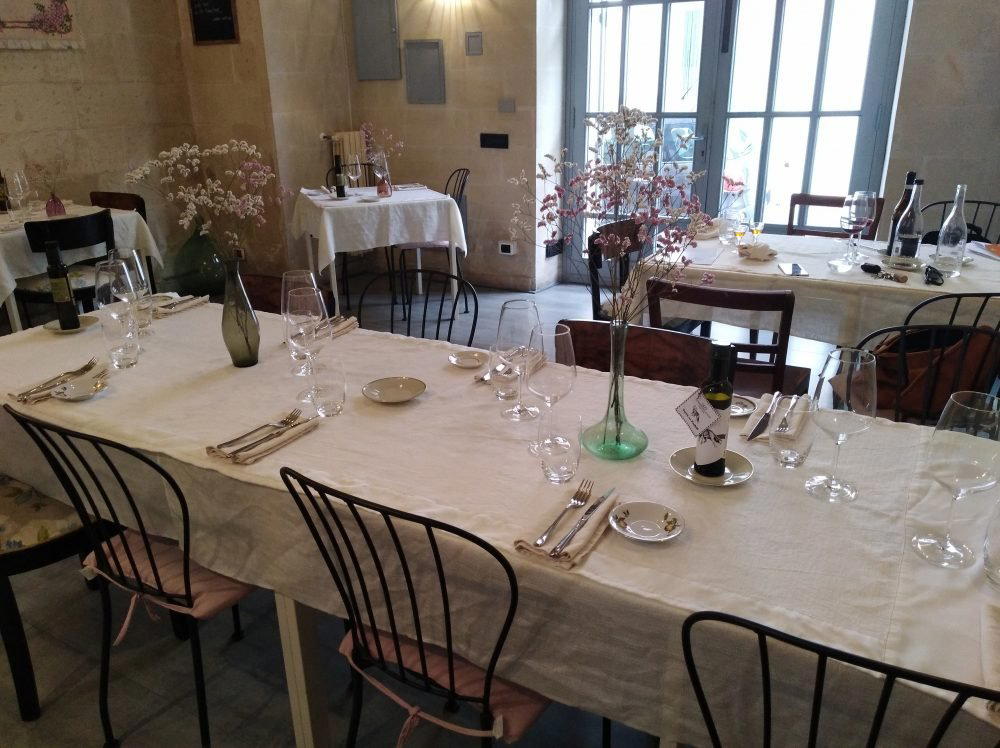
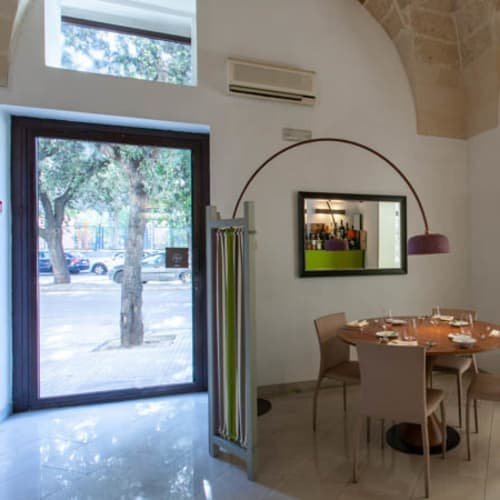
Serene and elegant atmosphere with neutral-toned modern furnishings against classic stonework, poolside relaxation, and intimate couple-focused serenity.
Know Before You Go
- Getting there
- Strada Torsano, 5, 73048 Nardò LE, Italy