La Scala
La Scala sits on Via Marzia in Abano Terme, a spa town in the Veneto where the dining scene draws from one of Italy's most ingredient-rich hinterlands. The restaurant occupies a position within a local circuit that rewards visitors who look beyond the thermal hotel buffet circuit. For travellers already exploring the Euganean Hills and the Po Delta, it warrants attention alongside Abano Terme's other serious tables.
Pearl is the En Primeur Club membership app — saves, bookings, and concierge access live there. Same editors, same standards.
- Address
- Via Marzia, 33, 35031 Abano Terme PD, Italy
- Phone
- +39498630306
- Website
- ristorantelascalaabano.it
- Directions
- Get directions
 Saves & bookings on Pearl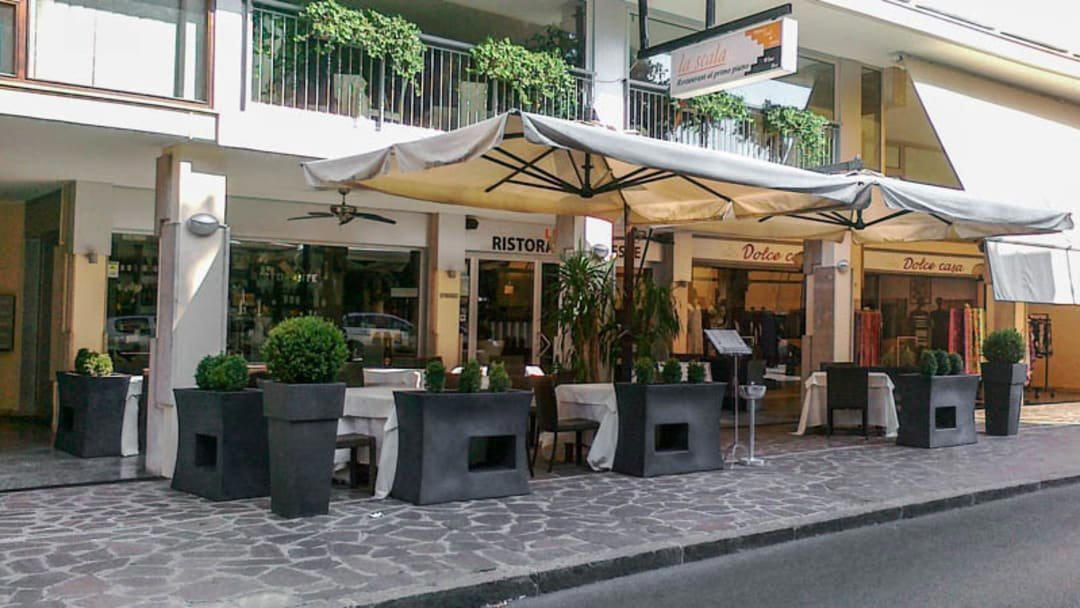
Abano Terme at the Table
Abano Terme is better known for its thermal baths than its restaurants, which is precisely why the town's serious dining rooms have developed quietly and on their own terms. The Veneto region that surrounds it is one of Italy's most agriculturally productive corridors, running from the lagoon edges of the Adriatic to the foothills of the Dolomites, and the supply chain that feeds the region's leading kitchens reflects that range: Adriatic fish landed at Chioggia, radicchio from Treviso and Castelfranco, white asparagus from Bassano del Grappa, and corn-fed meats from small producers scattered across the plains. Restaurants that work within this geography have access to ingredients that larger, more fashionable dining cities often import at a premium.
La Scala, addressed at Via Marzia 33, operates within that context. The building sits in a part of Abano Terme where the spa hotel architecture of the mid-twentieth century gives way to quieter residential streets, and the approach carries none of the resort-corridor noise that defines the town's main thermal strip. Arriving on Via Marzia, the register shifts. The street is narrow enough that the building presents itself gradually rather than all at once, and the interior, once you step inside, signals a room built for eating rather than for spectacle.
The Veneto Ingredient Belt and Why It Matters Here
Northern Italian cuisine at this latitude has always been defined more by what the land produces than by what chefs impose on it. The Euganean Hills, which rise directly south and west of Abano Terme, have their own microclimate that supports herb cultivation and small-scale viticulture. The Po Delta, an hour's drive east, supplies eel and freshwater fish that appear on few menus outside the Veneto. The white truffle season from the Berici Hills runs from autumn into December, creating a short window when local sourcing produces results that no importation can replicate.
This is the ingredient matrix that Veneto kitchens at serious addresses are working with. When a restaurant in Abano Terme sources within this radius, it is not performing a locavore philosophy for marketing purposes; it is drawing on a supply chain that has existed in this form for generations. The distinction matters because it explains why the region's cooking, at its most honest, reads as restrained rather than elaborate. The ingredient does more of the work. Kitchens that understand this tend to intervene less, and the results are legible in a way that heavily constructed tasting menus often are not.
For comparison, the approach sits in contrast to the more architecturally ambitious progressive Italian cooking visible at Le Calandre in Rubano, a short drive north, where the Alajmo family has spent decades building a kitchen that engages with technique as a primary language. Neither approach is superior in the abstract; they represent different orientations toward the same regional larder. Further afield in the Italian northeast, Atelier Moessmer Norbert Niederkofler in Brunico has made mountain-sourced restraint the explicit thesis of its entire program, earning significant recognition for what amounts to a similar conviction applied at higher altitude.
Where La Scala Sits in the Local Circuit
Abano Terme's dining scene is not large. The town's thermal hotel economy has historically absorbed most food spending, which means that restaurants operating independently and at a considered level occupy a genuinely small peer group. Aubergine and L'Ombra che conta represent two of the other addresses worth tracking in the same circuit. Each takes a distinct position: the former leaning into a more international register, the latter occupying the wine-forward trattoria space that Italian provincial towns do particularly well.
La Scala's address on Via Marzia places it slightly removed from the central hotel concentration, which tends to self-select for guests who have already looked past the obvious options. That geography is not incidental. In Italian provincial dining, restaurants that attract a local clientele alongside visitors tend to maintain a different calibration of cooking and pricing than those sustained primarily by tourist turnover. The distinction is worth bearing in mind when reading the room.
Travellers using Abano Terme as a base for wider Veneto exploration will find the surrounding area well-supplied with reference points. Casa Perbellini 12 Apostoli in Verona is roughly an hour west and represents the direction Veneto fine dining has moved at its upper tier. The Padua food market, the Mercato Ortofrutticolo, is one of the region's major wholesale nodes and gives useful context for understanding what is in season and where it originates.
Planning a Visit
Abano Terme sits within the Padua metropolitan area and is reachable from Padua's train station in under thirty minutes by bus or taxi. Visitors flying into Venice Marco Polo Airport can reach Padua by rail in approximately thirty minutes, then connect onward. The town's thermal season runs year-round, but the shoulder months of April through June and September through October tend to bring visitors who are less concentrated on the spa circuit alone, which affects restaurant availability in the town more broadly.
For context on where the restaurant sits relative to Italy's wider dining geography, the relevant comparison set includes addresses such as Dal Pescatore in Runate, Enoteca Pinchiorri in Florence, Osteria Francescana in Modena, and Piazza Duomo in Alba, all of which operate at the upper register of Italian regional cooking but in cities with more established fine dining reputations. The Veneto, and Abano Terme specifically, represents a quieter corridor where similar ingredient quality is available without the competition for tables or the pricing premium that attaches to more prominent addresses. For visitors already familiar with Uliassi in Senigallia or Quattro Passi in Marina del Cantone, the register will feel recognizable: Italian coastal and regional cooking that takes its ingredients seriously without requiring a destination occasion to justify the visit.
Quick Comparison
Comparable venues nearby, for context on price, style, and recognition.
| Venue | Cuisine | Price | Awards | Notes |
|---|---|---|---|---|
| La ScalaThis venue — the venue you are viewing | Italian Seafood | $$$ | Not listed | Not listed |
| L'Ombra che conta | Modern Italian with Wine Focus | $$$ | Not listed | Historic Center |
| Aubergine | Classic Italian Seafood | $$$ | Michelin Plate | Abano Terme |
| Tolin | Italian Meat & Barbecue | $$$ | Not listed | Lozzo Atestino |
| Al Sasso | Modern Venetian Trattoria | $$$ | Not listed | Colli Euganei |
| Impronta Restaurant Venice | Contemporary Venetian Italian | $$$ | Not listed | San Polo |
Continue exploring
More in Abano Terme
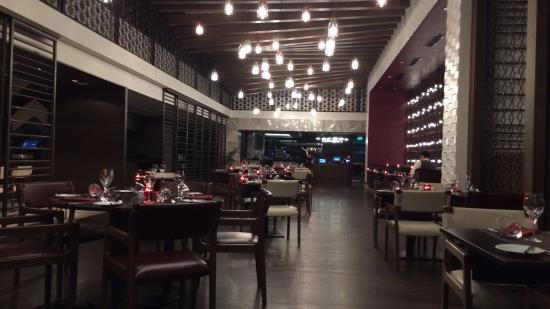
Restaurants in Abano Terme
Browse all →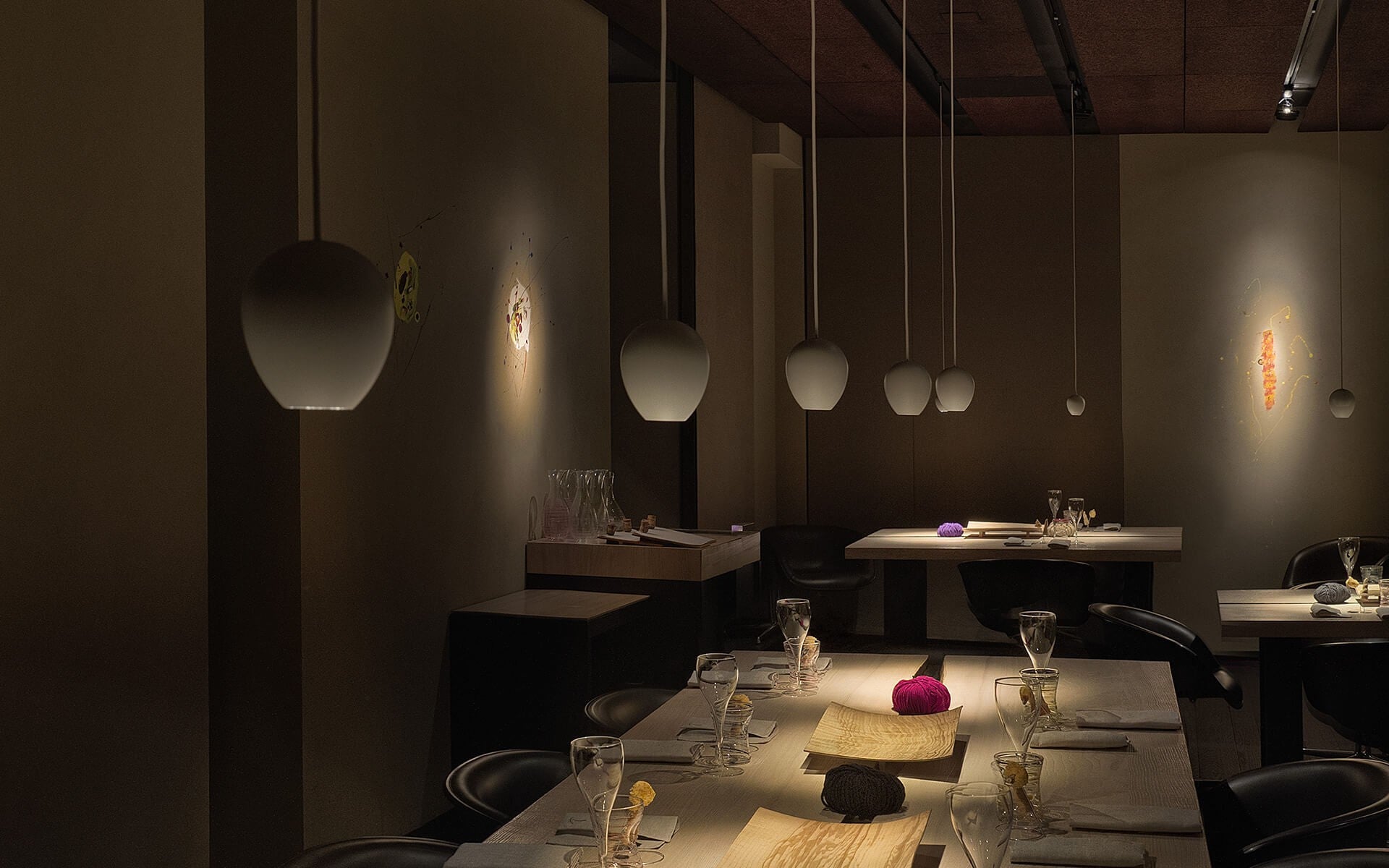
Bars in Abano Terme
Browse all →
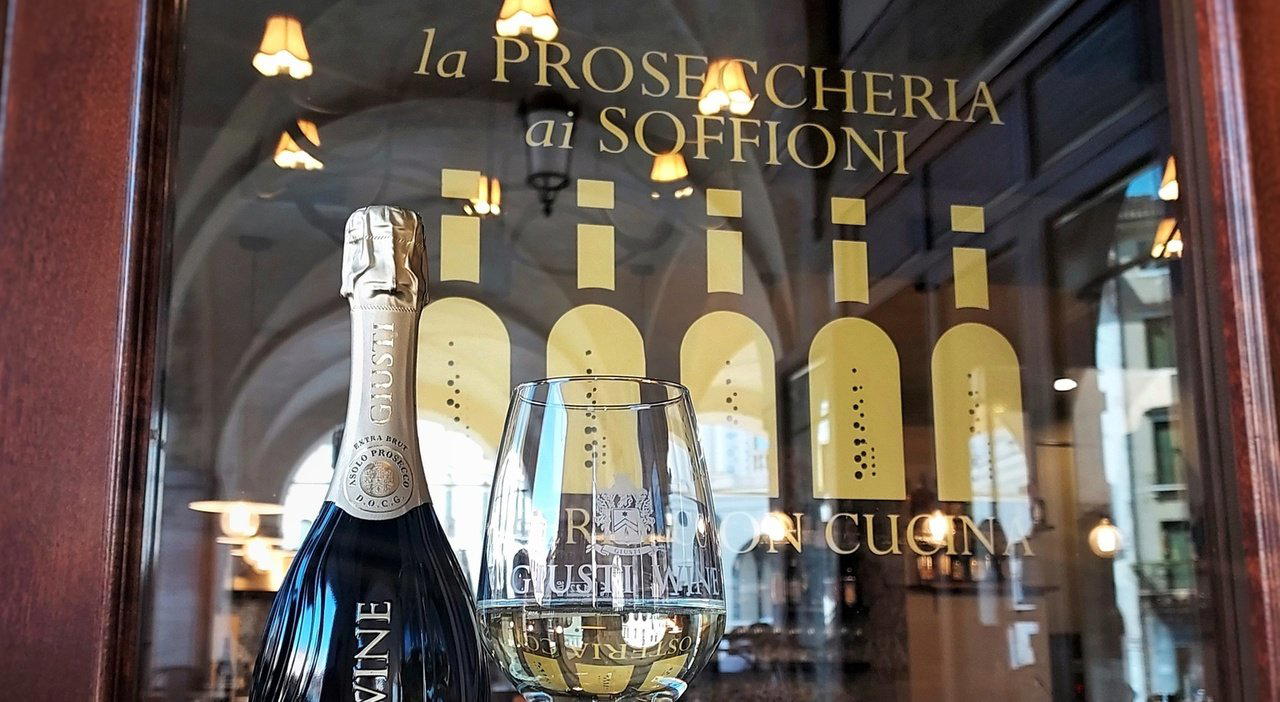
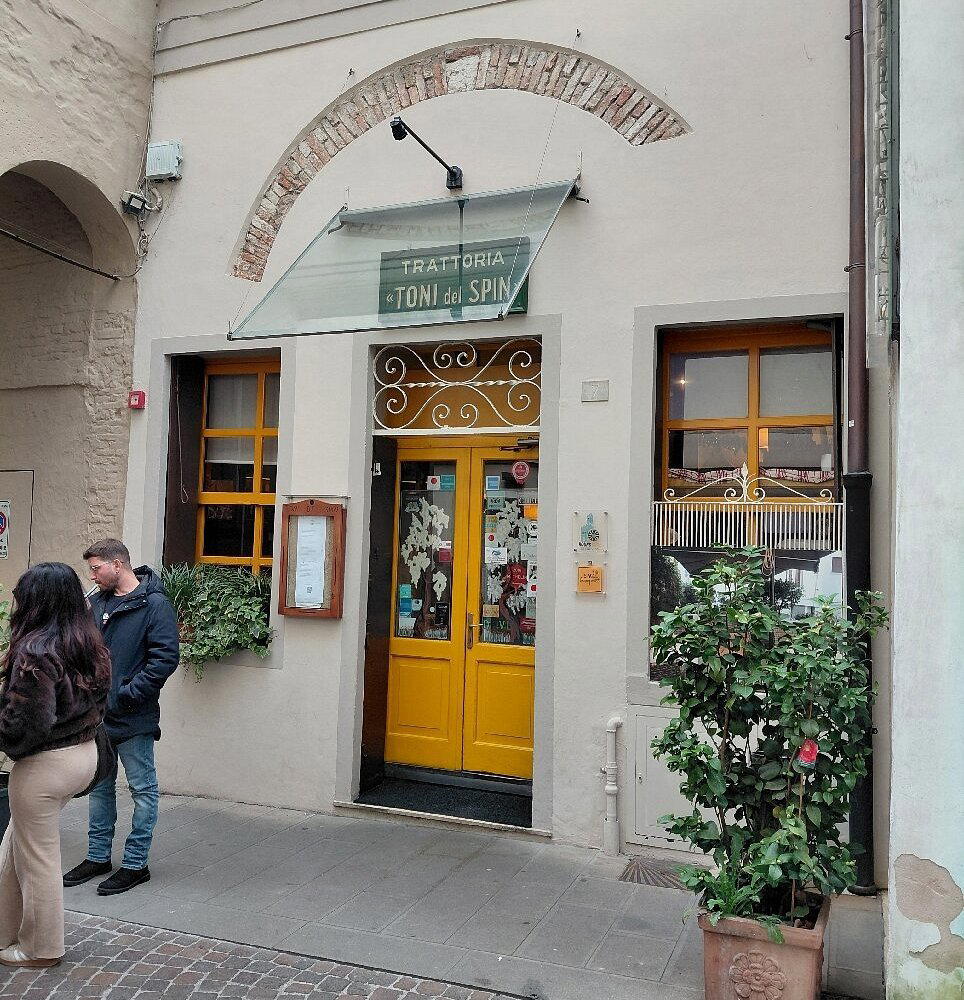
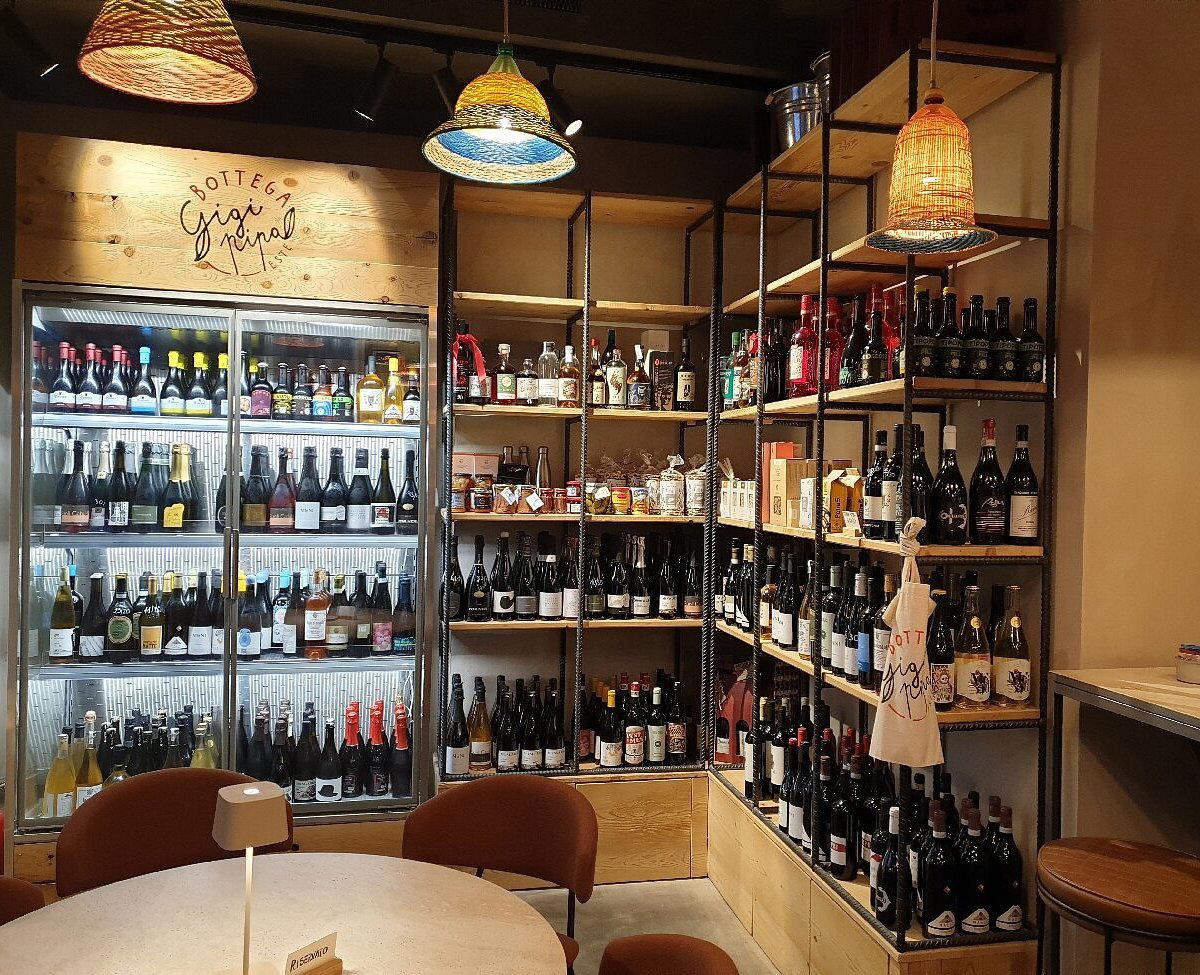
Hotels in Abano Terme
Browse all →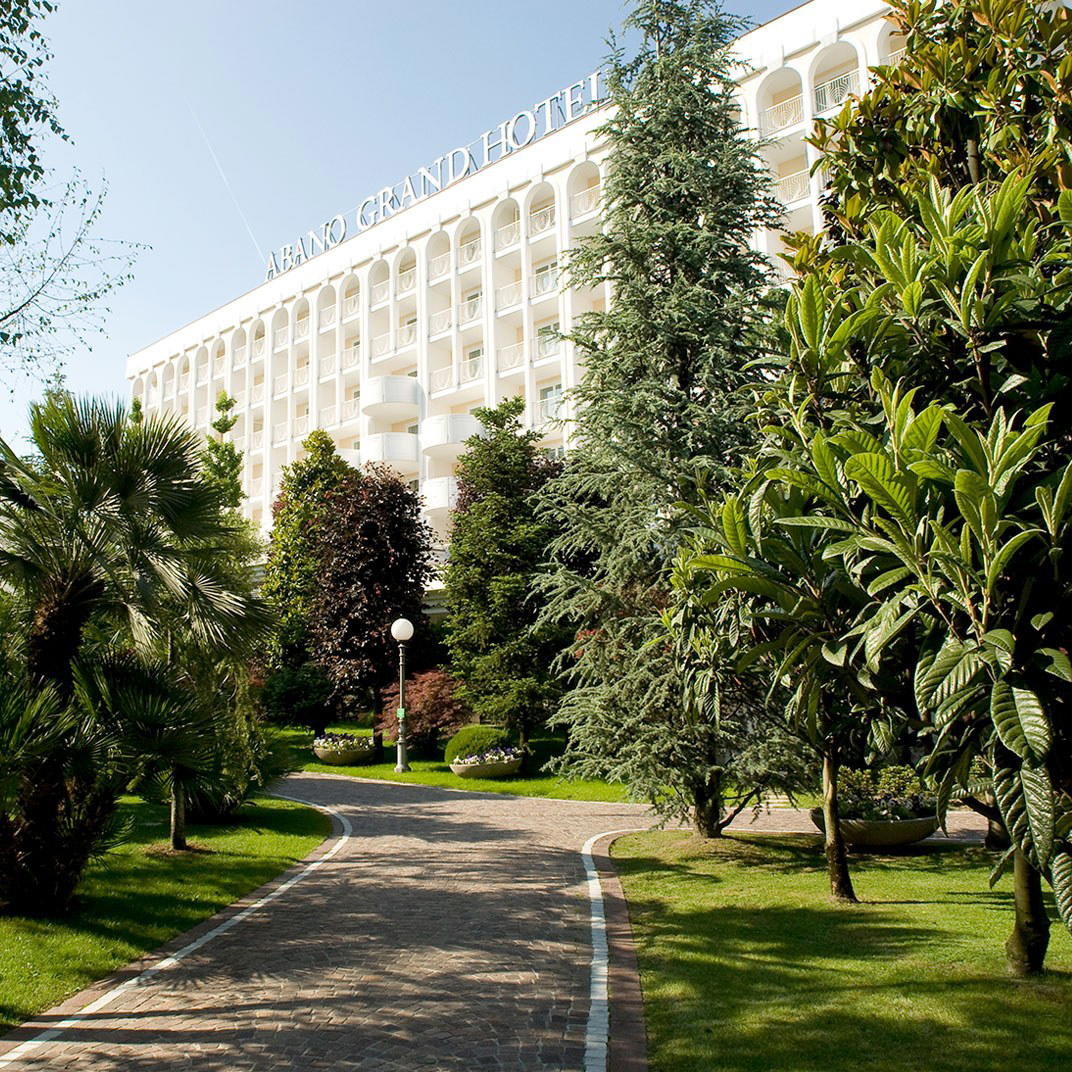
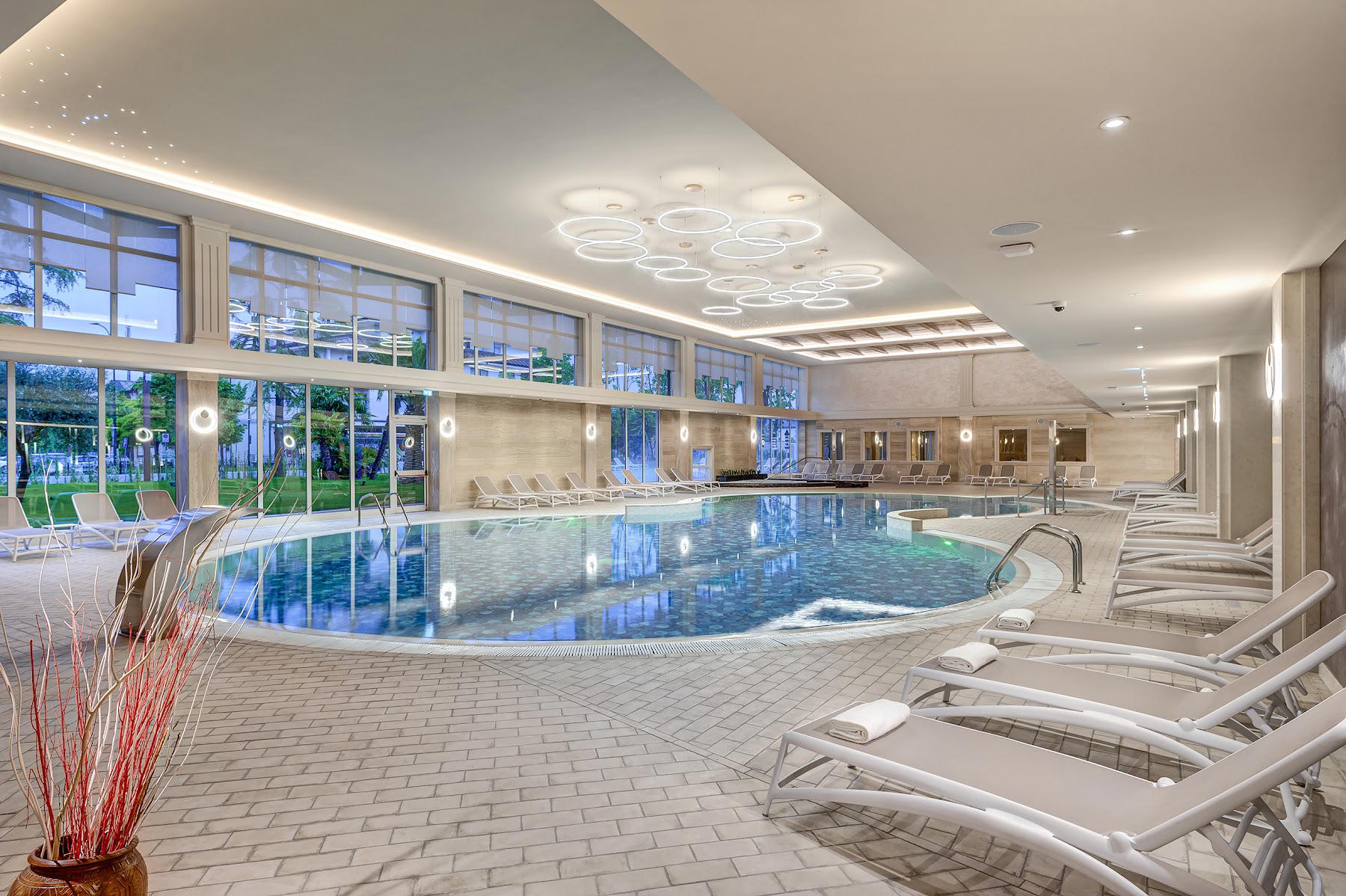
At a Glance
- Elegant
- Classic
- Sophisticated
- Date Night
- Special Occasion
- Terrace
Current opening hours
- Monday
- Closed
- Tuesday
- 12–2:30 PM, 6:30–10:30 PM
- Wednesday
- 12–2:30 PM, 6:30–10:30 PM
- Thursday
- 12–2:30 PM, 6:30–10:30 PM
- Friday
- 12–2:30 PM, 6:30–10:30 PM
- Saturday
- 12–2:30 PM, 6:30–10:30 PM
- Sunday
- 12–2:30 PM, 6:30–10:30 PM
Hours can change for holidays and private events. Last verified .
Bright and elegant atmosphere praised for its fresh seafood dining experience.