Hotel Jagdhof Glashütte


Michelin Selected · Relais Chateaux Award
A traditional half-timbered manor in the Wittgenstein highlands of Sauerland, Hotel Jagdhof Glashütte positions itself at the intersection of forest hunting culture and river-edge retreat. Rates from US$421 per night place it in the upper tier of rural German country house hotels. The property draws outdoor enthusiasts seeking a structured escape from the Rhine-Ruhr corridor, with Frankfurt and Cologne both reachable within two hours.

Pearl is the En Primeur Club membership app, where members save venues, book tables and use the concierge.
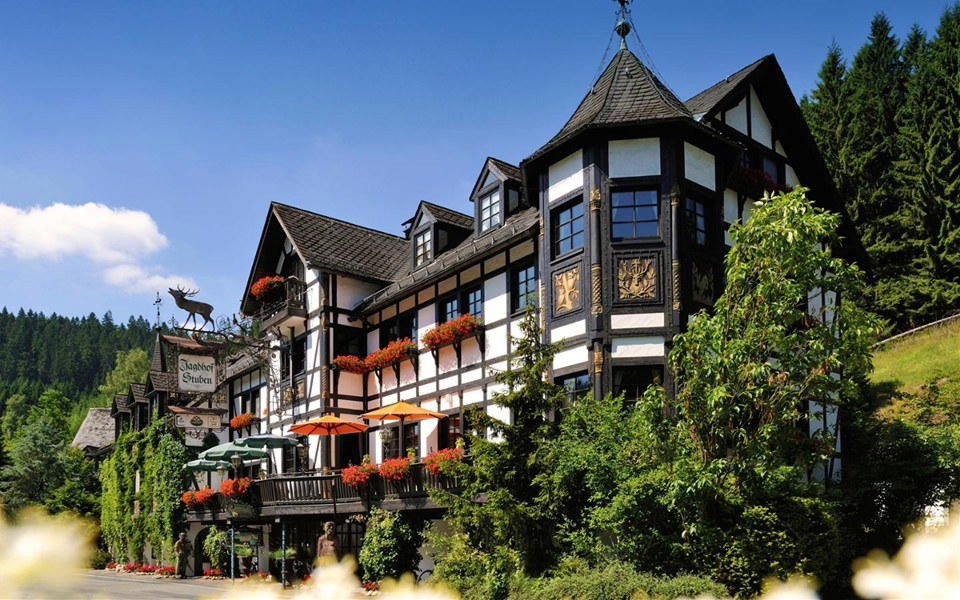
Timber, Stone, and the Architecture of the German Country House Tradition
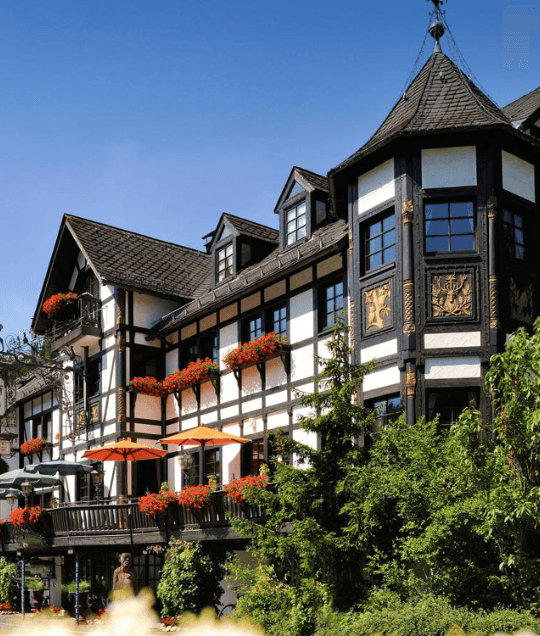
The half-timbered manor is one of the most legible architectural typologies in Germany, and in the Sauerland and Siegerland regions it carries particular weight. These structures, with their exposed wooden frames, steep pitched roofs, and stone foundations built to meet the forest floor, were not designed as aesthetic statements. They were practical responses to a range of dense deciduous forest, fast-moving rivers, and hard winters. Hotel Jagdhof Glashütte, positioned between the Lahn river and the forested hills above Bad Laasphe, belongs to that tradition in both form and function. Approaching from the B 54 via Netphen and Feudingen, the road narrows through Volkholz before opening toward Glashütte, and the property arrives as the landscape would suggest it should: timber-framed, pitched-roofed, settled into the hillside as if it had grown there.
That sense of physical rootedness is what separates the traditional German Jagdhotel from the international country house category. Where properties like Schloss Elmau Luxury Spa Retreat & Cultural Hideaway in Elmau or Das Kranzbach Hotel & Wellness Retreat in Kranzbach occupy a larger, spa-resort format, the Jagdhotel model is more compressed, more specifically tied to the hunting and forestry culture of its region. The architecture is not decorative; it is the programme.
The Glashütte Setting: River, Forest, and the Logic of the Site
Bad Laasphe sits in the Wittgenstein district of eastern North Rhine-Westphalia, a part of Germany that receives less international attention than the Bavarian Alps or the Black Forest corridor, but which has its own coherent character. The landscape here is shaped by the upper Lahn valley: beech and oak forest on the ridges, river meadows in the valley floors, and a series of small settlements that retain much of their pre-industrial form. The hotel's address on Glashütter Strasse places it in one of those settlements, a few kilometres from Bad Laasphe's town centre.
For guests arriving by car, the access route from the A 45 motorway (exit 21, Siegen/Netphen) is clear, covering roughly 30 kilometres from Siegen through the Netphe valley. The nearest train station is Bad Laasphe-Feudingen, approximately 4 kilometres from the property. Cologne sits 110 to 114 kilometres to the northwest depending on route, Frankfurt 130 to 146 kilometres to the south. Both cities have international airports, making Jagdhof Glashütte accessible as a long-weekend destination from a wide catchment. Guests travelling from within the Rhine-Ruhr metropolitan region effectively have a forest retreat within a 90-minute drive, which partly explains the property's positioning as a withdrawal from urban density rather than a destination requiring long-haul travel. See our full Bad Laasphe restaurants guide for the wider local context.
Hunting Culture and the Jagdhotel Format
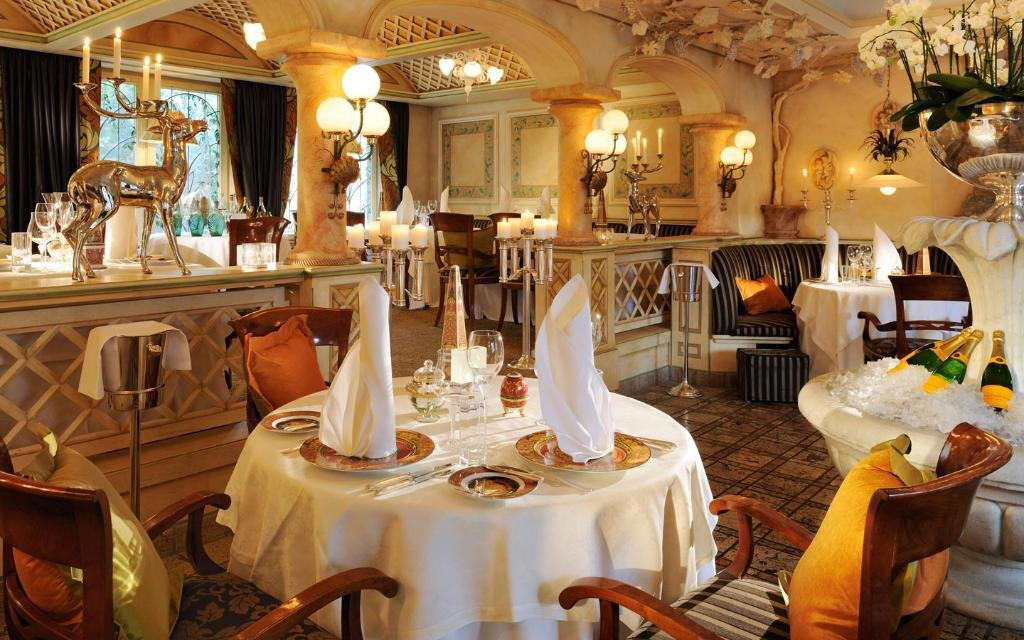
The Jagdhotel, or hunting hotel, is a specific sub-category within German hospitality that has deep roots in the aristocratic land management traditions of central and southern Germany. Properties carrying this designation typically operate in areas where organised hunting is still an active land-use practice, and their design vocabulary, game trophies, dark timber interiors, hunting prints, and forest-facing terraces, reflects that operational reality rather than serving as pastiche. Hotel Jagdhof Glashütte's self-positioning as a property for hunting enthusiasts places it within this genuine tradition rather than the more broadly marketed "countryside escape" category.
This specificity of audience has parallels elsewhere in German rural hospitality. Properties like Gut Steinbach Hotel Chalets Spa in Reit im Winkl or Luisenhöhe in Horben similarly draw guests around specific landscape activities rather than broad luxury positioning. The model is less about amenity stacking and more about coherence between setting, architecture, and guest purpose. Outdoor activity, in this case hunting, hiking, and river access, functions as the primary programme. The building and its interiors exist to serve that purpose.
Price Position and Peer Context
Rates from US$421 per night place Hotel Jagdhof Glashütte in the upper band of German country house and rural hotel pricing, sitting above the mid-market Landgasthof category but below the top-end resort properties. For comparison, urban flagships like the Fairmont Hotel Vier Jahreszeiten in Hamburg or the Excelsior Hotel Ernst in Cologne operate in different market segments entirely, anchored by city location and full-service infrastructure. The more relevant comparison set for Jagdhof Glashütte is properties like Hotel Bareiss in Baiersbronn or Der Öschberghof in Donaueschingen, both of which occupy the rural luxury tier in forested German landscapes. Those properties carry higher amenity counts and Michelin-recognised dining, which positions Jagdhof Glashütte as a more intimate, less resort-scaled alternative within the same general category.
Volume ratings in the 700-range for a rural property with a specialist audience suggest consistent repeat engagement rather than one-off tourist traffic, which is characteristic of the Jagdhotel model where guest loyalty tends to be high.
Planning a Stay
The property is most logically approached as a two-to-four night stay tied to outdoor activity, with the surrounding Wittgenstein forest network offering hiking and cycling routes alongside whatever hunting access is arranged through the hotel. Seasonal timing matters in this landscape: autumn brings the most atmospheric conditions for forest access, with beech woodland turning in October across the Sauerland ridges, while spring opens the river meadows. Summer weekends draw outdoor visitors from the Rhine-Ruhr corridor, so mid-week stays in shoulder season will generally mean quieter access to the surrounding forest. Guests arriving by train should plan onward transfer from Bad Laasphe-Feudingen in advance, as the 4-kilometre gap to the hotel is not walkable with luggage. Car remains the most practical access mode from all three major gateways: Siegen, Cologne, and Frankfurt.
For those building a wider Germany itinerary that combines rural and urban properties, the routing logic from Frankfurt opens connections to Hotel Ketschauer Hof in Deidesheim (Palatinate wine country) or Breidenbacher Hof Düsseldorf in Düsseldorf as northward alternatives. Those planning coast-to-forest routes might also consider BUDERSAND Hotel in Hörnum or Landhaus Stricker in Sylt as contrast properties for a longer German circuit. Other reference points in the broader European country house and spa category include Althoff Seehotel Überfahrt in Rottach-Egern, Kempinski Hotel Berchtesgaden in Berchtesgaden, and Weissenhaus Private Nature Luxury Resort in Weissenhaus.
Comparison Snapshot
Comparable venues nearby, for context on price, style, and recognition.
| Venue | Cuisine | Price | Awards | Notes |
|---|---|---|---|---|
| Hotel Jagdhof GlashütteThis venue (the venue you are viewing) | Charming 1905 farmhouse with luxurious country-style interiors | Not listed | Michelin Selected · Relais Chateaux Award | Not listed |
| Villa Rothschild, Autograph Collection | Historic boutique castle hotel in Art Nouveau style | Not listed | Michelin Selected | Königstein im Taunus |
| Steigenberger Grandhotel und Spa | Classical grand hotel resort with historical villas and modern spa facilities | Not listed | Michelin Selected | Heringsdorf |
| Kameha Grand | Contemporary grand hotel with dramatic curved architecture and roof terraces. | $100–200 | Michelin Selected | Bonner Bogen |
| Victor's Residenz - Hotel Schloss Berg | 5-star superior luxury retreat blending Roman villa and Renaissance castle architecture | Not listed | Michelin Selected | Nennig |
| Brenners Park-Hotel & Spa | Timeless European grand hotel with modern wellness integration | $500–750 | 2 Michelin Keys · La Liste Top Hotels | Lichtentaler Allee |
Recognition history
Dated appearances from independent guides and award organizations, with the underlying list record or original source where available.
Michelin Selected
Michelin
Relais Chateaux Award
Relais Chateaux
Full recognition history (3 entries)
Relais Chateaux Award
Relais Chateaux
Continue exploring
More in Bad Laasphe
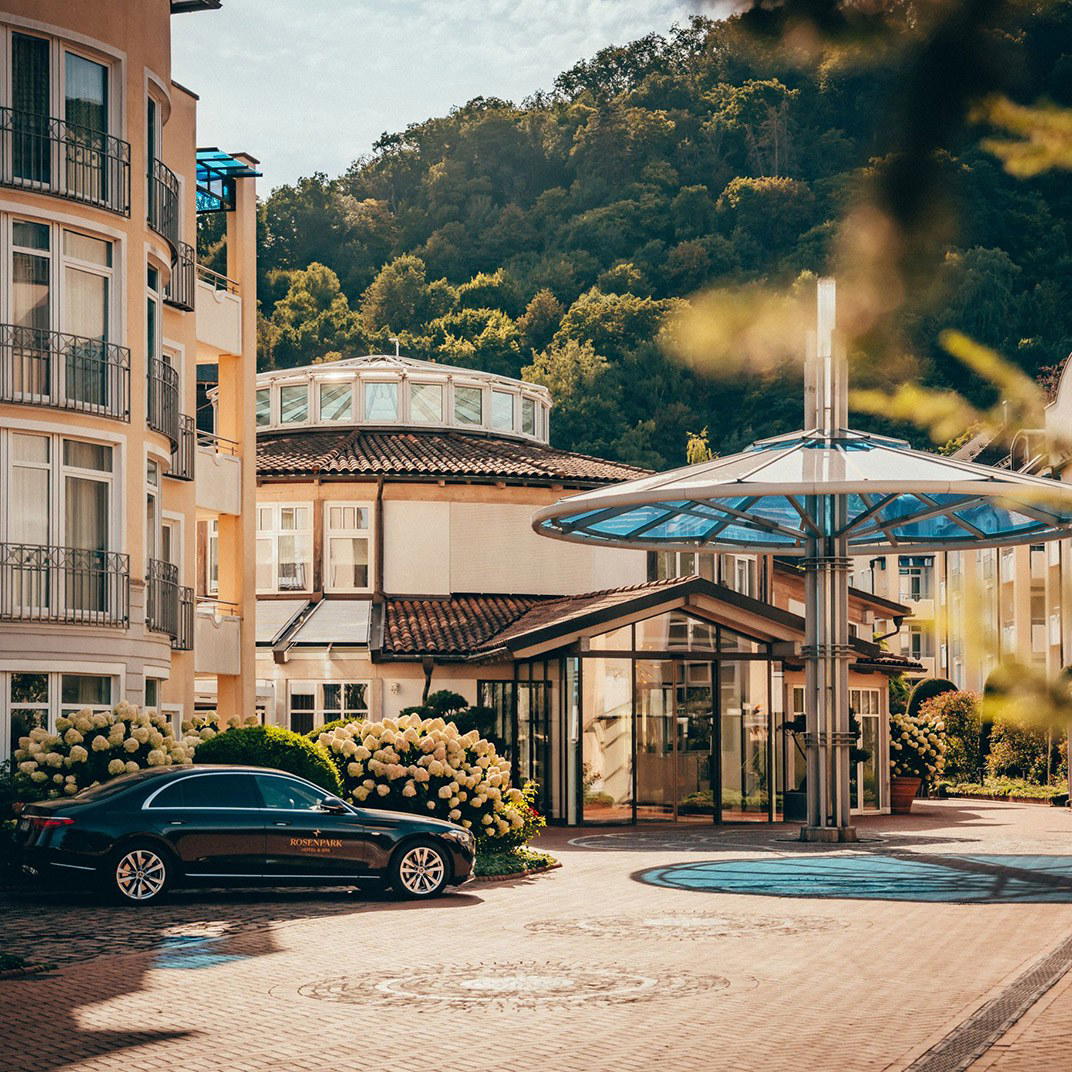
Hotels in Bad Laasphe
All hotels in Bad Laasphe →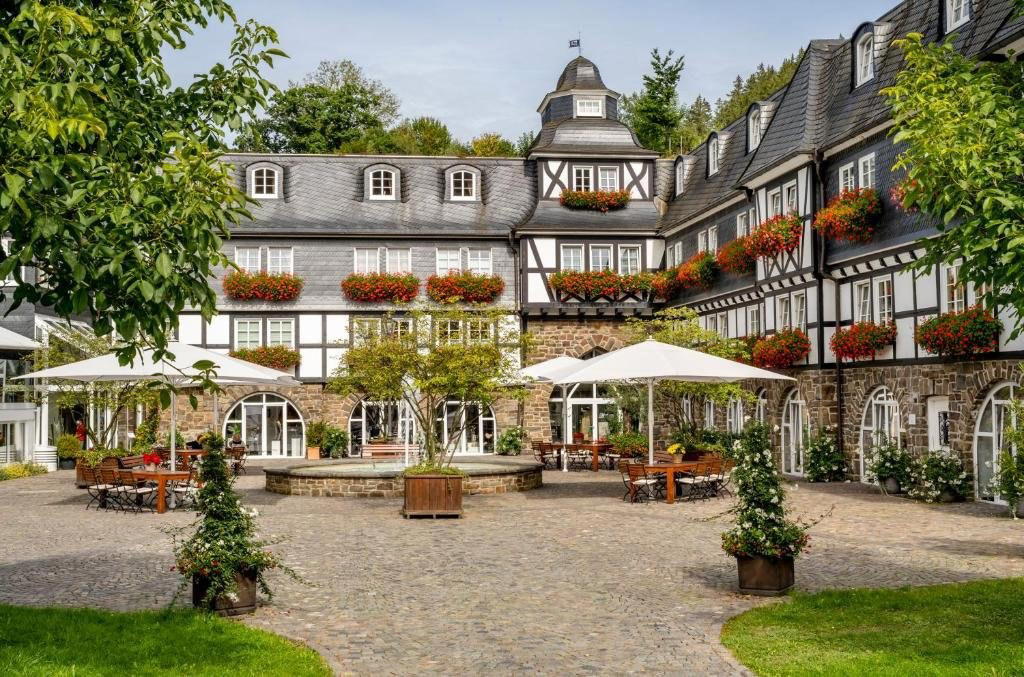
Bars in Bad Laasphe
Browse all →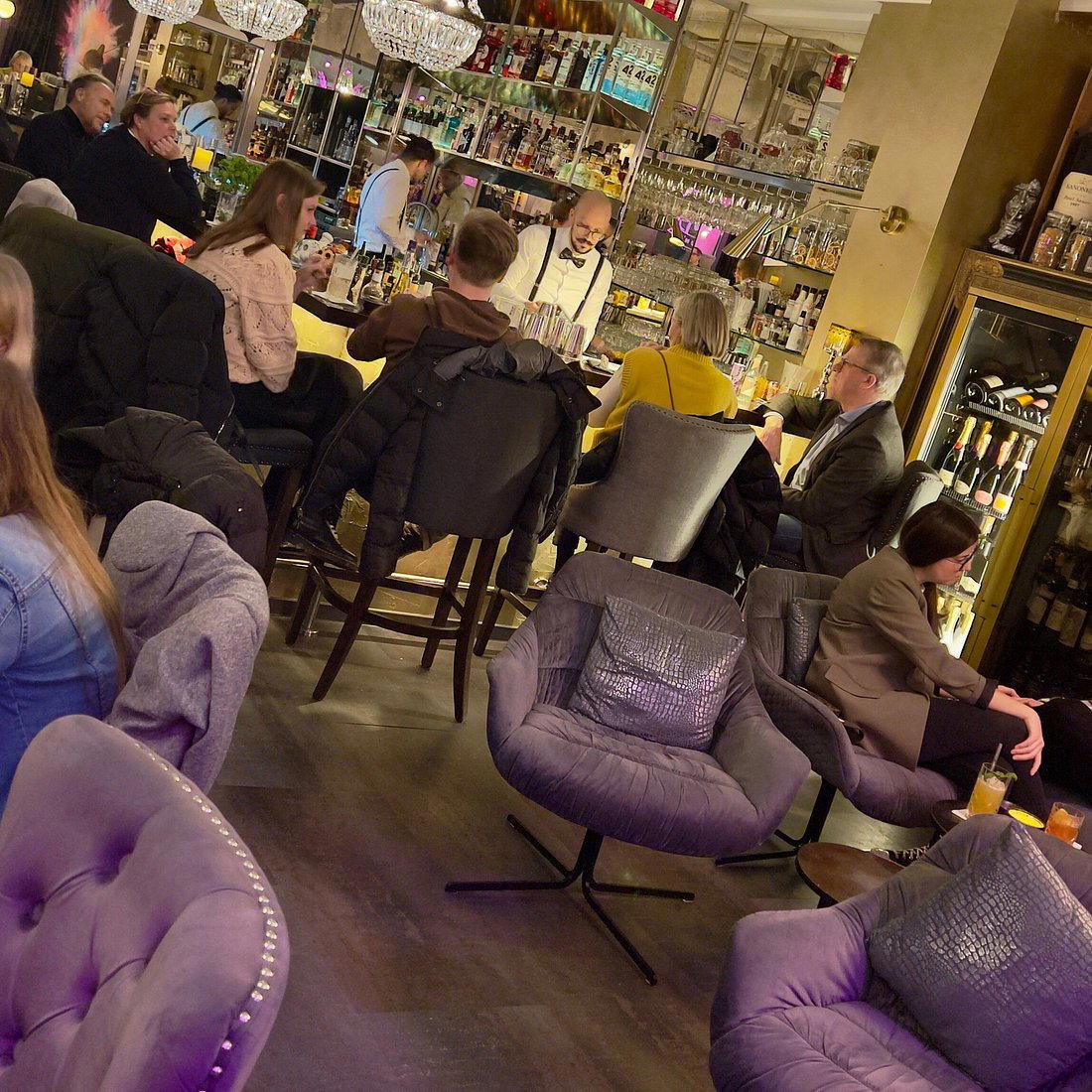
Details
- Romantic
- Quiet
- Cozy
- Elegant
- Rustic
- Romantic Getaway
- Anniversary
- Wellness Retreat
- Weekend Escape
- Historic Building
- Spa
- Pool
- Sauna
- Fitness Center
- Restaurant
- Room Service
- Wi Fi
- Free Parking
- Mountain
- Garden
- Wheelchair Accessible
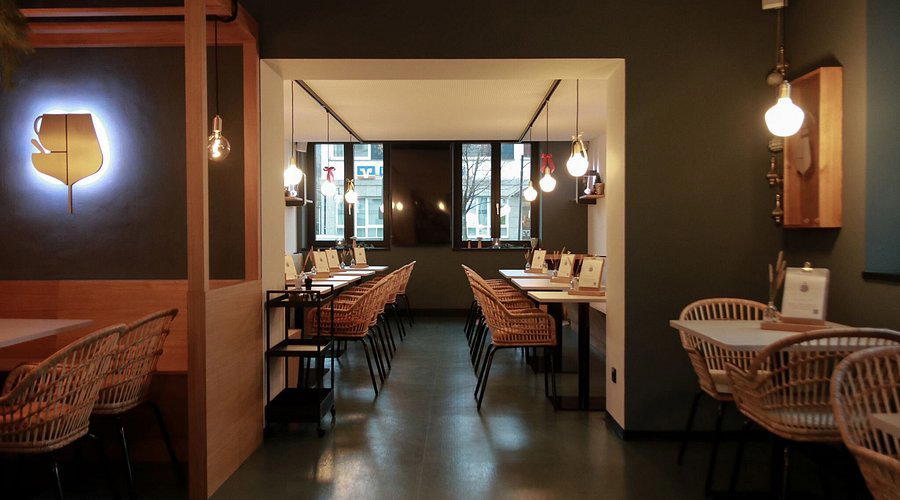
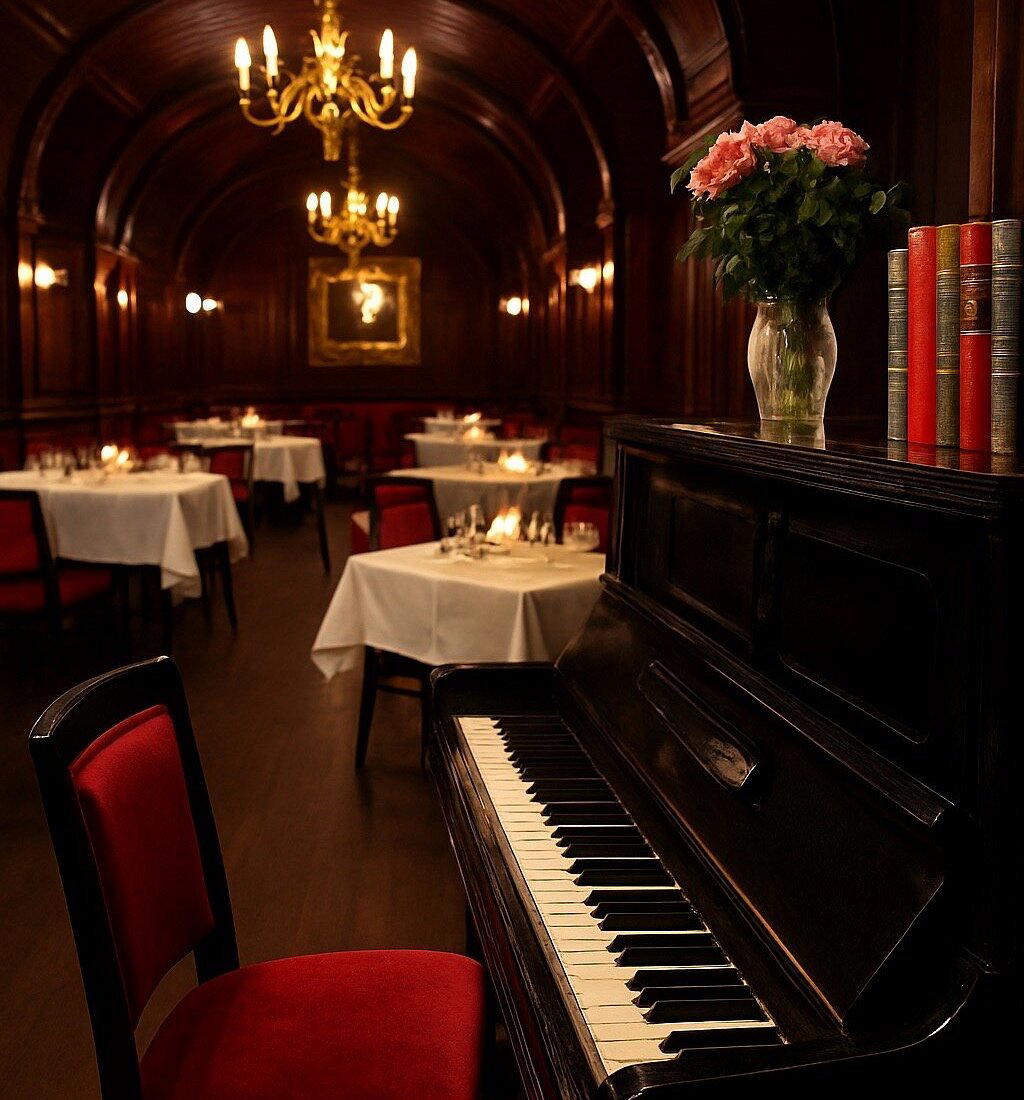
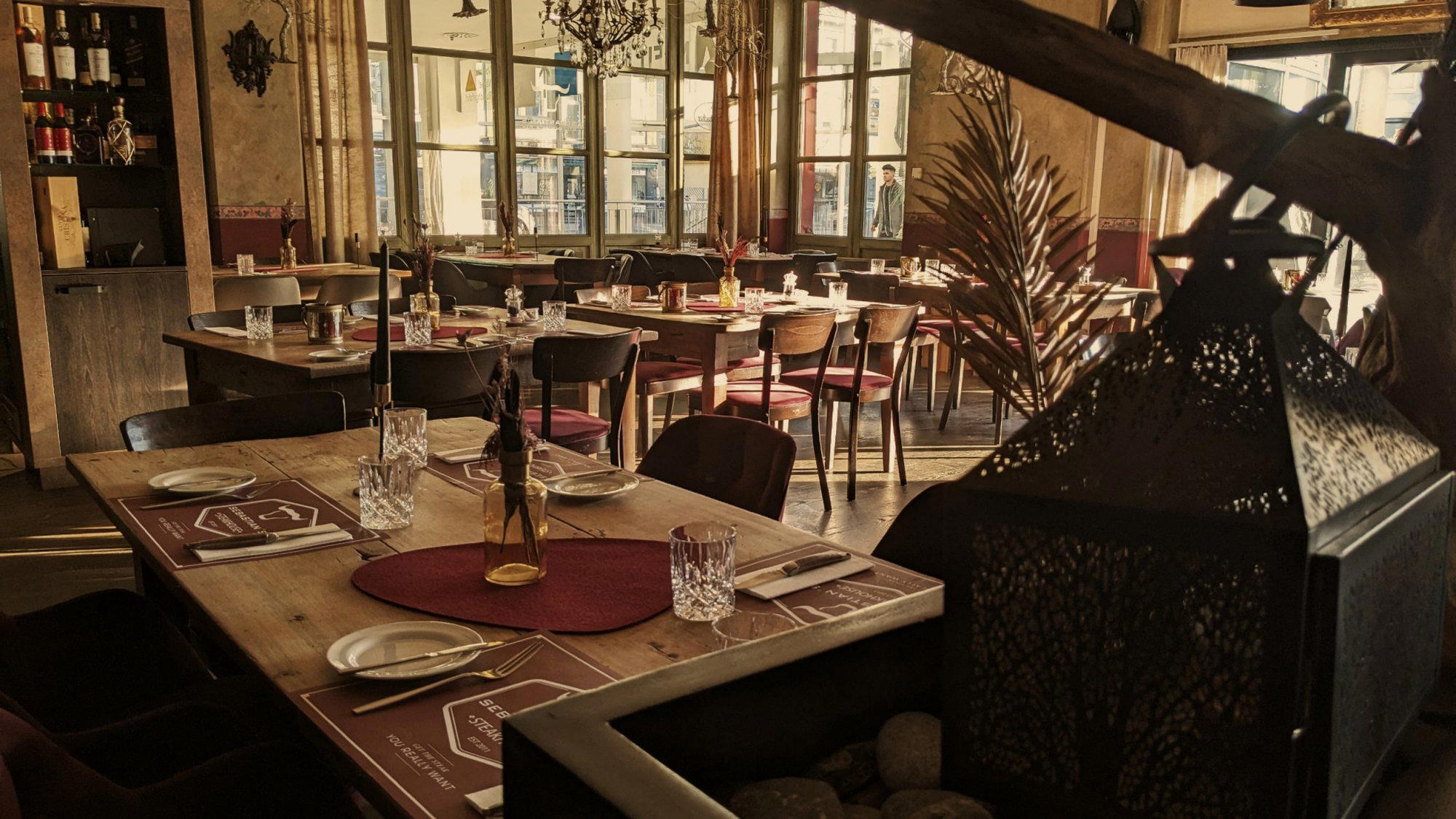
Cozy and rustic with warm fireplaces, hunting decor, and a tranquil, welcoming atmosphere praised in guest reviews.