Google: 4.8 · 970 reviews
A steakhouse in the heart of Siegen at Sandstraße 31, Sebastians Steakhaus sits within a city whose dining scene has grown steadily beyond its industrial roots. For visitors to the Siegerland region seeking red meat done with German seriousness, the address offers a reference point in a market where quality steakhouses remain comparatively rare outside major urban centres.
 Discover on Pearl
Pearl is the En Primeur Club membership app — saves, bookings, and concierge access live there. Same editors, same standards.
Steak Culture in the German Mid-Market: Where Siegen Sits
Germany's steakhouse tradition occupies a distinctive position in European beef culture. Unlike the American model, where prime cuts and dry-aging have been commercially codified for over a century, or the Argentine approach rooted in open-fire asado, the German steakhouse has historically been pulled between two poles: the hearty Bavarian Gasthaus tradition on one side, and the influence of French and American fine dining on the other. What has emerged, particularly in mid-sized cities, is a format that prizes quality sourcing and direct preparation over elaborate saucing or theatrical plating. Siegen, a city of roughly 100,000 in the Siegerland region of North Rhine-Westphalia, reflects that pattern. It is not a city with a Michelin-dense dining scene in the manner of Hamburg or Munich, but it has developed a food culture that takes its ingredients seriously, shaped partly by its proximity to both the Ruhr Valley's industrial pragmatism and the rural agricultural traditions of the surrounding Sauerland hills.
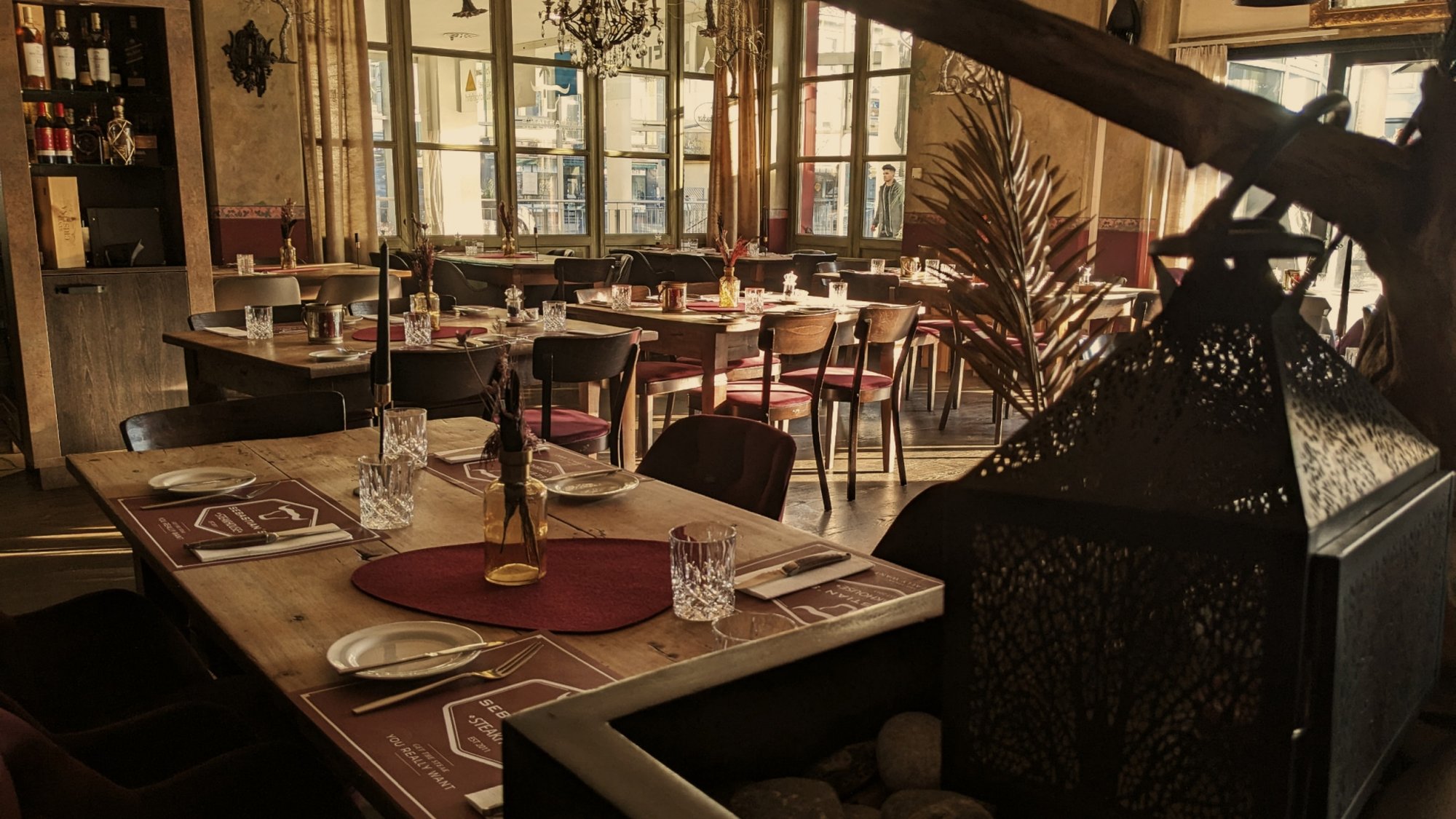
Sebastians Steakhaus on Sandstraße 31 sits within this context. The address places it in central Siegen, accessible from the main commercial zones of the city. For anyone researching the broader western German dining corridor, our full Siegen restaurants guide maps the wider scene, including Unser Restaurant, which represents a different register of the city's current ambitions.
The Cultural Weight of Beef in Central European Dining
To understand what a steakhouse means in a city like Siegen, it helps to situate beef cookery within German food history more broadly. For much of the twentieth century, pork dominated the German plate: Schnitzel, Kassler, Schweinebraten. Beef was present but not central, reserved for Sunday roasts and special-occasion preparations. The shift toward dedicated steakhouse formats accelerated through the 1990s and 2000s, driven partly by American franchise expansion and partly by a growing domestic appetite for premium cuts. What followed was a bifurcation. On one side, the international chain model standardising portions, sauces, and side formats. On the other, independent operators working with specific breeds, regional butchers, and dry-aging programs. The second category is smaller, and in cities outside Germany's top-tier restaurant markets, finding it requires local knowledge.
That regional scarcity matters when placing a venue like Sebastians Steakhaus in context. Western Germany outside the major urban centres — think the triangle between Cologne, Dortmund, and Frankfurt — contains a number of cities where quality independent restaurants exist but where the critical infrastructure (guidebooks, press coverage, awards bodies) is thinner. The contrast with Germany's most recognised fine dining addresses is sharp: operations like Aqua in Wolfsburg, Schwarzwaldstube in Baiersbronn, or Vendôme in Bergisch Gladbach operate with multi-Michelin recognition and a defined peer set. A steakhouse in Siegen plays a different, more local role: providing a reliable format for celebration dinners, business meals, and weekend occasions in a city where those functions matter even without national press attention.
What the Steakhouse Format Delivers in Practice
The steakhouse as a dining format carries its own logic, distinct from tasting-menu restaurants or casual bistros. The decision to focus on beef cookery concentrates the kitchen's attention: sourcing, ageing, butchery, and heat management become the defining technical variables. In Germany, operators who do this seriously tend to draw on a combination of domestic breeds, particularly Black Angus raised in Germany or imported from Northern European farms, and occasionally Wagyu crossbreeds for premium menu positions. The grill or flat-iron becomes the kitchen's primary instrument, and the quality of the cook on a thick-cut ribeye or striploin is the clearest signal of a kitchen's discipline.
Side compositions in German steakhouses also tend to reflect regional pragmatism: potato preparations, seasonal vegetables, and cream-based sauces rooted in the classical French tradition that long influenced German professional kitchens. It is a format that rewards consistency over invention, and regulars at well-run operations return precisely because the product does not change month to month in the way a creative tasting menu does.
For those who want to see what German kitchens produce at the furthest end of the creative spectrum, the contrast is instructive. CODA Dessert Dining in Berlin and JAN in Munich represent a register where the steakhouse format would be almost unrecognisable. Similarly, ES:SENZ in Grassau and Victor's Fine Dining by Christian Bau in Perl work within frameworks where precision and conceptual ambition drive every decision. The steakhouse tradition sits in a different lane, and that is not a criticism , it is a description of function.
Planning Your Visit to Sandstraße 31
Sebastians Steakhaus is located at Sandstraße 31, 57072 Siegen, placing it within walking distance of the city centre. Siegen is reachable by train from Cologne in under two hours and from Frankfurt in approximately 90 minutes, making it accessible for visitors to the Siegerland region or those passing through the Westerwald corridor. Current contact details, including phone and online booking options, are not confirmed in public records as of this writing, so visiting the restaurant directly or searching current listings for updated reservation information is advisable before planning a trip. Given that Siegen's independent restaurant scene is relatively compact, dinner tables on Friday and Saturday evenings tend to fill earlier than might be expected in a larger city , arriving without a confirmed booking on peak nights carries risk.
For those building a broader itinerary around western German dining, the region offers additional points of interest. Bagatelle in Trier, Schanz in Piesport, and Waldhotel Sonnora in Dreis represent the Moselle and Eifel dining corridors at their most serious. Further afield, Restaurant Haerlin in Hamburg and ammolite in Rust offer contrasting formats for the same travelling appetite. For those whose reference points extend to international fine dining, Le Bernardin in New York City and Atomix in New York City represent the American end of that spectrum, while ATAMA by Martin Stopp in Sankt Ingbert and AUGUST in Augsburg show what the current generation of German independent chefs is doing with format and ambition.
A Pricing-First Comparison
A fast peer set for context, pulled from similar venues in our database.
| Venue | Price | Awards | Notes |
|---|---|---|---|
| Sebastians Steakhaus | This venue | ||
| Aqua | €€€€ | Michelin 3 Star | Contemporary German, Italian/Japanese, Creative, €€€€ |
| Schwarzwaldstube | €€€€ | Michelin 3 Star | French, Classic French, €€€€ |
| CODA Dessert Dining | €€€€ | Michelin 2 Star | Creative, €€€€ |
| Vendôme | €€€€ | Michelin 2 Star | Modern European, Creative, €€€€ |
| Tantris | €€€€ | Michelin 2 Star | Modern French, French Contemporary, €€€€ |
At a Glance
- Modern
- Cozy
- Elegant
- Date Night
- Business Dinner
- Special Occasion
- Open Kitchen
- Extensive Wine List
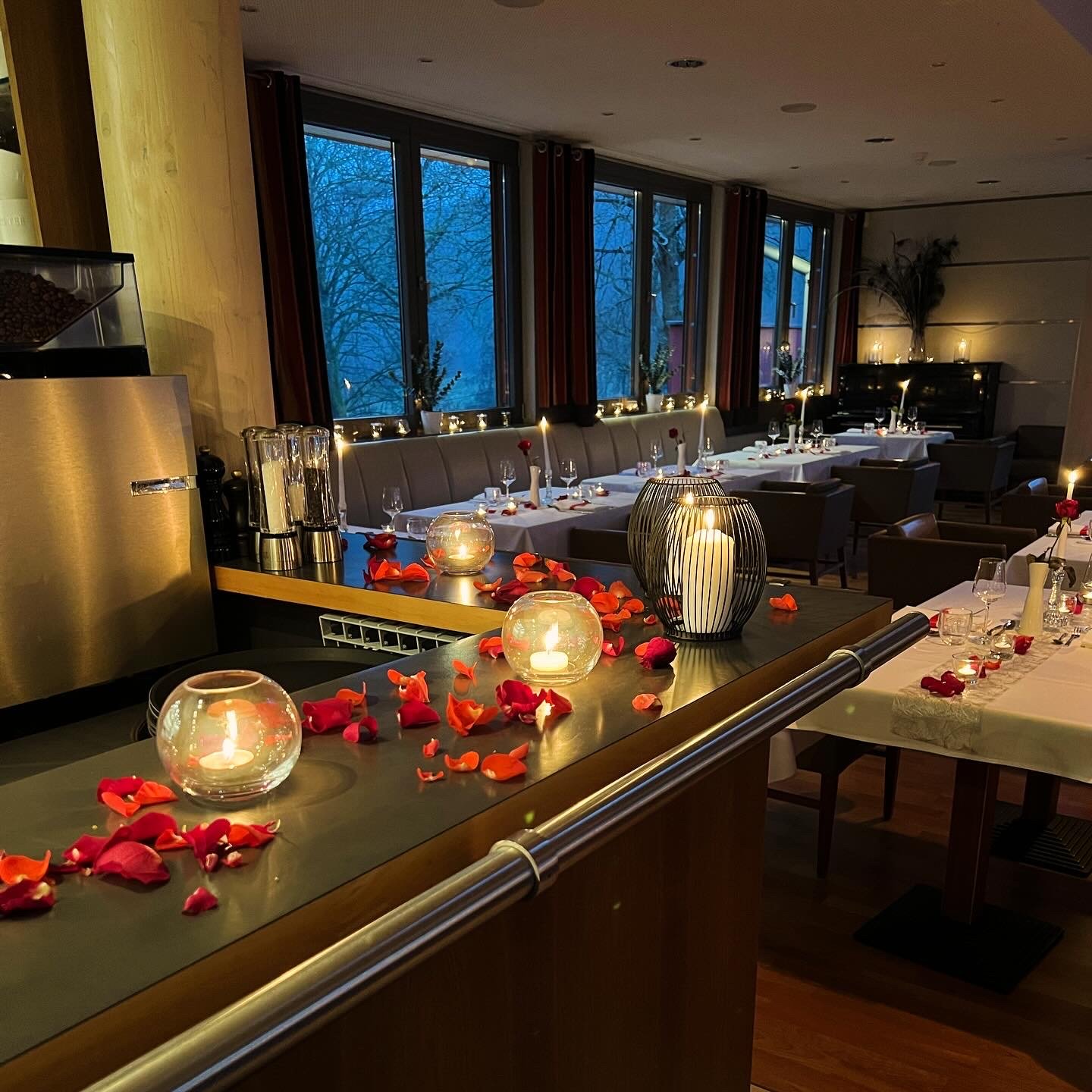
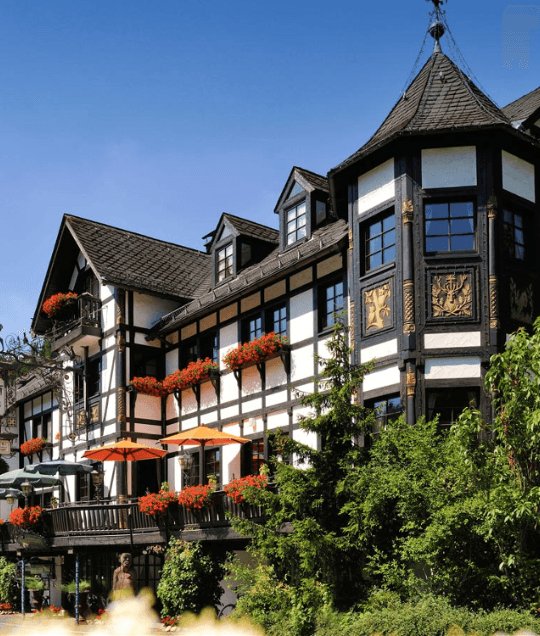
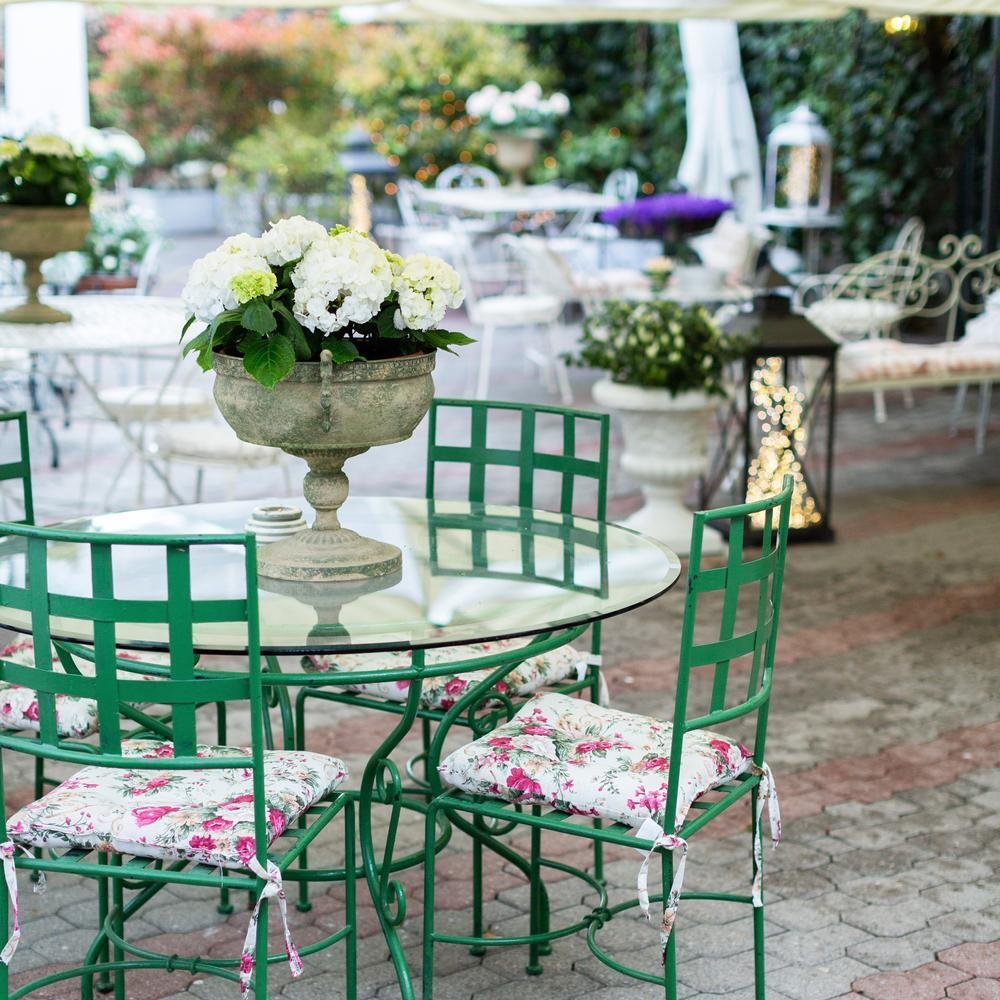
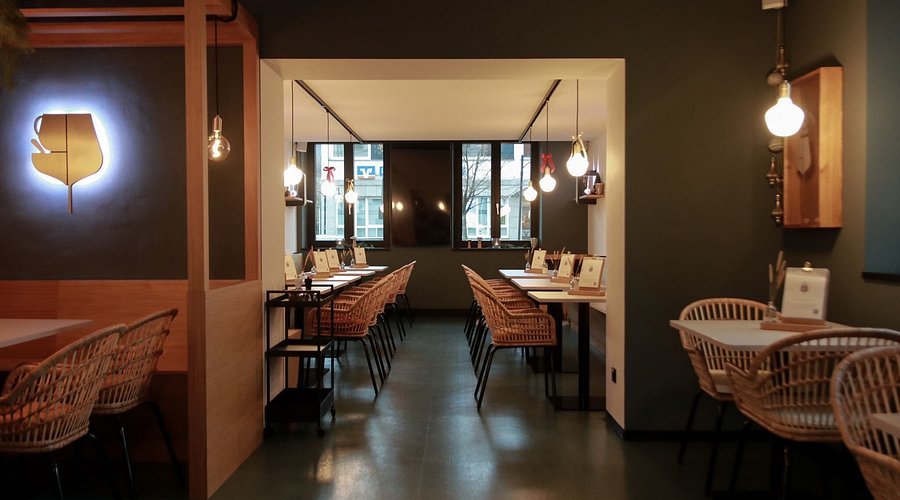
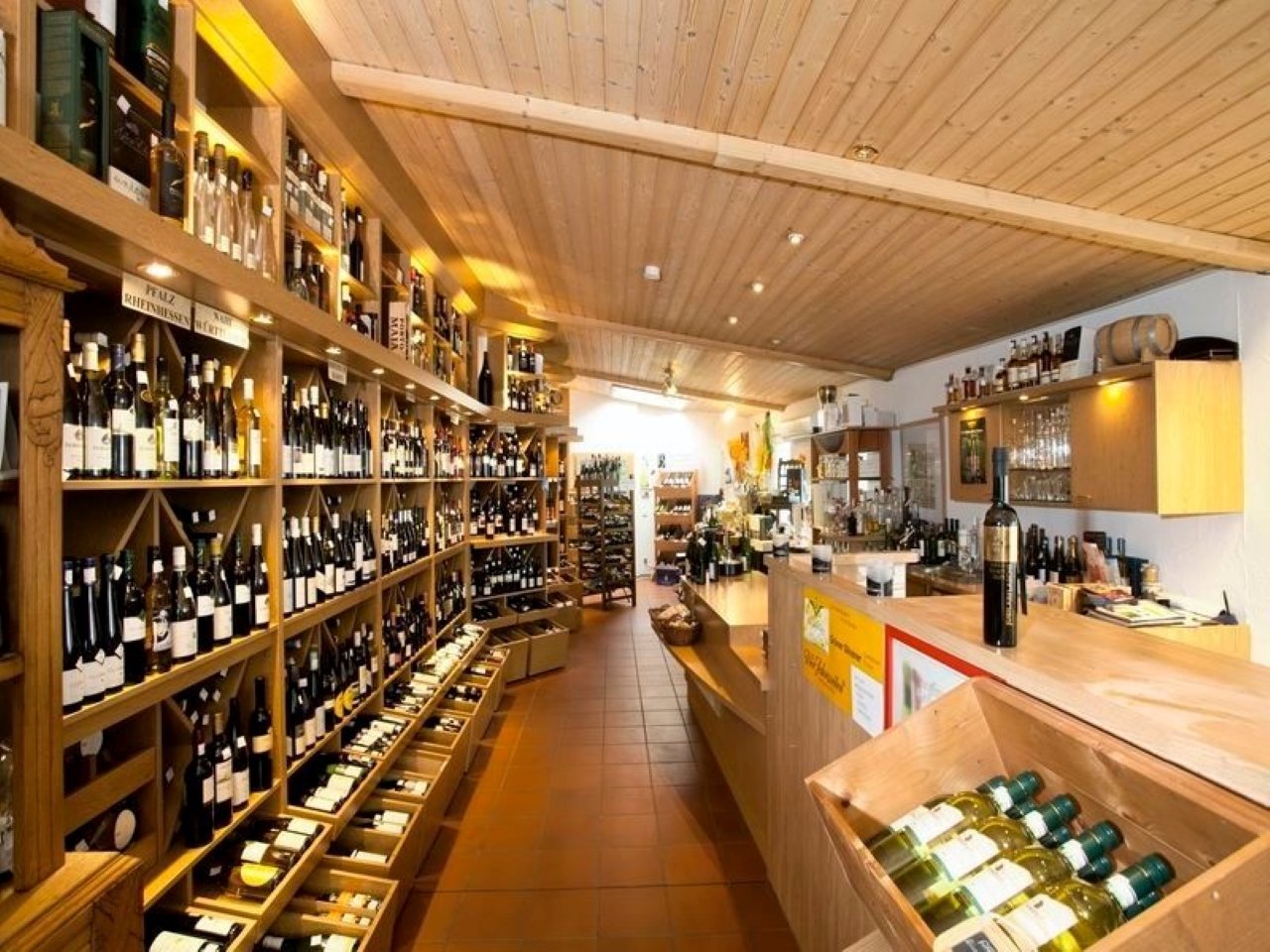
Cozy and inviting with modern ambiance and enjoyable surroundings.