Hotel Ottilia - By Brøchner Hotels

White Guide Nordic Hotels - Exceptional Level
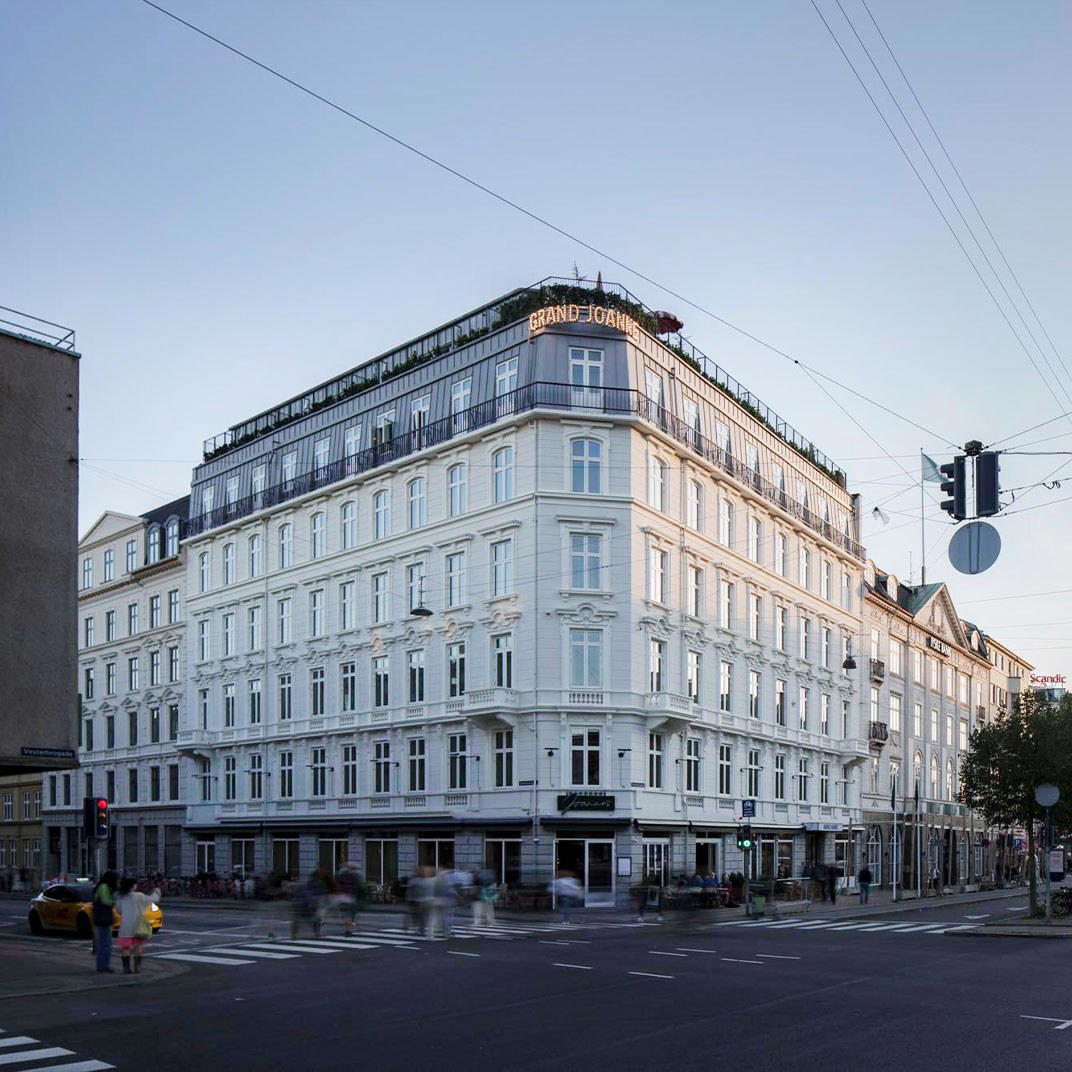
Hotel Ottilia occupies a converted 19th-century brewery building on Bryggernes Plads in Copenhagen's Vesterbro district, placing guests within walking distance of the city's most active food and design corridors. Part of the Brøchner Hotels group, it trades on the neighbourhood's industrial character rather than anonymous business-hotel polish. A practical and considered base for travelers who want proximity to the city's creative core without the rates of the harbour-front tier.

Pearl is the En Primeur Club membership app, where members save venues, book tables and use the concierge.
Bryggernes Plads and the Brewery Belt
Copenhagen's accommodation market has split decisively over the past decade. On one side: harbour-facing design hotels with international branding and rates to match. On the other: a tier of independently managed or group-owned properties that draw their identity from the neighbourhood rather than the category they occupy. Hotel Ottilia, part of the Brøchner Hotels group, sits in that second cohort, operating from a converted brewery building on Bryggernes Plads, the same post-industrial pocket of Vesterbro that gave Copenhagen's food and design culture much of its physical texture. The building's original structure, broad ceilings and exposed brickwork that signal genuine conversion rather than pastiche, frames a stay that reads differently from the glass-and-steel options near Nyhavn or the waterfront. For comparison, properties like 71 Nyhavn Hotel or the Admiral Hotel anchor themselves to harbour geography and the associations that carries. Ottilia anchors itself to a neighbourhood that is, at this point, as much a reason to visit Copenhagen as any single landmark.
The Dining Programme: Brewery Context, Nordic Habits
In Copenhagen, a hotel's dining programme is not a secondary consideration. The city's food culture has become a primary draw for a meaningful share of international travelers, and hotels that treat their restaurants as check-box amenities rather than genuine culinary operations lose ground to the properties that don't. Brøchner Hotels has understood this dynamic across their portfolio, and at Ottilia the approach reflects the brewery setting rather than defaulting to generic Scandinavian minimalism. The building's former identity as part of the Carlsberg brewery complex, one of the defining industrial projects in Danish urban history, provides a frame for a food and beverage identity that earns its references rather than inventing them.
Danish hotel dining has shifted toward a model that borrows from the country's broader restaurant culture: shorter menus, stronger sourcing transparency, less deference to classical European formats. The breakfast programme at properties in this tier typically anchors on rye bread, dairy, and preserved or pickled elements rather than the international buffet spread that still dominates in higher-volume business hotels. This is a meaningful distinction for travelers arriving from cities where hotel breakfast remains a perfunctory exercise. Copenhagen's hotel dining at the Ottilia tier operates closer to the neighbourhood café standard than the insulated hotel-world standard, which is an advantage for guests who want continuity with the city rather than separation from it.
For travelers whose primary purpose is access to Copenhagen's wider restaurant scene, the hotel's location provides a credible base. Vesterbro's food corridor, running along Vesterbrogade and into the meatpacking district (Kødbyen), concentrates a disproportionate share of the city's serious cooking in a compact walkable zone. The Brøchner group's understanding of how their properties sit within that ecosystem shapes what Ottilia does and does not try to be. It does not attempt to compete with the fine-dining properties that have made Copenhagen a reference point for European gastronomy. It provides a considered, location-specific platform for guests to access that scene independently. Our full Copenhagen restaurants guide maps the broader dining picture for guests planning around the city's options.
How Ottilia Sits in the Copenhagen Hotel Market
The Brøchner group operates several Copenhagen properties, and Ottilia occupies a specific position within that portfolio: a conversion property with strong neighbourhood identity rather than a purpose-built hotel with interchangeable design. What separates Ottilia from those properties is the brewery heritage, which gives the building an industrial scale that boutique properties typically don't carry and a historical specificity that purpose-built design hotels can't replicate. The comparison set for guests choosing between these options maps roughly onto the question of whether neighbourhood character or category credentials matter more to the stay.
At the higher end of the Copenhagen market, properties like 1 Hotel Copenhagen compete on sustainability credentials and harbour positioning, while internationally branded luxury properties operate at a different price point and target a different traveler profile entirely. Globally, the gap between that tier and properties like Ottilia is illustrated by comparison with hotels like Cheval Blanc Paris or Aman New York, where the dining programme itself operates at near-restaurant level and accounts for a significant share of the property's identity and rates. Ottilia operates in a different register, where the surrounding neighbourhood does the work that in-house programming does at ultra-luxury properties.
For travelers comparing Copenhagen options at a regional scale, the Danish hotel landscape outside the capital offers a distinct alternative: properties like Dragsholm Slot in Hørve or Falsled Kro in Falsled operate with destination-restaurant credentials that justify travel specifically for the dining programme in a way that city hotels typically don't. Kokkedal Castle Copenhagen in Horsholm occupies a similar position north of the city. These are different propositions from an urban base like Ottilia, rather than direct competitors.
Practical Notes for Planning
The address, Bryggernes Plads 7, 1799 København, places Hotel Ottilia in the Carlsberg district of Vesterbro, a neighbourhood that has undergone sustained development over the past fifteen years and now functions as one of Copenhagen's more coherent mixed-use urban areas. Guests arriving by train will find the S-tog network connects centrally, with Central Station approximately fifteen minutes on foot. For those who want to cross-reference the hotel against a broader set of Copenhagen options before booking, properties including Absalon Hotel, Central Hotel and Café, and Capsule Hotel Copenhagen Vesterbro all operate in adjacent price and neighbourhood territory. Booking directly through the Brøchner Hotels group is the standard approach for this property type, and the group's portfolio model means that loyalty or direct-booking incentives sometimes apply across properties.
Cost and Credentials
| Venue | Price | Awards |
|---|---|---|
| Hotel Ottilia - By Brøchner HotelsThis venue (the venue you are viewing) | Not listed | White Guide Nordic Hotels - Exceptional Level |
| Hotel d'Angleterre Copenhagen | $500–750 | 2 Michelin Keys · La Liste Top Hotels |
| Hotel Sanders | $500–750 | 1 Michelin Key · Forbes Recommended |
| Nimb Copenhagen | $500–750 | 1 Michelin Key · La Liste Top Hotels |
| 1 Hotel Copenhagen | Not listed | 1 Michelin Key · Travel + Leisure It List Hotels |
| 25hours Hotel Paper Island | Not listed | 1 Michelin Key |
Recognition history
Dated appearances from independent guides and award organizations, with the underlying list record or original source where available.
White Guide Nordic Hotels - Exceptional Level
White Guide
Continue exploring
More in Copenhagen
Hotels in Copenhagen
All hotels in Copenhagen →
Bars in Copenhagen
All bars in Copenhagen →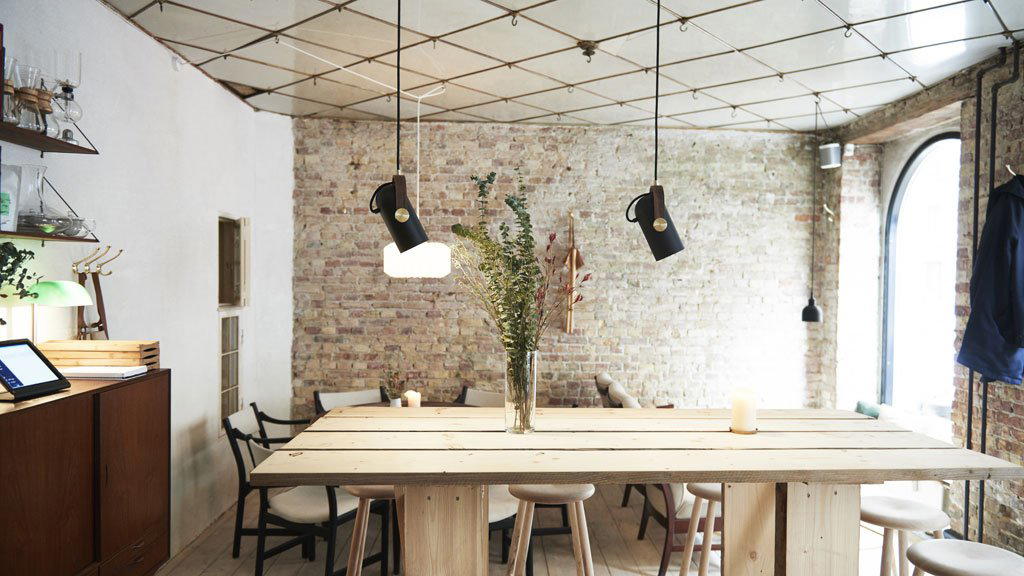

Details
- Industrial
- Modern
- Well Known
- Trendy
- Sophisticated
- Elegant
- Weekend Escape
- Business Trip
- Romantic Getaway
- Historic Building
- Design Destination
- Panoramic View
- Terrace
- Wi Fi
- Fitness Center
- Spa
- Restaurant
- Bar
- Bicycle Rental
- Room Service
- EV Charging
- Skyline
- Elevator
- Accessible Parking
- Wheelchair Accessible
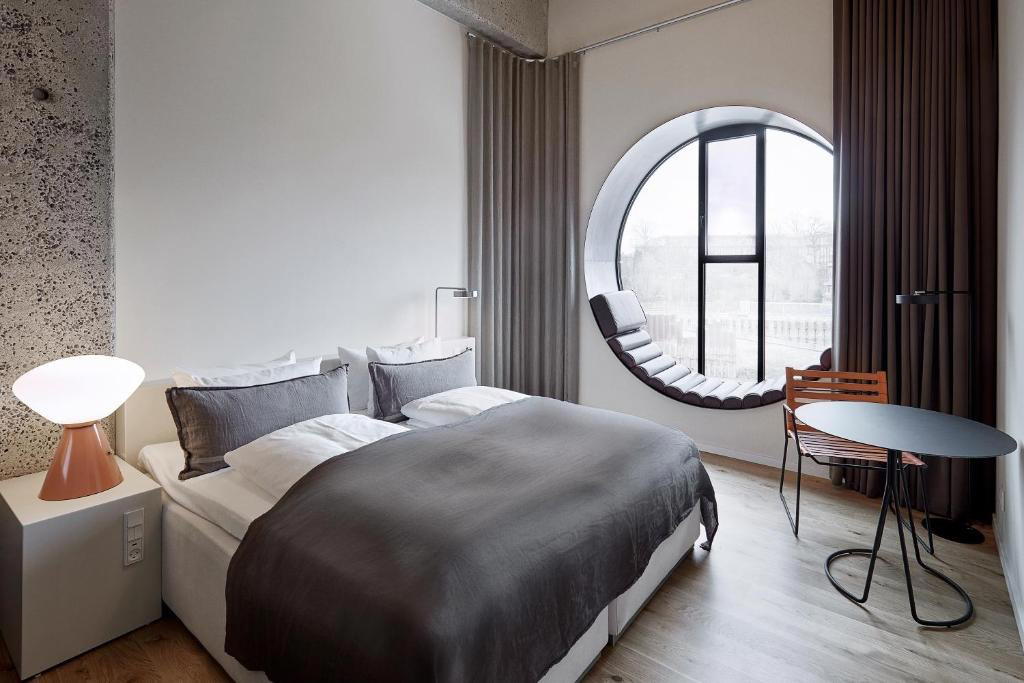
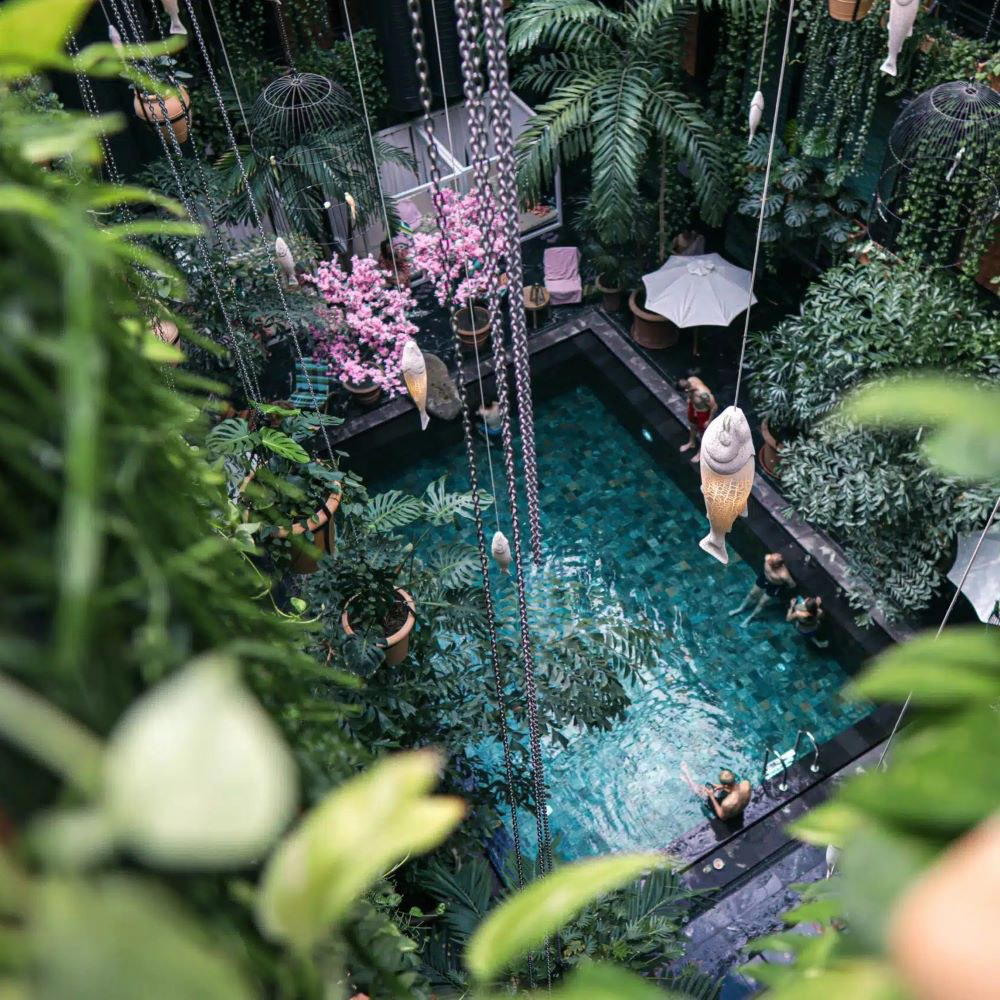
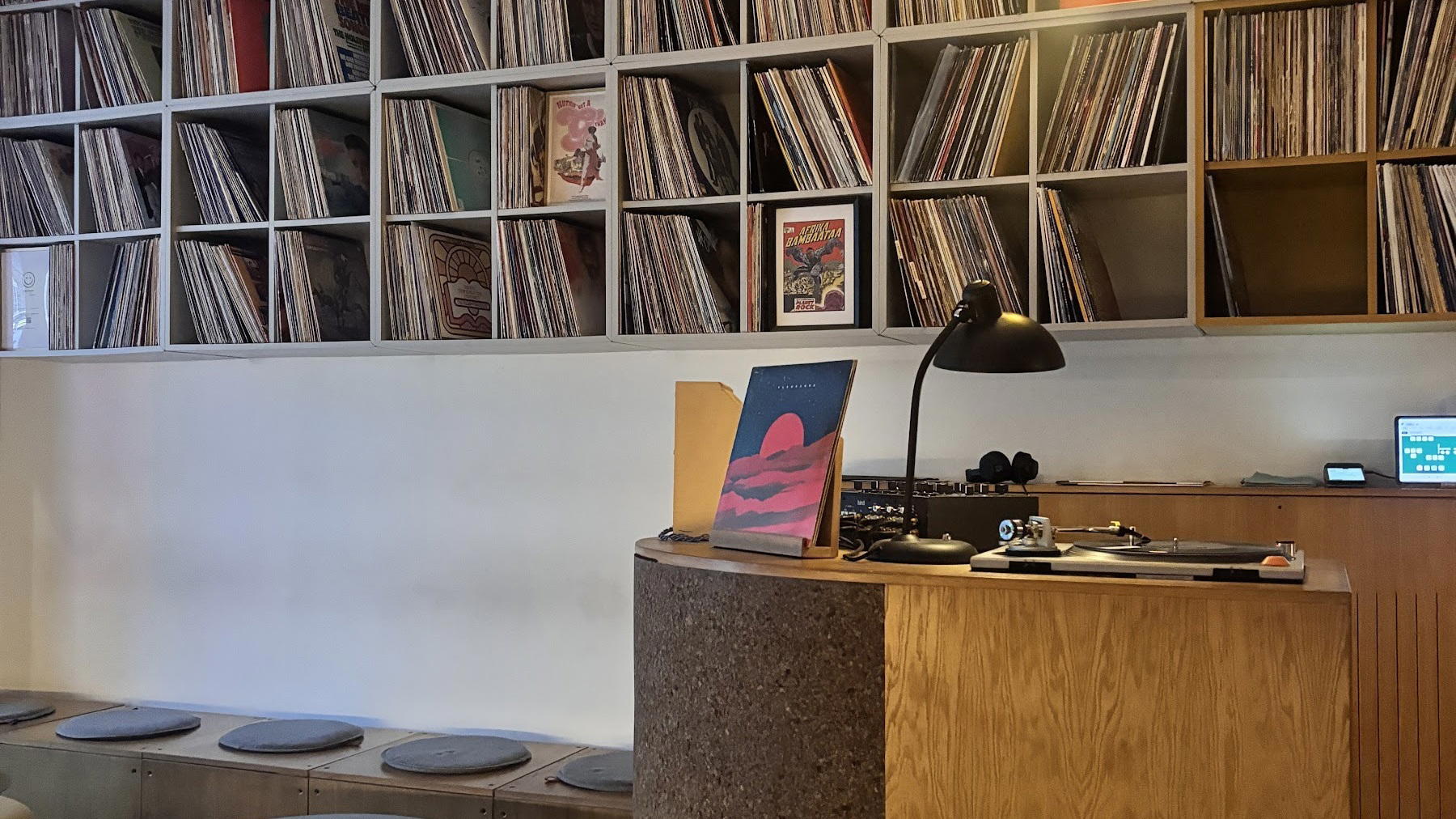
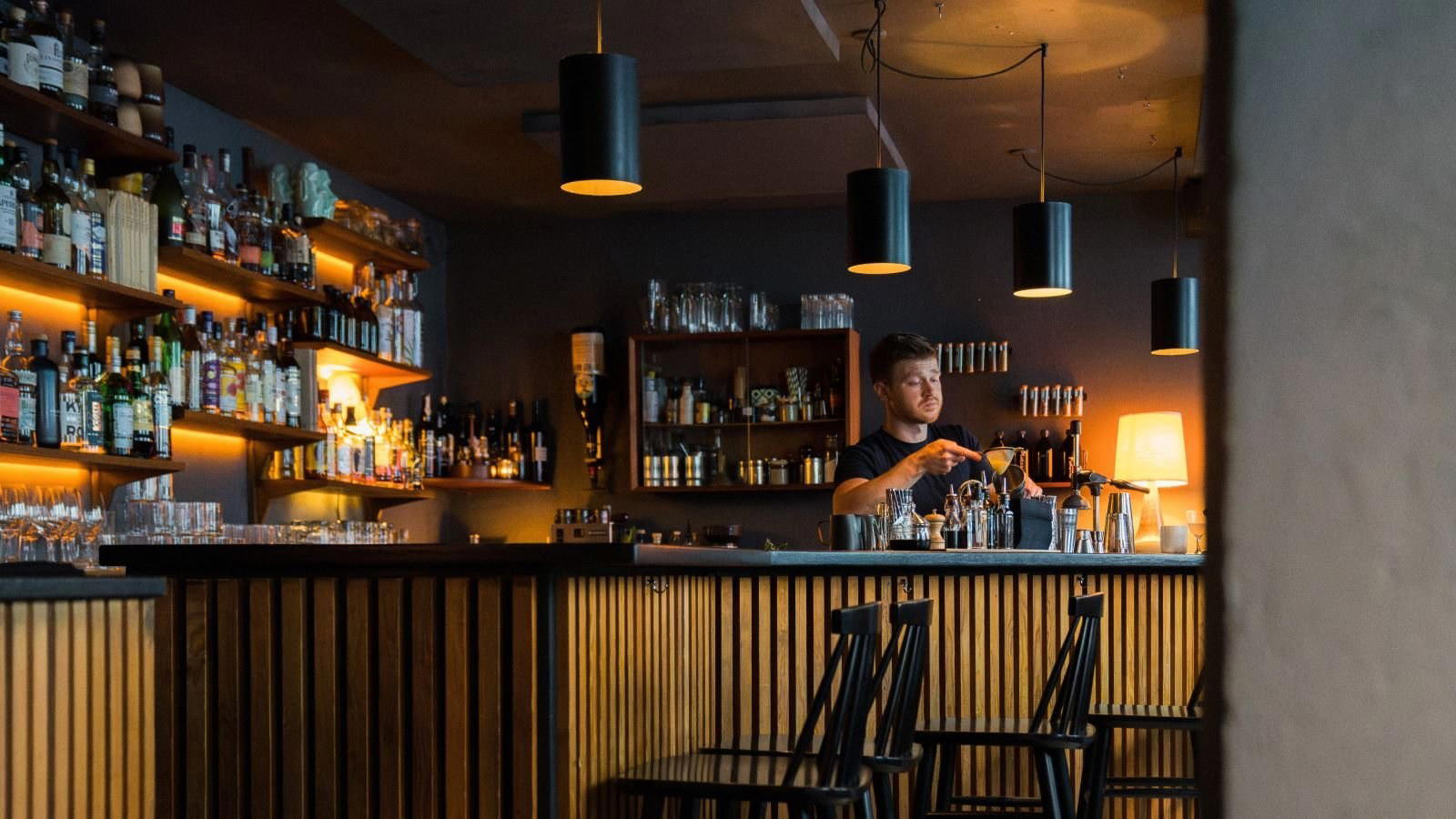
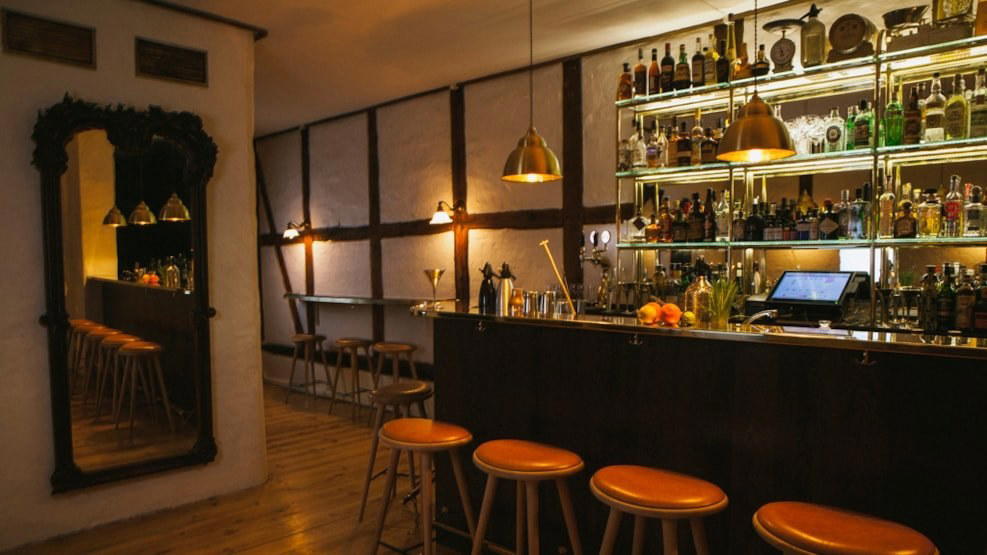
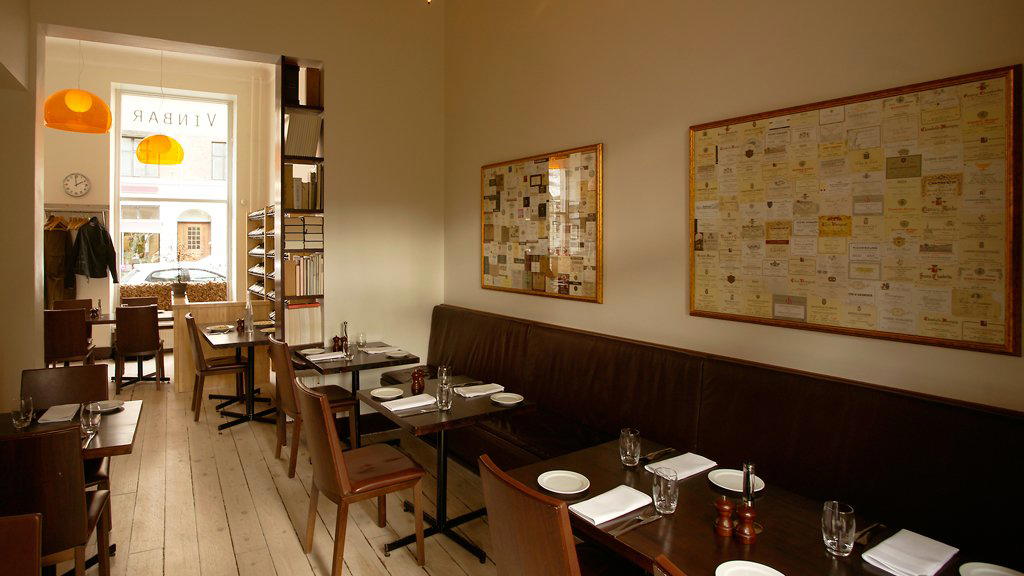
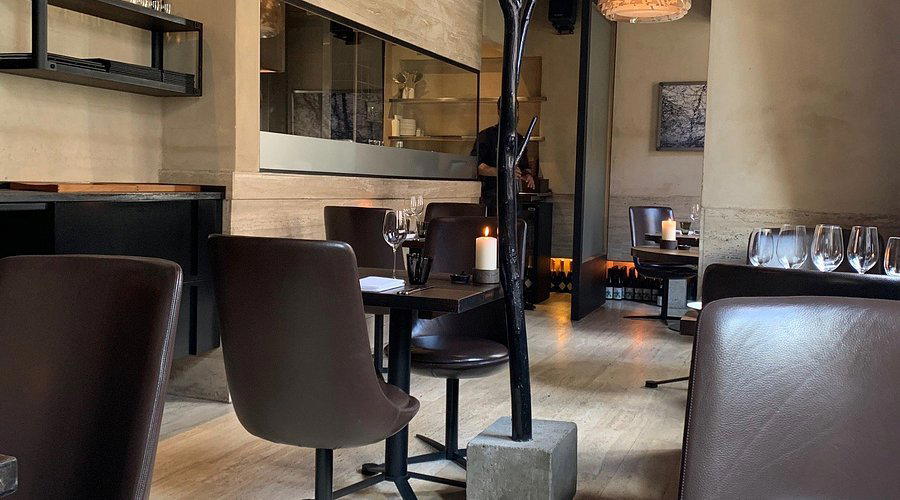
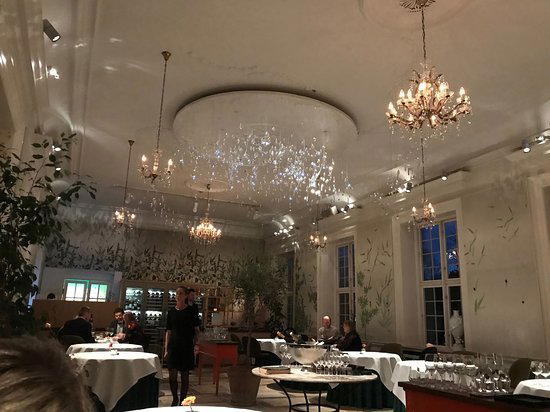
Industrial-luxe with warm lighting, soft grey textiles, and muted color palettes that balance raw concrete and steel with cozy design elements; rooftop terrace offers 360-degree city views.