Hotel Bora HotSpaResort

Michelin Selected
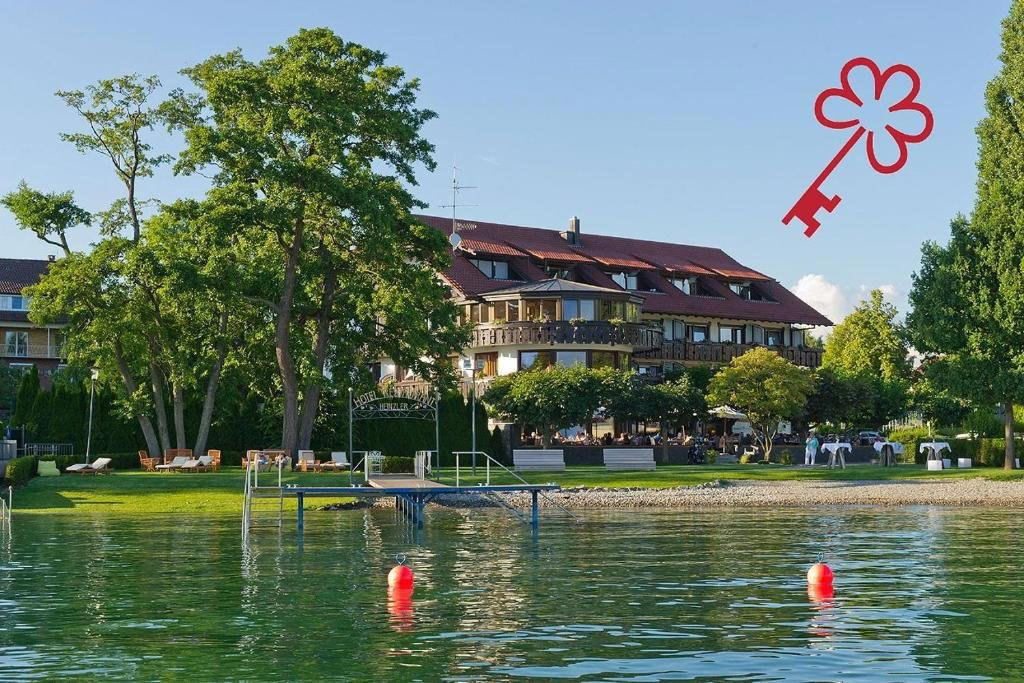
A Michelin Selected hotel on the shores of Lake Constance, Hotel Bora HotSpaResort occupies a distinctive position among Baden-Württemberg's spa properties. The resort's thermal facilities and lakeside setting draw guests seeking a design-conscious retreat at one of Germany's most scenic inland waters. Radolfzell's compact scale keeps the experience grounded in the region rather than removed from it.

Pearl is the En Primeur Club membership app — saves, bookings, and concierge access live there. Same editors, same standards.
- Address
- Karl-Wolf-Straße 35, 78315 Radolfzell am Bodensee, Germany
- Phone
- +49 7732 950400
- Website
- bora-hotsparesort.de
- Directions
- Get directions
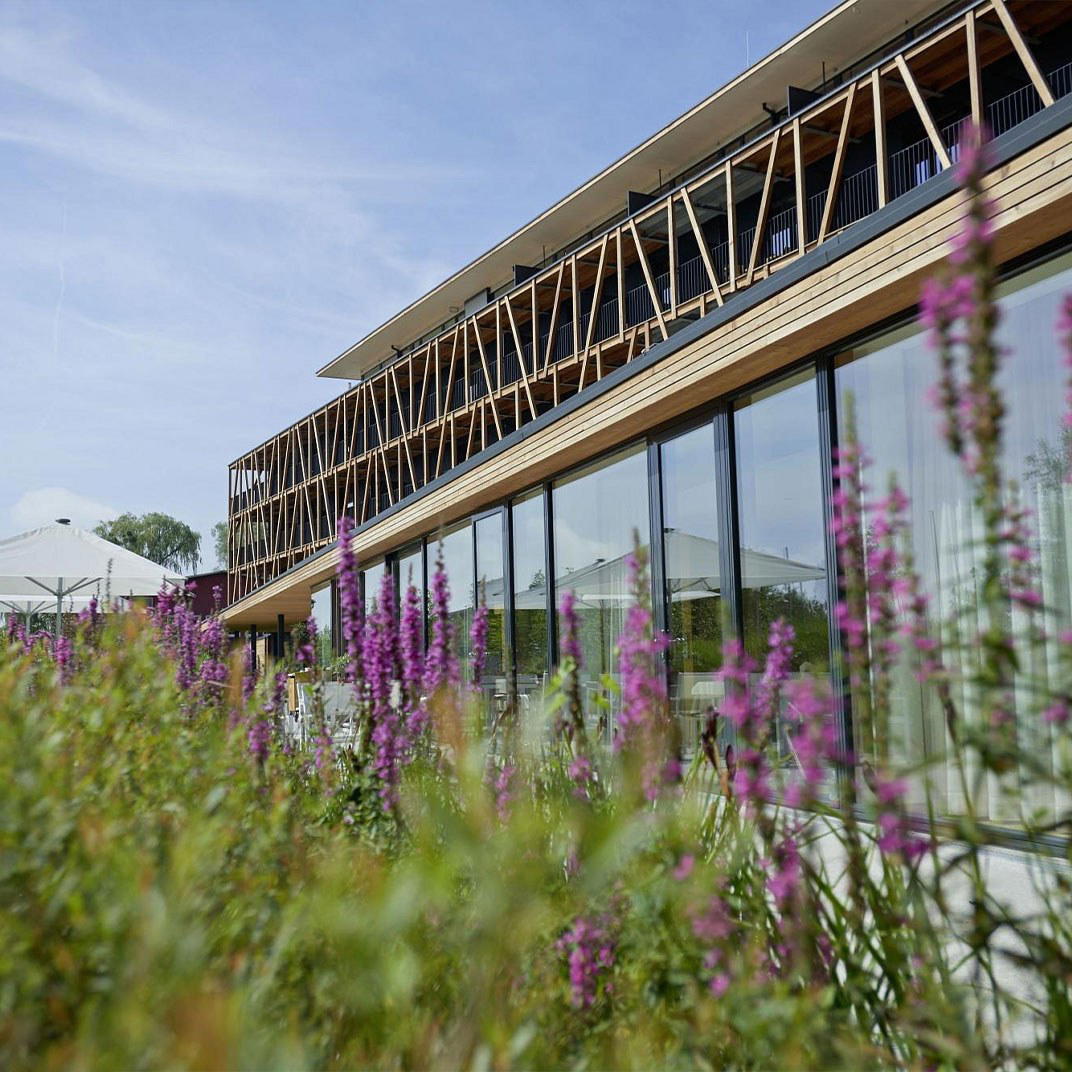
Water, Architecture, and the Logic of Lake Constance
Lake Constance sits at the intersection of three countries — Germany, Austria, and Switzerland — and its German shoreline has quietly accumulated a tier of spa and wellness properties that operate on a different register from the alpine resorts further south. The lake moderates the local climate, softening winters and extending the growing season, which shapes both the landscape and the hospitality culture around it. Radolfzell, on the western end of the Überlinger See, occupies a quieter stretch of that shoreline than the busier tourist centres of Konstanz or Meersburg, and Hotel Bora HotSpaResort sits within that context as a property that takes the thermal and aquatic logic of the region seriously as a design premise.
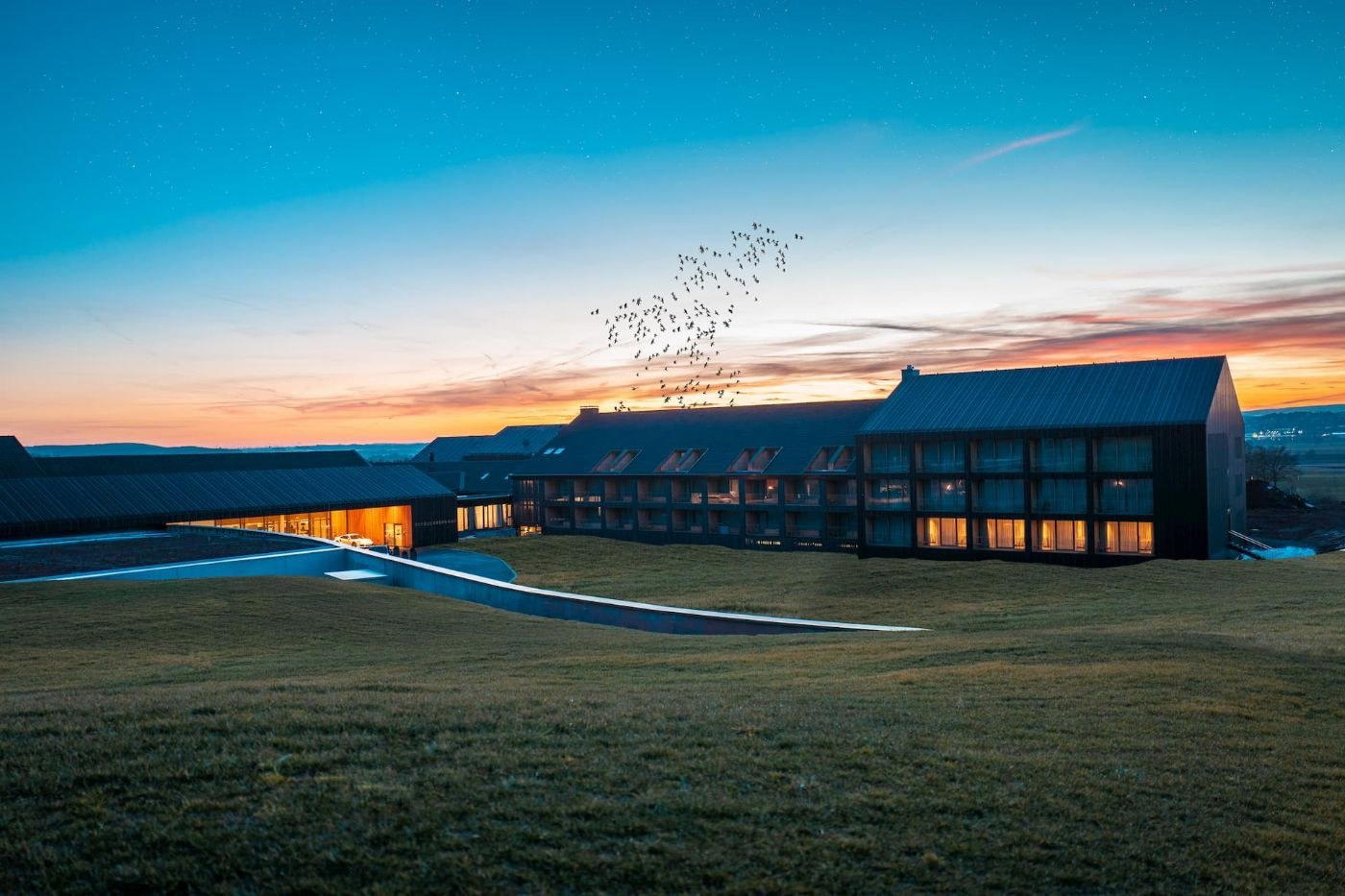
The architectural approach at properties of this category in southern Germany has shifted considerably over the past two decades. Where spa resorts once defaulted to Bavarian vernacular, pitched roofs, timber cladding, alpine motifs, a more recent generation has moved toward contemporary forms that engage the water visually and spatially. Hotel Bora belongs to this second generation, using the lakeside address as an organisational principle rather than a backdrop. The relationship between interior spa volumes and the exterior environment is the central design question such properties are trying to answer, and it is one that carries more weight in a setting like Bodensee than in a mountain context, where the vertical drama does much of the work. Here, the horizontal expanse of the lake demands a different kind of architectural confidence.
The Spa-First Typology and Where Bora Sits Within It
Germany's premium spa hotel market has produced a distinct typology: properties where the wellness infrastructure is the primary product, with accommodation and dining organised around it rather than the reverse. This differs from the model at, say, Hotel Traube Tonbach in Baiersbronn, where the Michelin-starred kitchen is the anchor, or Schloss Elmau in Elmau, where cultural programming shares equal billing with wellness. Hotel Bora's name signals its orientation clearly: the Bora is the regional wind that sweeps down from the Dinaric Alps and across the Adriatic, carrying the idea of elemental natural force. As a naming choice, it positions the property within a tradition of European spa hotels that draw meaning from their natural environment rather than from heritage architecture or celebrity kitchens.
The Michelin Selected designation, awarded as part of the Michelin Guide Hotels 2025, places it in the same recognition tier as properties across Germany that have passed the guide's editorial threshold for quality without necessarily carrying star ratings or the scale of a grand hotel. Michelin's hotel selection process evaluates character, comfort, and a sense of place, which makes the designation meaningful for a resort whose proposition is fundamentally about spatial experience rather than gastronomic distinction.
For comparison points within Germany's lakeside and spa hotel category, properties like Althoff Seehotel Überfahrt in Rottach-Egern on the Tegernsee represent the grand hotel tradition applied to a lakeside setting, while Seezeitlodge Hotel & Spa in Gonnesweiler operates a similarly nature-immersed spa model in a different German water landscape. Understanding where Bora sits means understanding that the Bodensee property leans into the aquatic environment as its primary architectural and experiential argument. See our full Radolfzell Am Bodensee restaurants guide for further context on the town's dining and hospitality character.
The Design Premise: Thermal Architecture on a Freshwater Lake
Thermal and spa architecture has become one of the more technically demanding niches in European hospitality design. The requirements are specific: pool water chemistry, humidity management, transitions between temperature zones, the relationship between glazed surfaces and privacy, and the balance between communal and retreat spaces. Properties that get this right tend to become reference points for the regional market; those that get it wrong, particularly the thermal-to-outdoor transition, struggle to hold position against newer entrants regardless of room quality.
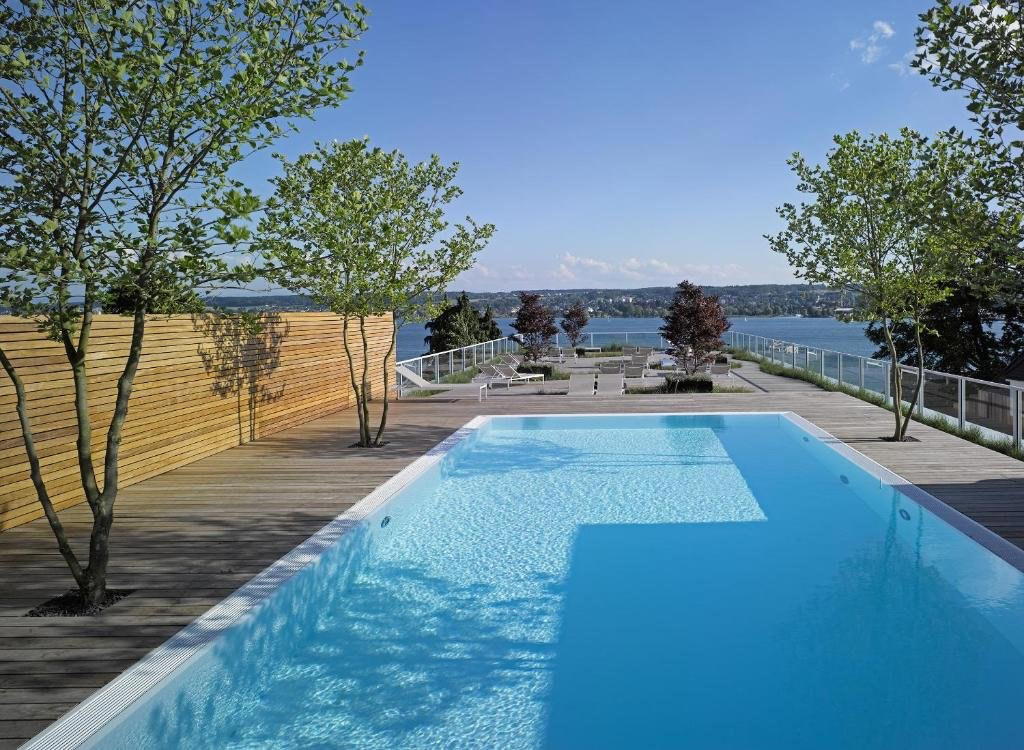
The Bodensee setting adds a further variable. The lake itself, at 536 square kilometres, is large enough to generate its own weather patterns and light conditions. The quality of light over flat water changes through the day in ways that alpine or forest settings don't replicate, and spa architecture that engages with this rather than ignoring it produces a materially different experience. The use of large glazed elements oriented toward the water, and the sequencing of pool spaces to capture or frame that light, is where the design argument either succeeds or becomes merely competent.
Radolfzell as a Base: Scale and Proximity
Radolfzell is not a destination town in the way that Konstanz or Meersburg are, which is part of its utility as a hotel address. The town operates at a pace that suits a spa-oriented stay, with access to the lake and regional cycling infrastructure without the summer congestion of the better-known Bodensee stops. The western end of the Überlinger See is narrower and more intimate than the main lake basin, which affects both the visual quality of the water and the character of the shoreline.
Train connections from Radolfzell reach Konstanz in under twenty minutes and connect to the broader Swiss and German rail network. For guests arriving by car, the drive from Zurich Airport runs approximately one hour, placing the property within easy reach of international connections without requiring the guest to pass through a major urban centre. This accessibility pattern suits the wellness-stay demographic, where the threshold for a long weekend trip is lower than for a full destination holiday.
Germany's Bodensee region competes with Austrian and Swiss lake addresses for this demographic, and the German side has historically been the less premium end of that competition. Properties like Hotel Bora represent the regional market's response to that positioning, investing in spa infrastructure and design quality to hold guests who might otherwise cross into the Swiss shore. For guests building a longer itinerary around the lake, the region is navigable enough to combine a Bora stay with dining or cultural stops in Konstanz, the island of Mainau, or the Swiss Rhine town of Stein am Rhein across the border.
Readers exploring Germany's broader spa and design hotel circuit will find useful comparison points at Luisenhöhe in Horben in the Black Forest, Das Kranzbach in Kranzbach near the Bavarian Alps, and Gut Steinbach in Reit im Winkl. Further afield, Weissenhaus Private Nature Luxury Resort on the Baltic coast and Söl'ring Hof in Sylt represent the northern German end of the premium resort market, while urban alternatives include Fairmont Hotel Vier Jahreszeiten in Hamburg, Breidenbacher Hof in Düsseldorf, and Excelsior Hotel Ernst in Cologne. For those planning a European spa circuit that extends beyond Germany, Badrutt's Palace Hotel in St. Moritz and Hôtel de Paris Monte-Carlo sit in a different price and prestige bracket but serve as useful reference points for what the European luxury hotel market prices against.
In Context: Similar Options
| Venue | Price | Awards |
|---|---|---|
| Hotel Bora HotSpaResortThis venue — the venue you are viewing | $200–300 | Michelin Selected |
| Fairmont Hotel Vier Jahreszeiten | $300–500 | 3 Michelin Keys · La Liste Top Hotels |
| Sofitel Frankfurt Opera | $300–500 | 2 Michelin Keys · Virtuoso Luxury Hotel Partner |
| The Ritz-Carlton, Berlin | $300–500 | 2 Michelin Keys · La Liste Top Hotels |
| Kempinski Hotel Berchtesgaden | $500–750 | 2 Michelin Keys |
| Mandarin Oriental Munich | Not listed | 2 Michelin Keys · La Liste Top Hotels |
Recognition history
Dated appearances from independent guides and award organizations, with the underlying list record or original source where available.
Michelin Selected
Michelin
Continue exploring
More in Radolfzell Am Bodensee
Hotels in Radolfzell Am Bodensee
Browse all →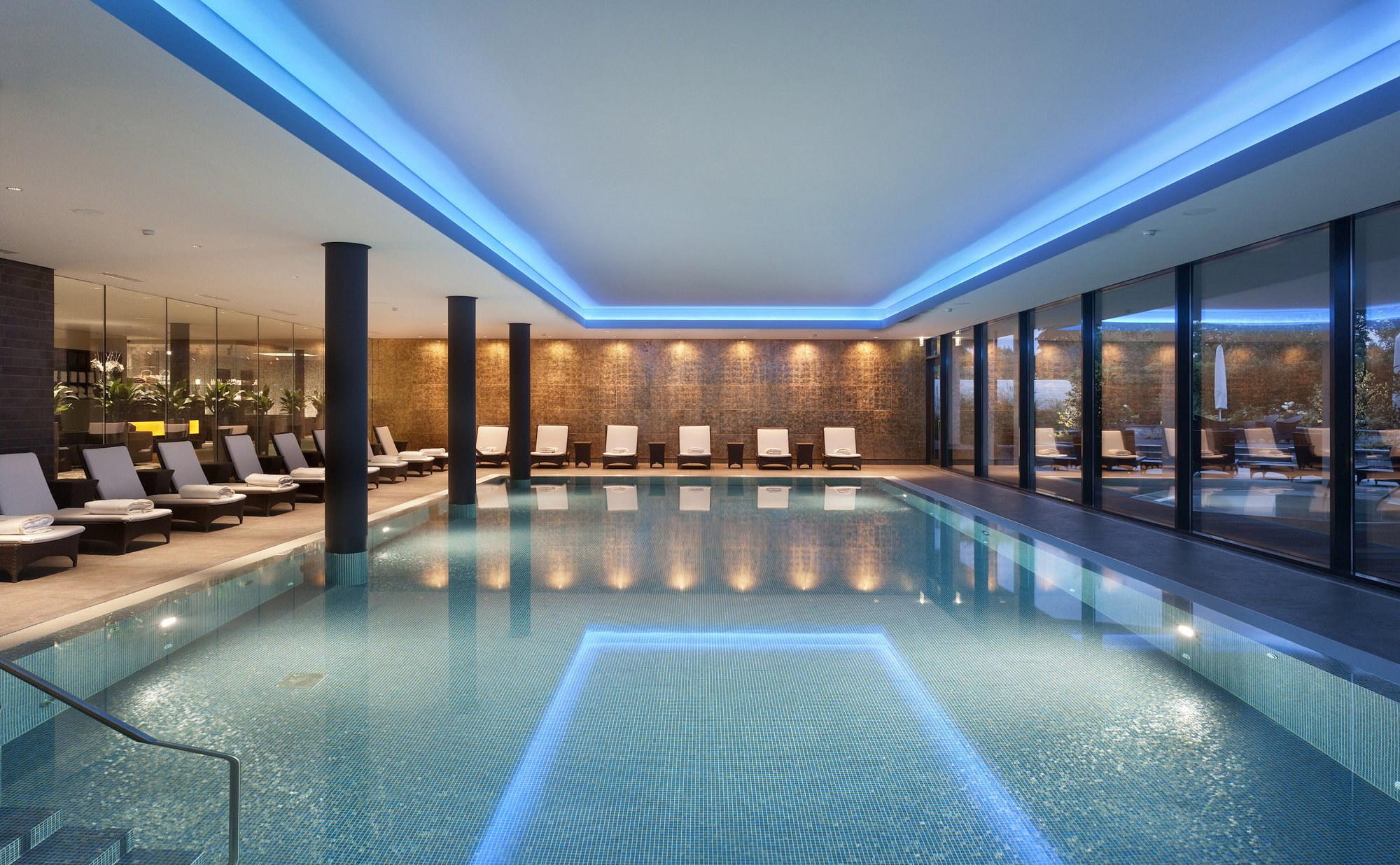
Bars in Radolfzell Am Bodensee
Browse all →
Restaurants in Radolfzell Am Bodensee
Browse all →

Details
- Modern
- Elegant
- Scenic
- Sophisticated
- Minimalist
- Romantic Getaway
- Wellness Retreat
- Weekend Escape
- Beachfront
- Rooftop Pool
- Destination Spa
- Panoramic View
- Wi Fi
- Pool
- Spa
- Fitness Center
- Restaurant
- Private Beach
- Sauna
- EV Charging
- Waterfront
- Garden
- Wheelchair Accessible
- Elevator
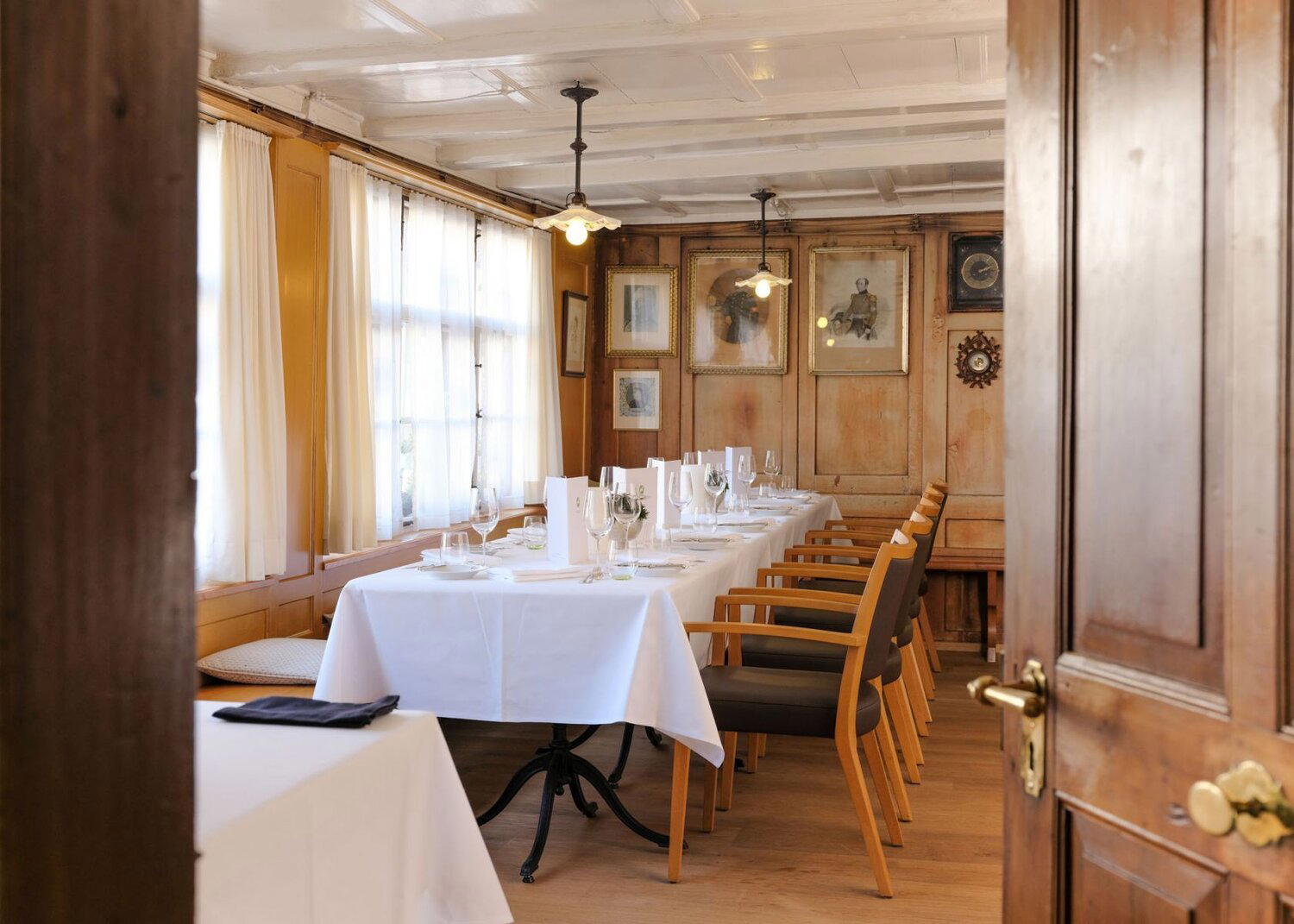
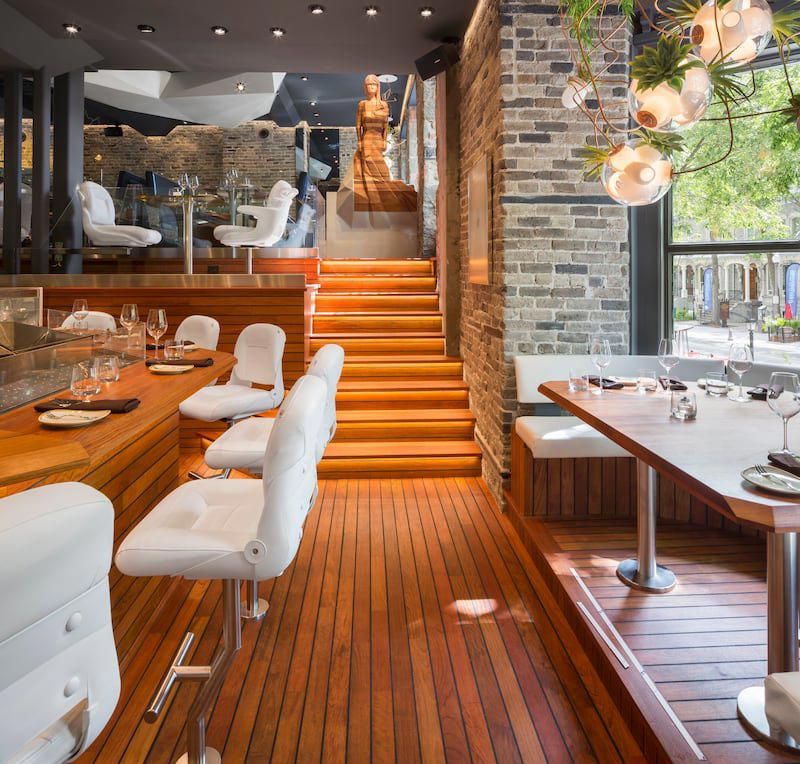
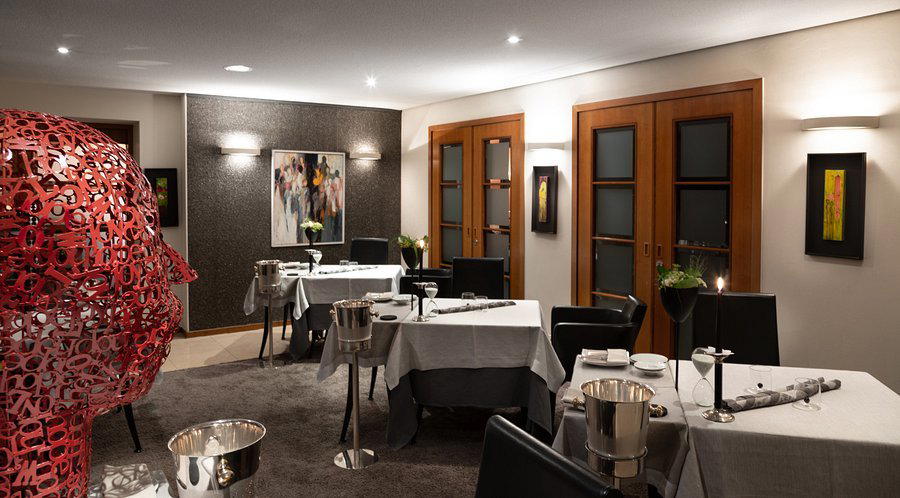
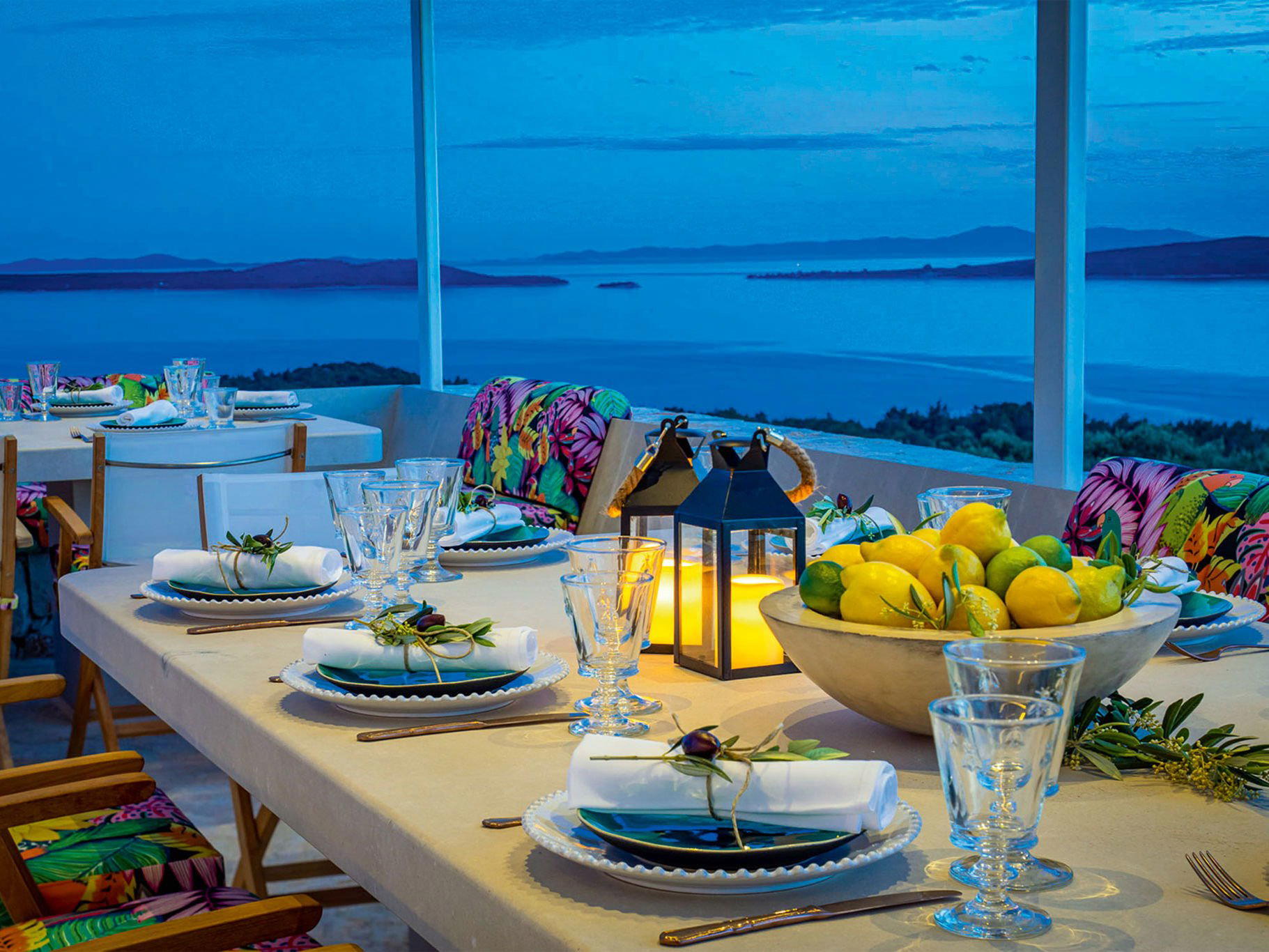
Smart, modern, and upmarket interior with elegant combination of oak, fire, clay, and linen, creating warmth, light, and openness.